Lobos Island from Corralejo: Ferry, Permit and Beaches Guide
Plan a beach day on Lobos Island from Corralejo: the short boat crossing, the free visitor permit, the sheltered cove for swimming and the walk to the lighthouse.
On this page
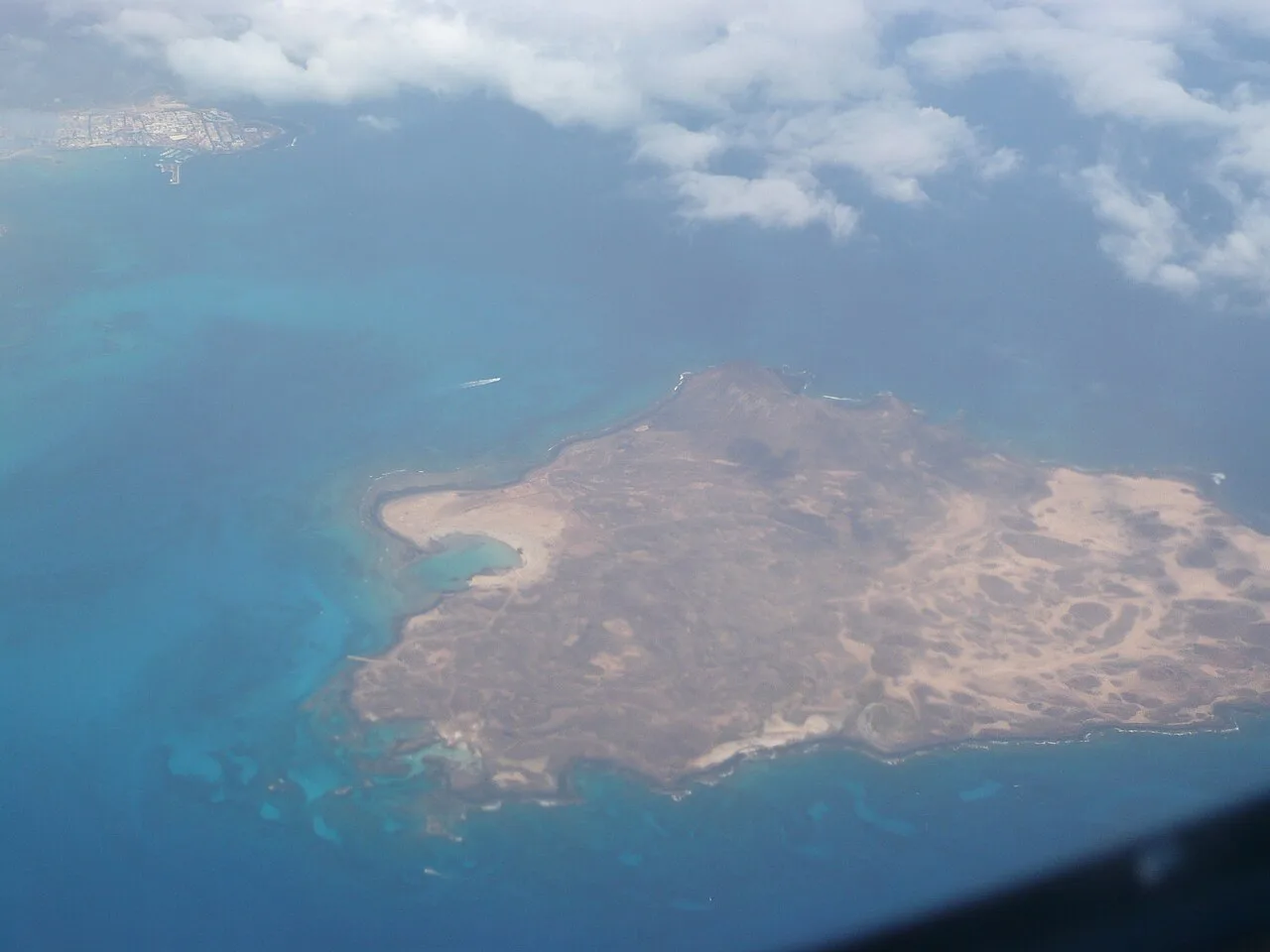
Lobos Island is the low, volcanic islet two kilometres north of Fuerteventura, and it makes one of the best day trips from Corralejo: clear turquoise water, a small white-sand cove and a short climb to a lighthouse with Lanzarote on the horizon. It suits swimmers, snorkellers and walkers who are happy to carry their own water and shade, rather than anyone looking for a full lido with sunbeds and a pool bar.
The scale of the place is the point. The island covers less than five square kilometres, so a day there is a short crossing, a swim, an hour or two on foot and a boat back, all fitted around one timetable. Treat the trip as a half-day you can stretch into a full day, and plan the boat times first.
Where Lobos Island sits
The islet lies roughly two kilometres off the north coast of Fuerteventura, just across the water from Corralejo, which is why the crossing is so short. Boats leave from Corralejo harbour, and a one-way trip is around 15 minutes, so you can be on the island before the day has properly warmed up.
Because the island is small, distances on foot are short but exposed. The path to the lighthouse climbs the volcanic interior, and the beaches sit along the western and southern edges. Pack as if for a walk in the open, with a hat, water and a wind layer, rather than for a resort pool.
Getting there
Boats run from Corralejo harbour to the island's small jetty, and the trip takes around 15 minutes. Ferry and day-trip operators sell crossings and combined tickets, and the island's capacity is limited, so book a boat time before you build the rest of the day around it.
If you are staying in Corralejo, the harbour is walkable from the town centre, which removes any need for parking. Coming from elsewhere on the island, taidhe buses and taxis reach Corralejo, and you leave the car in town rather than at the jetty. Allow time for the walk to the boat, then check in before departure.
The visitor permit
Access to the islet is controlled by a free visitor permit applied for online in advance, and the island's capacity is limited, so your permit and your boat time need to match. Apply for the permit before booking the crossing with the ferry company, and keep the confirmation to hand for the crossing and for landing on the island.
The permit scheme exists to keep numbers down on a small, protected islet, and that is exactly why a day there feels quiet. Build the plan around the permit slot rather than the other way around: choose the boat out that gets you a full morning or afternoon on the island, and a return crossing with a comfortable margin for the walk back to the jetty.
The beach and the water
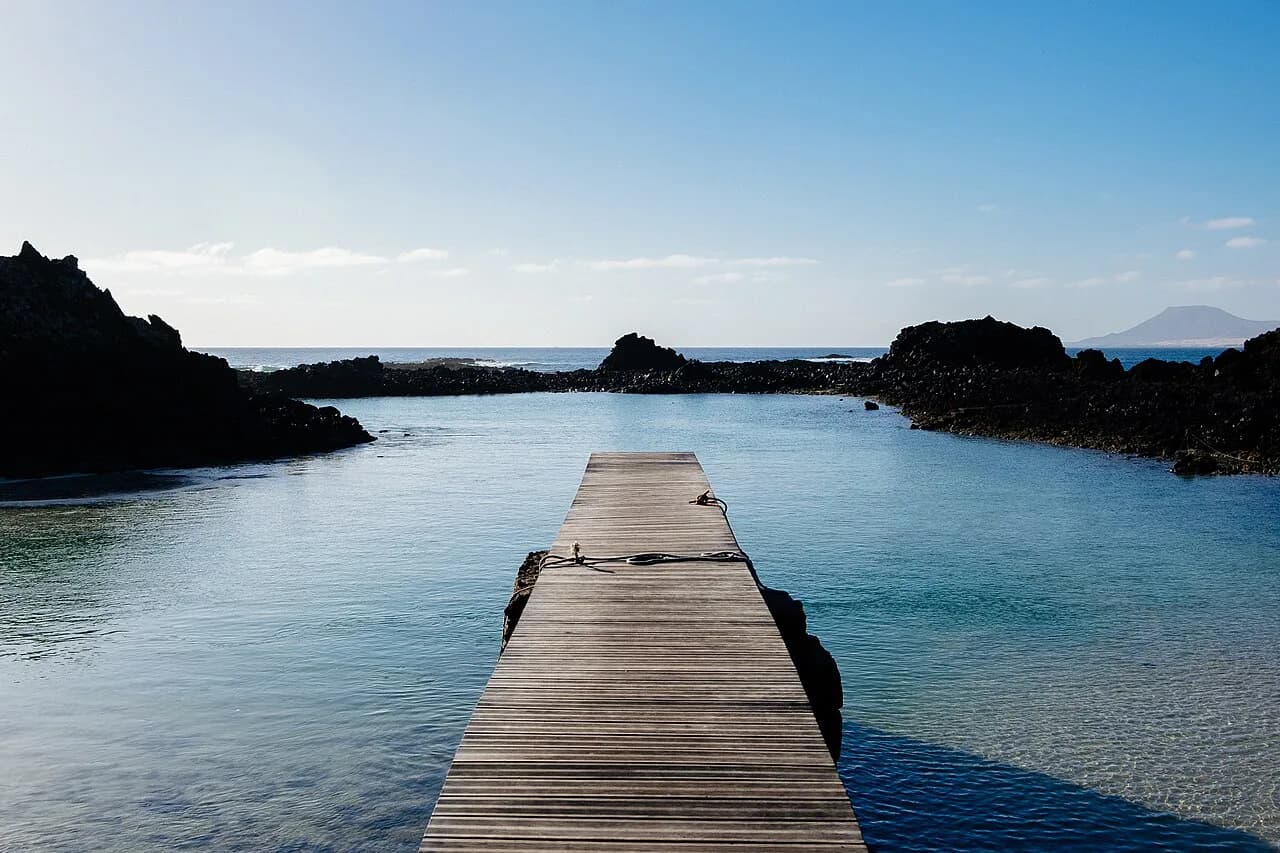
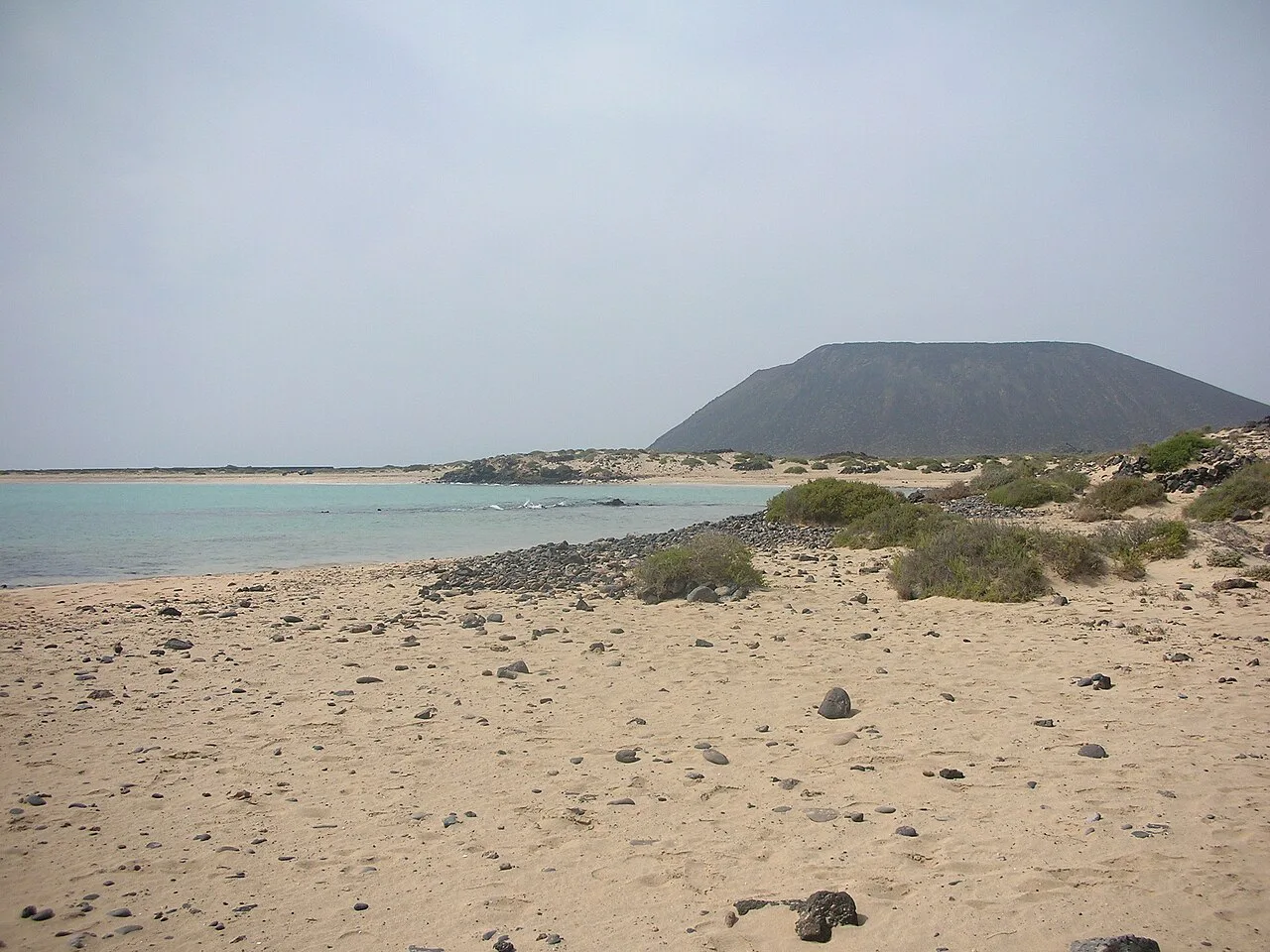
The little cove on the island has white sand mixed with shells and clear turquoise water, and it has the feel of a natural pool, with no waves to speak of. It is the obvious swim spot for the day and works well for families with older children and for adults who want a calm dip between walks.
At the edges of the cove the sand gives way to rock, which is where the snorkelling happens on a day with good visibility. Bring a mask and reef-safe sunscreen, and keep to the sandy entry if you are not confident on rock. Sea conditions change with the wind, so look at the water and any flags before you get in rather than assuming the cove is always flat.
Shade is limited to the rocks and whatever you bring, so a beach umbrella or a windbreak earns its place in the bag. The sand is pale and reflects the sun, and the wind that makes the crossing comfortable can also lift sand, so a sarong or light long-sleeved top is useful.
Around the island on foot
The walk to the lighthouse is the other half of the day. A path climbs from the landing area through the volcanic interior to the far end, with views back to Fuerteventura and across to Lanzarote on a clear day, and it takes under an hour at an easy pace with stops.
Wear proper shoes rather than flip-flops for this, and carry water, because the path is exposed and the volcanic ground is rough underfoot. The route is short enough to combine with a swim before and after, which makes it a natural half-day pattern: boat, walk, swim, boat back.
Facilities
There is a small restaurant on the island, and booking is needed if you want a table for lunch. That single kitchen is the main facility, so carry water, snacks and cash or a card, and do not plan on finding a shop or a string of beach bars.
For shade, toilets and a shower, you are better off treating the day as bring-your-own and using the facilities back in Corralejo before and after. A dry bag for phones and keys, a towel and a change of clothes make the return crossing comfortable.
Best time to go
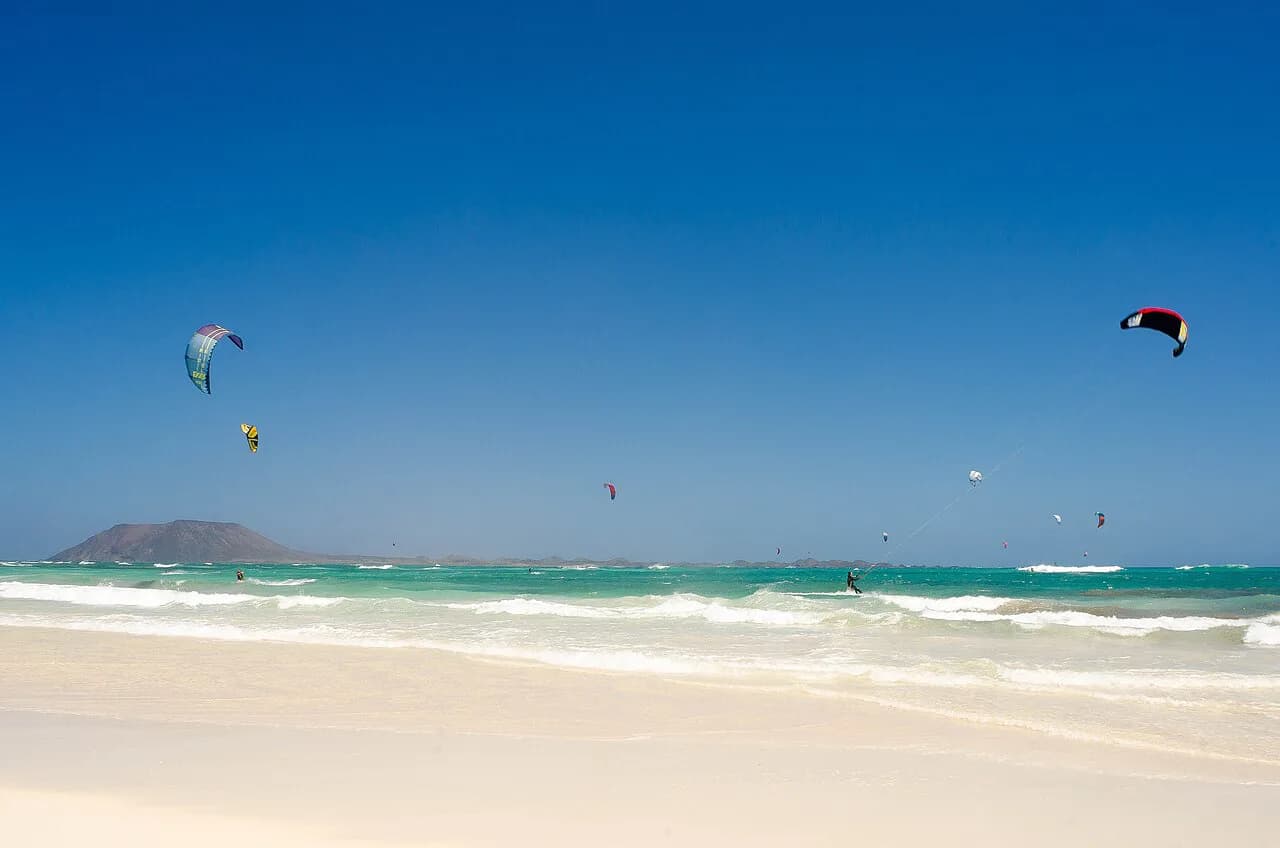
The sea is at its warmest from late spring through early autumn, and those months also bring the most people to Corralejo and to the boats. July and August are the windiest months on the island, which suits wind sports on the dunes and makes a sheltered cove like the one on Lobos a good choice on a breezy day.
Spring and autumn give warm water, fewer people on the boat and comfortable walking, which suits the walk-and-swim pattern best. Whichever month you pick, check the day's wind forecast before booking, since the crossing and the cove both depend on it.
Nearby beaches to combine
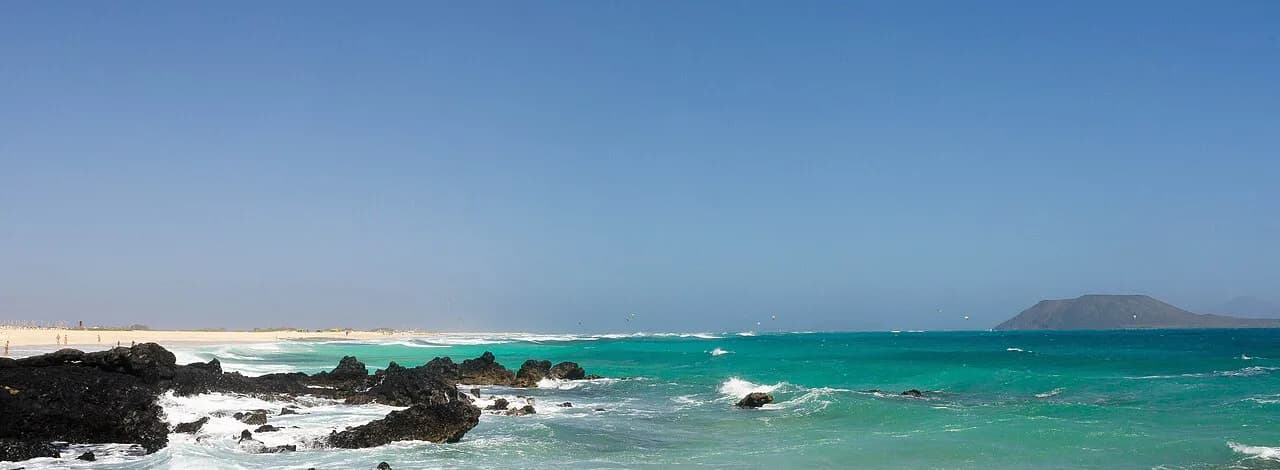
The obvious pairing is the dunes beaches on the other side of Corralejo harbour. The Corralejo dunes and the Grandes Playas de Corralejo run for kilometres of pale sand beside the Dunas de Corralejo Natural Park, and a bus or a short drive from town puts you there for the afternoon after a morning on Lobos.
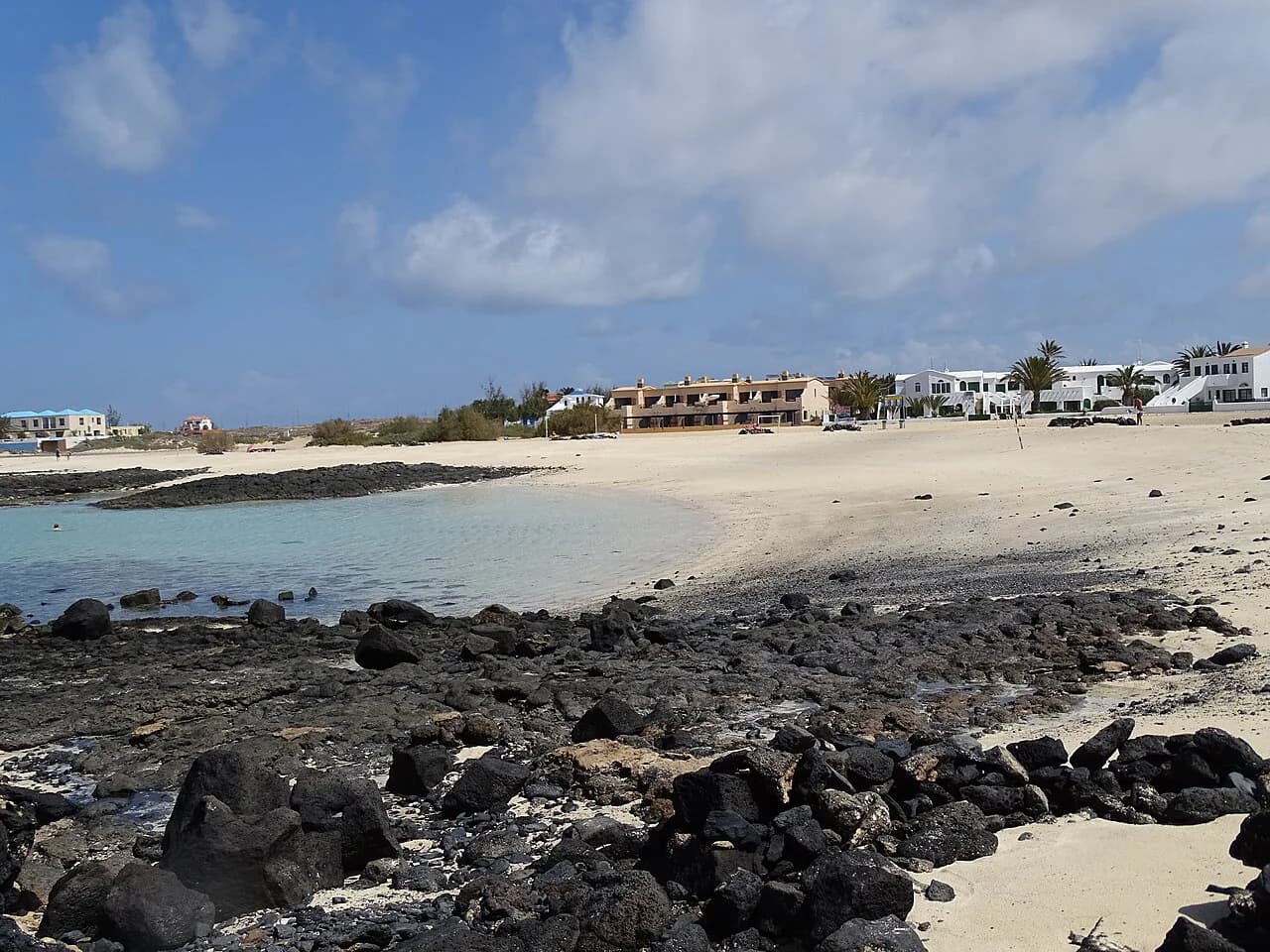
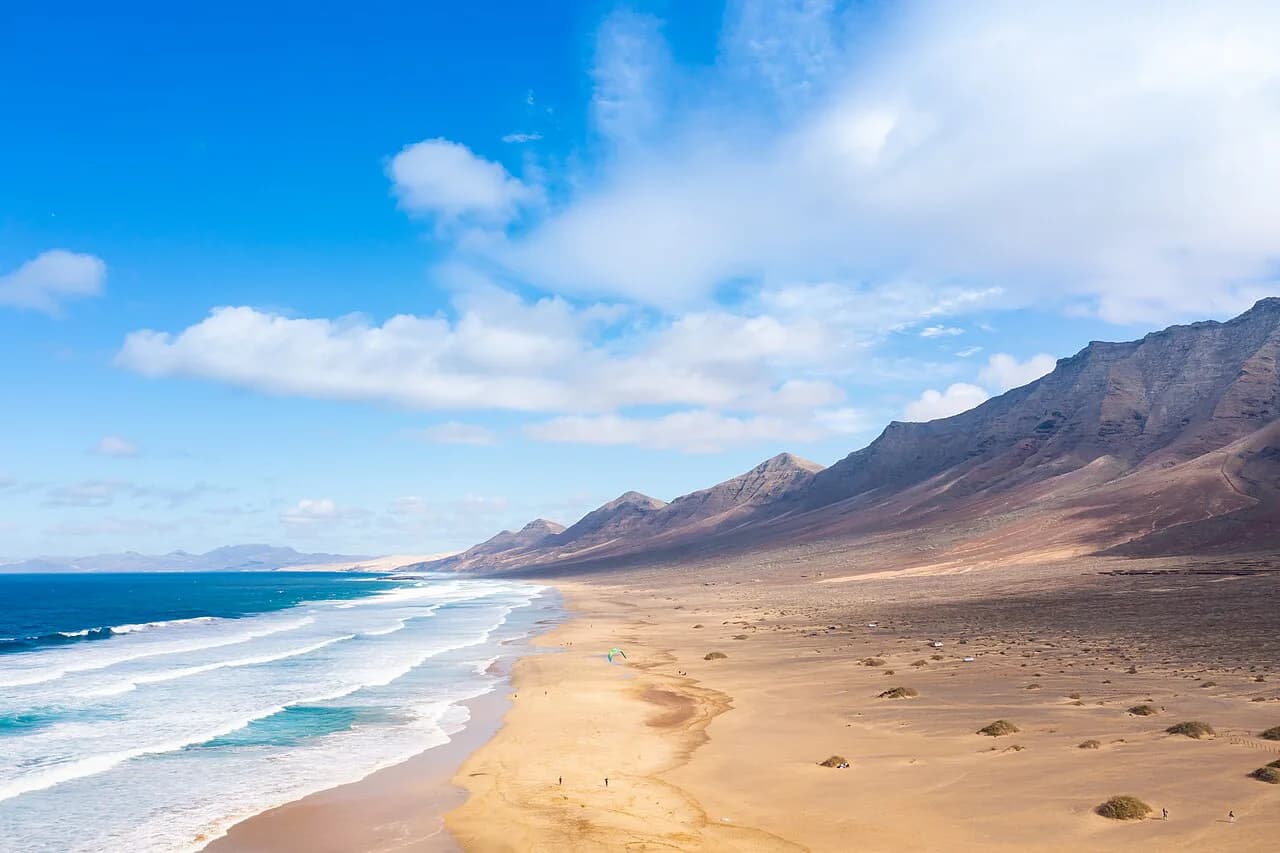
If you have more than a few days, give El Cotillo and its lagoon coves a separate day on the west coast, and save the long southern beaches for another trip. Sotavento beach on the Jandía peninsula is the other big-name swim and windsurf spot, but it is a drive from Corralejo and deserves its own day rather than an afternoon bolted onto the ferry timetable. Island-hoppers weighing up a second ferry trip can compare the best beaches in La Palma for a similarly short crossing to a wilder shore.
Rules on the Dunes and the Beaches North of Town
If you are staying in Corralejo with a dog and want a long, open walk, the dune beaches immediately south of town are the obvious extension of a Lobos day, and one rule shapes what you can do there: even with an off-road vehicle you cannot drive in the Natural Park other than on the FV-1 road, because driving on the dunes is strictly forbidden. Access to the park by road is via the FV-1, and motorists should watch for pedestrians and drifting sand along it. Kilometres of parking spaces line the road, with the ones nearest the favoured spots such as Flag Beach filling first, and since there is very little cover in the park, bring plenty of water and sun cream. The dunes can also be reached on foot from Corralejo, roughly 1½ to 2 hours from the centre of town, or by bicycle, bus or taxi, and some hotels run a shuttle service.
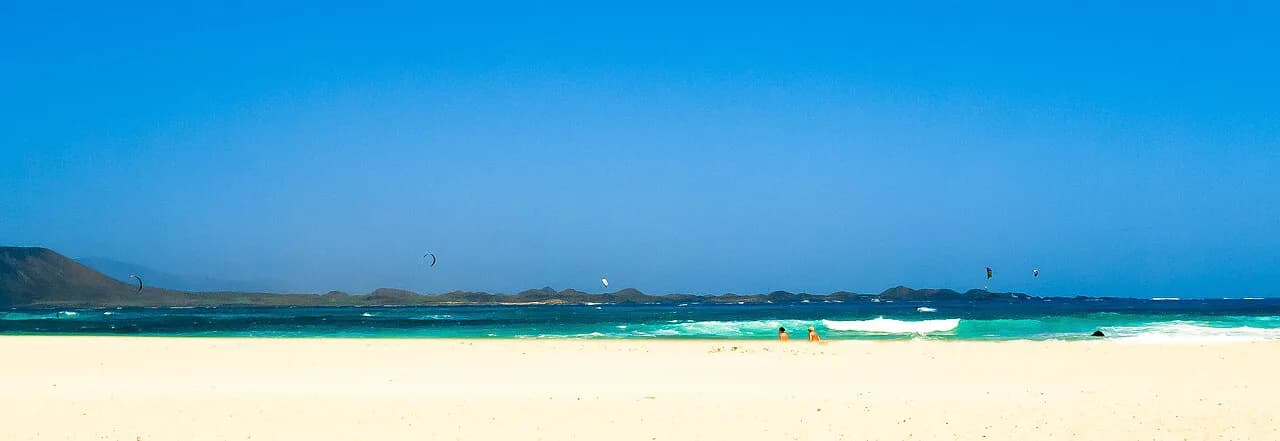
What you will find on these sands is the Parque Natural de las Dunas de Corralejo, the largest sand dunes of the Canary Islands, covering around 24km² and including the beaches, the shifting dunes and the volcanic ground to the south. The 10km stretch of coast known locally as Grandes Playas is made up of a number of smaller beaches, pale sand with few rocks and clear turquoise water; the sand is composed of the shells of marine creatures. The park, together with nearby Lobos, is a Special Protection Area for Birds, and the Houbara Bustard is its flag-bearer and the largest native bird in the Canary Islands; little egrets, spoonbills, kentish plovers and lizards also live here. Semi-circular stone shelters called zuccos give some respite from the wind and a little privacy, especially towards the southern end of the dunes, and chiringuitos, toilets and showers are dotted along the beaches.
Keep in mind that this is not easy swimming country: there are strong currents and rip tides along the Grandes Playas, along with a small ratio of lifeguards to beach-goers, and the water sports crowd concentrates at Flag Beach for surfing and the El Medano area for wind and kite surfers. Bird protection is the other consideration when you have a dog along. For something calmer and closer to a town, the lagoon beaches of El Cotillo begin at the northern edge of the village and are listed among the island's main naturist beaches, with Playa de la Concha generally a mixture of textiles and naturists; the town beaches, particularly those in Caleta de Fuste, are not naturist, and on most of the island's beaches naturists and non-naturists co-exist quite happily.
Plan Your Day on Lobos
Lobos rewards planning in the right order: apply for the free permit, book a boat time that matches it, and build the day around one swim in the cove and one walk to the lighthouse. Carry water, shade and shoes you can walk in, and book the restaurant if you want lunch on the island.
Check the crossing times with your operator and the permit conditions with the island's booking page before you travel, since both shape the day more than anything else. Then give the rest of the holiday to the Corralejo beaches, the dunes and the west-coast lagoons, which each deserve their own outing.
Frequently Asked Questions
Is Lobos Island worth visiting?
Yes, if you want a short boat crossing, clear water and a quiet walk with big views. It is a small, protected islet with one cove and one main path to the lighthouse, so it suits swimmers and walkers rather than anyone wanting a full resort beach with sunbeds and bars.
Do you need a permit to visit Lobos Island?
You need a free visitor permit, applied for online in advance; the island's capacity is limited. Apply before you book the boat so the permit and crossing time match, and keep the confirmation handy for landing.
Can you swim on Lobos Island?
Yes, in the sheltered cove, where the water has a natural-pool feel and the entry is over sand. The edges turn rocky, which is where snorkellers head on a clear day. Conditions shift with the wind, so look at the water and any flags before you get in.
How long should you spend on Lobos Island?
Most people treat it as a half-day that can stretch into a full day: cross in the morning, walk to the lighthouse, swim, have lunch and take an afternoon boat back. The island is small, so the timetable rather than the distance sets your day.
Is there a shop on Lobos Island?
There is a small restaurant, and booking is needed if you want a table. Plan on bringing your own water, snacks and shade, and use the shops and facilities in Corralejo before and after the crossing.
How do you get to Lobos Island from Corralejo?
Boats leave Corralejo harbour and the crossing takes around 15 minutes. Operators sell crossings and day trips, and the island's capacity is limited, so book a boat time before you build the rest of the day around it.
Sources
Beach notes for your next trip
Optional updates when we add or revise beach guides.
You might also like

Continue reading
More guides you'll find useful