Granadella Beach Guide: Access and Snorkelling from Dénia
Granadella beach near Jávea is a 160m Blue Flag pebble cove with clear water for snorkelling, summer visitor limits and a shuttle from Guardia Park.
On this page
Granadella rewards the effort it takes to reach: a turquoise bay of polished pebbles tucked beneath pine forest, with clear water that makes snorkelling the main event. It suits swimmers, paddlers and anyone who prefers a dramatic cove to a long sweep of sand, and it is less suited to families wanting soft sand and gentle shallows.
A small pebble cove and who it suits
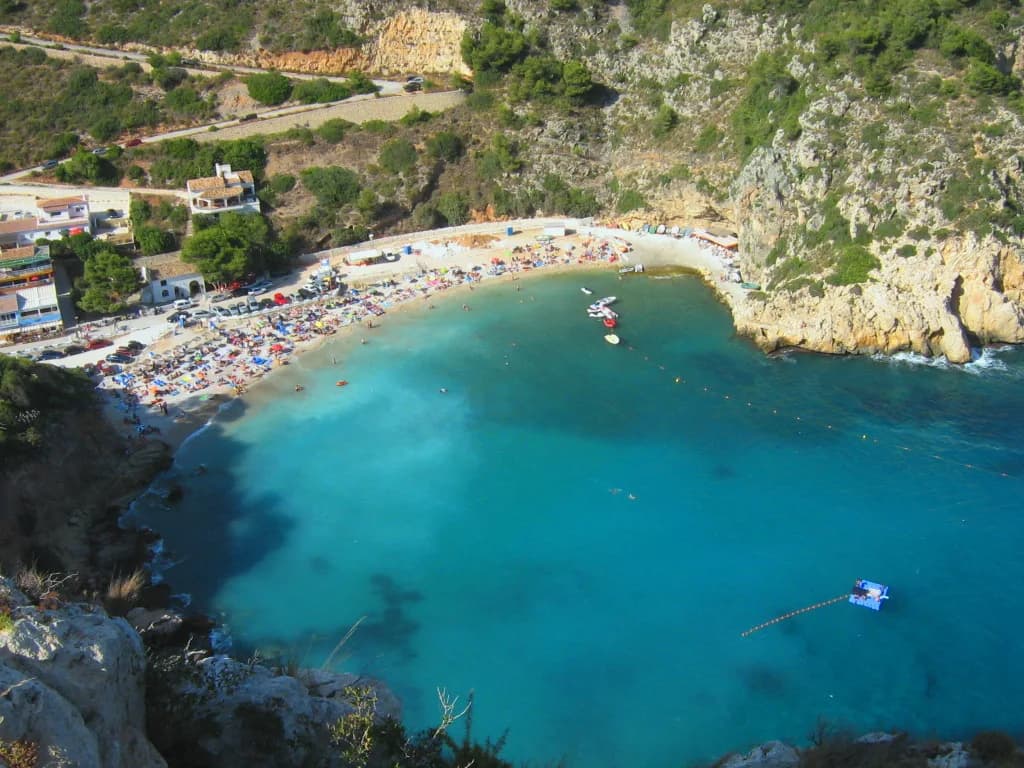
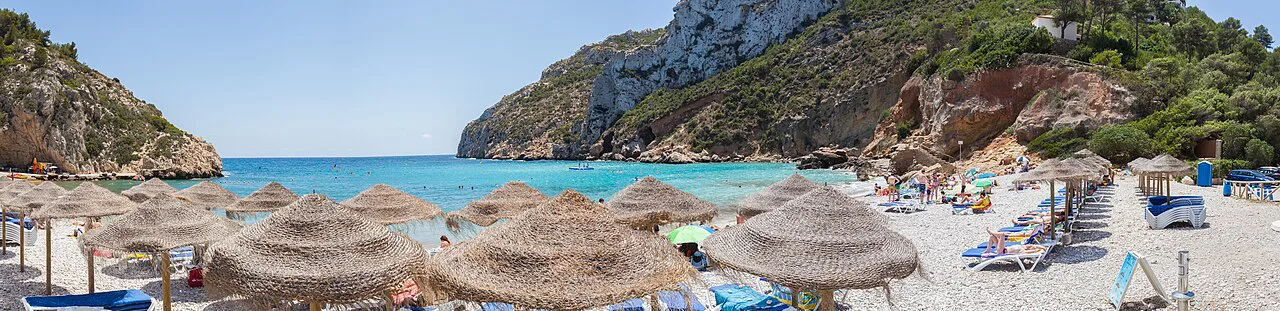
At just 160m from end to end, Granadella is a compact cove whose pebble and sand shoreline shelves into clear water. The mix of stone and sand underfoot means swim shoes are worth packing, and the rocks at the edges are where snorkellers spend most of their time.
Come for snorkelling, diving and kayaking rather than sandcastle afternoons. The cove is sheltered by cliffs and rocky outcrops, which gives it a contained, almost amphitheatre feel, and the water stays transparent enough to see the bottom in most conditions.
Families with small children can still enjoy it, but should settle near the main access where the beach is widest and keep expectations realistic about pebbles and depth. Quiet-seekers should aim for the shoulder months, when the cove has room to breathe.
Where Granadella sits between Jávea and Moraira
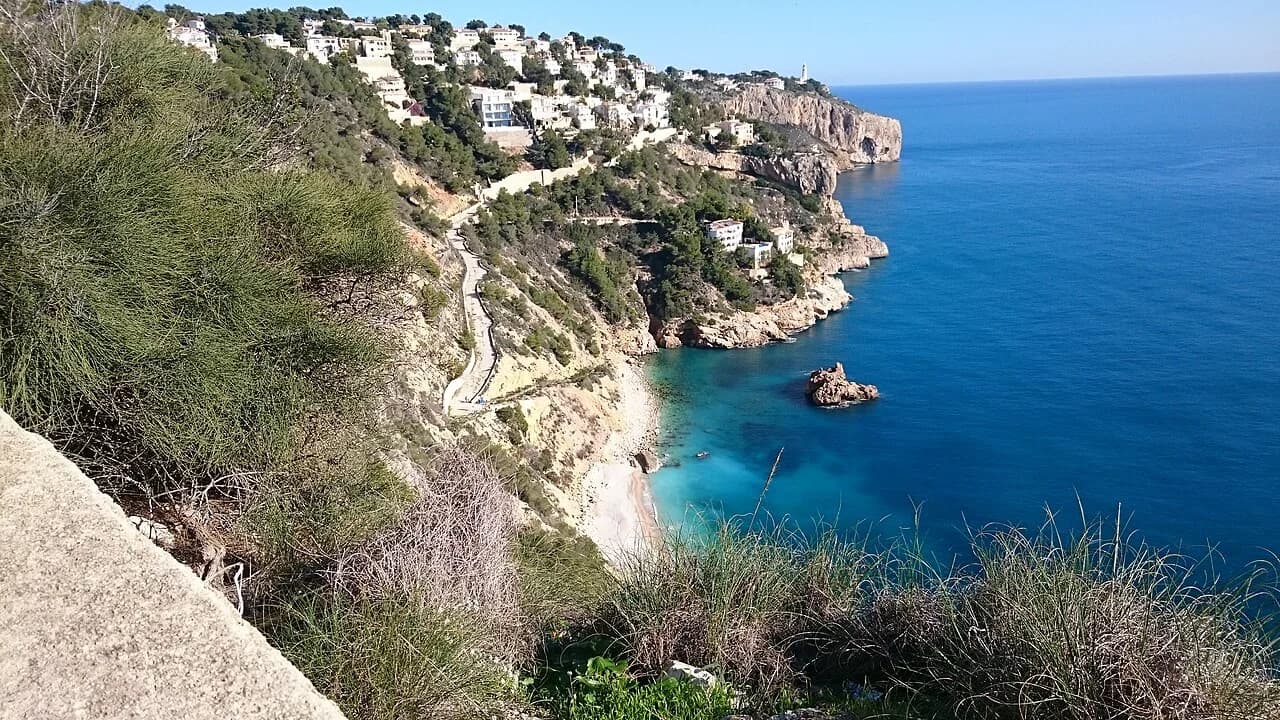
The beach lies on the southern coast of the Jávea municipality, on the stretch that runs towards Benitachell and Moraira. It is roughly 10 km from Jávea town centre, and the drive takes about 15 to 20 minutes once you are clear of the town.
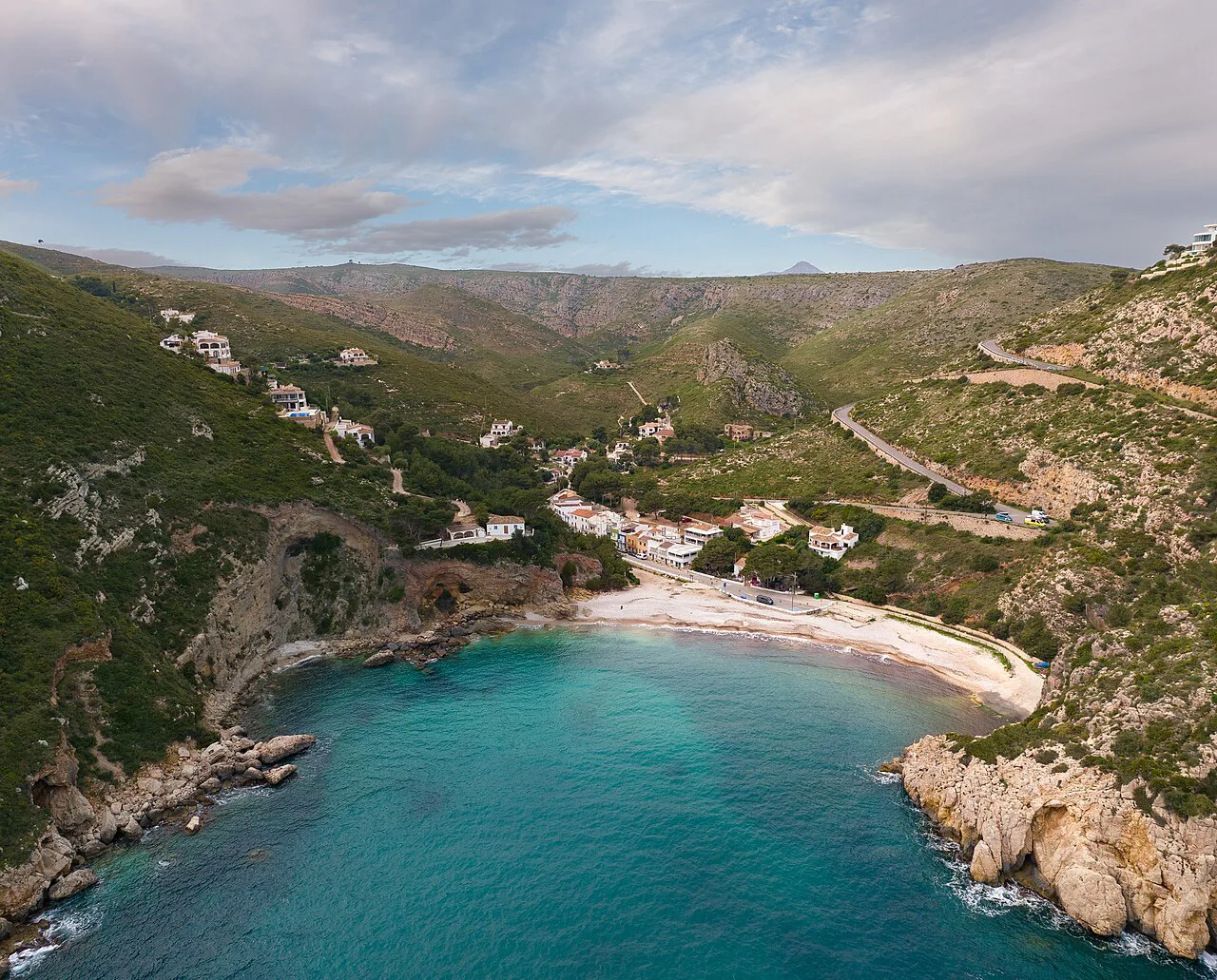
The setting is the point: the road winds through the Granadella forest park before dropping into the bay, with cliffs and headlands on both sides. Allow extra time for the final descent, which is narrow and popular with cyclists and walkers.
Getting there from Jávea town
By car, follow the CV-742 towards Portixol, then join the Carretera de la Granadella and stay on it as it climbs through the forest. The route is signposted but has several bends and junctions, so a navigation app set to Avenida del Tio Catala helps on a first visit.
If you are staying in Dénia rather than Jávea, treat this as a half-day trip south along the coast and combine it with a morning on one of the Denia beaches before driving on. A taxi or motorbike avoids the car restrictions described below and is a sensible option for a couple with no parking appetite. If you would rather compare the wider choice of sand further south, the Alicante beaches offer a different kind of beach day.
Summer access limits and the Guardia Park shuttle
In summer the town hall caps the number of visitors allowed into the cove, so once the car parks and beach reach capacity you can be turned away. Arriving before 09:00, or after about 17:00 when the beach control finishes for the day, is the simplest way to avoid disappointment.
During the busy summer months a tourist train and bus shuttle runs from the parking area at Guardia Park between 11:00 and 20:00, which saves you the hunt for a space at the water. Booked kayak tours are another way in when the car control is operating.
On the day, confirm the shuttle running times and any access restrictions with the Jávea tourist office before setting out, as the arrangements are set locally each season.
Parking around the cove
Parking at the beach itself is limited, and the handful of spaces near the water fill early in high season. Further back, the main car parks around Barranc de la Granadella, Carrer del Pic Tort and Camí Ancla hold roughly 200 cars in total.
Whichever option you use, expect a walk from the car to the water. Pack light: a small bag with towels, water and snorkelling kit beats a full beach trolley on the slope down to the pebbles.
The pebbles, the water and snorkelling
Granadella is a pebble and sand beach, with polished white stones giving the water its famous clarity. It holds Blue Flag status and is recommended in equal measure for snorkelling and diving, with rocky edges that reward a mask and fins.
The bay deepens fairly quickly off the central beach, so weaker swimmers should stay near the shoreline or use a float. Strong swimmers can follow the rocks around the edges of the cove, where the marine life and underwater terrain are richest.
Shelter in the bay
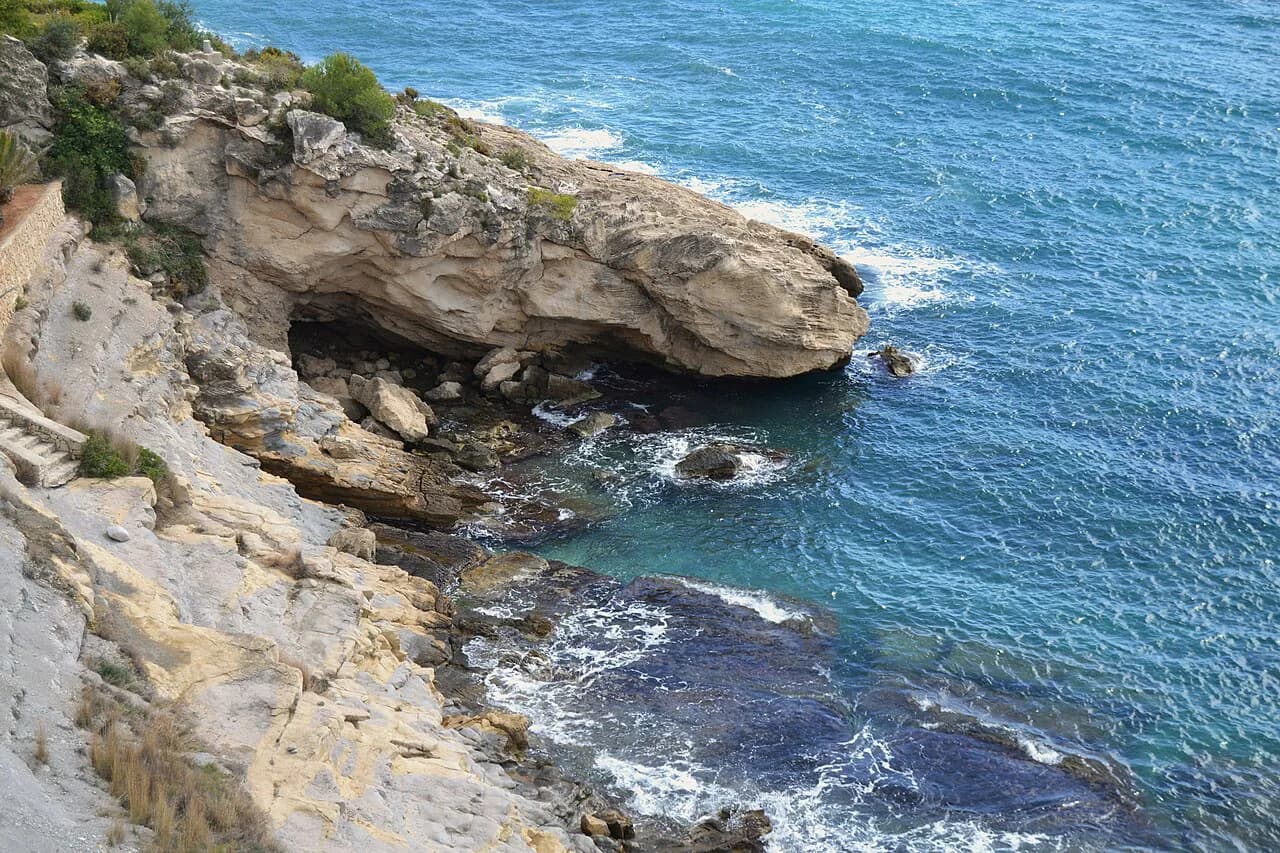
The cove sits under cliffs and rocky outcrops, with the beach facing out through a narrow mouth, so it feels protected from most directions. On a breezy day the water inside the bay is noticeably flatter than on the open coast, though the shelving pebbles mean you should walk carefully at the water's edge.
Shade is limited on the beach itself; the cliffs cast shadows at either end of the day, but for the middle hours you will want an umbrella or a spot at one of the rented loungers.
Facilities, restaurants and lifeguards
Public toilets sit at the back of the beach, sunbeds and umbrellas are available to rent, and a lifeguard service operates through the summer months. The cove has a couple of restaurants, including La Bandideta, so a long lunch is easy to build into the day.
Restaurante Sur and La Bandideta are the established names at the cove, serving paellas, fish and meat to a mix of locals and visitors. Book ahead in July and August, when the beach is at its busiest and the terrace fills quickly.
Kayaking to Cala en Caló and the Cova del Llop Marí
Kayak tours leave from the beach and head south to Cala en Caló, an isolated bay about 1.5 km away that cannot be reached on foot, and to the Cova del Llop Marí sea cave. The cave is known for its coloured rock, stalactites and marine life, and the paddle is the most rewarding way to see this stretch of coast.
Tours typically run around three hours, which is long enough to include a snorkel stop and a cave visit, and operators publish current prices and availability online. Bring a rash vest and reef-safe sunscreen, as the sun on the water is fierce even on hazy days.
The walk up to Castell de la Granadella
At the end of the bay a path leads up towards the small Castell de la Granadella, a short hike that families with older children can manage. The climb rewards you with views back over the cove and along the headlands, and it is a good way to escape the midday heat on the beach.
Wear proper shoes rather than flip-flops, carry water, and go before the afternoon sun hits the exposed sections of the path.
Best time to go
May and June bring warm days without the crush of high summer, while September, October and even November often combine settled weather with the warmest sea of the year. July and August are the busiest months, when the visitor cap and parking squeeze are most likely to affect your plans.
If you visit in peak season, plan around the access windows: arrive early, take the Guardia Park shuttle, or come late in the afternoon for a shorter, quieter swim.
Nearby beaches to combine
Cala Portixol, a small cove framed by rocky cliffs, and Cala Sardinera are both short drives north towards Jávea town and make an easy second stop. Cala Ambolo, the sandy bay just along the coast, has limited public access and is often closed, so treat it as a view from the water rather than a beach to plan around.
A day in the area pairs well with Cala Portitxol and its clear water, and with the broader choice of Javea beaches if you want sand and a longer promenade after a morning on the pebbles.
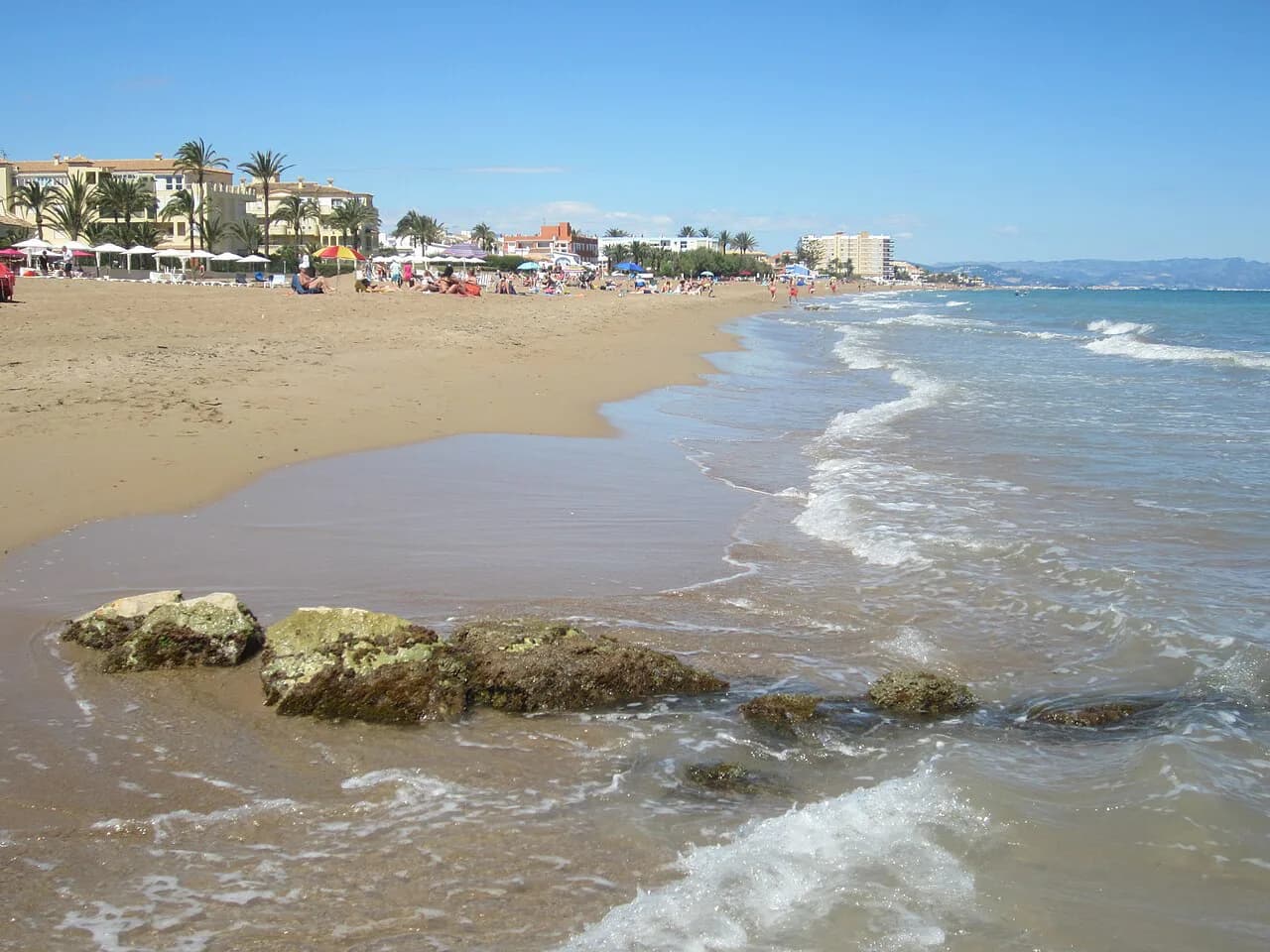
For soft sand, lifeguarded shallows and a full promenade of cafés, head for Arenal Beach, Javea, which makes a straightforward contrast to a morning on Granadella's pebbles.
Practical kit for a pebble beach
Swim shoes make the difference between a comfortable day and a tender-footed one, and a snorkel and mask are worth the luggage space for the rocks around the bay. Bring water, shade and cash for a drink at the beach bars, and leave the heavy cool box behind if you are parking away from the water.
Plan Your Granadella Day
Granadella earns its reputation as one of the most striking coves on this coast, but it rewards planning: an early start or a late afternoon slot, light bags for the walk from the car, and snorkelling gear for the rocks. Build the day around the water rather than the sand, and it delivers.
Frequently Asked Questions
How do you get to Granadella beach from Jávea?
Drive south out of Jávea on the CV-742, pick up the Carretera de la Granadella and follow it through the forest park down to the cove, which takes about 15 to 20 minutes from the town centre. In the busy summer months a tourist train and bus shuttle runs from Guardia Park between 11:00 and 20:00, and taxis or motorbikes avoid the car access controls.
Is there parking at Granadella beach?
Space at the water's edge is limited and fills early in high season. The main car parks around Barranc de la Granadella, Carrer del Pic Tort and Camí Ancla hold roughly 200 cars in total, and you should expect a short walk from the car to the pebbles.
Is Granadella beach sand or pebbles?
It is a mix of polished pebbles and sand, which is what gives the water its clarity. Swim shoes make the shoreline much more comfortable, especially at the water's edge where the stones shelve into the sea.
Can you snorkel at Granadella beach?
Yes, it is one of the main reasons to come. The rocky edges of the cove are recommended for snorkelling and diving, and kayak tours from the beach add sea caves and the isolated Cala en Caló to the day.
What is the best time of year to visit Granadella beach?
May and June offer warm weather before the summer crowds, and September through November often bring settled conditions with the warmest sea of the year. July and August are busiest, so plan around the early morning or late afternoon access windows.
Which beaches are near Granadella beach?
Cala Portixol and Cala Sardinera are short drives north towards Jávea, and Arenal beach offers sand and a promenade if you want a change from pebbles. Cala Ambolo has limited public access and is often closed, so it is best seen from the water.
Sources
Beach notes for your next trip
Optional updates when we add or revise beach guides.
You might also like
Continue reading
More guides you'll find useful