La Pineda Beach, Costa Daurada: Sand, Sea and Getting There
La Pineda beach near Tarragona has over two kilometres of golden sand, a gentle entry and a pine-lined promenade. Here is how to plan a day on the Costa Daurada.
On this page
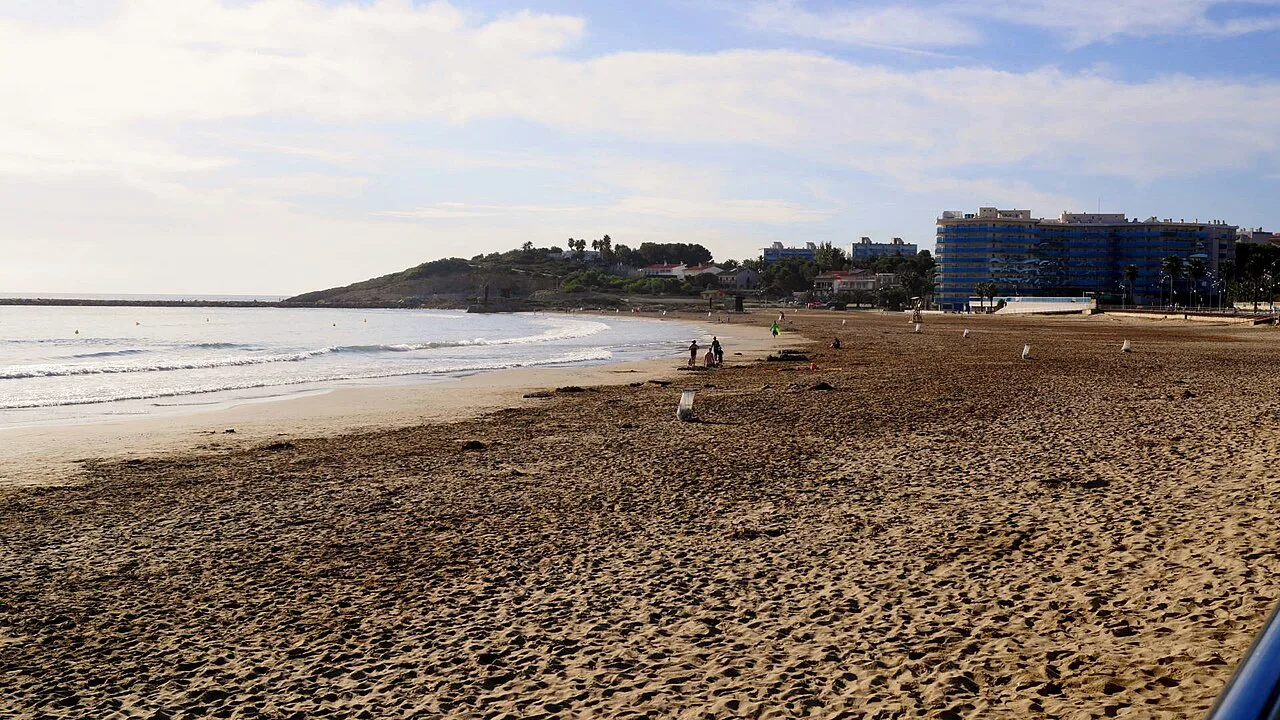
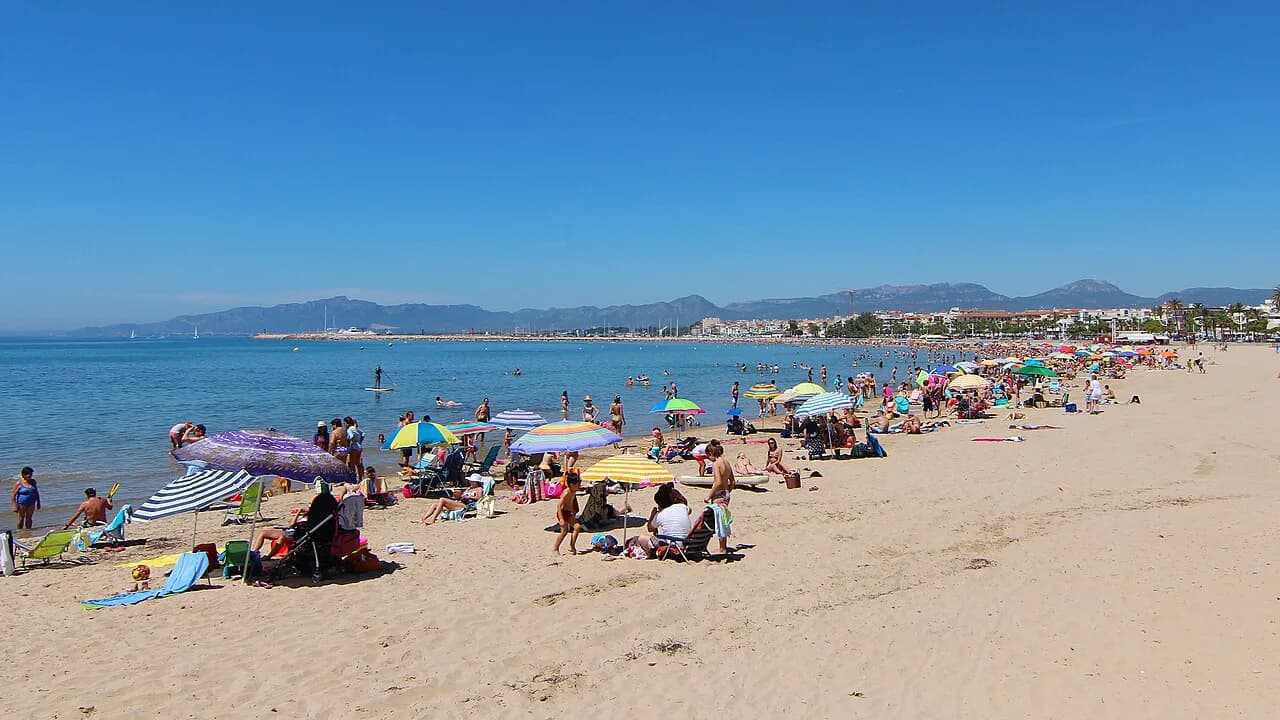
La Pineda beach is the Costa Daurada at its most straightforward: a broad sweep of golden sand more than two kilometres long, backed by a pedestrian avenue planted with pines and gardens. The draw is the gentle, gradual entry into the sea, which gives parents room to relax while small children paddle at the edge.
It suits families with young children, older travellers and anyone who wants a sunbed, a shower and a beach bar within a short walk. Confident swimmers and snorkellers after rocky seabeds and cliff-backed inlets will get more from the small coves around Cap Salou, a short hop along the coast.
Where the beach sits
The beach runs along the resort of La Pineda, in the municipality of Vila-seca, on the coast between Tarragona to the north and Salou to the south. It forms part of a continuous run of sand along this stretch of the Costa Daurada, with Cambrils further round the bay beyond Salou. That position makes it a useful base for a beach-hopping week rather than a single day out.
Because the resort sits between the two bigger towns, you can treat La Pineda as a quieter alternative to staying in Salou itself while keeping PortAventura World and the wider Costa Daurada within easy reach. The beach front is the centre of the resort, so most accommodation in La Pineda puts you within a few minutes' walk of the sand.
Getting there
La Pineda sits on the local bus route linking Salou, Cambrils and Tarragona, so the beach is reachable without a car from any of those bases. Check current fares and timetables with the bus company before you travel.
If you are staying in La Pineda, the simplest approach is on foot: the seafront promenade runs the length of the beach and links the resort's hotels and apartments to the sand. Cycling is a practical alternative for the longer stretch towards Salou, and the flat waterfront makes it an easy ride for families.
The sand and the water
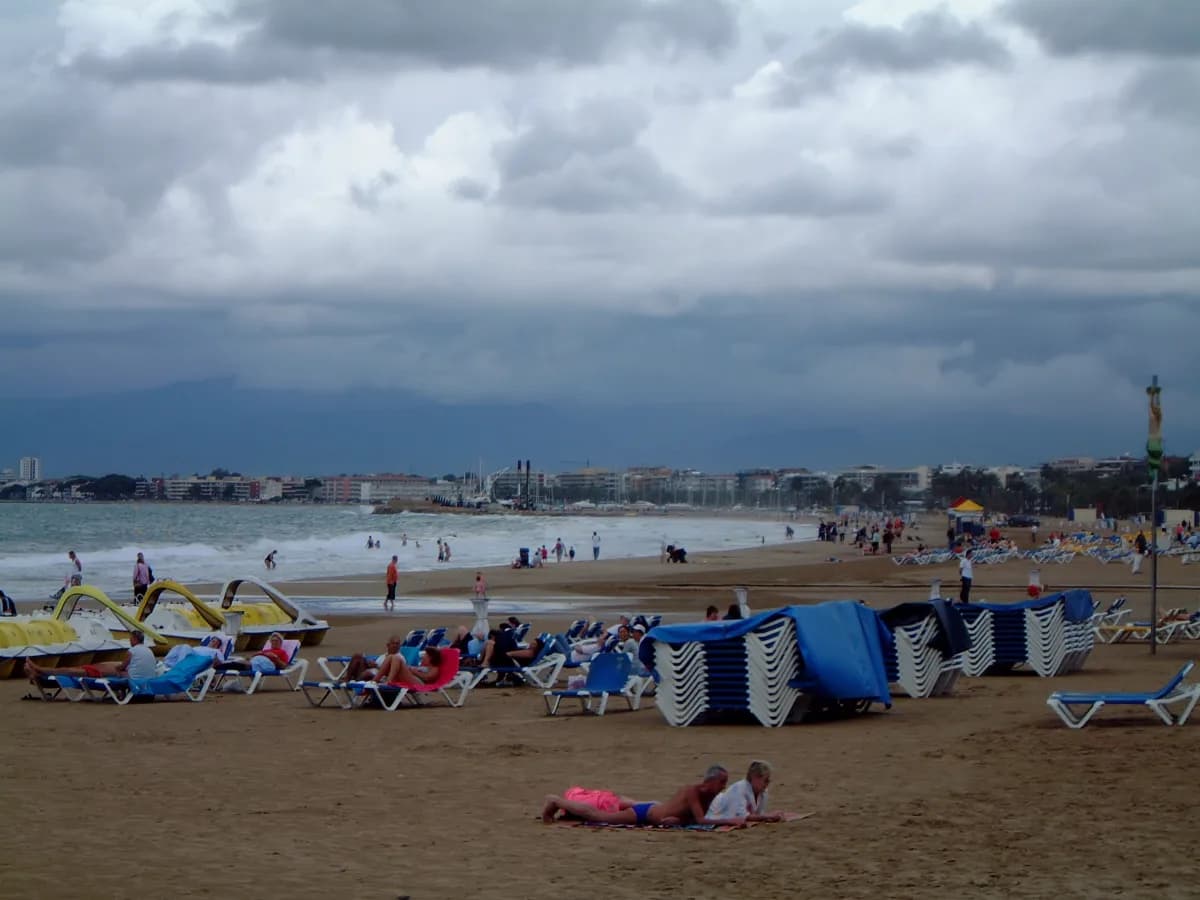
Expect a wide expanse of golden sand with plenty of room to lay out a towel without feeling crowded, even at the height of summer. The beach is broad as well as long, which is what keeps it comfortable when the resort fills up.
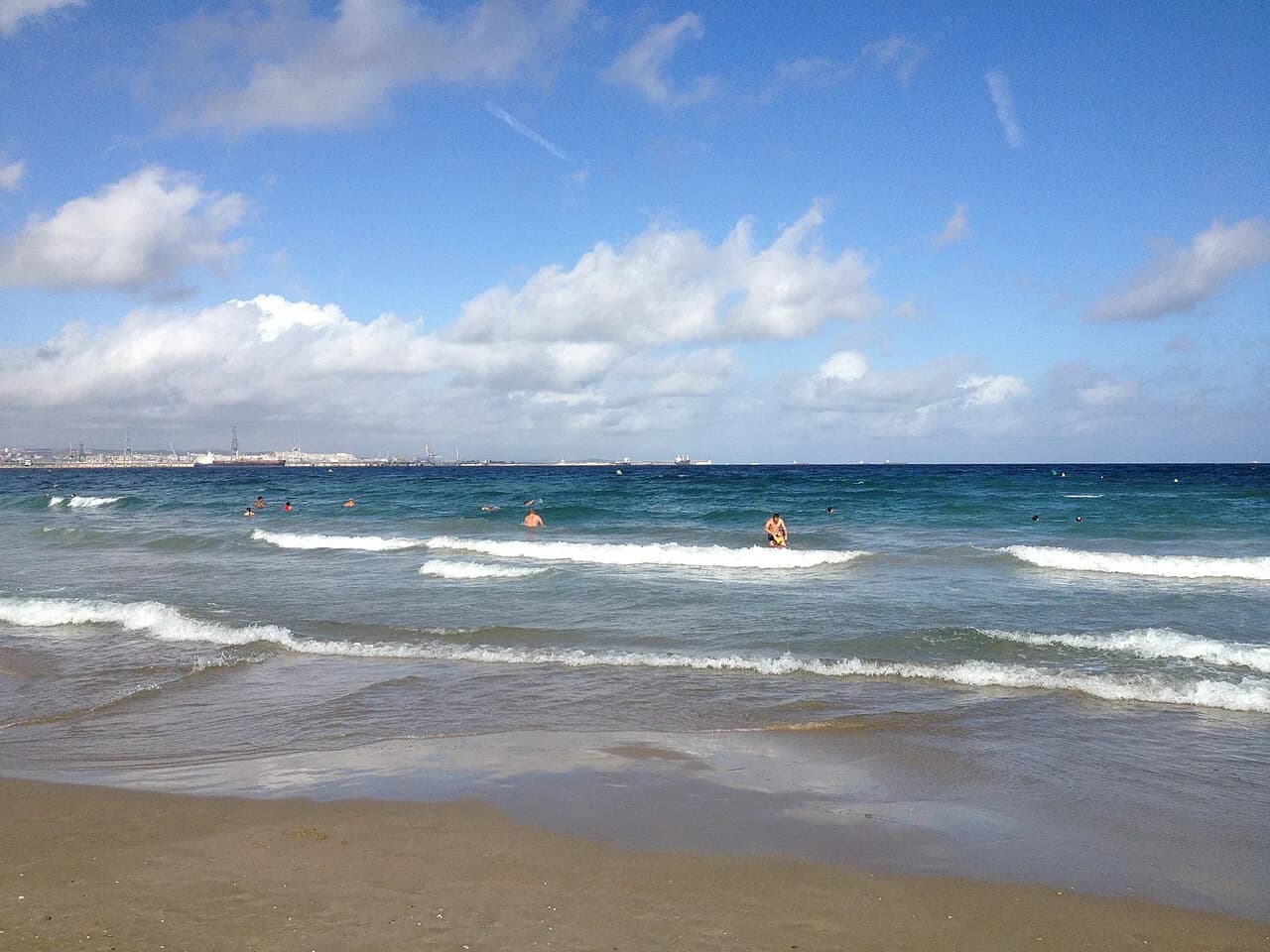
The slope into the sea is gentle and gradual, which is the beach's strongest feature for families: children can paddle in the shallows while adults stand nearby. Weak swimmers get a long, forgiving run of shallow water before it deepens. The trade-off is that strong swimmers who like to strike out straight away will find the entry slow.
For rocky seabeds, clear water over stone and a bit of underwater life to watch, plan a separate trip to the Cap Salou coves rather than expecting it here. The open sand is the place for paddling, swimming and building castles; the coves are where the snorkelling is.
Shelter and conditions
The beach faces the open Mediterranean along a broad, gently curving bay, so on a breezy day there is little natural cover at the water's edge. Bring a windbreak or choose a spot close to the promenade planting if the forecast looks unsettled, and keep an eye on the flags posted on the sand.
The pine-lined avenue behind the beach gives you a shaded retreat when the sun is at its strongest, and the gardens along it offer benches and grassy edges to sit on. That combination of open sand in front and trees behind is what makes a full day here easy to manage with children.
Facilities
The beach is served with showers, sunbed and parasol rental, and beach bars where you can get a drink without leaving the shore. These are the facilities published for the main beach, so you can plan on hiring a lounger rather than carrying your own.
Rental prices are set by the businesses operating on the sand and change from season to season, so ask at the concession when you arrive rather than budgeting from old figures. The same applies to bar prices along the promenade.
The pine-lined promenade
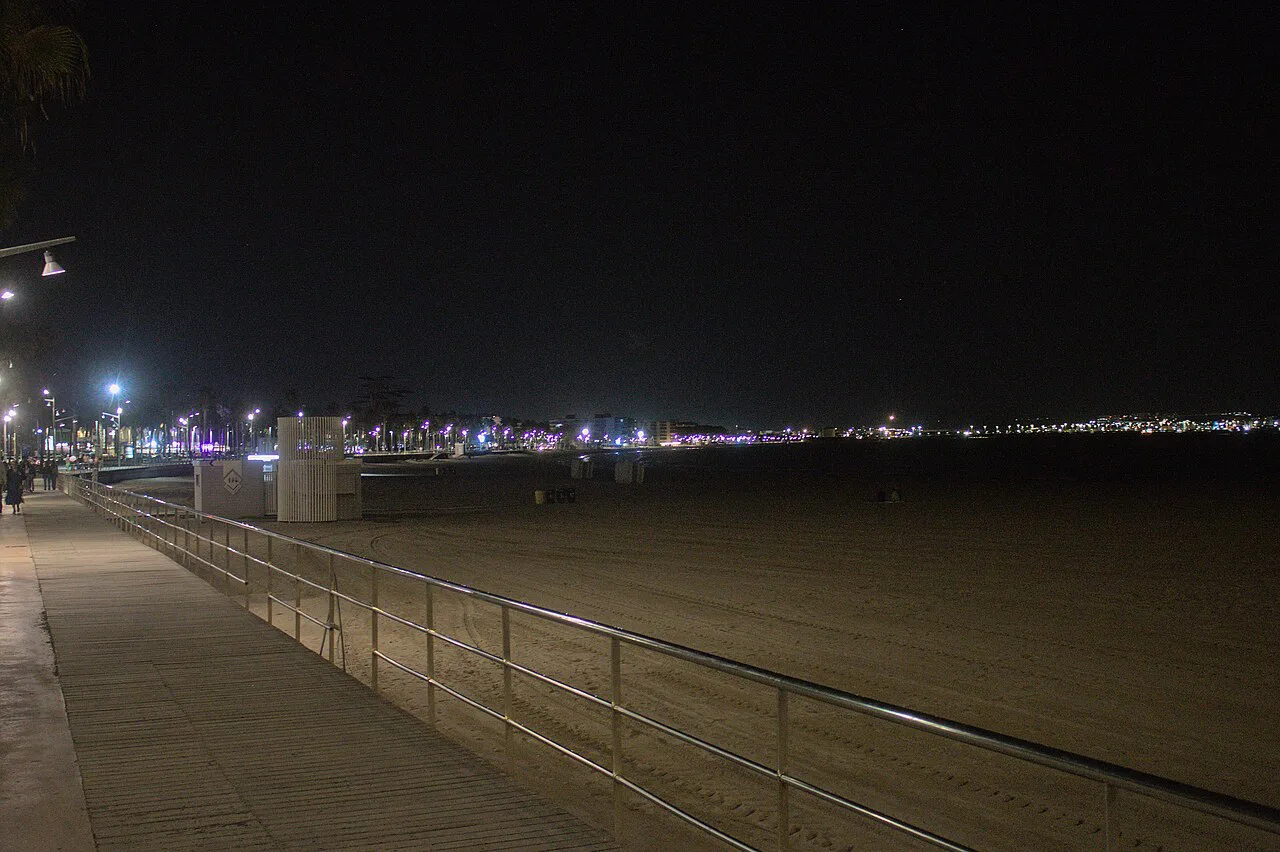
Behind the sand runs a pedestrian avenue full of pine trees and garden areas, which is where you go for shade, a stroll or a break from the sun. It is flat and continuous, making it usable with a pushchair or for anyone who finds soft sand hard going.
An evening walk along this front, with the pines overhead and the sea alongside, is one of the pleasures of staying in La Pineda rather than just visiting for the day. It also links the beach to the resort's bars and restaurants, so you can move from sand to dinner without getting back in the car.
How busy it gets
The beach's width means it absorbs a summer crowd better than a narrow strip would, and there is usually space to spread out if you walk a little away from the main access points. The busiest weeks coincide with the school holidays, when the resort's hotels are full and the central sections fill first.
For more room, head north along the sand away from the main resort entrance, or arrive earlier in the day and settle before the mid-morning rush. June and September are noticeably calmer than the height of the season while still offering warm days.
Best time to go
The Mediterranean off the Costa Daurada is at its warmest from July through September, after building through June. Late spring and early autumn give you comfortable air temperatures and far more space on the sand, which suits families with pre-school children especially well.
Water temperatures vary year to year, so treat any seasonal average as a guide rather than a promise. If warm sea is the priority, aim for the second half of the summer; if quiet is the priority, aim for the shoulders of the season.
Nearby beaches to combine: the Cap Salou coves
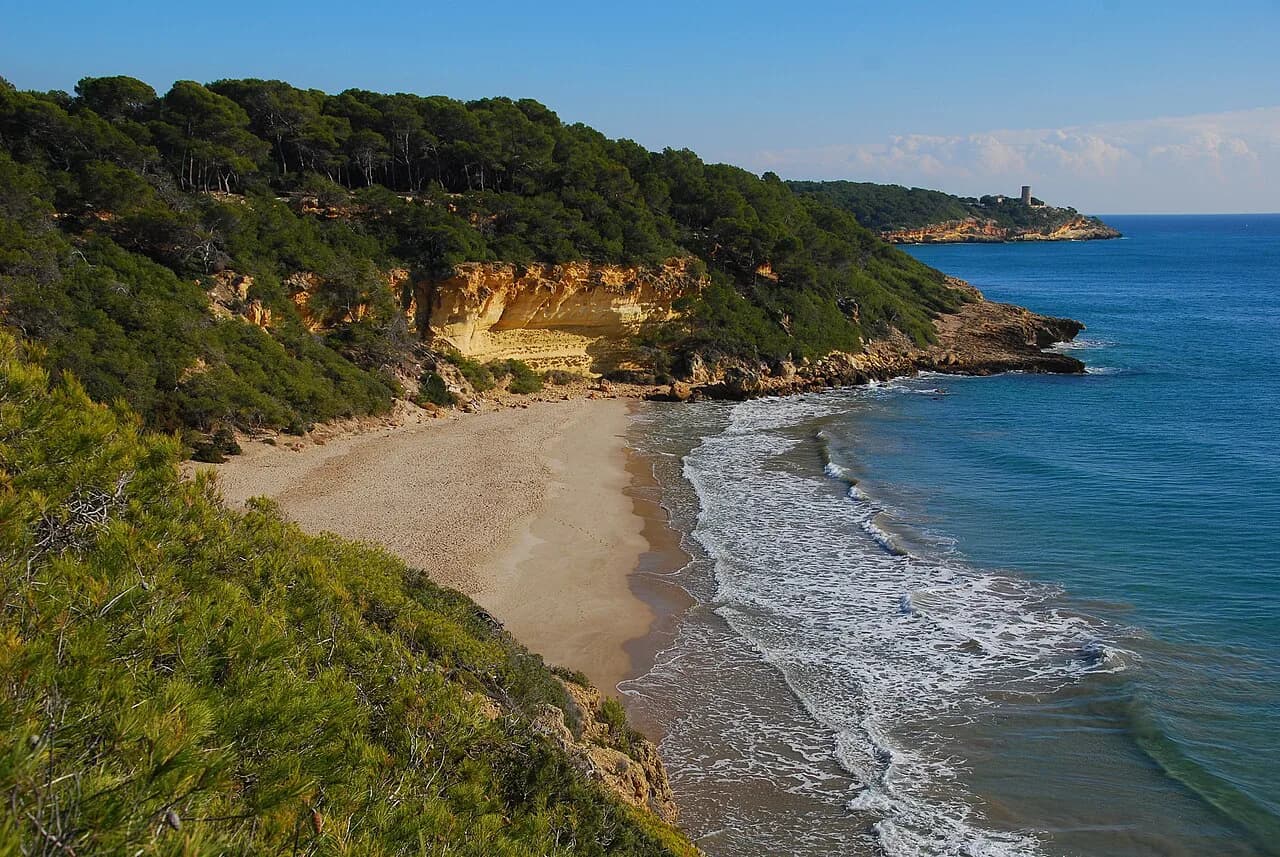
Cala Crancs, tucked into the Cap Salou area a few minutes from the pine forest, is sheltered between rocky cliffs and Mediterranean pines, and its protected position makes it a good bet when the open beach is breezy. The calm, clear water over rock makes it the snorkelling counterpart to La Pineda's sand.
Cala Font and Cala Vinya sit side by side in the rugged Cap Salou landscape, small inlets with rocky seabeds on either side of the sand and turquoise water that invites a long float. Their scale makes them intimate rather than spacious, so they work best as a morning or late-afternoon stop rather than a full family day with buckets and boards.
Cala Fonda, Tarragona is another small cove on the same stretch of coast and makes a natural addition to a cove-hopping day if you are working your way along the headlands. Combine one or two coves with a morning on La Pineda and you get both the space and the rocks in a single day.
Nearby beaches to combine: towards Salou and Cambrils
South of La Pineda, the coast continues towards Salou, where the long beach is backed by a protected pine forest and natural dunes rather than the urban frontage of the resort. An elevated wooden walkway runs through the dune landscape, letting you explore the coast without trampling the flora.
Beyond Salou the sand continues towards Cambrils, giving you a full day's beach-hopping route along one continuous shoreline. If you want the contrast of a city beach and a historic centre, the beaches around Tarragona to the north include Playa de la Arrabassada, which pairs a swim with a short trip into the city.
Salou beaches such as Platja de Llevant are the livelier option if you want watersports, beach bars and a resort buzz rather than the calmer La Pineda front. Tamarit beach, further up the coast with Tamarit Castle behind it, suits a quieter day with a bit of history attached.
Practical kit and trade-offs
Pack reef shoes if you plan to combine La Pineda with the rocky Cap Salou coves, and a windbreak for breezy days on the open sand. A parasol is worth bringing if you would rather not hire one, and a refillable water bottle saves repeated trips to the bars.
The main decision is where to base yourself on the sand: the promenade side gives you shade, showers and bars within a minute or two, while the far end of the beach gives you more space and a quieter swim. Families with small children usually do better near the main accesses, where the facilities and the gradual entry are both close at hand. If you find yourself weighing the same trade-off further up the coast, the best beaches in Girona present it in a rockier, cove-heavy setting.
Dogs along La Pineda and the Cap Salou coves
Readers travelling with a dog often ask how the beaches described above work for animals, and the answer lies in the character of each stretch rather than in any single rule. La Pineda beach is the jewel of the municipality and the main meeting place for those seeking comfort and tranquility, stretching for over two kilometers with a wide expanse of golden sand; its green seafront is a pedestrian avenue full of pine trees and garden areas, perfect for taking a stroll at sunset. The shallow, gently sloping entry and clean, calm waters make it an easy place to walk a dog along the edge, though during the peak summer months the sand fills with towels and sunbathers, so the pine-lined avenue is the more comfortable corridor.
For a quieter outing, the Cap Salou coves reward the walk. Cala Crancs sits just a few minutes from the pine forest, sheltered between rocky cliffs and surrounded by a lush Mediterranean pine forest, and because it is protected from the winds its waters are usually completely calm. It can be reached easily on foot or by public transport along the towpath, with spectacular views along the way, which suits a dog that travels better on a lead than in a car. Cala Font and Cala Vinya, in the rugged landscape of Cap Salou, are intimate inlets whose rocky outcrops block the currents and keep the water clear and constantly calm, with rocky seabeds on either side.
If you want a wider, wilder walk, Salou's long beach is bordered by a protected pine forest and natural dunes, with an elevated wooden walkway integrated into the dune landscape that allows you to explore the coast while respecting the local flora. The dense pine forest isolates the beach from urban noise and the small rest areas let you pause for something refreshing without altering the natural aesthetics of the area. These are the stretches where a dog can share the shade and the paths rather than the crowded central sand.
Away from the water, La Pineda itself is a very small, friendly place with lovely beach and lots of very good small shops, and it sits on the bus route to Salou, Cambrils and Tarragona, so a dog can join a day that mixes a coastal walk with a town errand. The nearby coast is part of a gorgeous 10 km stretch of sandy beach reaching Salou and the quieter Cambrils, which gives you a long choice of shoreline to spread visits across instead of returning to one crowded spot.
Plan Your Visit
La Pineda beach is the easy choice on this coast: long, wide, gently shelving and backed by a shaded promenade, with sunbeds, showers and bars already in place. Build your day around the gradual entry and the pines behind the sand, and you get a comfortable family beach without the crowds of a narrower resort strip.
Save the rocks and the small inlets for another morning at Cap Salou, and use the bus route along the coast to link Salou, Cambrils and Tarragona into a single beach-hopping itinerary. Check current bus times and any seasonal changes before you travel.
Frequently Asked Questions
Is La Pineda beach good for families with small children?
Yes. The sand is wide and the sea entry is gentle and gradual, so children can paddle in shallow water while adults stand close by. Showers, sunbed and parasol rental and beach bars sit on or just behind the sand, and the pine-lined promenade gives you shade when the sun is at its strongest.
How do you get to La Pineda beach from Salou or Tarragona?
La Pineda is on the local bus route that links Salou, Cambrils and Tarragona, so you can reach the beach without a car from any of those towns. The tourist offices in Vila-seca and Tarragona publish current times and fares. If you are staying in La Pineda, the seafront promenade puts the sand within a short walk of most accommodation.
How long is La Pineda beach?
The main beach runs for more than two kilometres and is notably wide as well as long, which is why it absorbs summer crowds better than a narrower resort strip. Walking away from the main access points generally gives you more space.
When is the sea warmest at La Pineda?
The Mediterranean here is at its warmest from July through September, having built up heat through June. Late spring and early autumn are quieter and still comfortable for swimming, though water temperatures vary from year to year.
Which coves are near La Pineda beach?
Cala Crancs, Cala Font and Cala Vinya all sit in the Cap Salou area a short distance south of La Pineda, with rocky seabeds and cliff-backed settings that suit snorkelling. They are small, so treat them as half-day stops and keep the wide sand for a full family day.
Is La Pineda beach busy in August?
August is the busiest stretch, when the resort's hotels are full and the central sections of the beach fill first. Because the beach is broad, you can usually find room by walking a little away from the main entrances, and June or September are noticeably calmer.
Sources
Beach notes for your next trip
Optional updates when we add or revise beach guides.
You might also like
Continue reading
More guides you'll find useful