Platja del Miracle, Tarragona: City Beach Guide
Platja del Miracle is Tarragona's 500-metre city beach, a short walk from the old town, with golden sand, gentle water, beach bars and assisted bathing.
On this page
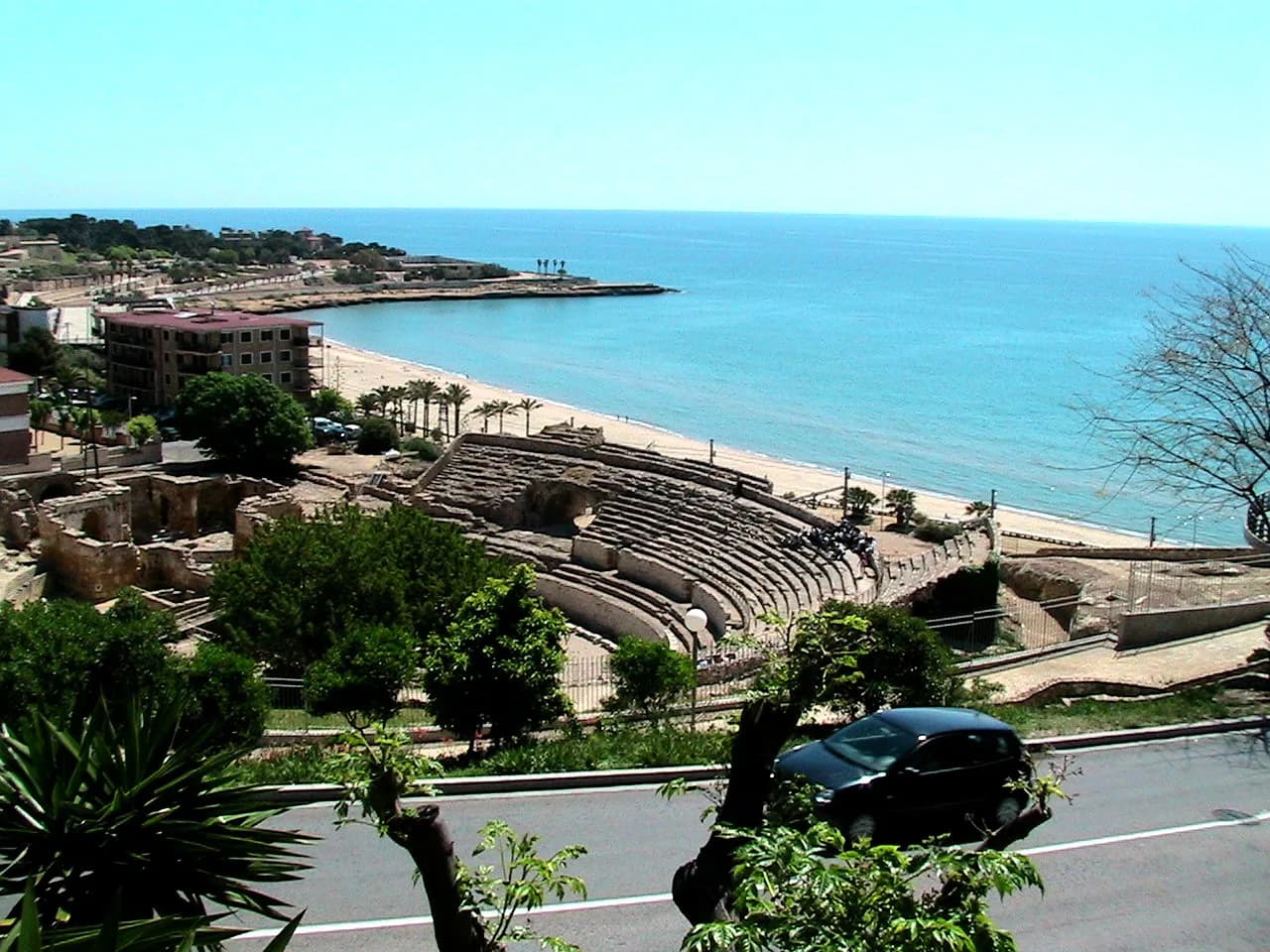
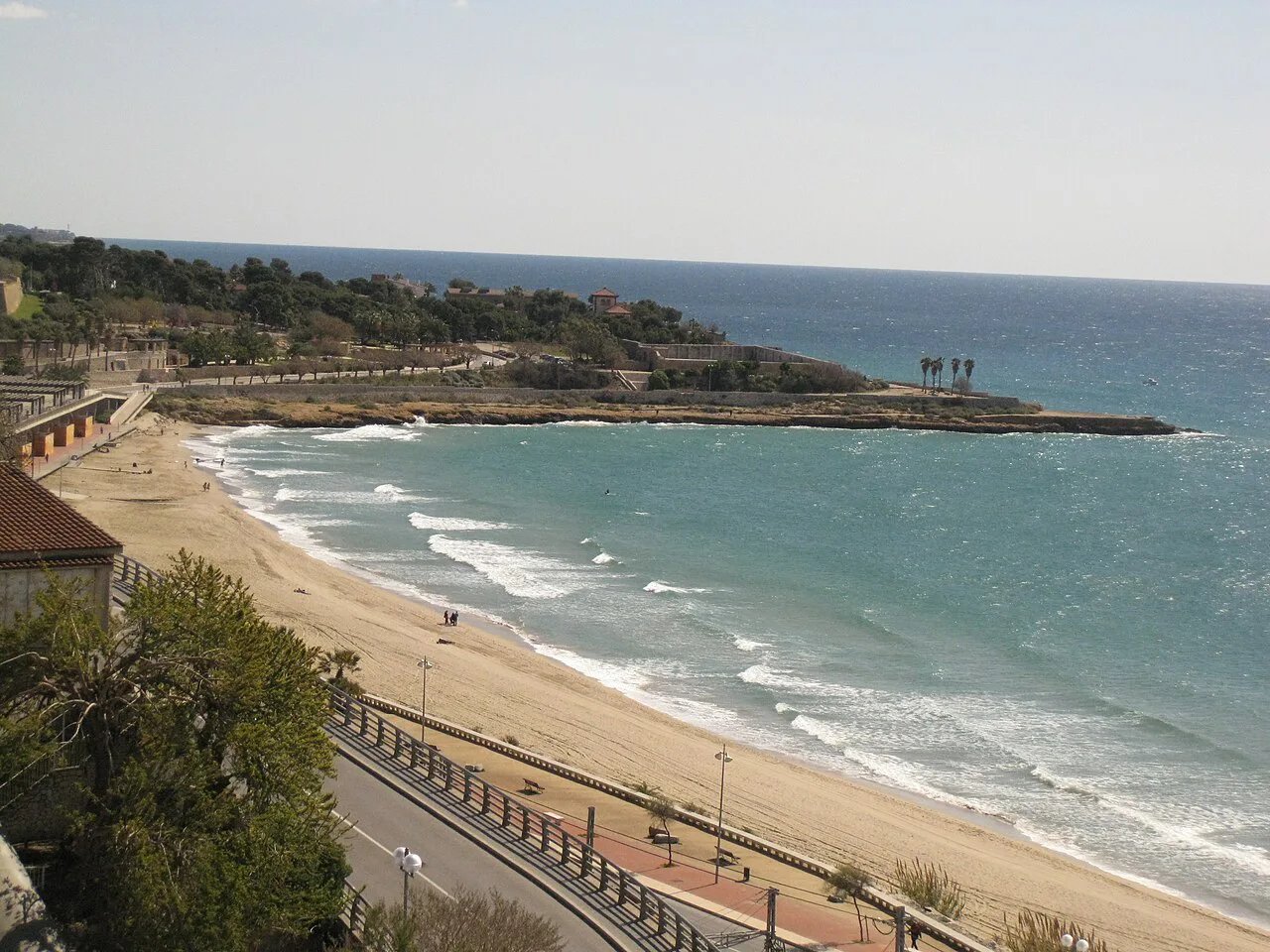
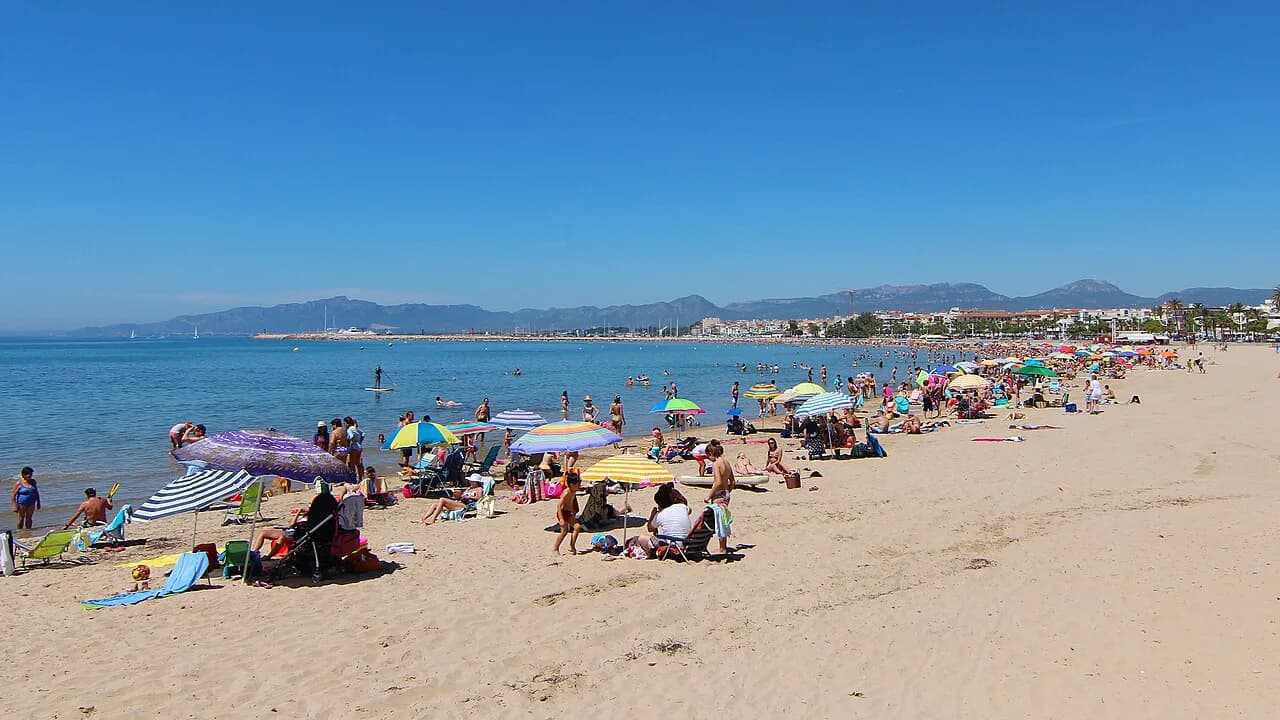
Platja del Miracle puts a proper Mediterranean beach within a short walk of Tarragona's old town, so you can swim before lunch and be back among the Roman ruins by afternoon. Its 500 metres of fine golden sand slope gently into the water, which makes it the easiest beach day in the city for families with small children and for anyone travelling without a car.
It is a working city beach rather than a remote cove: the seafront promenade runs along its back, the Royal Yacht Club of Tarragona sits at one end, and the fishing quarter of El Serrallo is close by for a late lunch. Treat it as a day out stitched into a city break rather than a destination in itself.
Where Platja del Miracle sits
The beach lies between Rafael Casanova Promenade and Robert d'Aguiló Street, on the seaward edge of Tarragona and immediately below the old town. It adjoins the Royal Yacht Club of Tarragona and acts as one of the gateways to El Serrallo, the city's traditional fishing quarter, so the surroundings feel maritime rather than resort-like.
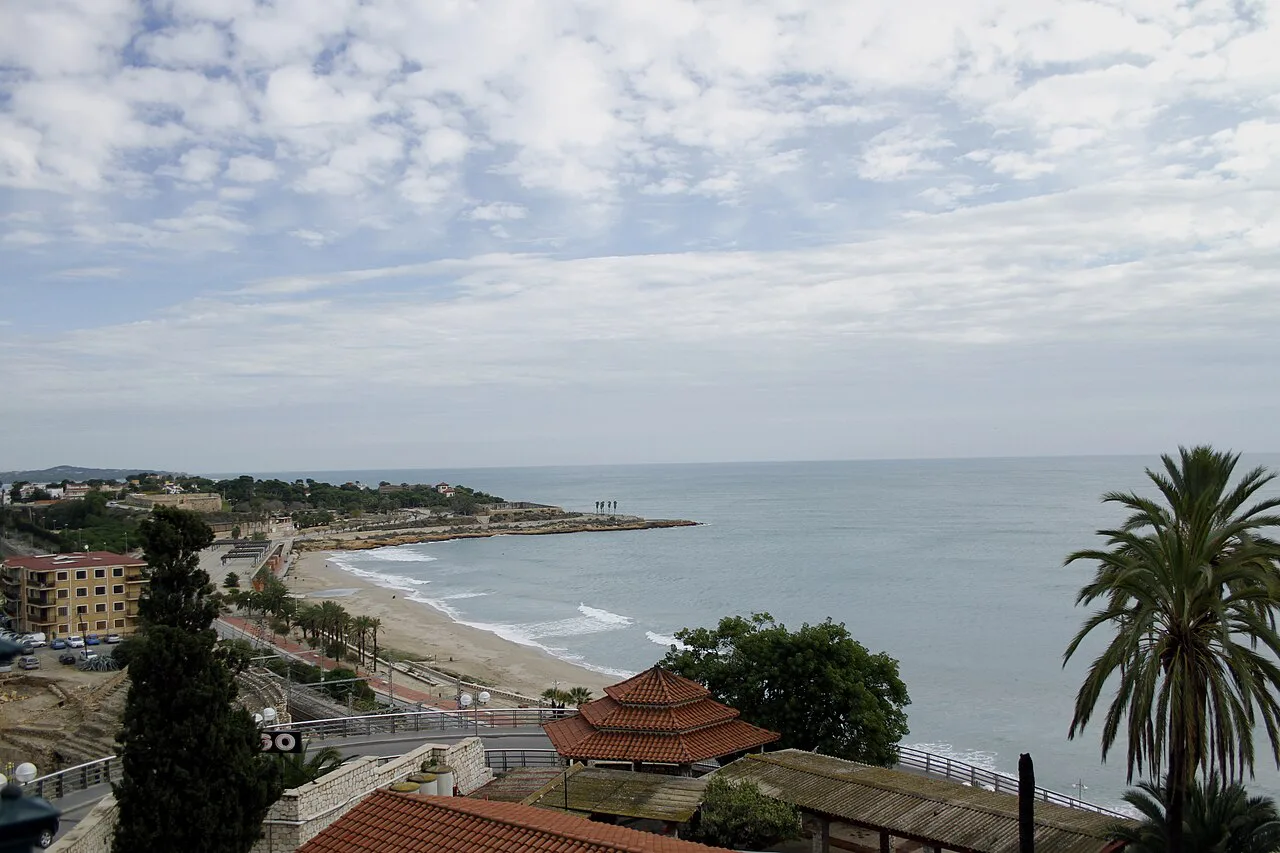
One end of the beach gives onto the yacht club and the harbour side; the other opens onto the long seafront promenade that continues towards Arrabassada. Knowing which end you want matters more than it does at a big resort beach: choose the harbour end for a short walk back into the centre, and the far end for the promenade stroll and the wider sweep of sand.
Getting there
On foot is the obvious approach. The beach sits directly below the city centre, so anyone staying in or near the old town can walk down without touching public transport. The coastal footpath also continues from the promenade to the rest of Tarragona's beaches, which makes a walking beach-hop feasible.
By car, the beach has seafront parking, which is the simplest option if you are driving up from the Costa Daurada resorts for the day. Arrive earlier in the morning in high summer, when the promenade and its parking fill with both city swimmers and day-trippers. Tarragona Turisme publishes the current access arrangements for bus, car and on foot, which is worth a look before a car-first trip.
The sand and the water
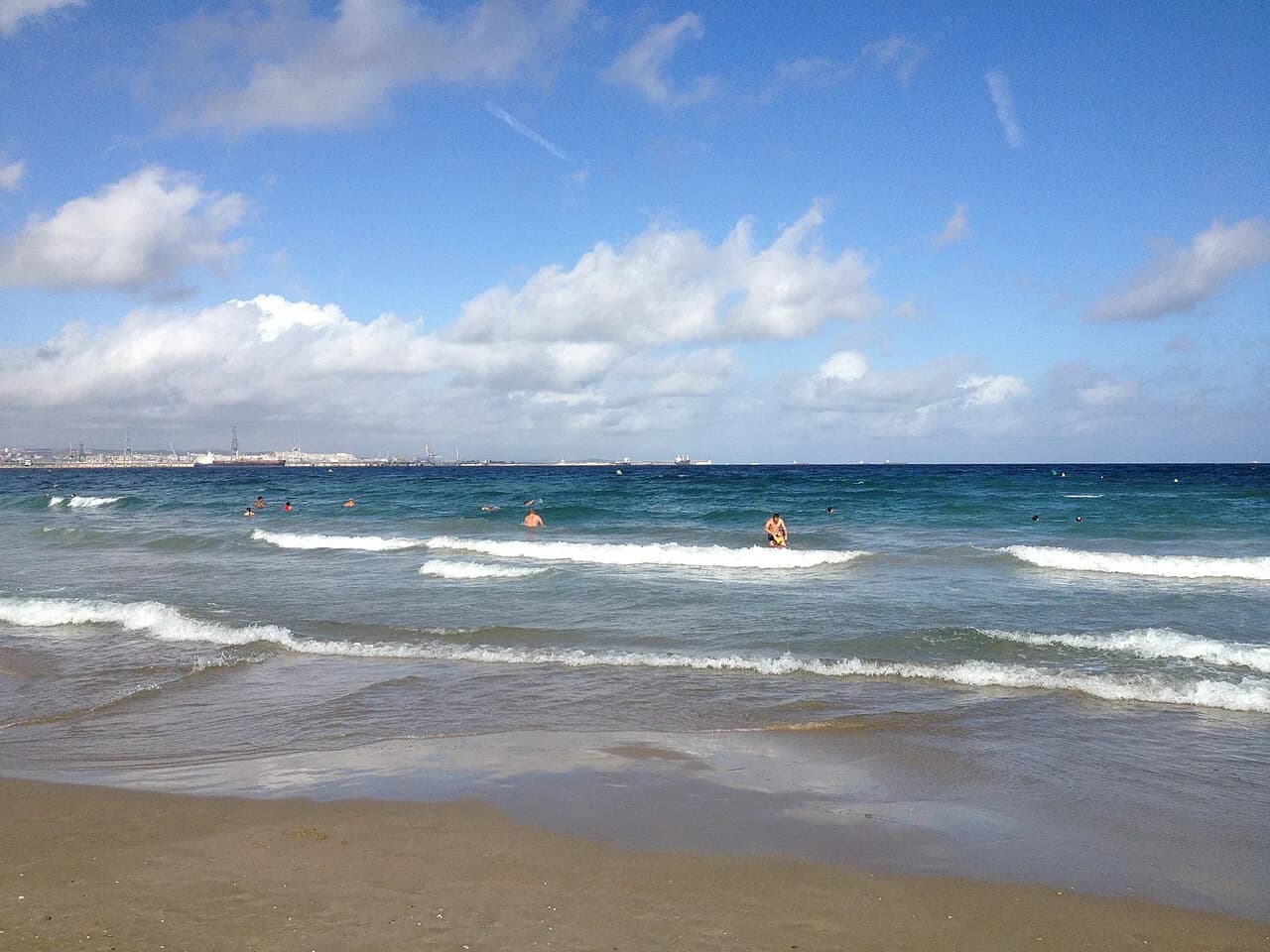
The beach runs for some 500 metres, with fine golden sand that slopes gently into clear Mediterranean water. That shallow, gradual entry is the reason families with small children gravitate here: children can paddle well out before the water gets deep, and adults who prefer to wade rather than dive get an easy entry.
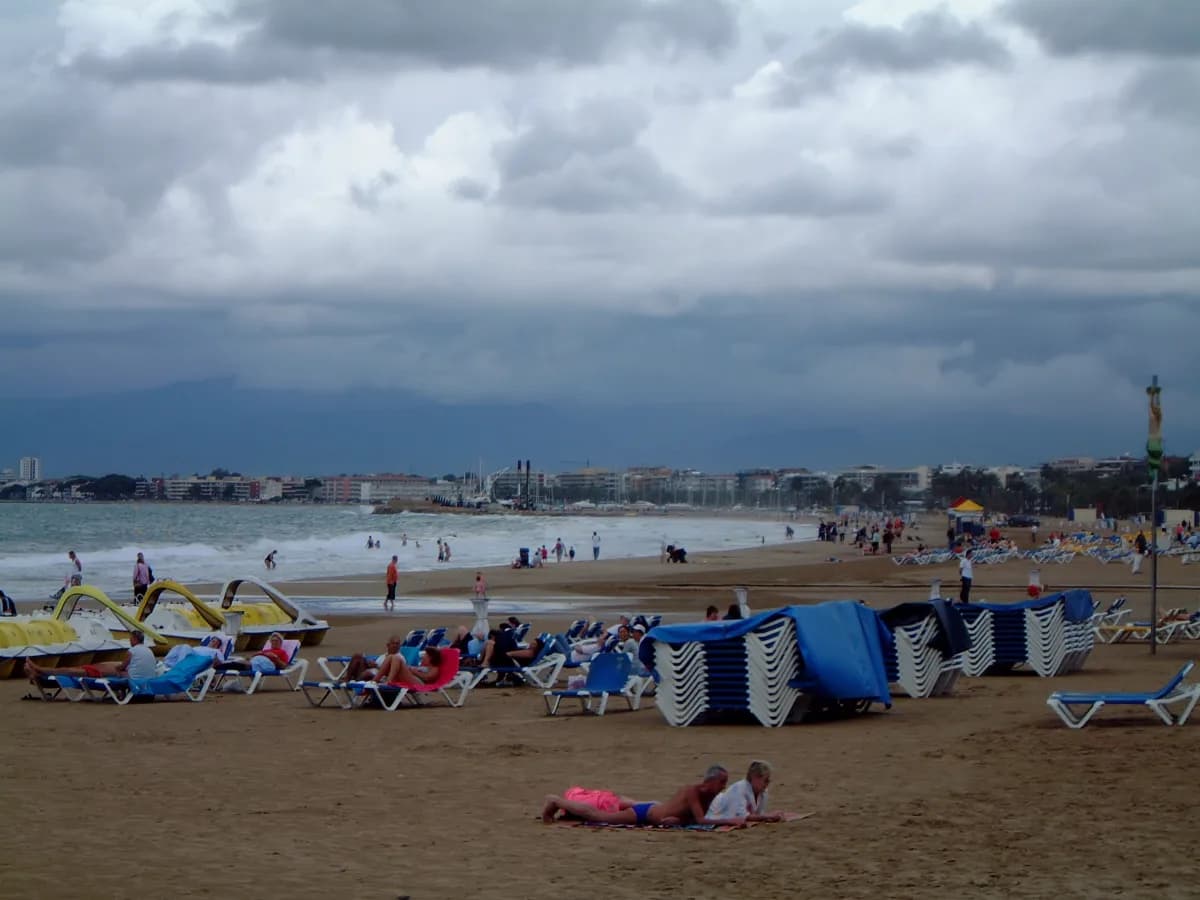
As a city beach it is busiest close to the centre and the yacht club, where people drop in for a quick swim, and quieter towards the Arrabassada end of the promenade. If you want space to lay out a towel and read, walk along the promenade away from the harbour before settling. Sea conditions change with the weather, so take the day as you find it rather than expecting guaranteed flat water.
Wind and shelter
The promenade runs along the back of the beach, with the yacht club and harbour structures at one end, which gives the shoreline a different feel depending on where you sit. On breezier days, the shelter of the harbour end tends to be more comfortable for sitting than the open stretch further along, though the trade-off is more foot traffic and noise.
For a calmer, more spread-out afternoon, head along the promenade towards Arrabassada and pick a spot away from the main access points. Bring a windbreak or a light layer if you plan to stay late, as an exposed city beach cools quickly once the sun drops.
Who it suits
Platja del Miracle is the beach for city-break travellers who want a swim without a bus ride, and for families with small children who value the gentle slope into the water. Swimmers who like a longer, quieter swim should walk towards Arrabassada, where the beach continues along the promenade and the crowd thins out.
Snorkellers looking for rocky ground and marine life will do better on the coves further up the coast, since this is a broad sandy city beach rather than a rocky one. Quiet-seekers should come early in the morning or out of peak season, when the promenade is used by locals rather than filled with day-trippers.
Facilities
The published facilities cover most of what a family needs for a day: showers, footbaths, drinking fountains, toilets, walkways down to the sand, beach bars, and a lifeguard and first aid service. There is also a designated dog-friendly area at one end, which is unusual for a city beach and useful if you are travelling with a dog.
Tarragona Turisme lists drinks and ice cream alongside access by bus, car and on foot, and e-scooter hire near the beach. Ask at a beach bar or kiosk on the day for current prices rather than budgeting from an old figure.
Assisted bathing
Platja del Miracle provides assisted bathing with an amphibious wheelchair, and floating wheelchairs are listed among the beach's services. For a family member with limited mobility, this makes the city beach a far more realistic option than a cove reached by steps or a rough path.
Availability of the chairs and any assistance on the sand is organised seasonally, so contact Tarragona Turisme before you travel if the equipment is essential to your day. The walkways down to the sand also make pushing a chair or buggy easier than on an open beach with no paths.
Beyond the swim
The beach sits at the gateway to El Serrallo, Tarragona's traditional fishing quarter, which makes a seafood lunch the natural end to a morning swim. Beach bars along the promenade cover drinks and ice cream, and e-scooter hire near the beach makes it easy to extend the day into the city without a long walk back uphill.
If you are basing yourself further down the coast, La Pineda beach is a straightforward family alternative with a longer resort-style promenade, while the coves around Tamarit suit anyone wanting a rockier, more enclosed swim. For a similar city-beach-versus-cove choice on another Costa Brava break, compare the beaches in Girona before you commit to a base.
Best time to go
The Mediterranean off Tarragona is comfortably warm for swimming from late spring through early autumn, with July and August the busiest months on the promenade and the sand. June and September give you warm water with noticeably more space, and they are the best compromise for families who want to swim without competing for a spot.
Mornings are the calmest time for a swim and for finding space near the water, while late afternoon brings out locals for a post-work dip. The beach is a year-round city amenity, but outside the summer season the lifeguard and first aid service and the beach bars operate on a seasonal basis, so plan a summer visit if those facilities matter to your day.
Nearby beaches
Walk the seafront promenade from Platja del Miracle and you reach Arrabassada, the next beach along Tarragona's coast, which is longer and quieter and a good choice for a full afternoon. The coastal footpath continues beyond it and connects the rest of the city's beaches, so you can build a walk between swims rather than committing to one stretch of sand.
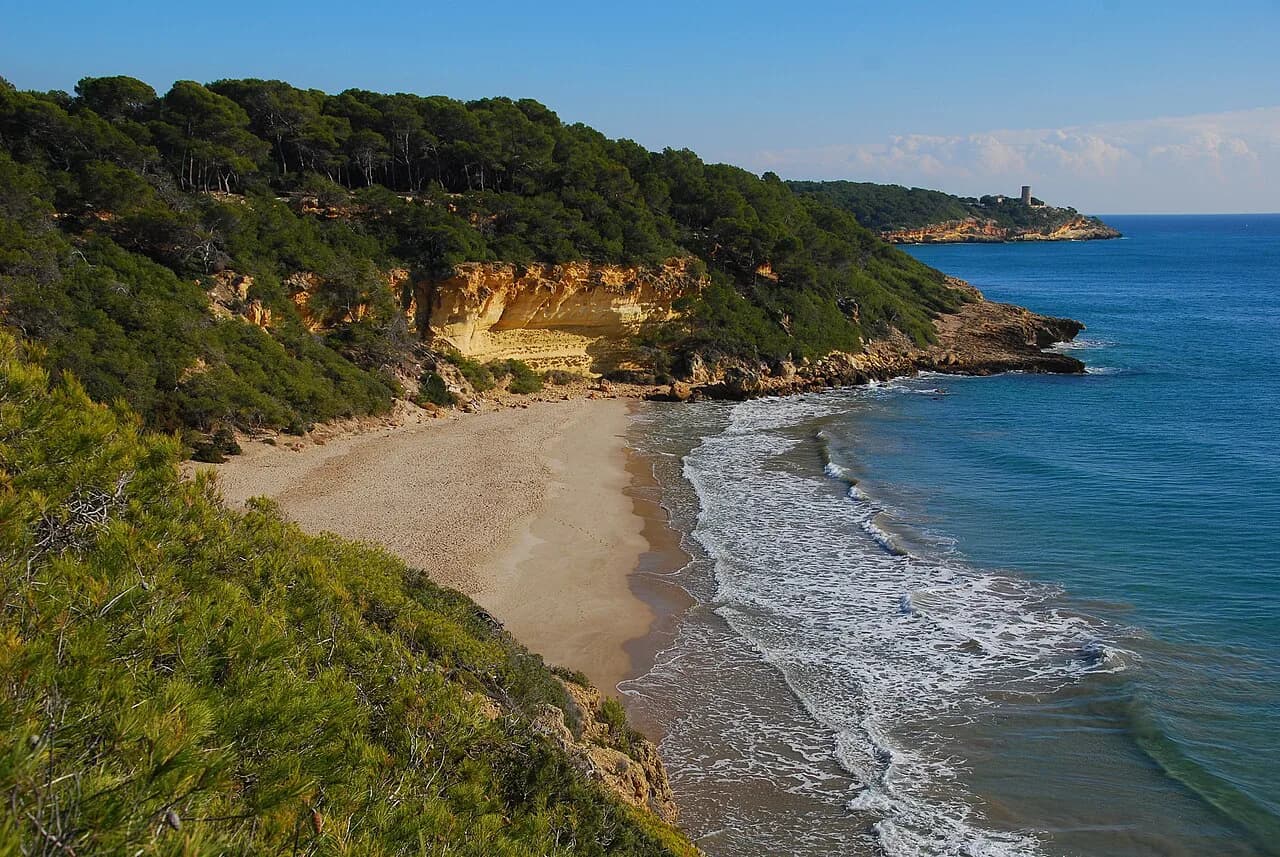
Further afield, Cala Fonda, also known as Waikiki, is the rocky cove to head for when you want clear water and a wilder setting, and Tamarit beach adds a castle backdrop for a day trip. For a resort-style alternative with more facilities, the Salou beaches are a short drive or train ride down the coast.
A dog-friendly stretch
Platja del Miracle sets aside a designated area for dogs, which makes it one of the few city beaches on this coast where you can combine a swim with a dog walk. Keep your dog within the marked zone and follow the usual beach etiquette: lead on the promenade, clean up after your dog, and keep it away from other bathers' towels.
Outside the dog zone, the beach is used by families and swimmers, so a dog running loose along the main stretch would be unwelcome. The dog area gives you a clear place to settle without that awkwardness.
Practical kit
Bring shade: a parasol or beach tent makes a long day far more comfortable, since the open sand offers little natural cover. Pack water for the walk down and back up to the old town, and carry some cash for the beach bars and kiosks along the promenade.
Reef-safe sunscreen, a hat and a light towel are enough for a half-day visit, and a dry bag keeps phones and keys safe if you plan to swim out further. If you are combining the beach with sightseeing, a small daypack beats a large beach bag on the walk back up to the centre.
Plan Your Visit
Platja del Miracle is the beach to choose when you want a swim without leaving Tarragona: a 500-metre sweep of golden sand, gentle entry into the water, full facilities and assisted bathing, all within walking distance of the old town. Families and city-break travellers get the most from it, and Arrabassada along the promenade is the natural next stop for a quieter afternoon.
Frequently Asked Questions
Is Platja del Miracle good for families with small children?
Yes. The sand slopes gently into the water, which gives children a shallow area to paddle in, and the beach has showers, footbaths, toilets, walkways and a lifeguard and first aid service. Beach bars along the promenade make it easy to manage a full day with children without carrying everything from the city centre.
How far is Platja del Miracle from Tarragona old town?
It sits immediately below the city centre, between Rafael Casanova Promenade and Robert d'Aguiló Street, so it is a short walk down from the old town rather than a bus or taxi trip. The walk back up is the only real effort of the day.
Can you walk from Platja del Miracle to Arrabassada?
Yes. A long seafront promenade connects the two beaches, and the coastal footpath continues to the rest of Tarragona's beaches. The walk makes a good way to combine a busier city swim with a quieter afternoon on the sand.
Is there parking at Platja del Miracle?
Yes, the beach has seafront parking, which is the simplest option if you are driving up from elsewhere on the Costa Daurada. Spaces fill faster in high summer, so arrive in the morning if you are coming by car.
Is Platja del Miracle a Blue Flag beach?
Tarragona Turisme publishes the beach's current facilities and services, including assisted bathing and access details, and that is the place to look for the latest award status before you travel.
When is the sea warmest at Platja del Miracle?
The Mediterranean is comfortably warm for swimming from late spring through early autumn, with July and August the warmest but also the busiest months. June and September give warm water with more space on the sand.
Sources
Beach notes for your next trip
Optional updates when we add or revise beach guides.
You might also like
Continue reading
More guides you'll find useful