Salou Beaches: Where to Swim, Sunbathe and Walk
Compare Salou's beaches, from busy Llevant to the quiet coves along the coastal path, with access, facilities and the best spots for families and swimmers.
On this page
Salou works as a beach base because you can choose your day by mood. Stay central for sunbeds, showers and a promenade full of restaurants, or walk south onto the coastal path for small coves backed by pines. The sea is warmest from July into September, and the busiest weeks fall in the school holidays. For the wider region, see our guide to the Tarragona beaches and the Cambrils beaches to the south.
Why Salou's beaches suit a straightforward beach day
Salou is a resort built for beach holidays rather than a historic town. The centre is a grid of hotels, bars and shops behind the Passeig de Jaume I, and the sand starts almost immediately behind the promenade. That means you can walk from your hotel to the water in minutes, or take a short bus ride to the quieter coves. The trade-off is that the central beach is urban and busy; if you want space, you walk.
The beach season runs from late spring to early autumn. Sea temperatures are pleasant from June onwards and peak in August, when the water is warmest and the sand is at its most crowded. The local tourist board lists the current sea temperature and forecast on its website, so you can judge conditions before you commit to a long day out.
Where Salou sits on the Costa Dorada
Salou occupies a stretch of the Costa Dorada about 15 minutes by road from Tarragona and an hour from Barcelona. The coastline runs roughly north-east to south-west, with the town centre on a broad bay and the land rising into the headland of Cap Salou to the south. The resort's beaches are split between the town bay and the coves around that headland. The tourist board's coastal path page describes the full route from Punta de Sant Pere to Racó de Salou, passing Ponent, Llevant, Capellans, Llenguadets, Llarga, Penya Tallada, Font, Vinya and Crancs.
That layout matters when you pick a base. Hotels near Passeig de Jaume I put you on the main beach and the promenade, which suits families and anyone who wants easy access to facilities. Staying towards Cap Salou is quieter and closer to the coves, but you rely on the coastal path or a car to reach the town centre. The Costa Dorada is the broader region, and Salou sits in the middle of it.
Platja de Llevant: the town-centre beach for facilities and easy access
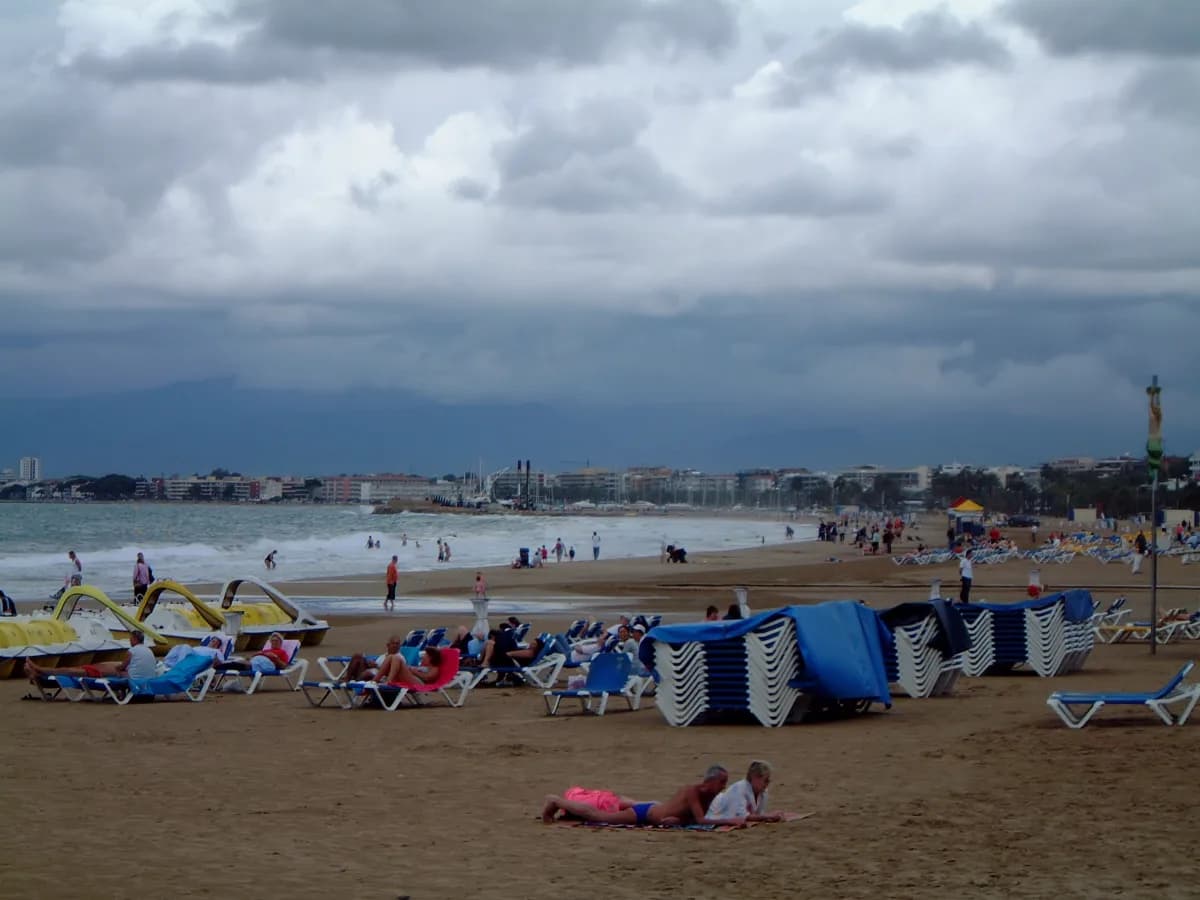
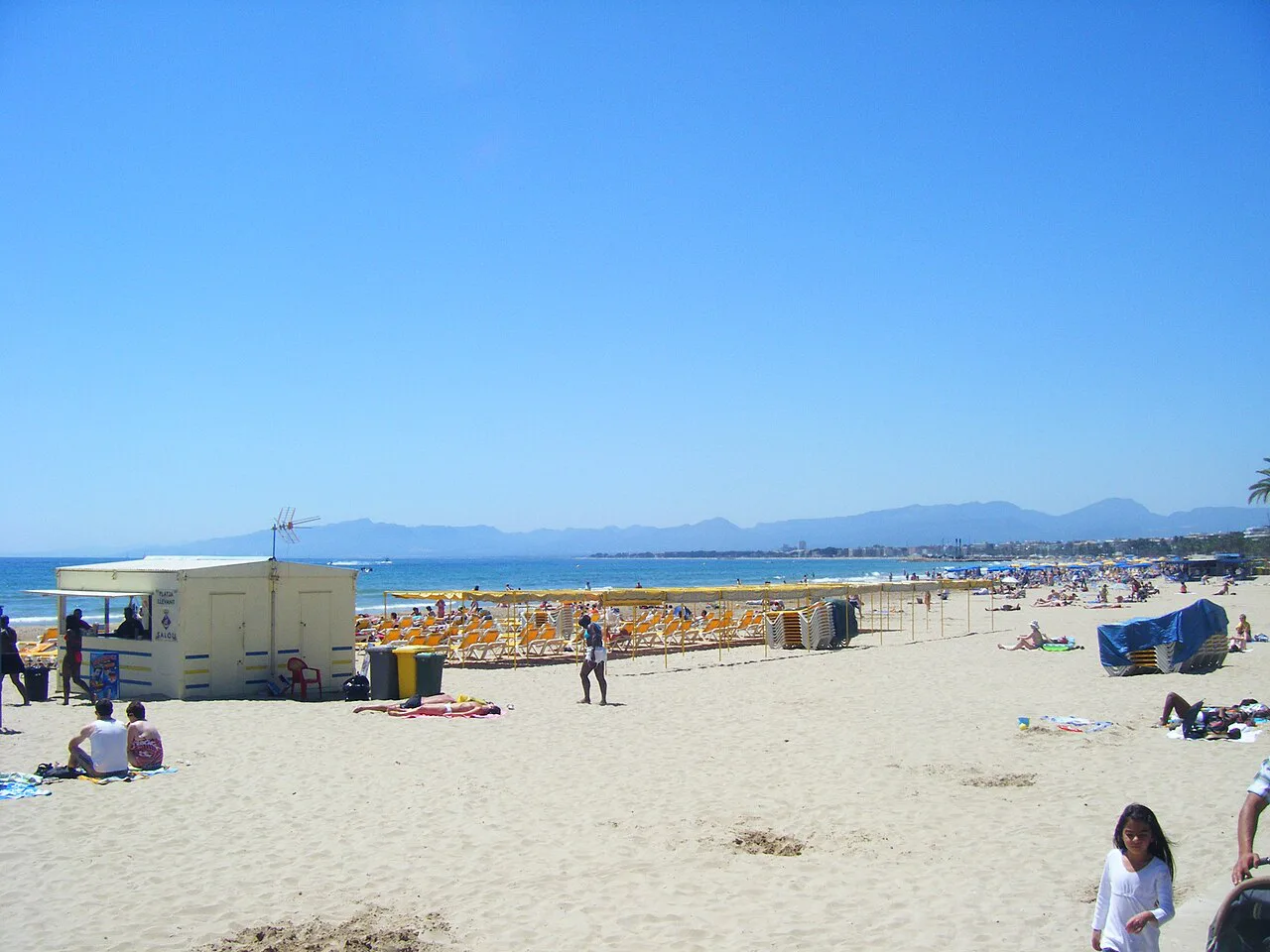
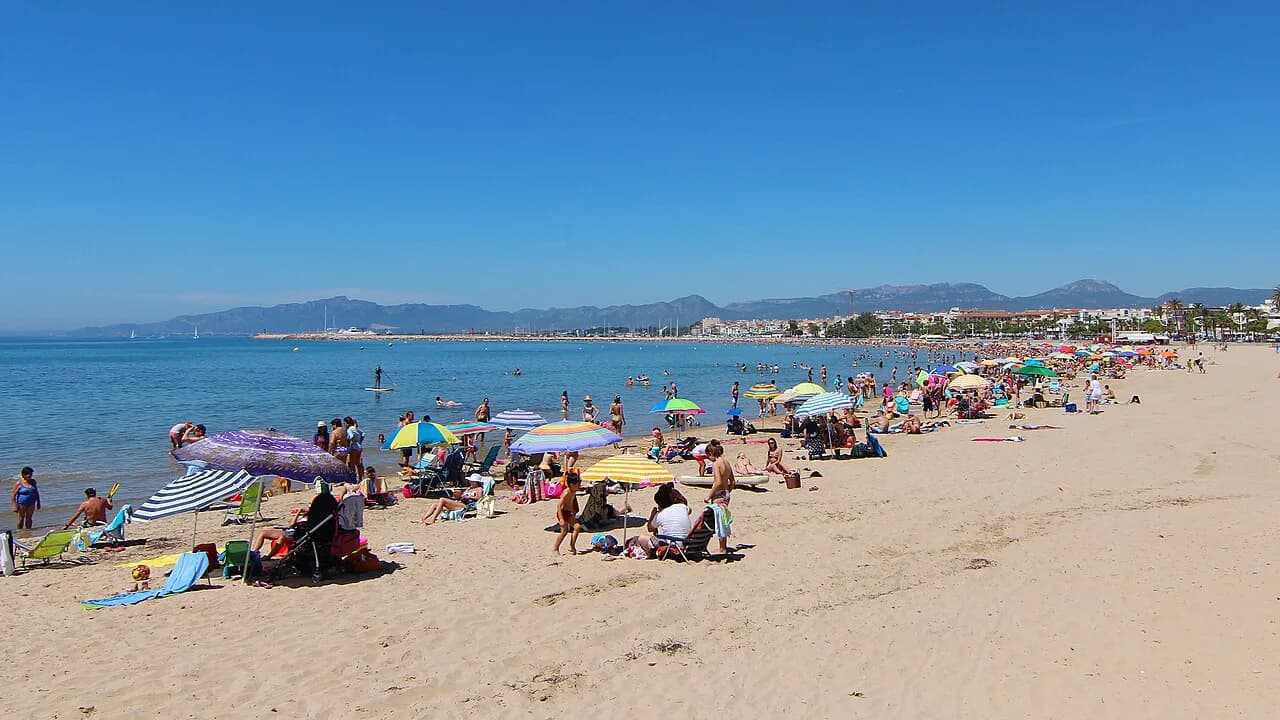
Platja de Llevant is the main beach, a 1,200-metre sweep of golden sand about 80 metres wide at its heart. It runs along the Passeig de Jaume I, with shops, restaurants and the tourist office behind it. The beach has showers, toilets, sunbed and sunshade rental, a children's play area and sports areas, according to spain.info, which also lists calm swimming conditions and a high occupancy rate. That combination makes it the obvious choice for families with small children, first-time visitors and anyone who wants to step off the promenade into the water.
The sand is golden and the water shelves gently, though conditions change with the weather. There is a large public section alongside the rental areas, so you can bring your own umbrella and towels. The beach is separated from Platja de Ponent by the Nautical Club, which is the base for watersports including kayaking, paddleboarding and windsurfing. If you want a beach day without planning, this is the one to pick.
Platja de Ponent: the calmer side of the headland
Platja de Ponent sits on the western side of the town bay, just past the Nautical Club. It is the second of the two main town beaches, and the coastal path passes it on its way south. Compared with Llevant, it tends to be quieter and is a better choice if you want to avoid the crowds around the central promenade. Facilities are fewer, so bring what you need for the day.
The beach faces west, which means it catches the afternoon sun and offers a view back towards the town. It is a good spot for a late swim and a picnic, and for anyone staying in the western hotels who wants a beach within a short walk. The lack of a large promenade directly behind it gives it a slightly more relaxed feel than Llevant.
The coves and smaller beaches along the coastal path
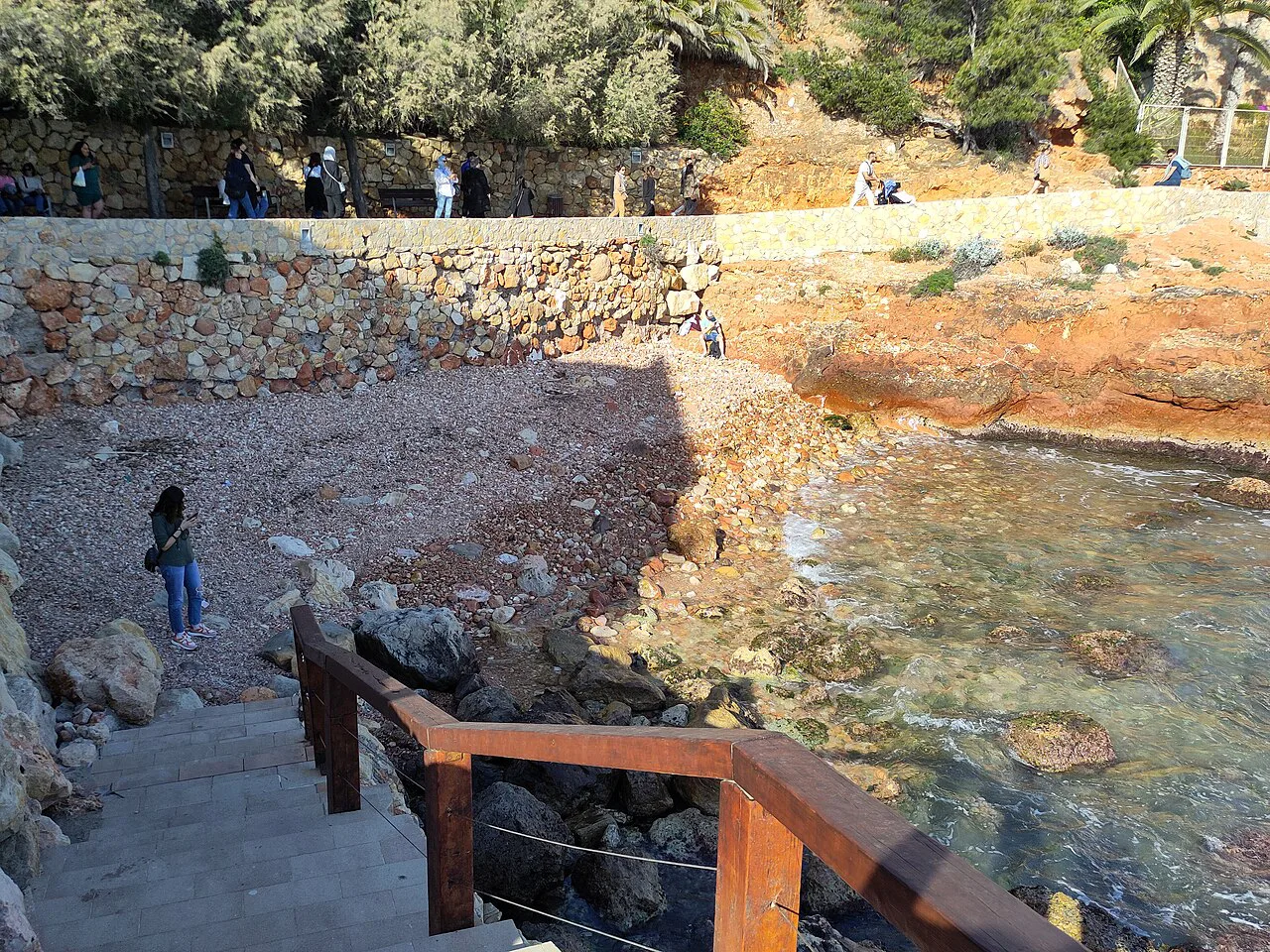
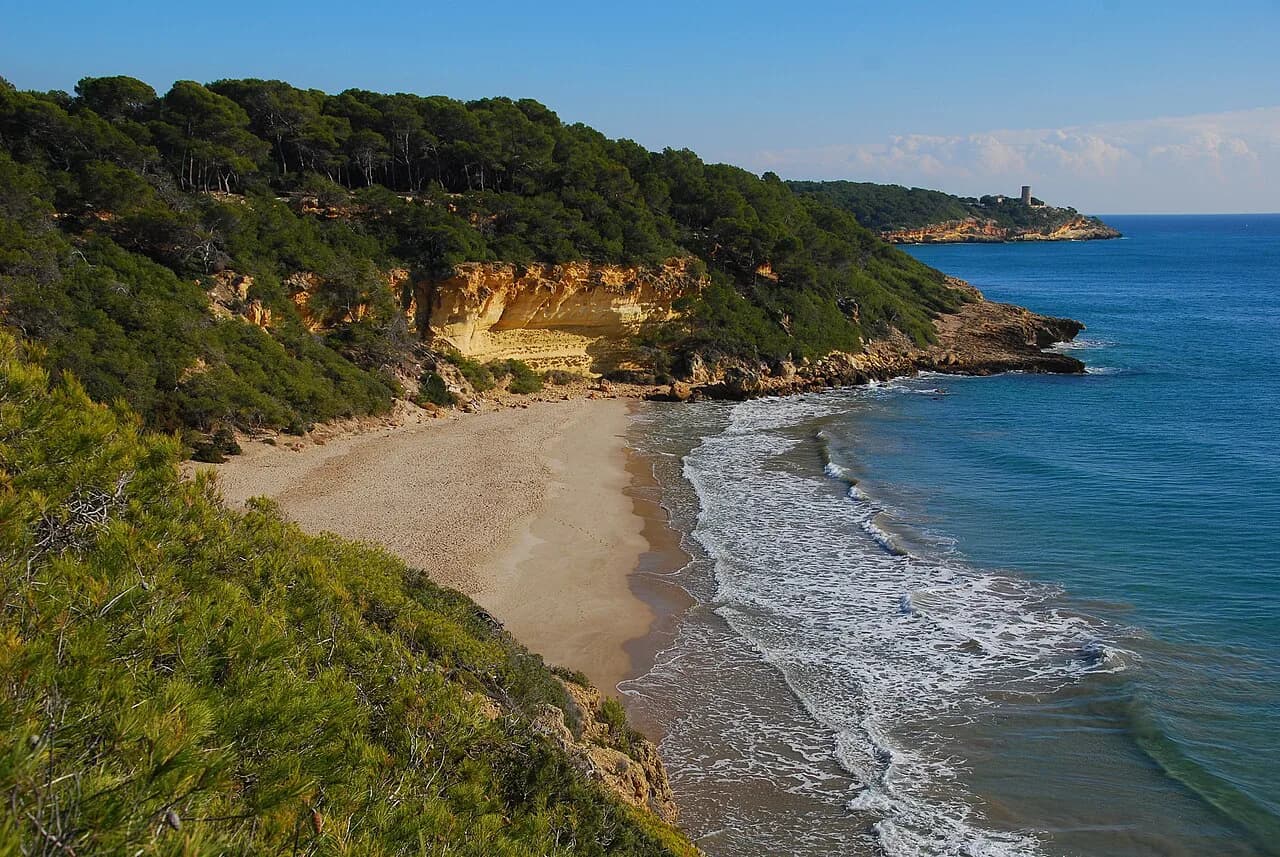
South of the town beach, the coast breaks into a string of small coves: Capellans, Llenguadets, Llarga, Penya Tallada, Font, Vinya and Crancs. These are reached on foot along the coastal path, and some have steps down to the sand. The tourist board's Salou coastal path page notes that some sections are suitable for everyone while others have stairs or run over rocks, so check the map before setting out. The coves are small, so they fill quickly in high season.
These beaches suit swimmers and quiet-seekers more than families with pushchairs. The water is clear and often calm in the lee of the headland, and the rocks at the edges make them good for snorkelling. Bring water, shade and footwear with grip, because the paths and rocks are uneven. There are few facilities, so plan your day around a stop at a beach bar on the way back.
The coastal path itself: length, terrain and where to join it
The coastal path is 9.49 kilometres long, running from Punta de Sant Pere near the Passeig Miramar to Racó de Salou in Cap Salou, next to La Pineda. It passes the main beaches and the coves, and reaches a maximum height of 77 metres above sea level. The tourist board describes it as a way to discover the natural and landscape wealth of the area, with viewpoints along the route. The path is the best way to beach-hop without a car.
The terrain varies. Some sections are easy walking, while others have stairs or cross rocks, so wear trainers rather than sandals. The walk from the town beach to the lighthouse is a shorter option if you want the best views without committing to the full route. Start early in the morning in summer, carry water and sun protection, and allow time for swim stops. The path is exposed in places, with little shade.
Cap Salou and the southern end of the coastline
Cap Salou is the headland at the southern end of the resort, where the coastal path ends at Racó de Salou. The area is wooded and quieter than the town centre, with small coves and viewpoints. It is a good base if you want to be close to the coves and away from the nightlife. The tourist board notes that the headland is a place for observing seabirds, including shearwaters and Audouin's gulls, especially in spring and autumn.
From Cap Salou you can continue to La Pineda, a resort with a long sandy beach and a different atmosphere. The La Pineda beach is wider and more open than the Salou coves, with facilities along the front. It makes a good change of scene if you want more space or a longer walk. The coastal path links the two, or you can drive.
Getting there: on foot, by car and parking near the main beaches
The central beaches are easiest on foot. If you are staying in Salou, walk down to the Passeig de Jaume I and you are on the sand. For the coves, follow the coastal path south from the town beach or take a local bus towards Cap Salou. The tourist board publishes a map of the path with access points. If you drive, there are large car parks near Llevant, as spain.info lists, but they fill in peak season.
Salou is well connected by public transport. The nearest airport is Reus, about 10 minutes away, and Barcelona is about an hour by road or train. Local buses run between Salou and Cambrils, taking about 25 minutes and costing around €2, according to Wander Somewhere. That makes it easy to combine beaches without a car. For Tarragona, buses also run regularly.
The sand and the water: golden sand, calm conditions and how the water deepens
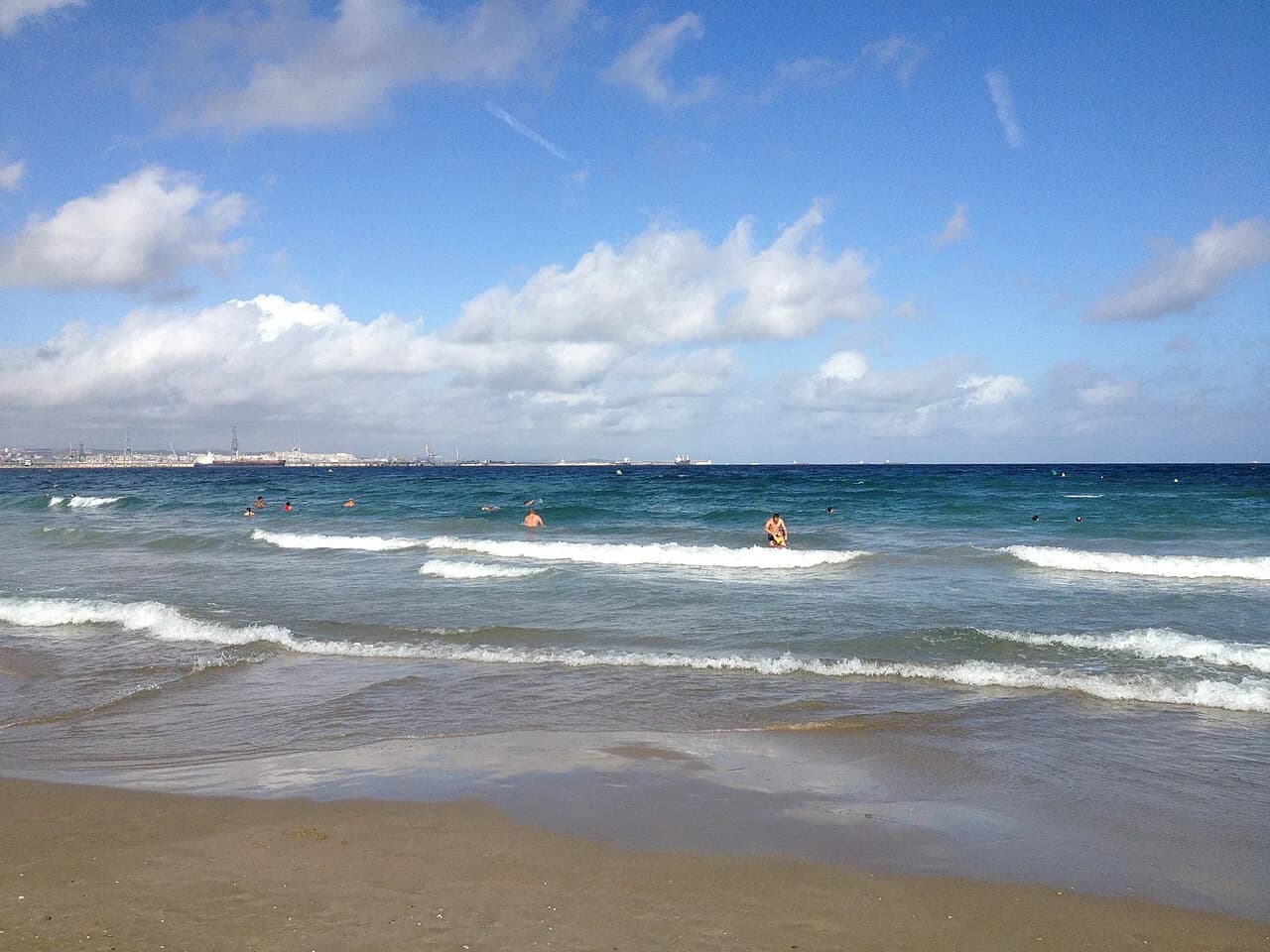
Salou's main beaches are golden sand, and the water is generally calm in summer. spain.info describes Llevant as having calm swimming conditions, but that does not guarantee flat water every day. The bay is sheltered from the prevailing swell, but winds can pick up in the afternoon. The sand shelves gently at Llevant, making it suitable for children, while the coves have rockier entries.
Sea temperatures reach around 23°C in summer, according to spain.info, which is comfortable for most swimmers. The water is warmest in August and stays pleasant into September. Outside the main season, the sea is cooler and the beaches are quieter. Check the daily forecast and any flag warnings before you swim. There are no lifeguard details published for every beach, so ask at the tourist office if you need to know.
Facilities: sunbeds, showers, toilets and the promenade
Llevant has the fullest facilities: sunbed and sunshade rental, showers, toilets, a children's play area, sports areas and a tourist office. spain.info lists these services, along with a yacht club and litter bins. The promenade behind the beach has shops, restaurants and bars, so you can buy food and drink without carrying it far. The beach is urban, which means you are never far from a cafe or a shop.
The smaller coves have few or no facilities. Bring water, snacks and a towel, and expect to carry your rubbish out. Some coves have beach bars in season, but you should not rely on them. The Nautical Club on the town beach offers watersports equipment and instruction, with a poolside cafe and terrace restaurant on site, according to Wander Somewhere. That is useful if you want to combine a beach day with an activity.
Who each beach suits: families, swimmers and quiet-seekers
Families with small children should head to Llevant, where the sand is gentle, the facilities are close and the promenade makes it easy to retreat if the weather turns. Swimmers and snorkellers will prefer the coves along the coastal path, where the water is clearer and the rocks attract fish. Quiet-seekers should base themselves towards Cap Salou and walk to the smaller beaches early in the day.
If you want a mix, stay centrally and use the coastal path to explore. The town beach is busy but convenient, while the coves reward a short walk with a quieter atmosphere. For a change of scene, the Cala Fonda near Tarragona is a small cove with a different character, and the Playa de la Arrabassada in Tarragona is a longer sandy beach. Both are reachable by bus or car, and it is worth comparing them with the best beaches in Sitges if you are touring the Catalan coast.
Best time to go: sea temperatures and how busy it gets
The sea is warmest from July to September, with temperatures around 23°C in summer according to spain.info. August is the busiest month, when Spanish families take their holidays and the beaches fill. June and September offer warm water with fewer crowds, and the coastal path is more comfortable to walk. The beaches are quieter in the mornings, especially on the coves.
The resort is busy throughout the summer season. If you want space on Llevant, arrive early or head to the public section away from the rental areas. The coves are small and can feel crowded when the path is busy. Outside the summer, some facilities may close, but the beaches remain open. Check the tourist office website for any seasonal changes.
Nearby beaches to combine: La Pineda and Cambrils
La Pineda is a short drive or coastal walk north of Cap Salou, with a long sandy beach and a family-friendly atmosphere. The La Pineda beach has a promenade and facilities, and it is less urban than Llevant. It makes a good alternative if you want more space or a change of scenery. The resort also has a water park and other attractions.
Cambrils, to the south, is a fishing town with a harbour and a choice of beaches. The Cambrils beaches include La Llosa and other sandy stretches, and the town is known for seafood. You can walk from Salou along the beachfront in about 1.5 hours, or take the bus for about €2 and 25 minutes, according to Wander Somewhere. It is a good day out if you want a meal and a different beach.
Practicalities for a beach day in Salou
Bring cash for small purchases and a reusable water bottle. The sun is strong in summer, so pack high-factor sun cream, a hat and a shade. The coastal path has little shade, so start early or walk in the late afternoon. Wear trainers for the path and bring water shoes for the rocky coves.
Check the weather and sea conditions before you set out. The tourist office on Passeig de Jaume I can provide maps and advice. If you plan to use sunbeds, arrive early in peak season. For the coves, go before lunch to secure a spot. Leave nothing valuable on the sand when you swim.
Plan Your Beach Days in Salou
Salou gives you a choice: the convenience of a big town beach with every facility, or the quiet of small coves reached on foot. Base yourself centrally for ease, or towards Cap Salou for tranquillity. Use the coastal path to link the two, and combine your days with La Pineda and Cambrils for variety.
Check the tourist board website for the latest sea temperature and any access updates before you go. The bus to Cambrils takes about 25 minutes at the fare listed by Wander Somewhere, which makes it an easy day trip. With a little planning, you can enjoy the best of the Costa Dorada without the crowds.
Frequently Asked Questions
What is the main beach in Salou?
Platja de Llevant is the main beach, a 1,200-metre stretch of golden sand in the town centre with facilities including showers, toilets, sunbed rental and a children's play area.
Are Salou beaches sandy?
Yes, the main beaches are golden sand. The coves along the coastal path are smaller and some have rocks, so bring water shoes.
How long is the Salou coastal path?
The coastal path is 9.49 kilometres long, running from Punta de Sant Pere to Racó de Salou in Cap Salou. Some sections have stairs or run over rocks.
Which Salou beach is quietest?
The coves along the coastal path, such as Cala Llenguadets and Cala Crancs, are quieter than the town beaches. They are small, so go early in the day.
Can you walk from Salou to Cambrils along the beach?
Yes, you can walk along the beachfront, which takes about 1.5 hours. The local bus is quicker, and Wander Somewhere lists the fare and journey time.
Are there coves near Salou town centre?
The nearest coves are south of the town beach, reached by the coastal path. Platja dels Capellans is the first, followed by Llenguadets and others.
Sources
Beach notes for your next trip
Optional updates when we add or revise beach guides.
You might also like
Continue reading
More guides you'll find useful