Cambrils Beaches: Which Beach to Pick in Tarragona
Nine Blue Flag beaches line Cambrils' 9 km sandy coast. Compare each one for families, swimmers, surf-watchers and quiet-seekers before picking your spot.
On this page
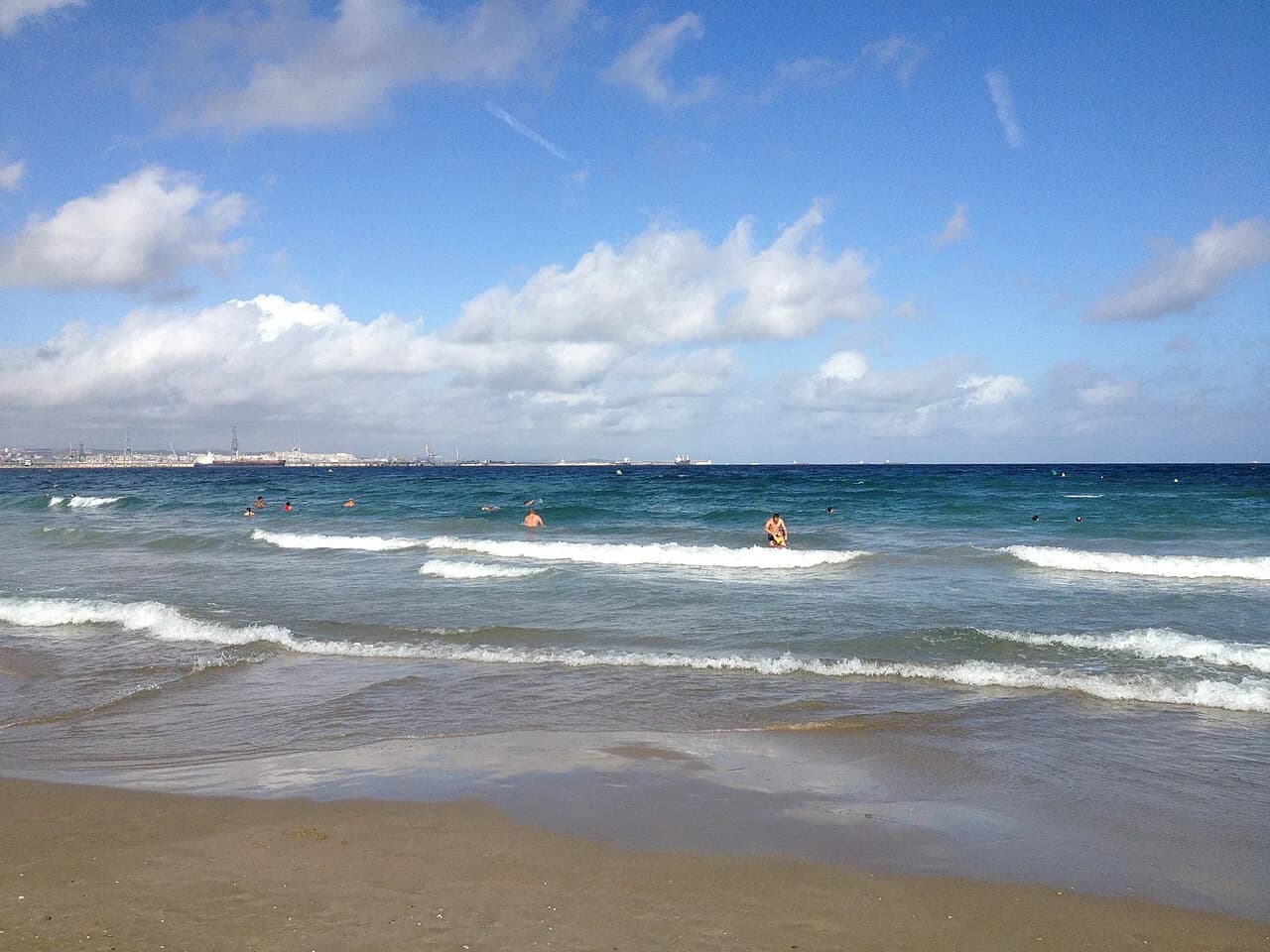
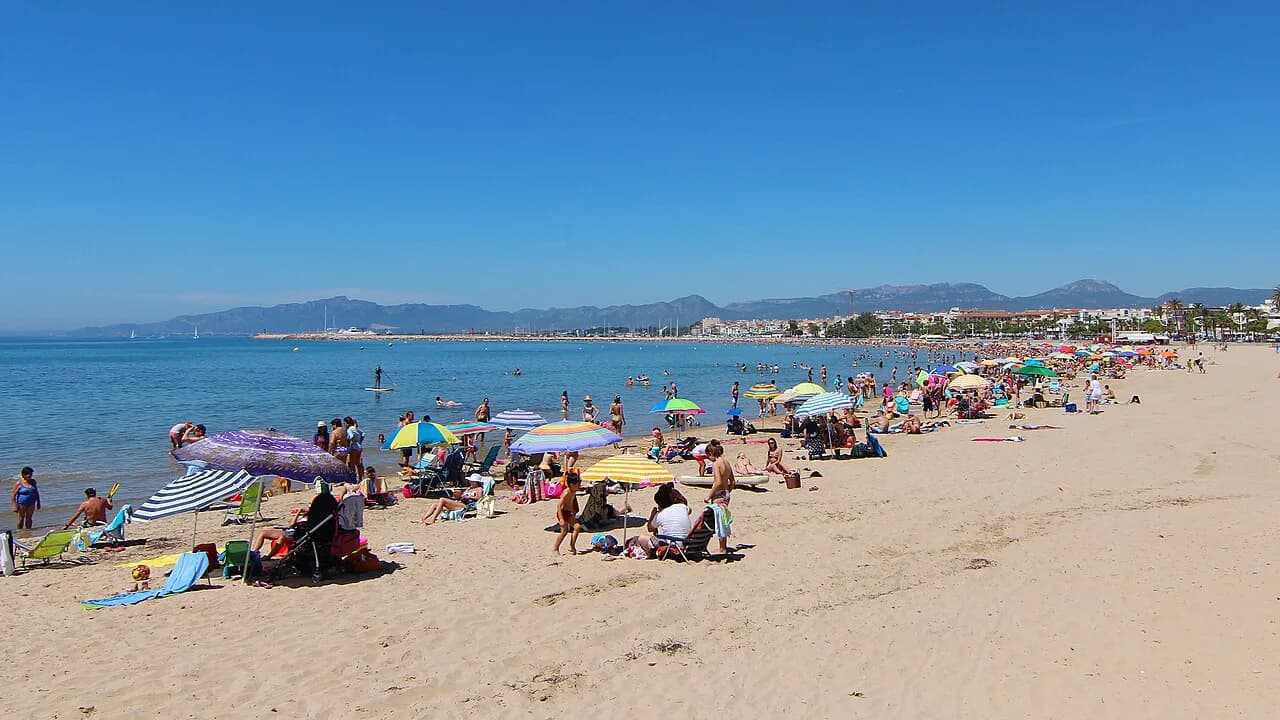
Cambrils earns its reputation on the water: all nine of the town's beaches carry Blue Flag awards, the sand shelves gently, and a string of beaches runs either side of the port. That makes it a straightforward base for a family beach day, with options for swimmers who like a sheltered dip and for anyone content to watch surfers work the swell.
The practical choice is between the central beaches around the port, which are small and busy but close to everything, and the longer, quieter stretches a little further out. Use the town's flag system as your daily decision tool and pick the beach to match who is in your group rather than chasing a single 'best' beach.
Why Cambrils works for a beach day
Cambrils' appeal is consistency: the beaches are sandy, the water deepens gradually, and children or weaker swimmers can walk in slowly rather than plunging off a shelf. Lifeguards man the beaches through the summer months, and each beach flies a flag showing whether swimming is allowed, needs caution or is off.
The shoreline gives you both sides of a Costa Daurada holiday: the port centre has the bustle, the ice-cream stops and the shortest walk from a hotel, while the beaches to the north and south stretch out into longer, less crowded sand. Comparison guides describe the Cambrils coast as a 9 km run of Blue Flag sandy shores with shallow water, which is why it draws families and first-time paddlers.
How the coastline lays out
Think of Cambrils in three parts. The small central beaches, D'Horta and De la Ribera, sit either side of the port and are the most crowded simply because they are closest to the town. North and south of these, the beaches grow longer, with L'Ardiaca, La Llosa and Del Cavet in semi-urban surroundings, and De l'Esquinal, Prat d'En Flores, De Vilafortuny and Cap de Sant Pere strung along the coast towards Vilafortuny, taking the coast's total to 7 km of sand and sea.
If you are weighing Cambrils against the bigger resort next door, the two are close enough to combine. The beaches in Salou are busier and more amenity-heavy, while Cambrils keeps a fishing-town feel and a longer spread of sand; basing in one and visiting the other is easy on a short stay.
L'Ardiaca: breakwater shelter and a sailing school
L'Ardiaca sits just outside the centre in a semi-urban area, and its defining feature is the breakwater running along its length, which makes the water safer for children. It is one of the less crowded Cambrils beaches, is patrolled by beach police as well as a lifeguard, and has disabled access to the beach itself.
Facilities here are the full set for a long day: outdoor showers, toilets, sun loungers and parasols to rent, pedal boats, and a small shack selling food and drinks. A sailing school on the beach adds movement to the view, and older children who want to try something on the water have an obvious starting point.
La Llosa: smaller, with a wooden path to the water
La Llosa is the smaller sibling of L'Ardiaca, a short stretch in a semi-urban area with the same breakwater protection and the same lifeguard and beach-police cover. Its wooden footpath leads down to the water's edge, which makes a real difference if you are pushing a buggy or using a wheelchair.
Behind the sand there are showers, a toilet, and canopies and sun loungers for hire, plus a shop selling snacks. It is a good compromise if you want sheltered water without the slightly longer walk out to L'Ardiaca.
D'Horta: central, busy and family-oriented
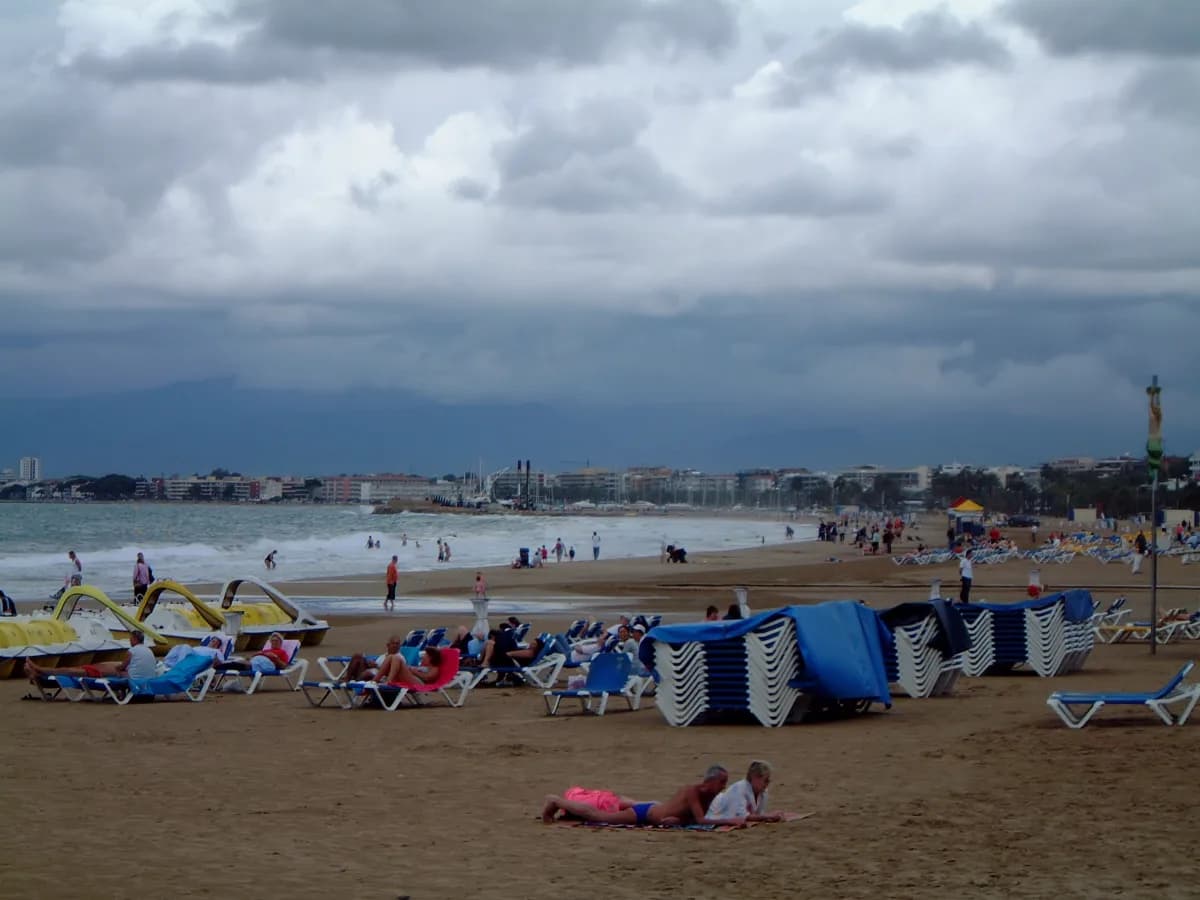
D'Horta is one of Cambrils' smallest beaches and sits close to the centre approaching the port, which makes it popular and sometimes crowded. For families based in town, the trade-off is worth it: the summer beach playroom runs here, a crèche-style area where children can be dropped off for activities during the summer months.
A lifeguard and beach police cover the beach, and at the back you will find outdoor showers, toilets, sun loungers and parasols to rent, pedal boats and a small food-and-drink shack. Arrive earlier in the morning if you want space on the sand in peak weeks.
De la Ribera: small, central and calmer
De la Ribera is the other central option, small and generally busy, with the water along this stretch described as generally calm. It has fewer facilities than the neighbouring beaches, but showers, toilets and bins are on hand, with a lifeguard and beach police on duty.
Choose it for convenience rather than a full-service beach day: it suits a short swim before lunch or an evening paddle when you are staying in the old town. If you want pedalos and sunbed service, walk to D'Horta or head north to L'Ardiaca instead.
Prat d'En Flores: the long surf beach
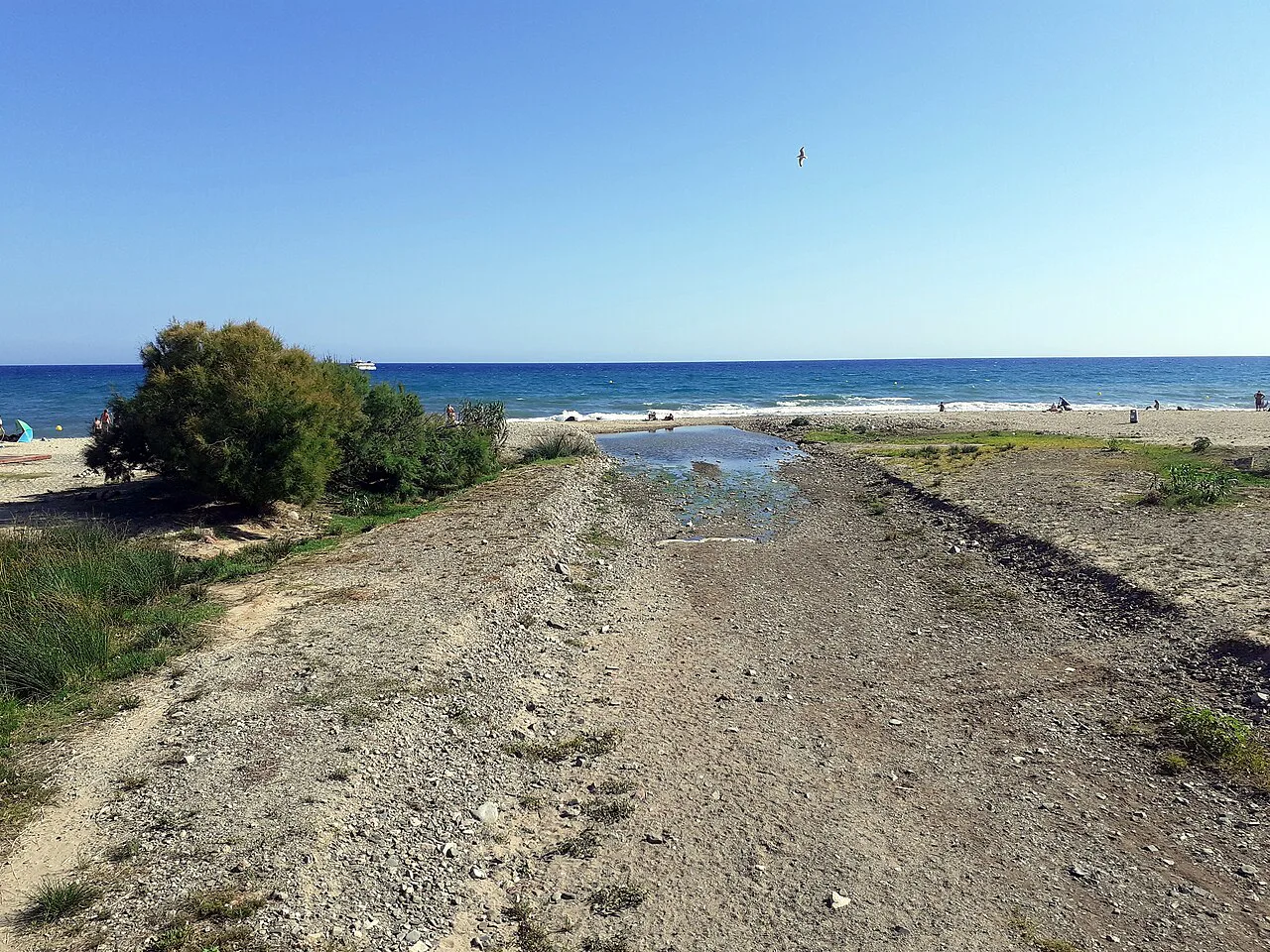
At 967 metres, Prat d'En Flores is one of the larger Cambrils beaches and one of the best serviced, with a lifeguard, beach police, outdoor showers, toilets, sun loungers and parasols for hire, pedalos and a snack shack. It is also a designated 'blue flag wave point', which means it is popular with surfers.
That surf matters if you are swimming with young children: expect boards in the water and pick your spot accordingly. Stronger swimmers can head for the sea platform offshore, and the beach has an amphibious wheelchair service that takes wheelchair users all the way into the sea, with disabled access across the beach; the tourist information office handles the details.
De l'Esquinal: the picturesque 895-metre stretch
De l'Esquinal is often described as one of Cambrils' most picturesque beaches, 895 metres long and set in a semi-urban area away from the main port. It is popular and can be quite crowded in summer, so it rewards an early start if you want a quiet corner.
A lifeguard and beach police cover it, there is disabled access, and showers and toilets sit towards the back of the beach. Pedalos, sun loungers and parasols are available to hire, making it a good all-round choice for a mixed group.
De Vilafortuny: long sand, full facilities, real waves
De Vilafortuny is the longest of the Cambrils beaches at 1,415 metres, and in summer it is one of the busiest. It is another wave point popular with surfers, so there can be plenty of people in the water on a swell; families with young children should weigh that up before settling here for the day.
For anyone with limited mobility who wants to bathe, it is one of the strongest options, with an amphibious wheelchair service that allows you to go into the sea in a wheelchair and disabled access across the whole beach; contact Cambrils Tourist Information to arrange use. Showers, foot washes, toilets, sun loungers, canopies and pedalos round out the facilities.
Del Cavet and Cap de Sant Pere: the quieter ends
Del Cavet lies a little further from the town centre and pairs sandy beach with calm water, making it one of the least crowded of the Cambrils beaches and a relaxed spot for children to paddle while you sit on the sand. It has a lifeguard and beach police, disabled access, outdoor showers, a toilet, and canopies and sun loungers for hire.
Cap de Sant Pere, at one of the furthest points from the port, offers fine sand and calm water, though its position near holiday accommodation keeps it busy in summer. It has a lifeguard and beach police, disabled access, showers, toilets, a foot wash, pedalos, and canopies and sun loungers to rent.
Reading the flags and beach rules
Each Cambrils beach flies a flag that tells you the water conditions at that moment: green means swimming allowed, yellow means swim with caution, and red means swimming is not allowed. If you are unsure, ask the lifeguard rather than guessing, and apply the same rule to children who may not read the flag.
Litter goes in the bins, camping and vehicles are not allowed on the sand, and cigarette butts should not be buried. Pets are not allowed on the beach from 1 April to 31 October, so leave the dog at your accommodation through the season.
Getting there and getting around
Cambrils is served by the coastal train line, with the station in the town and the beaches spread over several kilometres around it. For the central beaches, D'Horta and De la Ribera, walking from the old town and port is the simplest approach; for L'Ardiaca, La Llosa, De l'Esquinal and De Vilafortuny, treat the walk as a proper leg of the day or use a local bus or taxi.
If you are driving, expect to hunt for parking in the summer near the port and to have an easier time further along the coast. Plan to park in town and walk to the central beaches, or use a local bus or taxi for the longer stretches.
Best time to go
The swimming season runs through the warm months, with lifeguards on the Cambrils beaches in summer, when the town is at its busiest. July and August bring the fullest beaches and the biggest crowds at D'Horta, De la Ribera and De Vilafortuny, so shift your day to early morning or late afternoon if you want room.
Late spring and early autumn are the comfortable middle ground: the sand is quieter, the water still invites a swim, and the central beaches are far easier to enjoy. Pack a windproof layer for breezier days and remember the surf can build at the wave-point beaches whatever the month.
Nearby beaches to combine
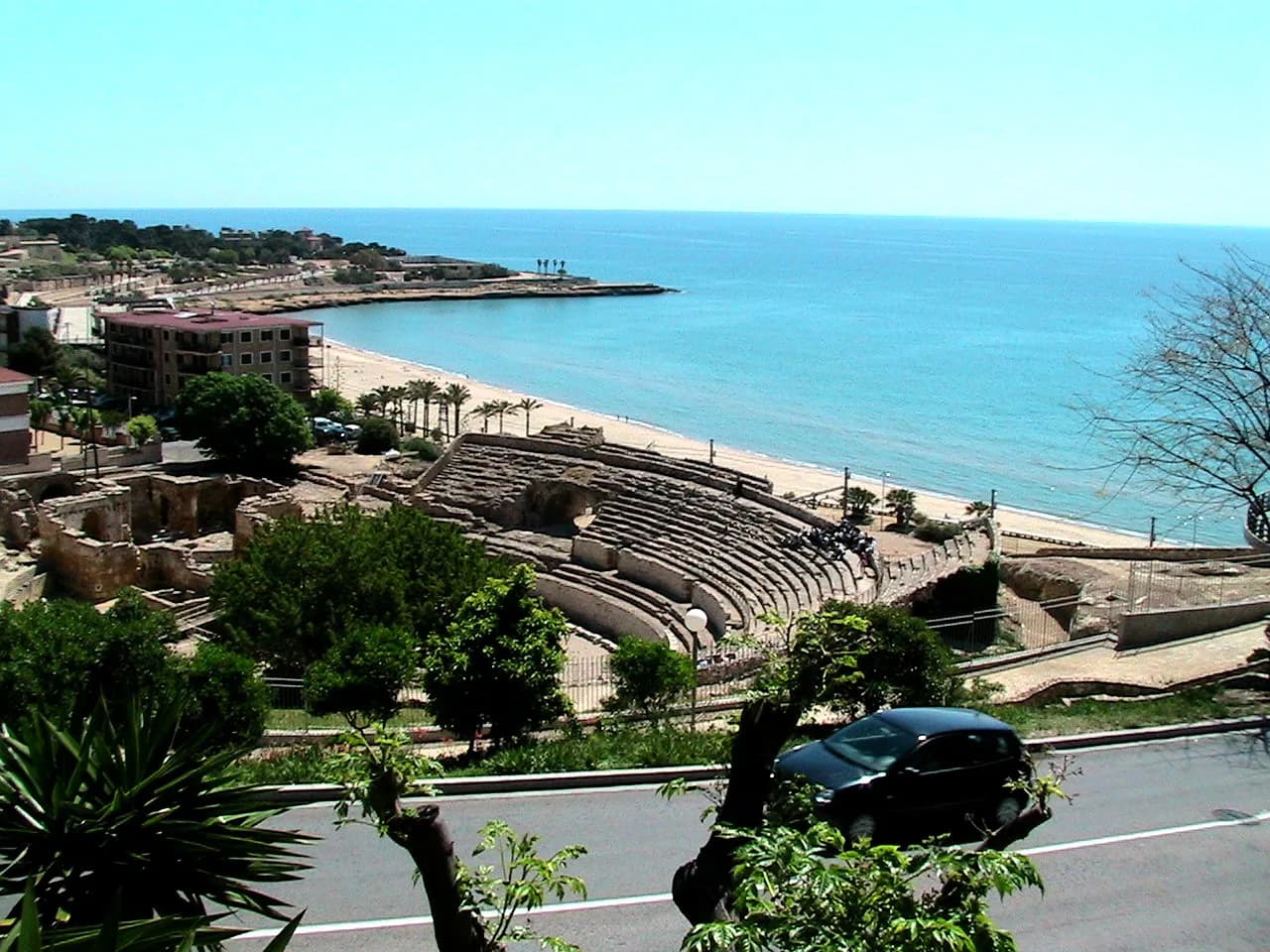
Cambrils sits on the same coast as Tarragona and Salou, so it is easy to build a beach-hopping itinerary. Salou beaches, including Platja de Llevant, are the busier resort option a short hop up the coast, while the city beaches of Tarragona reward a day trip with a bit of sightseeing attached. If you are planning a wider Costa Brava run, the best beaches in Girona make a useful comparison for coves and longer sands.
Further afield, La Pineda Beach, Costa Daurada makes a family-friendly alternative with its own broad sands, and Cala Fonda, Tarragona offers a wilder, cove-style contrast to Cambrils' long beaches. Check transport links before committing to a cove day, as access often involves a walk.
Facilities at a glance
Most Cambrils beaches offer showers and toilets, with sun loungers, parasols or canopies for hire at L'Ardiaca, La Llosa, D'Horta, Prat d'En Flores, Del Cavet, De l'Esquinal, De Vilafortuny and Cap de Sant Pere. Pedalos are available at several of these, and small snack shacks serve food and drinks at the larger beaches.
Accessible features are concentrated at L'Ardiaca, La Llosa, Prat d'En Flores, De l'Esquinal, Del Cavet, De Vilafortuny and Cap de Sant Pere, with the amphibious wheelchair service at Prat d'En Flores and De Vilafortuny the standout option for getting into the water. Contact Cambrils Tourist Information in advance for that service rather than arriving and hoping.
Plan Your Beach Day
Pick your Cambrils beach by the day you want: L'Ardiaca or La Llosa for breakwater shelter and buggy-friendly access, D'Horta or De la Ribera for a short walk from town, Prat d'En Flores and De Vilafortuny for long sand and facilities with surf in the mix, and Del Cavet or Cap de Sant Pere when you want the quieter end of the coast.
Check the flag before you unpack, keep the pet ban in mind from April to October, and confirm accessible services with Cambrils Tourist Information before you travel. The rest is simple: sand, shallow water and a town that knows how to host a beach holiday.
Frequently Asked Questions
Which Cambrils beach is best for families with small children?
L'Ardiaca and La Llosa both have breakwaters that make the water safer for children, and La Llosa has a wooden path down to the water's edge that helps with buggies. D'Horta is central and runs a summer beach playroom for children, though it can get crowded.
Are Cambrils beaches sandy and shallow?
Yes. The Cambrils beaches are sandy and the water deepens gradually, which lets children and weaker swimmers walk in slowly. The town's beaches carry Blue Flag awards and are covered by lifeguards during the summer months.
Which Cambrils beaches are best for surfing?
Prat d'En Flores and De Vilafortuny are both designated wave points and popular with surfers. That makes them worth considering carefully if you plan to swim with young children, as there may be boards in the water.
Are Cambrils beaches accessible for wheelchair users?
Several beaches have disabled access, including L'Ardiaca, La Llosa, Prat d'En Flores, De l'Esquinal, Del Cavet, De Vilafortuny and Cap de Sant Pere. Prat d'En Flores and De Vilafortuny also offer an amphibious wheelchair service that takes users into the sea; contact Cambrils Tourist Information for details.
When is the best time to swim in Cambrils?
Summer is the peak season, with lifeguards on duty and the warmest water, but it is also the busiest. Late spring and early autumn give you quieter sand and comfortable swimming, with the central beaches far easier to enjoy.
Are dogs allowed on Cambrils beaches?
Pets are not allowed on the beaches from 1 April to 31 October. Outside that window, ask your accommodation or the tourist office about where dogs can go.
Sources
Beach notes for your next trip
Optional updates when we add or revise beach guides.
You might also like
Continue reading
More guides you'll find useful