Cala Fonda (Waikiki Beach), Tarragona: Which Beach Guide
Cala Fonda, locally called Waikiki, is a wild golden-sand cove near Tarragona. How to walk in from Platja Llarga, what to bring, and who it suits.
On this page
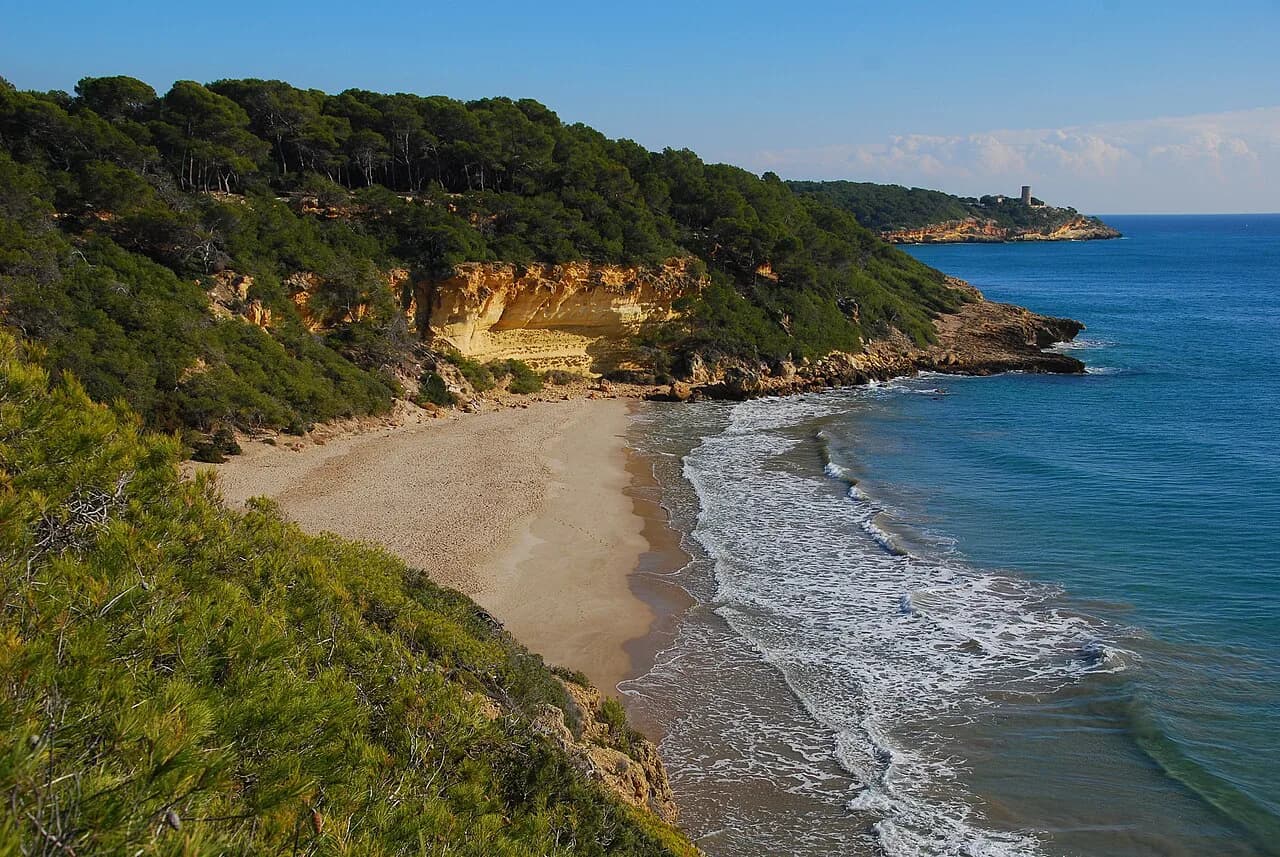
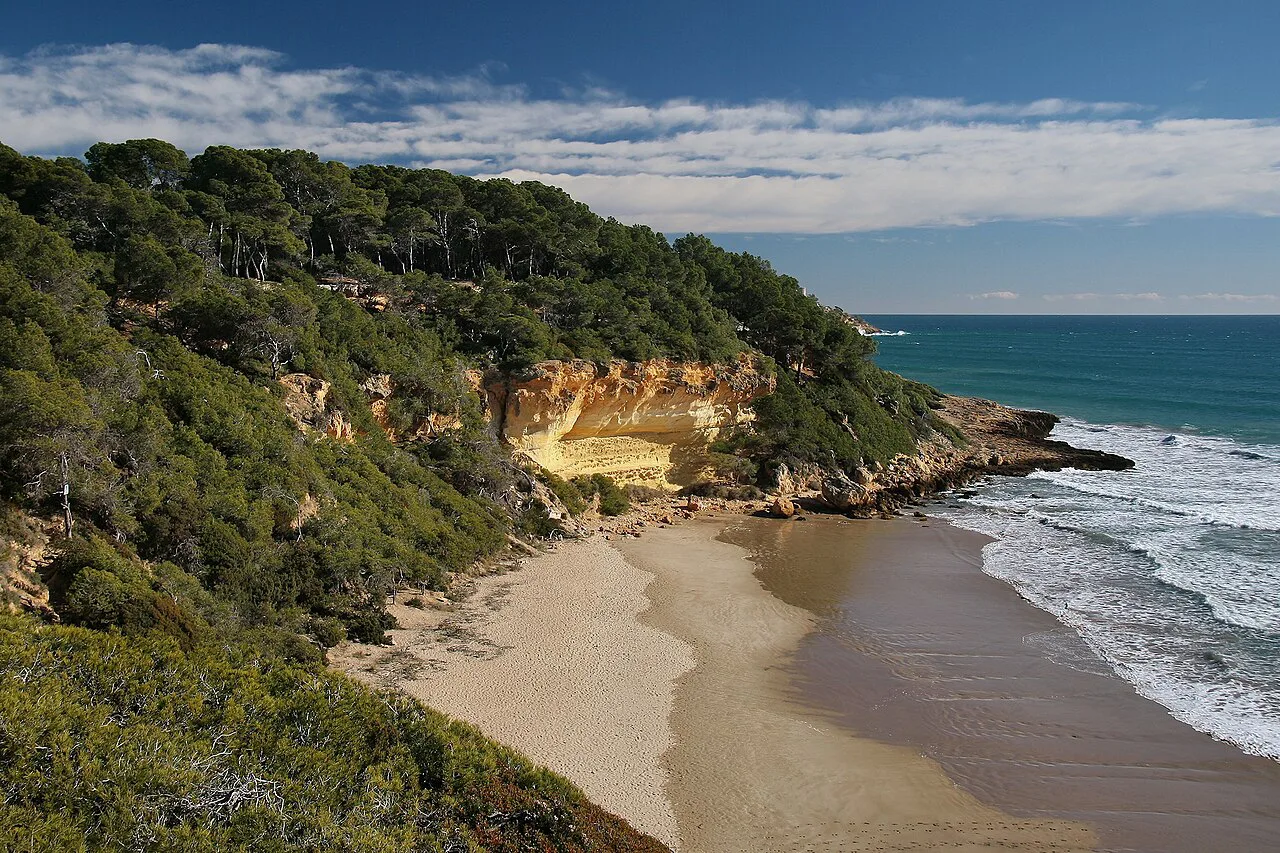
Cala Fonda rewards the walk in. It is 200 by 25 metres of fine golden sand, tucked below yellowish limestone cliffs in the Punta de la Mora natural area east of Tarragona, and the effort filters out the crowds that fill the city beaches further south. It suits walkers, quiet sunbathers, skinny-dippers and anyone content to carry their own water and shade. It is not a pushchair or wheelchair beach, and there is no lido waiting at the bottom.
Where Cala Fonda sits on the coast
The cove lies in the Marquesa woods a few kilometres east of Tarragona, within the Espai Natural de la Punta de la Mora. Time Out describes it as one of the best-preserved beaches on this stretch of the Tarragona coast, close to the city yet unspoiled, and the woods around it are the reason it feels wild rather than suburban. Locals also call it Cala Waikiki or Platja de l'Arboçar, so expect all three names on maps and signs.
It sits between Platja Llarga and the northern coves around La Mòra and the Torre de la Mora campsite, which makes it the natural midpoint of a coastal walk rather than a standalone destination. If you are planning several days around the city, our guide to Tarragona beaches sets Cala Fonda alongside the more accessible sands closer to town. The geology is the draw: ochre limestone cliffs and aromatic pine cover, not a promenade.
Getting there
The standard approach is by road or bus to Platja Llarga, followed by a walk. Leave the car in the parking area at Platja Llarga in Tarragona, walk down to the sand and pick up the path that enters the Punta de la Mora natural area, then follow the trail down to the cove.
From the Platja Llarga end, the route heads east on a signposted trail through pine forest, with cliffs and natural vegetation on either side. Wear shoes with grip rather than flip-flops: the path descends to the sand and the limestone can be loose underfoot. Time Out notes the walk takes you down to the beach via the trail from the natural area.
Walking in from the north
There is a second, quieter approach from the north, starting at the Torre de la Mora campsite. From there you pass Roca Plana beach first and continue south along the coast to Cala Fonda. This route suits anyone staying around La Mòra or walking the full coastal path, and it gives you two beaches in one outing.
The trade-off between the two is simple. The Platja Llarga route is shorter from the city, starts near a large car park and brings you in through the Marquesa woods. The northern route is longer but spreads the walk across two coves and drops you at the quieter end of the coast. Neither route involves road walking, and both end at the same 25-metre-deep strip of sand.
The sand and the water
Cala Fonda measures roughly 200 by 25 metres of fine golden sand. At the water's edge, Time Out describes calm, warm, shallow water, which is what makes the cove so easy to wade into. The beach is short from the tideline to the cliffs, so at busy times you will be sharing a narrow strip rather than spreading out.
Because the cove is shallow and enclosed, the water deepens gradually and stays gentler close to shore, which suits paddlers and nervous swimmers. Beyond the shallows the exposure is the same as anywhere on this coast, so read the conditions on the day and check current forecasts before setting out, since a sheltered cove does not mean flat water. Swimming here is best for confident adults who have walked in with proper footwear and can handle the exit up the trail.
Cliffs and shelter
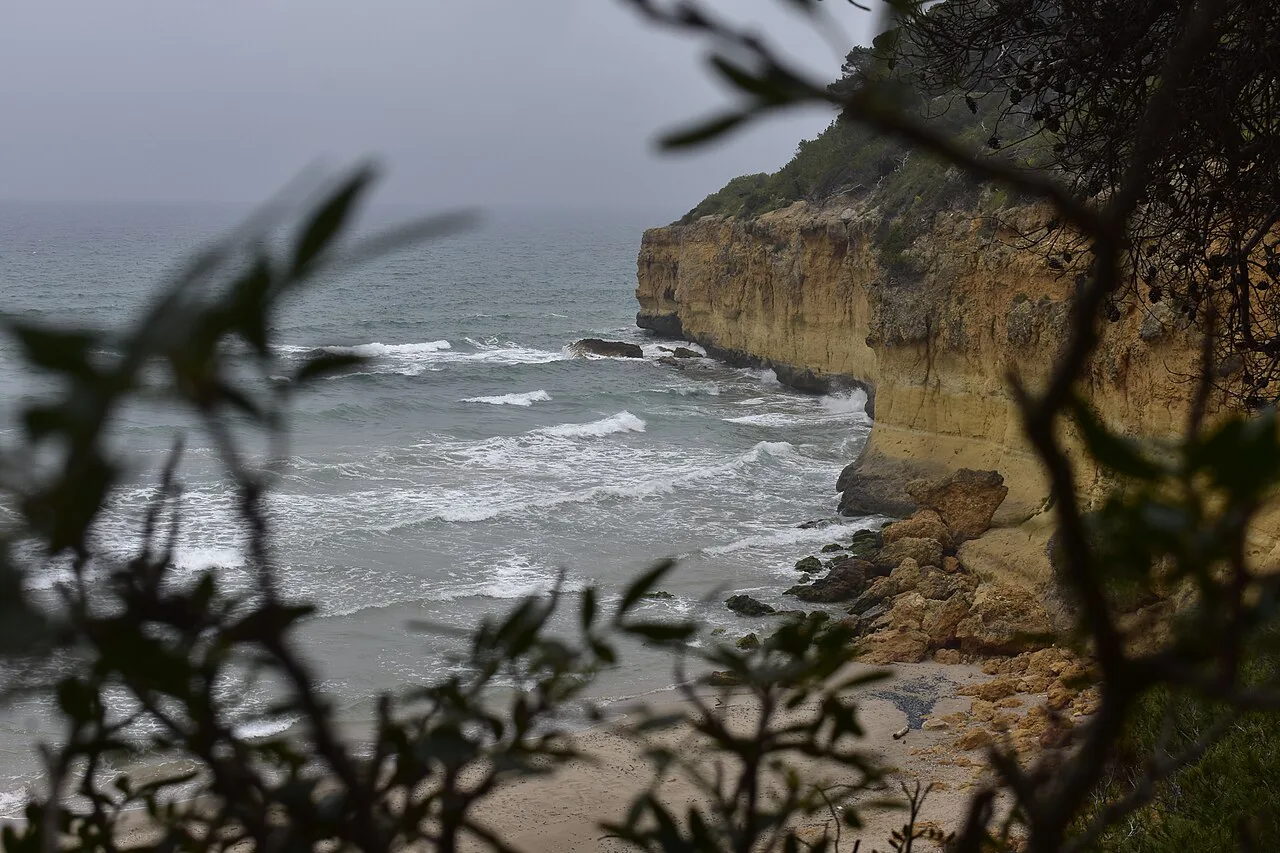
The yellowish limestone cliffs are the cove's defining feature, glowing gold in the early hours and providing shade at the back of the beach as the sun moves round. Time Out calls the cove sheltered by cliffs covered in aromatic woods, which is why it feels calmer than the open city beaches. The cliffs also block the view inland, so you get the sea and the rock and very little else.
Shade at the back of the cove comes from the cliffs, so bring an umbrella or a light tarp if you want cover on the open sand. Arrive early in the morning if you want the cliffs lit gold and the sand still cool.
Who it suits
Cala Fonda is a beach for quiet sunbathers and walkers. The trail in rules out pushchairs and wheelchairs, and the narrow sand strip leaves little room for organised play. Families with small children will find the shallows appealing but the access hard work; the neighbouring Platja Llarga is the easier choice for a full family day.
The cove is well known in Tarragona as a place to sunbathe and skinny-dip, and naturist use is long-established here. Treat it as you would any clothing-optional beach: keep to your own space, don't photograph other people, and expect a mix of textiles and naturists rather than a dedicated club. Strong swimmers and snorkellers will get the most from the rocky edges of the cove.
Facilities
Time Out is clear that Cala Fonda has no services beyond convenient signs, so bring your own food and drink if you plan to spend a full day. That means water for the walk in and out, a packed lunch, and something to sit on. There is no bar or shop to fall back on at the bottom of the trail.
Pack for a self-sufficient day: at least two litres of water per person in summer, food, sun cream, a hat, a shade cloth or umbrella, and shoes with grip for the descent and climb back. A dry bag helps if you plan to swim. Carry out everything you bring, including fruit peel and tissues, because there are no bins on the sand.
Best time to go
Summer mornings are the sweet spot. The cliffs catch the early light, the sand is still cool and the walk in is comfortable before the heat builds. Afternoons bring shade at the back of the cove as the sun drops behind the cliffs, which suits late sunbathers but shortens the sunny stretch of sand.
Peak August brings the biggest crowds to the Tarragona coast, and Cala Fonda's narrow sand fills quickly even though the walk in keeps numbers down. June and September give you warm water and far more room. The water is calm, warm and shallow at the edge, so treat a summer swim as the centrepiece of the day rather than an afterthought.
Nearby beaches to combine
Platja Llarga is the obvious pairing. It is the beach you park at, it has the space and facilities Cala Fonda lacks, and the walk between the two takes you through the Marquesa woods. Roca Plana, just north, is the first beach on the northern approach from Torre de la Mora and makes a natural second stop.
Further up the coast, La Mòra is a village with its own beach and a good base for the northern walk. If you are touring the Costa Daurada, La Pineda beach offers a very different, family-oriented day with a long shallow shoreline, and it pairs well with a morning at Cala Fonda. For more wild coves along the same Catalan coast, the best beaches in Girona make an easy comparison with Tarragona's cliff-backed sands.
Plan Your Visit
Cala Fonda is a half-day walking beach, not a resort. Decide which approach suits you, Platja Llarga for the shorter in-and-out or Torre de la Mora for a two-cove walk, then pack as if there is nothing at the bottom. Because there is not.
Go early in summer, bring shade and shoes with grip, and be ready to share a narrow cove with naturists and quiet sunbathers. If you want a fuller beach day, combine it with Platja Llarga and keep the wild cove as the morning treat.
Frequently Asked Questions
Is Cala Fonda the same beach as Cala Waikiki?
Yes. Cala Fonda is also known locally as Cala Waikiki and Platja de l'Arboçar. All three names refer to the same cove in the Punta de la Mora natural area east of Tarragona.
How do you get to Cala Fonda from Tarragona?
Drive or take a bus to Platja Llarga in Tarragona, park there and walk the signposted trail east into the Punta de la Mora natural area and down to the cove. The alternative is to start from the Torre de la Mora campsite and walk south past Roca Plana.
How long is the walk to Cala Fonda?
The cove is a few kilometres east of Tarragona, and the walk from Platja Llarga takes you through pine forest and down to the sand. Allow time for the return climb, and wear shoes with grip rather than flip-flops. The northern route from Torre de la Mora is longer and passes Roca Plana.
Is Cala Fonda suitable for families with small children?
The water is shallow at the edge and gentle close to shore, which suits young paddlers. The trade-off is the walk in, which rules out pushchairs and makes the beach a lot of effort for families with very small children. Platja Llarga is the easier family beach nearby.
Are there facilities or bars at Cala Fonda?
There are signs but no services. Bring your own food, water, shade and something to sit on, and carry everything out with you. The nearest bars and shops are at Platja Llarga or La Mòra.
Which nearby beaches can you combine with Cala Fonda?
Platja Llarga at the southern end and Roca Plana and La Mòra to the north are the natural pairings. A coastal walk linking them makes a full day, with Cala Fonda as the quiet midpoint.
Sources
Beach notes for your next trip
Optional updates when we add or revise beach guides.
You might also like
Continue reading
More guides you'll find useful