Alcúdia Sea Temperature: When to Swim, Month by Month
Alcúdia sea temperatures peak around late August and are coolest in early March. Here is when the water is warmest and how to plan a swim.
On this page
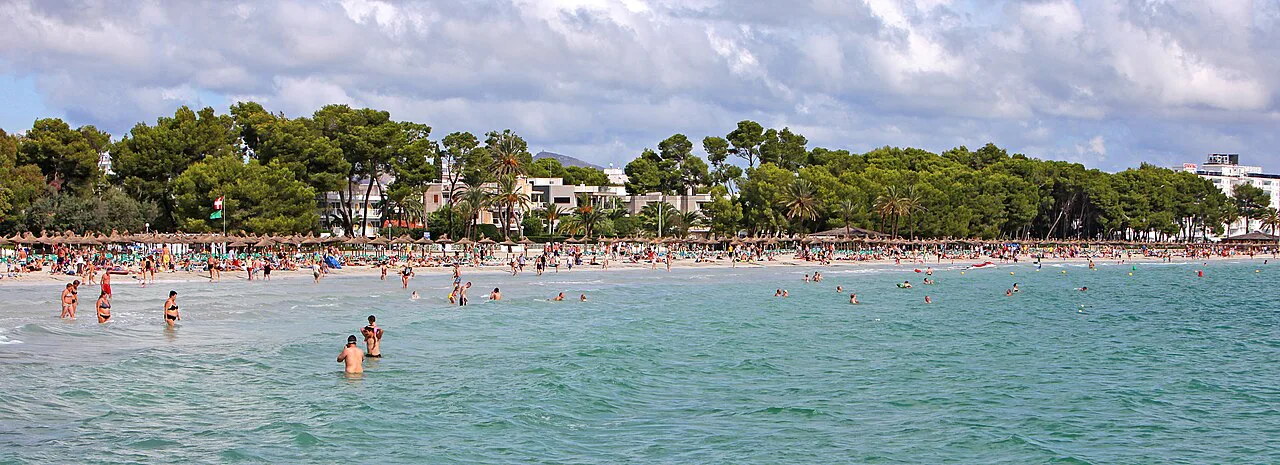
The Bay of Alcúdia is one of Mallorca's easiest places to swim, with a long arc of shallow sand that lets you wade a good distance before the water reaches your waist. Sea temperatures swing from bracing in late winter to properly warm in high summer, so the month you pick changes the kind of beach day you get. Families with small children, cold-water dippers and long-distance swimmers all find their season here, just not the same one.
This guide tracks the water rather than the air, because the two do not move together in spring and autumn. It also matches each part of the season to a different stretch of the bay, from the sheltered coves of Cala Sant Vicenç to the wide shallows north of the port.
How the Bay of Alcúdia's Water Behaves
The bay is broad and shallow, and that shape drives its temperature. Shallow water gains heat quickly once spring sunshine arrives, which is why the first comfortable swims often come before the air feels reliably hot. The same shallowness means a run of cool nights or a strong northerly can drop the reading within days.
Wind matters as much as sun. A sustained north or north-easterly pushes cooler surface water into the bay and builds chop on the exposed stretches; the sheltered corners of Cala Sant Vicenç sit out much of that. For sea temperatures, Surf-forecast reports a peak range of 25 to 28°C around mid-August for Mallorca and an annual low around 1 March.
Month-by-Month Sea Temperatures
Treat the figures below as seasonal guides, not a forecast for your week. The annual low falls around the start of March, the climb runs through late spring, and the warmest water arrives in the second half of August.
January and February: the coldest stretch, with the minimum reached around 1 March. Swimming is for short dips and wetsuit tops rather than long sessions. March and April: the water is still cool but the sun is stronger, so a quick swim followed by drying off in the sun works well. May and June: warming steadily, and by June most people find it pleasant for a proper swim.
July and August: the warmest period, with the peak range of 25 to 28°C centred on mid-August. This is when long swims, snorkelling and hours in the water feel effortless. September: still warm and noticeably quieter once school holidays end, which makes it the best-balanced month for swimmers who want space.
October and November: cooling fast, though October often holds enough warmth for a comfortable swim on a sunny afternoon. December: back to winter conditions, with short dips and a towel within reach.
When the Sea Is Warm Enough for a Long Swim
For most swimmers, a long uninterrupted swim belongs between late June and early October, with August the surest bet. Outside that window, plan shorter entries and exits, and pick the middle of the day when the surface has had hours of sun. If you are weighing up a warmer Mediterranean alternative for an early or late-season trip, the Málaga sea temperature guide makes a useful comparison for the shoulder months.
Water around 20°C is often described as bracing rather than cold: fine for a confident adult swimmer doing a few lengths of the bay, less so for children who stop moving. Spring swimmers do well with a thin neoprene top, which takes the edge off without overheating on the walk back.
Air Temperature and Sun Are Not the Water
Alcúdia's air can feel hot in May while the sea still lags several weeks behind, and the reverse happens in October, when the water holds warmth after the evenings cool. BBC Weather gives current conditions for Alcúdia, useful for judging wind and cloud on the day rather than the sea itself.
Plan around both numbers. A cloudy 26°C day is still good for swimming in August, but a sunny 22°C day in April is a sunbathing day with a brief dip.
Wind, Chop and Currents
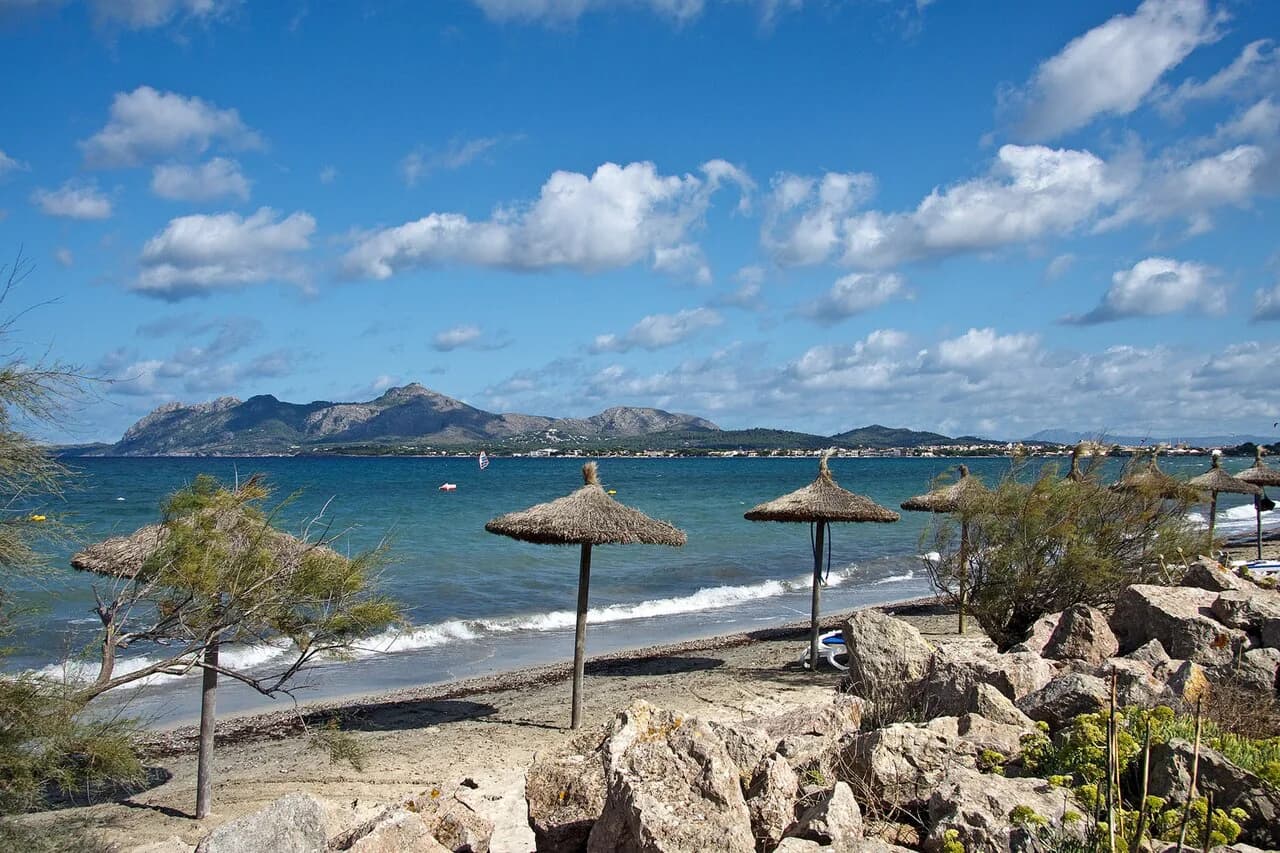
The bay faces north, so north and north-easterly winds are the ones to watch. They bring chop to the open stretches of Platja d'Alcúdia and Playa de Muro and can make the water feel cooler than the published range suggests. On those days, head for the coves at Cala Sant Vicenç, where the cliffs blunt the wind.
Read the flags and ask at a beach bar or lifeguard post if you are unsure about conditions; Surf-forecast publishes live water temperatures and swell data for Mallorca if you want a reading before you set off.
Which Stretch of the Bay Suits Which Season
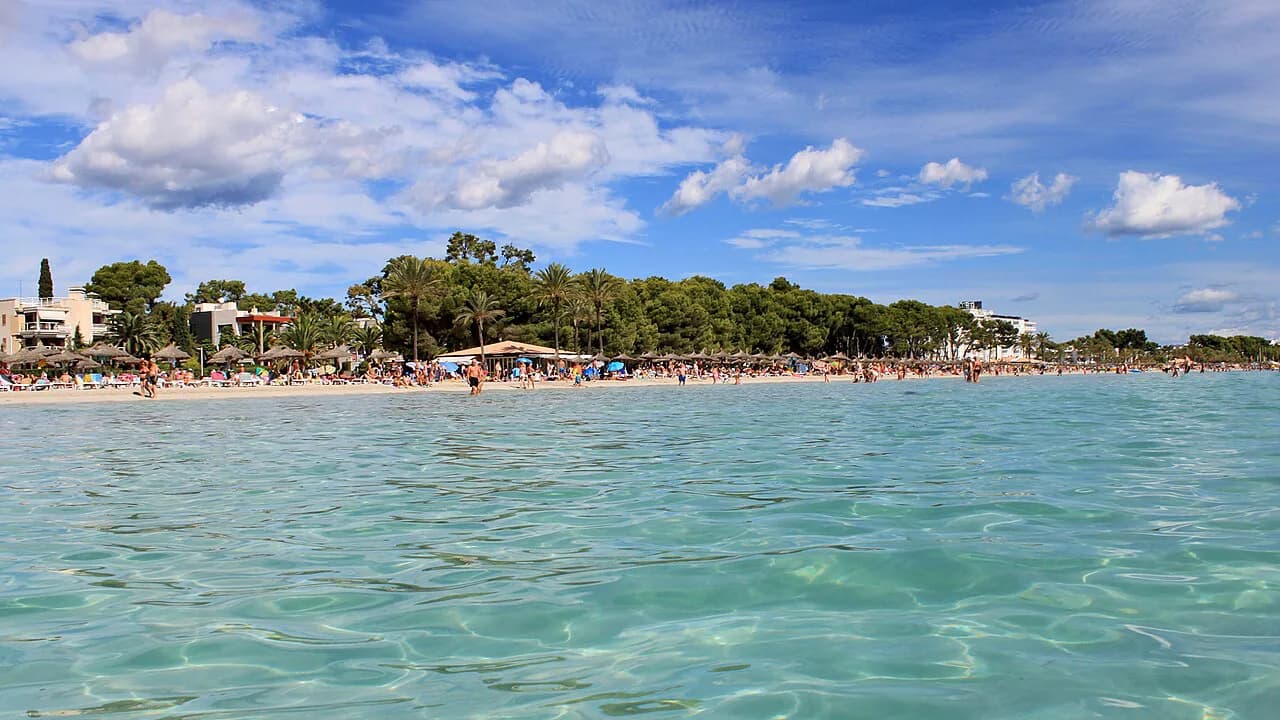
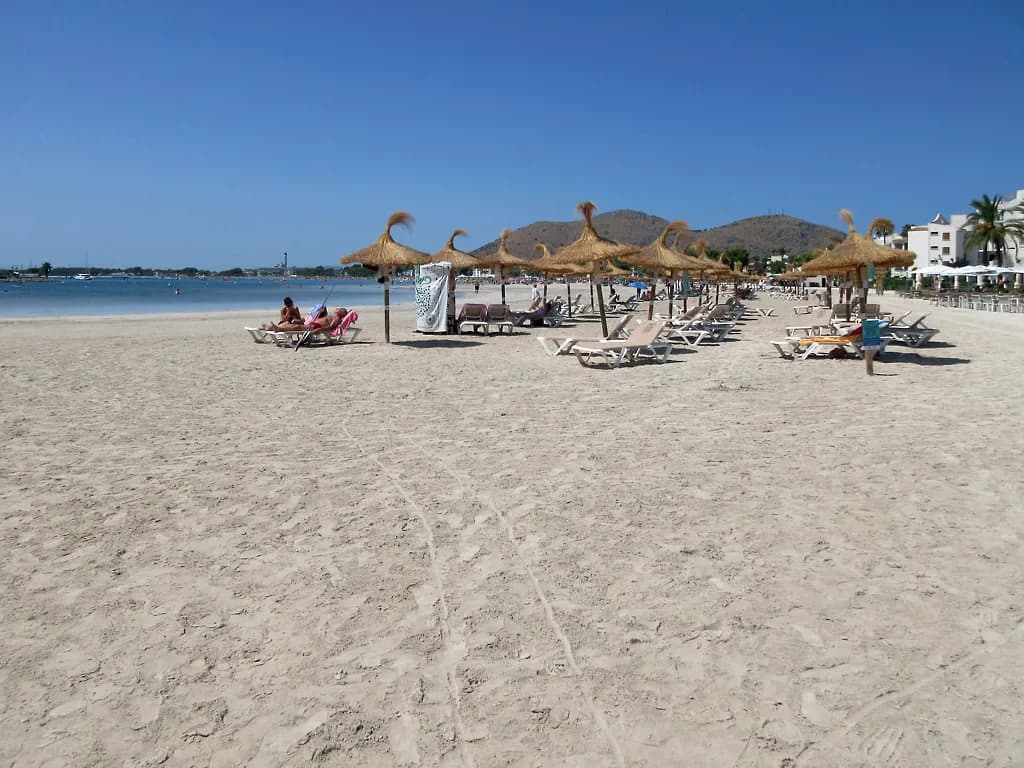
In cooler months, the shallow sand of Playa de Muro is the friendliest choice, because the water stays thin and warms fastest under spring sun. The Illes Balears tourism board describes the beach as 5.2 km long, divided into four sectors, with fine golden sand and little depth, making it an easy family day out.
Es Comú is the unspoiled section of that same beach, protected as an Area of Natural Special Interest, with the hotels and restaurants concentrated in the other sectors. In high summer, when the main stretches fill up, walking north to Es Comú buys you quiet even if the water is the same temperature.
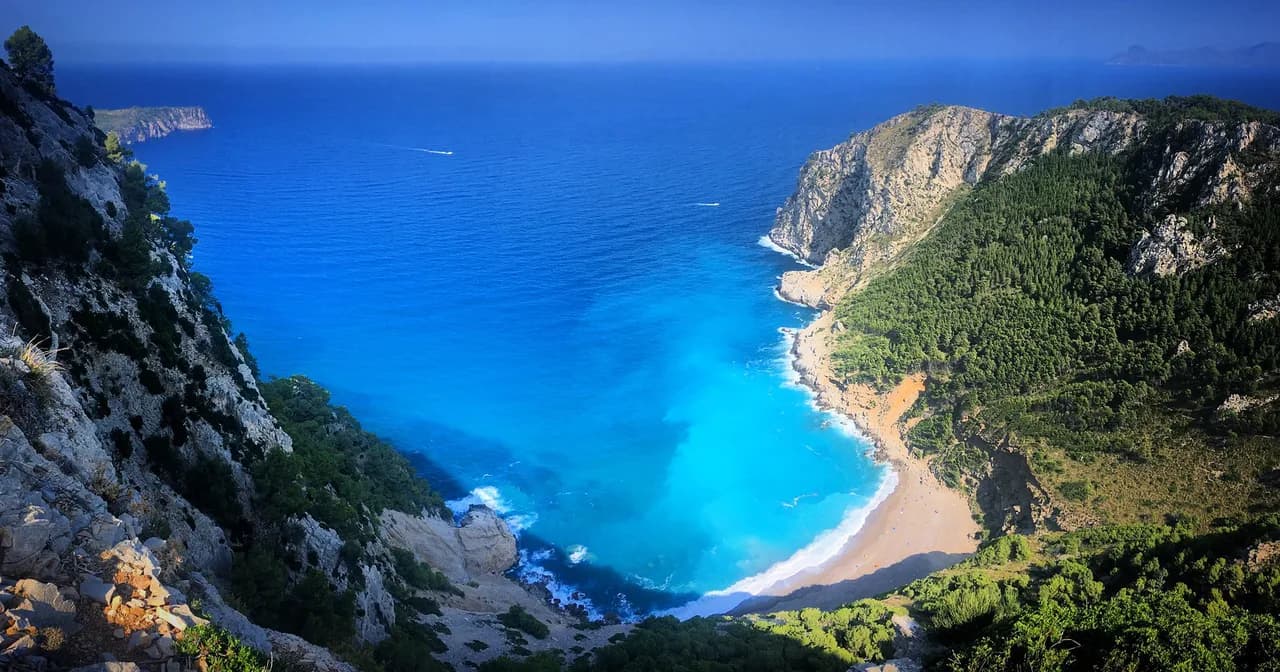
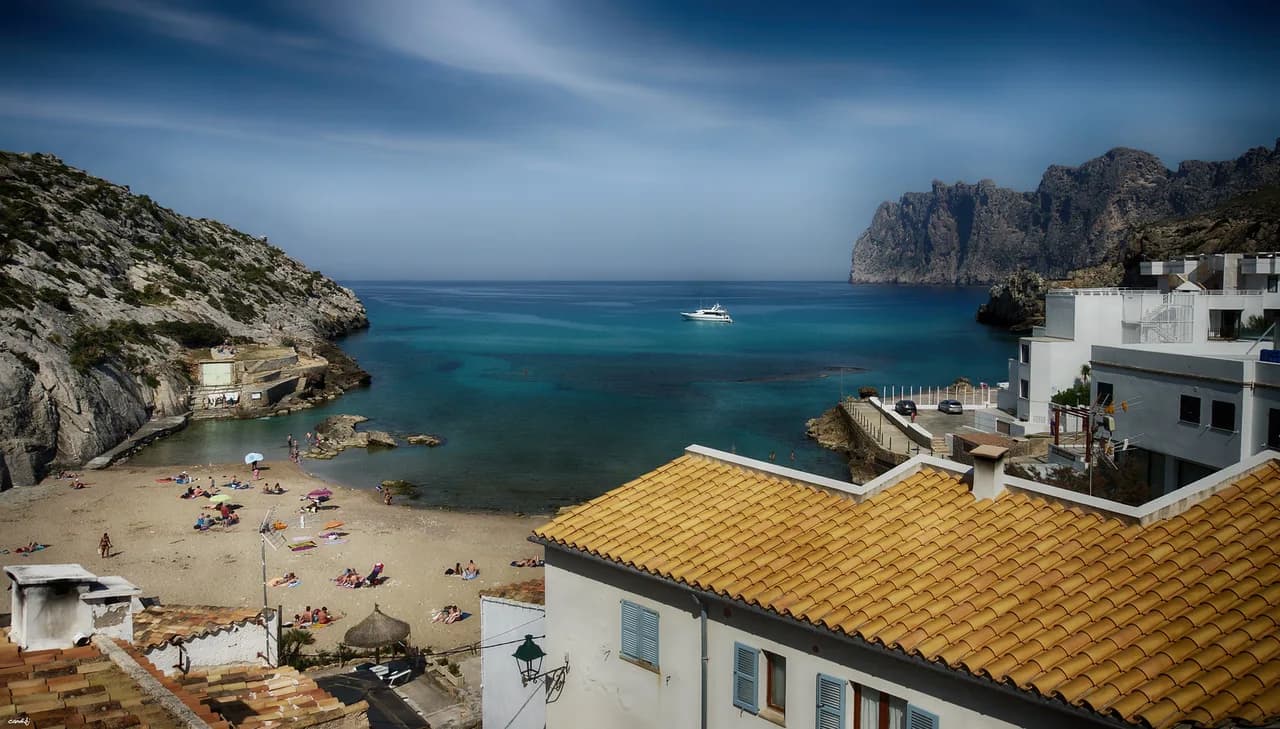
In August, when the sea is at its warmest, the coves around Cala Sant Vicenç reward an early start. Cala Molins is the busiest of the three, Cala Barques the largest and best for families, and Cala Clara the smallest and quietest.
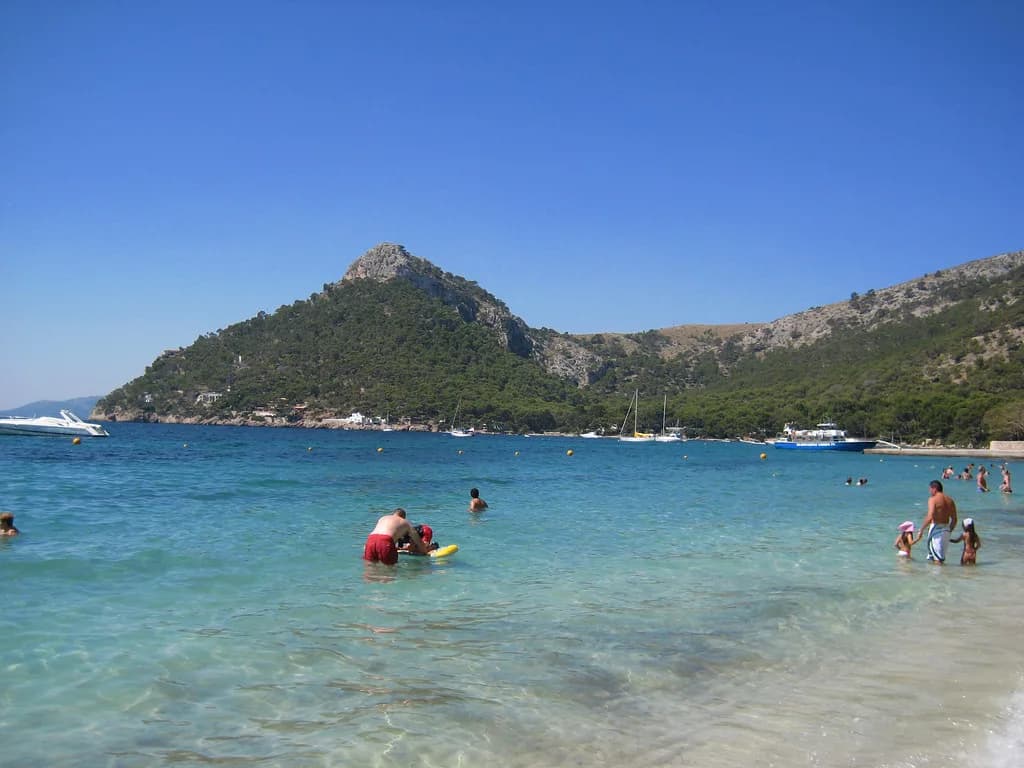
For a wilder, colder-feeling swim, Platja de Formentor on the Formentor peninsula offers clear water and a mountain backdrop, with the drive along the Ma-2210 as much a part of the day as the swim. Car access is restricted once the beach car parks fill during the busiest months, and a TIB bus runs from Alcúdia and Puerto Pollensa.
What to Bring Through the Season
In high summer, a rash vest is the single most useful item for children, protecting shoulders during long hours in and out of warm water. Add a wide-brimmed hat, refillable bottles and shade; the sand at Playa de Muro is exposed and gets hot underfoot by midday.
For spring and autumn swims, pack a thin wetsuit top, a quick-dry towel and a windproof layer for the walk back. Sea shoes help in the rockier coves around Cala Sant Vicenç, where the shoreline is stonier than the wide sands of the bay.
Families and the Shallow Sections
Small children do best in the shallows of Playa de Muro, where the gentle gradient lets them paddle well away from deeper water. The Illes Balears tourism board highlights the little depth and calm conditions of the beach as the reason it works so well for family days.
Timing matters more than temperature for young swimmers. Aim for mid-morning in July and August, before the sand scorches, and for early afternoon in June and September, when the water has had time to warm.
Quiet-Season Swimming in Spring and Autumn
May, June, September and October give you warm-enough water with far fewer people on the sand. The trade-off is variability: a cool northerly can arrive within a day, so build flexibility into your plans rather than fixing a single swim day.
These months also suit walkers and cyclists who want a dip at the end of the day, with the shallow bay at Can Picafort offering an easy entry after a long ride.
Nearby Beaches to Combine
Base yourself in Port d'Alcúdia for the widest choice of swims within a short drive. The resort's own beach at Puerto Pollensa runs for over two kilometres, with soft golden sand and shallow water that make it a natural morning swim before heading further north.
Add Cala Agulla near Capdepera for a change of scene: a long sandy beach backed by pines and dunes on the Llevant Natural Park side of the island, with a large car park by the sand. On the north coast, the Pine Walk at Puerto Pollensa offers small coves tucked beneath pine trees for a quieter late-afternoon swim.
Plan Your Swim
Match the month to the swim you want: long, warm-water sessions in August and early September, bracing spring dips in May, and short winter plunges followed by a towel and a coffee. Check the wind direction on the morning of your beach day and choose the sheltered coves when the north wind blows.
For the fullest picture of the bay's beaches, facilities and access, work through the Alcudia beaches guide before booking accommodation. The Alcúdia tourist office can confirm current conditions and any seasonal access arrangements on the day.
Frequently Asked Questions
When is the sea warmest in Alcúdia?
The warmest water arrives in the second half of August, when Surf-forecast reports a peak range of 25 to 28°C for Mallorca. Early September remains warm and is noticeably quieter once school holidays end.
Is the sea in Alcúdia warm enough to swim in spring?
The water stays cool through March and April, so plan short dips rather than long swims. By late May and June, most adults find it comfortable for a proper swim, especially in the shallowest parts of Playa de Muro.
Is 20°C water cold for swimming?
At around 20°C, the water feels bracing: workable for a confident adult doing a short swim, but less comfortable for children who stop moving. A thin neoprene top makes spring and autumn swims far more pleasant.
Which part of the Bay of Alcúdia has the calmest water?
The coves at Cala Sant Vicenç are sheltered by cliffs and sit out much of the chop that a north wind brings to the open bay. Playa de Muro's shallow gradient also keeps the water gentle for paddling families.
What is the water temperature in Mallorca?
Surf-forecast reports a peak range of 25 to 28°C around mid-August and an annual low around 1 March. Alcúdia sits within that pattern, with the shallow bay warming quickly in spring and cooling quickly in autumn.
What should I bring for a swim in cooler months?
Pack a thin wetsuit top, a quick-dry towel and a windproof layer for the walk back from the beach. Sea shoes help around rockier coves such as those at Cala Sant Vicenç.
Sources
Beach notes for your next trip
Optional updates when we add or revise beach guides.
You might also like
Continue reading
More guides you'll find useful