Santa Pola Beaches: Levante, Gran Playa and Varadero
Choosing between Levante, Gran Playa and Varadero in Santa Pola: sand, shelter, facilities and access, plus when to go for warm swims and quiet mornings.
On this page
Santa Pola is a working fishing town south of Alicante where the beaches are part of daily life rather than a resort strip. The main sands — Levante, Gran Playa and Varadero — sit along the same urban shoreline, so you can compare them on foot in an afternoon and pick the one that matches your group. Families with small children, swimmers who like a long shallow run-in and quiet-seekers all have a clear first choice.
Location matters here: the town sits beside the Salinas de Santa Pola Nature Reserve, and the boat to the island of Tabarca leaves from the harbour, so a beach day can be padded out with salt flats or a crossing. The castle of Castillo Fortaleza anchors the old centre a few streets back from the water. If you are basing yourself in the provincial capital, the Alicante beaches guide covers the city's own sands before you narrow down to this coast.
Where Santa Pola's beaches sit on the Costa Blanca
Santa Pola occupies a headland on the Costa Blanca roughly 20 kilometres south of Alicante city, with its beaches arranged along the eastern and southern edges of town. Levante faces the open sea on the eastern side near the marina and old town; Gran Playa and Varadero run south towards the Salinas and the road to Gran Alacant. That geography explains the practical differences: the eastern beach catches more of the morning light and the southern sands stretch longer and back onto low-rise development.
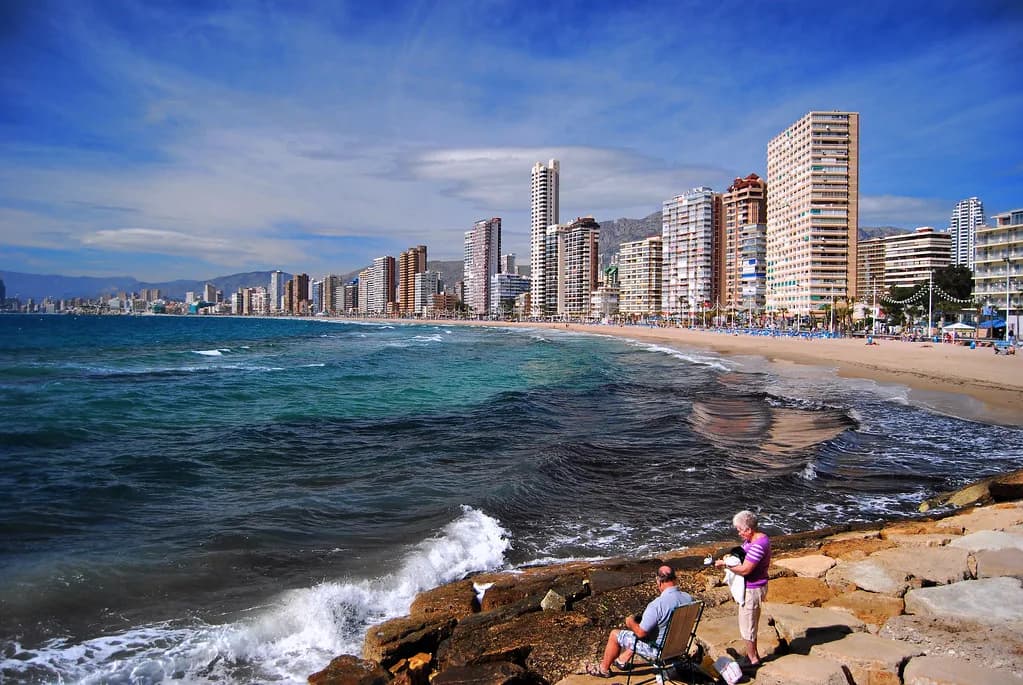
A car makes the surrounding coast easy, but you do not need one for a beach day in Santa Pola itself — the three main sands are close enough to walk between. Holiday-makers staying in Gran Alacant or along the southern fringe are within a short drive or bus hop of Gran Playa, while anyone staying in the old town can reach Levante on foot. For contrast further up the coast, Benidorm beaches offer a much denser resort scene with two long bays.
Playa de Levante: the town beach for families
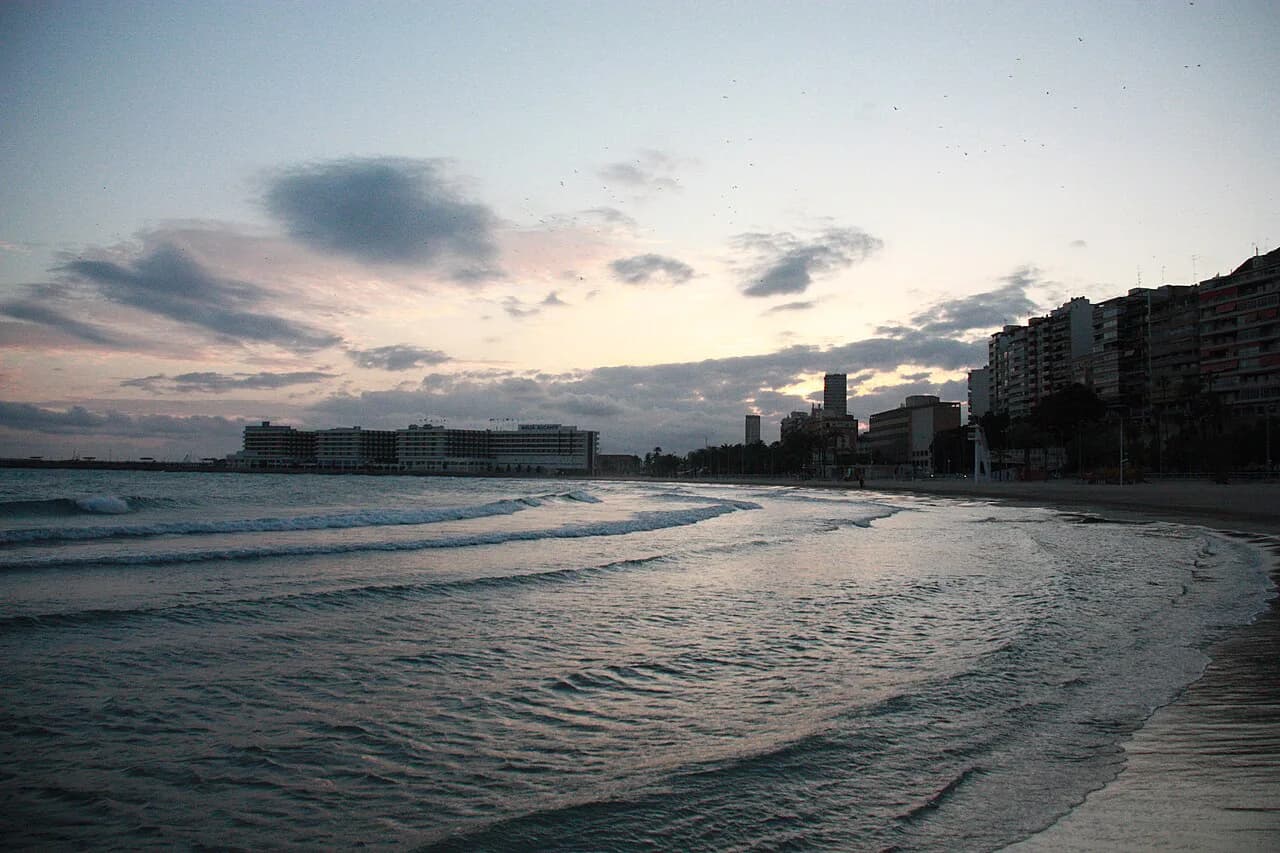
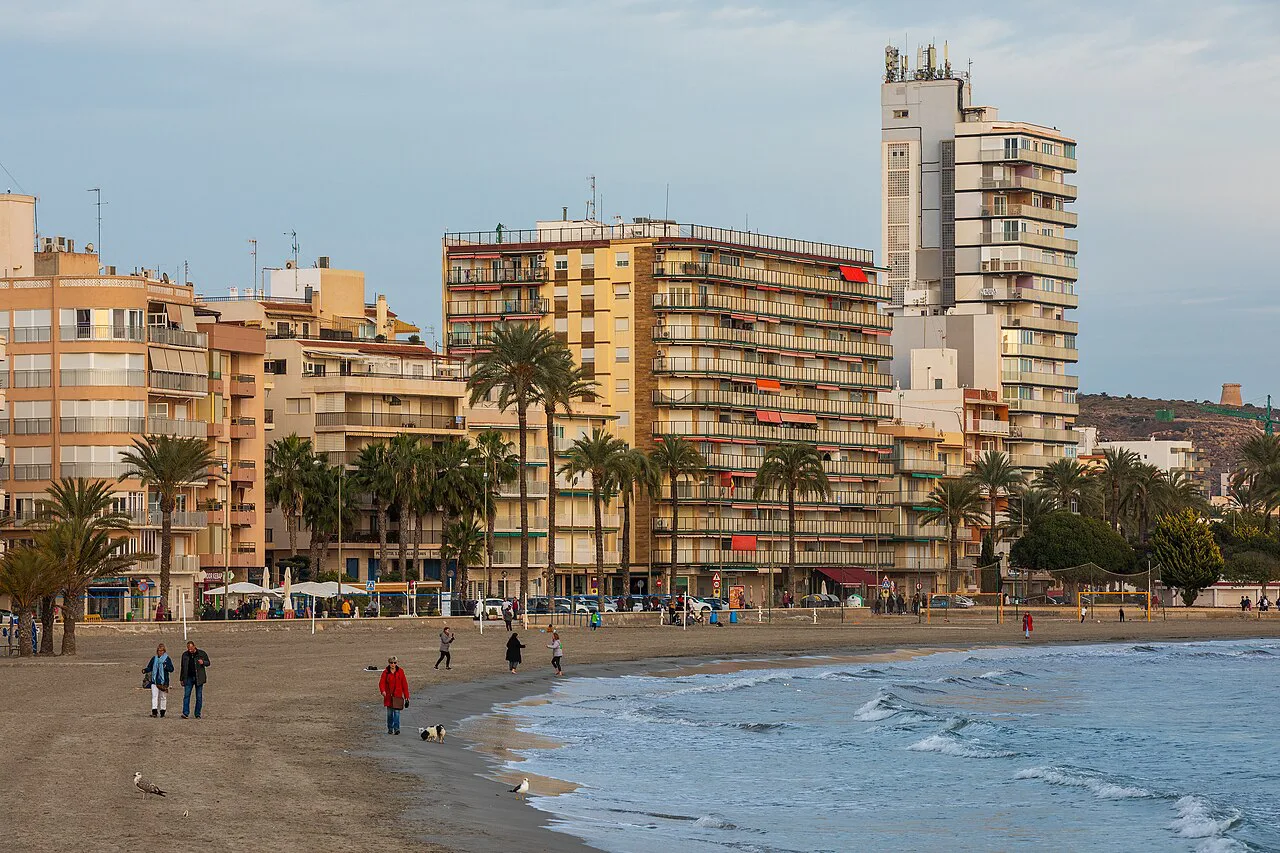
Playa de Levante is the closest sand to the town centre, sitting just beyond the marina and a few minutes' walk from the castle and the fishing quarter. It is the natural choice for a family staying in Santa Pola without a car, because you can walk out with buckets and towels and come back for lunch. The trade-off is that it is also the most urban of the three: you get the town behind you, the port traffic to one side and a busier promenade.
The beach is equipped for a full day rather than a quick dip. Santa Pola's tourist information lists an adapted bathing island, umbrella and hammock services, lifeguard and first-aid cover, cafés and restaurants, public toilets and a skate area at Levante.
That adapted bathing island is the detail worth knowing if anyone in your party uses a wheelchair or needs help entering the water, since it gives a supported route into the sea rather than a scramble over the sand. Sunbed and umbrella hire on Santa Pola's urban beaches, including Levante, is run as a concession, so you pay on the sand rather than booking ahead. Ask at the tourist office about the current season for these services.
Gran Playa: space and facilities for longer days
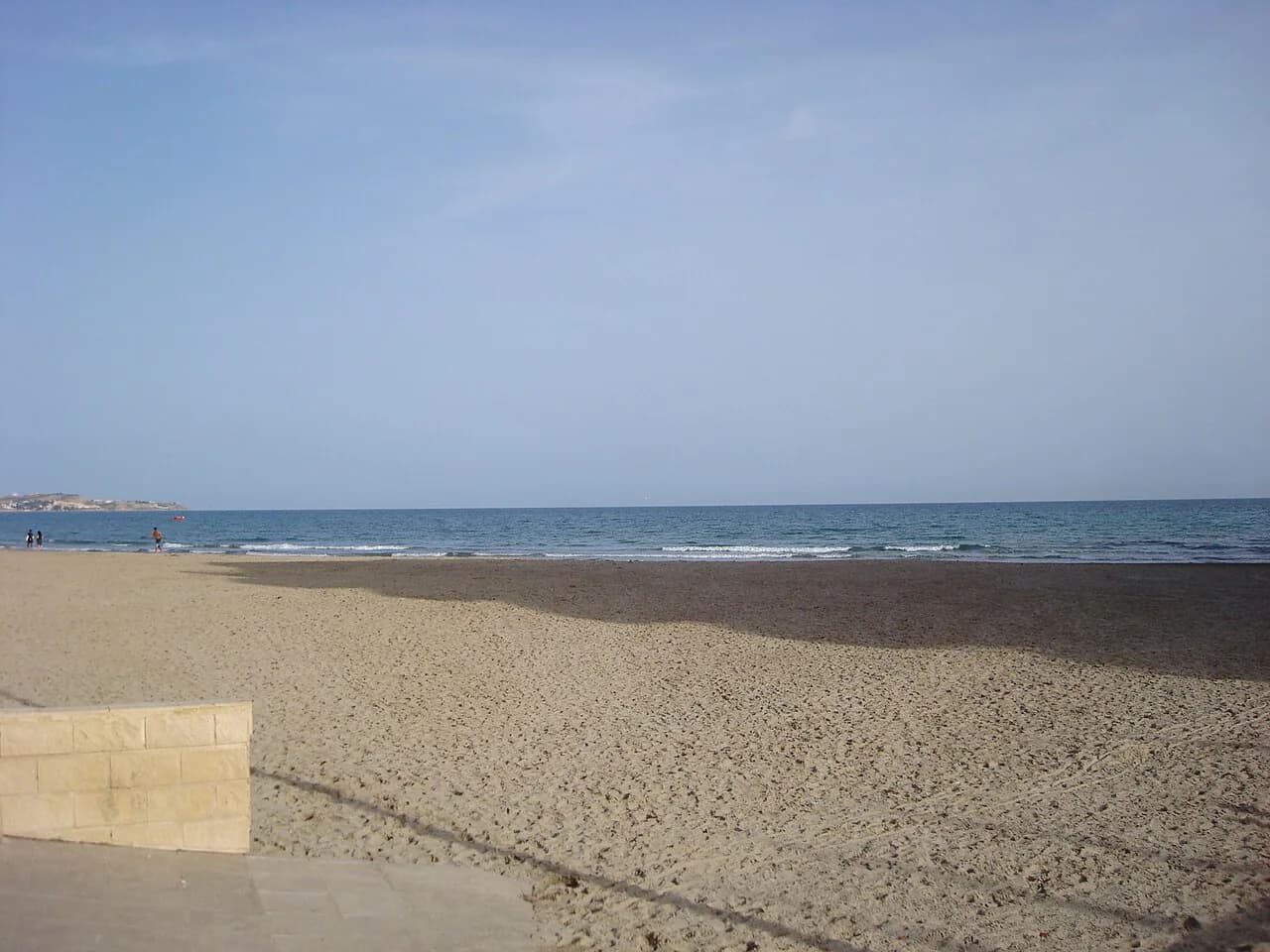
Gran Playa is the long, broad sand south of the centre, the one that feels most like a resort beach in Santa Pola. Its width means you can usually find room to spread out even in August, and the extra depth gives children a bigger buffer from the promenade. It is also the easiest of the three to combine with a lazy lunch, since the seafront behind it is lined with bars and restaurants.
Sunbed and umbrella hire covers Gran Playa along with Varadero and Levante, so the same concession setup applies across the main town sands. If you want a sunbed, head for the front row early in high season; if you would rather save money, bring your own shade and set up further back. Either way, the beach sits within a couple of minutes of shops for water and snacks.
Gran Playa works best for groups with mixed priorities: swimmers who want space, teenagers who want to move between beach and town, and anyone who prefers a proper promenade to a narrow cove. The compromise is that it lacks the tucked-in feel of a small bay, and the wind can pick up along this stretch, so bring something to anchor towels and a windbreak if you feel the breeze.
Playa del Varadero: the mellow alternative
Varadero sits between the town and the southern beaches, closer to the marina and the older seafaring quarter. It is the quietest of the three town sands in feel, with less passing trade than Levante and a shorter walk to the water than at the big Gran Playa. Think of it as the compromise: enough facilities to be comfortable, without the full resort buzz.
Sunbed and umbrella services reach Varadero as part of the same beach concession that covers Levante and Gran Playa, so you get the same hire option without the crowds of the main sands. The water here deepens at a similar rate to the neighbouring beaches, which makes it a reasonable pick for adults who want to swim properly while the family stays close. Bring a mat if you plan to sit on the sand rather than hire.
The sand and the water
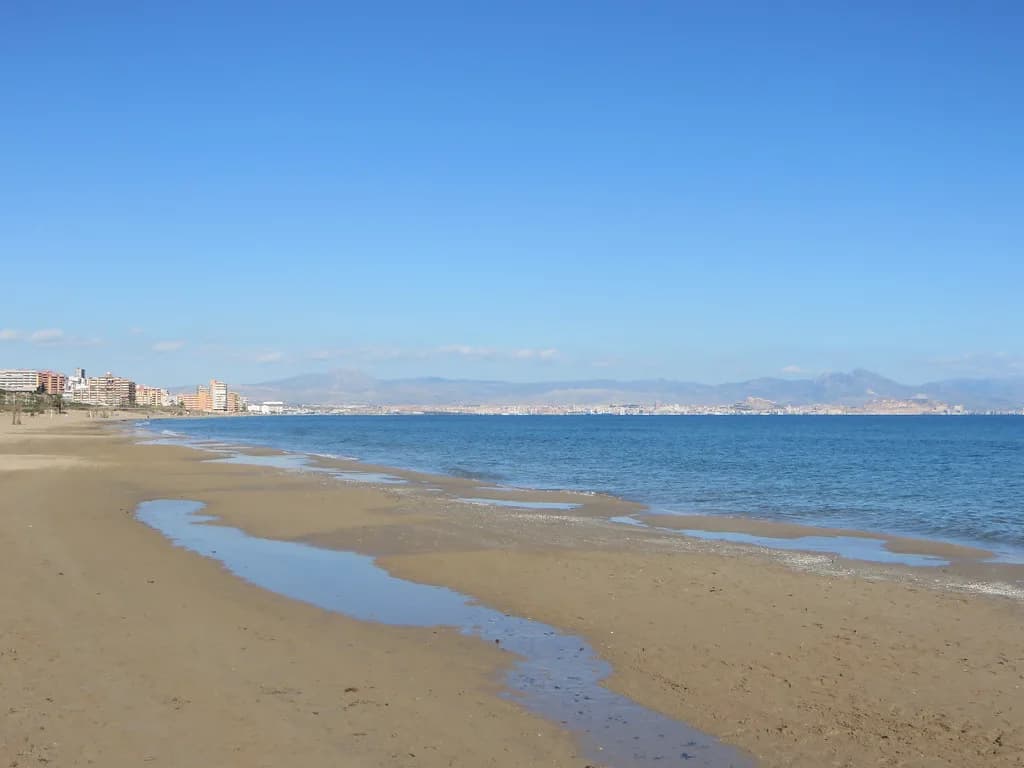
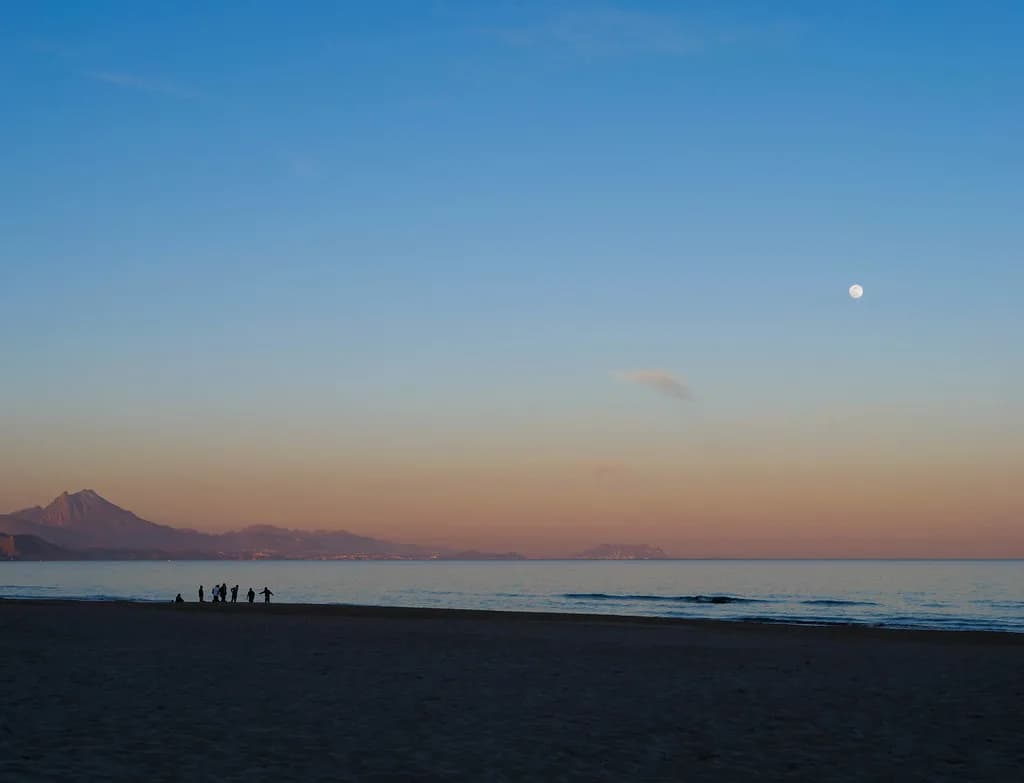
All three Santa Pola beaches are broad, golden sand rather than shingle or rock, which keeps them comfortable underfoot for children and easy for digging. The shoreline shelves gradually on the main sands, so the water stays shallow for a good distance before you are out of your depth. Beyond the shallows the sea deepens normally; it is open sea, and conditions change with the wind and swell.
Shelter depends on the wind direction rather than fixed features — Levante faces the open sea, so it takes more of an onshore breeze, while the southern sands can feel calmer when the wind comes from the north. If the breeze is bothering you, walk south and set up further along Gran Playa, where the buildings and promenade break things up. Check the flags flying that morning and swim between them, since conditions can shift through the day.
Getting there: buses, trains and parking
Santa Pola has no railway station of its own; the nearest mainline services run to Alicante and Elche, with buses covering the last leg into town. The town enjoys good transport links with the rest of the peninsula, including coach services from Alicante and local buses on to Gran Playa and Gran Alacant. Services run different summer and winter patterns, so pick up the current timetable from the tourist office before you travel, and allow extra time on Sundays.
By car, the approach is via the motorway network from Alicante-Elche Airport, then the coast road into Santa Pola. Parking in the centre is limited and busiest in the middle of the day, so an early arrival near the marina or a spot behind Gran Playa makes the day easier. Street parking is metered in parts of town; read the signs at the machine rather than guessing.
Facilities and amenities
Facilities at Levante are the most fully described of the three: an adapted bathing island, umbrella and hammock services, lifeguard and first-aid cover, cafés and restaurants, public toilets and a skate area are all listed by the town's tourist information. Gran Playa and Varadero are covered by the same sunbed and umbrella concession, so you get the same hire option on all the main sands.
Lifeguard and first-aid cover is seasonal, which matters if you are travelling outside the summer months when the flags and towers are not staffed in the same way. Beach cafés along Gran Playa and Levante make it easy to eat without leaving the sand. For anyone with mobility needs, the adapted island at Levante is the clearest option on this stretch.
The swim season
The sea here is warmest from late June to early September, when the Costa Blanca settles into its long, hot summer and the water stays comfortable for extended swims. July and August are the busiest months, with Spanish holiday-makers arriving in force from late July; June and September give you similar water with far more room on the sand. Outside that window, the sea is cooler but the beaches stay open and the promenades stay in use.
There is no numbered-entry or booking system on Santa Pola's town beaches; you turn up and find a spot. Sunbed hire is paid on the sand when you settle, so the earlier you arrive, the better your choice of position. Water quality and flag status are posted on the beach each day.
Quiet mornings and busy afternoons
Santa Pola's beaches follow a Spanish rhythm: early mornings are quiet, with swimmers and walkers on the sand, and the crowds build from late morning through mid-afternoon. If you want a near-empty beach for photographs or a gentle swim, arrive before ten; if you want the liveliest atmosphere and the sunbed rows fully set up, come after midday. Levante fills first because it is closest to the old town.
Afternoon wind is the other pattern worth planning around. On breezy days the onshore stretch at Levante feels it most, while the southern sands around Gran Playa and Varadero absorb more of the breeze. If you are staying for the evening, the promenade bars along Gran Playa come alive after the beach empties.
Nearby beaches to combine
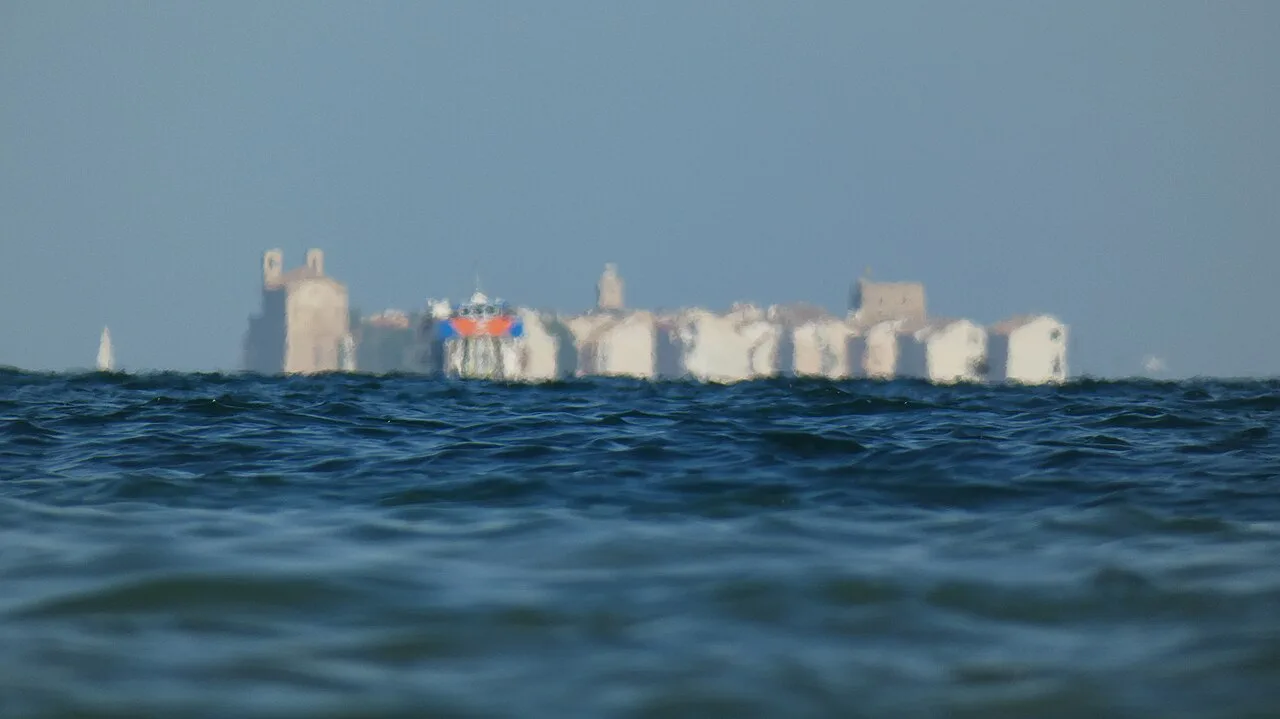
The best add-on to a Santa Pola beach day is the boat from the harbour to Tabarca, the walled island with a marine reserve offshore that lies within easy reach of the town. It gives you a different coast — rocky, clear and reached by sea — without a long drive, and the crossing from Santa Pola is the shortest. Treat the boat as a separate half-day and check return times at the harbour kiosk before you commit.
Inland, the Salinas de Santa Pola Nature Reserve gives you a birdwatching alternative for the hottest part of the day. Along the coast to the north, the Alicante city beaches make an easy contrast, and the resort sands of Benidorm sit further up the same coast if you want a louder scene. The rockier Calpe beaches are a longer drive but reward anyone chasing small coves over long sands. If you are weighing up another stretch of this coastline entirely, the Murcia beaches guide makes a useful comparison for a similar beach day.
Plan Your Visit
For families staying in town without a car, Levante is the simplest day out, with facilities and an adapted bathing island close at hand. Gran Playa suits longer days and mixed groups who want space and somewhere to eat, while Varadero gives you the same sand with a softer atmosphere. Build your plan around an early start, a swim season running from late June to early September, and a walk south if the breeze picks up.
Take the boat to Tabarca if you want variety, book nothing for the town beaches themselves, and keep the tourist office's seasonal notices in mind for lifeguard cover and sunbed services. With three sands within walking distance and the castle and marina alongside, Santa Pola handles a flexible beach day better than most towns on this coast.
Frequently Asked Questions
Is Santa Pola worth visiting for its beaches?
Yes, if you want town beaches with everyday life around them rather than a purpose-built resort strip. Levante, Gran Playa and Varadero sit within walking distance of each other and of the old centre, so you can try a different sand each day without moving the car. The working harbour, the castle and the boat to Tabarca add variety for the hours away from the water.
Which Santa Pola beach is best for families with small children?
Playa de Levante is the easiest choice for families based in town, because you can walk there from the centre and the tourist information lists an adapted bathing island, cafés, public toilets and lifeguard and first-aid cover. Gran Playa is the better option if you want more room to spread out, since its extra width gives children a bigger buffer from the promenade.
How do you reach Santa Pola beaches from Alicante?
There is no railway station in Santa Pola, so the trip from Alicante is by coach or local bus, with services continuing to Gran Playa and Gran Alacant, or by car along the coast road from Alicante-Elche Airport. Summer and winter timetables differ, so pick up current times from the tourist office and allow extra time at weekends.
When is the sea warm enough for swimming in Santa Pola?
The water is at its warmest from late June to early September, when long, hot days make extended swims comfortable. July and August are the busiest months on the sand, while June and September offer similar sea temperatures with far more space. Outside that window the water is cooler, but the beaches and promenades stay in use.
Do you need to book a spot on Santa Pola's beaches?
No, there is no numbered-entry or booking system on the town beaches; you arrive and find a space. Sunbeds and umbrellas are hired on the sand through the beach concession that covers Levante, Gran Playa and Varadero, so arriving earlier gives you a better choice of position rather than a guaranteed reservation.
What else can you do near Santa Pola's beaches?
The boat from the harbour to Tabarca makes a good half-day add-on, with a walled island and a marine reserve offshore. Inland, the Salinas de Santa Pola Nature Reserve suits birdwatching during the hottest hours, and the castle in the old centre houses museum displays. Further along the coast, Alicante and Benidorm offer very different beach days.
Sources
Beach notes for your next trip
Optional updates when we add or revise beach guides.
You might also like
Continue reading
More guides you'll find useful