Nude Beaches in Alicante: Naturist Spots on the Costa Blanca
Plan a naturist beach day in Alicante, from Playa Urbanova's long sands to Playa de los Saladares, with access, layout and etiquette explained.
On this page
Alicante's naturist beach days are not hidden-away secrets: they happen on a long urban shoreline where sand, a paved promenade and apartment blocks sit side by side. That makes the city's southern beaches unusually easy for first-timers, couples and solo travellers who want naturist sun without committing to a remote cove. The trade-off is company: you share the sand with dog walkers, tapas-bound locals and families, so expect a mixed crowd rather than a sealed-off naturist zone.
Where the naturist beaches sit
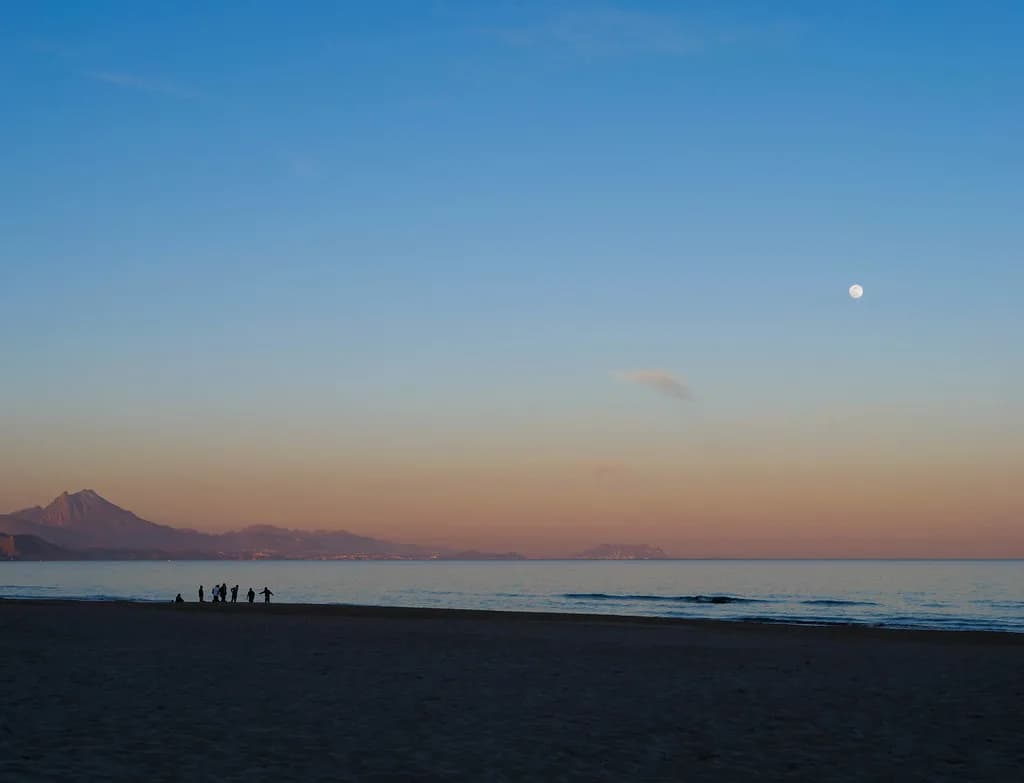
The naturist activity in Alicante clusters at Urbanova, on the city's southern edge, where the shoreline runs out towards the dunes and rocks north of the sand. Playa Urbanova is the main named stretch here, a wide sweep that carries clothing-optional use along part of its length. Playa de los Saladares is the second named beach in the same Urbanova neighbourhood, an urban sandy beach known for a long, open sweep rather than an enclosed cove.
Treat these as two stretches of the same southern shoreline rather than two separate excursions. Urbanova's beach is the broader, more structured one, backed by the promenade and the residential blocks that give it its everyday character. Los Saladares reads as the simpler sweep at the neighbourhood's southern edge, with less of a built backdrop and more of the open feel that long Costa Blanca sand delivers.
Playa Urbanova: sand, promenade and city views
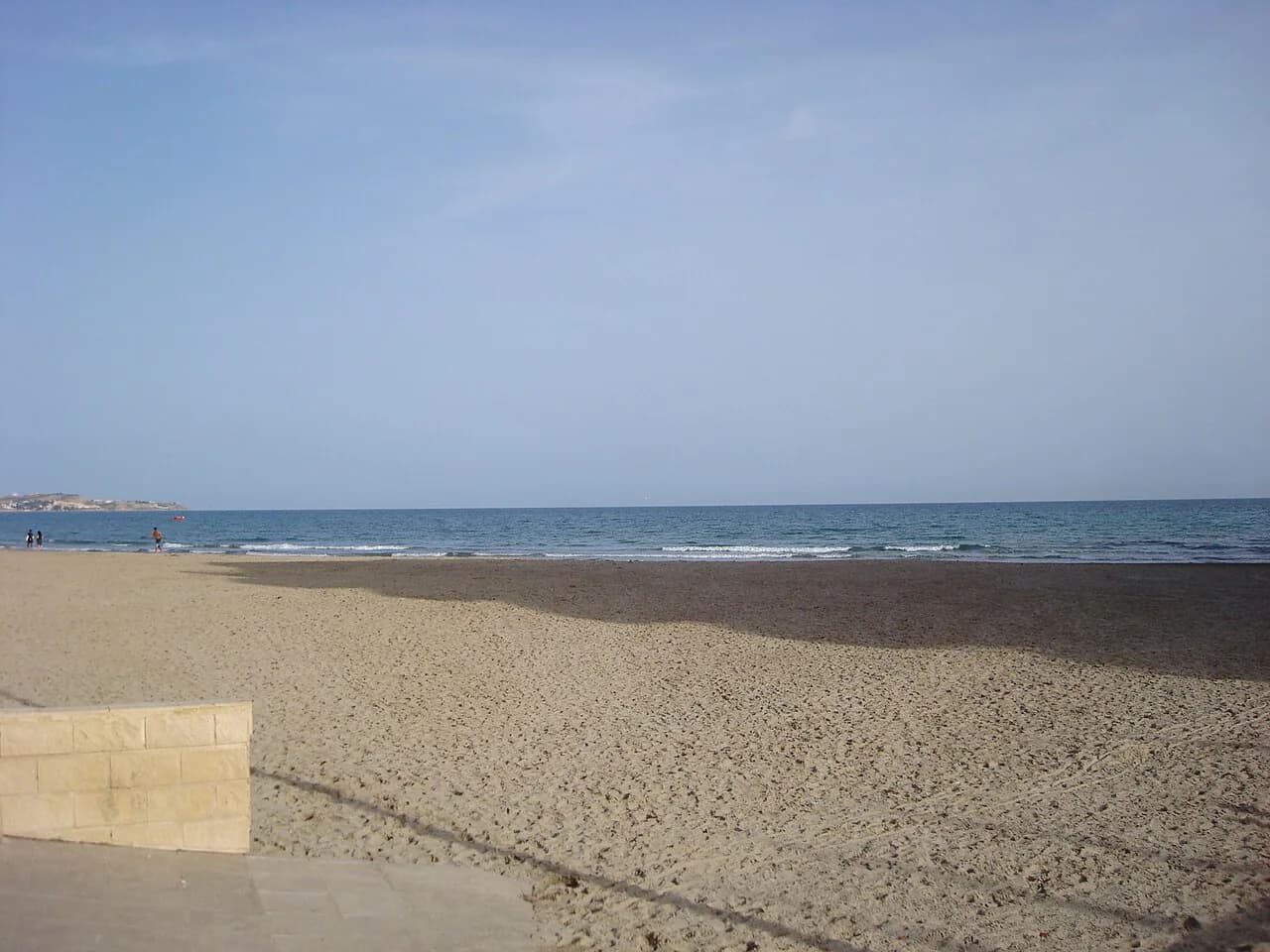
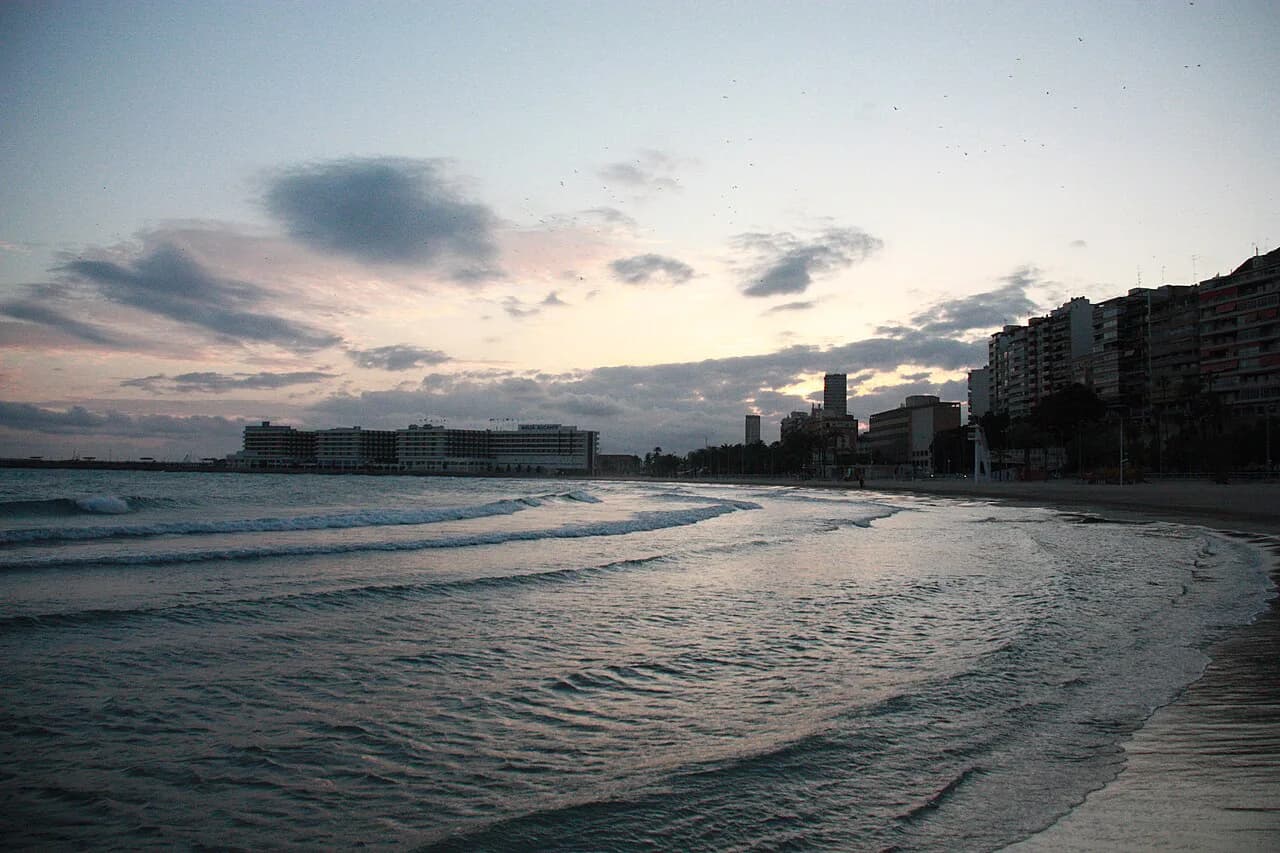
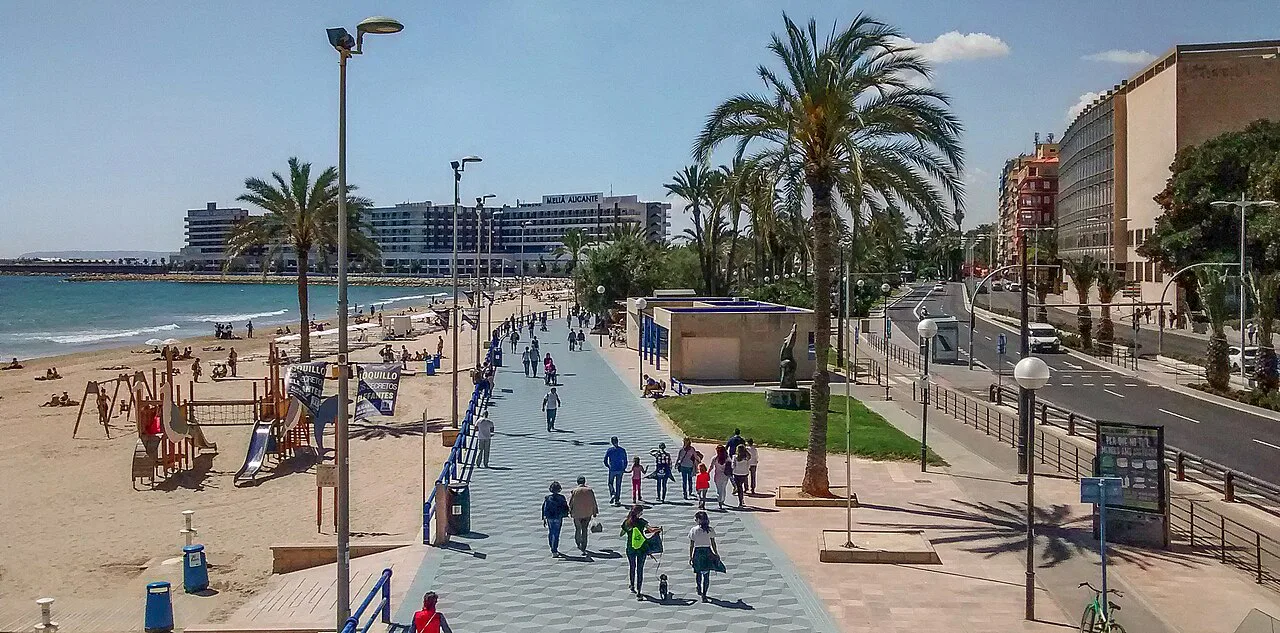
Playa Urbanova measures about 1,600 metres long and 50 metres wide, a fine mix of golden and white sand with the Alicante skyline and the Castillo de Santa Bárbara in view. That length matters: you can walk well away from the busiest entry points and still be on the same named beach. The beach is backed by around 30 large apartment blocks used as second homes by families from Madrid and inland cities, which tells you the high season is a local holiday crowd as much as a tourist one.
A mosaic promenade runs for roughly a kilometre behind the sand, lined with restaurants and bars that lean towards tapas. This is the practical heart of an Urbanova beach day: you can settle on the sand, walk for lunch and come back without moving the car. The naturist end, so to speak, is towards Alicante to the north, where dunes and rocks meet the shore and fishermen work the water's edge.
Playa de los Saladares: the southern sweep
Playa de los Saladares sits in the Urbanova neighbourhood at the southern edge of Alicante, an urban sandy beach with a long sweep rather than a tucked-away cove. It suits beachgoers who want space and an open horizon, and it pairs naturally with Urbanova if you are exploring the southern shoreline on foot. Because it is an urban beach, you get the convenience of nearby streets and buildings rather than a wild, unserviced shoreline.
Clothing-optional in practice
Urbanova is described as catering to nudists looking for a clothing-optional experience, which is the key phrase: clothing-optional, not clothing-mandatory and not exclusively naturist. In practice that means naturist and textile users share the same long beach, with naturist use concentrated in particular stretches rather than spread evenly. If you want to sun without clothes, head for the quieter sections and read the sand before you settle; if you prefer swimwear, you will not be out of place either.
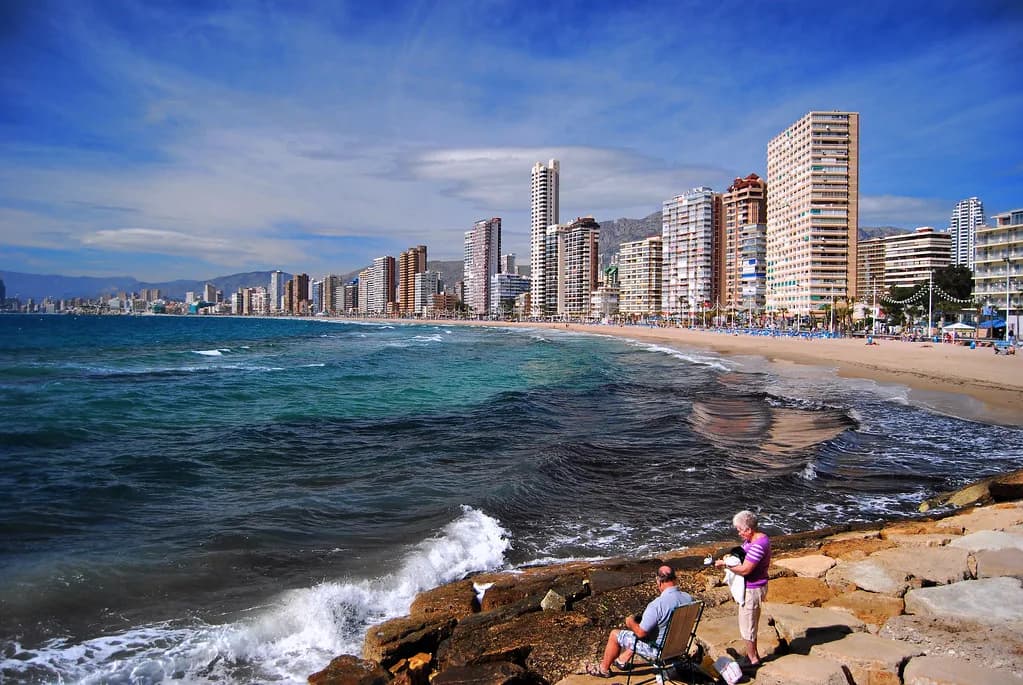
Benidorm and the wider Costa Blanca have a long-established naturist scene, with an open, friendly environment around designated beaches. That context helps explain why Alicante's urban beaches can carry mixed use without friction: naturist sunbathing is a familiar part of the regional beach culture rather than a novelty. For another city where naturist use meets an urban shoreline, the Malaga nude beach guide covers comparable stretches near the city centre.
Getting there
Urbanova lies south of central Alicante, and the simplest approach is to follow the coast road and promenade south from the city rather than aim for the historic centre. Once you are on the mosaic promenade, the beaches are directly behind it, so you can pick your spot on foot. Local buses and the coastal road serve the Urbanova area; confirm current routes and stops with the Alicante tourist office before you set out, since services change with the season.
If you are based in the city centre, a taxi or the coastal bus is the low-effort option, while a car gives you the freedom to move between Urbanova and Los Saladares in one day. Parking in the residential streets around Urbanova fills quickly in July and August, so arriving before mid-morning is the safer plan. Bring water and shade: the promenade has bars, but the sand itself is broad and exposed.
Etiquette and first-timer guidance
Spanish naturist beaches run on a simple rule: do as you would on any beach, but respect the people around you. Carry a towel to sit on, keep your distance from neighbours rather than pitching right beside them, and never photograph or film other beachgoers. If you are new to naturism, start at the quieter end of Urbanova, undress at your own pace, and keep swimwear handy for the walk to the bars.
Because these are urban beaches rather than private naturist resorts, expect mixed company: couples, solo travellers, families and locals passing through on the promenade. The atmosphere on the Costa Blanca naturist stretches is generally relaxed and unremarkable, which is the point. Behaviour that would be inappropriate on any public beach is inappropriate here too, and clothing-optional means exactly that, not an invitation.
The sand and the water
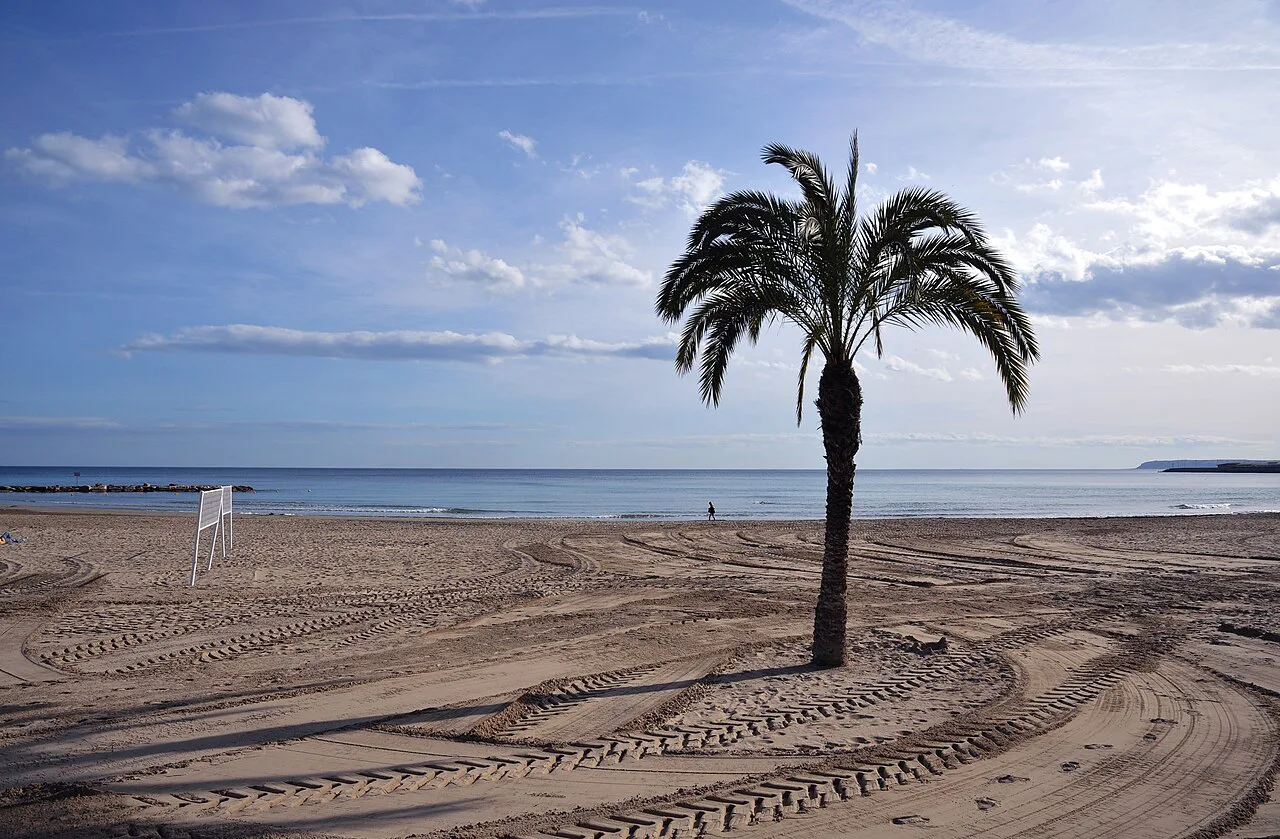
The sand at Urbanova is a fine golden-white mix, and the beach is wide enough that you can walk a good distance between the promenade edge and the waterline. Towards Alicante to the north, dunes and rocks appear close to the shore, which makes that end feel more natural and less built-up than the promenade section. Swimmers tend to find the northern rocks interesting for a glance underwater, but the sand is what most people come for.
Where the shore is calmest depends on the day's wind and swell, so watch the water before you commit. The dunes and rocks to the north give some shelter from onshore breeze, while the open southern sweep at Los Saladares catches more of whatever is blowing. Bring reef-safe sunscreen and a sunshade if you plan a long afternoon, because natural shade on the sand is limited.
Facilities along the promenade
Urbanova's kilometre-long mosaic promenade is the facility hub: restaurants and bars serving mostly tapas sit directly behind the sand, so lunch is a short walk rather than a drive. That is a real advantage for a naturist beach day, because you can combine sunbathing with a proper sit-down meal without packing up. The promenade is also the natural place to meet anyone who prefers to stay clothed.
For a change of scene, the wider Alicante coastline offers everything from city beaches to boat trips and upscale beach clubs, so you can build a varied week around the Urbanova sands. If you want a more polished beach-club afternoon, or a day trip to an island, those options are within reach of the city.
Best time to go
Alicante's swim season runs from late spring into early autumn, with July and August the busiest and hottest months. Those are also when the Urbanova apartment blocks fill with second-home families from Madrid and inland Spain, so the promenade and the sand are at their liveliest. May, June, September and early October give warm sea and far more room to spread out, which suits naturist beachgoers who want quiet.
Weekdays are calmer than weekends throughout the season, and mornings are quieter than afternoons on both Urbanova and Los Saladares. If you want the northern dunes-and-rocks end to yourself, arrive early and walk north past the main promenade access points.
Nearby beaches to combine
Central Alicante's Playa del Postiguet is the obvious city beach to pair with an Urbanova day, close to the old town and the Explanada. It is a very different experience: busier, more urban and fronted by the city rather than by low residential blocks. Combine the two if you want a naturist morning and an evening in the city centre.
Further afield, Benidorm's Levante and Poniente beaches make a straightforward day trip along the coast, and the town's naturist-friendly reputation makes it a natural extension of an Alicante beach week. North of Alicante, the Benidorm beaches page sets out how the two main sands differ, so you can decide whether to stay the night. For an island day, Tabarca is reachable by boat from Santa Pola and makes a good contrast to the long urban sands.
Plan Your Beach Day
Alicante's naturist beaches reward a simple plan: base yourself on the Urbanova promenade, walk north towards the dunes and rocks for the quieter, more natural end, and keep Los Saladares for a second afternoon if you want the long southern sweep. Bring a towel to sit on, water and shade, and treat the mixed company as part of the experience rather than a problem.
If you are new to Spanish naturist beaches, go early, go midweek, and start at the edge of the naturist stretch before settling in. That way you get the sense of the beach before you commit to a spot, and you leave room to move if the mood or the crowd changes.
Frequently Asked Questions
Are there nudist beaches in Alicante?
Yes. The main stretch is Playa Urbanova, on the city's southern edge at Urbanova, where clothing-optional and naturist use shares a long urban beach with the promenade crowd. Playa de los Saladares is the second named beach in the same neighbourhood, an open urban sweep rather than a separate resort.
Is Playa Urbanova a nudist beach?
It is best described as clothing-optional rather than exclusively nudist. Naturist use is established along parts of the 1,600-metre beach, but textile beachgoers, promenade walkers and locals share the same sand, so expect a mixed crowd and choose your section accordingly.
What is the difference between Playa Urbanova and Playa de los Saladares?
Playa Urbanova is the longer, more structured beach, backed by a kilometre of mosaic promenade, restaurants and apartment blocks, with dunes and rocks towards Alicante to the north. Playa de los Saladares is the simpler urban sweep at the southern edge of the Urbanova neighbourhood, with an open feel and less built backdrop.
What should I bring to a naturist beach in Alicante?
Bring a large towel to sit on, water, sun protection and a sunshade, because natural shade on the sand is limited. Keep swimwear or a cover-up handy for the walk to the promenade bars, and carry cash for tapas in case a card machine is out of action.
Is naturism legal in Spain?
Naturist use is long established on designated and recognised Spanish beaches, including stretches of the Costa Blanca, and Alicante's Urbanova beach is described as clothing-optional. Treat the designated or long-established stretches as the places to undress, and keep to swimwear elsewhere.
Can solo travellers and couples use Alicante's naturist beaches?
Yes. These are public urban beaches shared with locals, families and promenade walkers, so solo travellers and couples fit in without special arrangements. The usual etiquette applies: keep your distance from other beachgoers and never photograph people.
Sources
Beach notes for your next trip
Optional updates when we add or revise beach guides.
You might also like
Continue reading
More guides you'll find useful