Calpe Beaches: The Best Bays, Coves and Sandy Stretches
Plan a beach day in Calpe, from the long sands of Arenal-Bol and La Fossa to quiet rocky coves below the Peñón de Ifach, with access and facilities.
On this page
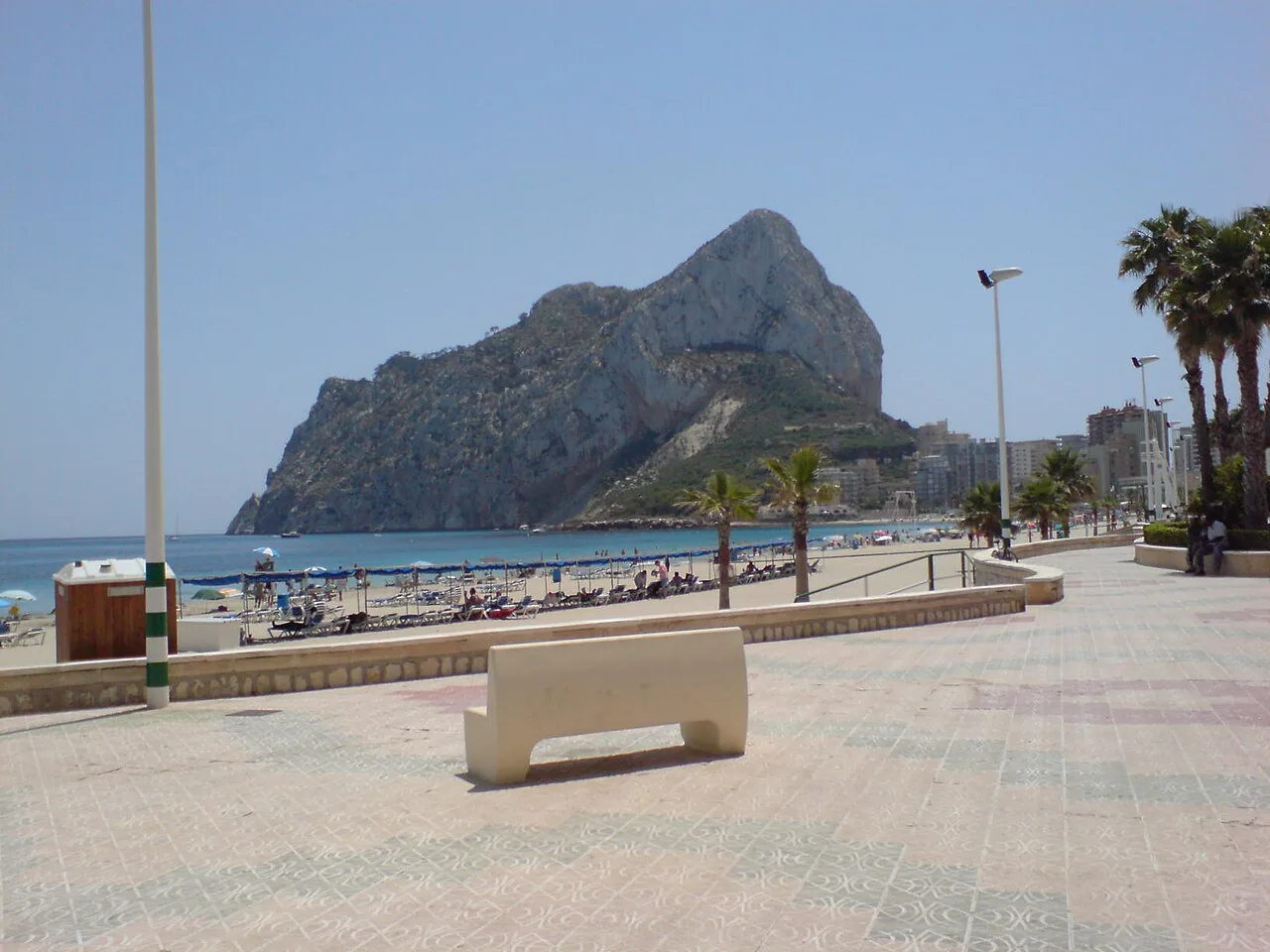
Calpe earns its place as a beach base because you can choose your day: a long golden sand with a promenade of restaurants behind it, a small town beach beside the fishing fleet, or a gravel cove under cliffs where the snorkelling is the point. The Calpe tourist office counts 13 km of coastline and 14 beaches and coves, ranging from wide urban sands to rocky shores beneath the Peñón de Ifach and the Sierra de Toix.
Families with small children gravitate to the main sandy beaches and the portside beach, where the water shelves gently and the sand is easy underfoot. Swimmers and snorkellers head for the coves around the Peñón, and quiet-seekers accept gravel and a walk or a boat ride in exchange for space.
How Calpe's Beaches Break Down
The town splits into two big sandy beaches, Arenal-Bol in the centre and La Fossa-Levante to the north, plus a small sandy beach at Cantal Roig beside the fishing port. Around the Peñón de Ifach and along the Toix cliffs, the coast turns to coves such as El Penyal, el Racó, Les Bassetes, La Manzanera, Gasparet and Les Urques, where the shoreline is gravel or rock rather than sand.
For planning, think of it as three trip types: a full-service sandy day in town, a family-friendly paddle near the port, or a rocky cove that rewards bringing a mask and reef shoes. The trade-off is straightforward: the further you get from the two main beaches, the fewer facilities and the more walking, but also the fewer people.
Arenal-Bol: The Central Sandy Beach
Arenal-Bol is Calpe's central urban beach, a long sweep of fine golden sand with the town, restaurants and shops directly behind it. The tourist office describes it as one of the endless sandy urban beaches, with a wide range of services and facilities and space for sports and nautical activities, which makes it the obvious choice if you want to combine a swim with lunch and an afternoon in town.
It is the easiest beach for a mixed group: non-swimmers can walk the promenade, children have room to dig, and anyone who tires of the sand has the old town and the port within reach. The compromise is that in the busiest summer weeks this is where Calpe's crowds concentrate, so arrive earlier in the day if you want space near the water.
La Fossa-Levante: The Long Northern Beach
La Fossa, also called Levante, sits north of the Peñón de Ifach and is the other big sandy beach in town. It pairs fine golden sand and generally calm water with an accessible seafront promenade lined with restaurants, cafés, shops and accommodation, and its facilities include seasonal lifeguards and assisted bathing.
Choose La Fossa over Arenal-Bol if you want to stay north of the rock and have everything on the doorstep, or if anyone in the group needs step-free access to the sand, since this is the beach described as having an accessible promenade and assisted bathing. Both beaches are urban in character; the difference is largely which part of town you want to be in at the end of the day.
Cantal Roig: The Portside Family Beach
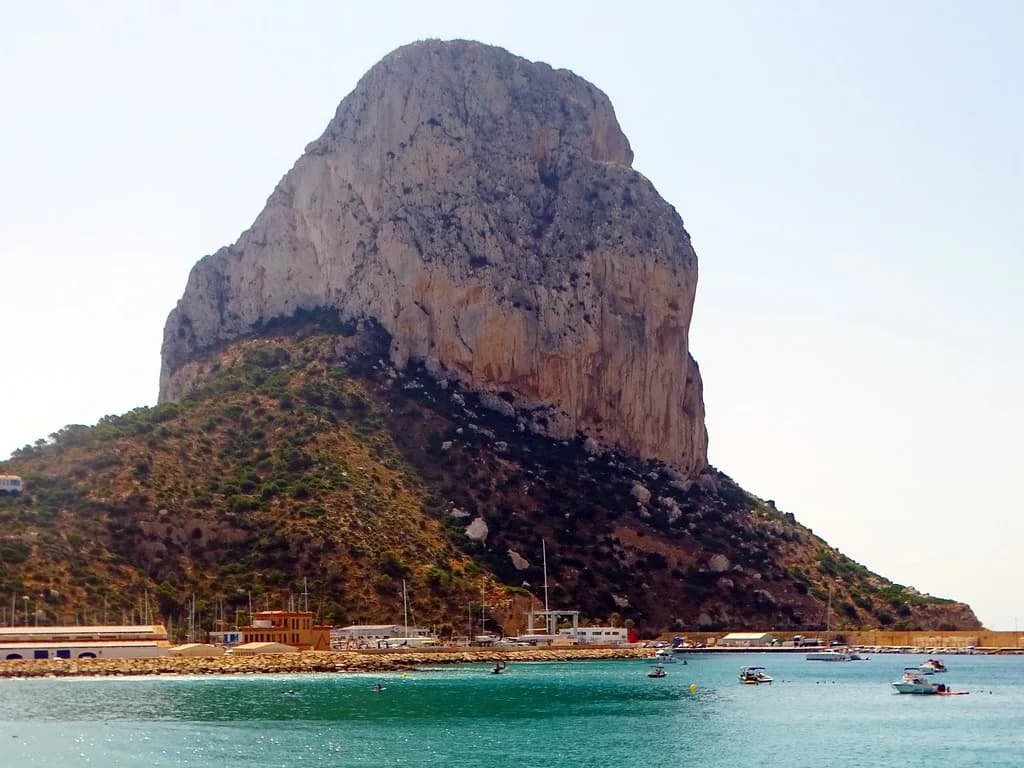
Cantal Roig is a small sandy beach beside Calpe's fishing port and under the Peñón de Ifach, which makes it a fine choice for a shorter, gentler beach day with children in tow. Its generally calm water, seasonal lifeguards, children's play area, toilets, walkways and nearby restaurants are the practical draws, and you get the working port and the rock as a backdrop.
It suits families who want convenience over size: a play area, toilets and food close together, and a manageable stretch of sand to keep an eye on. The busy summer season is when it fills, so treat it as a morning or late-afternoon beach rather than an all-day base in August.
Cala del Penyal and the Peñón Coves
Cala del Penyal is a small cove framed by cliffs and clear water just off the Peñón de Ifach, one of the quiet rocky shores that balance out Calpe's big beaches. The tourist office lists it among the coves on this stretch, alongside El Racó, Puerto Blanco and La Manzanera, where diving, fishing and sailing are part of the appeal.
This is snorkelling country rather than sandcastle country: bring a mask, reef shoes and something to sit on, because the shoreline here is rock and gravel rather than soft sand. Quieter mornings give you the best chance of clear water and space on the rocks, and the cliffs shelter some of these coves from particular wind directions, so ask locally which way the breeze is blowing before committing.
Cala el Racó, Les Bassetes and the Toix Coast
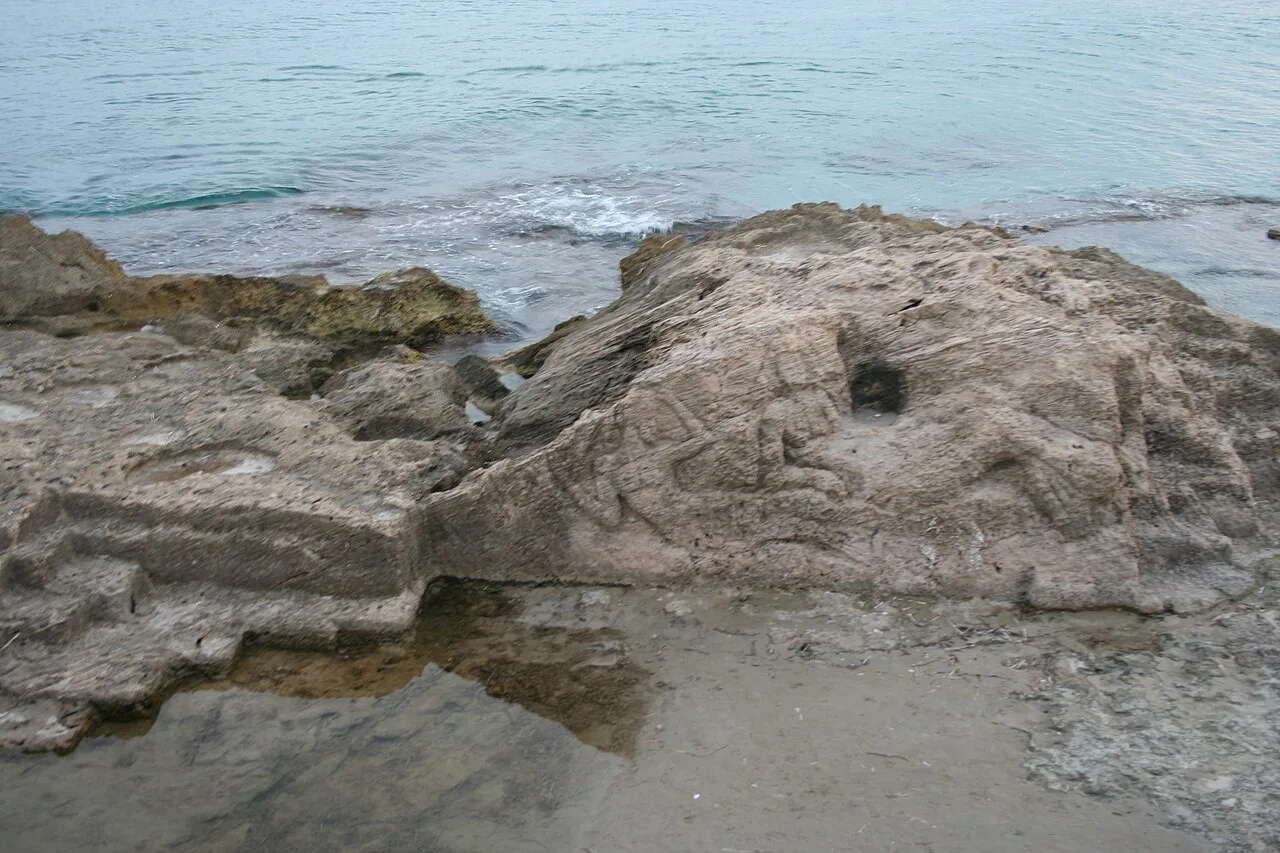
Cala el Racó is a gravel cove near the Peñón, described as a tranquil escape from the crowded main beaches and a good bet for snorkellers, walkers on the coastal paths and sun-seekers who do not mind a rough surface. Further along the Toix coast, Les Bassetes and La Manzanera are listed among the quiet, cliff-backed coves where diving and fishing are part of the routine.
These coves reward people who plan their day around the water rather than the sand: a walk in, a swim or dive, and lunch back in town. Everything you need for comfort has to come with you, so pack water, shade and shoes that cope with stones, and accept that a few hours here feels very different from a promenade afternoon.
Boat-Only and Clifftop Coves: Gasparet and Les Urques
Cala Gasparet is a secluded gravel cove that can be reached only by boat, set among rugged cliffs and Mediterranean vegetation away from the busy parts of town. Les Urques, with its rocky shoreline, clearer water and steep cliffs, is another of the coves the tourist office lists on Calpe's coast, and both suit travellers who want a boat day rather than a beach day.
Treat these as add-ons to a boat trip from the marina or port rather than destinations you can simply drive to, and check with the boat operator what time you actually get on the shore. There is no promenade, no sunbed line and no easy exit if the sea turns choppy, so they are best for confident swimmers and people who enjoy the journey as much as the stop.
Getting Around Without a Car
The two main beaches and the port are close enough to link on foot, with the Arenal-Bol promenade running through town and La Fossa's promenade behind its sand. Walking between them is the simplest plan for a beach holiday, and it lets you test both stretches before deciding where to spend your days.
Parking near the beaches tightens up in high summer, and the beach guides for the main stretches note parking as a seasonal consideration rather than a given. If you are driving, aim to arrive before mid-morning and walk the last stretch, or leave the car at your accommodation and use the seafront on foot.
The Sand and the Water
Arenal-Bol and La Fossa are both fine golden sand with generally calm water, which is why they carry most of Calpe's beach trade. Cantal Roig is smaller and sandier still, with a play area and toilets behind it, so it handles families with young children well.
Around the Peñón and Toix, the surface changes to gravel and rock, and the water deepens more quickly off the stones. That is exactly why divers and snorkellers rate these coves, and exactly why they are a poor fit for toddlers or anyone who wants to paddle barefoot. Match the beach to the swimmer, not the other way round.
Facilities and Practical Comfort
La Fossa has seasonal lifeguards and assisted bathing, and Cantal Roig has seasonal lifeguards, toilets, walkways and a children's play area, which makes the north and port beaches the easiest for a family day with minimal kit. Arenal-Bol's draw is its long list of services and facilities along an urban seafront, so food, drink and shade are all a short walk from the sand.
For the coves, assume you are self-sufficient: bring shade, water and footwear, and treat any beach bar as a bonus rather than the plan. Sunbed and parasol hire is arranged beach by beach and season by season, so ask at the beach or your accommodation on arrival rather than budgeting from an old figure.
Best Time to Go
Calpe's climate is the reason its season stretches: the tourist office records around 3,180 hours of sunshine a year, an average annual temperature of 18°C and only about 44 cloudy days. Sea temperatures peak from July into September, with June and October offering warm air and thinner crowds for swimmers who do not mind a brisker dip.
Late July and August are the busiest weeks, when the main beaches fill and parking near the seafront becomes the day's first challenge. If you want the big sands at their best without the crush, aim for late June or early September, and use the quieter mornings for the coves.
Nearby Beaches to Combine
Calpe sits at the centre of a stretch of coast worth a second and third beach day. North of Calpe towards Benissa and Moraira, Cala Els Pinets is a tiny sandy and rocky cove a few minutes' drive from Calpe with clear water and a view back to the Peñón, while Playa de la Fustera is a sandy beach on the Benissa coast known for tranquil water and snorkelling.
Along the same coast, Moraira's L'Ampolla puts sand, a castle and the town centre together for an easy family afternoon, and the beaches around Jávea offer a different, more enclosed feel. If you are touring the region, the wider set of Alicante beaches gives you the city option of Playa del Postiguet alongside these smaller coves, and the beaches in Dénia make a natural next comparison with their long sandy stretches and rocky coves.
Plan Your Calpe Beach Day
Pick Arenal-Bol or La Fossa for a full-service sandy day and Cantal Roig for a family morning near the port. Save the coves below the Peñón and along the Toix cliffs for snorkelling and quiet, and bring shoes and shade for the gravel.
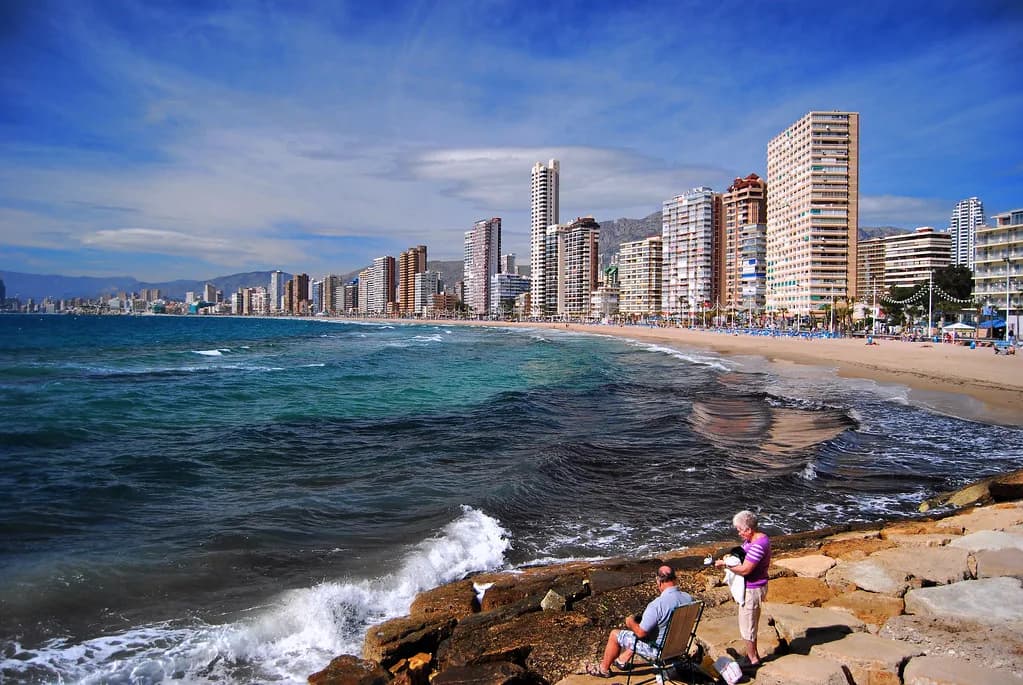
Check the Calpe tourist office's beach pages before you travel for the current list of beaches and coves, and ask your accommodation about sunbed hire and parking for the week you are there. If you are comparing Costa Blanca resorts, Benidorm beaches offer a very different, much larger-scale version of the same coastline.
Frequently Asked Questions
What is the best beach in Calpe for families?
Cantal Roig is the handiest for young children, with a play area, toilets, walkways and seasonal lifeguards beside the fishing port. La Fossa is the better big-sand option for families who want a promenade of restaurants and assisted bathing behind the beach.
Which Calpe beach is best for snorkelling?
Head for the rocky coves around the Peñón de Ifach and the Toix coast, such as Cala el Racó, Cala del Penyal and Les Bassetes. The shoreline is gravel and rock rather than sand, so bring a mask and reef shoes and go in the morning when the water is calmer and the coves quieter.
How do you get to the coves below the Peñón de Ifach?
The coves sit around the base of the rock and the Toix cliffs, and most are reached on foot along coastal paths or by car with a short walk at the end. Cala Gasparet is reached only by boat, so it needs to be part of a boat trip from the port or marina.
Is Calpe worth visiting for a beach holiday?
Yes, if you want variety within one town. Calpe combines two long sandy beaches with a promenade of restaurants, a small family beach beside the fishing port, and a cliff coast of gravel and rock coves for snorkellers, all within a short distance.
Is Calpe like Benidorm?
No. Calpe's beaches are urban but smaller in scale, and the Peñón de Ifach and the Toix cliffs give the coast a rockier, more varied character. Benidorm is larger and busier, with much longer seafronts and a high-rise skyline.
What is the closest airport to Calpe?
Alicante-Elche airport is the usual arrival point for Calpe, with hire cars and transfers covering the last stretch along the Costa Blanca. Ask your accommodation about transfers, and allow time for the drive before planning a first afternoon on the sand.
Sources
Beach notes for your next trip
Optional updates when we add or revise beach guides.
You might also like
Continue reading
More guides you'll find useful