Costa Blanca Beaches: The Best Sands and Coves by Base
Plan Costa Blanca beach days from Jávea's pebbly coves to Calpe's long sands, with access, facilities and the beaches that suit families or snorkellers.
On this page
The Costa Blanca rewards a little planning because the coast changes character every few kilometres. Around Calpe and Moraira you get long, golden sands backed by promenades and restaurants, while north of Jávea the shore turns to pebble, gravel and rock at the foot of the capes. Pick by the kind of day you want and the drive or walk you are willing to make.
This guide works along the coast from Denia and Jávea down to Calpe and Altea, grouping beaches by who they suit: families with small children, snorkellers, quiet-seekers and anyone travelling without a car. L'Ampolla in Moraira, for example, puts sand, the castle and the town centre side by side, so lunch and a swim need no separate excursion.
How the Costa Blanca Coast Is Laid Out
Think of the coast in three bands. Denia and Jávea sit in the north, where the shoreline alternates between town beaches and rocky coves beneath the capes; Moraira and Benissa form the middle stretch of small bays and cliffs; Calpe and Altea close the southern end with broader sands. The Peñón de Ifach at Calpe and the headlands of Cap Prim and Cabo la Nao near Jávea are the landmarks that tell you where you are.
That layout matters when you choose a base. Staying in Jávea puts the pebble coves and Arenal within easy reach but leaves Calpe's long sands a longer drive; basing yourself in Calpe or Moraira gives you sand on the doorstep and short hops to Benissa's coves. If you want to add city sand to the trip, the Alicante beaches page covers the urban shoreline around the provincial capital, including Playa del Postiguet. South of the province, the best beaches in Murcia make a natural comparison if you are weighing the Costa Cálida against the Costa Blanca.
Family Beaches: Arenal, L'Ampolla, La Fossa and Cantal Roig
Playa del Arenal in Jávea is the straightforward family choice: a 480-metre Blue Flag beach with soft sand that slopes gently into the sea, a promenade lined with restaurants and bars, and lifeguard services in season, according to the local beach guide for the area. It is a town beach rather than a secluded cove, so expect neighbours with parasols and buckets and spades.
In Moraira, L'Ampolla puts sand beside the castle and a short walk from the town centre, which makes it easy to combine a morning swim with lunch and shopping. Further south, Playa de la Fossa, also called Levante, is one of Calpe's principal sandy beaches north of the Peñón de Ifach, with fine golden sand and a seafront promenade lined with restaurants, cafés and shops. The same guide notes seasonal lifeguards and assisted bathing there. A round-up of Calpe beaches makes a useful next stop if you plan several days on this stretch.
Cantal Roig, a small sandy beach beside Calpe's fishing port and the Peñón, suits families who want calm water, a children's play area, toilets and restaurants close at hand, with seasonal lifeguards reported in summer. The trade-off is size: it is a compact beach that fills quickly in August, so arriving earlier in the day gives you more room.
Sheltered Sandy Coves: Cala de L'Advocat
Cala de L'Advocat, on the Benissa coast near Moraira, is the cove to choose with small children who are happiest paddling. A small jetty keeps the sea still and peaceful inside the bay, and the water stays shallow close to the sand, with little stairs into the sea reported at the beach. The shelter makes it a relaxed spot for a first swim of the day.
Views stretch to the Peñón de Ifach on one side and the El Cantalar cliff on the other, so even a short visit feels like a proper Costa Blanca scene. Because the cove is small, the best plan is an early arrival and a move to a larger beach such as L'Ampolla in the afternoon, when the day-trippers thin out. The nearby Benissa coves fill in nicely as a second stop.
Snorkelling Beaches: La Granadella, Portixol and La Fustera
Playa La Granadella in Jávea is the name that comes up first for mask and snorkel. It is a secluded pebble-and-sand Blue Flag cove, only around 160 metres long, with clear water and a couple of restaurants; it gets very busy in summer and is best visited early. In season, a tourist train runs to the beach from the La Guardia Park urbanisation from the end of June to mid September, according to the Jávea beach guide.
Cala del Portixol, also called Cala la Barraca, sits between Cap Prim and Cap Negre and mixes pebbles, rocks and clear blue water, with fishermen's houses along the shore; the local guide recommends it for scuba diving, kayaking and snorkelling. On the Benissa coast, Playa de la Fustera is a sandy Blue Flag beach near Calpe and Moraira that is popular for bathing and snorkelling, with the Mandala Beach restaurant and the La Fustera cave nearby.
What these three share is rock and weed close to shore, which is what brings the fish, and shingle underfoot, so reef shoes make the entry easier. Go in the morning when the water is at its clearest and the beach is quieter, and treat them as half-day beaches rather than all-day camps.
Quiet Coves Worth the Walk: Sardinera, En Calo and Gasparet
Cala Sardinera is an unspoilt pebble and gravel cove at the northern end of Cap Prim in Jávea, known for snorkelling and swimming in clear water. There is no road access: you reach it on foot, roughly a 20-minute walk via Mirador Portixol, or by sea. That walk filters out the crowds, but it also means carrying everything you need, including water and shade.
Two coves are effectively boat-only. Cala en Calo, at the foot of a canyon in Jávea, can be reached by kayak, with caves and clear blue water drawing snorkellers and cavers. Cala Gasparet, a gravel cove in Calpe, is accessible only by boat, with pristine water beneath rugged cliffs. For both, book a kayak tour or boat trip rather than planning a road route, and ask your kayak guide about sea conditions before setting out.
Pebble and Gravel Beaches: La Grava, Baladrar and La Manzanera
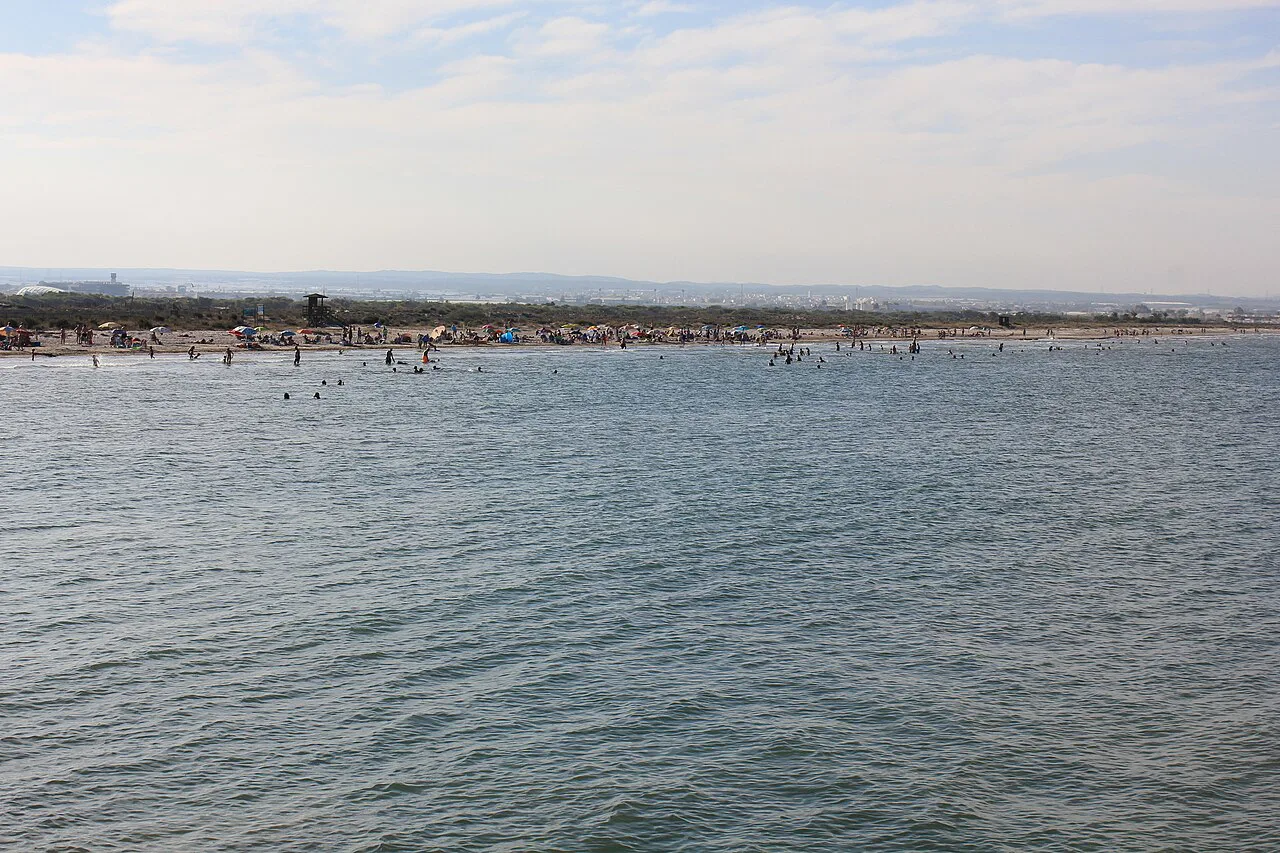
Playa La Grava is Jávea's port beach: a Blue Flag pebble beach with calm, clear, sheltered water and a promenade alongside, making it a good choice when the wind picks up on the open coast. It is a town beach with amenities close by, so it suits a short swim followed by a drink rather than a full day under a parasol.
Cala Baladrar on the Benissa coast is a pebble beach protected from the easterly wind, framed by a ravine at one end and a cliff at the other, with clear water and a chiringuito for drinks. Cala la Manzanera in Calpe is a gravel beach set among cliffs and Mediterranean vegetation, popular with beachgoers, snorkellers and nature lovers. On all three, a mat or thick towel over the stones makes the difference between a quick dip and a comfortable afternoon.
Naturist Beaches: Playa Ambolo
Playa Ambolo lies on the Cabo la Nao in Jávea and is a long-established naturist beach, though swimwear is allowed; it runs to roughly 300 metres and is one of the most striking settings on this stretch of coast. Road access is reported closed because of the danger of rockfalls and landslides, so the beach is reached by boat or kayak rather than on foot. Plan it as a boat day, and treat the closure notice as current until the town hall says otherwise.
Getting Around Without a Car
A car makes the coves much easier, but some beaches work without one. Jávea's La Granadella is served in season by a tourist train from the La Guardia Park urbanisation, running from the end of June to mid September. For Cala Sardinera and Cala en Calo, the practical options are the coastal footpath and a kayak or boat trip respectively.
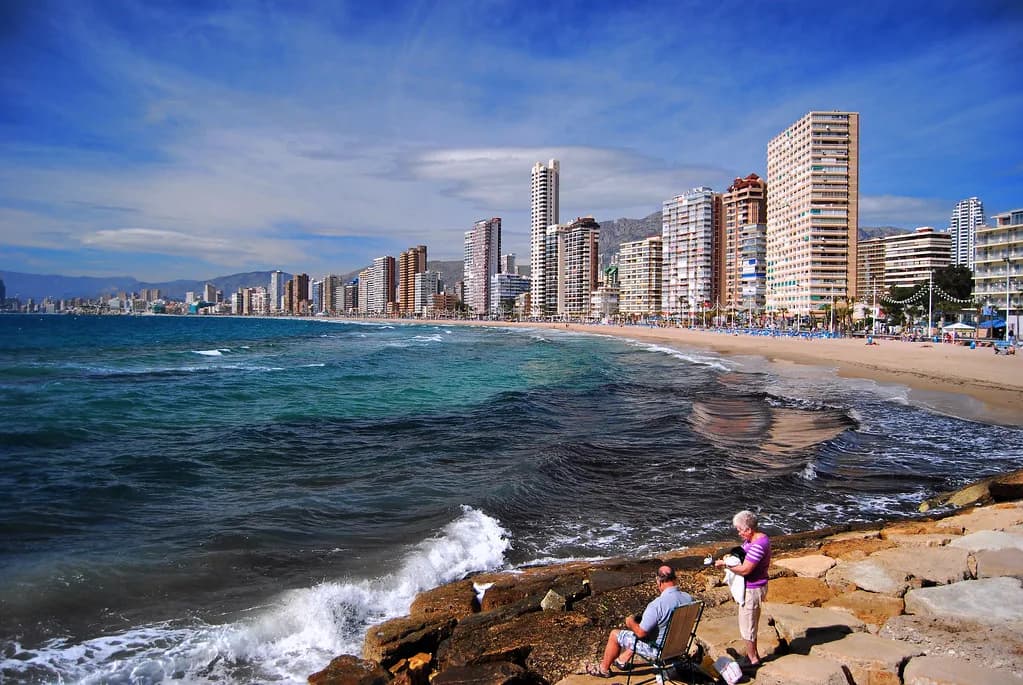
For the resort beaches, base yourself in the town and walk: Arenal in Jávea, L'Ampolla in Moraira and La Fossa in Calpe all sit beside their promenades and restaurants. If you are tempted by a bigger resort, Benidorm beaches are a short run down the coast, and Levante Beach, Benidorm is the famous long sweep with the promenade behind it. Timetables and any seasonal services are best confirmed with the local tourist office before you rely on them.
Parking and Access Trade-offs
Cala del Moraig, the dramatic gravel cove beneath the cliffs of Cumbre del Sol between Moraira and Jávea, is the classic example of an access trade-off. The local guide describes a steep access road, seasonal parking charges and a summer shuttle service, so plan on parking away from the cove and using the shuttle in peak season. Check sea conditions before setting out, as the cove is exposed.
For the smaller Benissa and Calpe coves, roadside parking is limited and the approach lanes are narrow. The realistic plan is to arrive early, accept a short walk, and keep a larger sandy beach in reserve for the afternoon if parking is full. Cala el Racó, a gravel cove near the Peñón with snorkelling and coastal paths, is a good fallback for anyone who wants quiet without a long drive.
Facilities to Expect
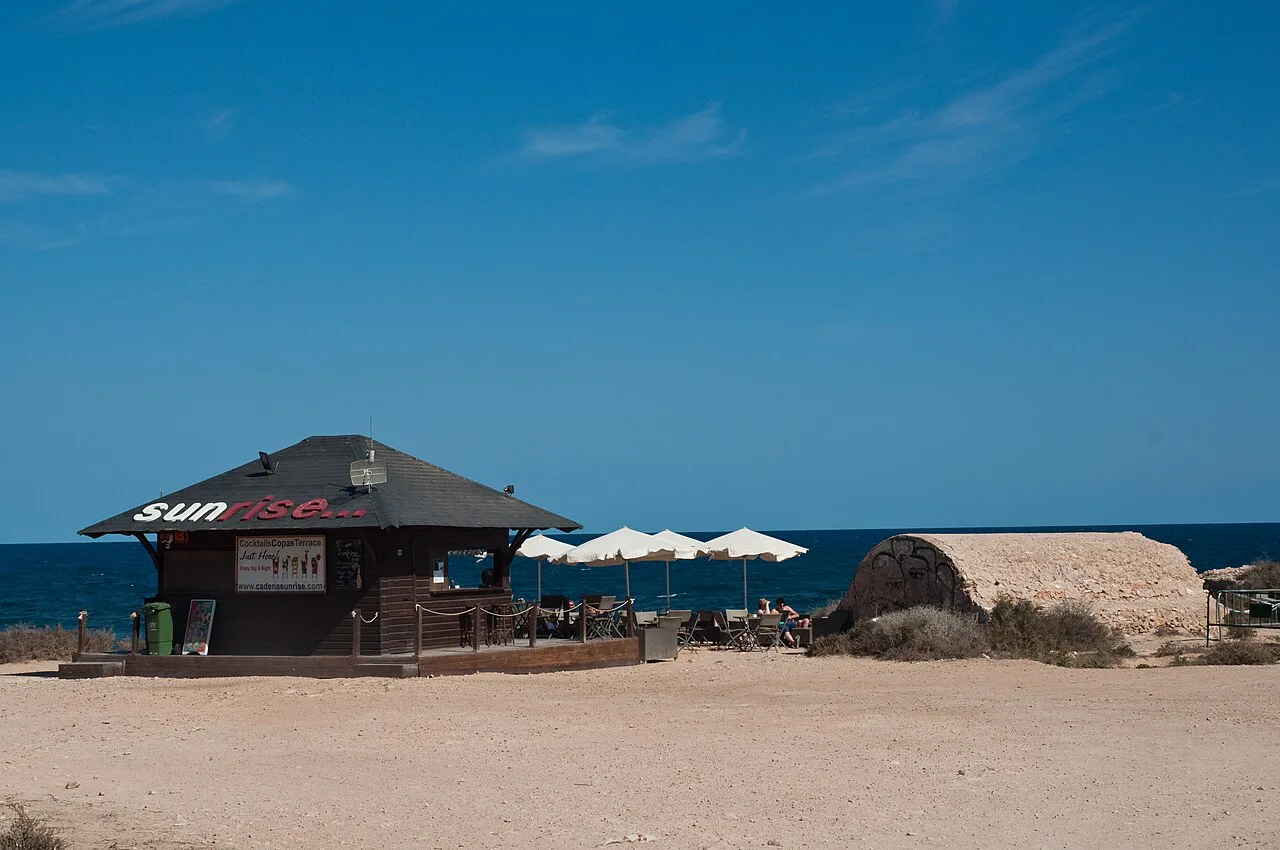
Facilities vary more than the beaches themselves. Calpe's La Fossa and Cantal Roig have seasonal lifeguards, and La Fossa also offers assisted bathing according to the local guide; Arenal in Jávea has lifeguard services and a full promenade of bars and restaurants. Moraira's L'Ampolla has seasonal sunbed hire, and Cala Baladrar and Cala del Portixol have chiringuitos for drinks and snacks.
The smaller coves, especially those reached on foot or by boat, have no facilities beyond what you carry. Pack water, shade and footwear for shingle, and check current sunbed or parking charges with the tourist office on the day rather than treating any figure as fixed.
When to Go
The swim season on this coast is long. The sea is comfortably warm from late June through September, while June and September give warm water with fewer people on the sand; late July and August are the busiest weeks, when the small coves such as La Granadella and Cala Sardinera fill first. May and October suit walkers and sightseers more than swimmers.
If you want space on the sand, plan around the middle of the day in the shoulder months and early mornings in August. Blue Flag beaches such as Arenal, La Granadella, La Fustera and La Grava offer the most facilities, while the coves reward anyone willing to walk.
Nearby Beaches to Add to a Beach-hopping Day
Around the Peñón de Ifach you can link Calpe's La Fossa with Cantal Roig and Cala el Racó in a single day, moving from long sand to a small cove without a long drive. In Moraira, L'Ampolla and El Portet pair well: one is a town beach beside the castle, the other a sheltered bay beneath the Cap d'Or peninsula, good for a late-afternoon swim.
South of Calpe, the coast towards Altea and Benidorm offers more sand, from La Roda and Cap Blanc in Altea to the long sweep of Poniente Beach in Benidorm. Further down the coast, Santa Pola beaches give you a different, more local stretch of the Costa Blanca for a day trip.
Plan Your Beach Day
Choose your beach by the day you want: soft sand and lifeguards at Arenal in Jávea or La Fossa in Calpe, a sheltered paddling cove at L'Advocat, clear water and rocks at La Granadella or Portixol, and a walk or boat trip for Sardinera or En Calo. Match the surface to your footwear and the access to your patience for parking.
Bring water, shade and shoes for shingle, start early for the small coves, and keep one bigger sandy beach in reserve for the afternoon. Charges and seasonal services change, so ask the local tourist office or the beach operator when you arrive.
Frequently Asked Questions
Which Costa Blanca beaches are best for families with small children?
Playa del Arenal in Jávea is the easiest all-round choice, with soft sand sloping gently into the sea, a promenade of restaurants and lifeguard services in season. Cala de L'Advocat near Moraira has a jetty that keeps the water still and shallow, and Cantal Roig in Calpe adds a children's play area and toilets beside the fishing port. L'Ampolla in Moraira combines sand with the castle and town centre close by.
Where can you snorkel from the beach on the Costa Blanca?
Playa La Granadella in Jávea is the best-known spot, with clear water and rocks close to shore, and Cala del Portixol is recommended for snorkelling, diving and kayaking. On the Benissa coast, Playa de la Fustera is popular for snorkelling, and Cala Sardinera at the northern end of Cap Prim rewards the 20-minute walk with clear water and marine life. Reef shoes help on the shingle.
Do you need a car to reach the Costa Blanca's coves?
A car makes the coves far easier, but a few are reachable without one. La Granadella has a seasonal tourist train from the La Guardia Park urbanisation from the end of June to mid September, and Cala Sardinera is reached on foot via Mirador Portixol. Cala en Calo and Cala Gasparet are boat or kayak trips. Resort beaches such as Arenal, L'Ampolla and La Fossa sit beside their promenades and can be reached on foot.
When is the sea warm enough to swim on the Costa Blanca?
The sea is comfortably warm from late June through September, with June and September offering warm water and fewer people on the sand. Late July and August are the busiest weeks, so plan early starts for small coves like La Granadella and Cala Sardinera, or choose the larger beaches with more room.
Which Costa Blanca beaches have lifeguards in summer?
Playa del Arenal in Jávea has lifeguard services in season, and Calpe's La Fossa and Cantal Roig have seasonal lifeguards, with assisted bathing reported at La Fossa. Lifeguard cover varies between beaches and seasons, so check the flag and any notices on the day, and ask the local tourist office about the beach you plan to visit.
What is the difference between the sandy beaches and the pebble coves?
The broad sandy beaches at Calpe, Moraira and Jávea have promenades, restaurants, sunbed hire and lifeguards in season, which makes them the easy choice for families. The coves north of Jávea and along the Benissa coast are pebble, gravel or rock, often reached on foot or by boat, with clearer water and fewer facilities. Choose sand for comfort and shade, and shingle for snorkelling and quiet.
Sources
Beach notes for your next trip
Optional updates when we add or revise beach guides.
You might also like
Continue reading
More guides you'll find useful