Albufereta Beach, Alicante: A Practical Guide for Beach Days
Plan a beach day at Albufereta in Alicante, where the sand runs from the Cabo de las Huertas headland to the beach pier, with nearby coves to combine.
On this page
Albufereta earns its place on an Alicante beach itinerary because it puts sand, a working shoreline and a headland within a short trip of the city. It suits swimmers who want an easy dip, families who prefer a beach with a pier and a defined shoreline, and snorkellers drawn to the rocks towards Cabo de las Huertas.
The beach is a local one rather than a resort beach, so treat it as a place for a half-day or a full day between city plans. If you want a wider sweep of sand and a more developed seafront, the beaches covered in the Alicante beaches guide give you the alternatives to weigh up.
Where the beach sits
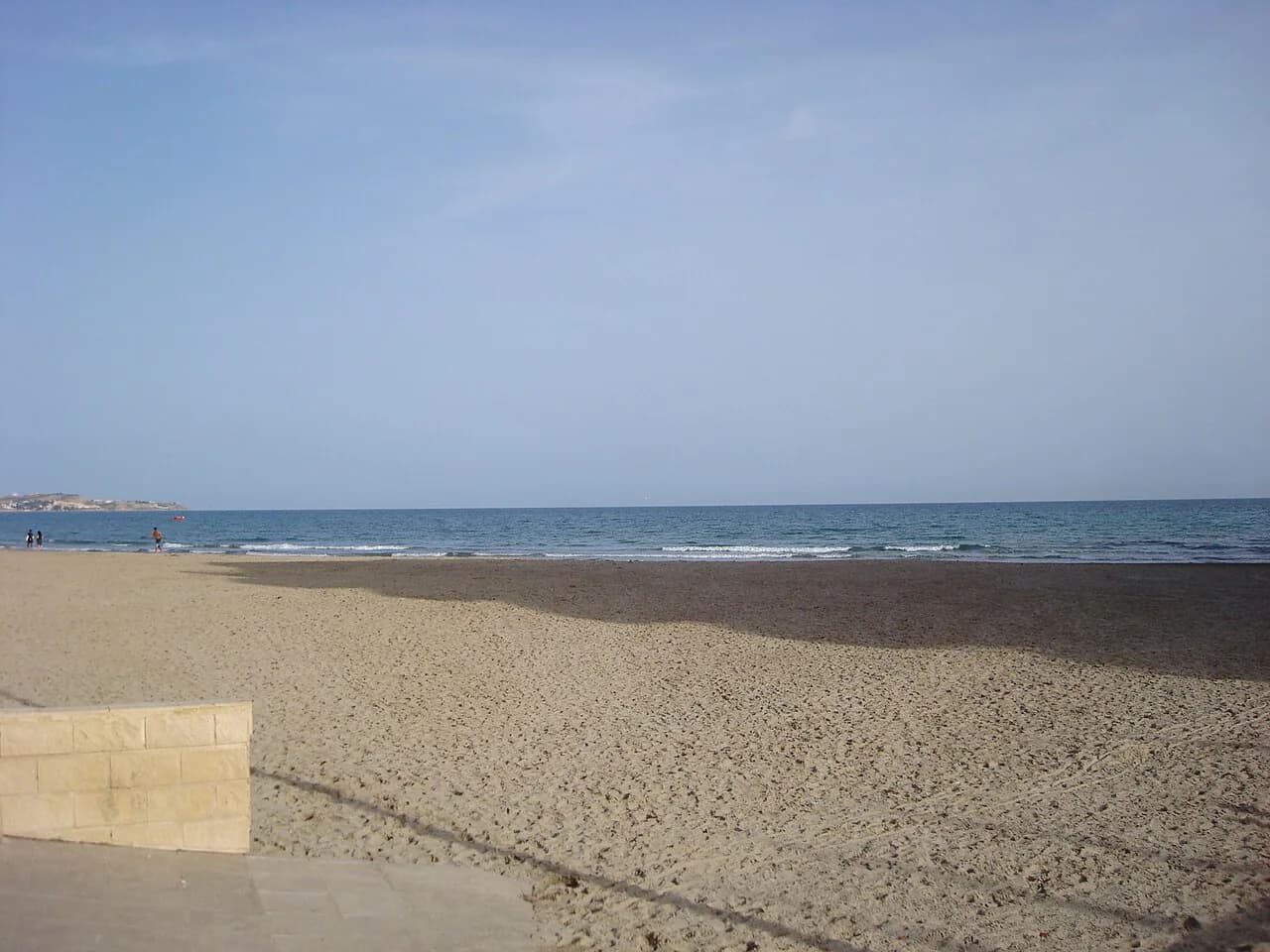
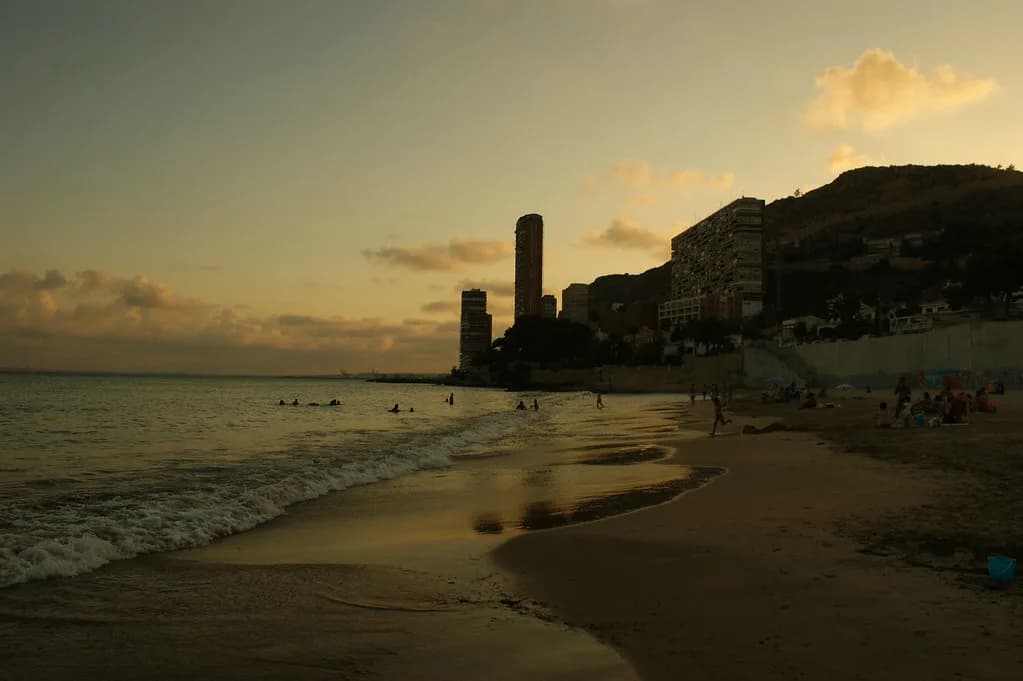
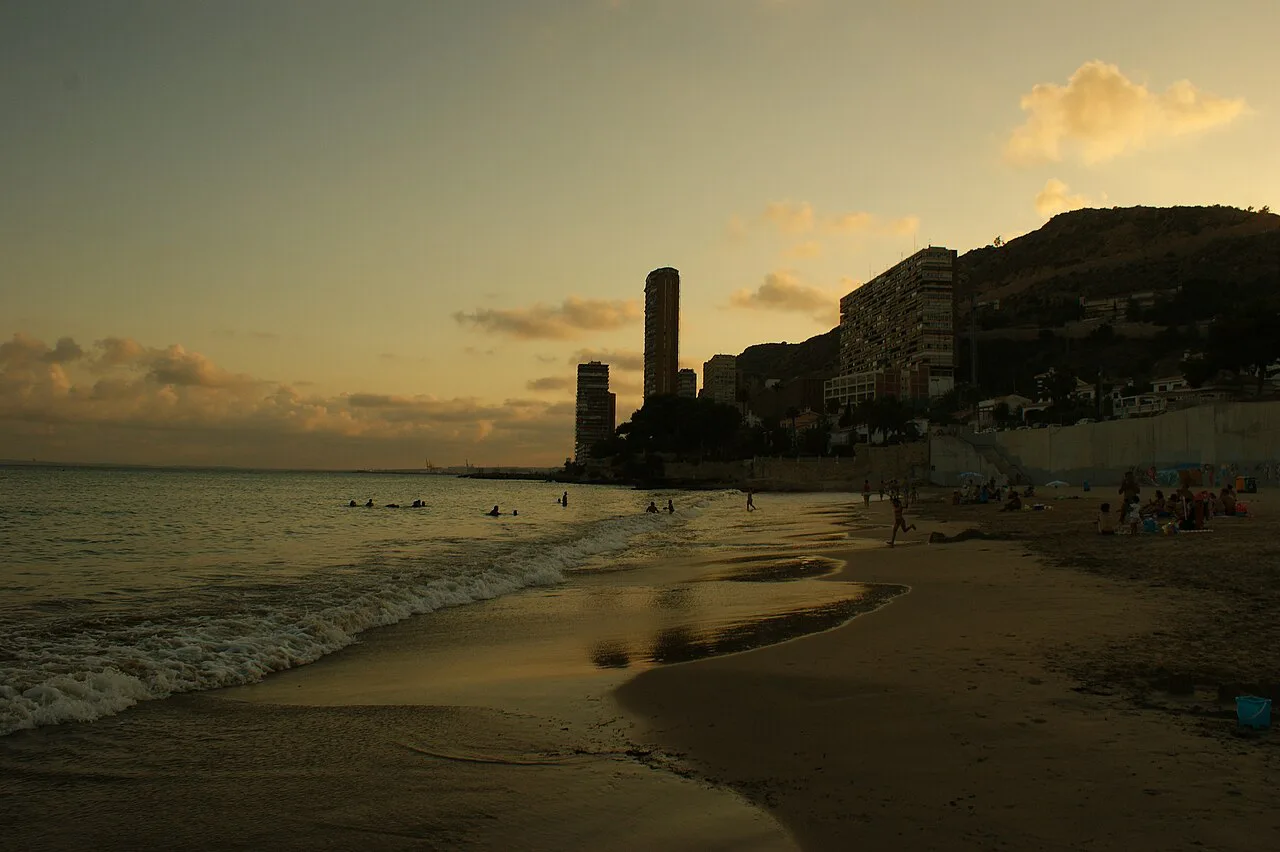
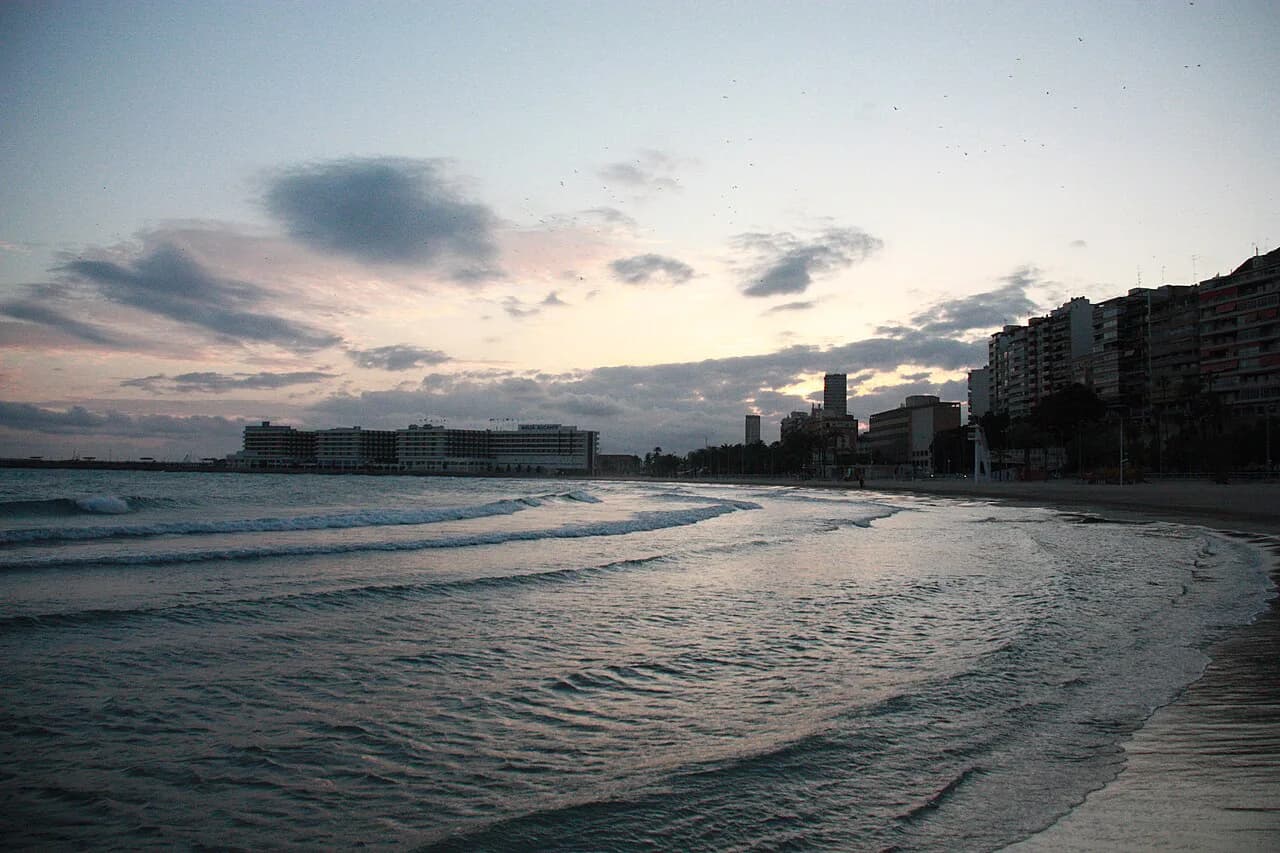
Albufereta beach lies in the Albufereta district of Alicante, on the city's northern shoreline towards the Cabo de las Huertas headland. The beach pier marks one end of the sandy stretch, and the cape closes the bay at the other.
Between the Cabo de las Huertas and the beach pier is a particularly charming stretch of sea where anglers and small fishing boats work the water, according to local reviews of the area. That mix of beach and working shoreline is what gives Albufereta its character.
Getting there from Alicante
Albufereta sits within Alicante's city limits, so the simplest approach is to follow the coast road north from the centre and walk or take local transport to the Albufereta district. The beach pier makes a clear landmark for navigation and for meeting up.
For timetables, fares and the nearest stop, use the Alicante tourist office or the local transport operator's journey planner before you set out. That is also the place to ask about accessible routes to the sand if anyone in your group needs step-free access.
Arriving by car and parking
Driving to Albufereta means parking in the surrounding district rather than at a dedicated beach car park, so arrive earlier in summer if you want an easier space. The Alicante tourist office can point you to the official parking areas near the beach.
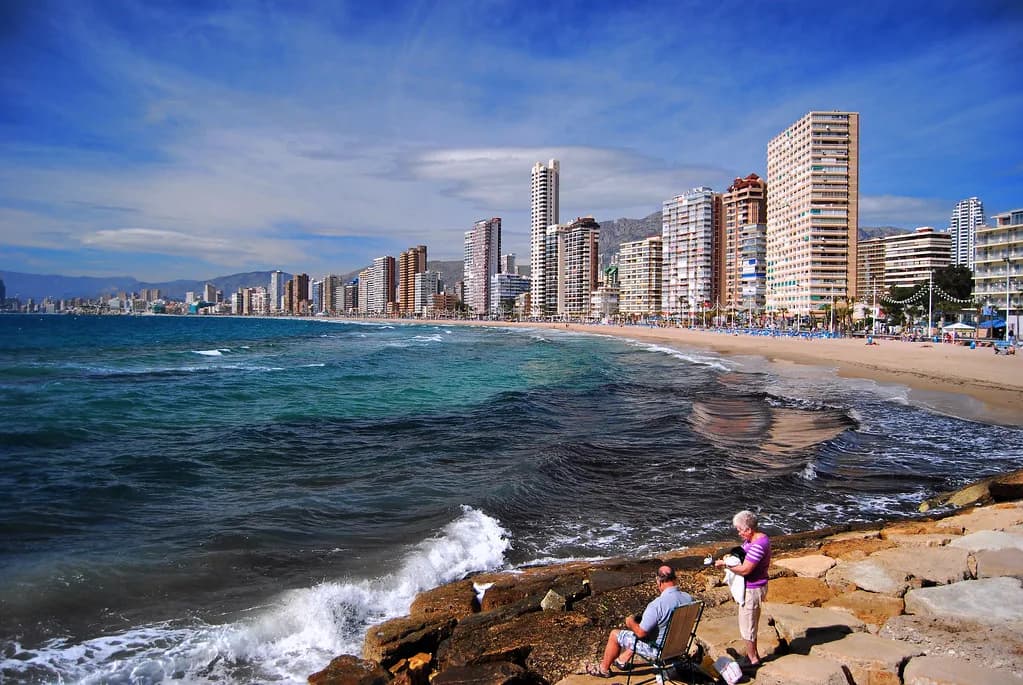
If you are combining Albufereta with a wider beach tour of the Costa Blanca, compare it with Levante Beach, Benidorm, which has a far more developed seafront and a different feel entirely.
The sand and the water
The shoreline at Albufereta is sandy near the beach pier, with the sand giving way to rocks towards the Cabo de las Huertas headland. That makes the beach pier end the better choice for families building sandcastles and for swimmers who want an easy entry.
Towards the cape, the water gets deeper over rocks, which is where snorkellers and anglers head. Reviews of the area describe people sunbathing and swimming in the sea here, so treat it as a working local beach rather than a quiet secret.
Shelter and wind
The Cabo de las Huertas headland gives Albufereta a natural windbreak on the cape side, so when the breeze picks up, the end of the beach nearest the headland is usually the calmer place to sit. The pier end is more open, which is pleasant on still days and less so when the wind is funnelling along the coast.
Bring a windbreak or a light layer for the shoulder months, and choose your spot based on which end of the bay is sheltered on the day rather than committing to the first patch of sand you reach.
The rocky stretch towards Cabo de las Huertas
The rocks between the beach and the cape are the reason to bring a mask and snorkel. Anglers and small fishing boats work this water, so snorkellers should keep clear of lines and boats and stay aware of what is happening on the surface.
This stretch is not the place for small children to paddle unsupervised, because the rocks make the entry uneven. Pair a swim here with time on the sand near the pier if you are visiting with a family.
Facilities
Albufereta is a city beach, so plan on bringing your own water, shade and snacks rather than relying on a resort-style seafront. The surrounding Albufereta district has shops and cafés within walking distance of the sand.
For sunbed hire, beach bars and lifeguard cover, ask the Alicante tourist office what is operating on the beach during your dates. Provision can change between seasons, so it is worth a quick enquiry before you build a day around it.
How busy it gets and the best months
Albufereta is a local beach, so it fills with Alicante residents in July and August and is noticeably quieter in June and September. The sea is comfortably warm from late June through September, which is also when the beach is at its busiest.
For lighter crowds and still-warm water, aim for early June or the second half of September. Weekday mornings are the calmest time on the sand in high season, with the pier end filling first.
If you are staying in Benidorm and weighing up a day trip to Alicante, the Benidorm beaches page sets out what you would be leaving behind.
Nearby beaches to combine
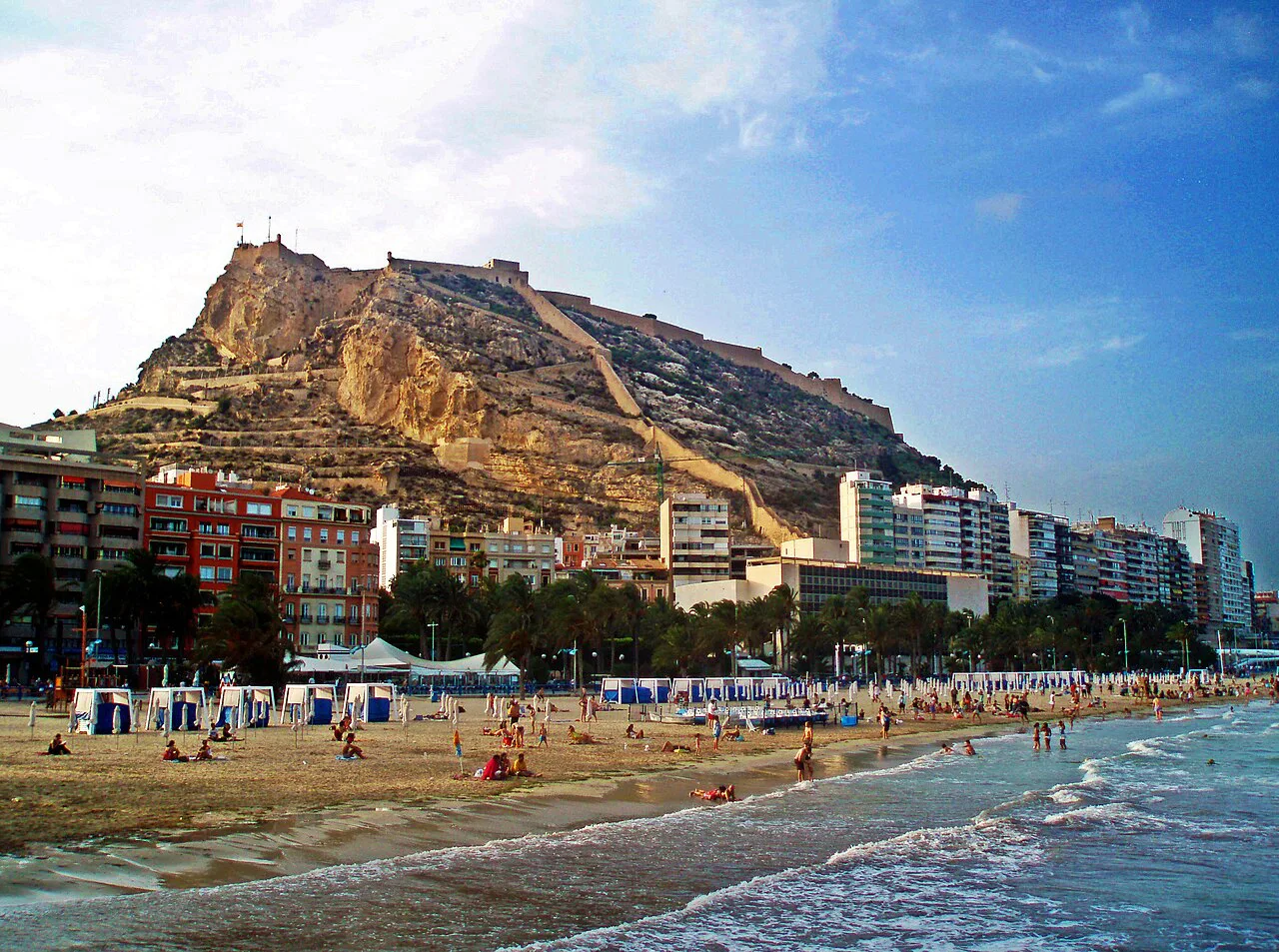
The coves around the Cabo de las Huertas headland make Albufereta a good base for a beach-hopping day. Cantalar Cove, Cala La Nuza, Amerador beach and Coveta Fumá all sit within the same stretch of coast, each small and rocky in character.
Further north, Playa de San Juan, Alicante offers a long sweep of sand and a different, more resort-like day out. South of the city, Tabarca island is a boat trip rather than a walk, and makes a full day of its own. If you are extending the trip down the coast, the beaches in Murcia make a natural next stop on the same stretch of shoreline.
Practical kit and etiquette
Pack reef-safe sun cream, water shoes for the rocky stretch, a mask and snorkel, and a windbreak for breezy afternoons. Bring a bag for your rubbish, because city beaches rely on visitors taking their litter away.
Give anglers and fishing boats a wide berth, keep music low, and swim between the flags if a lifeguard service is operating on your visit. A short walk to the Albufereta district covers most supplies you might forget.
Plan Your Visit
Albufereta works best as a half-day city beach: sand and easy swimming near the pier, rocks and snorkelling towards the cape, and a handful of small coves within reach for the afternoon. It suits travellers based in Alicante who want a local beach rather than a resort strip.
Check the Alicante tourist office for current facilities, transport and any seasonal arrangements before you go. If you want the bigger picture of the city's coastline, the Alicante beaches guide covers the alternatives.
Frequently Asked Questions
Is Albufereta beach good for families with small children?
Yes, particularly at the beach pier end, where the shoreline is sandy and the entry to the water is easier. The rocky stretch towards Cabo de las Huertas is better suited to older children and snorkellers, and small children should be supervised closely there.
Can you snorkel at Albufereta?
The rocks between the beach and the Cabo de las Huertas headland are the snorkelling stretch. Keep clear of anglers and small fishing boats working the water, and bring your own mask and snorkel.
How far is Albufereta from Alicante old town?
Albufereta sits in Alicante's northern coastal district, within the city rather than out of town. For the best route on the day, ask the Alicante tourist office or use the local transport journey planner.
Are there sunbeds and lifeguards at Albufereta?
Provision can change between seasons, so ask the Alicante tourist office what is operating on the beach during your dates before you plan around it.
When is the best time to visit Albufereta?
Late June through September brings the warmest sea, with July and August the busiest months on the sand. Early June and the second half of September give you warm water with lighter crowds.
Sources
Beach notes for your next trip
Optional updates when we add or revise beach guides.
You might also like
Continue reading
More guides you'll find useful