Alicante Sea Temperature by Month: When to Swim
Alicante's sea peaks near 27°C in August and stays swimmable into November. See monthly averages and the best months for a beach day in Alicante.
On this page
Alicante has one of the longest comfortable swim seasons on the Costa Blanca: the sea stays at or above 20°C from June into November, so October and even early November swims are realistic rather than brave. That long shoulder season matters because it lets you combine genuinely warm water with quieter beaches outside the August peak. The trade-off is that spring arrives slowly, and an onshore breeze can make even a hot June afternoon feel cooler than the air temperature suggests.
The figures below are ten-year monthly averages for Alicante, not a live reading, so treat them as a planning baseline rather than today's conditions. Local sea temperatures can swing several degrees either side of the average depending on wind and swell. Who each month suits is set out below, from families with small children to swimmers who prefer empty sand.
The sea temperature right now
Daily sea temperatures for Alicante are published with a date attached, and that date matters more than the headline number. Autumn cooling is steady rather than sudden: the water typically eases down through the low twenties in October before dropping below 20°C as November advances. If you are packing a week ahead, look at the trend over the previous ten days rather than a single reading.
Air temperature is a poor proxy for the sea. Alicante's October air can sit in the low twenties while the water holds around 22.7°C on average, which is why late-season beach days feel pleasant in the sun but bracing after a long swim. February is the coldest month for the sea, with an average near 14.3°C, so winter dips are short and purposeful.
Alicante sea temperature by month
The table below gives the ten-year average, minimum and maximum sea temperature for each month in Alicante. Minimum and maximum matter as much as the average: a warm average with a cold minimum means some days in that month will feel uncomfortable for anyone without a wetsuit top.
January averages 14.9°C, with a range of 13.4°C to 16.9°C. February averages 14.3°C (12.8°C to 15.9°C). March averages 14.6°C (12.6°C to 16.5°C), and April averages 16.1°C (13.8°C to 18.8°C). May averages 19.1°C (15.9°C to 22.7°C). These are cold-water months by Mediterranean standards, suiting short dips and wetsuit swimmers rather than family beach days.
June averages 22.8°C, ranging from 18.5°C to 27.3°C. July averages 26°C (22.8°C to 29.3°C), and August is the warmest month at 27°C (25.3°C to 29.6°C). September averages 25.6°C (22.8°C to 27.7°C), and October averages 22.7°C (18.8°C to 25.7°C). November averages 19.1°C (15.1°C to 23.1°C), and December averages 16.4°C (14.2°C to 18.8°C).
One caveat on the season: the sea is at its warmest from July to September, but the water keeps that heat longer than the air does. That lag is why October feels like a bonus month and why first-thing swims in November are far colder than the afternoon figure suggests. Check the date on any forecast before you commit to a long swim.
Spring: cool water, quiet beaches
March and April are walking months more than swimming months. Water around 14–16°C is genuinely cold, and the beaches are near-empty, which suits quiet-seekers and anyone who values space over comfort. If you do swim, a wetsuit top makes the difference between a two-minute gasp and twenty minutes in the water.
May is the transition month, averaging 19.1°C but capable of reaching 22.7°C on a good day. That upper end is swimmable for most people, and the sand is still uncrowded. Families with small children should aim for the warmer end of May rather than the start, when the sea can sit near 16°C.
Early summer: when comfortable swimming starts
June marks the start of the comfortable season, with an average of 22.8°C. The range is wide, though, from 18.5°C to 27.3°C, so early June can still feel fresh while late June is properly warm. The practical rule is that the second half of June is a safer bet for a family beach day than the first week.
June air temperatures climb faster than the sea, so the beach feels hotter than the water suggests. If you are swimming with children, plan around the middle of the day when the water has had hours of sun, and bring rash vests for anyone who feels the cold. The beaches are noticeably quieter before the Spanish school holidays begin.
High summer: the warmest water and the busiest beaches
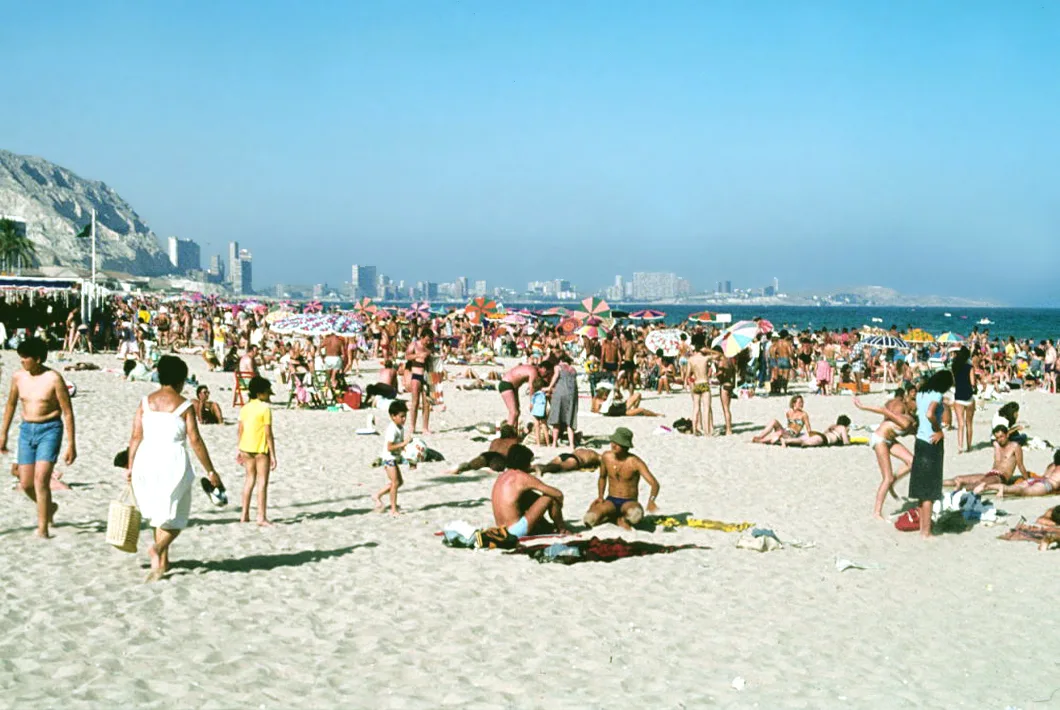
July and August are the warmest months, at 26°C and 27°C respectively. August's minimum of 25.3°C means there is rarely a cold day, which is exactly what families with small children want. The trade-off is crowds: these are the busiest weeks on the Alicante coast, and the most popular sands fill early.
Playa del Postiguet sits right below the city and is the easiest swim in Alicante, while Playa de San Juan and Playa Muchavista offer long, broad sands to the north-east. In August, cooler water is not your problem; heat and crowds are. Swim early in the morning or late in the afternoon for the best of both.
Autumn: warm sea, fewer crowds
September averages 25.6°C and October 22.7°C. This is the sweet spot for many visitors: the water is still genuinely warm, the air has lost its August edge, and the beaches thin out. Swimmers who dislike crowds should look at late September and early October before the autumn rains begin.
November is the cusp month, averaging 19.1°C but ranging up to 23.1°C. Comfortable swims are still possible, but they are weather-dependent, and the days are shorter. If you plan to swim in November, aim for the first half of the month and bring a rash vest.
Winter: the coldest water
December, January and February average between 14.3°C and 16.4°C. This is not swim season for most visitors, but it is excellent walking and beachcombing weather, and the coast is at its quietest. New Year sea dips happen along this coast, but they are short and bracing rather than leisurely.
Wind, waves and how warm the water feels
Sea temperature is only half the story. Alicante's most exposed beaches face the open Mediterranean, and an onshore breeze can drop the felt temperature several degrees even when the water is 25°C. A sheltered cove or a beach tucked under a headland will feel noticeably warmer on a windy day.
Wave height forecasts are published alongside sea temperature, and small changes make a real difference to comfort. Around a metre of swell turns a calm swim into a tiring one, especially for children. If the forecast shows more than about 0.8 metres, choose a more sheltered beach or swim in a lifeguarded zone.
Which Alicante beaches suit which conditions
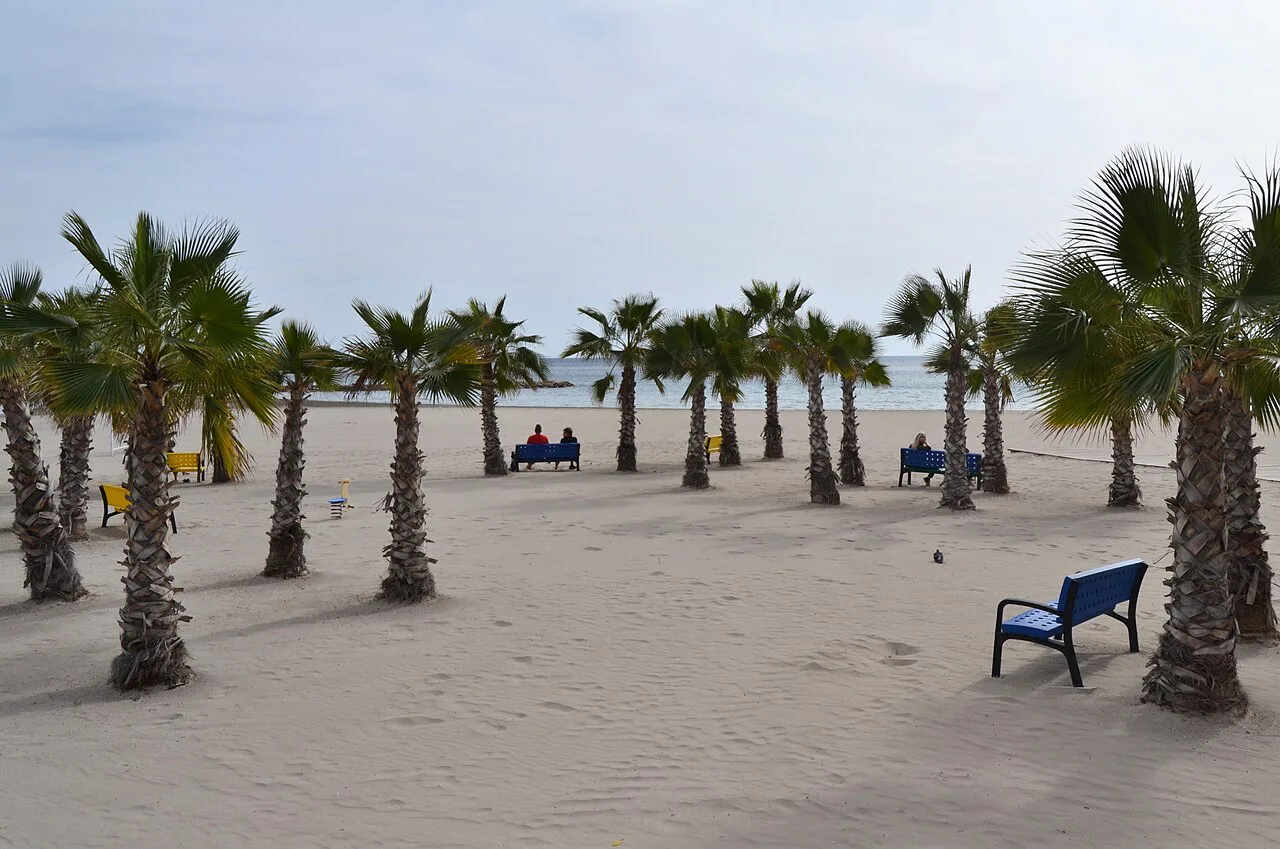
Playa del Postiguet is the most convenient city beach, close to the tram and buses, and a good bet when you want a short swim without a long trip. Playa de San Juan and Playa Muchavista are broader and better suited to families who want space. La Albufereta and Playa de la Almadraba are smaller and often quieter.
Further south, Arenales del Sol and El Carabassí offer longer, wilder sands and are worth the trip when you want a full beach day. Urbanova is close to the city and convenient for a quick swim. Each behaves differently in wind, so match the beach to the forecast rather than to habit.
What to pack for the water
For June and September, a rash vest is the single most useful item: it takes the edge off a cooler morning swim and doubles as sun protection. For May, October and November, a thin neoprene wetsuit top makes the difference between a brief dip and a proper swim.
Reef-safe sun cream, a refillable water bottle and a dry bag are worth the space in any month. Water shoes help on pebbly entries and hot sand in August. A light windproof layer earns its place on the beach even in high summer, when the afternoon breeze picks up.
Nearby beaches to combine
South of Alicante, Tabarca island makes a memorable day trip and offers clear water and a change of scene from the mainland beaches. Santa Pola is the usual departure point for boats to the island. It pairs well with a morning swim and a late lunch.
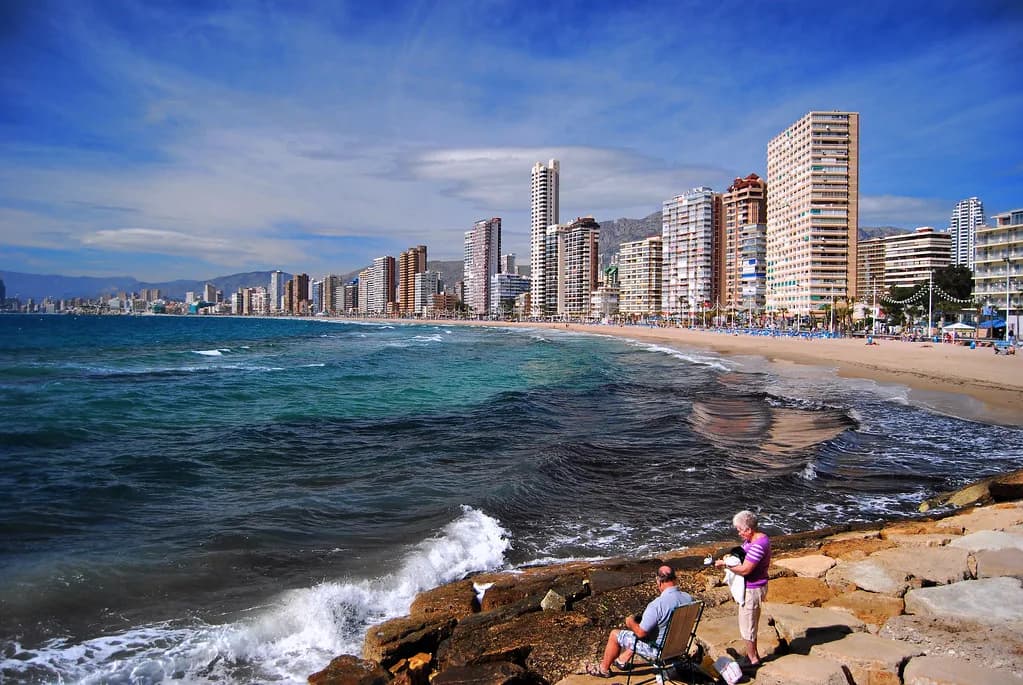
North along the coast, Benidorm beaches offer a very different scene, with long sandy bays and a lively promenade. Levante Beach faces the open sea and picks up more swell, while Poniente Beach is broader and often calmer. Both are easy to reach by tram or bus from Alicante.
If you are comparing the Costa Blanca with the Costa del Sol, Málaga sea temperature follows a similar curve but tends to run slightly warmer in autumn. That is useful if you are choosing between the two for an October trip.
Plan Your Swim
Alicante's sea is at its warmest from July to September and stays swimmable into November, which makes it one of the most forgiving stretches of the Spanish Mediterranean for shoulder-season travellers. Spring is for walkers and wetsuit swimmers; late autumn is for those who want warm water without the crowds.
Match the beach to the conditions on the day, pack a rash vest even in summer, and check the date on any forecast before you rely on it. That is enough to plan a good beach day in almost any month of the year.
Frequently Asked Questions
What is the sea temperature in Alicante now?
Use a dated daily sea temperature reading for Alicante rather than a monthly average, because the water changes steadily through autumn and a single figure without a date tells you little. In October the ten-year average is 22.7°C, but individual days range from 18.8°C to 25.7°C, so the current reading can sit well either side of the average.
Is 20 degrees warm enough to swim in the sea?
For most adults, 20°C is the threshold where a swim stops being a shock and becomes comfortable, and Alicante's sea stays at or above it from June into November. Children and anyone who feels the cold will be happier with a rash vest or thin wetsuit top at that temperature, and shorter swims are sensible on windy days when the water feels cooler than the reading.
What is the warmest month for sea temperature in Alicante?
August is the warmest month, averaging 27°C over the past ten years, with a range of 25.3°C to 29.6°C. July is close behind at 26°C, and September averages 25.6°C, so the warmest window runs from early July to late September rather than peaking on a single date.
Can you swim in Alicante in November?
Yes, though it depends on the day. November averages 19.1°C but has reached 23.1°C in the ten-year record, so the first half of the month is the better bet for a comfortable swim. Bring a rash vest, swim earlier in the day while the sun is up, and treat any long swim as weather-dependent rather than guaranteed.
How warm is the sea in Alicante in June?
June averages 22.8°C, but the ten-year range runs from 18.5°C to 27.3°C, which is a wide spread. Early June can feel fresh after a cool spring, while late June is reliably warm, so the second half of the month suits families with small children far better than the first week.
Sources
Beach notes for your next trip
Optional updates when we add or revise beach guides.
You might also like
Continue reading
More guides you'll find useful