Mar Menor Beaches: A Practical Guide for Costa Cálida
Plan a day on the Mar Menor beaches, from La Manga to Los Alcázares, with shallow lagoon water, family-friendly sand and quieter shores to compare.
On this page
The Mar Menor is the reason many families choose this corner of Spain: a large saltwater lagoon separated from the Mediterranean by the thin strip of La Manga, with shallow margins that let children paddle while adults stand comfortably nearby. Its beaches line the inner shore from San Pedro del Pinatar round to Cartagena, each with a different feel, and the region's official tourism site describes the contrast between the lagoon's calm waters and the wilder Mediterranean coves nearby. Use this guide to match a stretch to your group, then add a Mediterranean day for contrast.
Why the Mar Menor suits a beach day
Depth is the deciding factor here. The lagoon's inner shore shelves gradually, so you walk a long way before the water reaches your waist, which suits toddlers and nervous swimmers but frustrates adults who want to swim lengths. The Region of Murcia's tourism board describes the Mar Menor as calm, shallow water ideal for swimming and watersports, and sets it against the open Mediterranean just across La Manga, where the sea deepens quickly and picks up swell.
Shelter is the second factor. La Manga runs roughly north to south, so the lagoon side is protected from most Mediterranean swell, while the same strip's outer shore faces the open sea. On a breezy day the inner beaches can be noticeably gentler than the Mediterranean side, but wind still crosses the lagoon and can push chop onto exposed stretches, so pick your spot with the day's conditions in mind instead of counting on the lagoon to be flat.
How to choose your stretch
Think of the lagoon as four zones. La Manga del Mar Menor offers the widest choice of beach and the most restaurants within walking distance; Los Alcázares has a traditional town promenade with beaches at its edge; San Pedro del Pinatar puts lagoon beaches and the Salinas natural park on one strip; and the Cartagena-side shores are quieter and better suited to combining a swim with the protected coast further south. If you want the full picture of the region's coast, our guide to Murcia beaches covers the Mediterranean side as well.
For a resort-based holiday, La Manga beaches are the practical base: you can swim in the lagoon in the morning and cross to the Mediterranean in the afternoon without moving your car. For a quieter day with a town behind you, head for Los Alcázares. The official tourism site groups the coast into destinations including La Manga, Mar Menor, San Pedro del Pinatar and the Cartagena coast, which makes it easy to compare what each area offers before you commit.
La Manga del Mar Menor: lagoon beaches on the inner shore
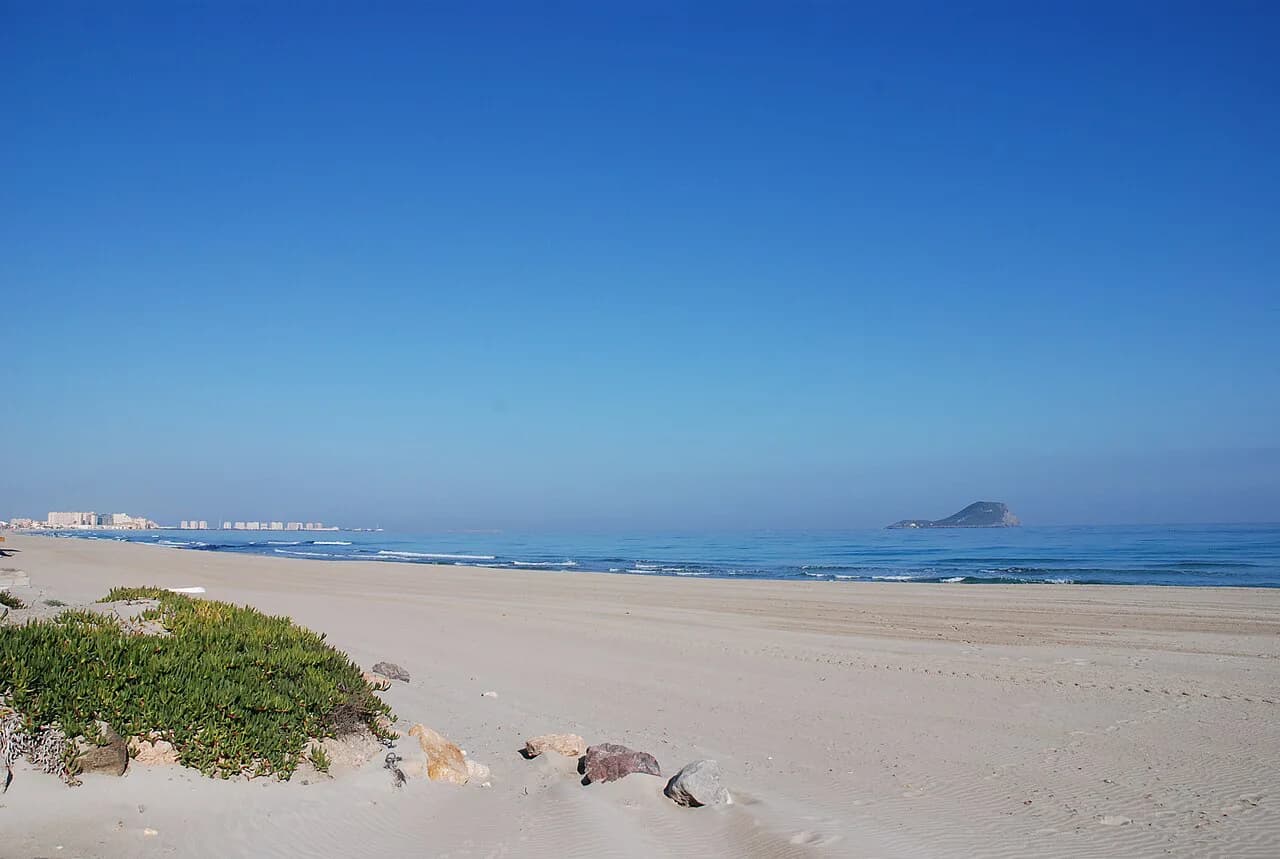
La Manga is a long sandbar, and its inner shore holds a chain of small beaches with shallow entry, playgrounds and restaurants close by. The calm, shallow lagoon water makes this one of the best areas in Murcia for families, since children can play in safety while adults keep watch from the sand. The strip is built up and busy in high season, so expect company on the most accessible beaches near the main road.
The advantage of basing yourself here is choice: within a short drive or walk you can pick a lagoon beach for a gentle morning and an open-sea beach for a breezier afternoon. The region's tourism site promotes La Manga as a long-established holiday hotspot with white sand and clear water, and lists it among its top ten coastal destinations. Bear in mind that the two shores behave differently, so check the wind direction before you set out.
Los Alcázares: town beaches and a promenade
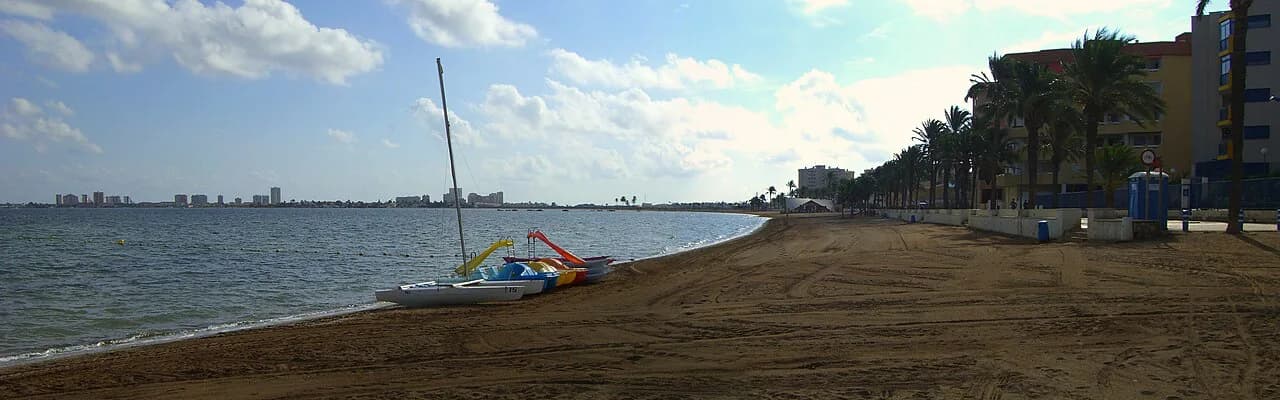
Los Alcázares sits on the lagoon's western shore, with beaches that run alongside a built-up promenade rather than wild dunes. That means shops, cafés and parking within a few minutes of the sand, and a shallow profile that continues the lagoon's easy paddling. It is a good choice if you want a beach day without a long walk from the car, and the town itself gives you somewhere to retreat to when the midday sun is at its strongest.
The northern end of the lagoon is shallow enough that you can wade far out, which is a bonus for families but less appealing if you want to swim properly. Bring reef shoes if you plan to explore the rocky margins, and set up near the promenade if you want shade and facilities within easy reach. The official Murcia tourism site's beach search lets you filter for family-friendly and accessible options in this area.
San Pedro del Pinatar and the Salinas side
At the northern tip of the lagoon, San Pedro del Pinatar combines lagoon beaches with the Parque Natural de las Salinas and the open Mediterranean within a short distance. That makes it one of the most versatile bases on the coast: you can paddle in the lagoon in the morning and walk to a Mediterranean beach in the afternoon. The salt flats also draw birdlife, so a pair of binoculars is worth packing alongside the beach gear.
The region's tourism board highlights this area for nature and for beaches with services right on the sand, including beach bars, showers and lifeguards. It also flags accessible beaches with walkways and adapted facilities, which makes San Pedro a sensible choice for visitors with reduced mobility. Conditions can change, so the town's tourist office is the place to confirm adapted access on the day you plan to visit.
Cartagena-side and La Unión: quieter lagoon shores
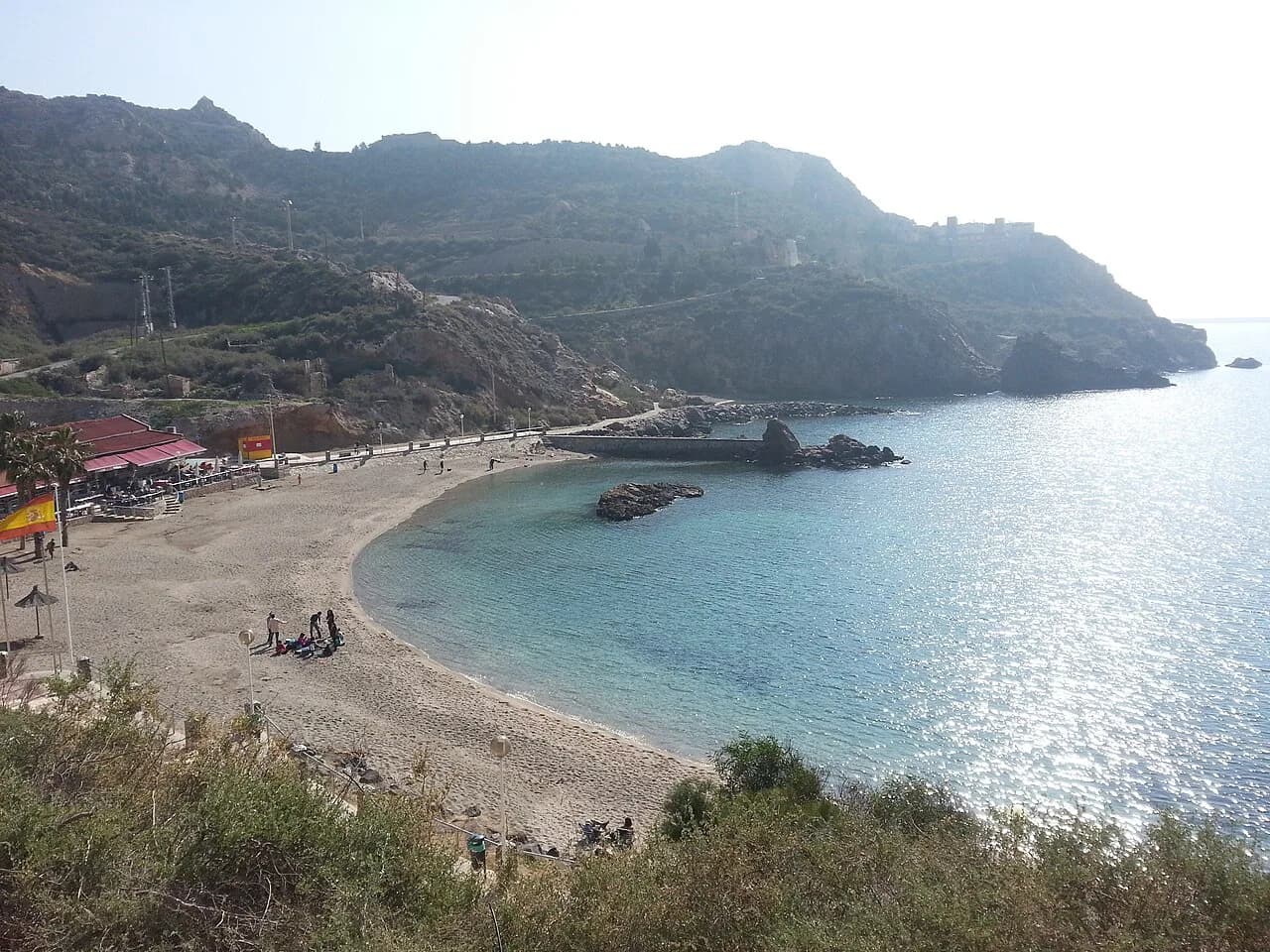
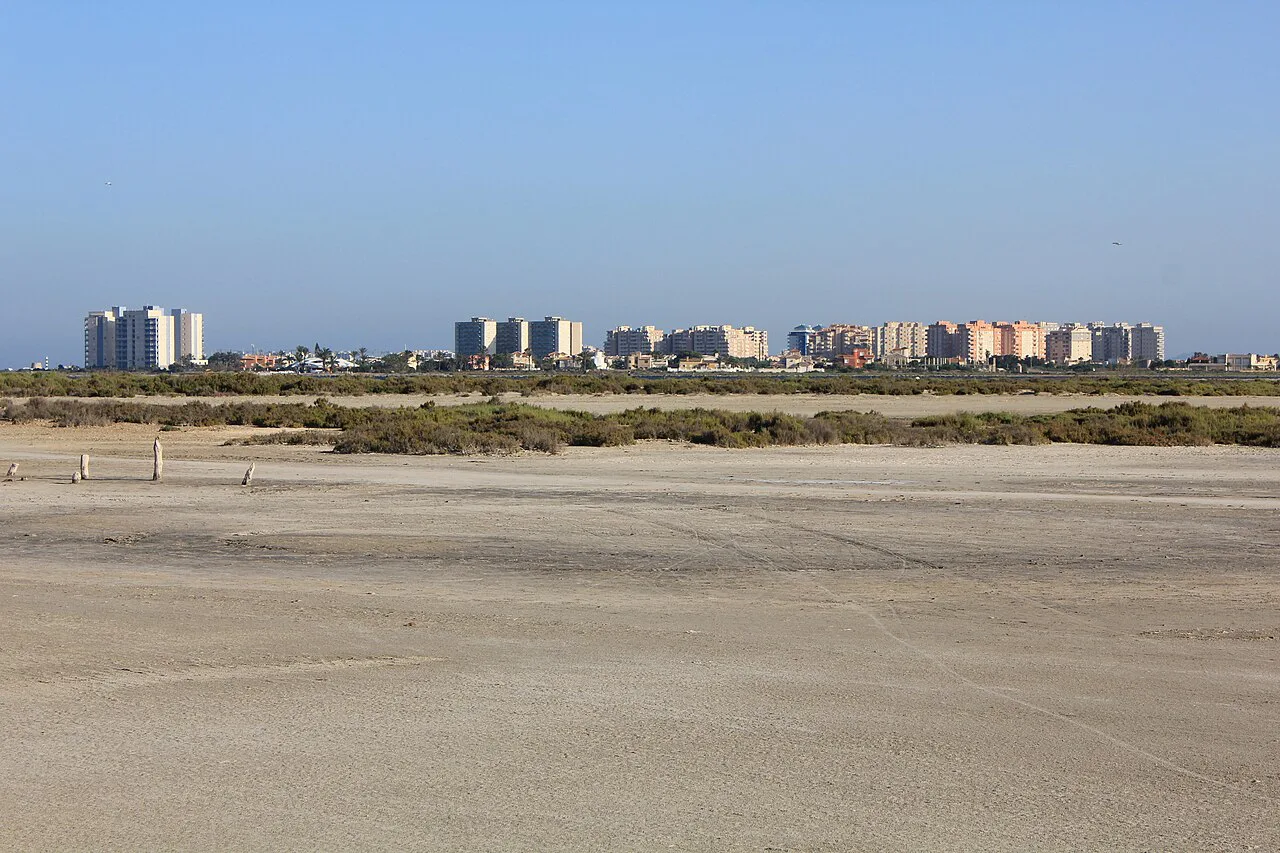
The southern end of the lagoon, towards Cartagena and La Unión, is less built up than La Manga and Los Alcázares, with smaller beaches and a quieter feel. The water keeps the lagoon's shallow character, so it still suits families, but you will find fewer restaurants and shops within walking distance. It works well as a base if you want to combine lagoon days with the protected Mediterranean coast around Cabo de Palos and Cala Cortina.
This side is also convenient for boat trips and water activities, since many operators run from the Mar Menor's southern shore and from Cartagena. If you want a day off the sand, a guided kayak or snorkel excursion into the lagoon's volcanic islands is a good alternative when the wind is up. The regional tourism site lists these activities with booking information.
The sand and the water
Most lagoon beaches are sandy, with gentle shelves and warm water in summer thanks to the shallow lagoon. Depth builds slowly, so the water stays comfortably warm well into September, and even adults can stand in the shallows far from shore. Weed can gather on some stretches depending on the season and the wind, so choose a beach with a clean margin if you plan to swim rather than paddle.
The wind picture matters more than the sand. The lagoon's western shore, around Los Alcázares and San Pedro, catches the breeze on some days, while the La Manga inner shore is more sheltered from Mediterranean swell. On a windy day, head for the shore that faces away from the wind and expect chop on the exposed side; the region's official beach search includes conditions and service filters to help you choose.
Getting around and parking
A car is the practical way to move between the lagoon's resorts, since the shoreline stretches for many kilometres and buses between the smaller beaches are limited. Parking near the most popular La Manga and Los Alcázares beaches fills quickly in July and August, so arrive early or park a few streets back and walk. The region's tourism site lists destinations and how to arrive, which helps you plan a route between bases.
If you are staying at one of the golf resorts inland, the drive to the lagoon is short but the beaches get busy in high season, so plan around the peak hours. Public transport links the main towns, but for the smaller coves and the quieter southern shore you will want your own wheels. Allow extra time in August, when the coast's car parks and access roads are at their busiest.
Water activities on the lagoon
The lagoon's shallow, sheltered water makes it a natural classroom for kayaking, paddleboarding and wind sports. The regional tourism site lists guided kayak trips around the lagoon's volcanic islands, including Isla Perdiguera, Isla del Ciervo and Isla del Barón, along with snorkel excursions and boat trips that depart from the Mar Menor. These are a good option when the wind is too strong for a comfortable beach day.
Guided snorkel outings from the lagoon head out to the protected waters of the Isla Grosa reserve and the Cabo de Palos marine reserve, where the marine life is richer than in the lagoon itself. Book through the companies listed on the Region of Murcia tourism site and ask whether equipment is included. If you prefer to stay on the sand, the same shallow water that suits beginners makes the lagoon a safe place to try a first paddleboard session.
Best time to go
The lagoon's shallow water warms earlier and stays warm longer than the open Mediterranean, which makes late spring and early autumn particularly appealing. July and August are the busiest months, when the resorts fill up and the most accessible beaches get crowded; May, June and September offer warm water with more room on the sand. Sea temperatures vary year to year, so check a local forecast before you commit to a swimming holiday.
Spring and autumn also bring quieter roads and easier parking, which matters if you plan to move between beaches. The region's tourism site promotes the coast across the seasons, noting milder temperatures and fewer crowds outside high summer. If you visit in winter, expect some beach bars and facilities to be closed and plan to bring your own provisions.
Nearby beaches to combine
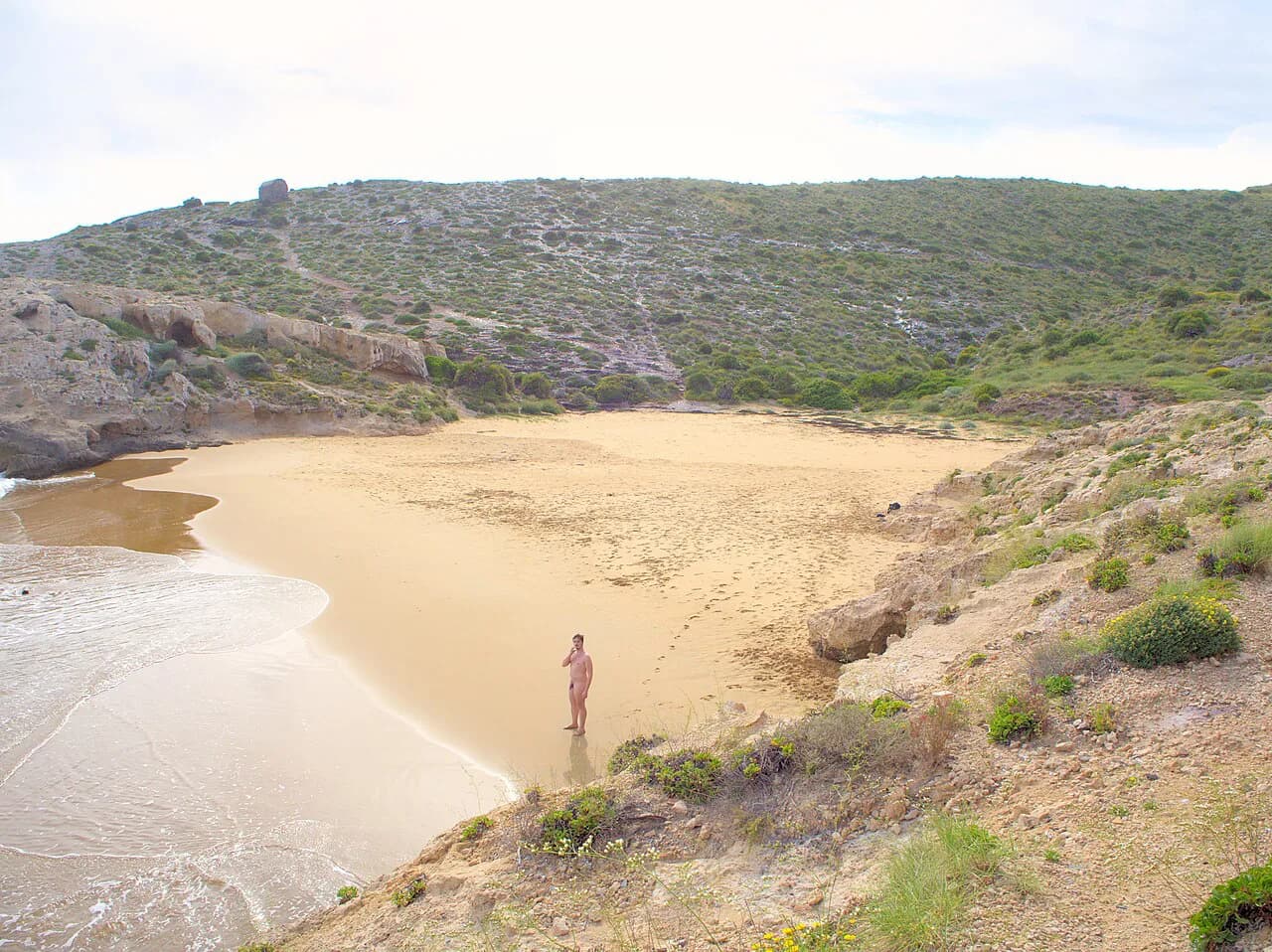
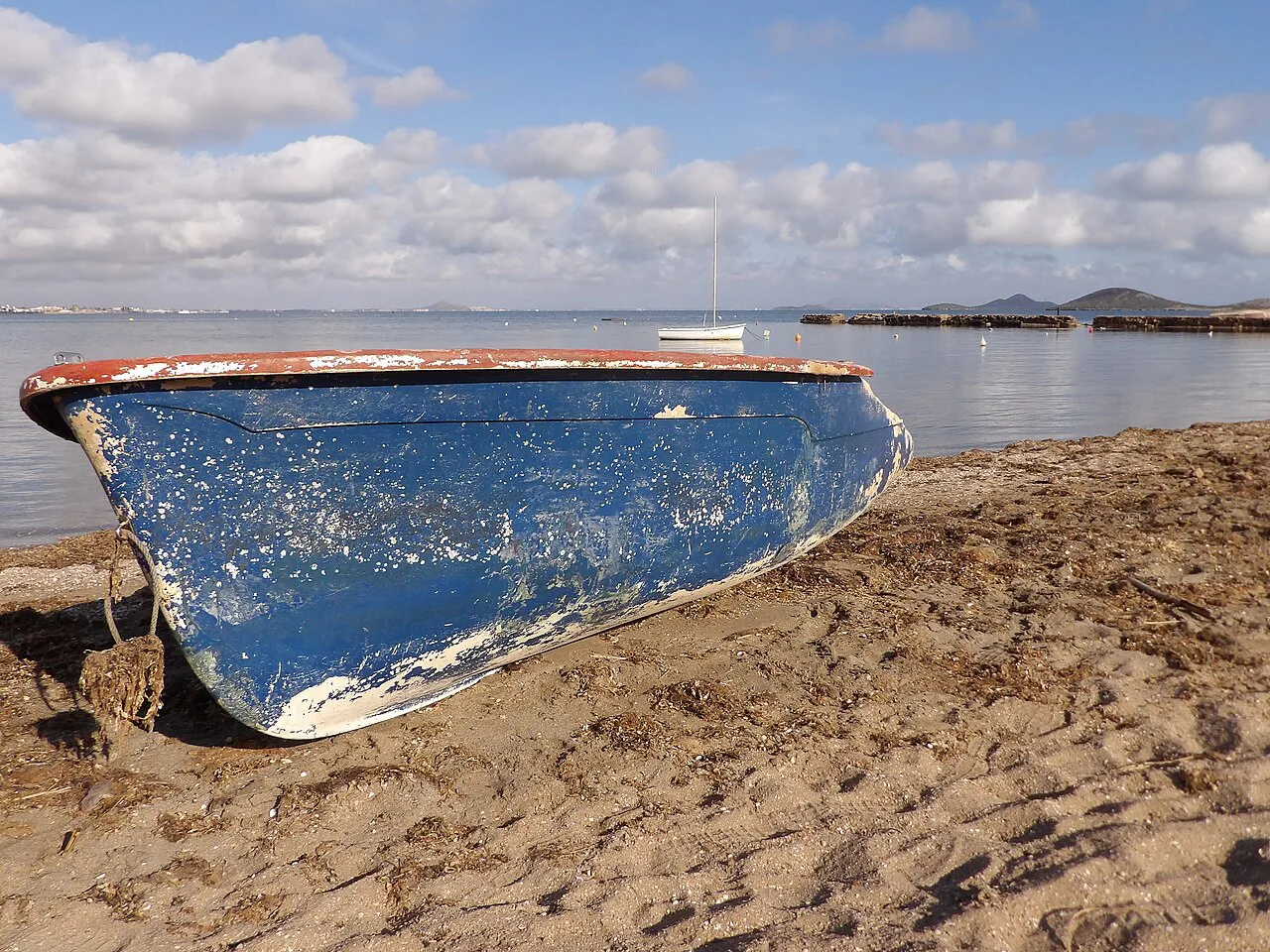
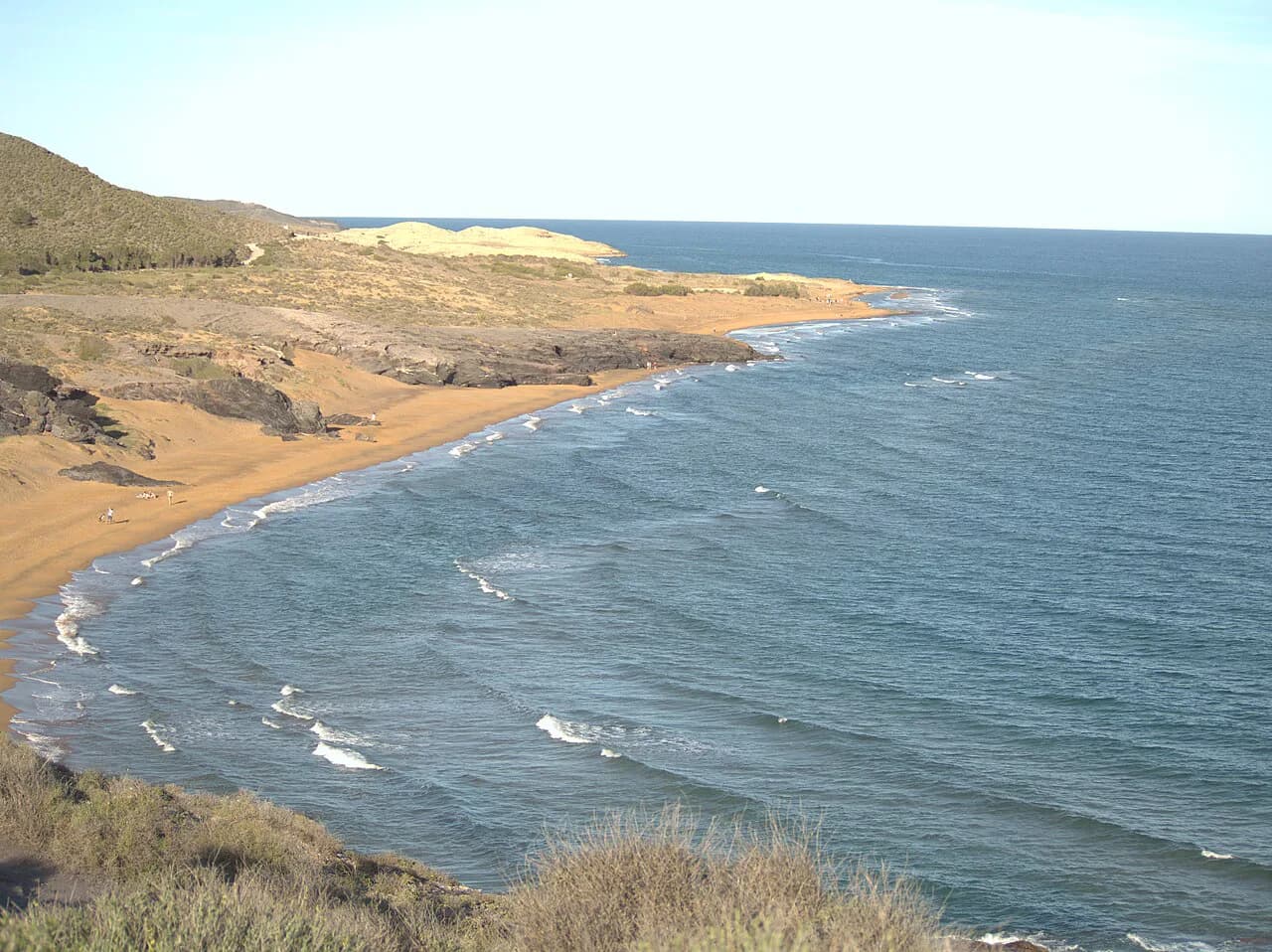
Calblanque Regional Park, south of the lagoon, offers unspoilt coves and dunes that feel a world away from the resort beaches. The park's translucent water and walking trails make it a good contrast day, though you should bring water and take your rubbish back with you, as the tourism board asks at its protected beaches. Our guide to Calblanque beaches explains access and what to expect.
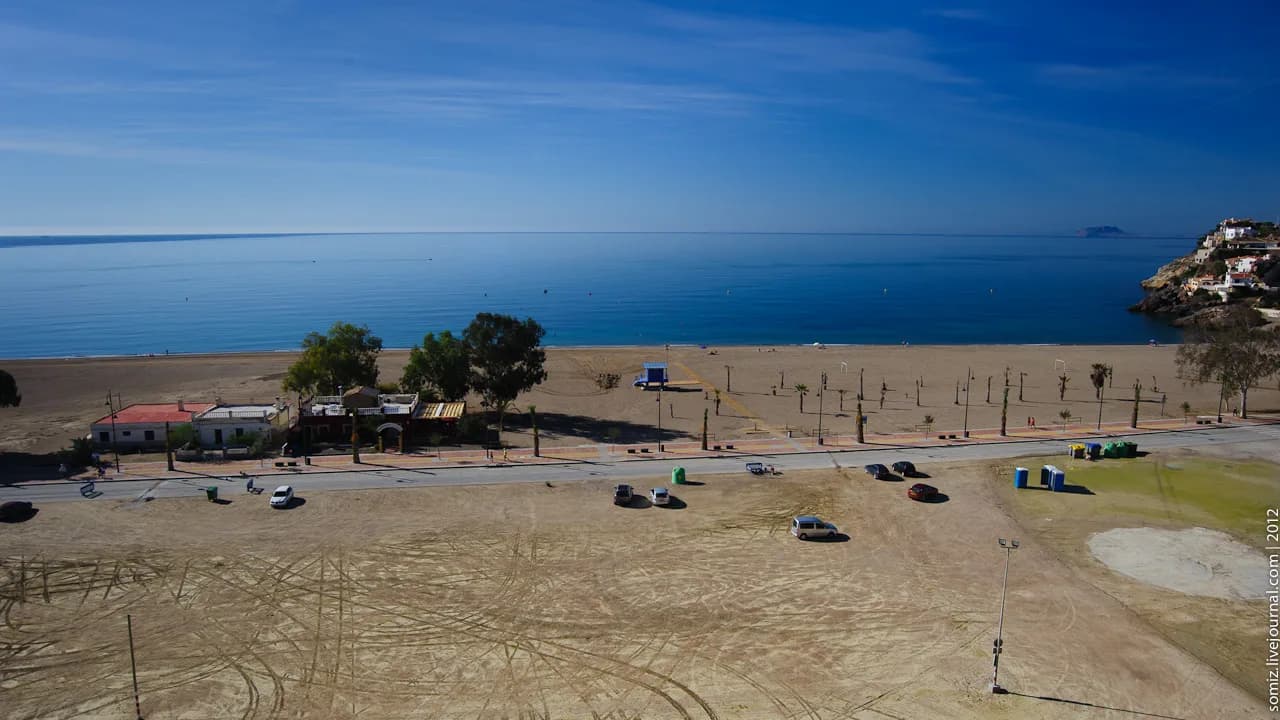
Further south, Bolnuevo near Mazarrón is known for its eroded rock formations and a long stretch of golden sand, with fewer facilities than the lagoon resorts. The area around Mazarrón has several beaches worth a day trip, and our Mazarron beaches guide covers the choices. For a wilder Mediterranean day, the coves around Cabo de Palos are the closest contrast to the lagoon.
Facilities, accessibility and beach flags
The region's tourism site categorises beaches by what they offer: services on the sand such as beach bars, showers and lifeguards, accessible beaches with walkways and adapted facilities, and protected or nudist beaches. It also uses filters for Blue Flag and quality distinctions, which helps you find a beach with the facilities you need. Use the filters to narrow your search before you set out.
Lifeguard cover, flag systems and adapted access vary by beach and by season, so ask a local tourist office if you need a specific facility on a specific day. Beach bars and sunbed rental are common on the busier lagoon beaches but not guaranteed everywhere, especially outside high summer. Bring your own shade and water if you are heading to a quieter stretch, and keep an eye on the flags once you arrive.
Practical packing and lagoon etiquette
The lagoon's shallow water reflects light, so sun protection matters even more than on the open coast: bring a high-factor sunscreen, a hat and a rash vest for children. Reef shoes help on the rocky margins and on beaches where weed gathers, and a refillable water bottle is essential in summer. At the protected beaches, the tourism board asks visitors to bring water and take their waste back with them.
Respect the beach's rules on smoking, dogs and nudity, which vary between stretches. Keep clear of the channels used by boats and kayaks, and supervise children closely even in shallow water, since the lagoon's calm surface can hide deeper channels. Arrive early in July and August to secure parking and a good spot on the sand.
Plan Your Day on the Lagoon
The Mar Menor rewards a bit of planning: choose La Manga for choice and facilities, Los Alcázares for a town beach with easy access, San Pedro for nature and accessibility, and the southern shore for quiet. Pair a lagoon day with a Mediterranean beach such as Calblanque or Cabo de Palos for contrast, and start early in high summer; if you are weighing up neighbouring coasts, our guide to Almería beaches applies the same logic to the sands of Cabo de Gata and beyond. Check with the local tourist office for current facilities and conditions before you travel.
Frequently Asked Questions
Which Mar Menor beaches suit families with small children?
The lagoon's inner shore shelves gently, so children can paddle a long way out before the water deepens. La Manga's inner beaches combine that shallow entry with playgrounds and restaurants close by, while Los Alcázares runs along a town promenade with shops and cafés within a few minutes of the sand. Supervise closely regardless, since calm surfaces can hide deeper channels.
Is the water calmer on the lagoon side or the Mediterranean side of La Manga?
The lagoon side sits behind the La Manga sandbar, so it is sheltered from most Mediterranean swell, while the outer shore faces the open sea and picks up more movement. Wind still crosses the lagoon and can push chop onto exposed stretches, so pick the shore that faces away from the day's wind.
Are there boat trips and kayak tours from the Mar Menor?
Yes. Operators run guided kayak routes around the lagoon's volcanic islands, including Isla Perdiguera, Isla del Ciervo and Isla del Barón, along with boat trips and snorkel excursions, some of which head out to the Isla Grosa and Cabo de Palos reserves. The Region of Murcia tourism site lists these activities with booking information for each one.
When is the best time to swim in the Mar Menor?
The shallow lagoon warms earlier and holds its heat longer than the open Mediterranean, which makes late spring and early autumn especially pleasant. May, June and September give you warm water with more space on the sand, while July and August are the busiest months and fill the car parks near the most accessible beaches.
Can you combine a Mar Menor beach day with the open Mediterranean coast?
Easily. Calblanque Regional Park, south of the lagoon, has unspoilt coves, dunes and walking trails for a wilder day out, and the coves around Cabo de Palos are the nearest Mediterranean contrast to the lagoon. Further south, Bolnuevo near Mazarrón pairs eroded rock formations with a long stretch of golden sand.
Sources
Beach notes for your next trip
Optional updates when we add or revise beach guides.
You might also like
Continue reading
More guides you'll find useful