Cala Cortina, Cartagena: Beach Guide for a Day by the Bay
Cala Cortina is a 210-metre golden-sand cove four kilometres from Cartagena, reached on foot or by car, with clear water and a cliff-backed setting.
On this page
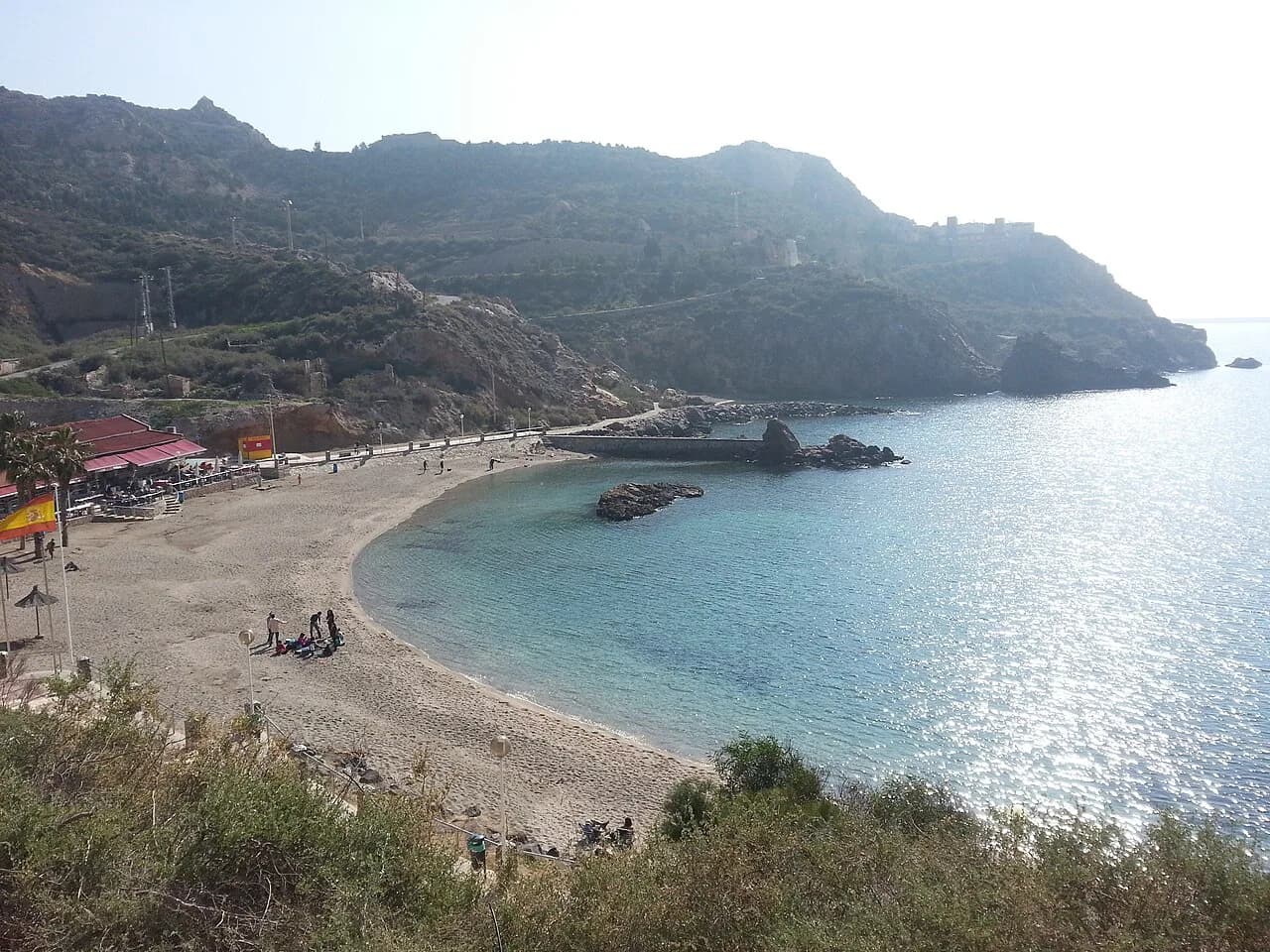
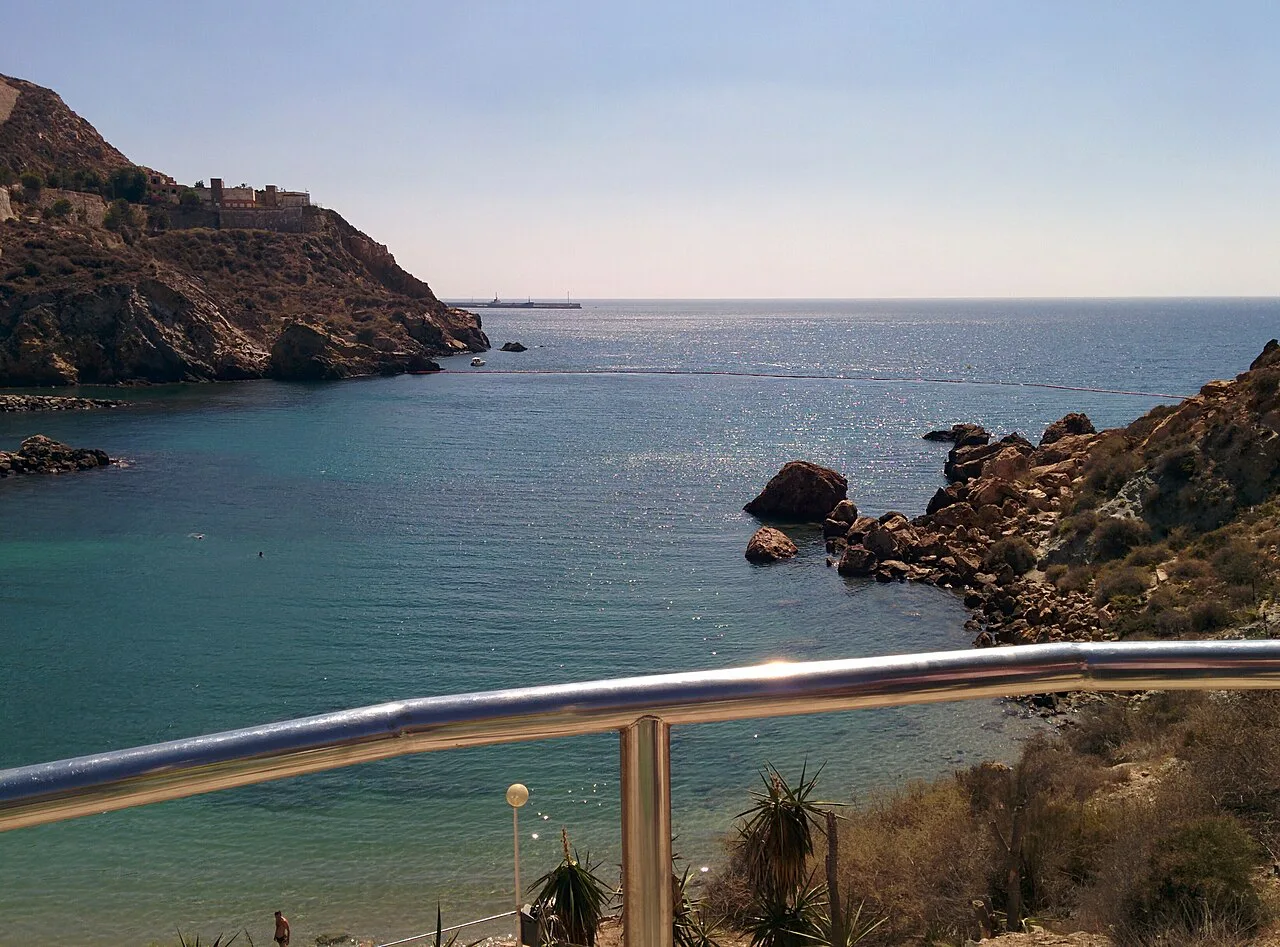
Cala Cortina gives you the rare pleasure of a proper cove within walking distance of a working port city. The beach is a 210-metre curve of golden sand on the Bay of Cartagena, backed by cliffs and the San Julián fortress, and it suits swimmers, snorkellers and families who want facilities close at hand.
Spain's official tourism site puts the beach four kilometres from the Cartagena marina and describes an occupancy rate of high, so it works best as an early start or a late afternoon dip rather than a full resort day. Pair it with the port, the Naval Museum and the Underwater Archaeology Museum for a complete Cartagena day out.
Where Cala Cortina sits in the Bay of Cartagena
The cove occupies a protected corner of the bay below the San Julián fortress, close to the Santa Lucía neighbourhood and the Curra Lighthouse. Cliffs screen it from the city, which is why a beach four kilometres from the centre feels secluded despite the high visitor numbers.
Its sheltered position makes it a practical choice when the open Costa Cálida strands are taking the brunt of the wind, though the official listing records moderate waves rather than flat water. Treat it as a cove with some natural protection, not a guaranteed millpond.
Getting there on foot
Walking is the more scenic approach. A footpath leads directly from the city to the beach, following the natural harbour and the cliffs, and a marked blue trail of about 5 km runs from the Real Club de Regatas sports port along the Alfonso XII promenade past the fishermen's brotherhood and up towards the Curra Lighthouse.
The final stretch climbs and then descends past the Santa Florentina battery, an eighteenth-century fort with wide views over the port, before dropping to the sand. It is an easy half-day route for families who pack light, but the steps at the end are awkward with heavy bags, buggies or a cool box.
Arriving by car, taxi or boat
Driving is the common option. From the centre, skirt the naval and underwater archaeology museums, cross Santa Lucía, head for the Curra Lighthouse and continue to the Santa Florentina battery before descending to the cove; the run doubles as a coastal viewpoint tour.
Boats can also reach the beach according to the official access listing, which gives car, boat and on-foot access. For a stress-free arrival with children, a taxi to the top of the access road removes the uphill walk from town and leaves you fresh for the stairs.
Parking and the final descent
There is a car park on the outskirts of the beach, and the last approach to the sand is on foot down a flight of stairs. That arrangement keeps cars off the shore but means every family member carries their own kit up and down on the return.
Pack with the stairs in mind: a rucksack beats a wheeled trolley, and a light folding mat is easier than a rigid lounger. Arrive before the middle of the day in high season, because a single car park serving a high-occupancy beach fills quickly.
The sand and the water
Expect a mix of golden sand and gravel along a shore of 210 metres by 20 metres, with the water shelving in the moderate waves the official listing records. The sand is soft enough for sandcastles but gritty enough that water shoes help smaller children at the waterline.
For shelter, the cliffs and the shape of the cove break the worst of the weather on the landward side, so the back of the beach is where to settle on a breezy day. The trade-off is that the rear of the beach sits close to the access stairs and the busiest strip.
Swimming and snorkelling over the seagrass
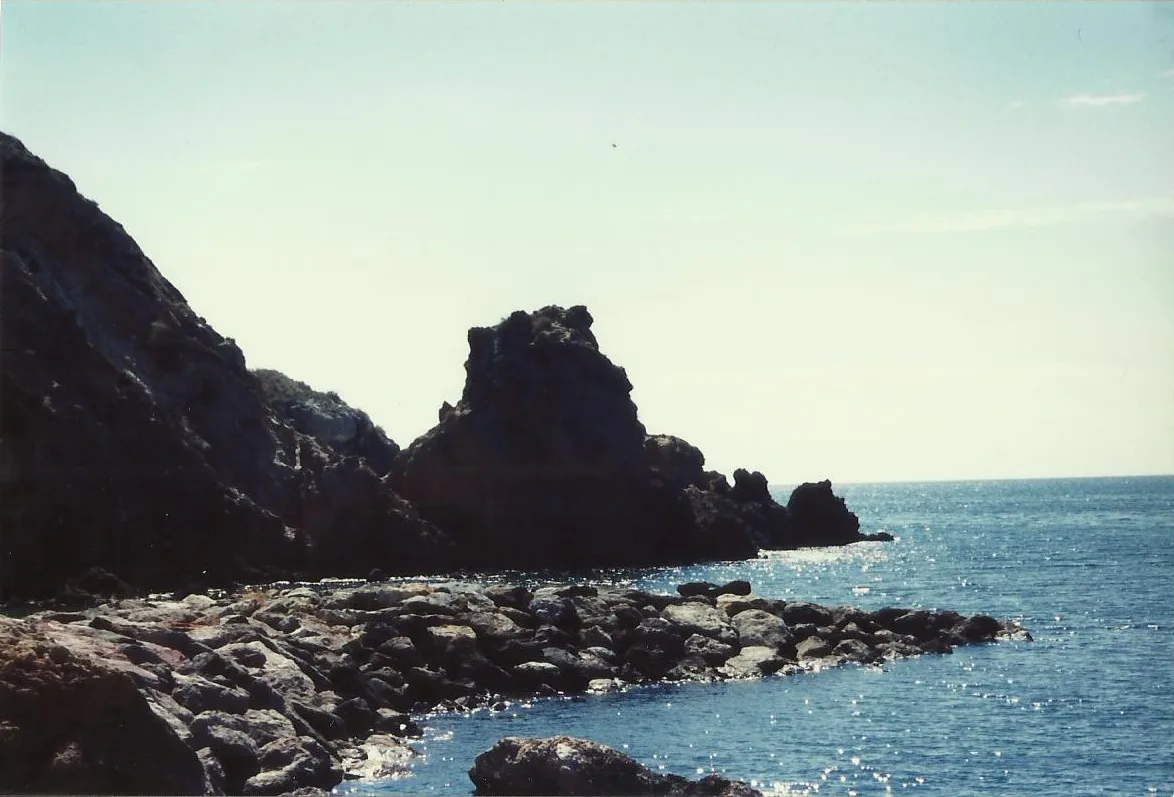
The seabed offshore holds large meadows of posidonia seagrass, and the marine life they shelter, including octopuses and eels, is the reason to bring mask and fins. Diving centres around the cove run excursions and dusk dives for those who want a guide over the beds.
Snorkel over the edges of the meadows rather than trampling them, and keep an eye on the flags and any first-aid advice on the day. The beach's own facilities support a family swim, but conditions shift with the wind, so judge the water from the shore before committing.
Facilities
Cala Cortina is fully serviced for a family day: toilets, foot showers, litter bins, a cleaning service, a telephone, a children's play area and a first aid point. A lifeguard service operates, which makes it one of the more reassuring swims close to Cartagena.
Accessible toilets are part of the provision, and the children's play area gives non-swimmers something to do while the rest of the group is in the water. The official listing itemises toilets, foot showers, bins and a play area but no sunbeds or umbrellas, so plan on bringing your own shade if you need it.
Food and drink
Eating options around the cove are narrow, with Mares Bravas the landmark beachside restaurant, serving Murcian dishes such as squid tapas and seafood rice on a terrace facing Tiñoso Cape. It is the obvious stop for a long lunch with a sea view.
Because the choice is limited, bring water and snacks for the beach itself and treat the restaurant as the main meal rather than a fallback. Booking ahead is wise in July and August, when the cove's high occupancy feeds straight into its few tables.
How busy it gets and the best time to go
Occupancy is rated high, so the cove is never a secret: aim for a morning arrival in July and August, when the car park and the sand both fill. June and September bring warm water with lighter crowds, and the official listing records a water temperature of 23°C.
Out of season, the beach stays open as a walking destination, and the combination of cliffs, fortress and viewpoints works even without a swim. Build the day around the coastal path in spring or autumn and finish with a late lunch at the cove.
Nearby beaches to combine
Cala Cortina is the beach that pairs with a city day, so keep it as a half-day and spend the rest on Cartagena's port and museums. If you want a longer beach trip, the wider Murcia beaches stretch from the Mar Menor to the wilder southern coast, with plenty of variety for a second day. If you are comparing regions for that second day, the Almería beaches offer another stretch of sheltered coves and open sands worth weighing alongside Murcia.
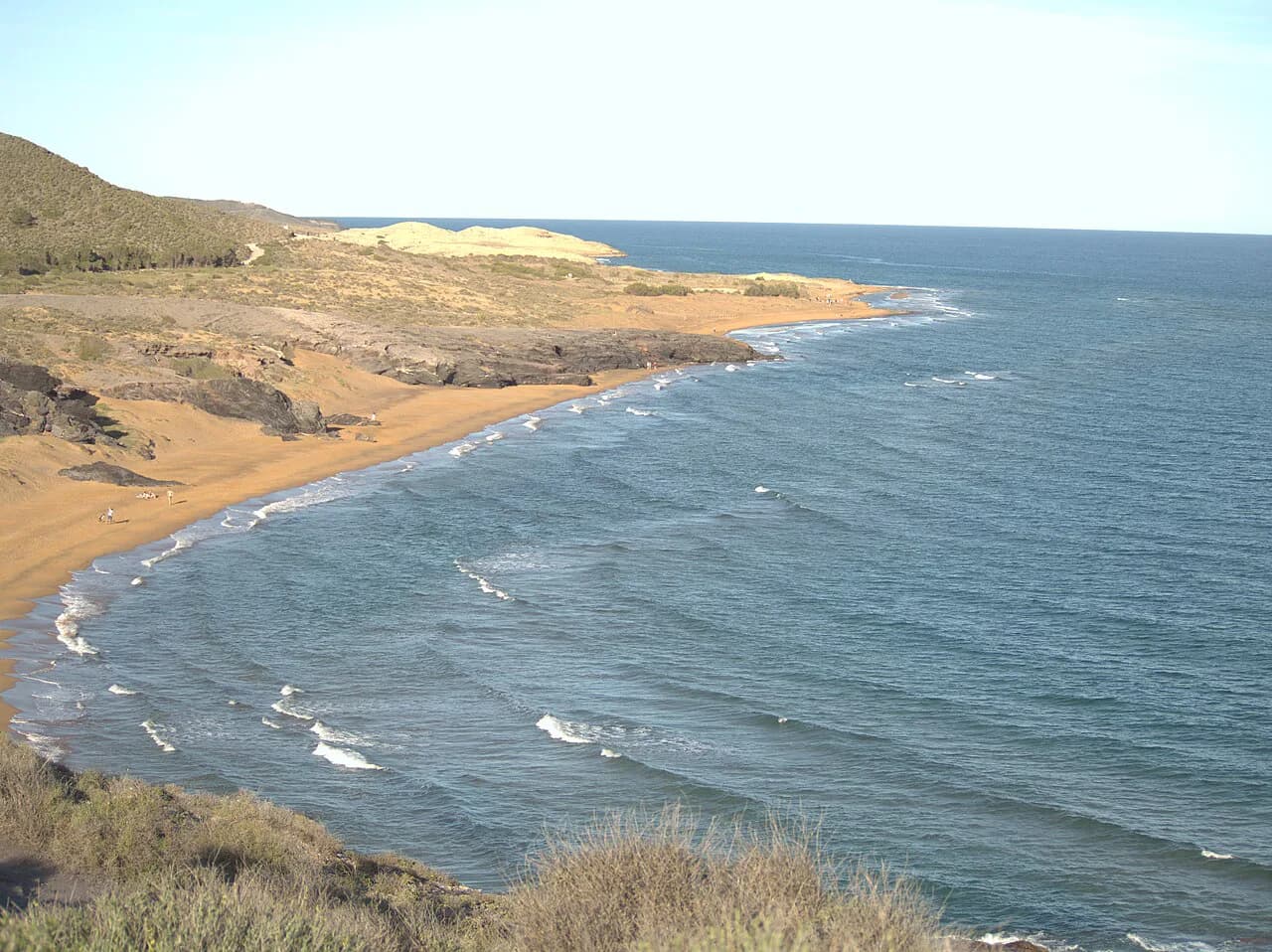
Bolnuevo beach, further down the Costa Cálida, offers a very different day of eroded rock formations and open sea, a good contrast to the sheltered bay. Closer alternatives such as Playa Honda, Murcia give you a long family-oriented strand if the cove looks crowded.
What to bring
Travel light for the stairs: a rucksack, water shoes for the gravel edge, snorkelling kit for the seagrass and your own shade if you want guaranteed cover. Cash and cards both help at the restaurant, and a light layer is useful when the wind picks up on the exposed walk back.
The tourist office in Cartagena can tell you about the current status of the coastal path and any seasonal services, so ask before setting out with a group. Everything else, from the trail to the cove and the restaurant, can be planned around a single morning.
Plan Your Beach Day
Cala Cortina rewards the walker and the driver alike: a cove with genuine character, a sheltered swim and enough facilities to keep a family comfortable for half a day. Arrive early, pack for the stairs and leave time for the cliffs and the fort on the way down.
Use it as the beach half of a Cartagena day rather than the whole outing, and it delivers: a city, a cove and a coastal path in one loop. For a longer beach stay, look at the rest of the Costa Cálida and plan a second day around a different shore.
Frequently Asked Questions
Can you walk to Cala Cortina from Cartagena?
Yes. A footpath leads directly from the city to the beach, following the harbour and the cliffs, and a marked blue trail of about 5 km runs from the Real Club de Regatas along the Alfonso XII promenade and up past the Curra Lighthouse. Allow time for the climb and the stairs down to the sand, and carry your kit in a rucksack.
Is there parking at Cala Cortina?
There is a car park on the outskirts of the beach, and the last approach to the sand is on foot down a flight of stairs. Arrive early in high season, as the single car park serves a beach with a high occupancy rate.
Is Cala Cortina good for families?
It is well set up for families, with toilets, foot showers, a first aid point, a lifeguard service and a children's play area. The sand is mixed golden sand and gravel, so water shoes help small children, and the 20-metre width means the beach gets busy close to the access stairs.
What is there to do at Cala Cortina besides swimming?
Snorkel over the posidonia seagrass meadows, join a diving excursion from the cove, walk the coastal path past the Santa Florentina battery, or eat at Mares Bravas with views towards Tiñoso Cape. The San Julián fortress and the Curra Lighthouse are part of the walk down.
When is the best time to visit Cala Cortina?
June and September give warm water with lighter crowds, while July and August are the busiest months on a beach rated high for occupancy. Out of season the cove still works as a walking destination with the cliffs and viewpoints as the draw.
How do you get to Cala Cortina by car?
From central Cartagena, pass the naval and underwater archaeology museums, cross Santa Lucía, head for the Curra Lighthouse and continue to the Santa Florentina battery before descending to the cove. Boats can also reach the beach, and the official access listing gives car, boat and on-foot access.
Sources
Beach notes for your next trip
Optional updates when we add or revise beach guides.
You might also like
Continue reading
More guides you'll find useful