Los Alcázares Beach Guide: Sand, Access and Mar Menor Swimming
Plan a beach day at Los Alcázares on the Mar Menor: seven kilometres of shoreline, a long promenade, named beaches and shallow, sheltered water.
On this page
Los Alcázares suits anyone who wants a Mar Menor swim without a long trek from town: the sand, the promenade and the bars sit together along a seven-kilometre coastline, so you can pick a stretch and settle in. The water is the main draw, shallow and enclosed, which makes it easy going for families with young children and for swimmers who like to keep their feet down.
The resort is a Spanish seaside town rather than an international strip: Murcia and Madrid families have long kept summer homes here, and the beaches fill in the evening as much as at midday. That rhythm shapes how you plan the day, from an early swim to a late stroll along the Paseo Marítimo.
Where the Beaches Sit
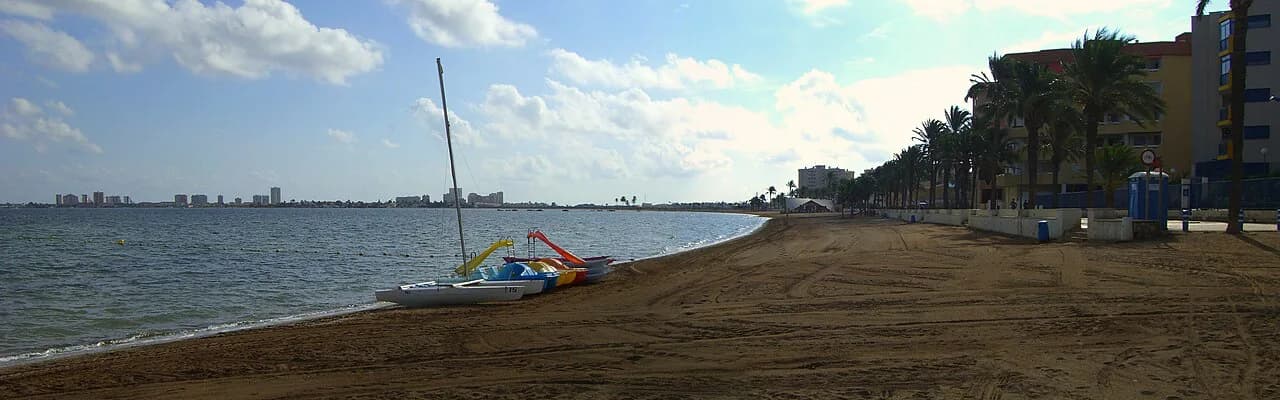
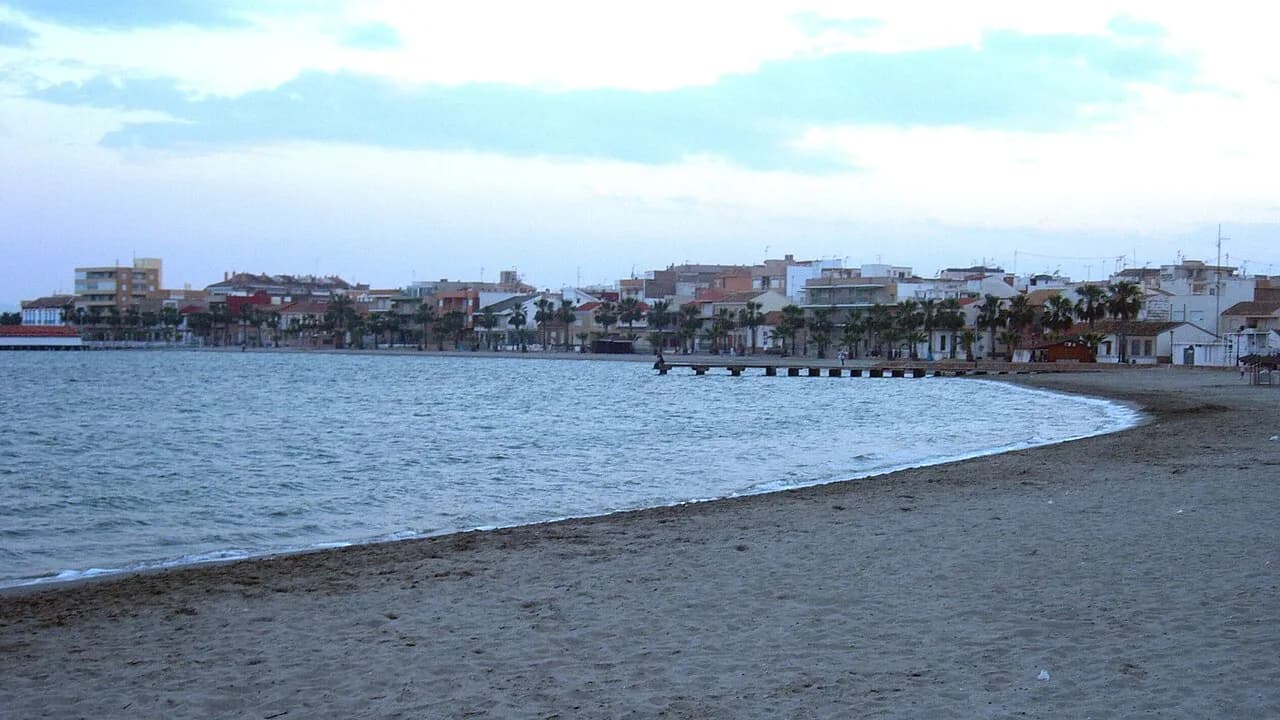
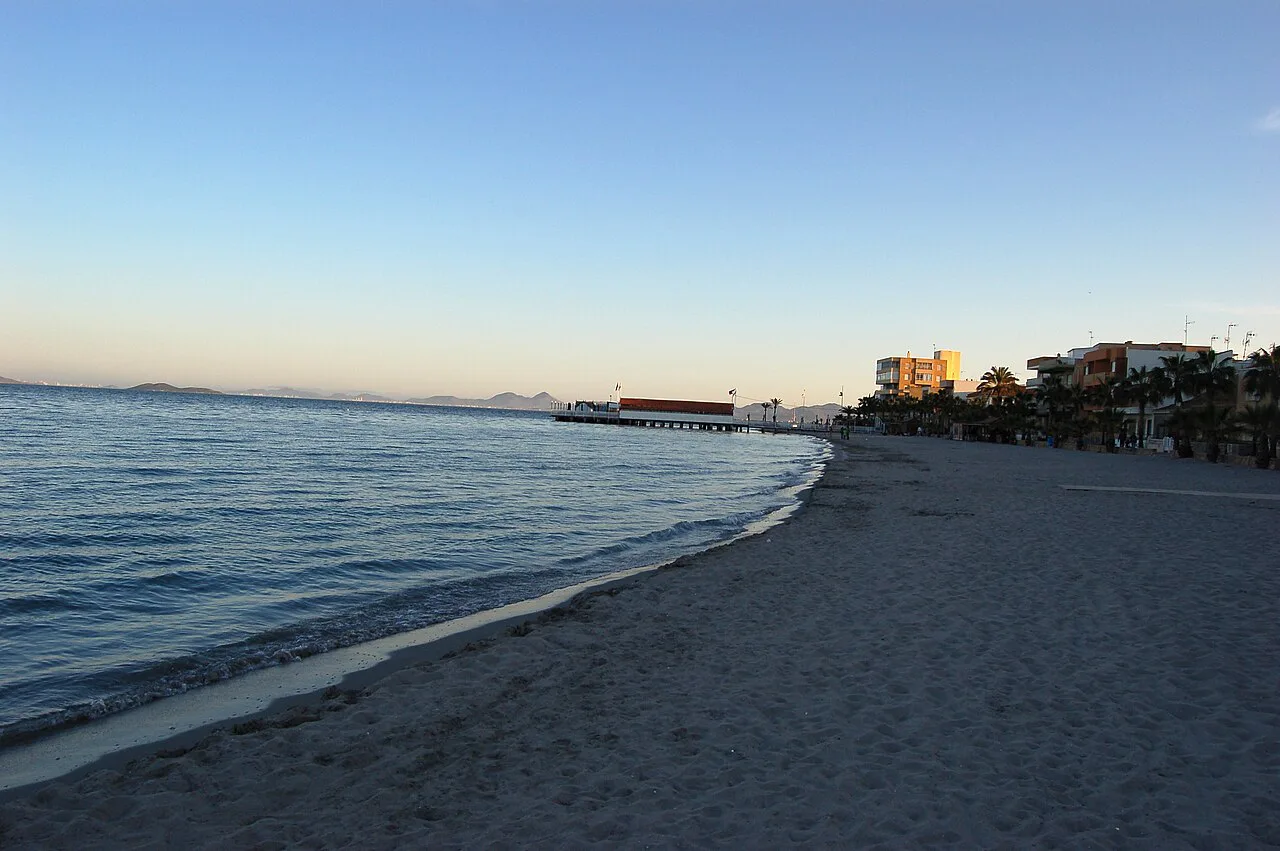
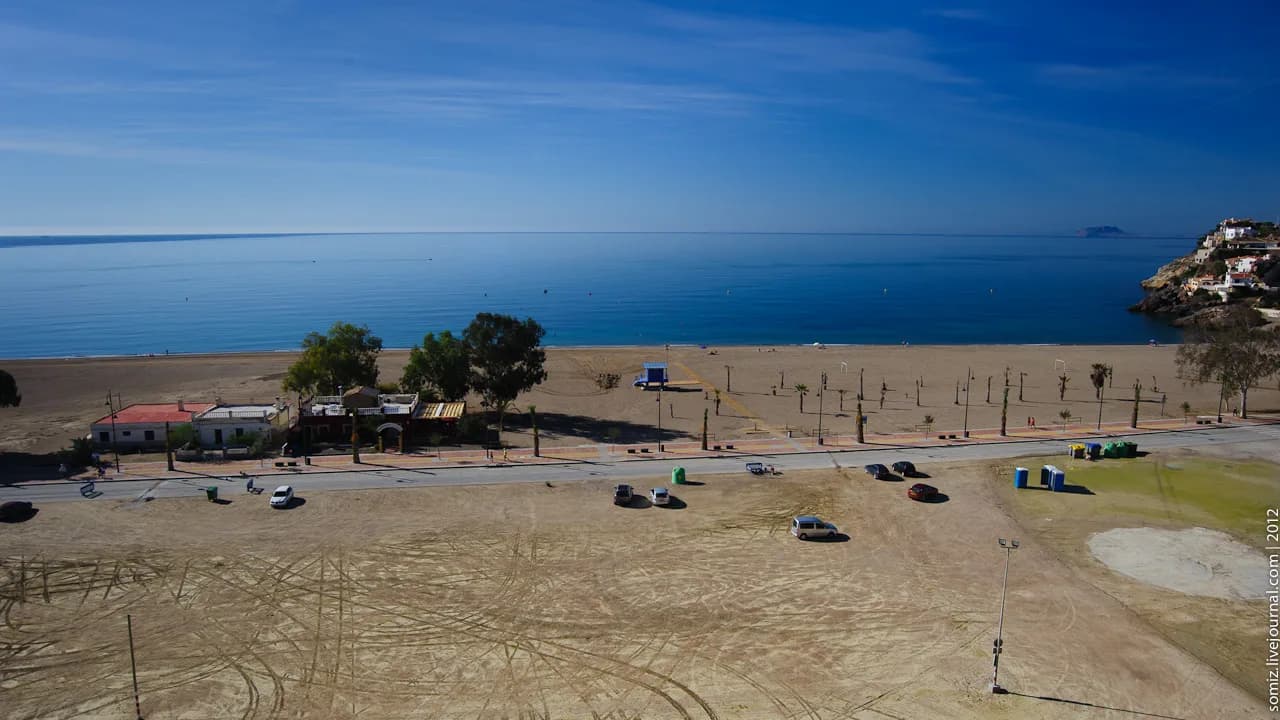
Los Alcázares runs seven beaches along a coastline that the town measures at seven kilometres, so you are never far from sand wherever you stay. A seafront promenade links the beaches with a marina, beach bars and restaurants, and the newer part of town adds bars and international menus alongside the traditional Spanish ones.
For planning purposes, treat the town as a single long waterfront with named stretches rather than separate destinations: Los Narejos, Las Palmeras, La Concha, Carrión and Mirror Beach all sit within the same shoreline. Walking the promenade is the simplest way to compare them, and it saves you hunting for parking between swims.
Getting There
The nearest airport is Murcia's San Javier, and the town itself sits on the Mar Menor between Cartagena and Torrevieja. If you are basing yourself elsewhere on the Costa Cálida, Los Alcázares works as a half-day add-on rather than a full excursion, especially if you combine it with the wetland reserves on the northern edge of town. If you would rather compare other stretches of sand on the same coast, the beaches in Almería make a useful contrast for a longer trip.
Once in town, the promenade does most of the work: choose the stretch closest to your accommodation and walk, which avoids the search for a space near the busiest sections. The marina at Puerto Marítimo gives you a fixed landmark if you are meeting people, and the seafront paths connect it to the sand in both directions.
The Sand and the Water
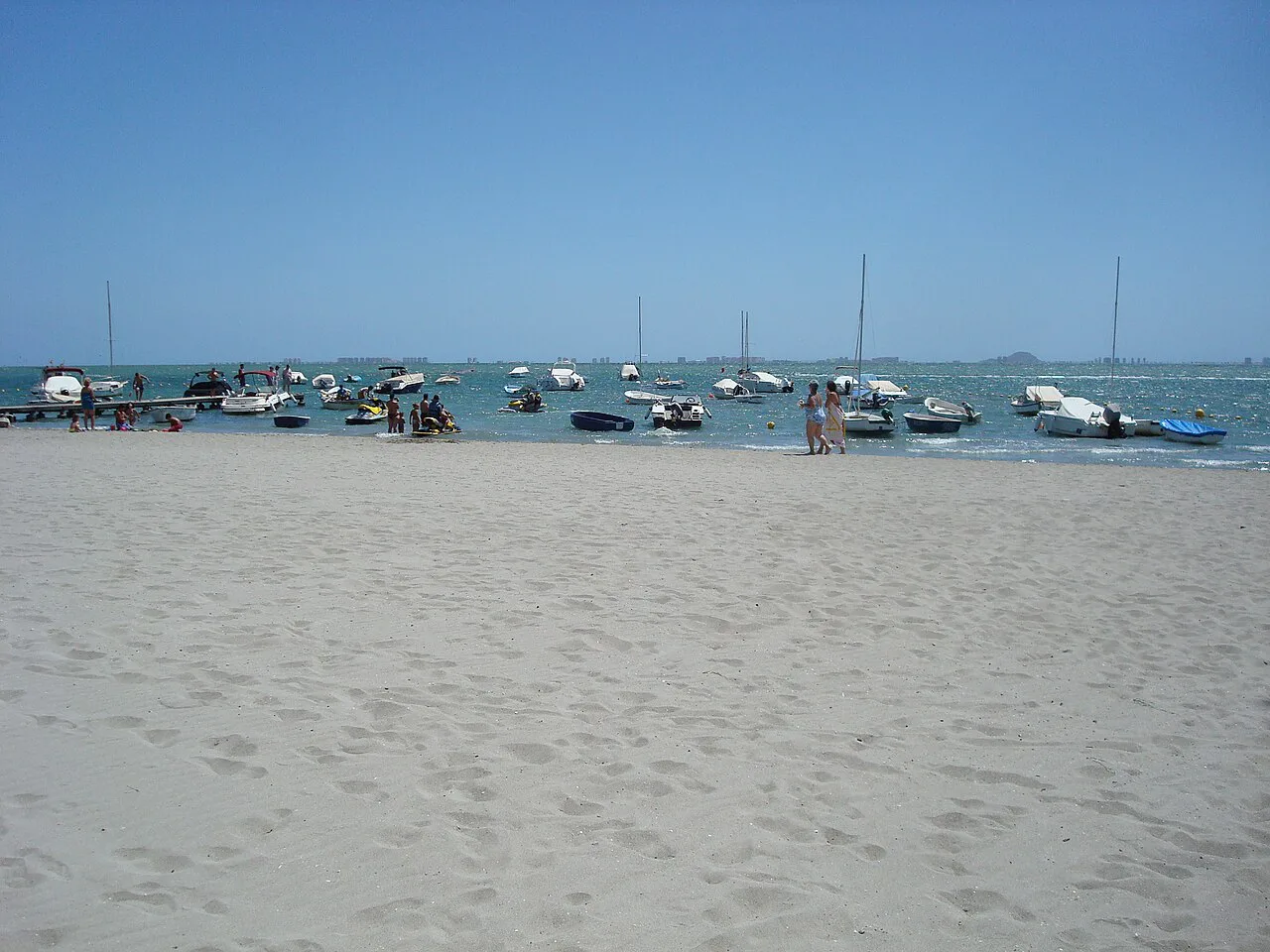
The Mar Menor is a saltwater lagoon enclosed by the La Manga strip, and its shallowness is the practical difference between a beach day here and one on the open Mediterranean. Children can paddle well out from the shoreline, and adults who prefer to stand rather than swim get the same benefit. The trade-off is that you will not find surf or a dramatic drop-off; this is calm, bath-warm water for most of the season.
Bring water shoes if you plan to explore the edges of the beaches or wade near the marina, and pack shade, because the seafront is broad and open. The promenade wall and the beach bars give you places to retreat to when the sun is at its height, which matters more here in July and August than in June or September.
Which Beach for What
Los Narejos is the best-known of the town's beaches and the one most travellers picture when they search for Los Alcázares beach, with the promenade running behind it. Las Palmeras and La Concha sit within the same waterfront and work well if you want to be near the bars and restaurants rather than at the quiet end. Mirror Beach is the smaller, less obvious option for a shorter stop.
Carrión Beach lies at the edge of the town's shoreline and pairs naturally with the wetland reserves, so it suits a morning that mixes birdwatching with a swim. Families with small children should head for the central stretches near the promenade, where the walk back to bars and facilities is shortest and the water stays shallow furthest out.
Shelter, Shade and the Best End for Children
The Mar Menor's enclosed shape means the water stays flat even when the open sea is rough, which is why the town's beaches work for nervous swimmers. Winds still matter for comfort: on a breezy day, sit with the promenade wall or a beach bar behind you and you will feel far less of it than on the open sand.
For small children, the central beaches near the marina keep the walk short and the water shallow, and you can retreat to the promenade for ice cream or shade without crossing a road. Swimmers who want a proper length should pick a quieter stretch at either end of the seven-kilometre front and go early, before the evening crowd arrives.
Facilities
Beach bars and restaurants line the seafront, and the town's history as a summer resort means the infrastructure sits close to the sand rather than a walk inland. The first hotel on the Mar Menor, La Encarnación, was built directly on the beach in the late nineteenth century and still has a restaurant and bar with sea views.
Spa Punta Calera adds a wellness option if you want a break from the sun, and the Las Velas shopping and leisure centre covers supplies and a change of scene on a cloudy afternoon. The marina is the other fixed point on the waterfront, useful for meeting up or watching the boats come in.
Crowds and Season
The sea is at its most comfortable from late June through September, and August is the busiest month, when Spanish families arrive from Murcia and Madrid. Locals come down to the beaches in the evening to eat and enjoy the town, so the foreshore is often busier after work than at midday, which flips the usual advice about arriving early.
The town holds a street market on Tuesdays and Saturdays, which brings extra people into the centre on those mornings. Festivals run through the year, including a medieval market in March and an international folklore festival in August, and the town celebrates its independence on 13 October with festivities across the beaches and streets.
Nearby Beaches and Wetlands
Playa de la Hita, north of town on the Mar Menor shore, is a protected wetland where storks, terns, warblers and herons nest, and it makes a good early-morning pairing with a swim later in the day. The Marina del Carmolí salt marsh is the second of the area's protected natural spaces and rewards a slow walk with binoculars.
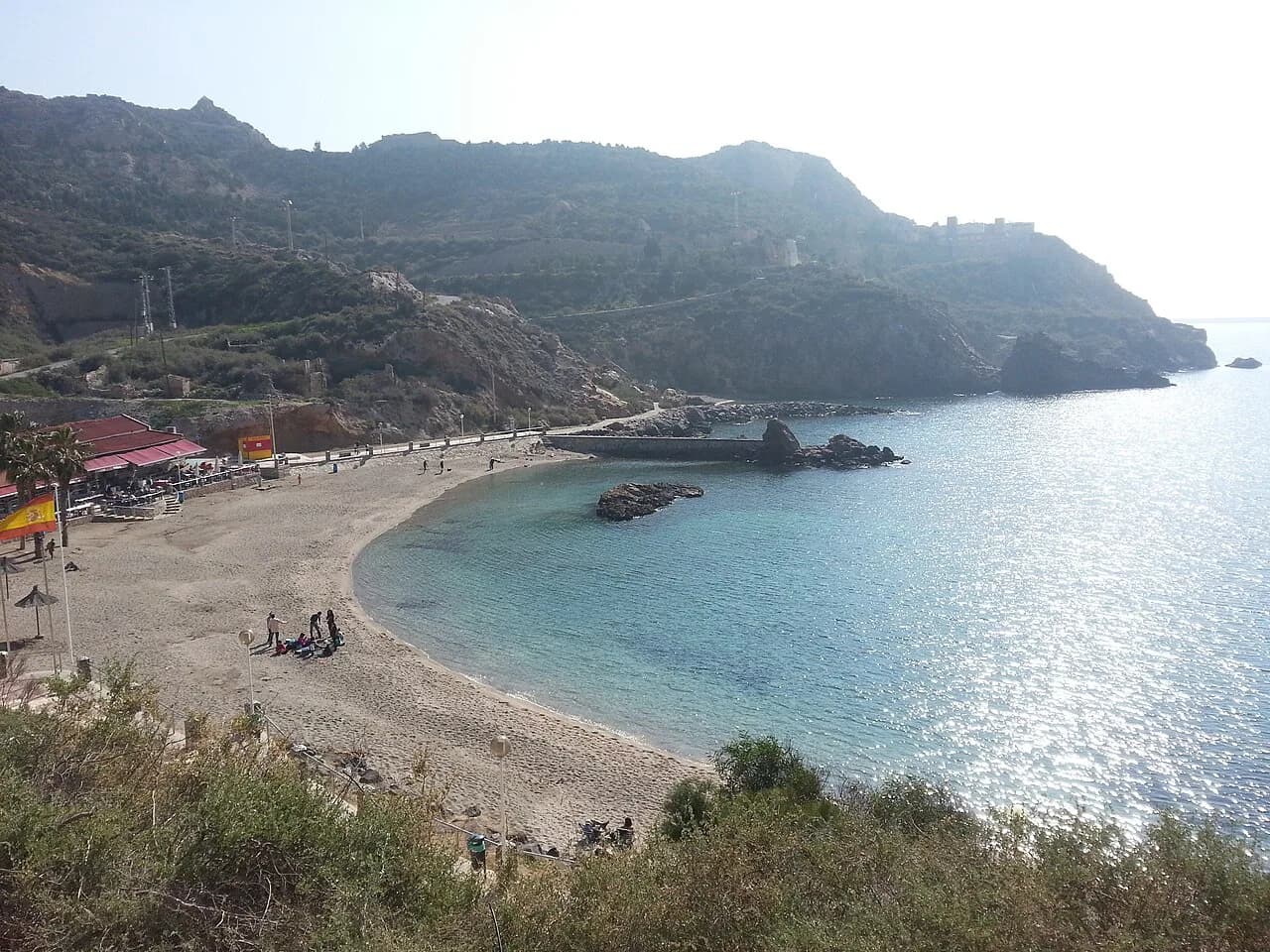
If you want a contrasting beach day on the open sea, Cala Cortina, Cartagena is a short cove with a very different feel from the lagoon, and it sits within reach as a day trip. Inland, the city of Murcia and the wider Murcia beaches give you options when the Mar Menor is windy or you simply want a change.
Easy Day Planning
Pack light: towels, water shoes, high-factor sun cream and a hat will cover most days, and the promenade means you can carry a cooler without a long walk. Bring cash or a card for the beach bars and restaurants, and plan your swim for the morning if you want space, leaving the evening for a stroll and dinner.
A half-day works well: swim at Los Narejos or the central beaches, walk the promenade to the marina, then drive north to Playa de la Hita for the birdlife in the cooler hours. If you are staying in Cartagena or on the Mar Menor's southern shore, the town is an easy add-on to a wider Murcia itinerary rather than a destination in itself.
Plan Your Visit
Los Alcázares rewards a simple plan: pick a beach on the promenade, swim in the morning, eat at a beach bar and walk the seafront in the evening when the town comes out. The shallow Mar Menor water is the reason to come, and it is the reason families keep returning.
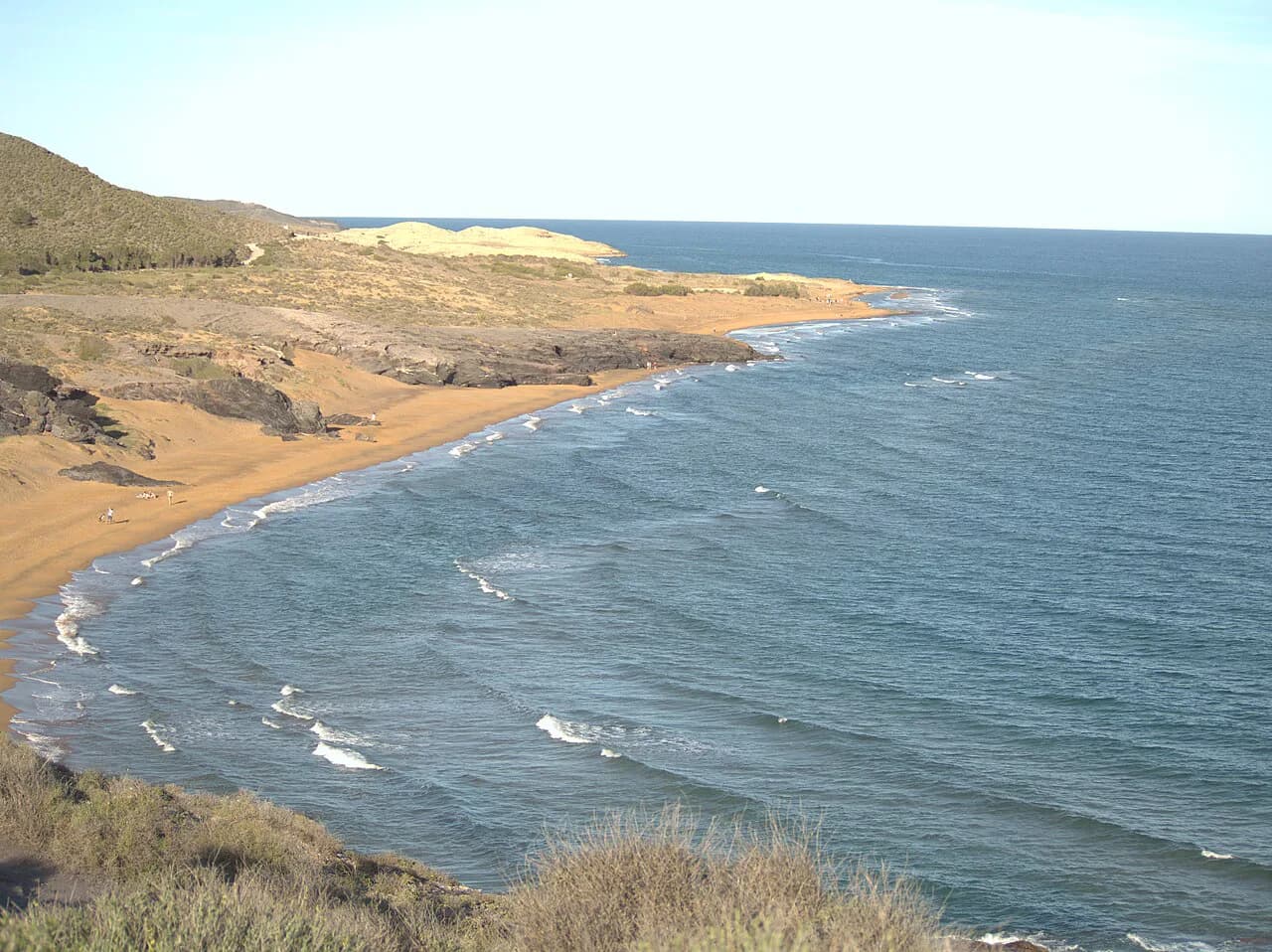
Check bus times and any boat trips with the local tourist office before you travel, since timetables change by season. For a contrasting Murcia beach, Cala Cortina, Cartagena or the wilder Calblanque beaches make a good second day.
Frequently Asked Questions
What is there to do in Los Alcázares?
The main draws are the beaches and the promenade, with swimming in the shallow Mar Menor, beach bars and restaurants along the seafront, and the marina at Puerto Marítimo. The protected wetlands at Playa de la Hita and Marina del Carmolí suit birdwatchers, and Spa Punta Calera offers a break from the sun.
What day is market day in Los Alcázares?
The town holds a street market on Tuesdays and Saturdays, bringing extra visitors into the centre on those mornings. If you are planning a beach day, arrive earlier on those days to find space near the promenade.
Is Los Alcázares beach good for families?
Yes, the enclosed Mar Menor keeps the water shallow well out from the shore, which suits young children and less confident swimmers. The central beaches near the promenade and marina keep the walk back to bars and facilities short.
What are some good beaches near Murcia?
Los Alcázares, Los Narejos and the other Mar Menor beaches sit within easy reach of Murcia city, and Cala Cortina near Cartagena offers a contrasting open-sea cove. The protected Calblanque beaches are another option for a wilder day out.
When is the best time to visit Los Alcázares?
Late June through September gives the warmest sea, with August the busiest month. June and September are quieter and still comfortable for swimming, and the town's evening beach culture means the seafront is liveliest after work.
Sources
Beach notes for your next trip
Optional updates when we add or revise beach guides.
You might also like
Continue reading
More guides you'll find useful