La Manga Beaches: Where to Swim on Spain's Twin-Coast Strip
Plan a beach day on La Manga del Mar Menor: Mediterranean sands, sheltered Mar Menor shallows, how to choose between them and what to expect in summer.
On this page
La Manga del Mar Menor packs two very different coastlines into one narrow strip of sand in Murcia, which is why it works for travellers who want options within a short drive. The Mediterranean side brings open-sea swell and long sandy runs, while the Mar Menor side offers sheltered shallows that suit small children and nervous swimmers. Choose your side before you set out, because the character of the day changes completely between them.
The strip runs south from San Javier towards Cabo de Palos, and most visitors drive its length to pick a stretch that matches the plan. Families tend to gravitate to the inner sea, while strong swimmers and surf-watchers prefer the outer shore. This guide sets out the access, the sand and the water on each side, plus a quieter cove west of the strip for a change of scene.
What makes La Manga beaches different
La Manga is a sandbar separating the Mediterranean Sea from the Mar Menor, a large saltwater lagoon, so a single day can include open-sea surf and glassy shallows without moving the car far. The dual coastline produces long sandy beaches and sheltered water popular for sailing, windsurfing and swimming on the lagoon side, while the Mediterranean shore behaves very differently. That contrast is the reason to plan your beach by activity rather than by name alone.
Because the strip is built up along much of its length, beaches sit close to apartments, bars and restaurants, and you can walk between the two shores in places. The lagoon side tends to be busier with families and watersports schools, while the Mediterranean side draws swimmers who want more movement in the water. If you are touring the wider region, the Murcia beaches guide sets La Manga alongside the rest of the coast.
Distances along the strip are deceptive: it is long and thin, so a beach a few kilometres away can mean a slow summer drive. Plan one side for the morning and the other for late afternoon rather than trying to sample several stretches in a day.
Which side to choose: open sea versus lagoon
Pick the Mediterranean side for open-sea swimming, wave-watching and a sense of space, and the Mar Menor side for shallow entries and shelter from swell. The lagoon's enclosed shape means the water stays gentler, which is why it is the default for families with young children and beginners on paddleboards. The trade-off is that the lagoon feels less like a wild coast and more like a resort shoreline.
The Mediterranean shore rewards confident swimmers and anyone who likes a proper horizon, but expect more movement and a steeper entry in places. On windy days the outer coast can be choppy while the lagoon stays comfortable, so keep both options in mind and decide on the morning's conditions. Neither side guarantees calm water, so read the flags where they are flown and judge the swell yourself before entering.
The Mediterranean side
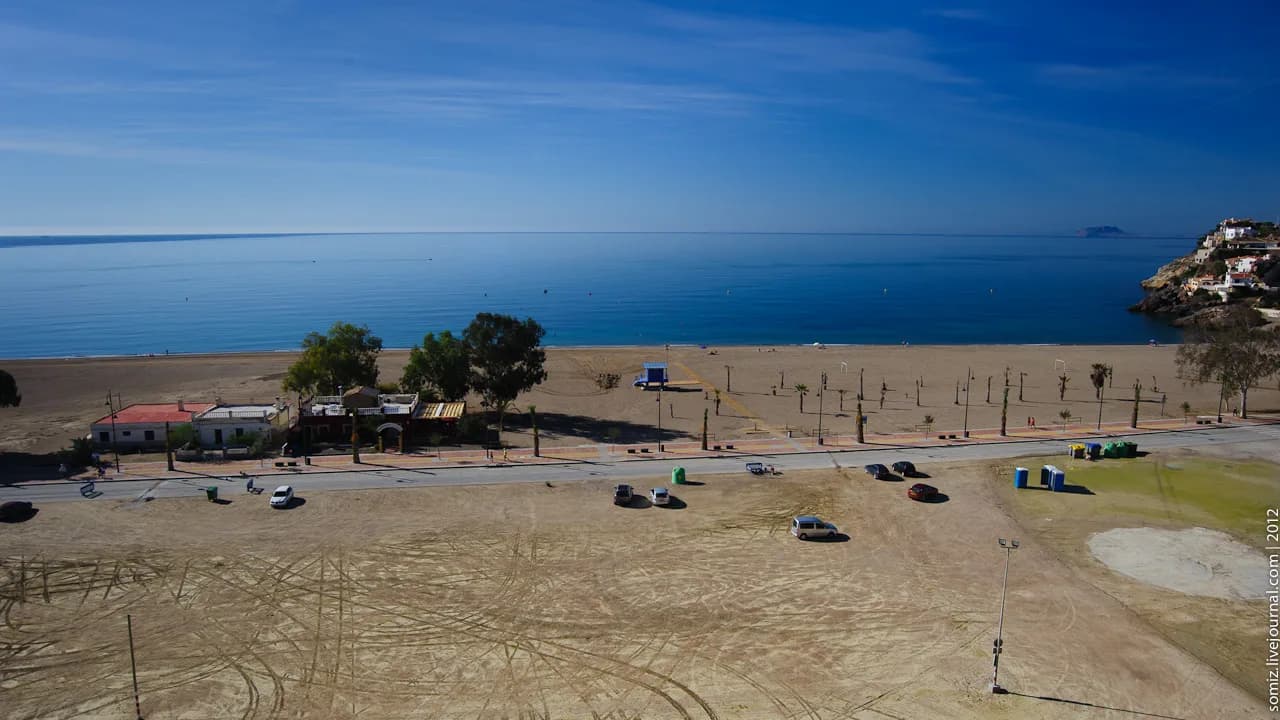
The Mediterranean shore of La Manga runs as a long series of sandy beaches facing east, broken by small headlands and apartment blocks. The water deepens more quickly than in the lagoon, so swimmers reach depth within a few strokes, while paddlers stay close to the edge. In summer the central stretches fill up early, and the quieter sand tends to be at the northern and southern ends of the strip.
For a calmer Mediterranean day, arrive before mid-morning and pick a stretch away from the main car parks, where you can spread out without neighbours. Bring shade, because natural shade is limited on the open sand, and expect the breeze to pick up in the afternoon. Surfers and bodyboarders head for the outer shore when swell arrives, so keep clear of their line if you are swimming.
The Mar Menor side
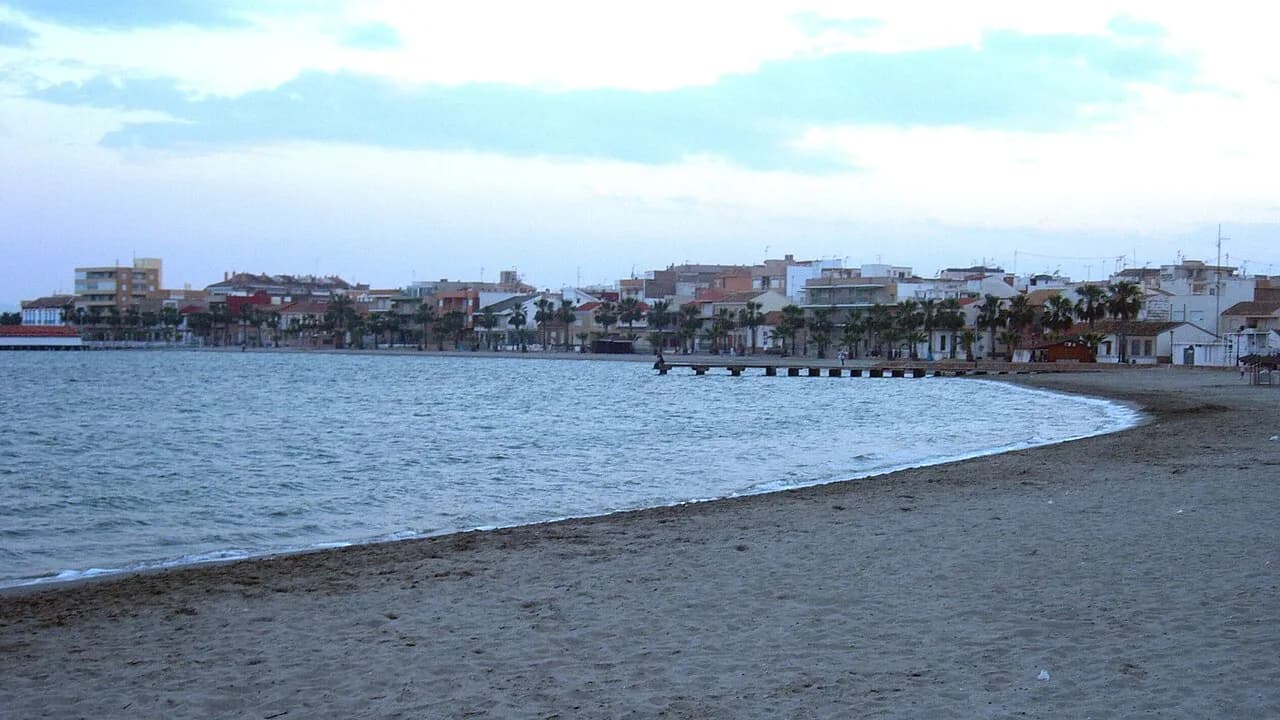
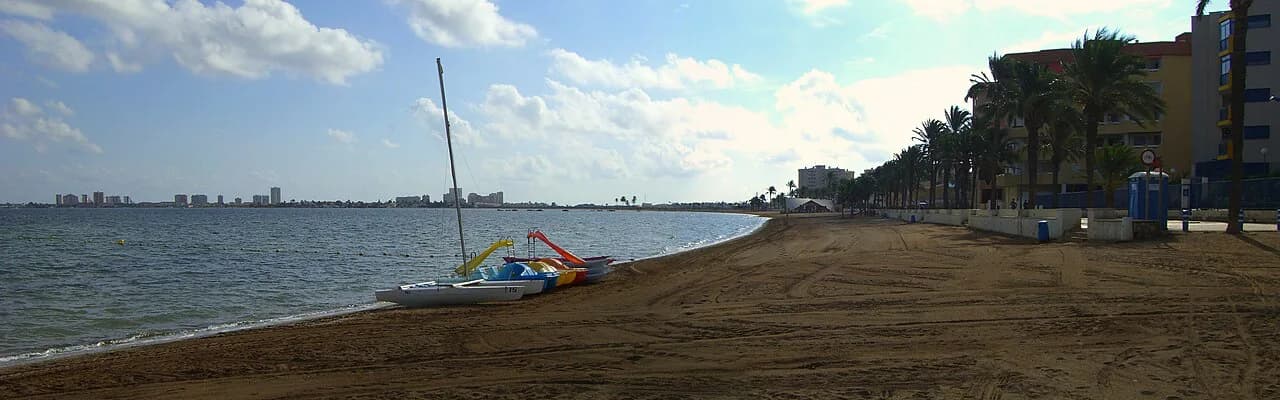
The lagoon shore is the place to bring small children, thanks to a gentle entry and shallow water close to the sand. The Mar Menor's sheltered character also makes it popular for sailing and windsurfing lessons, so you will share the water with dinghies and boards in season. Choose a stretch with a buoyed swimming area if you want to keep clear of the activity.
Because the water is shallow for a long way out, the lagoon warms quickly in summer and stays comfortable into September, which extends the swimming season beyond the open coast. The downside is that the most accessible stretches get crowded in August, and parking near them fills early. Mar Menor beaches across the lagoon's rim offer alternatives if the La Manga side is packed.
Punta del Sombrerico: a cove west of the strip
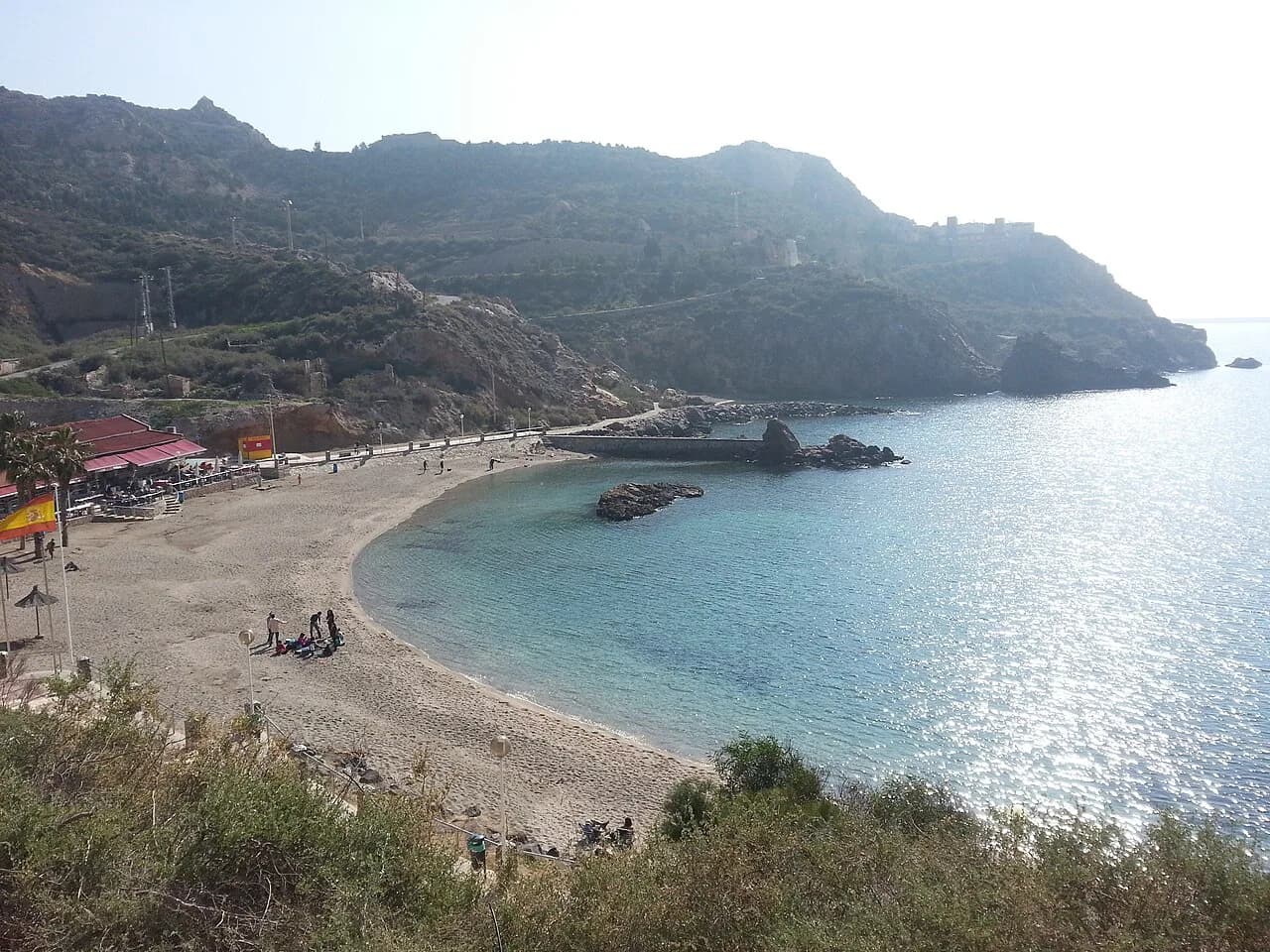
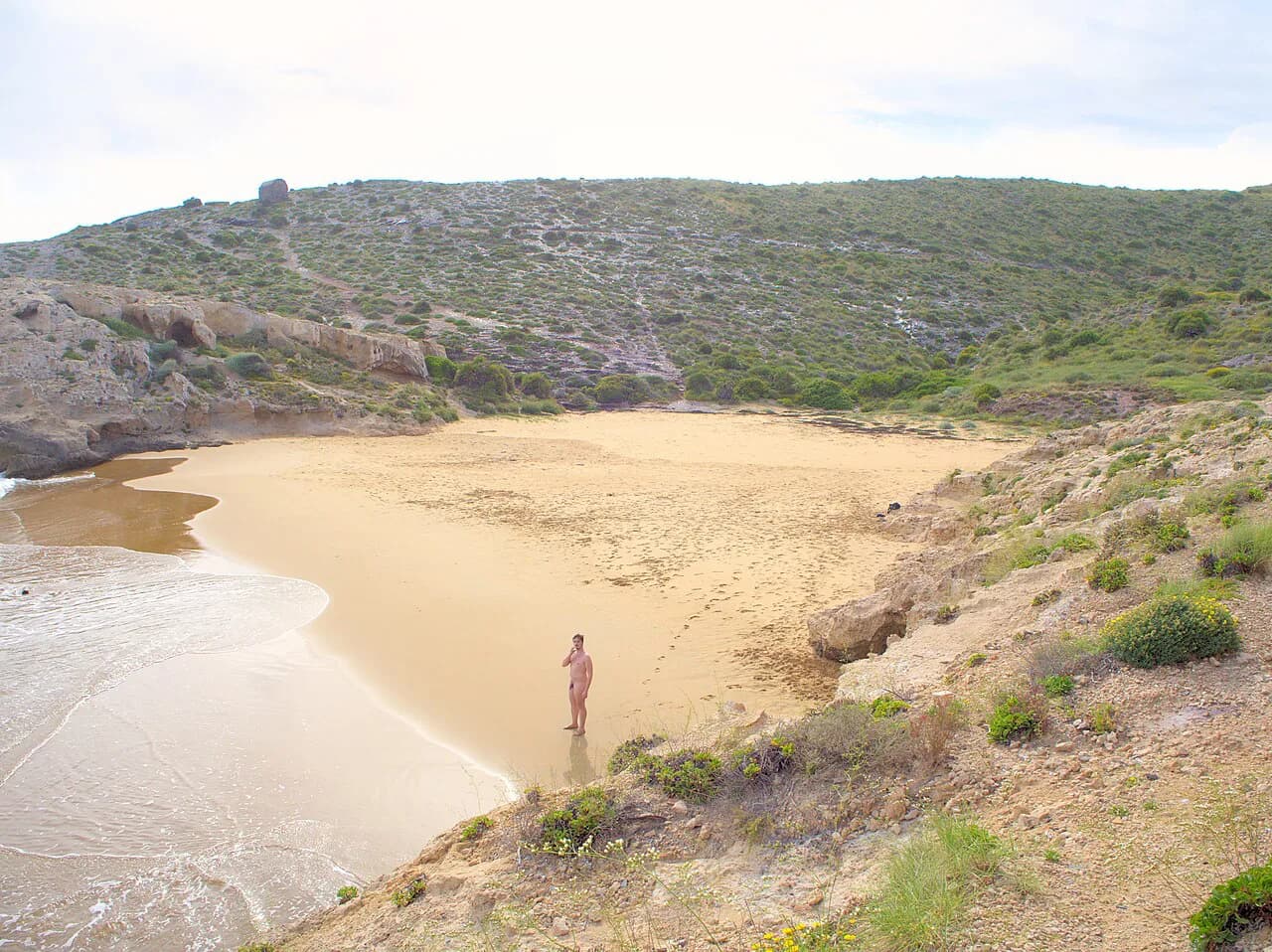
Punta del Sombrerico sits between Cape Cope and the Puntas de Calnegre on a hidden part of the Murcian coast, west of La Manga. It is a small cove with around 100 metres of pebbles and golden sand, reached by a dirt road that branches off at kilometre 9 of the Carretera de Cope. The rough approach keeps numbers down, and it stays relatively isolated even in high summer.
Allow around 50 minutes by car from La Manga Club to reach Punta del Sombrerico, and drive the final track slowly in a low vehicle. Bring footwear for the pebbles, shade and water, since this is a natural cove rather than a serviced beach. It suits quiet-seekers and picnickers who want a wilder day than the resort strip offers.
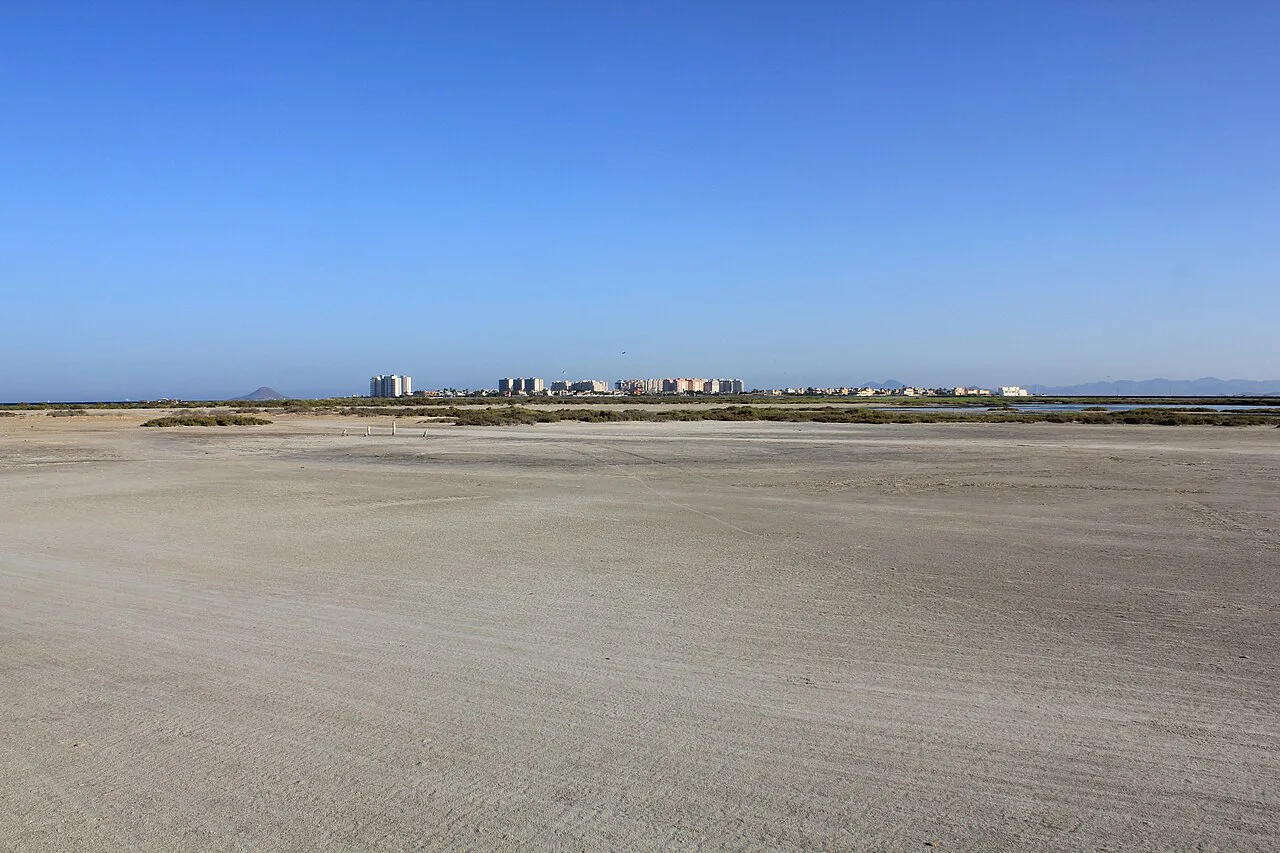
Collados Beach at Veneziola
Collados Beach occupies the Veneziola area at kilometre 18 of La Manga, on the Mediterranean shore, and combines a beach club with a restaurant serving food rooted in the region. The architecture uses rounded, dune-like forms to sit low against the sand, which makes it a comfortable base for a long lunch by the water. It is the obvious choice for a special-occasion beach day rather than a bare-bones swim stop.
The club keeps a summer season of events, and its site currently greets visitors with a message that it will see them again next season, so it is worth checking whether it is open before planning a day around it. The events calendar has listed August evenings such as a paired dinner and a moonlit astronomical observation, with dinner and booking handled through the venue. Book a table ahead if you want the restaurant rather than the sand.
Getting there and getting around
Most visitors reach La Manga by car, entering the strip from San Javier in the north or from Cabo de Palos in the south, then driving its length to reach a chosen beach. In July and August, traffic on the main road slows considerably and parking near popular stretches fills early, so set out before mid-morning. The dirt-road approach to Punta del Sombrerico is signposted from the Carretera de Cope at kilometre 9, west of the strip.
Once parked, walking between the Mediterranean and lagoon shores is feasible where the strip is narrow, which lets you switch sides as the wind changes. A car remains the practical way to combine the resort beaches with the wilder coves further west. Plan your fuel and food stops before you commit to the quieter stretches, where services thin out.
Facilities
La Manga's resort beaches are backed by bars, restaurants and apartments, and Collados Beach adds a full beach club with dining on the Veneziola stretch. Sunbeds, parasols and showers vary from beach to beach, so ask at the venue or the local tourist office for what is set up on your chosen stretch. On the quieter coves such as Punta del Sombrerico, expect to bring everything you need.
Where lifeguards are on duty, they fly flags that mark swimming zones, and the lagoon's buoyed areas keep swimmers apart from dinghies and boards. Read the flags rather than assuming cover, and keep children within the marked area. For accessible entries and adapted facilities, contact the San Javier tourist office before travelling.
Best time to go
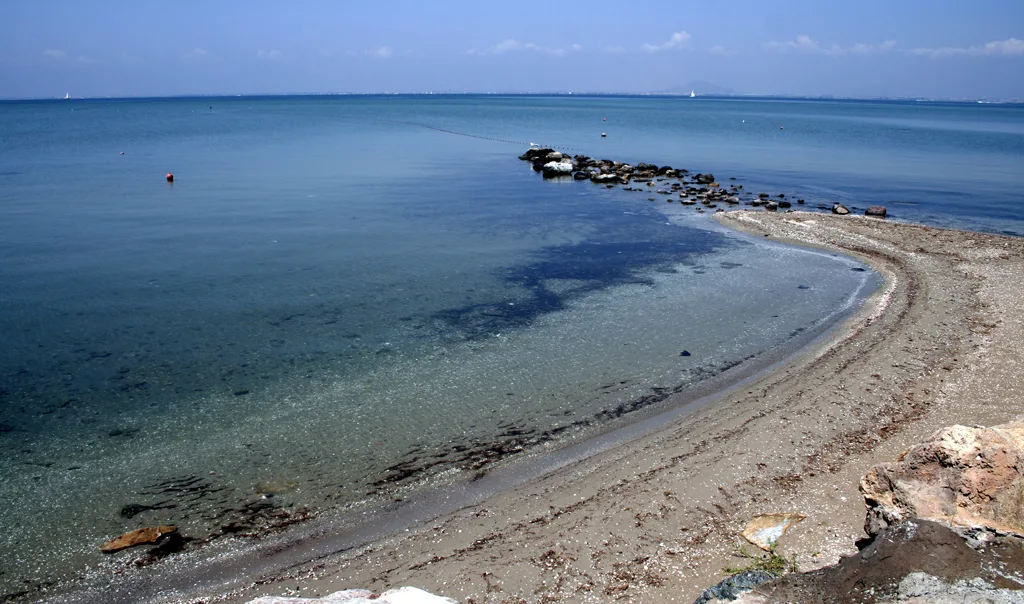
The swimming season on the Mar Menor runs long because the shallow lagoon warms quickly, staying comfortable from late spring into early autumn. The Mediterranean side is brisker and cools sooner, so late-season swimmers should head for the lagoon. August is the busiest month on both shores, when the strip fills with Spanish holidaymakers and parking is hardest.
For fewer crowds, aim for June or September, when the water is still warm and the beaches are easier to enjoy. If you want a table or an event at Collados Beach, arrange it well ahead, since its summer programme draws visitors. Weekdays are noticeably quieter than weekends throughout the season.
Nearby beaches to combine
West of La Manga, the Calblanque Regional Park protects a stretch of undeveloped dunes and wild beaches that makes a fine contrast to the built-up strip. The park's beaches are reached on foot from designated car parks, so plan a half-day rather than a quick stop. Calblanque beaches reward walkers with quiet sand and clear water away from the resort.
Further along the coast, Mazarron beaches and Cala Cortina, Cartagena give you more options for a day out, from long sandy bays to a small sheltered cove. Both are within reach of the strip by car and suit travellers who want a change of scale from La Manga. If you are weighing up a longer coastal run, the beaches in Almería offer another stretch of sand and coves to compare against these. Combine one of them with a morning on the lagoon for a varied day.
For a broader look at the region's coastline, the Costa Cálida round-up covers the main beach areas and how they compare. Use it to plan a loop that takes in La Manga, the wilder coves and the sheltered bays.
Who each beach suits
Families with small children should base themselves on the Mar Menor side, where the shallow entry and gentle water make supervision easier. Confident swimmers and anyone who wants surf should head to the Mediterranean shore, especially where the sand runs long and open. Snorkellers will find more interest around the rocky headlands than on the flat lagoon floor.
Quiet-seekers should drive west to Punta del Sombrerico for pebbles, space and a wilder setting, accepting the rough track and lack of services. Groups celebrating an occasion will prefer Collados Beach, with its restaurant and summer events. Match the beach to the day you want rather than trying to cover the whole strip in one outing.
Plan Your Visit
La Manga works best when you choose a side in advance: lagoon shallows for families, Mediterranean sand for swimmers, and the wilder coves to the west for quiet. Build in an early start during summer, and keep the car flexible so you can switch shores if the wind turns. With one well-chosen beach and a backup, the strip delivers a varied and rewarding day.
Frequently Asked Questions
Which side of La Manga is better for swimming?
Confident swimmers tend to prefer the Mediterranean shore, where the sand runs long and open and the water deepens within a few strokes. The Mar Menor side gives you shallower, gentler entries, which suits beginners, paddleboarders and parents supervising young children. Keep both in mind and decide on the morning's conditions rather than committing to one shore in advance.
Are the beaches at La Manga good for families with small children?
The Mar Menor shore is the easier choice for young families, because the lagoon is shallow for a long way out and the water is sheltered from ocean swell. Pick a stretch with a buoyed swimming area so children stay clear of sailing dinghies and windsurf boards. In August the most accessible stretches get crowded, so arrive early to secure parking and space near the water.
How do you get to Punta del Sombrerico?
Drive west from La Manga towards Cape Cope and turn onto the dirt road that leaves the Carretera de Cope at kilometre 9. The track leads to a cove of roughly 100 metres of pebbles and golden sand, around 50 minutes by car from La Manga Club. Take the final stretch slowly, bring footwear for the pebbles, and carry your own shade and water.
Is La Manga busy in August?
August is the busiest month on both shores, when Spanish holidaymakers fill the strip and parking near the popular stretches goes early. The Mediterranean beaches in the centre of La Manga are the first to fill, while the northern and southern ends stay quieter. June and September give you warm water with noticeably more room on the sand.
What is there to do at Collados Beach?
Collados Beach is a beach club and restaurant in the Veneziola area at kilometre 18 of La Manga, on the Mediterranean shore. It runs a summer events programme that has included paired dinners and a moonlit astronomical evening in August, alongside its regular dining. Its site has greeted visitors with a message that it will reopen next season, so contact the venue before building a day around it.
Which beaches near La Manga are worth combining on a day out?
Calblanque Regional Park, west of the strip, protects undeveloped dunes and wild beaches reached on foot from designated car parks, making a good half-day contrast to the resort shore. Further along the coast, Mazarron beaches and Cala Cortina near Cartagena add long sandy bays and a small sheltered cove within driving distance. Pair one with a morning on the lagoon for a varied day.
Sources
Beach notes for your next trip
Optional updates when we add or revise beach guides.
You might also like
Continue reading
More guides you'll find useful