El Palmar Beach, Cádiz: Surf, Sand and How to Get There
El Palmar beach near Conil and Vejer is almost 8 km of golden sand with moderate surf, surf schools and chiringuitos. Here is how to plan a day there.
On this page
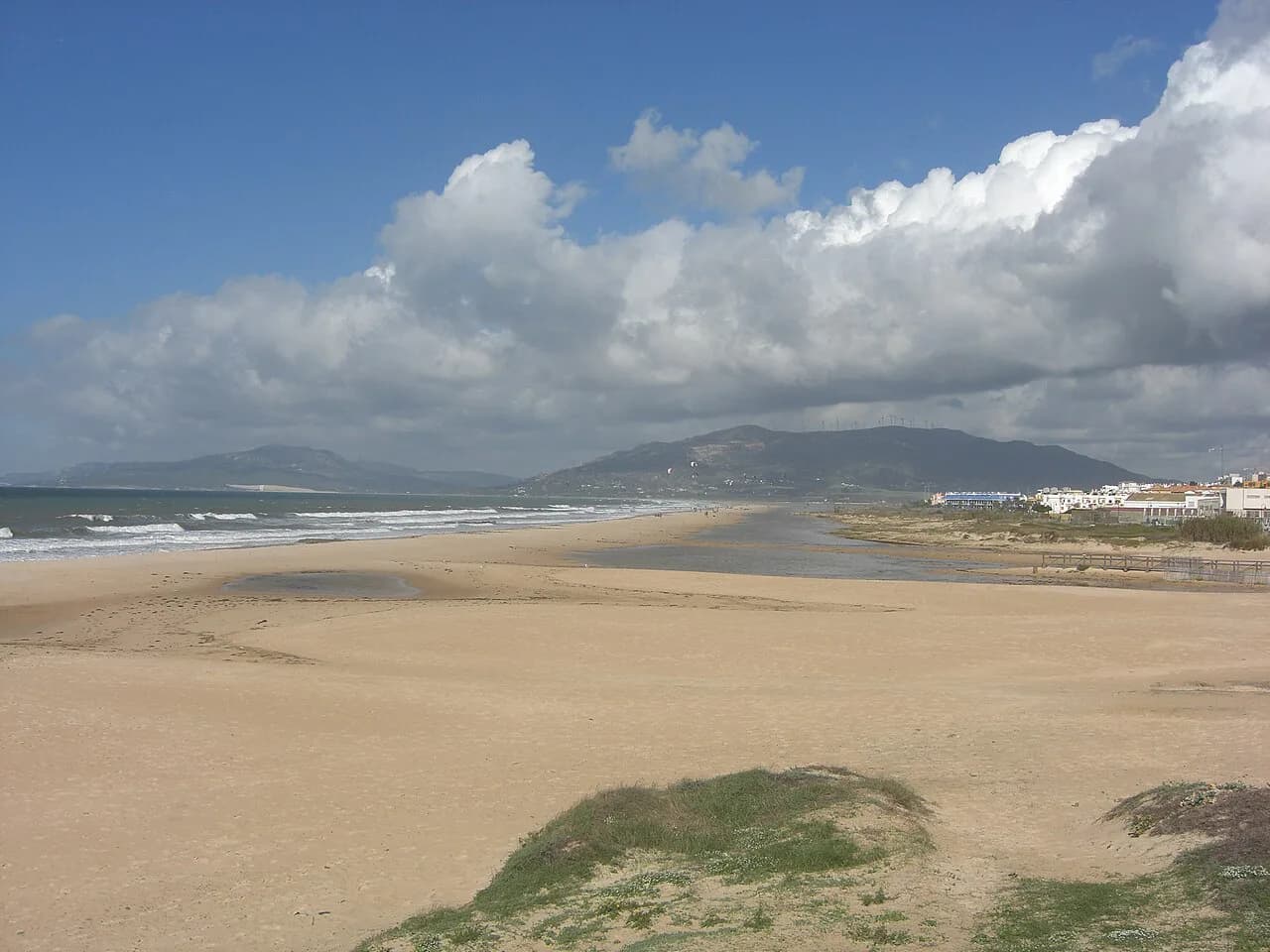
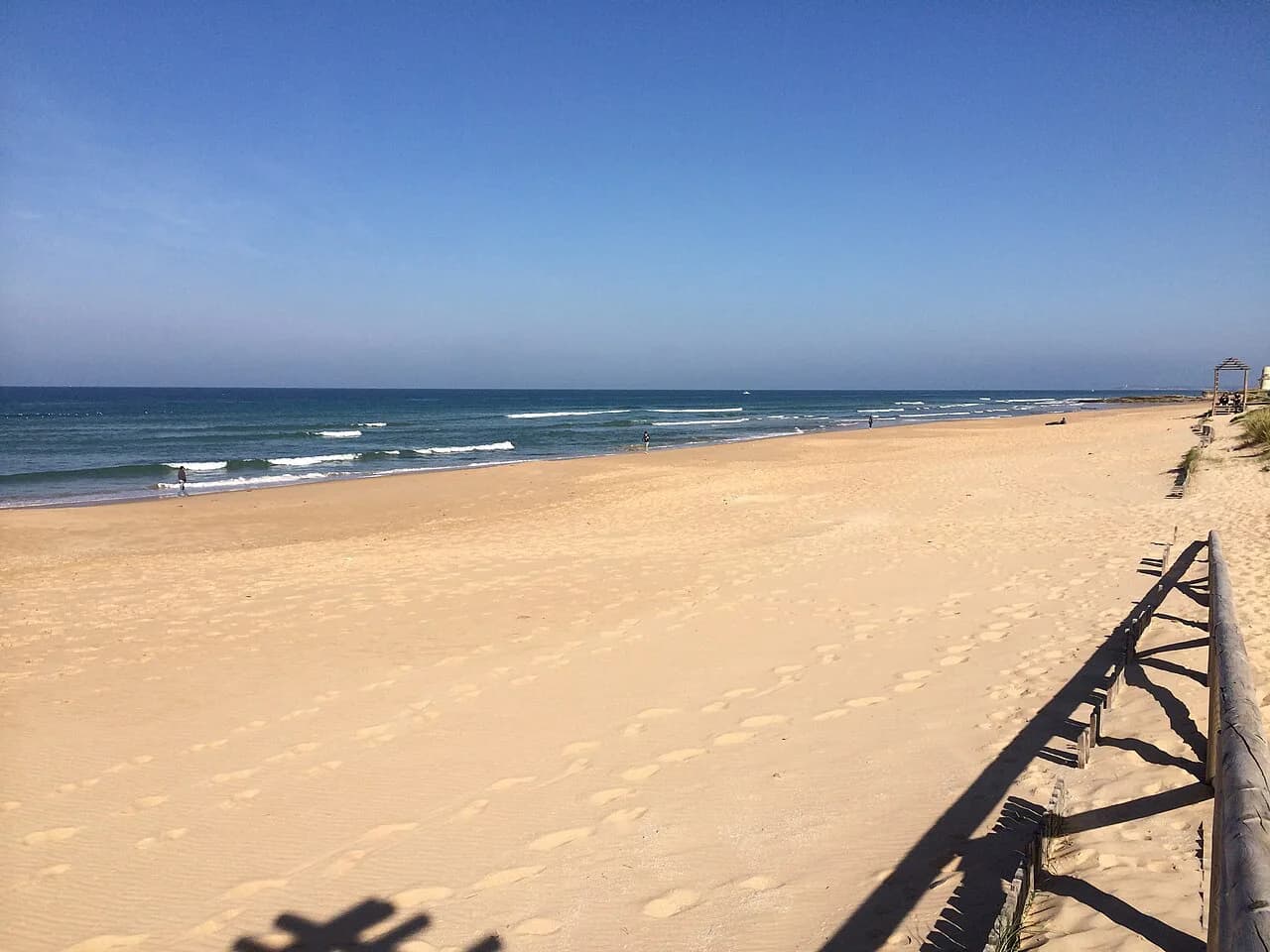
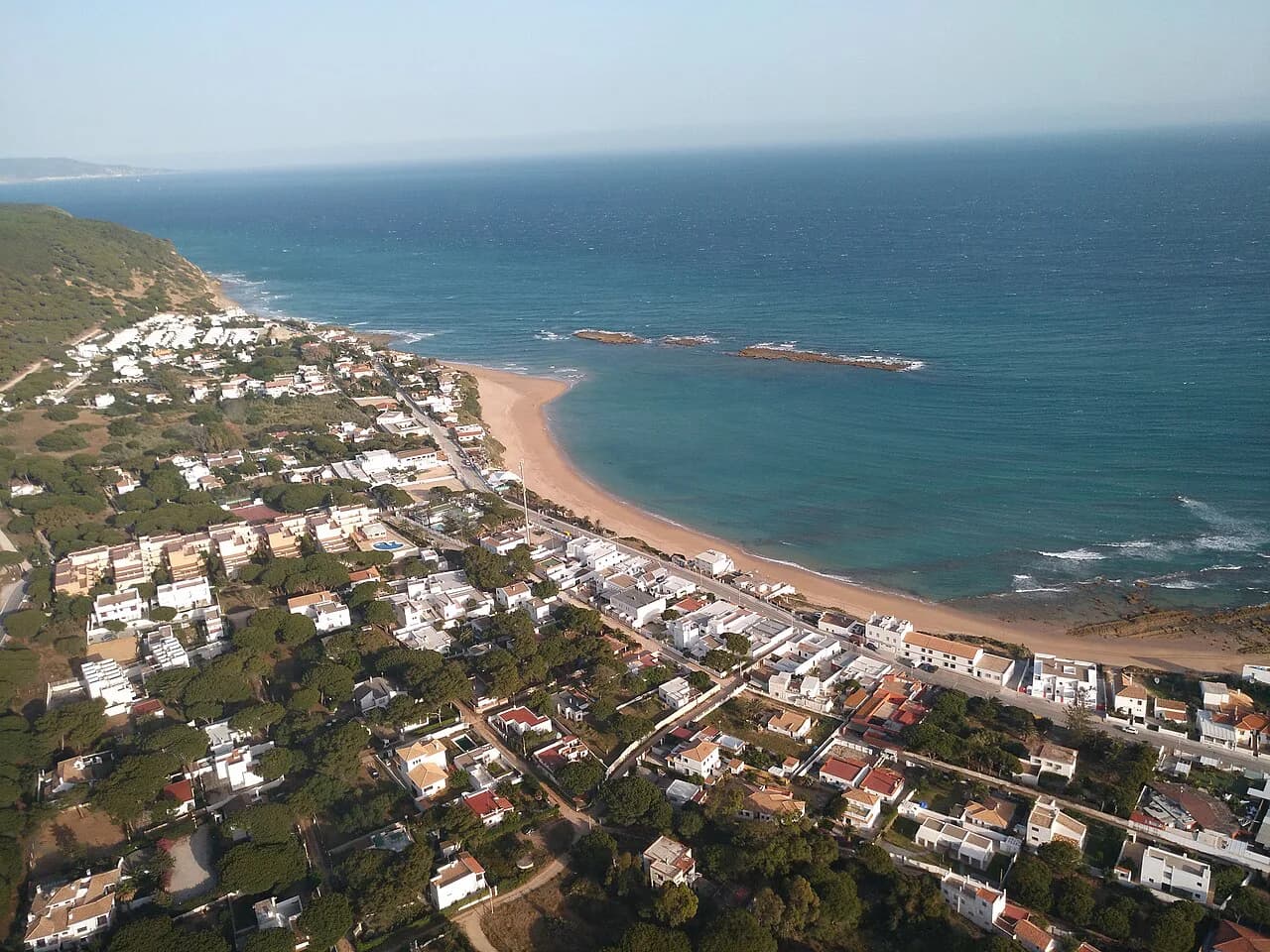
El Palmar earns its reputation on sheer scale: close to 8 km of fine golden sand washed by clear Atlantic water, with a moderate swell that has made the beach a byword for surfing on this stretch of the Cádiz coast. It suits two very different days out, one spent near the shoreline with small children and one built around a board and the waves. Because the beach is a long open run rather than a single cove, where you settle matters as much as when you arrive.
The beach sits in the province of Cádiz, within easy reach of Conil de la Frontera and Vejer de la Frontera, and most visitors arrive by car or on the local bus services that connect El Palmar with the surrounding towns. Plan your access point first, whether that is near your surf school, a favourite chiringuito or the parking area closest to your accommodation.
What makes El Palmar worth the trip
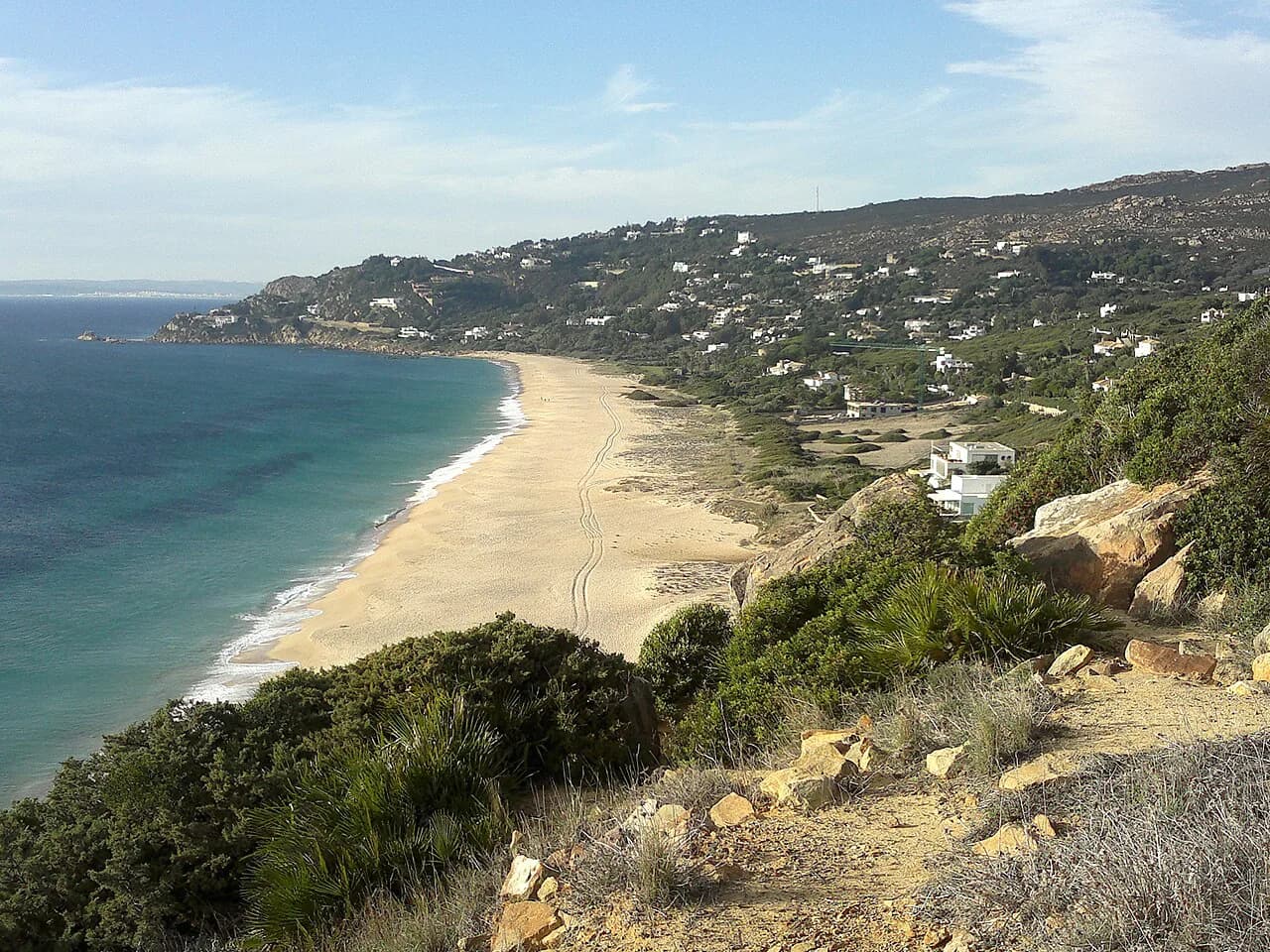
The draw is the combination of length and consistency. The beach runs for several kilometres of wide golden sand in unspoilt surroundings, so even on a busy summer day you can walk a few minutes from the nearest access path and find space to spread out. The water is clear, and the moderate surge that rolls in along this coast is exactly what makes the beach a surfing destination rather than a paddling pool.
That same swell shapes who enjoys it most. Families with small children tend to stay in the shallows near the shoreline, where the waves arrive gently, while stronger swimmers head for the deeper water further out. Surfers, bodyboarders, kitesurfers and paddleboarders treat the whole beach as their playground, and several surf schools in the area offer lessons and equipment hire for beginners and experienced riders alike.
Where El Palmar sits
El Palmar lies on the Costa de la Luz, the Atlantic-facing shore of Cádiz province, between Conil de la Frontera and Vejer de la Frontera. Both towns make practical bases: Conil is the larger, busier option with the full range of shops and restaurants, while Vejer sits inland on its hill and gives you a quieter evening after a beach day. The beach itself is administered within the municipality of Vejer de la Frontera.
If you are touring this coast, El Palmar fits naturally into a wider Cádiz itinerary. It is one of several strong Atlantic beaches within a short drive, so you can pair a surf morning here with a different beach the following day, and if you are weighing up the same surf-and-sand decision further east, our guide to the best beaches in Málaga covers the city sands and coves there.
Getting there by car
Driving is the simplest way to reach El Palmar, whether you come from Conil or from Vejer. The beach is easily accessible from several towns in the province, and there are plenty of parking options near the sand, which matters on this long stretch because different parking areas put you at different points along the beach.
Choose your parking by what you plan to do. If you have booked a surf lesson, park near the school so you are not carrying a board along the sand; if you are settling in for the day with children, aim for an access point with the shortest walk to the waterline. Arriving earlier in the morning gives you a better choice of spaces in the height of summer.
Getting there without a car
You do not need a car to reach El Palmar. Bus services connect the beach with other areas of the Cádiz coast, which makes it a realistic day trip for anyone staying in Conil or nearby without a vehicle. Check the route and times with the local bus operator before you travel, since services vary by season.
On a bus day, travel light and pick one stretch of beach to stay on rather than trying to walk the full length. A folding shade, water and a picnic cover the essentials, and the chiringuitos along the sand mean you can buy food and drink without carrying it.
The sand and the water
The sand at El Palmar is fine and golden, and the beach extends for almost 8 km, so it never feels hemmed in. The water is clear and clean, and the moderate surge gives it the energy that draws surfers and windsurfers from across the region. Expect an Atlantic beach with movement in the water rather than a still, sheltered bay.
How the water behaves matters for planning. Near the shoreline the waves are gentler, which is why families with small children gravitate there, while the deeper water suits confident swimmers. Watch the conditions on the day and keep children within easy reach; the Atlantic can change through the tide and the afternoon breeze.
Swimming and surfing
For swimming, aim for the shoreline and the shallows, especially with young children, and treat the deeper water as territory for strong swimmers. Surfers, bodyboarders, kitesurfers and paddleboarders share the beach, so keep an eye out for boards when you are in the water.
If you want to try surfing, the surf schools around El Palmar run lessons and hire equipment for all levels, from complete beginners to riders looking to improve. Book ahead in summer, when the schools are at their busiest, and ask what is included, such as a board and wetsuit, so you arrive ready to go.
Shelter and wind
El Palmar is an open, exposed beach, and the Atlantic breeze is part of the experience: it keeps the sand cool on hot days and gives the surf its shape. That exposure also means less natural shade than a sheltered cove, so bring a windbreak or a beach shelter if you plan to stay for hours. Position yourself so your shelter does not block the view of the water for the people around you.
Check the wind direction before you set up. On breezy days, sitting close to the dunes gives you a little more protection, while the open sand near the waterline catches the full force of it. A light long-sleeved layer is useful for the wind as well as the sun.
Facilities and what to bring
Numerous chiringuitos and restaurants line the beach, serving local dishes with sea views, so food and drink are easy to find along the sand. There are also play areas and designated picnic areas, which makes a full family day straightforward to organise.
Pack for an Atlantic day: high-factor sun cream, a hat, plenty of water, a windbreak and a towel for each person. Bring cash as a backup for beach bars and small shops, and a dry bag for phones and keys if you plan to spend time in the water.
Eating and drinking
The food scene along El Palmar leans on the sea. Chiringuitos and restaurants serve fresh seafood and fish, and almadraba tuna is the regional speciality worth ordering when you see it on the menu. The atmosphere is relaxed and authentic, with the beach as the view.
For a long beach day, eat lunch late, Spanish style, and let the hottest hours pass over a table in the shade. Book ahead in peak summer if you have a particular chiringuito in mind, and ask about the menu del día, which is usually the best value way to eat well by the sea.
Markets and self-catering
Self-caterers are well served. Small markets and local shops around El Palmar sell fresh produce and crafts, which makes it easy to assemble a picnic for the beach or cook at your accommodation.
A self-catering day works especially well if you are staying locally for a week. Buy bread, cheese, fruit and cold drinks in the morning, add a cool bag, and you have lunch without leaving the sand. Pair this with one chiringuito dinner so you still get the full El Palmar experience.
How busy it gets and the best time to go
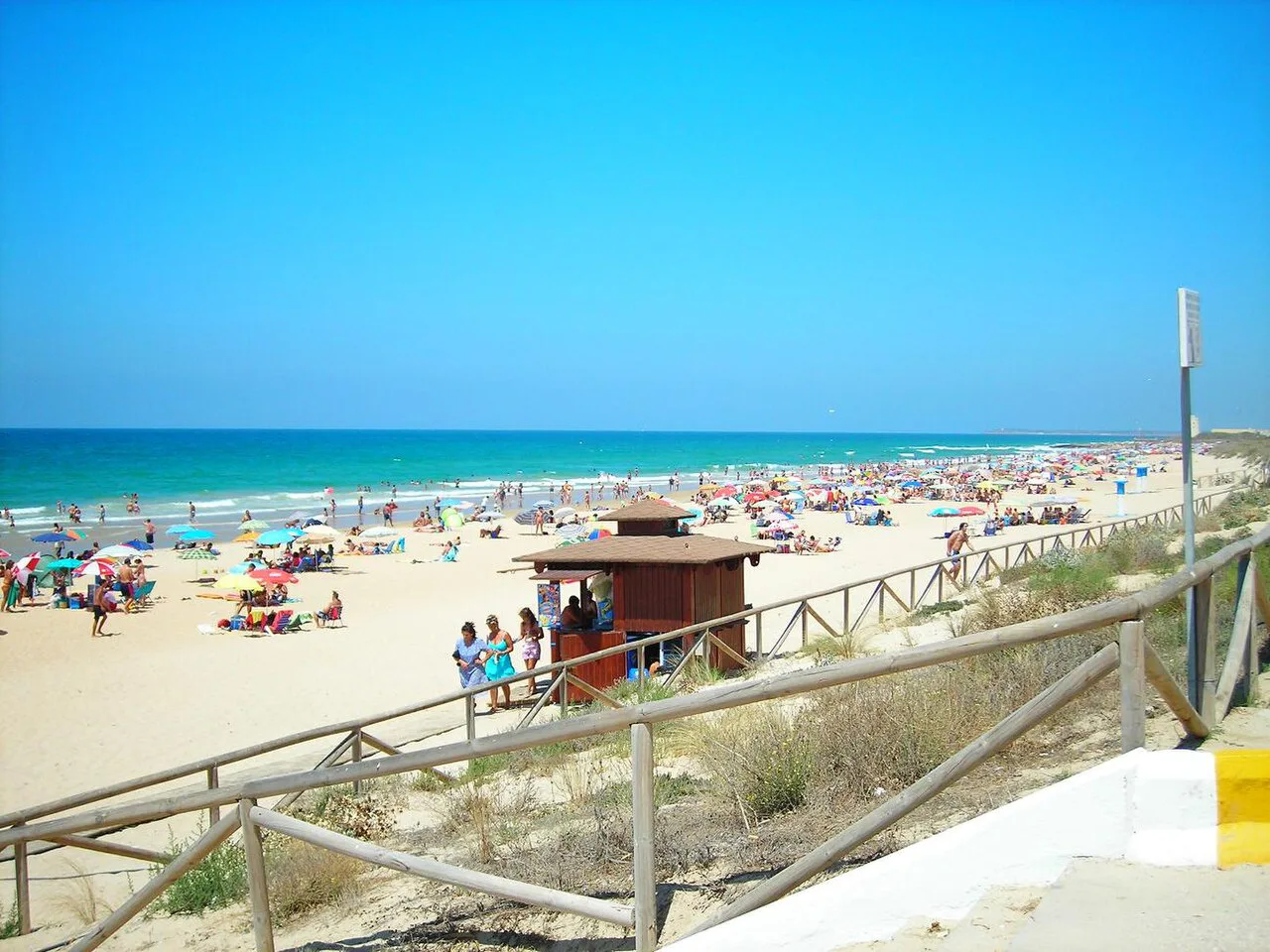
El Palmar is popular, and August is the busiest month, when Spanish holidaymakers arrive in force and parking fills early. July and early September offer warm sea and a livelier atmosphere with slightly more room, while June and late September are the sweet spot for quiet mornings and comfortable temperatures.
For the warmest sea, aim for late summer, when the Atlantic has had months of sun. Spring is breezier and better for walking the full length of the beach than for long swims. Whichever month you choose, arrive in the morning and leave in the late afternoon to miss the heat and the worst of the traffic.
Nearby beaches to combine
The coves of Conil de la Frontera make a natural second beach day, and Cala del Aceite is the best-known of them, with clear water and a sheltered feel that contrasts nicely with El Palmar's open Atlantic energy. Base yourself in Conil for a week and you can alternate between the two.
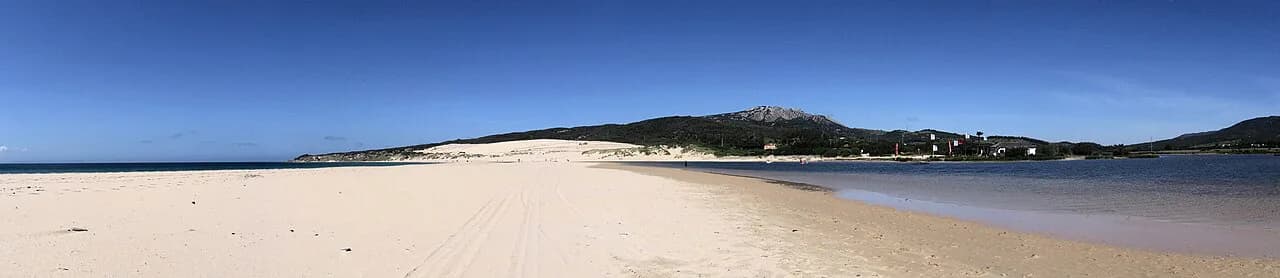
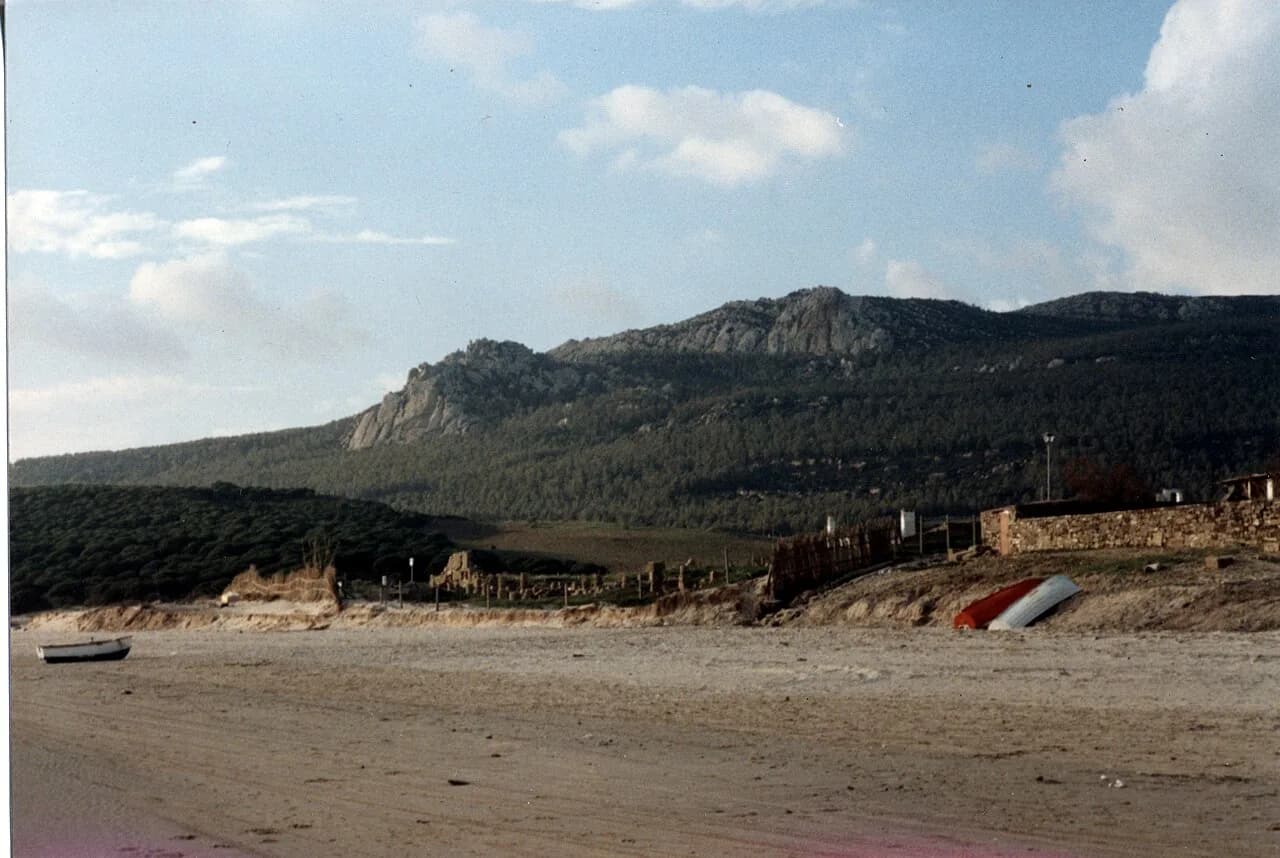
Further along this coast, Playa de Bolonia, Tarifa is another broad Atlantic beach east of Tarifa, with dunes and clear water of its own. If you are heading south towards the Strait, build in a stop there and compare the two beaches.
Practical kit list for an Atlantic beach day
An Atlantic beach day needs a few things more than a Mediterranean one: a windbreak, a warm layer for the breeze, a decent towel and a dry bag for your valuables. Add water, sun cream and a hat, and you are set for hours on the sand.
If you surf or paddleboard, check what your school or hire shop supplies before you travel, so you are not carrying a wetsuit you did not need. For families, a small shade tent and a bucket and spade remain the most reliable tools on a beach this long.
Plan Your Visit
El Palmar rewards a little forward planning. Pick your access point by surf school, chiringuito or parking area, arrive early in summer, and treat the Atlantic swell as the main event rather than something to wait out.
Whether you come for a surf lesson, a family day in the shallows or a long walk along almost 8 km of golden sand, El Palmar delivers a classic Costa de la Luz beach day. Confirm bus times with the local operator and bring a windbreak; the rest follows from the beach itself.
Frequently Asked Questions
Is El Palmar beach good for families with small children?
Yes, with a caveat. The shoreline is where the waves arrive most gently, and families with small children tend to stay there, while deeper water is better suited to confident swimmers. The beach is wide and open, with play areas and picnic areas, but it is an Atlantic beach with a swell, so keep young children close and watch the conditions on the day.
How do you get to El Palmar beach without a car?
Bus services connect El Palmar with other towns on the Cádiz coast, so a car is not essential. Check the route and times with the local bus operator before you travel, since services vary by season, and plan to stay on one stretch of the beach rather than trying to cover the full length on foot.
When is the best time to swim at El Palmar?
Late summer gives the warmest sea, after months of Atlantic sun. July to early September is the busiest period, with August the peak, so come in the morning and leave in the late afternoon if you want more space. June and late September are quieter and comfortable for swimming near the shoreline.
What is there to do in El Palmar besides swimming?
Surfing is the headline activity, and several surf schools in the area offer lessons and equipment hire for beginners and experienced riders. Bodyboarding, kitesurfing and paddleboarding are also popular, and there are chiringuitos and restaurants along the sand serving seafood and almadraba tuna. Long walks along the shore fill the rest of the day.
Are there places to eat on El Palmar beach?
Numerous chiringuitos and restaurants line the beach, serving local seafood and fish with sea views, and small markets and shops sell fresh produce for self-caterers. Book ahead in peak summer if you have a particular place in mind, and ask about the menu del día for better value.
What should I bring to El Palmar beach?
Bring a windbreak or beach shelter, since the beach is open and exposed, plus water, sun cream, a hat and a warm layer for the breeze. A dry bag protects phones and keys, and a cool bag makes self-catering easy. If you are surfing, check what your school or hire shop supplies before you travel.
Sources
Beach notes for your next trip
Optional updates when we add or revise beach guides.
You might also like
Continue reading
More guides you'll find useful