San Pedro del Pinatar Beaches: Which Murcia Coast to Pick
Plan a beach day in San Pedro del Pinatar, Murcia: shallow Mar Menor sands for families, wilder Mediterranean dunes, the mud baths and where to park.
On this page
San Pedro del Pinatar earns its place on a Costa Cálida itinerary because you can choose your water. The municipality holds around 14 kilometres of beach, split between the warm, shallow Mar Menor and the open Mediterranean, so a family with toddlers and a walker wanting surf can spend the same day in different places.
The Mar Menor shore at Lo Pagán is the convenient, sociable choice, with beaches that shelve slowly and a town behind them. The Mediterranean side belongs to the Parque Regional Salinas y Arenales de San Pedro del Pinatar, where dunes, salt flats and longer walks replace cafés at your elbow.
How the resort divides: Lo Pagán and the Mar Menor shore
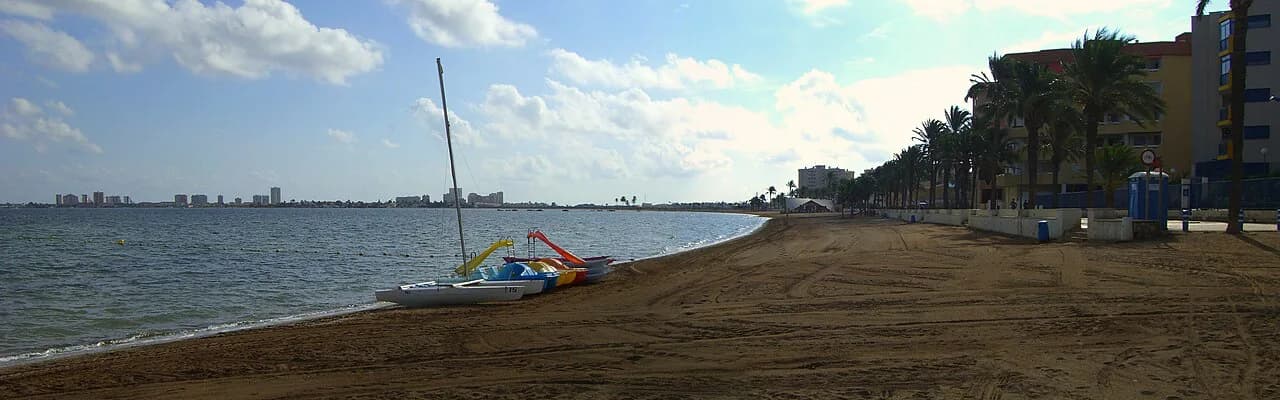
Lo Pagán is the urban face of San Pedro del Pinatar, and its beaches sit on the Mar Menor, the large saltwater lagoon that gives this stretch its peculiar character. The water here is shallow and slopes gently, which is why the town beaches draw families and why the lagoon is also busy with sailing, windsurfing, canoeing and kitesurfing.
The Mediterranean beaches lie north and east of town, inside or beside the regional park. They are wide, dune-backed and exposed to sea breezes, so they feel wilder and emptier than Lo Pagán even in high summer. Choose the lagoon for convenience and company, the Mediterranean for space and a long shoreline walk.
Playa de la Puntica: the easy Lo Pagán beach
La Puntica is the first beach you meet in the municipality when arriving from Santiago de la Ribera and San Javier, and it is a straightforward, popular summer beach. It runs for about 520 metres with an average width of 40 metres, on deep, well-kept sand.
Facilities are the reason to pick it: sunshade and lounger hire, sports-equipment rental, toilets, changing rooms adapted for disabled users, foot washes, ramps, shaded gardens and chiringuitos. In summer a wooden walkway gives access to the water, and parking for disabled bathers and bathing seats appear in peak months.
Treat the walkway and bathing seats as seasonal rather than year-round, and expect the beach to be busy in July and August. It suits anyone who wants an easy set-up close to town, including grandparents and families with pushchairs.
Playa de Villananitos: fine sand beside the mud baths
Villananitos runs for roughly 840 metres at an average width of 30 metres, on fine, thick sand, and it joins La Mota at the corner by the Molino de Quintín windmill. It sits directly opposite Las Charcas, the zone that holds the Baños de Lodo mud baths, which makes it the natural base for a mud-and-swim day.
The beach holds Q for Quality status, awarded for the standard of its services and facilities as well as the water. It is a busy summer beach, so arrive earlier in the day if you want space near the water, and use it as your swimming spot before or after the mud.
Playa de la Mota: the long strip between salinas and lagoon
La Mota follows the dividing strip between the salt-flats park and the Mar Menor, starting near the Molino de Quintín and running about 2.7 kilometres to the Molino de la Calcetera. It is remarkably wide for a lagoon beach, averaging 50 metres.
Underfoot it changes with distance from town, mixing sand and stone, and the sand strip is thin right at the mud-bath section where bathers come to dry off. Walk a few hundred metres along the shore for a cleaner stretch of sand and more room to lay a towel.
The Baños de Lodo mud baths at Las Charcas
Las Charcas holds the mineral-rich muds that people have used for centuries, described locally as a treatment for complaints such as rheumatism, arthritis and skin conditions, and as a free beauty treatment. It is a bathing and drying ritual rather than a beach club: you apply the mud, let it dry and rinse in the lagoon.
Plan around it by wearing swimwear you do not mind staining and bringing a towel you can sacrifice, then drying off on La Mota or swimming at Villananitos. Go early or late in the day if you want the mud area to yourself, since it draws a crowd in summer.
Playas de La Llana: three Mediterranean beaches on one dune path
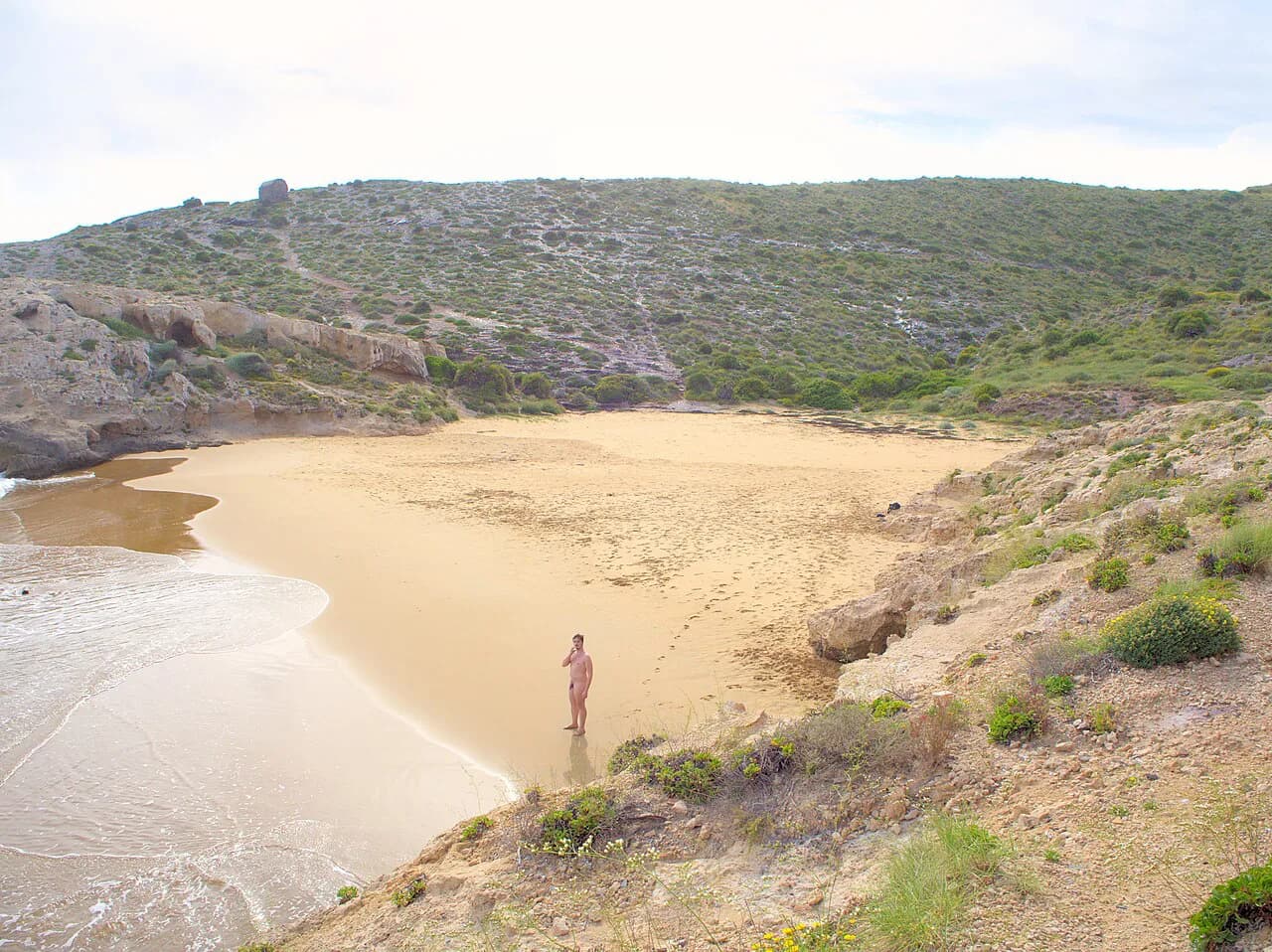
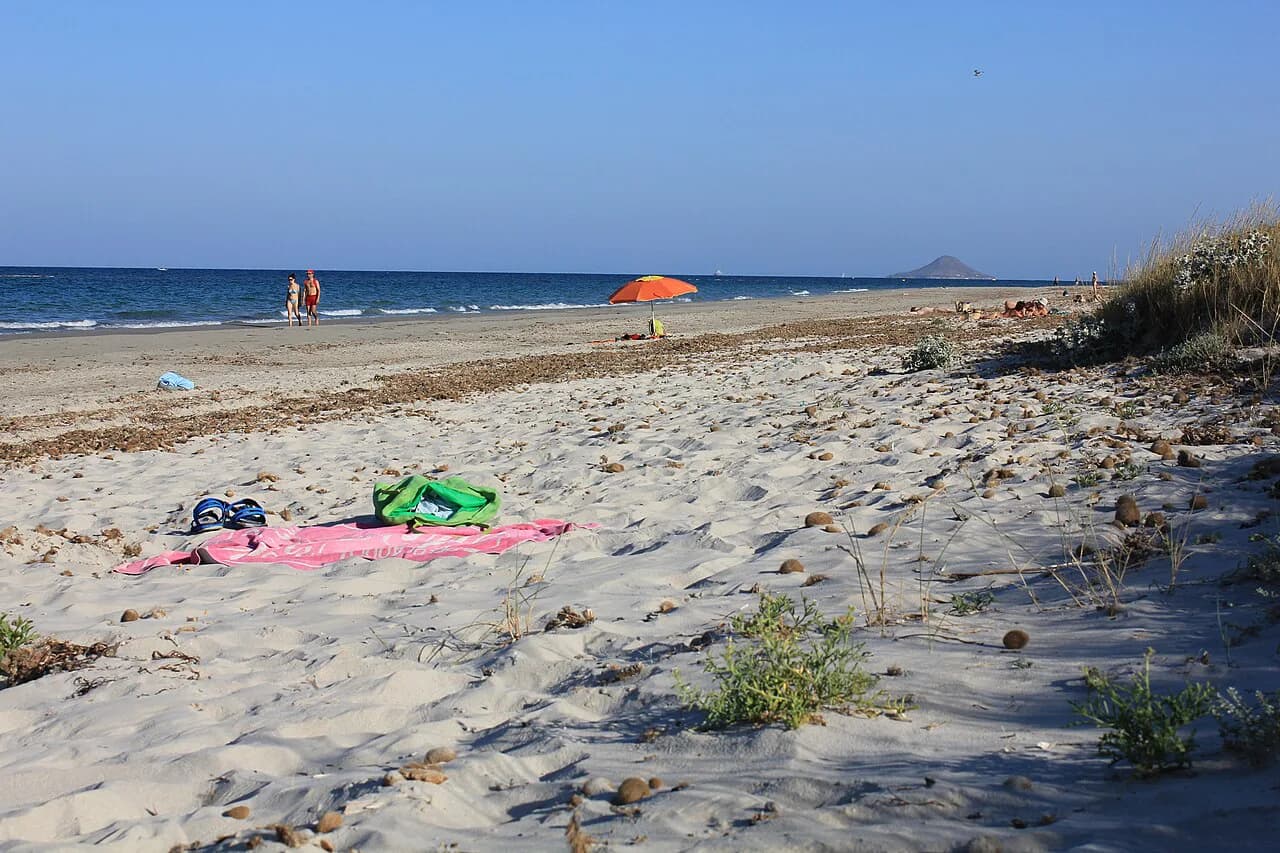
La Llana is really one long run of three beaches, Playa de las Salinas, Playa de Barraca Quemada and Playa de Punta de Algas, backed by dunes and the salt flats, on fine soft sand. They are the quietest option in the municipality, and the low occupancy comes at a price: parking is difficult.
The practical approach is to park by the yacht marina, where restaurants and bars serve meals and snacks, then walk the path along the top of the dunes linking all three beaches. Driving there means crossing the regional park of the salt flats and dunes, so keep to the marked road.
Come with water, shade and food if you plan to stay, because the dunes give little shelter and the nearest facilities are back at the marina. This is the beach to pick for a long walk and a swim with space around you.
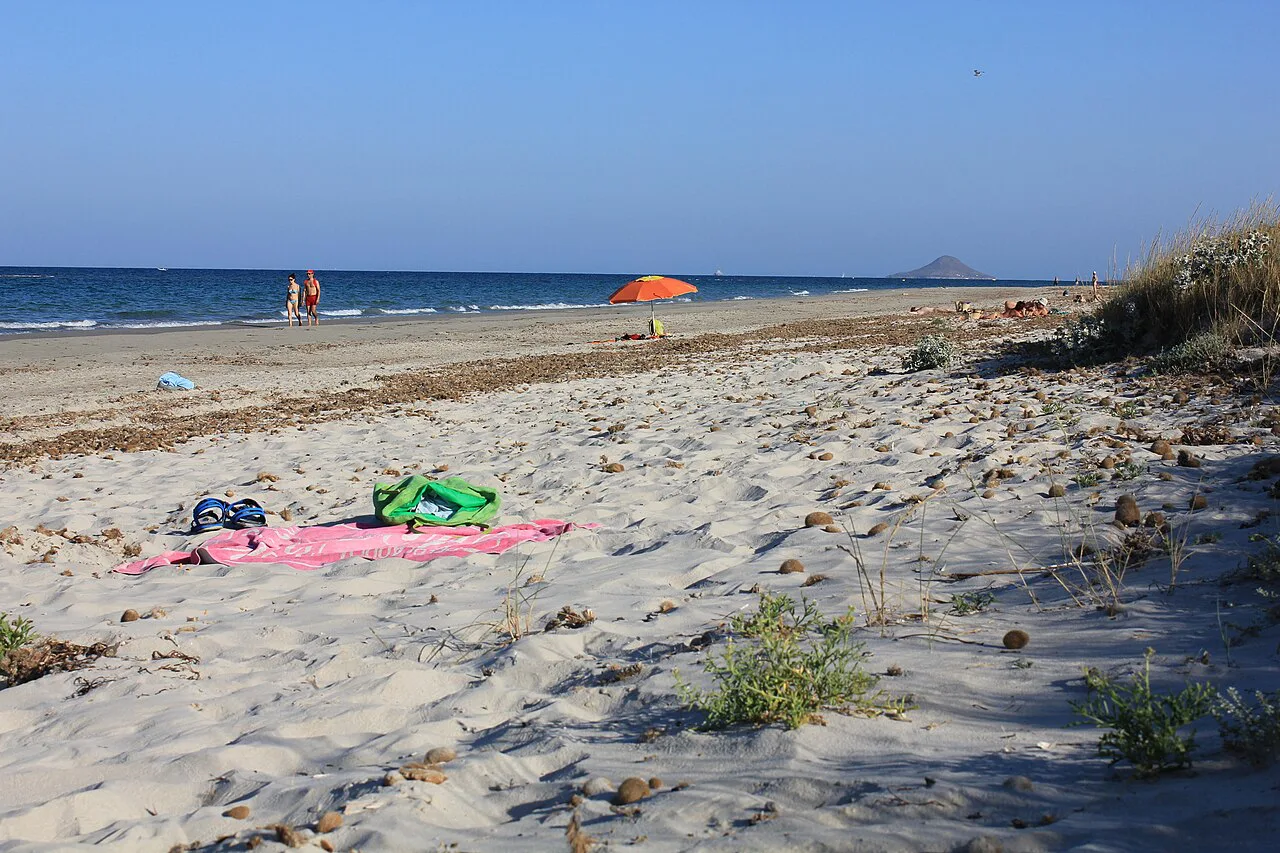
Playa de La Torre Derribada: open Mediterranean sand
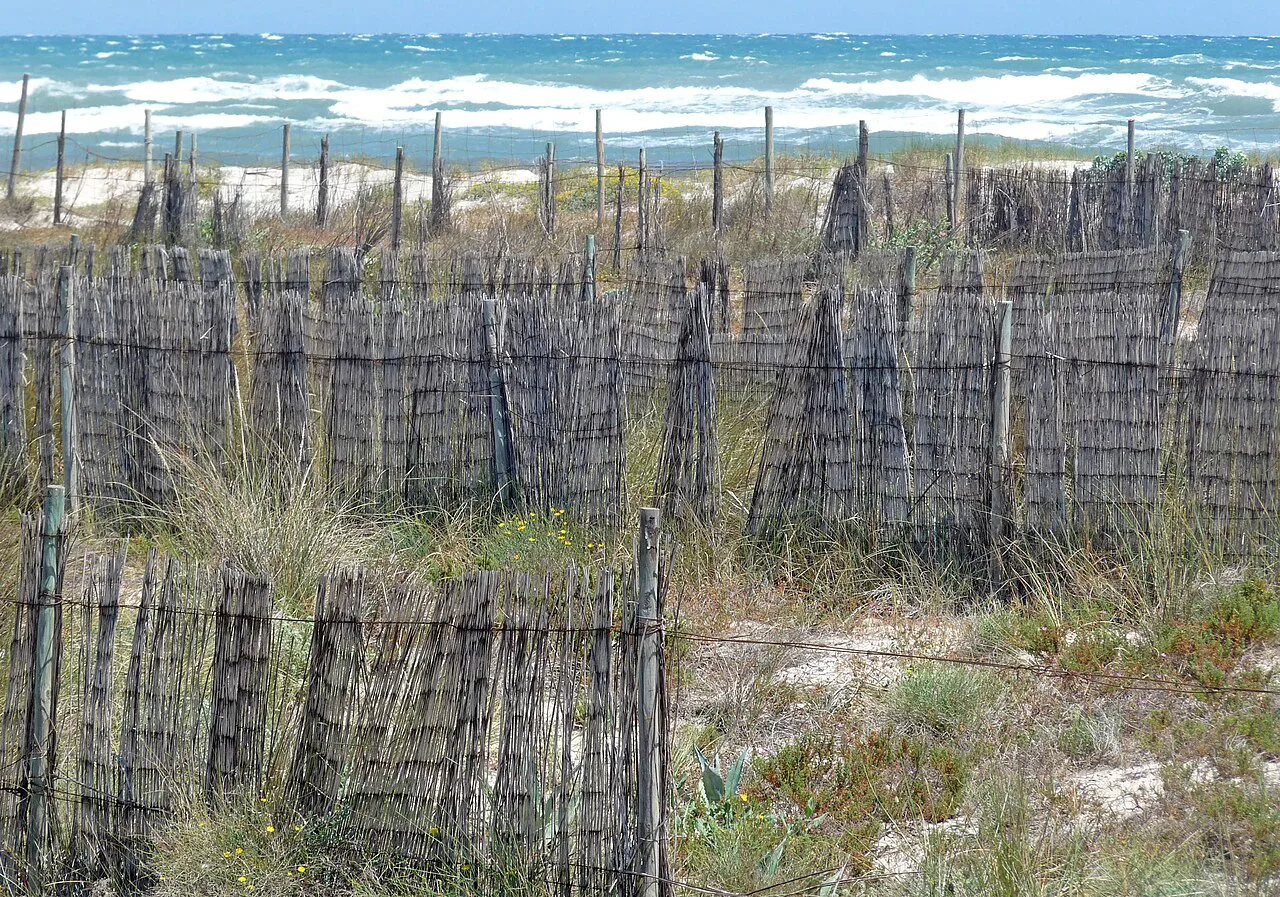
La Torre Derribada is a vast Mediterranean beach, 2.2 kilometres long at an average width of 30 metres, backing onto protected dunes inside the regional park. It is wild, open and popular with walkers, who come year-round to follow the shoreline or the paths through the salt flats.
Expect rolling waves and a steady sea breeze rather than a millpond, and bring your own shade and supplies. It suits strong swimmers, walkers and anyone who wants a natural beach day away from the chiringuito strip.
Playa El Mojón: Blue Flag sand at the southern edge
El Mojón is a wide, sandy Mediterranean beach of about 465 metres, averaging 50 metres in width, on fine soft sand next to the regional park. It holds Blue Flag status according to the municipal beach overview, and the streets behind it are dense with holiday homes and apartments.
Access is comfortable for a Mediterranean beach: decked, shaded seating areas back the sand, and wooden walkways cross the dunes onto the beach itself. That makes it a good compromise for anyone who wants the open Mediterranean without a long trek over soft sand.
Getting there and parking
For the Lo Pagán beaches, the town itself is the access point, and La Puntica, Villananitos and La Mota sit within walking distance of each other along the shore. For the Mediterranean beaches, drive through the salt-flats park; the main parking area is by the yacht marina, from where the dune path leads to the three La Llana beaches.
Parking is the constraint on the Mediterranean side, which is exactly why those beaches stay quiet. The tourist office in San Pedro del Pinatar can advise on current bus services and summer parking arrangements for the day you travel.
The sand and the water
On the Mar Menor, the beaches shelve slowly and gently, so you can wade a long way out before the water deepens, and the lagoon warms quickly at its sandy fringes. On the Mediterranean side the profile is steeper and the sea carries rolling waves and a cooling breeze.
That contrast drives the day: small children and nervous swimmers are better off at La Puntica or Villananitos, while confident swimmers and walkers get more out of La Llana or La Torre Derribada. Conditions change with wind and weather, so read the flags on the day.
Who each beach suits
Families with small children should base themselves at La Puntica for the adapted facilities and easy access, or at Villananitos for the fine sand and the mud baths alongside. La Mota works well for a long, flat walk with a swim and for drying off after the mud.
Quiet-seekers and walkers should head for La Llana, La Torre Derribada or El Mojón, where the dunes and salt flats replace the town backdrop. Swimmers wanting more movement in the water will prefer the Mediterranean beaches to the lagoon.
Facilities
Lo Pagán carries the facilities: chiringuitos, sunshade and lounger hire, toilets, foot washes and changing rooms adapted for disabled users at La Puntica, with a summer wooden walkway to the water. Villananitos adds the reassurance of Q for Quality status for its services and water.
The Mediterranean beaches are lighter on services, with restaurants and bars at the yacht marina serving La Llana. Treat the resort's beaches as equipped with showers, changing cabins and beach bars in the main season, and carry what you need if you plan to stay on the park beaches.
Best time to go
July and August bring the warmest lagoon water and the fullest beaches, with the summer-only features such as the La Puntica water walkway and peak-month bathing seats in place. They also bring the crowds at Lo Pagán, so start early if you want a spot near the water.
Late spring and early autumn give you comfortable walking weather on the Mediterranean beaches and thinner crowds, though some seasonal services wind down. The Mediterranean side stays pleasant for walking through the cooler months even when swimming is off the agenda.
Nearby beaches to combine
Cross the border south into Santiago de la Ribera and San Javier for a longer Mar Menor promenade and a change of town, or loop round the lagoon to Los Alcázares for another sheltered Mar Menor day. Both keep you in the same calm-water register as Lo Pagán. For a different take on the same Mar Menor decision, compare these with the beaches in Almería, where the lagoons give way to open Mediterranean coves.
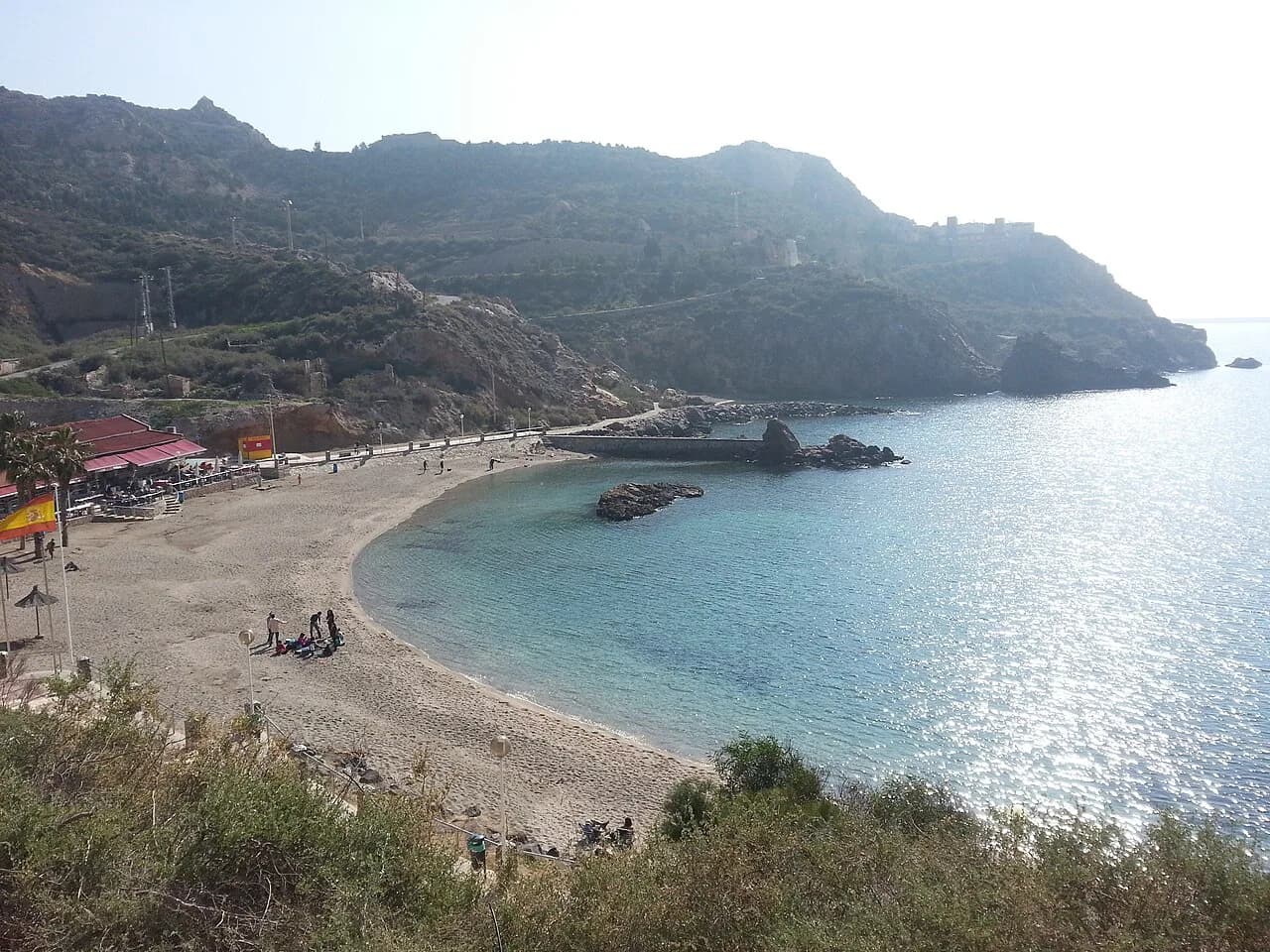
If you want a complete change of scenery, the beaches around Cartagena and the wilder coves of the Costa Cálida make a good second day, with Cala Cortina offering a sheltered bay close to the city.
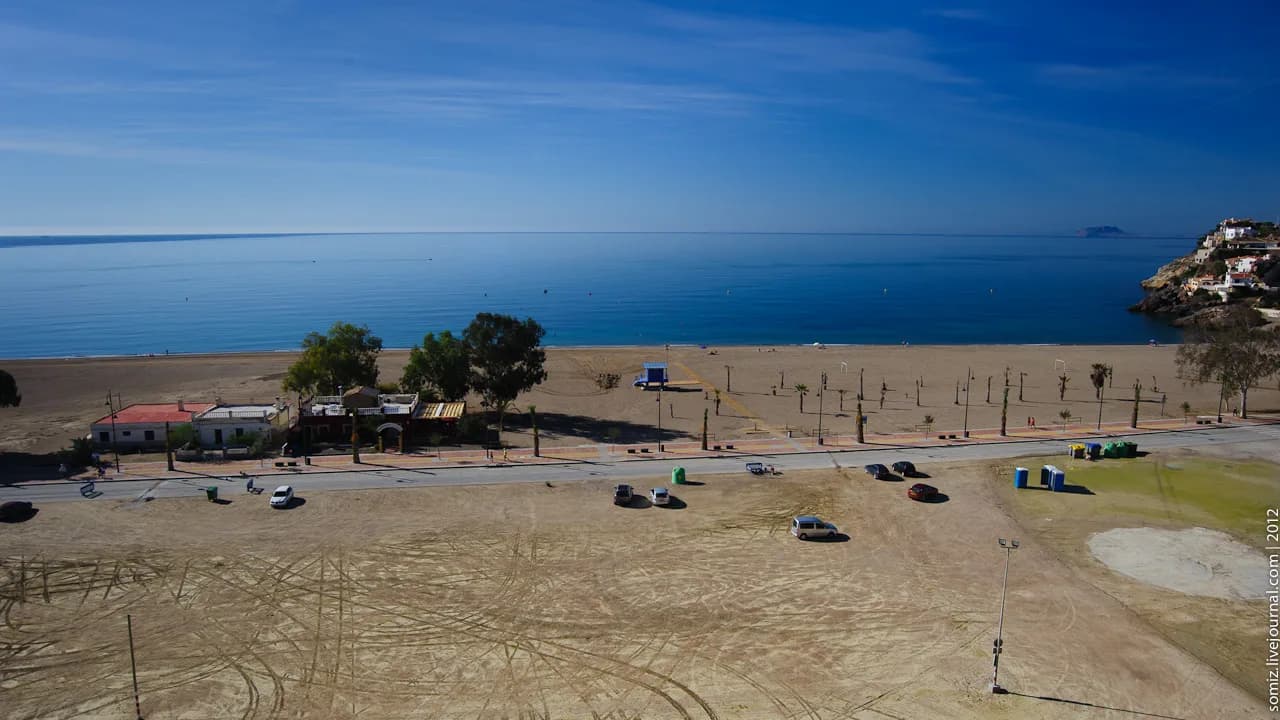
Further south, the eroded sandstone at Bolnuevo beach gives a very different landscape on the same coast, useful if you are stringing together several beach days in Murcia.
For unspoilt dunes and no development at all, the Calblanque Regional Park south of La Manga is the regional counterpoint to La Llana's protected sand.
Practical kit and park etiquette
Bring reef-safe sun cream, water and a windbreak for the Mediterranean beaches, where the breeze is part of the appeal. On the park beaches keep to marked paths through the dunes and carry everything back out with you.
For the mud baths, pack an old swimsuit and a towel you can relegate, and rinse off in the lagoon rather than at a tap. A hat and shade matter at Las Charcas because the area is open and bright at midday.
Plan Your Visit
San Pedro del Pinatar works best when you decide which water you want before you leave. Pick Lo Pagán for shallow lagoon swimming, easy facilities and the mud baths, or the Mediterranean beaches inside the salt-flats park for space, dunes and a long walk.
Park at the yacht marina for the La Llana beaches, carry supplies to the park side, and keep the mud ritual for a day when you have time to dry off afterwards. The San Pedro del Pinatar tourist office can confirm seasonal services and transport for your dates.
Frequently Asked Questions
Is San Pedro del Pinatar worth visiting for a beach day?
Yes, if you want two kinds of beach within one municipality. The Mar Menor shore at Lo Pagán gives you gently shelving water, town facilities and the Baños de Lodo mud baths, while the Mediterranean side offers dune-backed beaches inside the salt-flats park. Pick Lo Pagán for convenience and the park beaches for space and walking.
Can you swim at San Pedro del Pinatar beaches?
Swimming is the main activity on both sides of the resort. The Mar Menor beaches shelve slowly, which suits wading and family bathing, and the Mediterranean beaches face rolling waves and sea breezes that reward confident swimmers. Read the flags on the day and judge conditions for yourself.
Which San Pedro del Pinatar beach is best for families with small children?
La Puntica is the easiest option, with a gently sloping shoreline, sunshade and lounger hire, chiringuitos, adapted toilets and changing rooms, and a summer wooden walkway to the water. Villananitos is a good alternative for fine sand and a location right beside the mud baths.
Where do you park for the La Llana beaches?
Use the main parking area by the yacht marina, where restaurants and bars serve meals and snacks. From there a path runs along the top of the dunes and links Playa de las Salinas, Playa de Barraca Quemada and Playa de Punta de Algas. Parking close to the sand itself is difficult, which keeps these beaches quiet.
What are the mud baths at Las Charcas?
Las Charcas holds mineral-rich muds that people have used for centuries, described locally as a treatment for rheumatism, arthritis, broken bones and skin complaints, and as a free beauty treatment. You apply the mud, let it dry and rinse off in the lagoon, with La Mota nearby as a drying-off point.
Which beaches are on the Mediterranean side of San Pedro del Pinatar?
The Mediterranean beaches are the three Playas de La Llana, Playa de La Torre Derribada and Playa El Mojón. They sit inside or beside the Parque Regional Salinas y Arenales de San Pedro del Pinatar, backed by dunes and salt flats rather than town streets.
Is Playa El Mojón a Blue Flag beach?
Yes, the municipal beach overview lists El Mojón as a Blue Flag beach. It is about 465 metres long on fine soft sand, with decked and shaded seating behind the beach and wooden walkways crossing the dunes onto the sand.
Which nearby beaches can you combine with San Pedro del Pinatar?
Santiago de la Ribera and San Javier sit just across the Mar Menor border for a longer promenade, and Los Alcázares offers another sheltered lagoon beach. For a change of scene, Cala Cortina near Cartagena gives a sheltered bay, while Bolnuevo and the Calblanque Regional Park show a wilder stretch of the same coast.
Sources
Beach notes for your next trip
Optional updates when we add or revise beach guides.
You might also like
Continue reading
More guides you'll find useful