Roquetas de Mar Beaches: Which One Suits Your Day
Roquetas de Mar beaches compared: the long urban sands, Playa Serena and the calmer Aguadulce end, plus promenade access, facilities and when to swim.
On this page
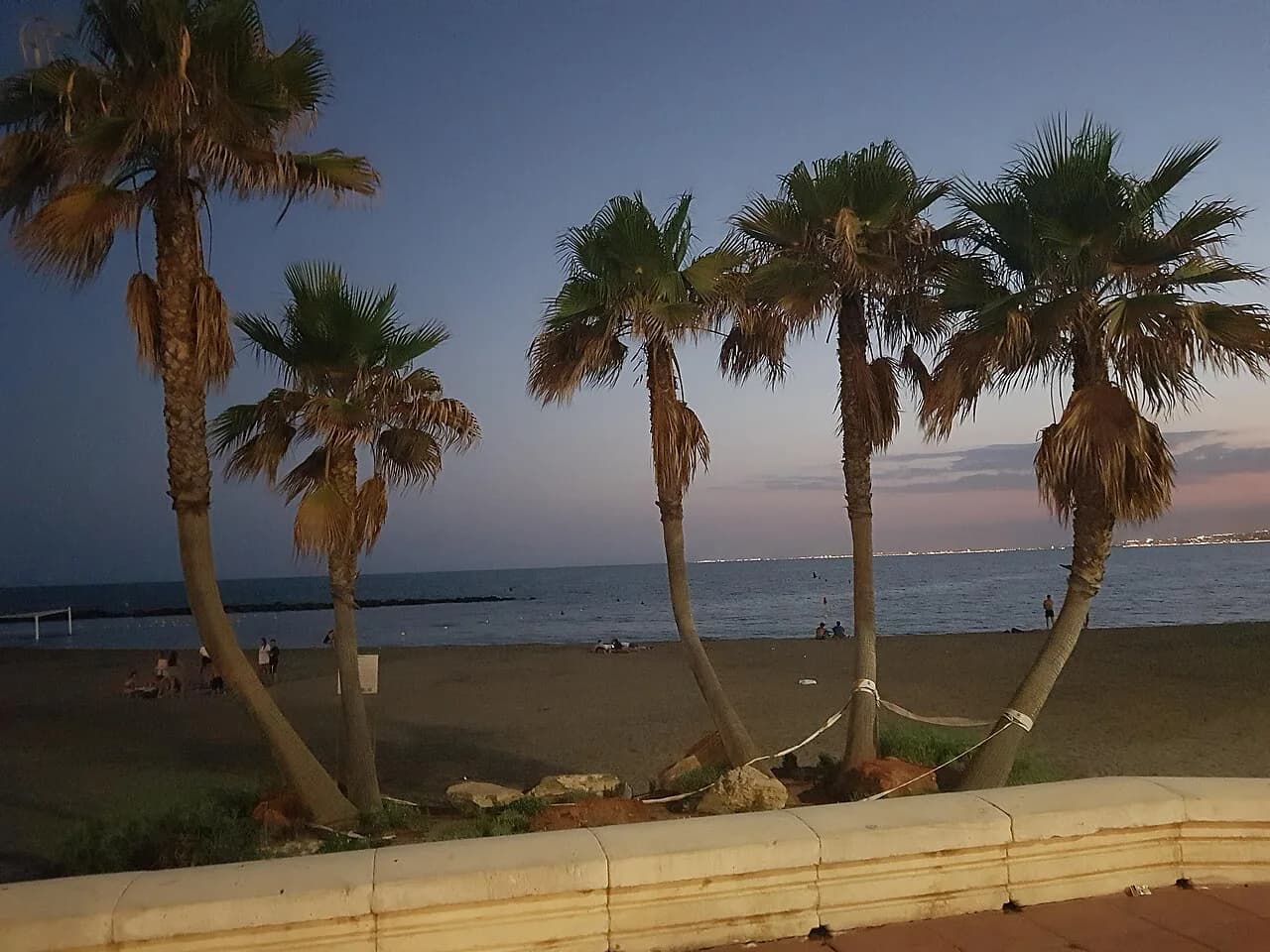
Roquetas de Mar suits a beach holiday where you never need a car: a broad, clean shoreline runs behind a tiled promenade, with bars, restaurants and the town itself within a short walk. The sand is wide enough to absorb summer crowds better than most Andalusian resort fronts, and the promenade makes an easy base for families, older swimmers and anyone who wants a swim before breakfast.
The stretch is often treated as a single beach, but it is really a series of named sections that change character as you move from Aguadulce down through the Urbanización de Roquetas de Mar. Picking the right one for your hotel, your swimmers and your tolerance for crowds is the main decision you make before you go.
Where the beaches sit along the bay
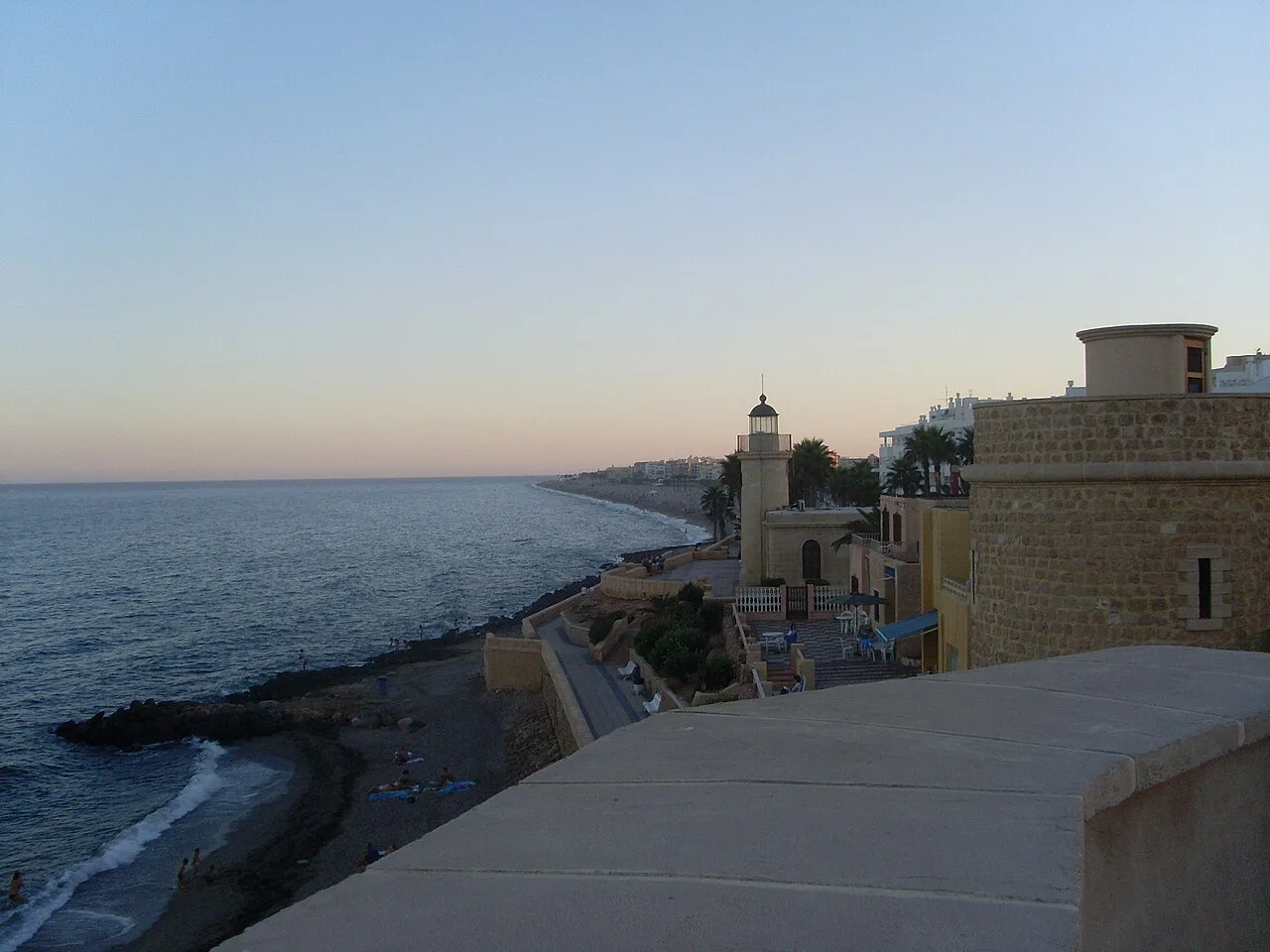
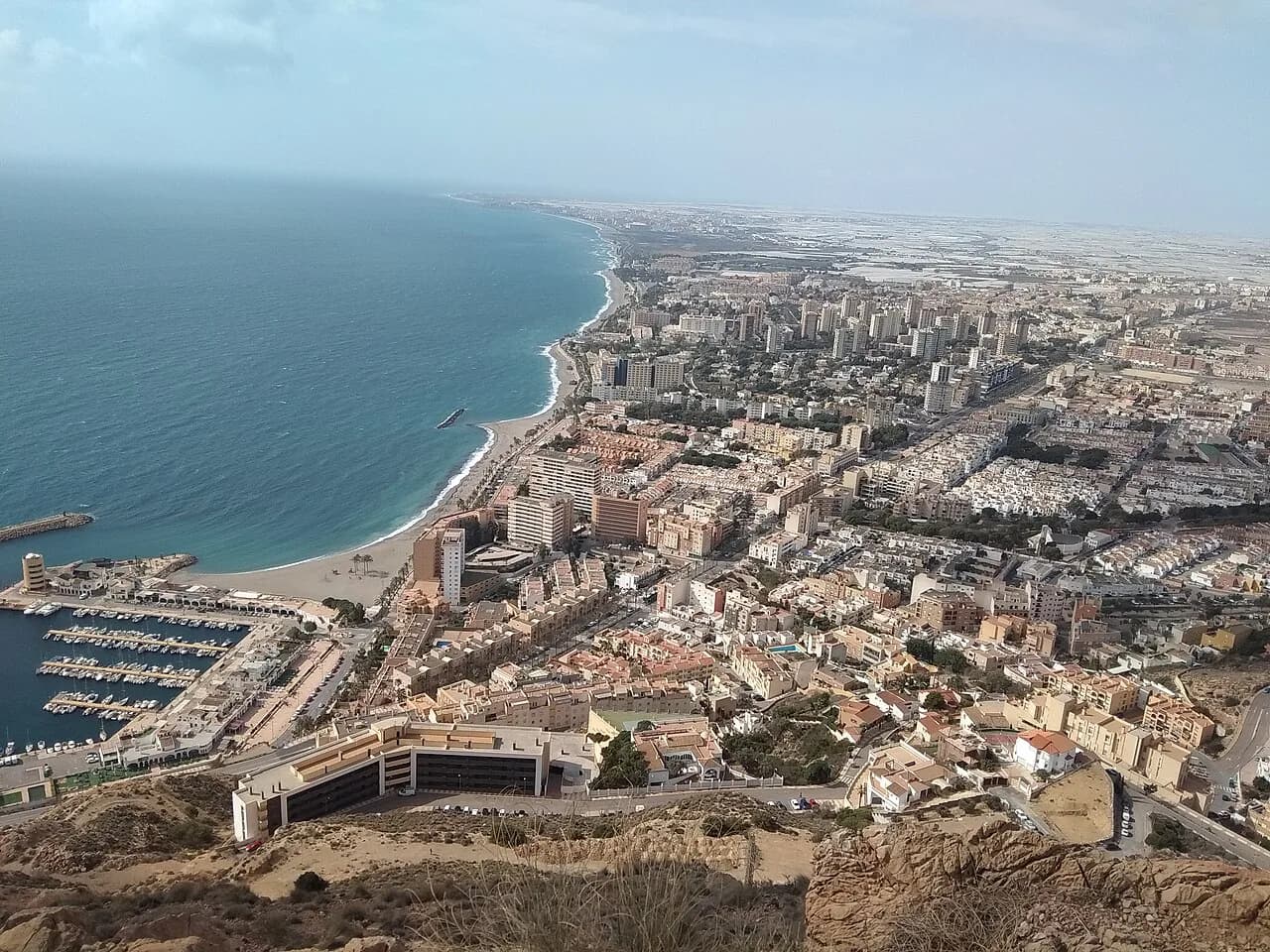
Aguadulce sits south-west of Almería city along the same bay, and gives its name to a long, clean beach with lifeguards, playgrounds and beachside restaurants. Continuing south-west along the coast takes you into Roquetas de Mar itself, where the main tourist beach is officially the Beach of Urbanización Roquetas de Mar but known locally as the Urba. Further along, the front becomes Playa Serena in front of the newer hotels.
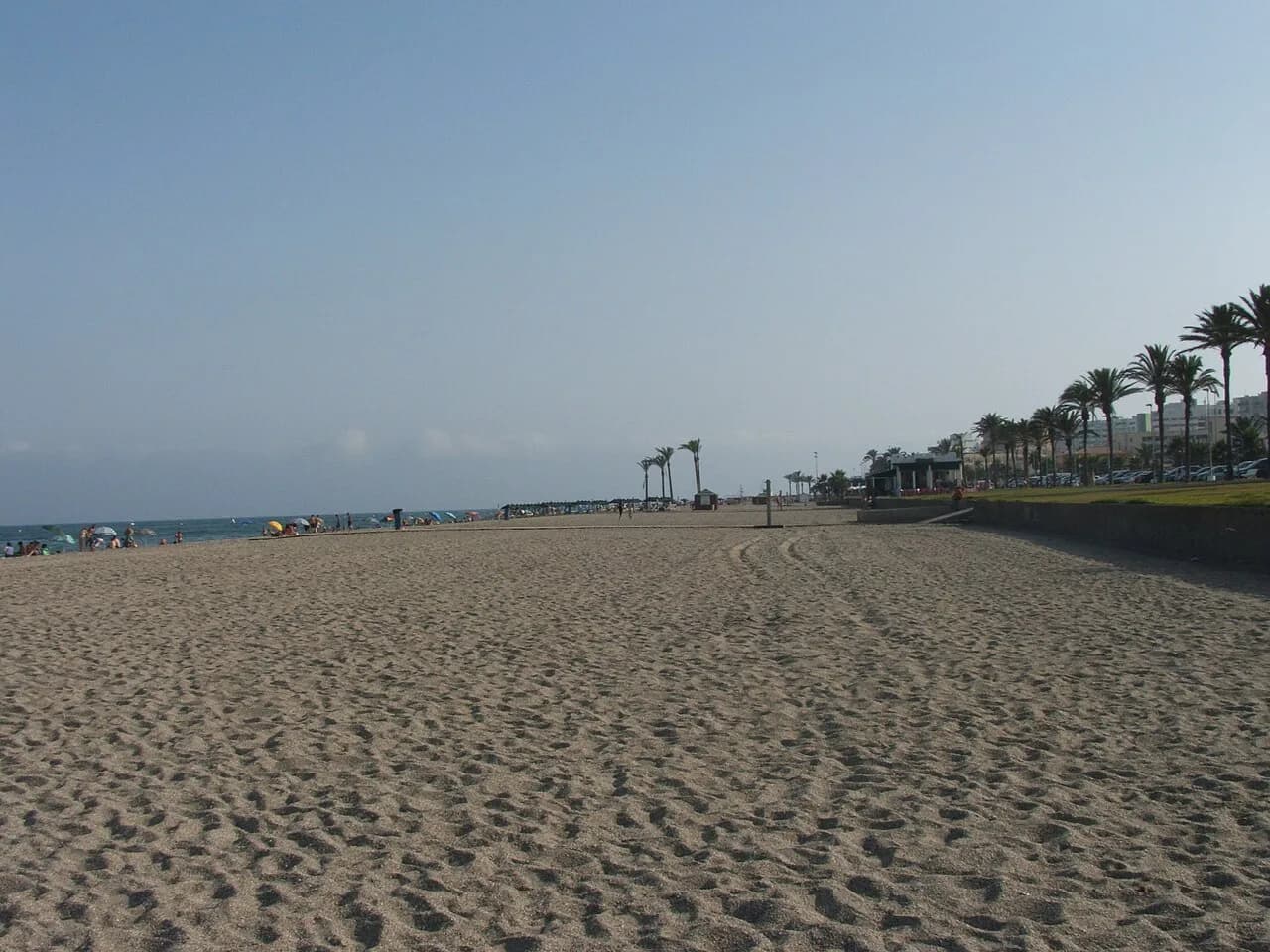
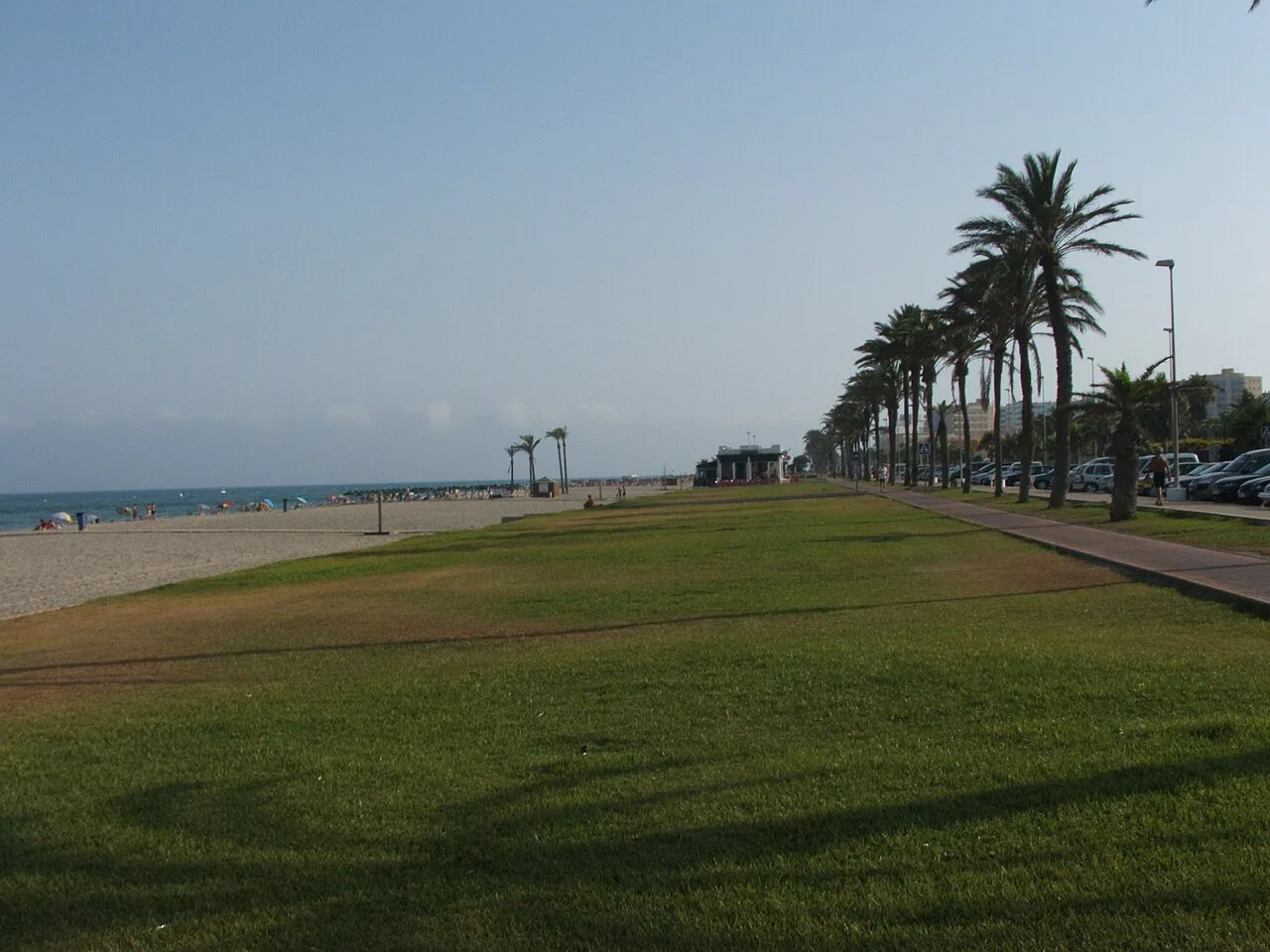
The bay's shoreline is unusually wide and clean for Spain's southern coast, and the promenade behind it ties the sections together, so you can walk from one end to the other without needing transport. Each section has its own car park and its own cluster of bars.
The main town beach
The Urba is the town's central stretch and the one most visitors picture when they think of Roquetas de Mar beaches. It runs in front of the majority of the town's hotels and apartments, with a wide sandy foreshore and the tiled promenade directly behind for strolling, cycling and eating.
In high summer this front is busy and unapologetically resort-like: bars, ice cream stands, shops and restaurants line the promenade, and the sand fills with umbrellas and sunbeds. If you want quiet, walk a few minutes along the promenade past the main hotel cluster, where the sand widens and the crowd thins.
For families with small children, the appeal is the combination of shallow water at the shoreline, flat access from the promenade and the fact that you can retreat to the hotel quickly when the day heats up. The trade-off is that the town beach feels urban rather than wild, and in August it is at its busiest.
Playa Serena
Playa Serena is the newer end of the Roquetas front, running in front of the more modern hotels along the town's shoreline. It is still the same long, wide sand, but the surroundings feel more like a resort strip than the older town centre, with taller hotel buildings and a more manicured promenade.
The distinction matters mostly for where you stay rather than for the sand itself. If your hotel is one of the newer blocks, Playa Serena is your local stretch; if you are in the older part of town, the Urba will be closer. The two connect along the same beach.
Travellers staying at the Evenia Zoraida Park, for example, ask on the message boards how far Playa Serena is from the hotel, which reflects how much the names blend together on the ground. In practice, walk the promenade; you will not lose the beach.
Playa de Aguadulce
Playa de Aguadulce sits closest to Almería city and is the most straightforward family choice on this coast. It is long and clean, with lifeguards, playgrounds and beachside restaurants, which makes for a simple day out with children who need space to run and parents who want a table within sight of the sand.
The beach forms the seaward edge of a small town in its own right, so you can eat, buy water and walk back to the sand without a long trek. It also works as a base if you want to be closer to Almería city than to the Roquetas hotel strip.
The smaller town beaches: Las Salinas, La Bajadilla and La Romanilla
Roquetas de Mar has several smaller named beaches, including La Bajadilla, Las Salinas and La Romanilla, alongside the main urban front. They sit within the town's shoreline rather than as separate day trips, and they are useful if you are staying near a particular hotel and want the nearest stretch of sand.
These sections are also listed among the town's adapted beaches, which matters if anyone in your group needs amphibious access. The overall character is the same: urban, wide, promenade-backed and set up for a straightforward swim rather than a wild-coast day.
Playa los Cerillos
Playa los Cerillos is the naturist section on the Roquetas de Mar shoreline. It sits within the town's beach front but is set aside for naturist use, so it is worth knowing about if you want to choose your spot knowingly rather than stumble onto it.
As elsewhere in Spain, naturism on designated beaches is established and respectful rather than a novelty. If you prefer a textile beach, simply choose another section of the same promenade; Los Cerillos is a distinct stretch rather than the whole front.
Accessible bathing in Roquetas de Mar
Six of the town's beaches are adapted for people with disabilities: Aguadulce, La Bajadilla, Las Salinas, Playa Serena, the beach in the Roquetas residential area and La Romanilla. That makes Roquetas de Mar unusually well covered for a resort of its size, and it allows families with a wheelchair user or someone who needs amphibious support to pick a beach near their hotel.
Amphibious chairs are arranged from the lifeguard stations in some locations, and the practical step is to ask at the nearest station when you arrive rather than turning up expecting one to be free immediately. If adapted bathing is the deciding factor for your day, confirm the arrangement with the local tourist office before you travel.
The sand and the water
The shoreline here is broad and gently sloping rather than steep, with a long band of dry sand above a shallow, warm section that suits paddling and cautious swimmers. This is a Mediterranean bay, so the water is generally calm on settled days, but wind changes the surface quickly and the exposure means the bay can get choppy.
Because the beaches are urban and long, the water tends to deepen gradually, which is why families gravitate here. Swimmers who like deep water may prefer to walk out further or pick a stretch away from the main hotel clusters, and anyone with young children should stay near the lifeguarded sections.
Facilities
Along the urban front you will find the full resort set-up: sunbeds, beach bars, showers, toilets, shops, restaurants and ice cream stalls, with playgrounds along the promenade for children. San José further along the coast is described as having the fuller lido-style provision of lifeguards, sunbeds, showers and toilets, which gives a sense of what a well-serviced Almería beach offers.
Roquetas de Mar itself is an urban beach in the same tradition, so you can plan a full day without carrying much beyond towels and water. The promenade is the key piece of infrastructure: it keeps you off the road, gives you shade options and makes walking between hotel, sand and restaurant easy.
Getting there and getting around
Roquetas de Mar sits south-west of Almería city, and buses run from the Almería bus station to towns and villages along this coast. The bus journey to the Cabo de Gata area is described as not long, but the service serves the coast generally rather than dropping you at every beach, so walkability from your stop matters.
Within Roquetas, the promenade is the main transport: you can walk between the Urba, Playa Serena and the smaller town beaches without a car. If you drive, each section has parking, but in summer the beachfront spaces fill early, so arrive before mid-morning or park a few streets inland and walk down.
For a car-free day, stay in the town and walk; for Cabo de Gata, a car or an organised day trip is the realistic option, because public transport cannot reach the remote coves. A one-day tour from Almería is described as a good way to see the main areas of the park without worrying about winding roads or parking.
Best time to go
The main swimming season in Almería province runs from June to September, when the sea is comfortably warm and the sun reliable. August is the busiest month on this coast, so expect the town front to be at its fullest and the promenade restaurants to need booking.
Spring and autumn are the sweet spot for walkers and quiet-seekers: the beaches stay beautiful for long walks, the light is softer and you can still sunbathe if you are used to cooler water. Average August temperatures in the province sit around 31°C and December around 17°C, though those figures apply to Almería generally rather than to Roquetas de Mar specifically.
Nearby beaches to combine
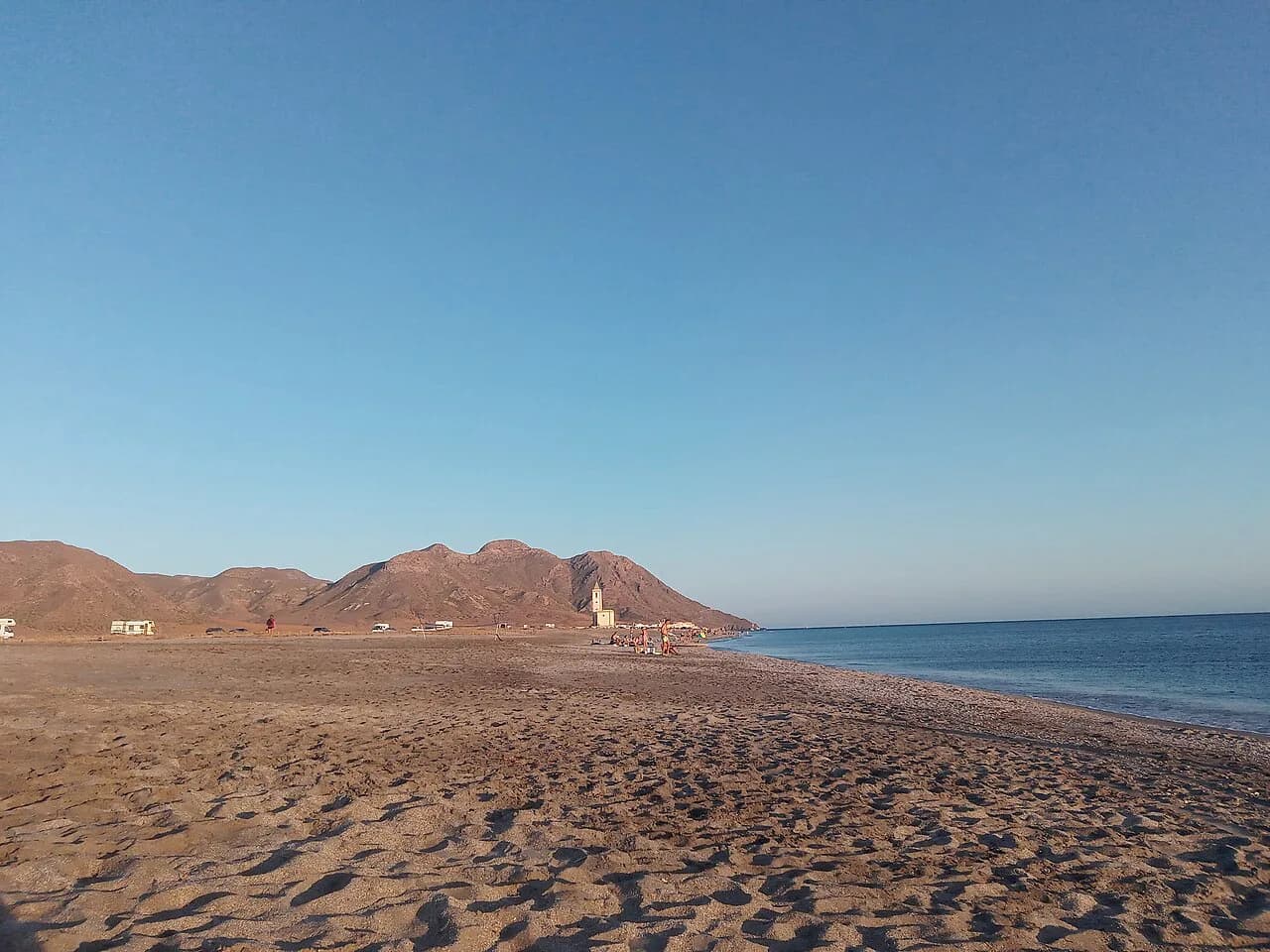
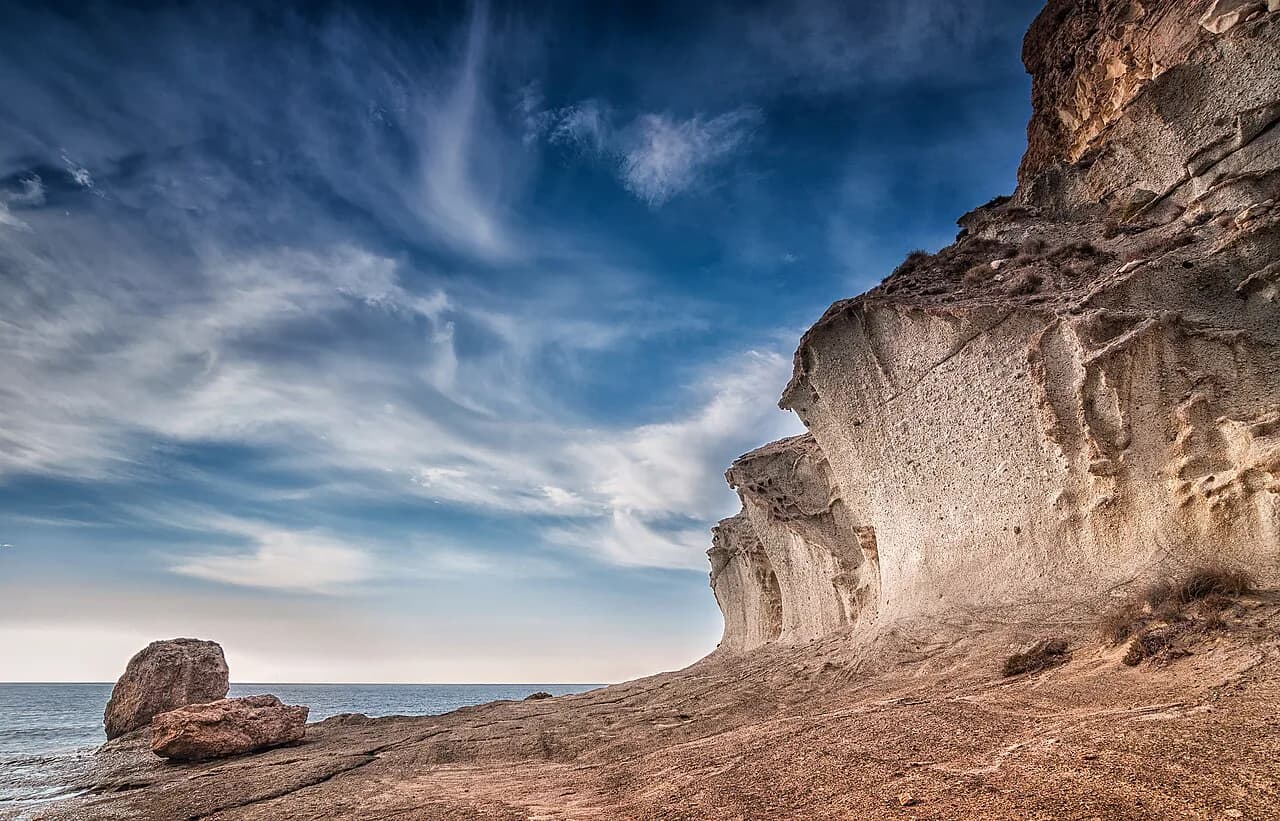
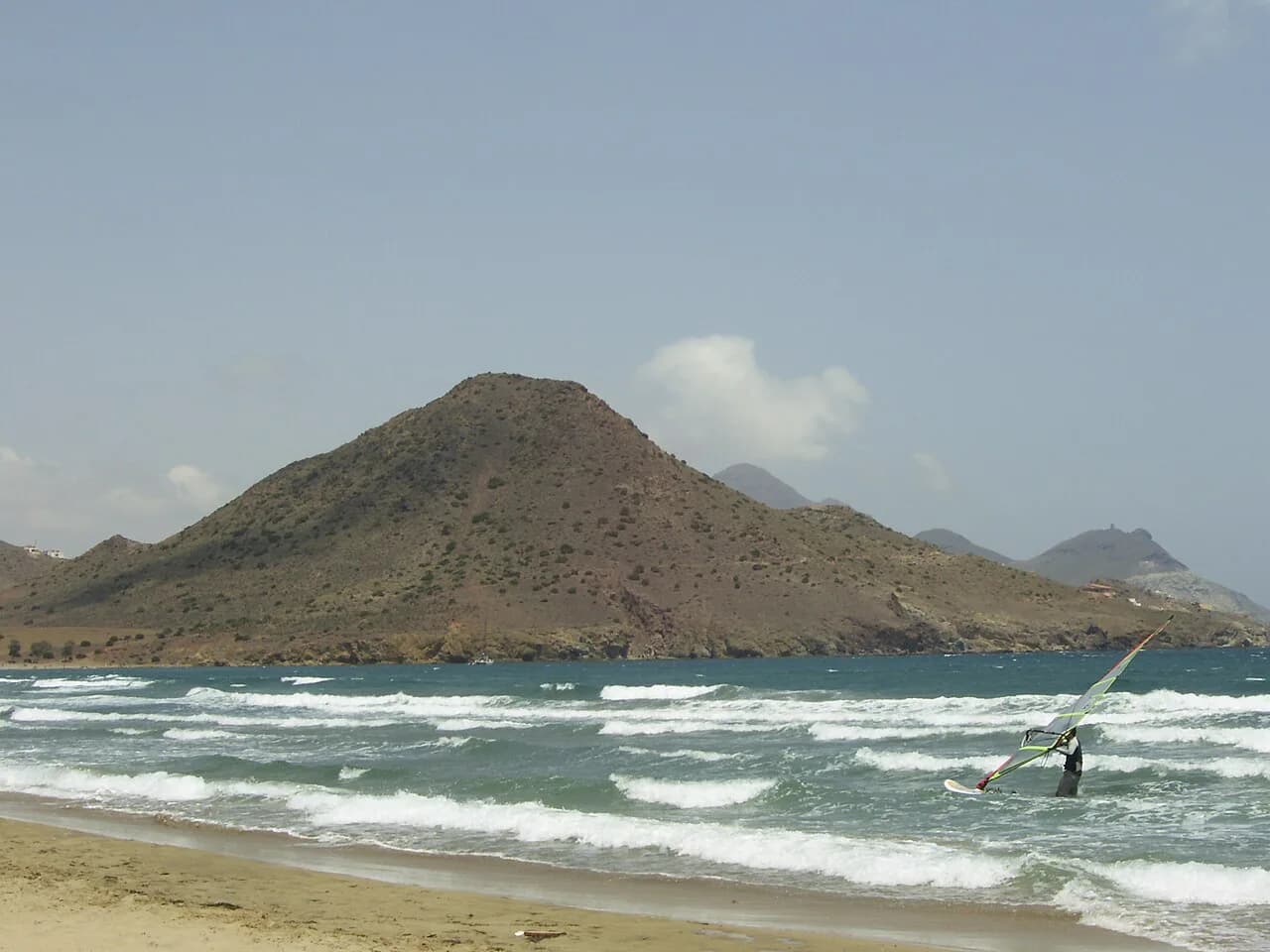
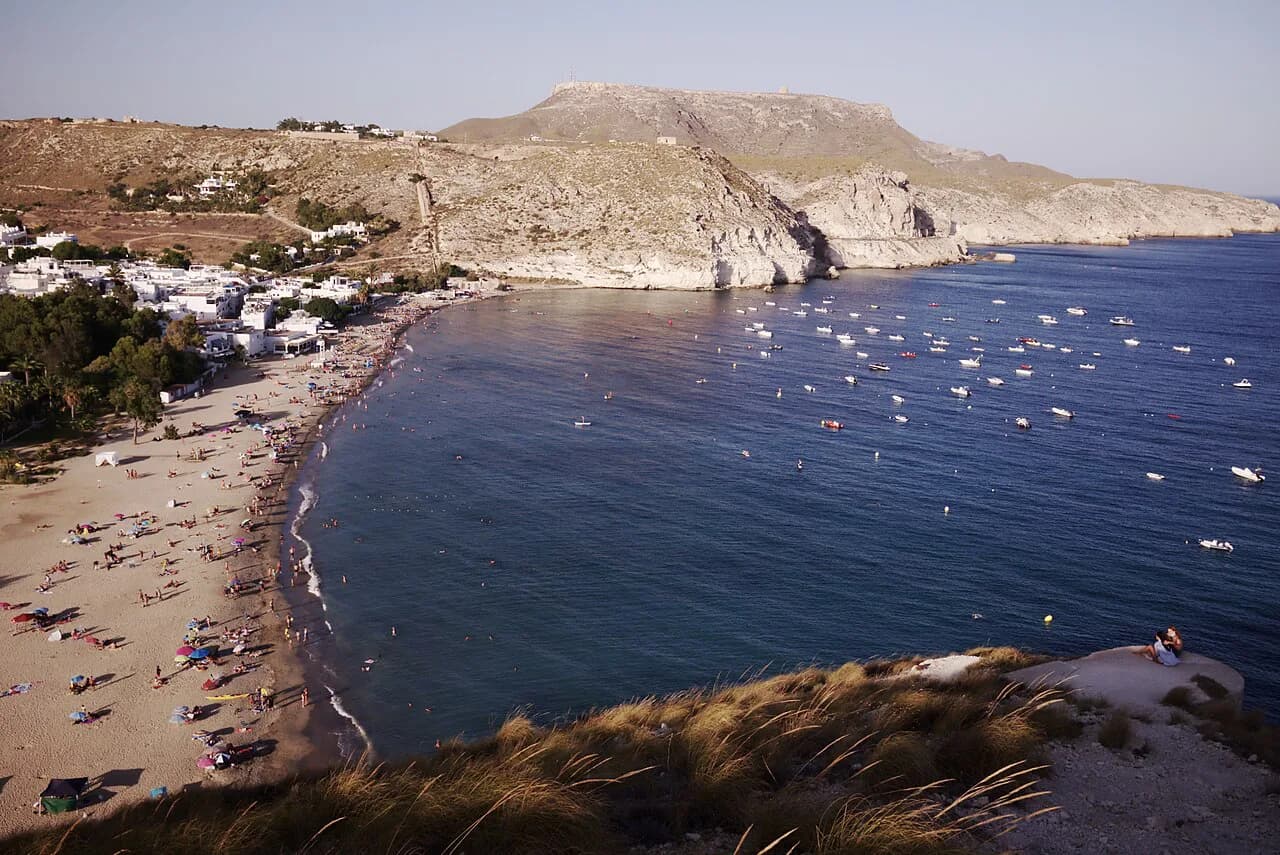
Roquetas de Mar is a resort base, not a wilderness one, so pair it with a day in the Cabo de Gata-Níjar Natural Park for contrast. The park protects 70 km of coastline with volcanic cliffs, quiet sand and clear water, and it is reachable as a day trip from the Almería area.
Playa de los Muertos, near Carboneras, is over a kilometre of pebble beach with clear water and two paths down, one longer and easier and one shorter and steeper, with no facilities at the beach itself. Bring water, snacks and a parasol, and treat it as a half-day outing rather than a quick dip.
Los Genoveses, a short drive from San José, has soft sand and shallow water, while Playazo de Rodalquilar is a wide, easy-parking beach with a fossilised dune and no facilities. Both work as a contrast day if you want wild coast without committing to a long hike.
Who each beach suits
Families with small children should head for Aguadulce or the lifeguarded sections of the Urba, where the sand is wide, the water shallow and the promenade flat. Swimmers who want space should walk away from the main hotel clusters, and quiet-seekers should come in spring or autumn or use the town beaches early in the morning.
Snorkellers will find better rocks and marine life in Cabo de Gata than on the urban sand, so plan a day trip if underwater life is the point of the holiday. Walkers get the best of the region by combining a promenade stroll with a park hike.
Practicalities for a beach day
This is an exposed urban shore, so shade is limited to what you bring or rent, and the sun is strong through the middle of the day. Pack water, a hat and a parasol if you plan to stay past lunch, and use the promenade bars for shade and refreshment when the sand gets too hot.
Wind can pick up along the bay, so check the forecast before committing to a full day and keep a backup plan such as the town's restaurants or a short trip into Almería. In summer, arrive early for parking and choose your spot before the beach fills.
Plan Your Beach Day
Roquetas de Mar works best as a base where the beach is part of the town rather than a separate excursion: pick Aguadulce for family facilities, the Urba for the classic resort front, Playa Serena if you are staying at the newer hotels and Los Cerillos if you want the naturist stretch.
Save the wild coast for a Cabo de Gata day trip, and treat the urban beaches as the easy, car-free option for the rest of the week. That combination gives you both the convenience of a resort and a taste of Almería's protected coastline, and travellers heading further north-east along the same coast can compare the sands at Mojacar beaches on a separate trip. If you are weighing up a different stretch of the same southern coast, the beaches in Murcia offer a similar resort-versus-cove choice.
Frequently Asked Questions
What are the main beaches in Roquetas de Mar?
The shoreline runs from Aguadulce, nearest Almería city, through the main town beach known as the Urba, to Playa Serena in front of the newer hotels. Smaller named sections include La Bajadilla, Las Salinas and La Romanilla, and Playa los Cerillos is the naturist stretch.
Is Playa Serena the same as the Roquetas de Mar town beach?
They are parts of the same long shoreline. The town beach, or Urba, runs in front of the older town and most of its hotels, while Playa Serena fronts the newer hotel blocks further along. You can walk between them on the promenade.
Which Roquetas de Mar beach is best for families?
Playa de Aguadulce is the most family-oriented, with lifeguards, playgrounds and beachside restaurants, and it sits closest to Almería city. The lifeguarded sections of the town beach also work well for young children because the sand is wide and the promenade access is flat.
Are there accessible beaches in Roquetas de Mar?
Six beaches are adapted for disabled visitors: Aguadulce, La Bajadilla, Las Salinas, Playa Serena, the beach in the Roquetas residential area and La Romanilla. Amphibious chairs can be requested from the lifeguard stations at some locations, so ask on arrival or contact the tourist office in advance.
When is the best time to swim in Roquetas de Mar?
The sea is comfortably warm from June to September, with August the busiest month on the coast. Spring and autumn suit walkers and quiet-seekers, and you can still sunbathe outside the main season if you are used to cooler water.
Can you visit Cabo de Gata beaches from Roquetas de Mar?
Yes, as a day trip. Cabo de Gata-Níjar Natural Park protects 70 km of coastline with volcanic cliffs and quiet coves, and Playa de los Muertos near Carboneras makes a good half-day outing. A car or an organised tour is the realistic way to reach the remote beaches.
Sources
Beach notes for your next trip
Optional updates when we add or revise beach guides.
You might also like
Continue reading
More guides you'll find useful