Playa del Zapillo, Almería: City Beach Guide for Travellers
Playa del Zapillo is Almería's long city beach, with dark sand, adapted access and a promenade setting. Here is how to plan an easy beach day in the city.
On this page
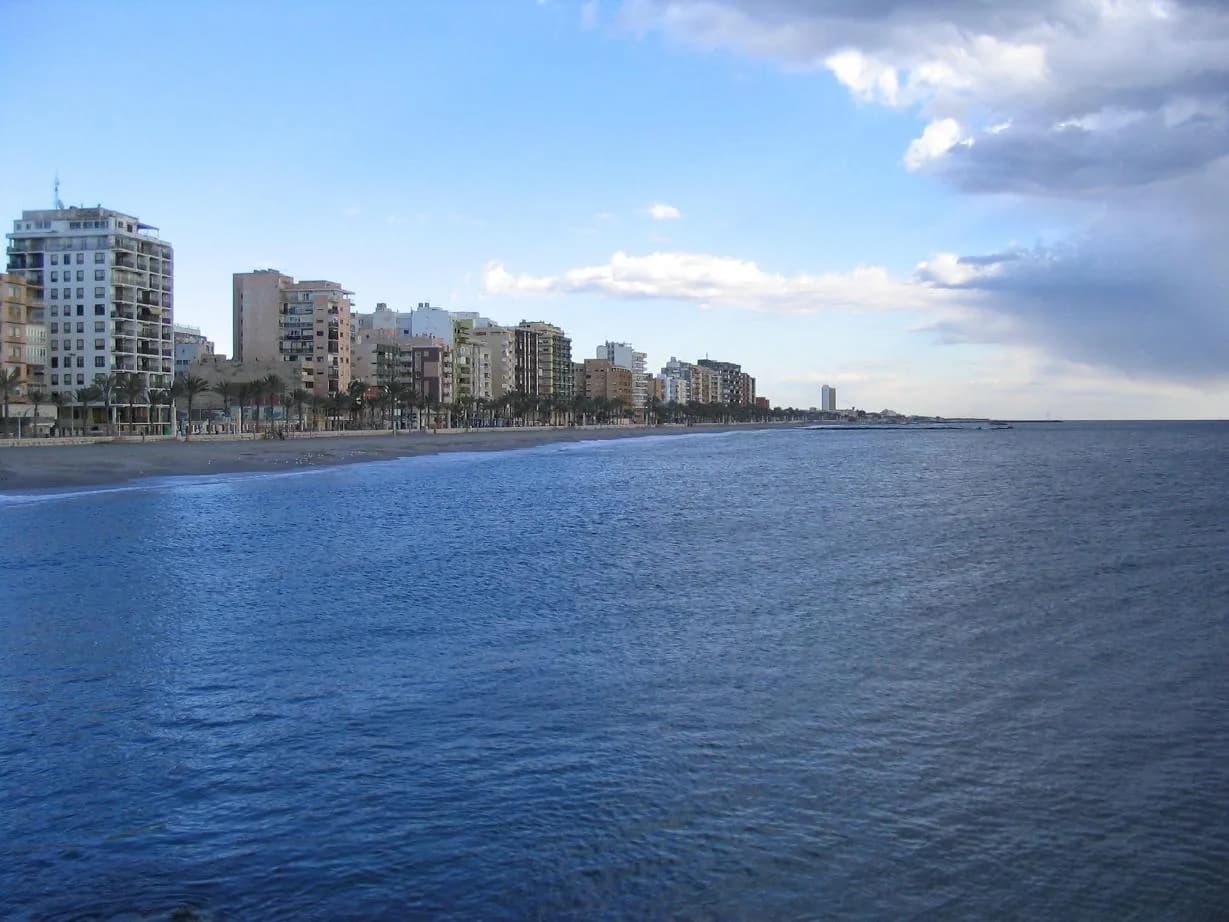
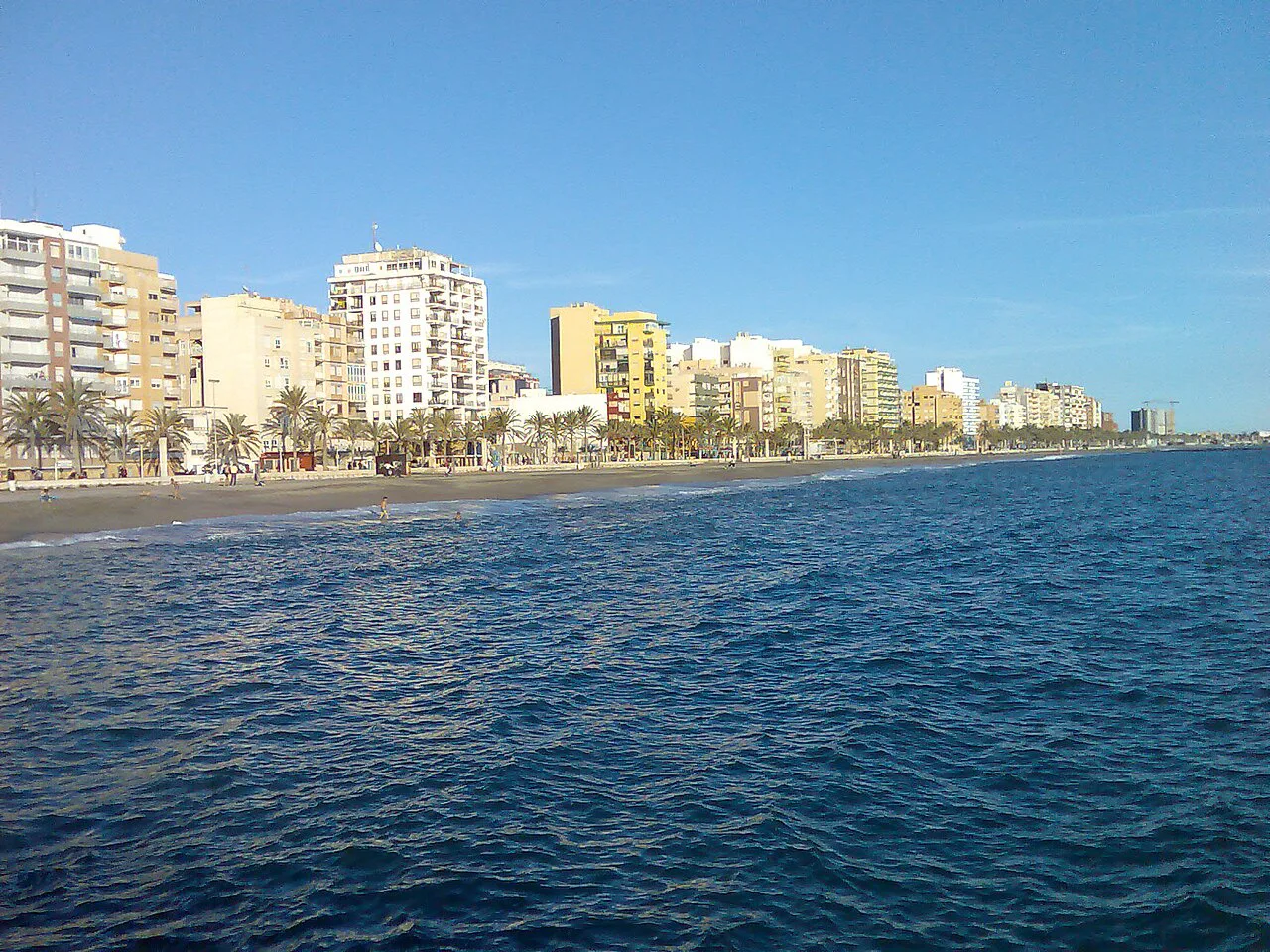
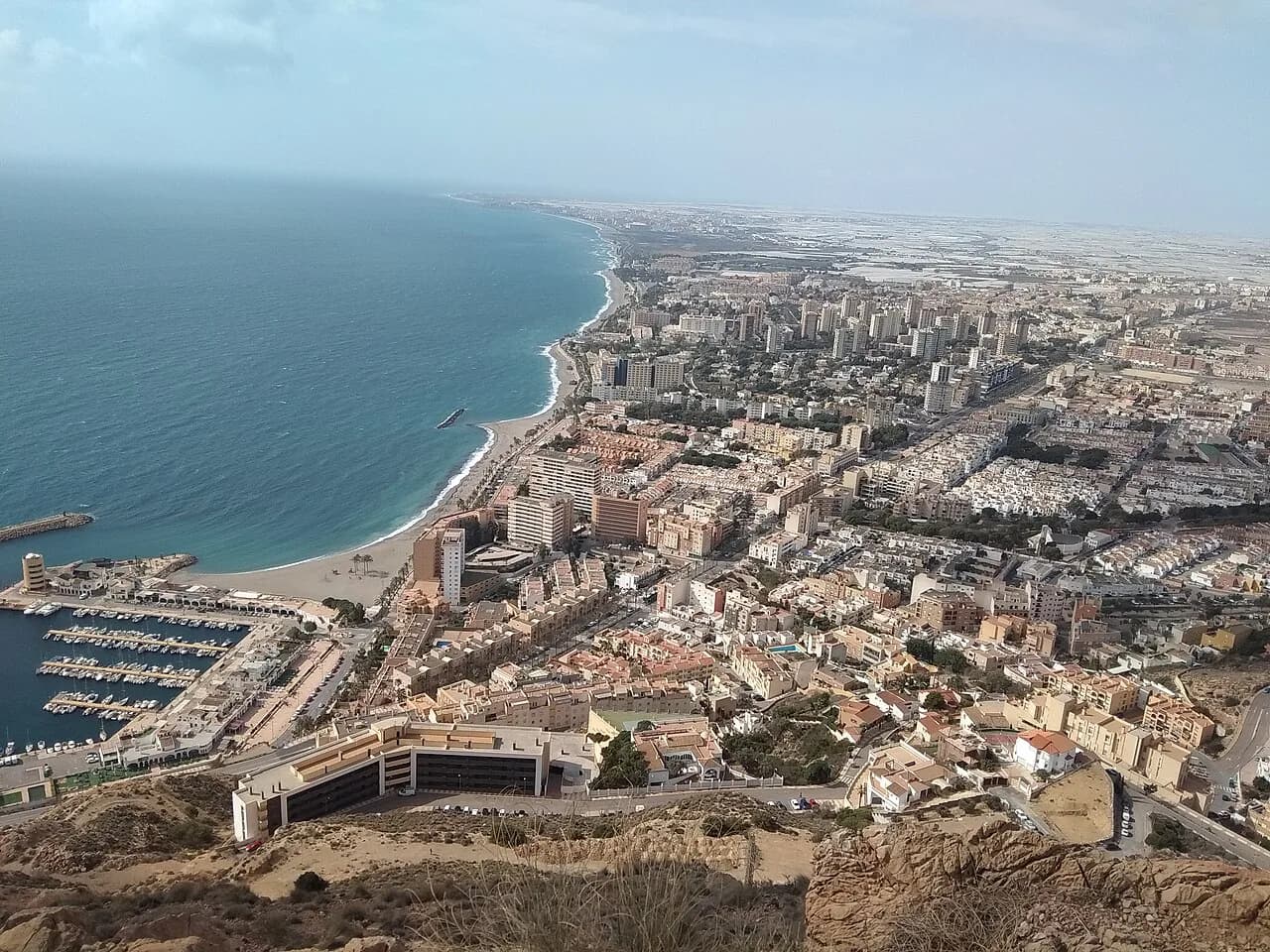
Playa del Zapillo is the beach you get when a working Spanish city decides to put its seaside on the doorstep. It runs for 1,550 metres along Almería's eastern seafront, with fine-grained dark sand and a promenade of bars and restaurants behind it, so you can combine a swim with lunch or an evening stroll without planning a day trip.
The beach sits at the end of the city promenade, at the height of the Auditorio Maestro Padilla and in front of the Plaza de las Madres de la Plaza de Mayo, which makes it a straightforward walk from the centre. It suits mixed-age groups, people travelling without a car and anyone who needs step-free access to the sand, thanks to folding walkways and adapted facilities.
Where Playa del Zapillo sits
The beach addresses Avenida Cabo de Gata, on Almería's eastern shoreline, and stretches from the auditorium end towards the Zapillo neighbourhood. A beachfront hotel on Calle Sorrento describes itself as 500 metres from Zapillo Beach and 2.4 km from the city centre, which gives a useful sense of how close the sand is to the historic core.
Because it is an urban beach rather than a resort strip, the backdrop is apartment blocks, the auditorium and the promenade rather than dunes or cliffs. That is the trade-off: you get convenience and city facilities, but not the wild Costa de Almería scenery. For that, plan a separate day out among the wider Almeria beaches.
Getting there
The simplest approach from central Almería is on foot along the promenade, which leads east from the port area past the beachfront. It is a flat, paved walk of a couple of kilometres, so most people reach the sand in under half an hour from the centre without needing a bus.
City buses run along the coast road serving the Zapillo seafront, and street parking is available near the beachfront, though spaces are busiest in summer. The city tourist office can give current bus routes and any parking charges, so ask there rather than relying on outdated online listings.
The sand and the water
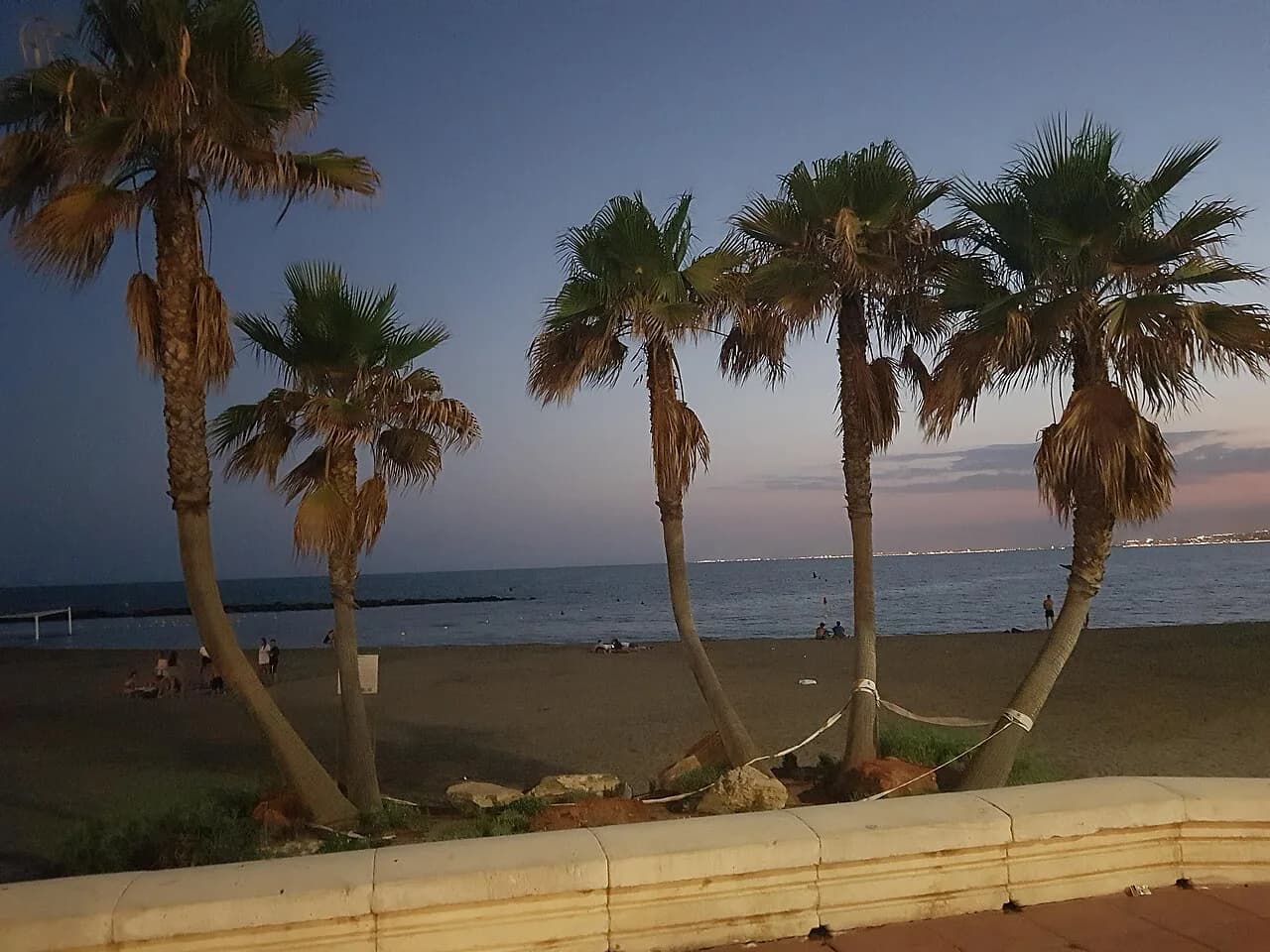
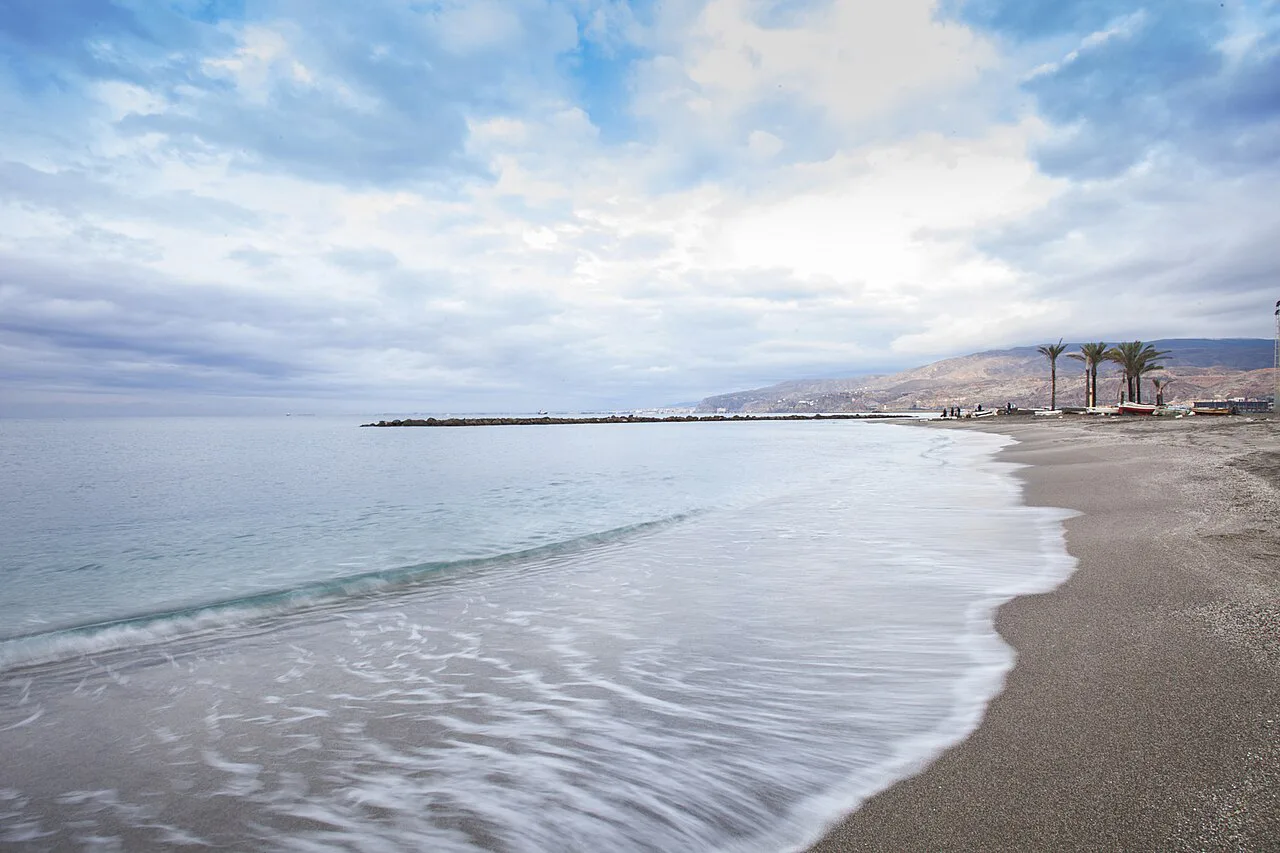
The beach is made of fine-grained dark sand, which heats up quickly under the Andalusian sun and sticks to damp skin. Bring flip-flops or sandals for the walk to the water, and expect the dark colour to make the surface feel hotter than pale sand would in the middle of the day.
The water is described as clean, with a jellyfish risk that the beach indicates using flags on the day. Watch the flag before you swim and ask at the beach or the promenade bars if you are unsure what a particular flag means. The shoreline shelves gradually, which generally suits paddling and casual swimming, but the sea is open and conditions change with the wind.
Facilities at the beach
Playa del Zapillo holds the 'Q' flags of quality for tourism, a Spanish standard for beach services and management. In practice, that means a maintained beach with the promenade's bars, restaurants and shops immediately behind the sand, so you can eat, buy water and shelter from the sun without walking far.
Sunbed and parasol rental, lifeguard hours and shower locations change with the season and are not fixed in published listings, so ask at the beach or at the promenade bars when you arrive. The beach is long enough that even on busy days you can usually find space by walking a few hundred metres away from the main access points.
Accessibility
This is one of the better-equipped city beaches for people with reduced mobility. There is a reserved parking area for PRM vehicles next to the beach, an inclined ramp with a handrail at the entrance, adapted toilets, a reserved shaded area and folding walkways that lead down to the shoreline. Bathing support staff are on hand, and amphibian chairs and crutches are available to borrow.
The accessibility report notes that wheelchair circulation on the sand is partial and that the shower has a level basin but no support bars or seat, so plan around those limits if you need them. The access details are specific enough that it is worth reading the full accessibility report before you travel, particularly if you rely on a specific piece of equipment.
Best time to go
The sea is warmest from late June through September, with July and August the busiest months when Spanish families and visitors from elsewhere in Europe fill the beach. Water temperatures in this part of the Mediterranean typically reach the mid-20s Celsius in August, which makes for comfortable swimming without a wetsuit.
For a quieter day, aim for early morning or late afternoon outside the peak weeks. In June and September you still get warm water and long daylight, but the promenade is calmer and it is easier to find a spot near the water. Winter swimming happens here, but the sea is cold and the beach is mostly used for walking.
Nearby beaches to combine
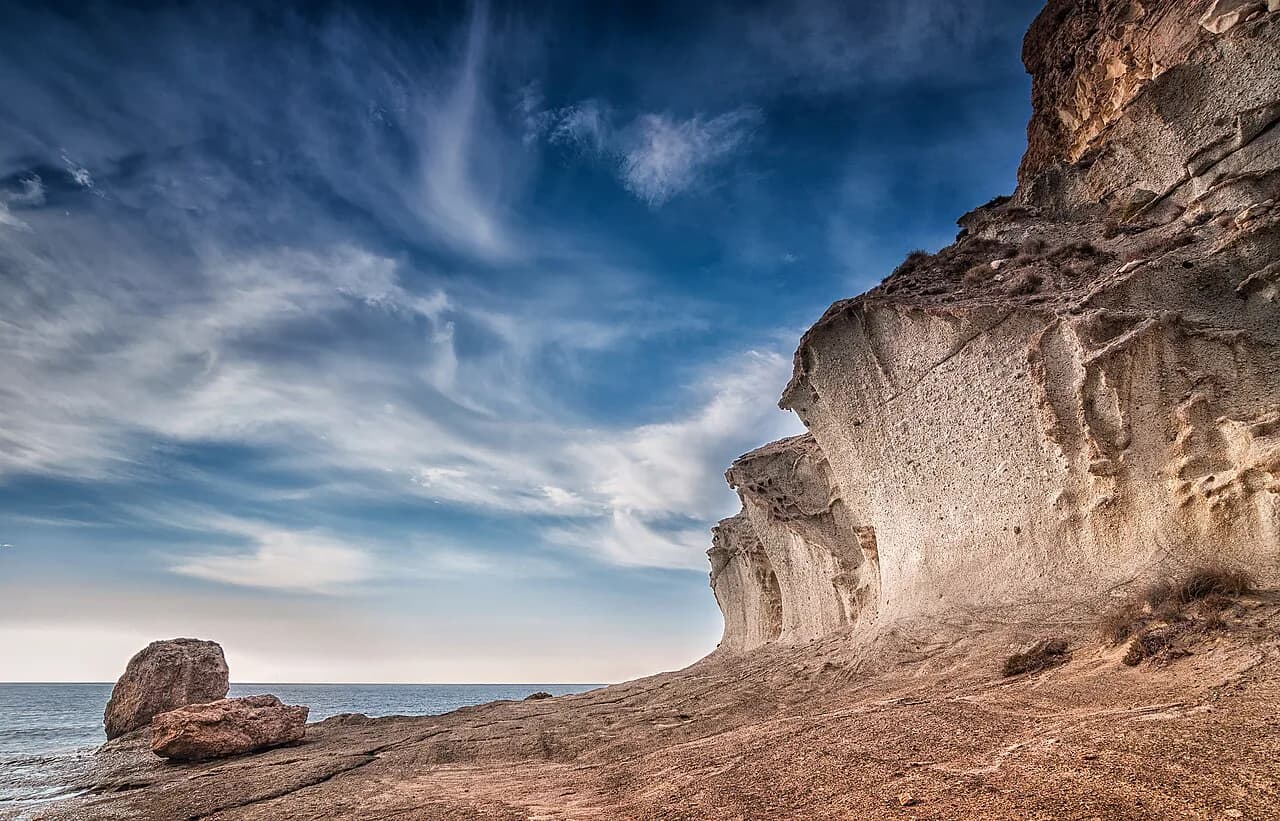
If you want a change from the city shoreline, the coves and long sands of the Cabo de Gata-Níjar Natural Park lie east of Almería and make a natural full-day extension. The park's beaches range from family-friendly sand to remote coves reached on foot, so pick according to how much walking you want. If you are weighing up other stretches of the Andalusian coast for the rest of your trip, the beaches in Murcia offer a comparable mix of city sands and quieter coves.
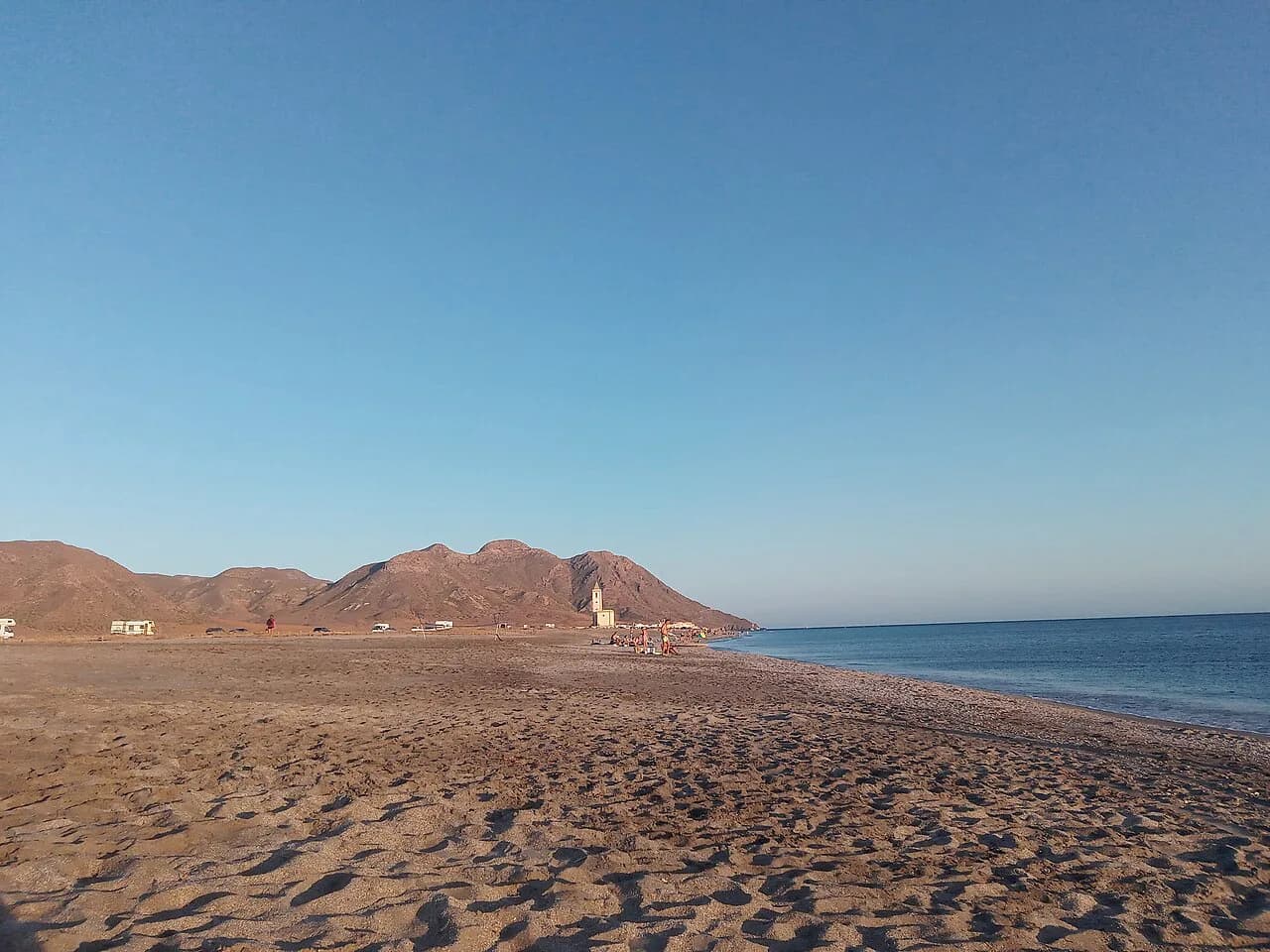
Playa de los Muertos, near Agua Amarga, is a dramatic dark-sand beach that rewards the drive with clear water and a wilder setting. It is a different kind of day out from Zapillo: fewer facilities, more walking, and a stronger sense of escape from the city.
Practicalities for a beach day
The dark sand gets hot, so bring footwear for crossing it and a mat or towel that will not trap the heat. Drinking water is essential in July and August, when temperatures regularly push past 30°C on the promenade. A parasol or a spot near the promenade wall gives you shade when the sun is at its strongest.
After swimming, the promenade behind the beach has bars and restaurants for lunch or an evening drink, which is the main advantage of a city beach over a remote cove. Eat late by British standards, as Spanish kitchens typically serve lunch from around 14:00 and dinner from 21:00.
Plan Your Visit
Playa del Zapillo is the beach to choose when you want sand, a swim and a city lunch without a car or a long transfer. Its 1,550 metres of dark sand, adapted access and promenade setting make it one of the most practical city beaches on the Andalusian coast.
Go early in peak season, watch the jellyfish flags and ask at the beach about sunbeds and lifeguard cover, since these change with the season. If you want wilder scenery, save a separate day for the Cabo de Gata coves and treat Zapillo as your easy city base.
Frequently Asked Questions
Is Playa del Zapillo worth visiting in Almería?
Yes, if you want a convenient city beach with a promenade of bars and restaurants behind it. It is less dramatic than the Cabo de Gata coves, but it is easy to reach on foot from central Almería and has good adapted access.
How far is Playa del Zapillo from Almería city centre?
A beachfront hotel on Calle Sorrento describes itself as 500 metres from Zapillo Beach and 2.4 km from the city centre, so the walk from the historic core takes around half an hour at an easy pace. The route along the promenade is flat and paved.
Is Playa del Zapillo good for families and people with reduced mobility?
The beach has reserved parking for PRM vehicles, an inclined ramp with a handrail, adapted toilets, a reserved shaded area and folding walkways to the shoreline. Amphibian chairs and crutches are available with bathing support staff, though wheelchair circulation on the sand is described as partial.
Are there jellyfish at Playa del Zapillo?
Jellyfish are a risk in these waters, and the beach indicates their presence with flags on the day. Watch the flag before swimming and follow any advice given at the beach.
When is the best time to swim at Playa del Zapillo?
The sea is warmest from late June through September, with July and August the busiest months. June and September offer warm water with a calmer promenade, and early mornings and late afternoons are quieter throughout the summer.
Sources
Beach notes for your next trip
Optional updates when we add or revise beach guides.
You might also like
Continue reading
More guides you'll find useful