Playa de Tauro, Gran Canaria: Beach Guide for UK Travellers
Plan a day at Playa de Tauro on Gran Canaria's south-west coast: dark sand and pebbles, clear turquoise water, and how it fits with Amadores and Puerto de Mogán.
On this page
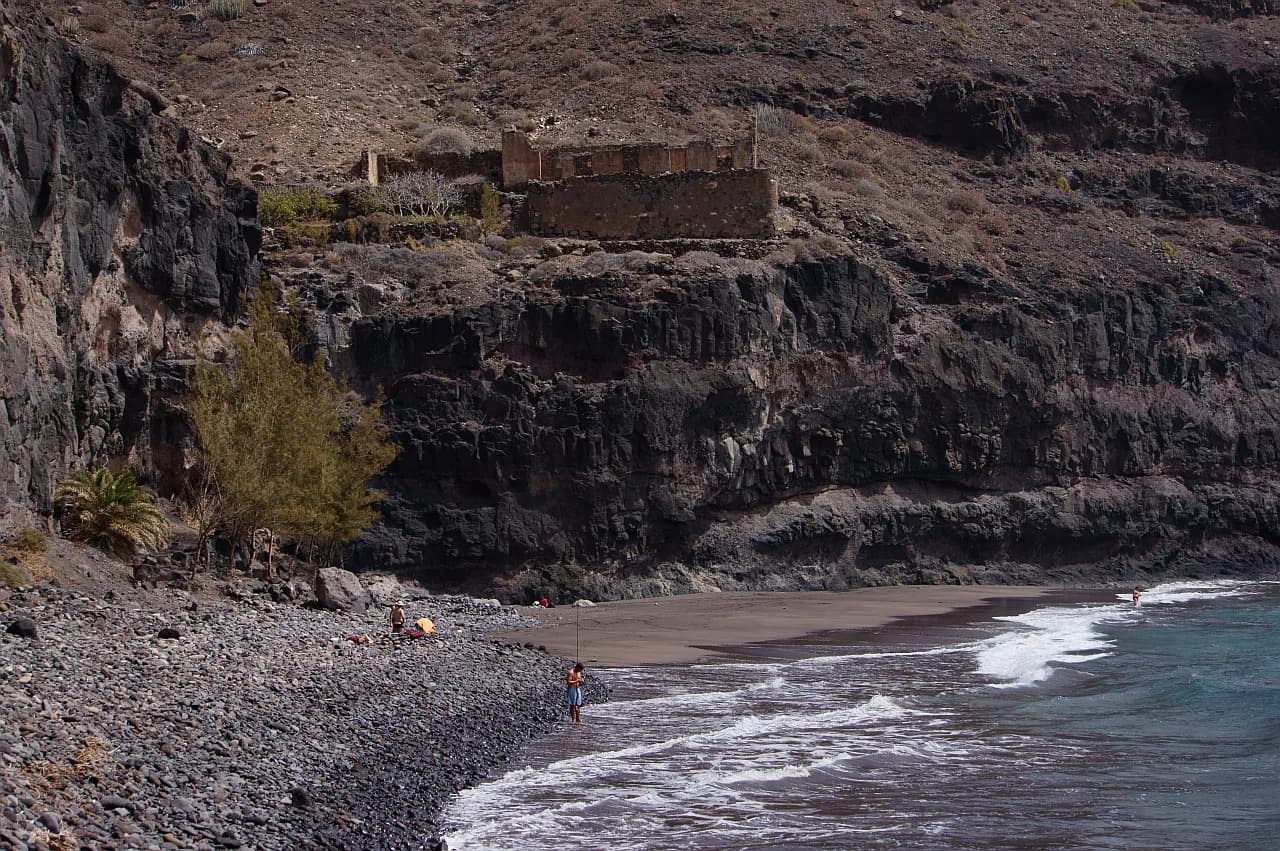
Playa de Tauro earns its place on a Gran Canaria beach day for what it is not: nowhere near as engineered as Amadores, and far quieter than the big sands of the eastern resorts. Lying in the municipality of Mogán on the island's south-west coast, it spreads roughly 440 metres of dark sand and pebbles along the shoreline, according to Playa de Tauro visitor reviews. If you want clear turquoise water without the full resort apparatus around you, this is the stretch to build a day around.
The beach suits swimmers and couples who walk in with water shoes and think nothing of ditching the lounger, and it works as a half-day stop between the resort strip at Puerto Rico and the harbour at Puerto de Mogán. Families with very small children should weigh up the pebble footing against the easier sand at neighbouring beaches, and anyone planning a whole coast tour will find it slots neatly into our guide to the island's [Gran Canaria beaches](/gran-canaria-beach-guide).
Where it sits on the coast
Playa de Tauro occupies a wide cove on the south-west coast between Puerto Rico and Puerto de Mogán, with Amadores sheltered just along the coast towards Puerto Rico. Expedia lists Playa de Tauro alongside Amadores, Puerto Rico and Mogán as separate stops on the same stretch of coast, so you can treat the area as one day rather than three separate outings. The beach faces south-west, which is the side of the island that shelters it from the north-east trade winds that rough up the northern beaches.
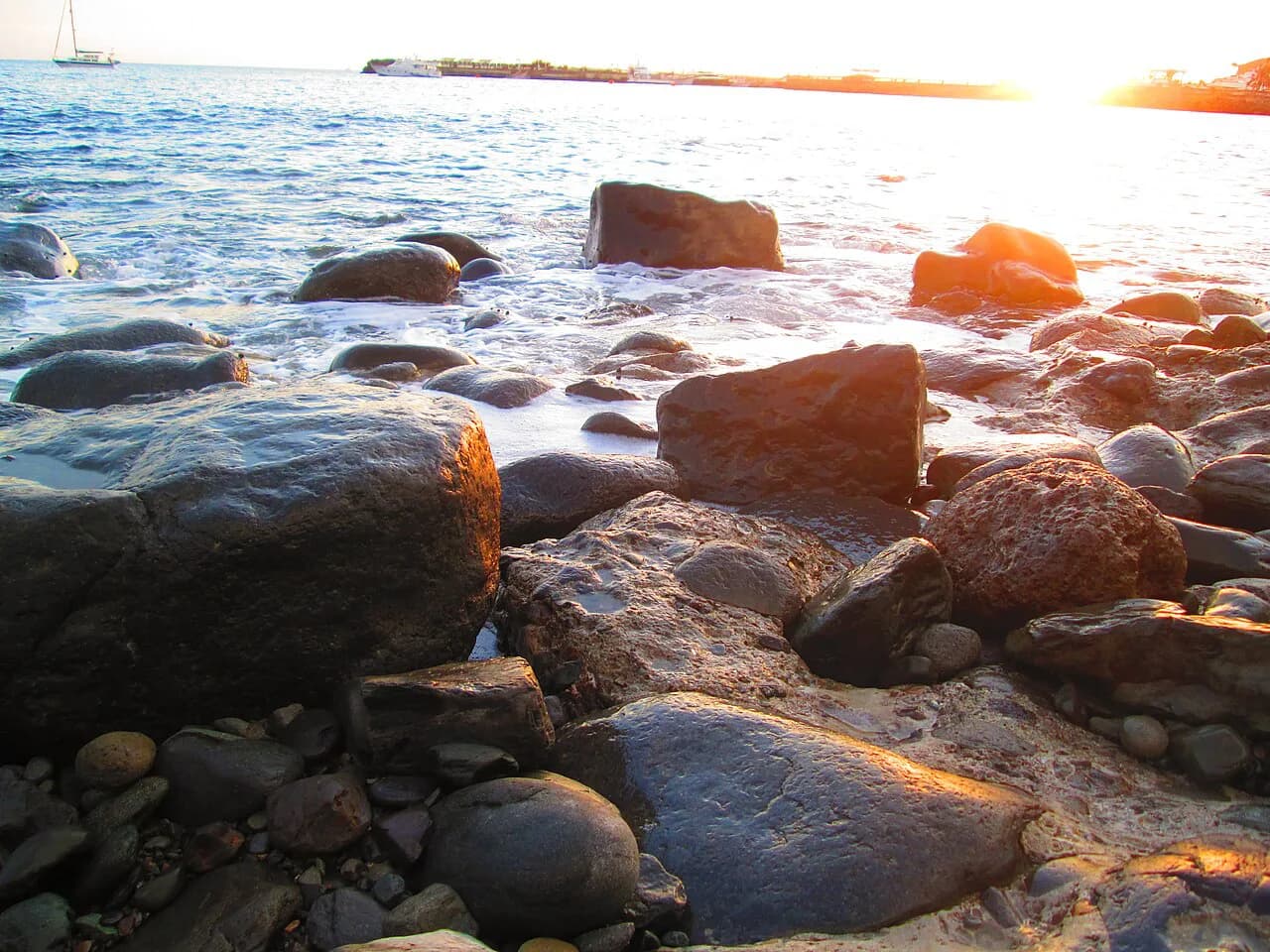
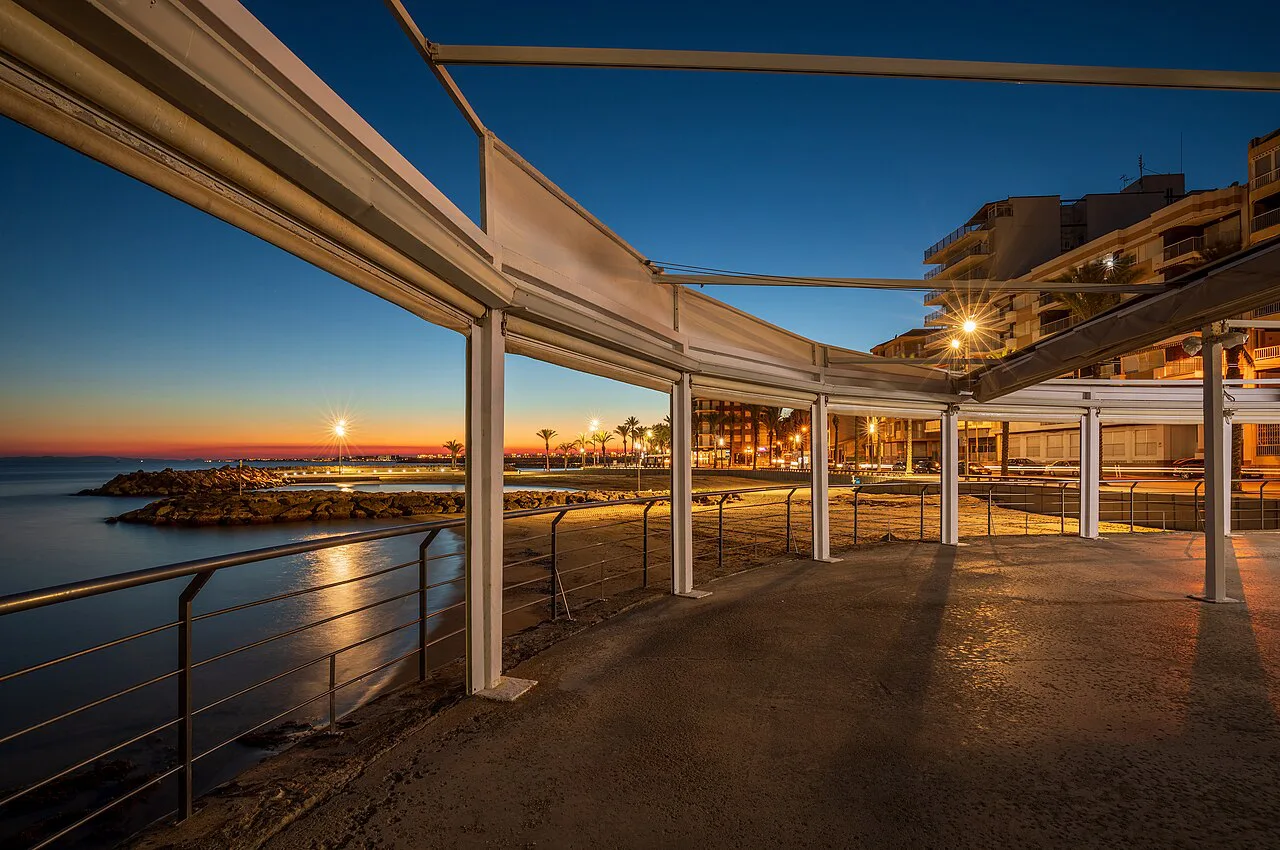
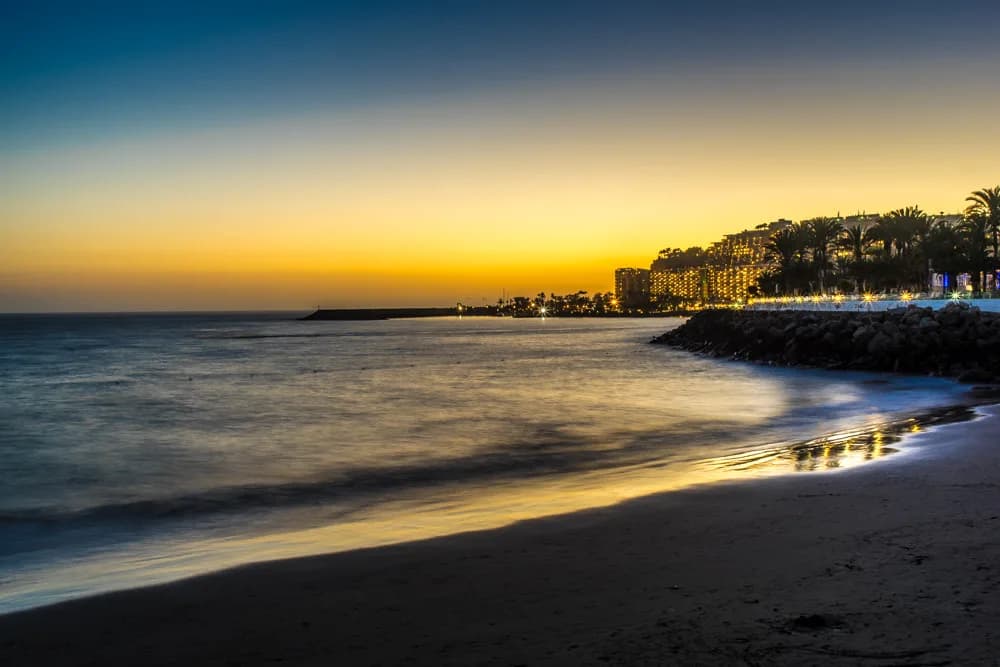
About the character of the place, Gran Canaria Regional notes that the local name is Playa de Tauro and that it is known for clear turquoise water, very stable weather and sunsets over the water. That combination means it is worth timing your afternoon so you stay for the last of the light; the bay drinks in the sunset, while the resort beaches at Puerto Rico lose it behind the hills.
Getting there
Most travellers reach Playa de Tauro by road; the coast road linking Puerto Rico with Puerto de Mogán passes above the cove, and having a car gives you the flexibility to combine it with Amadores and Puerto de Mogán in a single loop. Drive in from the resort strip at Puerto Rico or down from Puerto de Mogán, fit the day around a hire car, and you can spend the hottest hours at the beach and shift to a harbour meal in the evening.
Public transport on the island is run by Global, Gran Canaria's main bus operator, and passes through the town of Mogán; check the current route map and winter timetable at the Global ticket office in Puerto Rico before committing to a bus-only day. For a guided transfer, boat trip or organised tour, book through a licensed local company instead of relying on an unlisted service. The Puerto Rico tourist office can confirm the latest local transport options if you would rather not drive.
The sand and the water
The beach is dark sand mixed with pebbles rather than the imported golden sand of Amadores, and its roughly 440-metre length gives you room to spread out along the shore. The shoreline changes along that run: the central section is the widest and easiest to lay a towel, while the ends closer to the rockier headlands have the steeper, pebblier entry. Walking barefoot is possible but rock shoes or jelly shoes make the pebble strip far more comfortable for children and for swimmers.
The water here is clear and turquoise over a dark seabed, which is what gives it that colour; it deepens more quickly than the shallow lagoons at the resort beaches, so confident swimmers get the most out of it. Snorkellers will find more to look at towards the rocky edges at either end of the bay. The south-west coast is known for stable, sunny weather, so swimming is a realistic option through the long summer, though the Atlantic is never as warm as the Mediterranean.
Shelter and conditions
The south-west orientation gives Playa de Tauro natural shelter from the north-east trades that blow across Gran Canaria; that, plus the stable sunny weather noted by Gran Canaria Regional, is why this stretch generally feels calmer than the northern and eastern shores. If the trades strengthen in the afternoon, the southern, Puerto Rico end of the bay tends to be the calmer choice, with the headland breaking the fetch. Flags posted at the beach reflect the lifeguards' assessment each day, so swim between them rather than off the ends.
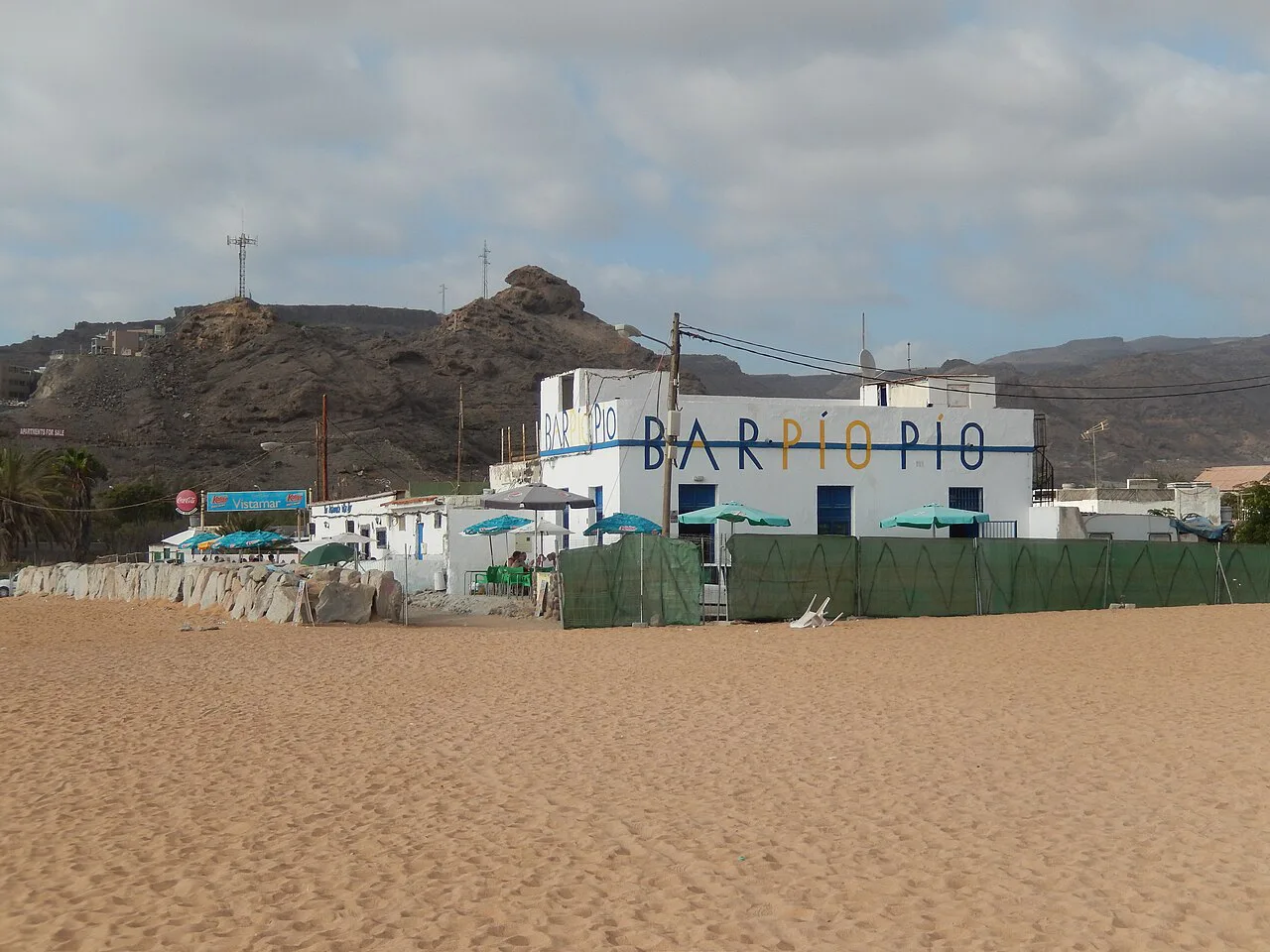
Shade on the beach is limited to whatever you bring or rent, and the sun is strong from late morning until mid-afternoon. An umbrella, a wide-brimmed hat and a high-factor sunscreen are non-negotiable; the dark sand reflects heat back up as well as retaining it. Carry water with you, because the nearest reliable supplies are in the resorts rather than at the beach itself.
Facilities
Playa de Tauro is a natural beach rather than a resort beach, so expect to bring your own base: a towel or mat, an umbrella for shade, drinking water and snacks. The main facilities and lidos sit in the neighbouring resorts of Puerto Rico, Amadores and Puerto de Mogán, which is why those beaches suit anyone who wants sunbeds, toilets and beach bars a few steps from the water. Treat Playa de Tauro as the natural stop and one of the resort beaches as the afternoon base if you want a full set of comforts.
For a change of scene, shift south to Playa del Ingles for the big resort beaches, or north to Las Canteras beach if you want a city beach with a long promenade and plenty of places to eat. Both work as half-day pairings with Playa de Tauro because they sit on different stretches of the island's coast.
How busy it gets and the best months
Because it lacks the sunbed-and-bar setup of Amadores and Puerto Rico, Playa de Tauro stays quieter than its neighbours through the main season, and you can usually find a stretch of shore to yourself if you walk a little along the sand. The busiest weeks track the school holidays and the winter sun market, when the resorts around it fill up. Aim for early morning or late afternoon if your priority is empty sand and softer light.
The sea is comfortably warm from late spring through early autumn, and the south-west coast's stable sunshine makes swimming pleasant outside the height of summer too, once you get past the initial chill. Spring and autumn give you good water temperatures with fewer crowds, while the peak summer weeks deliver the hottest sand and the most visitors. Water temperatures vary from year to year, so pack a light rash vest for early and late-season swims.
Nearby beaches to combine
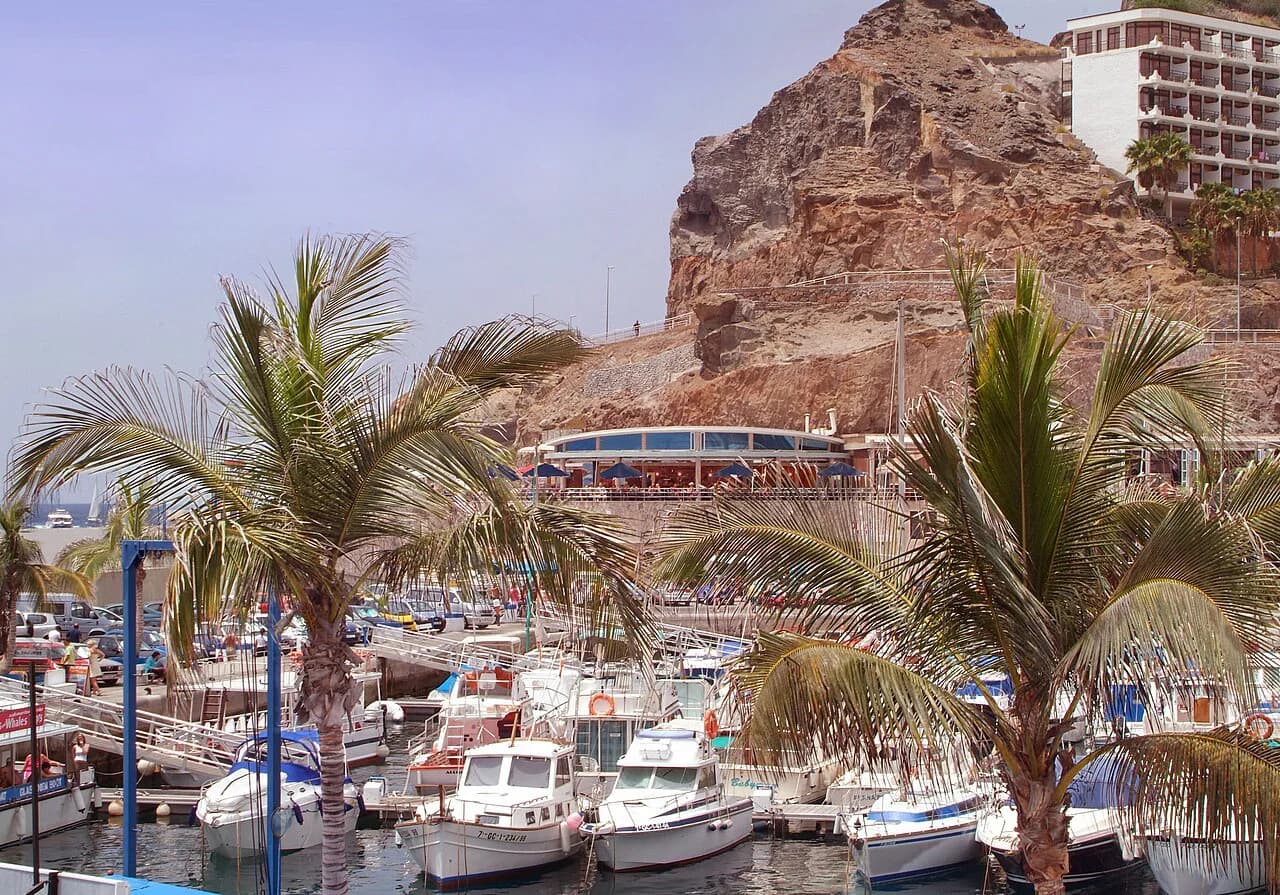
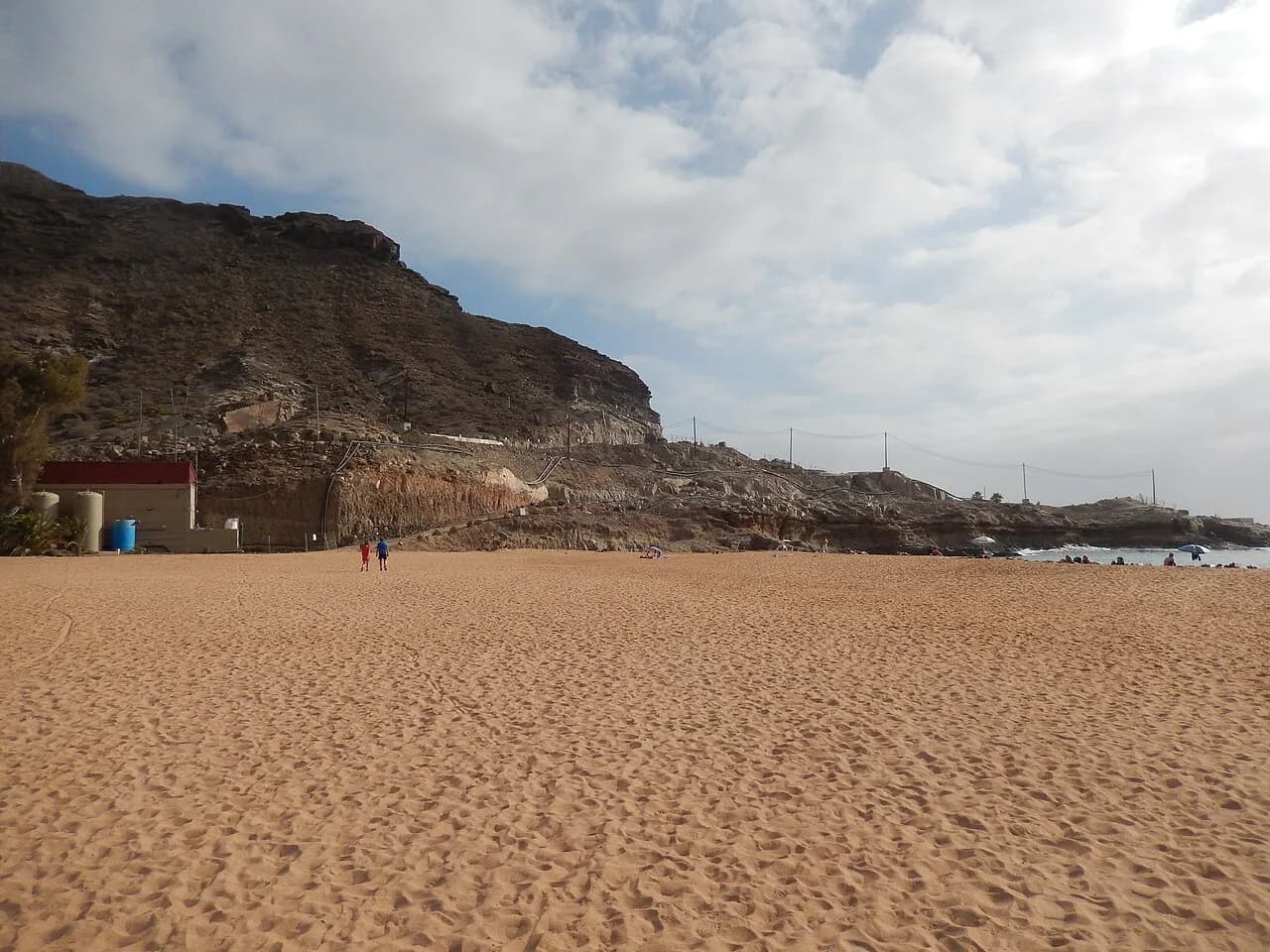
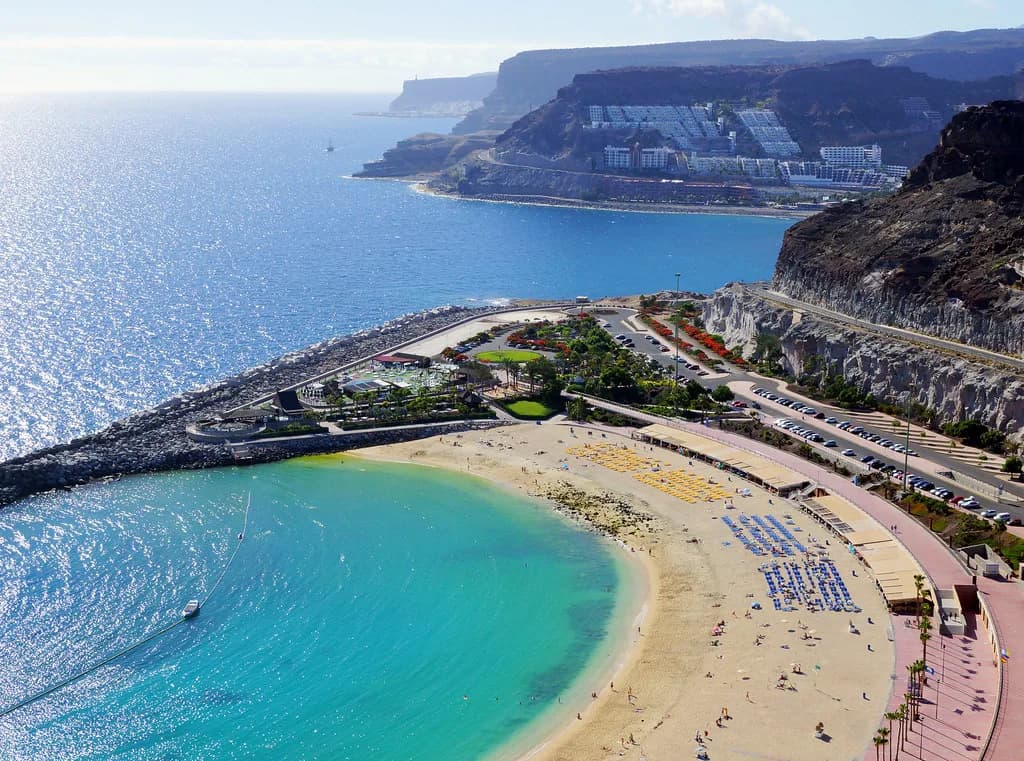
Amadores beach, immediately east of Playa de Tauro, is the resort counterpart: a curved bay of imported sand with sunbeds, bars and calmer, shallower water that suits families with children. Puerto de Mogán, further west, has a small harbour beach and the canalside lanes of the old fishing village, making it a good late-afternoon stop after Playa de Tauro. Playa del Cura and Taurito fill out the coast between them if you want to string together several beaches in one drive. If you are weighing up a different island for a similar quiet-cove day, our guide to the best beaches in La Palma makes a useful comparison.
Plan a loop: Playa de Tauro in the morning, Amadores for a late lunch and a shallow swim, then Puerto de Mogán for the sunset. Driving the coast road in that order keeps the sun behind you in the afternoon and puts the harbour restaurants at the end of the day rather than the middle.
Who it suits
Playa de Tauro is best for swimmers, couples and quiet-seekers who want a more natural beach than the neighbouring resorts. Snorkellers and confident swimmers will enjoy the clear water and the rockier edges at either end of the bay. Couples who want to stay for the sunset have a natural advantage here, since the beach faces west and the sun sets into the sea.
Families with very small children should weigh up the pebble footing against the easier sand and facilities at Amadores and Puerto Rico, and come prepared with beach shoes. Children who can swim confidently will have no trouble, but the quicker deepening means paddling close to the shore rather than wading far out. Anyone with mobility concerns should plan their access point in advance, since the natural beach has fewer paved paths than the resort beaches.
Practical kit for a pebble beach
Pack water shoes or trainer-style sandals for the pebble strip, a lightweight beach mat rather than a towel alone, and a windbreak that doubles as shade for the strong south-westerly sun. A dry bag for phones and a refillable water bottle round out the kit, and a light long-sleeved layer helps on the occasional breezy afternoon. Bring cash for parking and snacks in the resorts, since not every small operator takes cards.
Leave the beach as you find it: take your litter with you and avoid removing pebbles or shells, which is a protected natural environment. Keep music low and voices down on the quieter stretches; the appeal of Playa de Tauro is the space and the calm. Sunsets draw a small crowd, so arrive early to claim a spot on the sand if you plan to stay for the last light.
Plan Your Visit
Build your day around Playa de Tauro as the natural, quieter stop on the south-west coast and use Amadores or Puerto Rico for the facilities and easier footing. Bring shoes for the pebbles, shade, water and cash, and plan to stay for the sunset that Gran Canaria Regional singles out as the beach's signature.
Check the current route map and timetables with the local operator or the Puerto Rico tourist office before a bus-only day, and book boat trips or guided tours through a verified provider. For more beaches on the island, our guide to the [beaches](/gran-canaria-beach-guide) of Gran Canaria covers the nearby resort beaches as well as the quieter coves.
Frequently Asked Questions
Is Playa de Tauro sandy or pebbly?
It is a mix of dark sand and pebbles rather than a pure sand beach, which is part of its natural character. Bring water shoes or trainer-style sandals for comfortable walking and easier entry into the water.
How long is Playa de Tauro?
Playa de Tauro runs for roughly 440 metres along the coast in the municipality of Mogán, which gives you room to spread out even when the central section is busy. Walk along the sand to find a quieter stretch.
Which beaches are closest to Playa de Tauro?
Amadores beach is the nearest resort beach, with Puerto Rico and Puerto de Mogán a short drive along the coast. Playa del Cura and Taurito fill out the stretch between them, so you can string several beaches into a single coastal day.
When is the sea warmest at Playa de Tauro?
The sea is comfortably warm from late spring through early autumn, and the south-west coast's stable sunny weather makes swimming pleasant in spring and autumn too. Peak summer brings the warmest water and the most visitors, so come early or late in the day for quieter sand.
Sources
Beach notes for your next trip
Optional updates when we add or revise beach guides.
You might also like
Continue reading
More guides you'll find useful