Playa de Mogán, Gran Canaria: Where to Stay, Eat and Swim
Plan a day at Playa de Mogán in Gran Canaria: sheltered golden sand, the Little Venice harbour, how to arrive by bus, car or boat, and the best months.
On this page
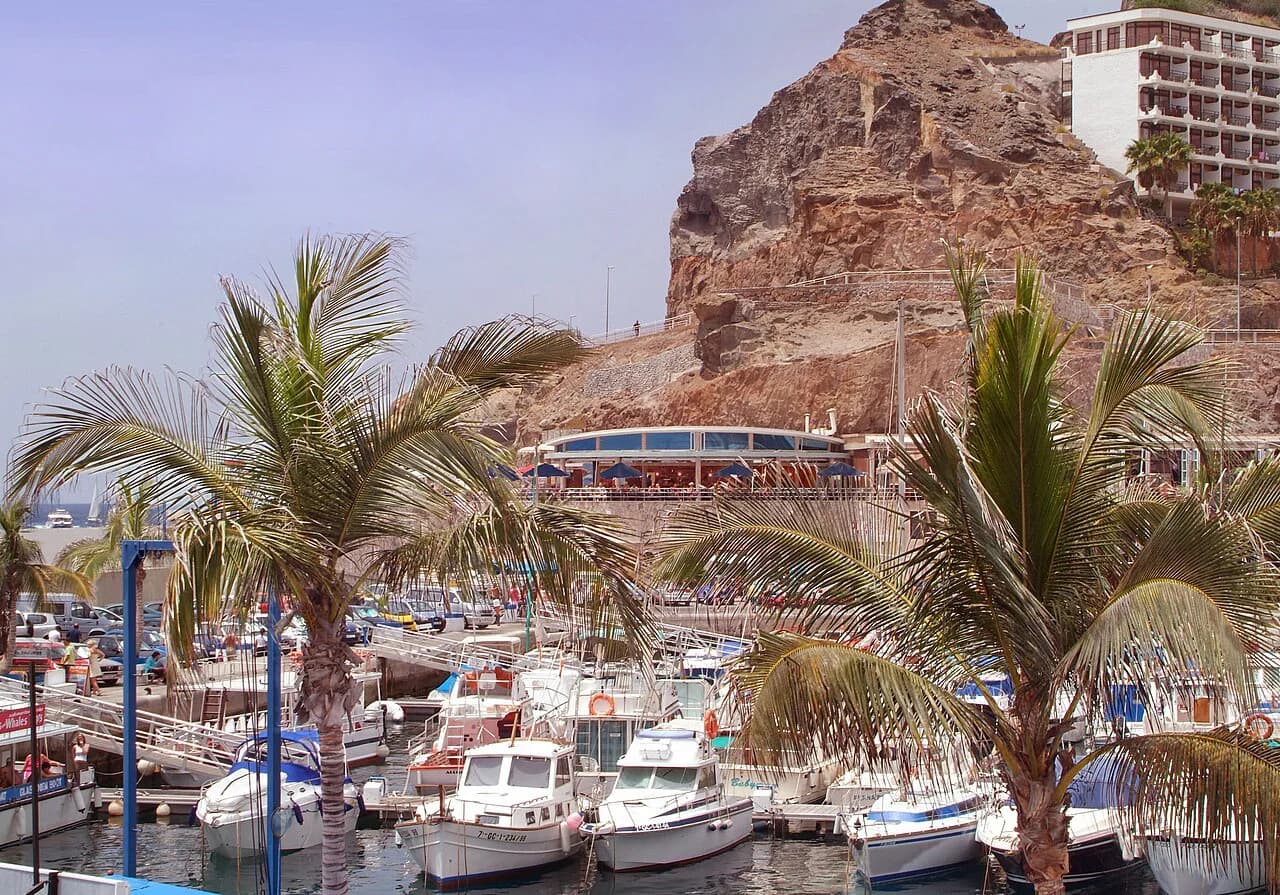
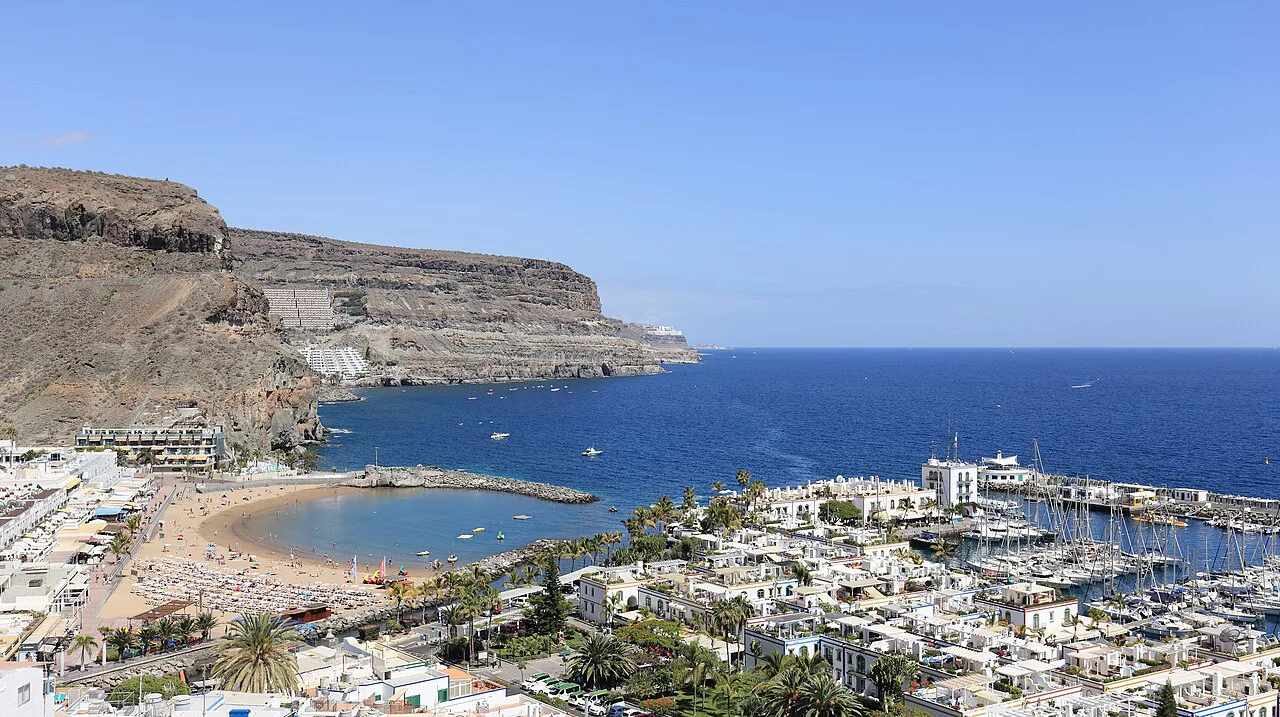
Playa de Mogán earns its nickname, Little Venice, from the whitewashed lanes and little bridges that thread between the harbour and the waterfront. The beach itself sits at the heart of Puerto de Mogán, at the mouth of a coastal ravine, and suits families, weak swimmers and anyone who wants a proper town day rather than a wild coastal trek. It is a town beach with a rare combination of shelter, shade nearby and easy logistics.
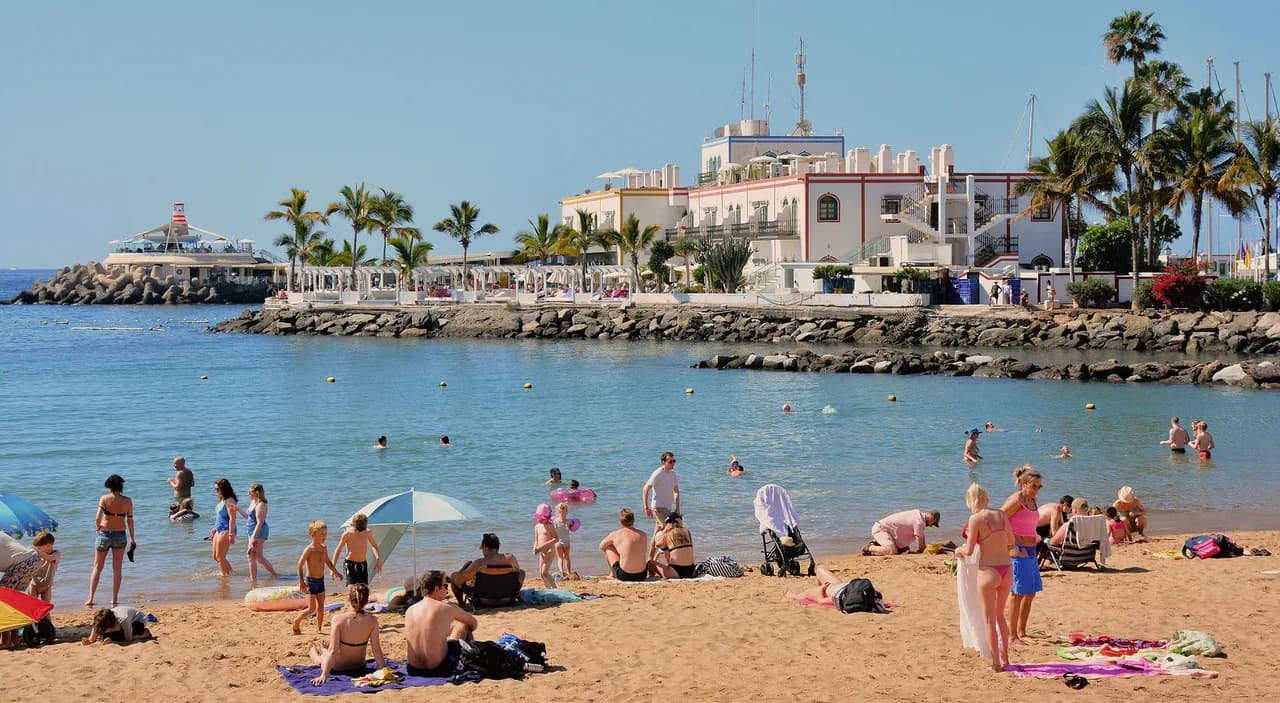
Unlike the open southern strands, this cove is tucked in and gently curved, and the harbour arm adds further protection. That makes it one of the south-west coast's more forgiving swims when the tradewinds pick up. Plan a morning or late-afternoon slot, arrive early on market day and bring a hat and some cash for a harbour-side drink.
Where Playa de Mogán sits
The beach is in Puerto de Mogán, the resort that grew around the fishing harbour on Gran Canaria's sunniest south-west coast. It is the ocean end of the town, with the harbour and marina on one side and the whitewashed summer streets on the other. Everything you need for a beach day – bars, restaurants, the little bridges and the boat jetties – is within a short walk. If you are choosing between the resorts of the south, the wider Gran Canaria beaches comparison helps put Mogán's scale and atmosphere in context against Playa del Inglés and Maspalomas.
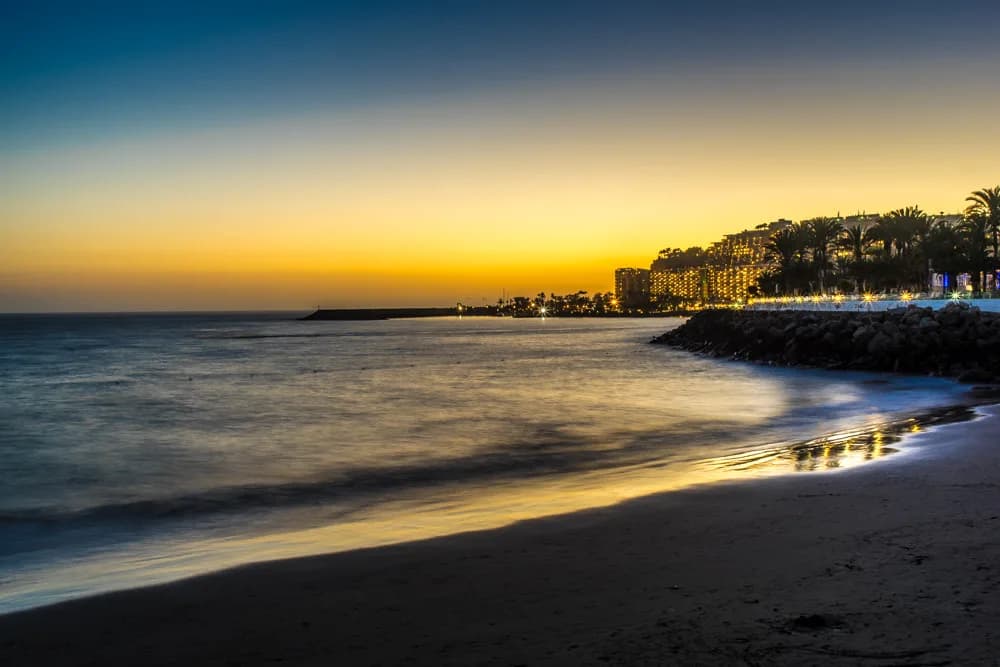
The beach sits inside the municipality of Mogán and forms part of a chain of coves that includes Amadores, Anfi, Taurito and the working Puerto Rico resort. Its small scale is the draw: a curved bay roughly a few hundred metres long, with hotels stepping up the sides of the valley and a pedestrianised waterfront behind. It reads as more low-rise and more traditional than Playa del Inglés, which is backed by high-rise hotels and dunes.
Getting there by car
The south-west motorway GC-1 runs from the airport and the southern resorts past Arguineguín, and the Puerto de Mogán exit takes you down the valley to the resort in around ten minutes from Arguineguín. On the final descent, keep an eye out for the free car parks at the top of the town, because the harbour-side and beach-front spaces fill quickly, especially at weekends and on market day. Once parked, most of the resort is pedestrian, and the beach is a short downhill walk away.
Taxis are plentiful from the southern resorts, and a day out with a taxi both ways removes the parking headache if you are carrying a family's worth of beach kit. If you are coming from the capital, allow roughly an hour or more by car, depending on traffic.
Getting there by bus and boat
Local Global express buses along the GC-1 serve the Puerto de Mogán area from Las Palmas and the southern resorts, and the main stop sits within walking distance of the beach and harbour. Timetable and fare information is published by Global and can also be picked up at the Puerto de Mogán tourist office on the waterfront. Before you set out, check current schedules with Global or the tourist office. At peak times, buses can run full, so board at the top of the route where possible.
A more scenic approach is by boat from Puerto Rico or Anfi: passenger ferries and day-trip boats run along this stretch of coast in season, and arrive directly at the harbour. Fares and sailing times vary by operator and season, so book through a local excursion office or the harbour ticket desks rather than relying on timetables at the resort. The crossing is short and gives a good view of the Mogán cliffs.
The sand and the water
The sand is golden and fairly coarse, darkening noticeably where it is wet, and is at its widest at the far end of the bay. The water inside the harbour arm is sheltered and shallows far out – good for families with small children and for adults who like a long, cautious paddle. Outside the arm, the water deepens more quickly and the swell picks up, so swimmers should stay within the marked areas and heed the flags.
Boats and the local fishing fleet move in and out on the harbour side, so it is worth keeping clear of the channel when the harbour becomes busy. The sea here is part of a wider Atlantic coast, and conditions change with the tide and the wind: check the day's forecast before committing to a long swim.
Shelter and wind
The cove is formed by a natural ravine mouth and a harbour wall on one side, and this does give a noticeably calmer swimming area than the open beaches to the east. The trade winds that characterise this coast can still pick up in the afternoon, however, particularly in spring. The sand nearest the harbour arm and the main town streets tends to be the most sheltered from the prevailing wind and is a good pick for a windy day.
Facilities
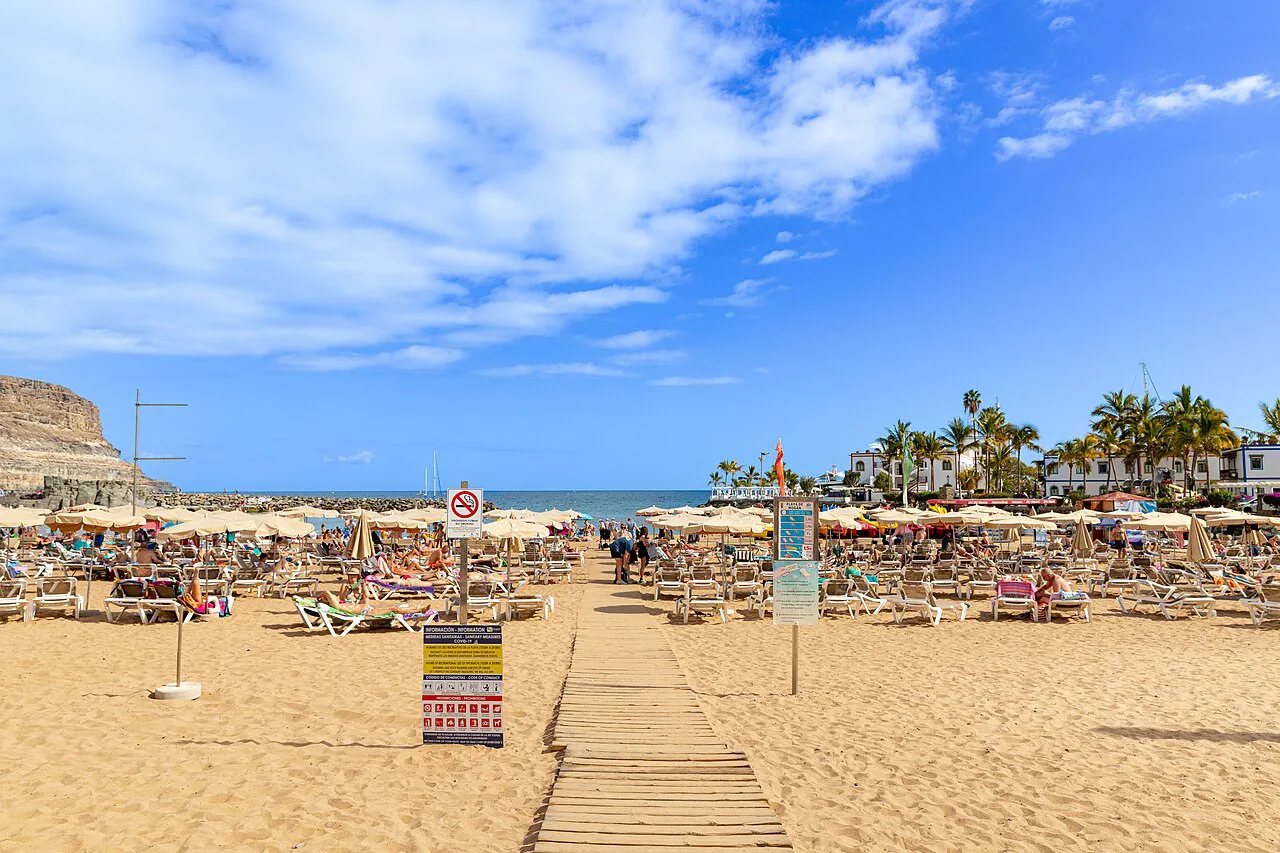
The beach at Puerto de Mogán has lifeguard cover in high season, and there are toilets and showers close to the sand. Sunbeds and sunshades can be hired from the beach concession, and the promenade and streets behind offer bars, restaurants, bakeries and small shops. All of this is within a short walk, so you can leave towels on the sand and stroll back for lunch.
The harbour side has a few seasonal beach bars and the market square has cafés with shade. For anyone who needs a break from the sand, the tourist office and the little marina are both close by, and the town's narrow lanes give some shade in the afternoon.
How busy it gets and when to arrive
Puerto de Mogán is a small resort, and Playa de Mogán can look crowded when a cruise call, a market coach or the day-trip boats arrive together. Weekend afternoons in the summer and school-holiday periods are the busiest. To beat the rush, arrive before mid-morning, claim a spot near the harbour arm and plan lunch after the market has slowed.
Mornings are the quietest time on the sand, and the far end of the bay fills last. If you prefer more space and a livelier buzz, come later in the day, when the day-trippers leave and the beach settles into its evening rhythm.
Best time to go
Gran Canaria's climate keeps this coast comfortable for much of the year: average annual temperatures range from 18 to 25 degrees centigrade, so the southern resorts bask in mild to warm weather nearly all year round. Sea and air conditions vary, and the official weather service publishes a daily beach forecast that is worth a look before you set out. July and August are the peak, with the warmest water and the fullest beaches, while late spring and early autumn give gentler conditions and fewer crowds.
Water temperatures build through the summer, so the sea is most comfortable from June to October. If you are after quiet, aim for May, June or September, and check the forecast, because tradewinds can make the open beaches rough even when the cove is calm.
Nearby beaches to combine
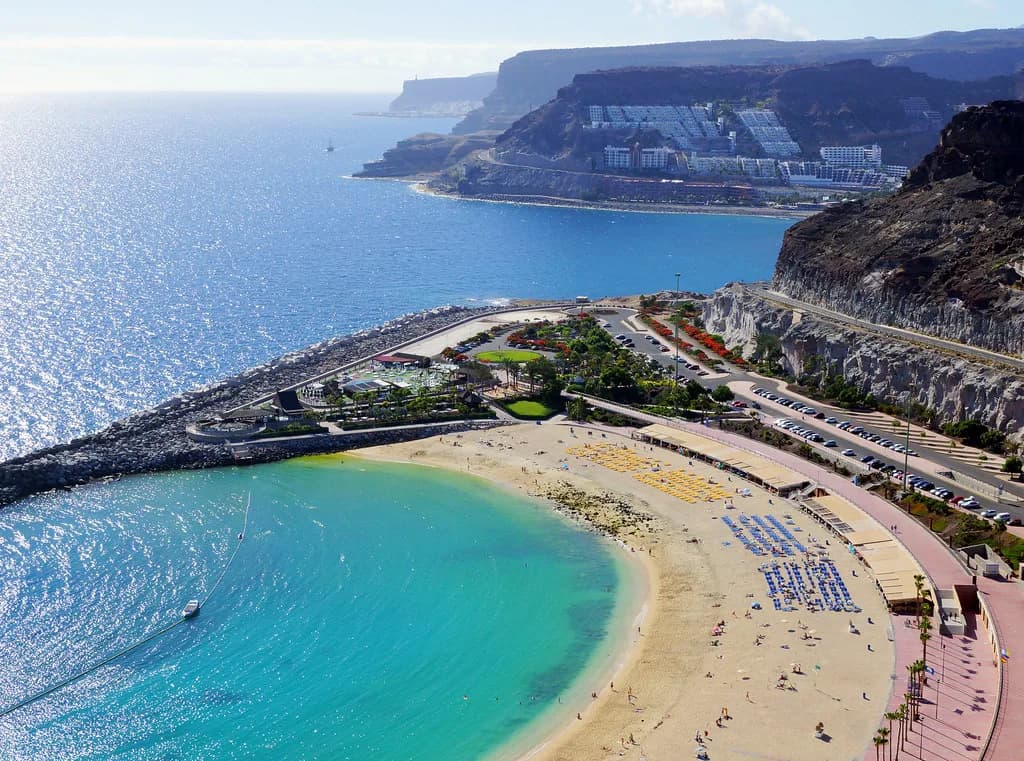
The obvious companion is Amadores beach, an arc of pale sand a short bus or car ride east, and one of the most family-friendly strands on this coast. Further east, Puerto Rico has a wide town beach with calm waters, lifeguards and a promenade of bars and restaurants, served by buses that stop at the beach itself. Take a look at Amadores Beach, Gran Canaria for a dedicated guide to that neighbouring cove. If you are island-hopping, the sheltered coves on La Palma beaches offer a similarly calm, family-friendly alternative.
For a contrast, combine Playa de Mogán with a day at Playa del Inglés, Gran Canaria, where the scale is larger and the surf side of the bay attracts a different crowd. The Mogán tourist office also lists Anfi, Ambar and Aquamarina, each with a different character, and a boat service links several of the coves with the harbour.
Those who want a wilder coastal walk can head up to the lighthouse at Punta Sardina, at the far north-western edge of the island by Gáldar, where the black rocks and hidden pools make a striking contrast to the harbour beach.
Practicalities for a beach day
The daytime sun on this coast is strong even when the air feels mild, so a hat, high-factor sunscreen and a refillable water bottle are essentials. The sand can be hot by mid-afternoon, and a light pair of beach shoes makes the walk across it much more comfortable. A fold-up sun shade is worth carrying if you want relief from the sun when the hire beds are all taken.
Plan the walk between the bus stop or car park and the beach: it is short but downhill, so leave a little energy for the climb back. Cash is useful for small bars and for boat tickets. And keep your things in sight when the tide and the harbour traffic make the beach busier.
Plan Your Visit
Playa de Mogán is at its best when you treat it as a town beach day rather than a wilderness expedition: an early arrival, a sheltered spot near the harbour arm and lunch on the waterfront. Check the day's forecast through the weather page before you go, and confirm times and fares with the Global bus operator or the tourist office in Puerto de Mogán.
Frequently Asked Questions
Is Playa de Mogán good for families?
Yes. The harbour side is sheltered, the sand is wide and the water shallows gradually, and there are lifeguards in high season. Because the beach sits in the middle of Puerto de Mogán, it is easy to retreat to a bar or back to the hotel if the children have had enough.
How do I get to Playa de Mogán by bus?
Global buses run along the southern coast and stop near the resort, within walking distance of the beach. Timetables and fares are available at the tourist office in Puerto de Mogán; check the current times for the season you are travelling.
When is the best time to visit Playa de Mogán?
Late spring and early autumn give warm seas with fewer crowds, while July and August are the busiest months. The southern coast stays mild for most of the year, but tradewinds can whip up the open beaches at any time, so check the daily forecast before you go.
Can I reach Playa de Mogán by boat?
Yes. Passenger ferries and day-trip boats run from Puerto Rico and Anfi to Puerto de Mogán harbour in season, a short and scenic crossing. Schedules and tickets are sold through local excursion operators and harbour ticket desks, so confirm them when you arrive.
How busy does Playa de Mogán get?
It fills up on market days and when cruise ships call, and the beach can be crowded on summer weekends. Mornings and the far end of the bay are quieter, and the resort is small enough that it still feels relaxed outside peak times.
Which beaches are near Playa de Mogán?
Amadores is a short drive or bus ride east, and Puerto Rico is further east along the coast. Anfi and several smaller coves sit between Mogán and the southern resorts, and a boat service links some of the harbour-side beaches.
Sources
Beach notes for your next trip
Optional updates when we add or revise beach guides.
You might also like
Continue reading
More guides you'll find useful