Playa de Nogales, La Palma: Wild Black-Sand Beach Guide
Plan a day at Playa de Nogales on La Palma, a black-sand beach below cliffs at Puntallana. Learn about the walk down, currents, surf and what to bring.
On this page
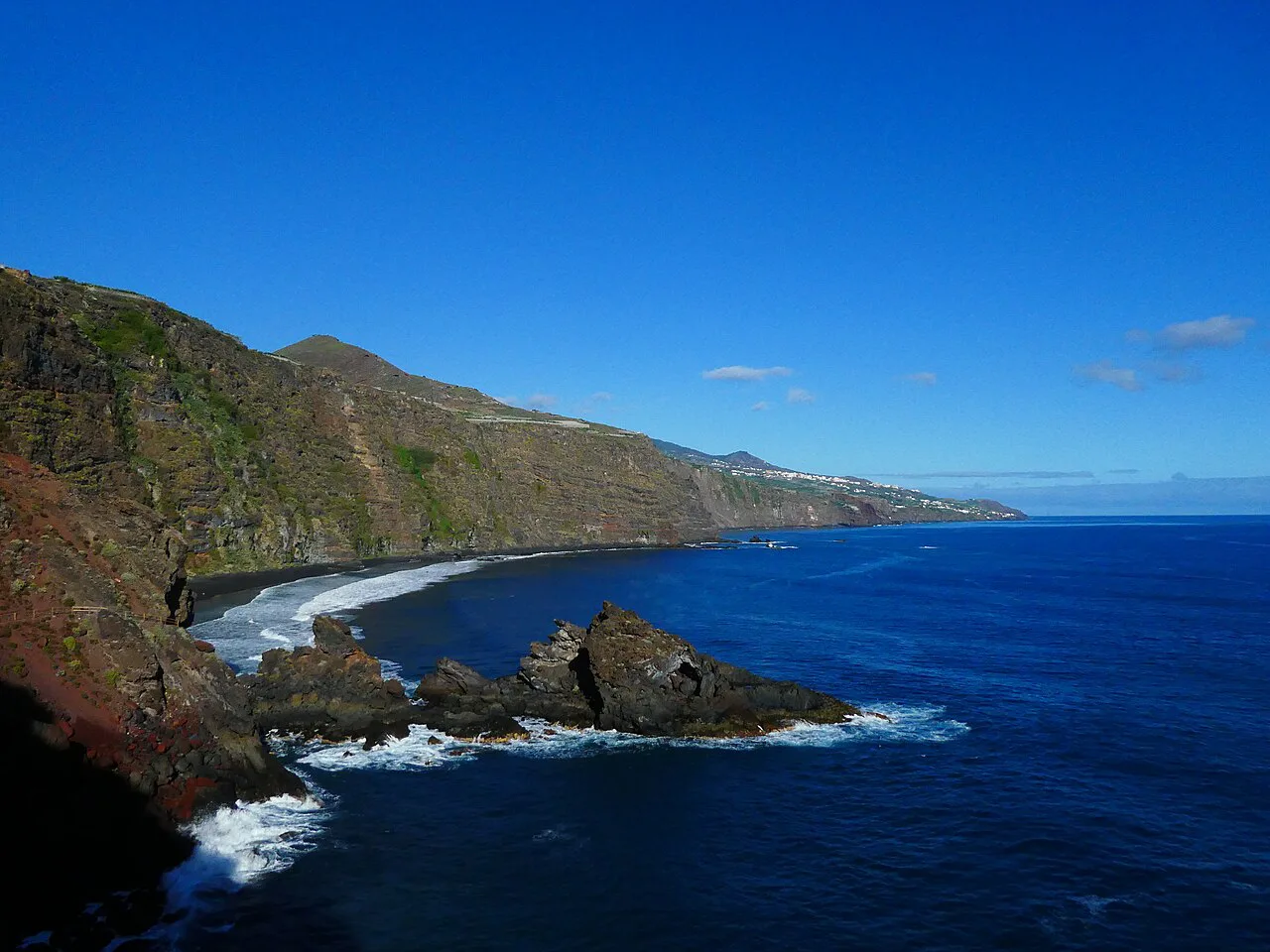
Playa de Nogales rewards the kind of traveller who enjoys earning a beach: you park above the coast and walk down through a lava cliff to reach a dark-sand cove with a cave at its edge. It is the wildest kind of day out on La Palma, and it suits surfers, naturists and anyone content to cool off rather than settle in for a long family swim.
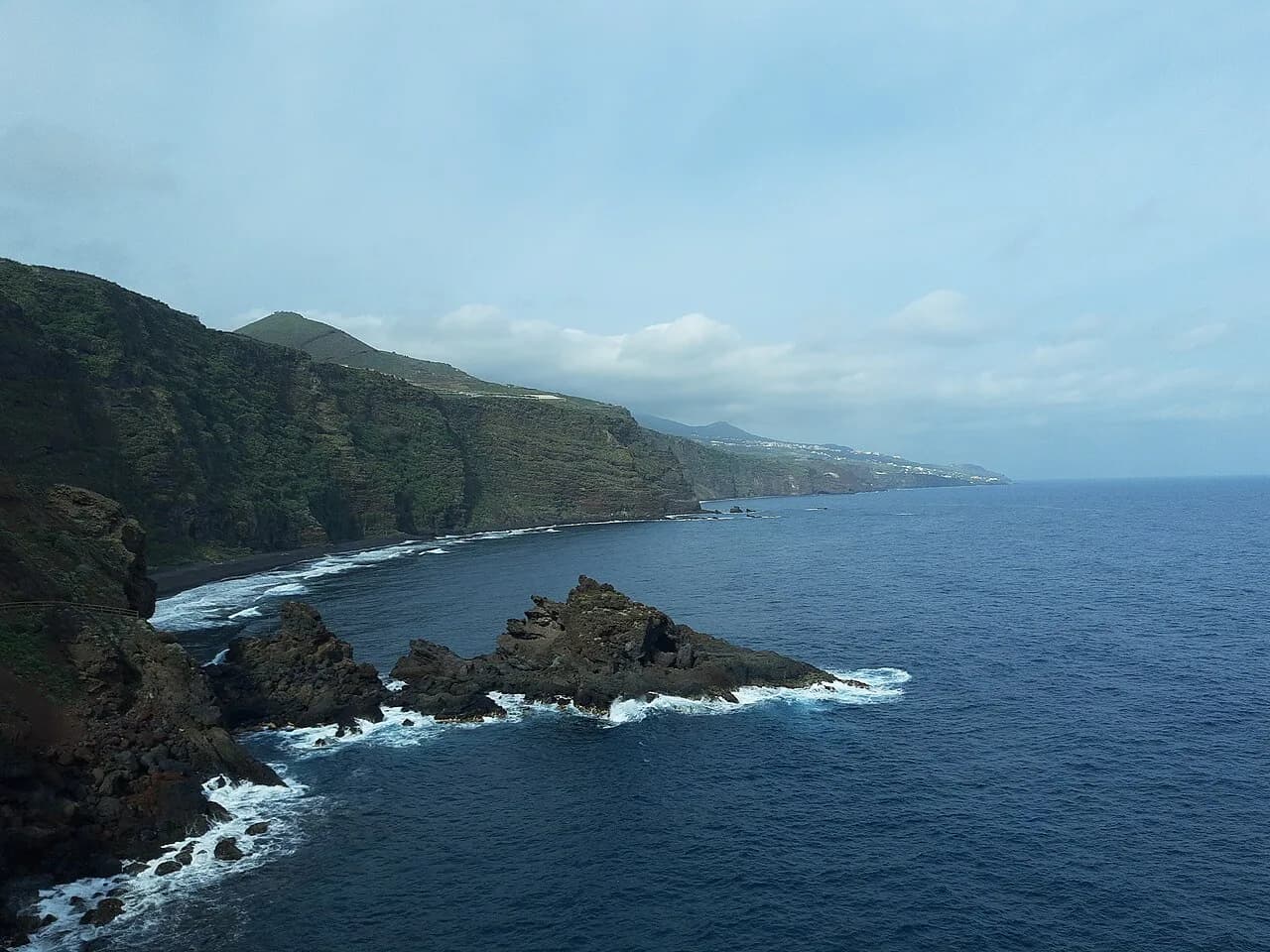
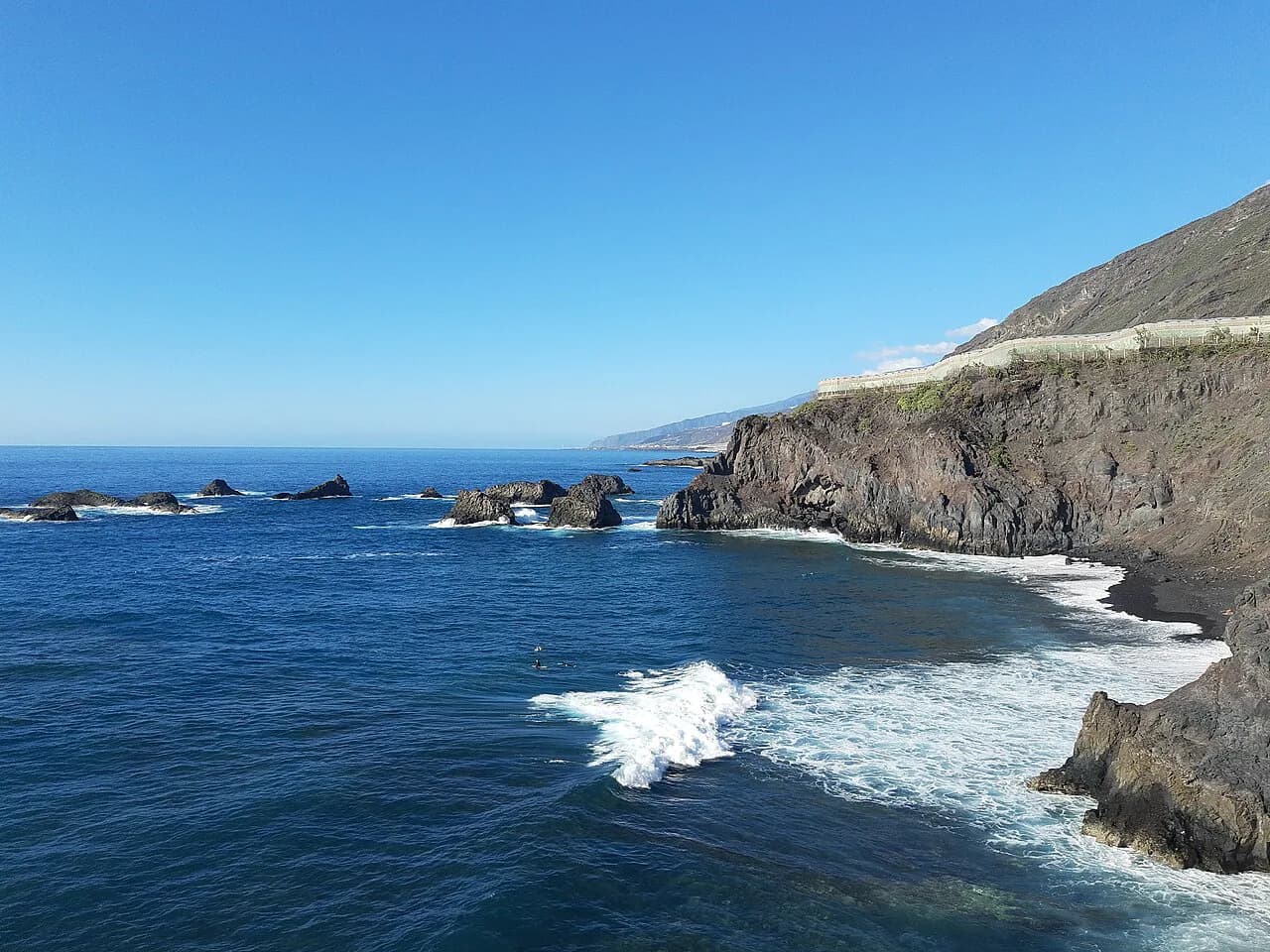
The beach sits on the island's northern coast within Puntallana, where green hills fall to black sand and blue Atlantic water. Come for the geology and the sense of arrival as much as the sand, and bring everything you will need for the hours you plan to spend there.
Where Playa de Nogales sits on La Palma's north coast
Playa de Nogales lies in the municipality of Puntallana, on the northern side of La Palma, where the coast is steep and largely built over with cliffs rather than resorts. The setting combines the island's northern greenery with black sand and the open blue of the Atlantic, which is why it reads as a different La Palma from the sheltered coves of the south.
Treat Puntallana as your reference point when planning the drive, and approach the beach as the end of a day in the north rather than a quick stop between towns. The cove is the sort of place where you commit to the walk down, spend time on the sand and then climb back up, so build the rest of your itinerary around that block of time.
Getting there: parking, then the path and steps down
You leave your vehicle in a car park before reaching the beach, then continue on foot along a path with stairs that descends through the cliff. That descent is the defining part of the trip: the beach only comes into view as you drop towards it, and the walk back up is the price of the visit.
Wear proper shoes rather than flip-flops for the approach and carry your things in a rucksack so your hands are free on the steps. Bring water for the climb out as well as the hours on the sand, and allow for the fact that the return leg is uphill.
The cliffs, cave and lava layers on the approach
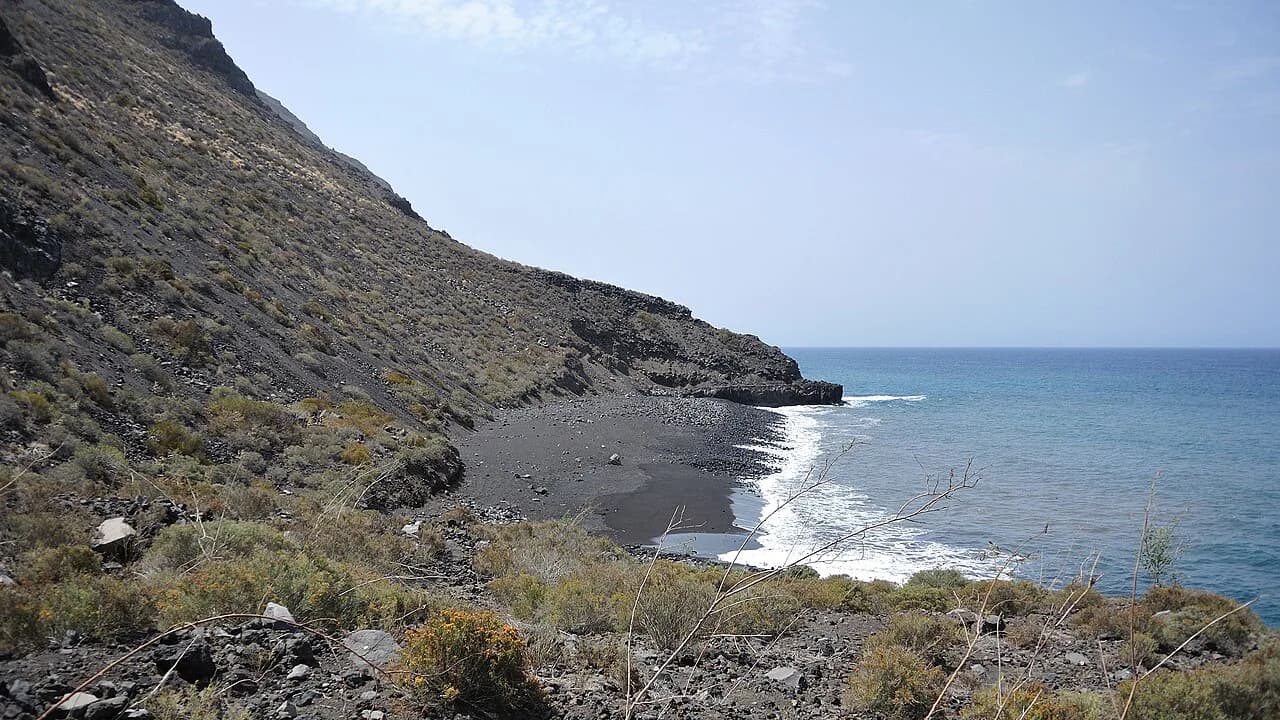
The walk down is a geological display: a large cliff shows the different layers of lava and erosion that built this stretch of coast, giving the place a prehistoric, film-set look. Partway along the route is a large cave known as the Cave of Hell, one of the landmarks that makes the descent memorable.
Even on a day when the sea is too rough to enter, the cliff and cave justify the trip, so a rough forecast does not have to cancel your plans. Photographers and geology-minded travellers may find the approach more rewarding than the beach itself.
The sand and the water
The beach is black sand, set against the blue Atlantic and backed by the cliff you have just descended. The one point to take seriously is the water: the currents here are strong, and the beach behaves like open ocean rather than a sheltered cove.
Read the conditions from the car park before committing to the stairs, and judge the swell from above rather than at the water's edge. If the sea is running hard, enjoy the sand and the cliff and leave the water alone.
Swimming and surfing: who it suits
Playa de Nogales is a paradise for surfers, and it works for confident swimmers who understand ocean conditions. It is not a beach to treat as a swimming pool: visitors describe it as a place for cooling off rather than a proper swimming beach.
Families with small children and weaker swimmers are better served by a gentler, lifeguarded beach elsewhere on the island, and should treat Nogales as a short visit or a viewpoint rather than a full beach day. Keep children close on the sand and away from the waterline when the swell is up.
Naturist use of the beach
Playa de Nogales is long established as a naturist beach alongside its surfer following, and it is described as a paradise for surfers, naturists and lovers of practically unspoilt beaches. Naturist use is part of the character of the cove rather than a separate section of it, so expect a mixed, low-key crowd.
Standard beach etiquette applies: keep your distance, don't photograph other people and bring your own shade and water, since there is nothing to buy on the sand.
Facilities: bring food and water
There are no services at the beach such as restaurants or kiosks, so carry food and water for the whole of your visit. Think of it as a self-sufficient day out: pack a cool bag, take your rubbish back up with you and don't count on buying anything near the sand.
A windbreak, a sunshade and sturdy footwear cover the essentials, and a dry bag is useful if you plan to surf or swim. Leave the car with everything you need, because once you are down the steps there is no turning back for supplies.
How busy it tends to be and the best months to visit
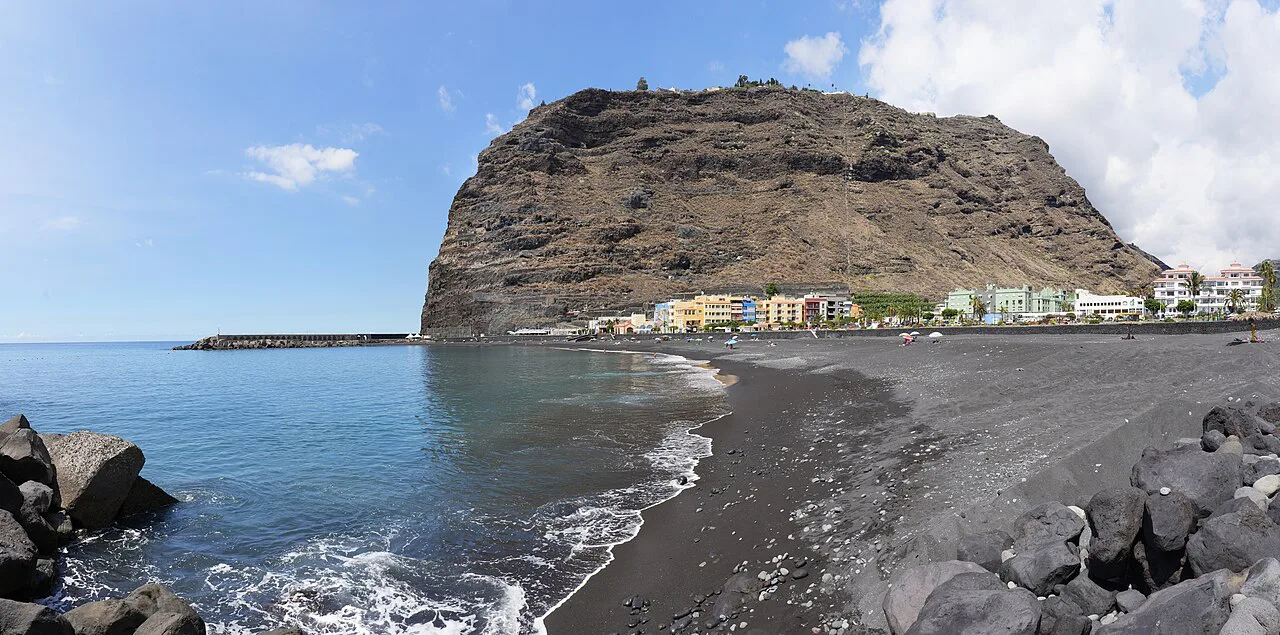
The walk down is the price of entry, so Nogales tends to feel quieter and wilder than La Palma's roadside beaches. Weekdays and mornings are the calmest bet, and the beach can feel remote when only a handful of surfers and naturists are there.
The Canary Islands swim season generally runs from late spring into autumn, with the warmest sea in late summer and the busiest weeks around school holidays. In winter the Atlantic swell is more likely to rule out entering the water, though the cliff and cave still make the trip worthwhile.
Local sources and the holiday-rental operators in Santa Cruz de La Palma can advise on current conditions in the north before you set out. As with any Atlantic beach, plan around the forecast rather than a fixed date.
Nearby beaches and coves to combine
Playa de Nogales'wild character pairs well with a gentler swim later in the day elsewhere on the island. Compare options across the island and slot in a calmer beach for families, or a resort beach with facilities, after your Nogales descent.
On the west coast, Playa de Tazacorte offers a very different day, with a town, port and longer stretch of sand. It is a sensible pairing if you want to contrast Nogales'wildness with a beach where you can buy lunch and swim in gentler water. If you are weighing up island-hopping options, it is worth comparing it with the beaches in Gran Canaria before you settle on a plan.
Further north, the natural pools at Charco Azul la Palma make an alternative swimming stop when the open Atlantic is too rough at Nogales. A day that combines the Nogales cliff walk with a calmer swim covers both sides of La Palma's coast.
Plan Your Visit
Playa de Nogales is a beach to choose deliberately: for the lava cliff, the Cave of Hell and the black sand, and for the surf and open-ocean character rather than a lazy family swim. Park at the top, walk down with food, water and proper shoes, and treat the water with respect when the swell is running.
Set aside a morning or afternoon, check the forecast, and combine it with a gentler beach such as Los Cancajos for a swim and a meal afterwards.
Frequently Asked Questions
How do you get down to Playa de Nogales?
You park in a car park above the coast and walk down a path and staircase through the cliff to reach the sand. Wear proper shoes and carry your things in a rucksack, and remember the climb back up is uphill.
Is Playa de Nogales good for swimming?
It is a beach for surfers and confident swimmers, with strong currents reported. Visitors describe it as a place for cooling off rather than a swimming beach, so families with small children should choose a gentler beach.
Are there restaurants or facilities at Playa de Nogales?
There are no restaurants or kiosks at the beach, so bring food and water for your visit and take your rubbish back up with you.
Is Playa de Nogales a naturist beach?
Yes. Nogales is long established as a naturist beach alongside its surfer following, with a mixed, low-key crowd and standard beach etiquette.
When is the best time to visit Playa de Nogales?
Late spring to early autumn gives the warmest sea, with late summer the busiest. Winter swell can make the water too rough to enter, though the cliff walk and cave still reward the trip.
What is the Cave of Hell at Playa de Nogales?
The Cave of Hell is a large cave on the approach to the beach, part of the lava-cliff landscape with its visible layers of lava and erosion. It is one of the landmarks that makes the descent memorable.
Sources
Beach notes for your next trip
Optional updates when we add or revise beach guides.
You might also like
Continue reading
More guides you'll find useful