Charco Azul, La Palma: Natural Pool Guide for Swimmers
Plan a swim at Charco Azul in San Andrés y Sauces, La Palma: how to reach this natural sea pool, what the water and setting are like, and nearby beaches.
On this page
Charco Azul is the kind of swimming spot that rewards a little planning: a natural sea pool cut into volcanic rock at San Andrés y Sauces, on La Palma's green north-east coast. It suits swimmers and confident snorkellers who prefer clear, deep water and a dramatic setting to a long sandy beach, and it makes a satisfying half-day outing from Santa Cruz or Los Cancajos. Bring water shoes, a mask and a towel, and treat the Atlantic as the authority on when it is safe to get in.
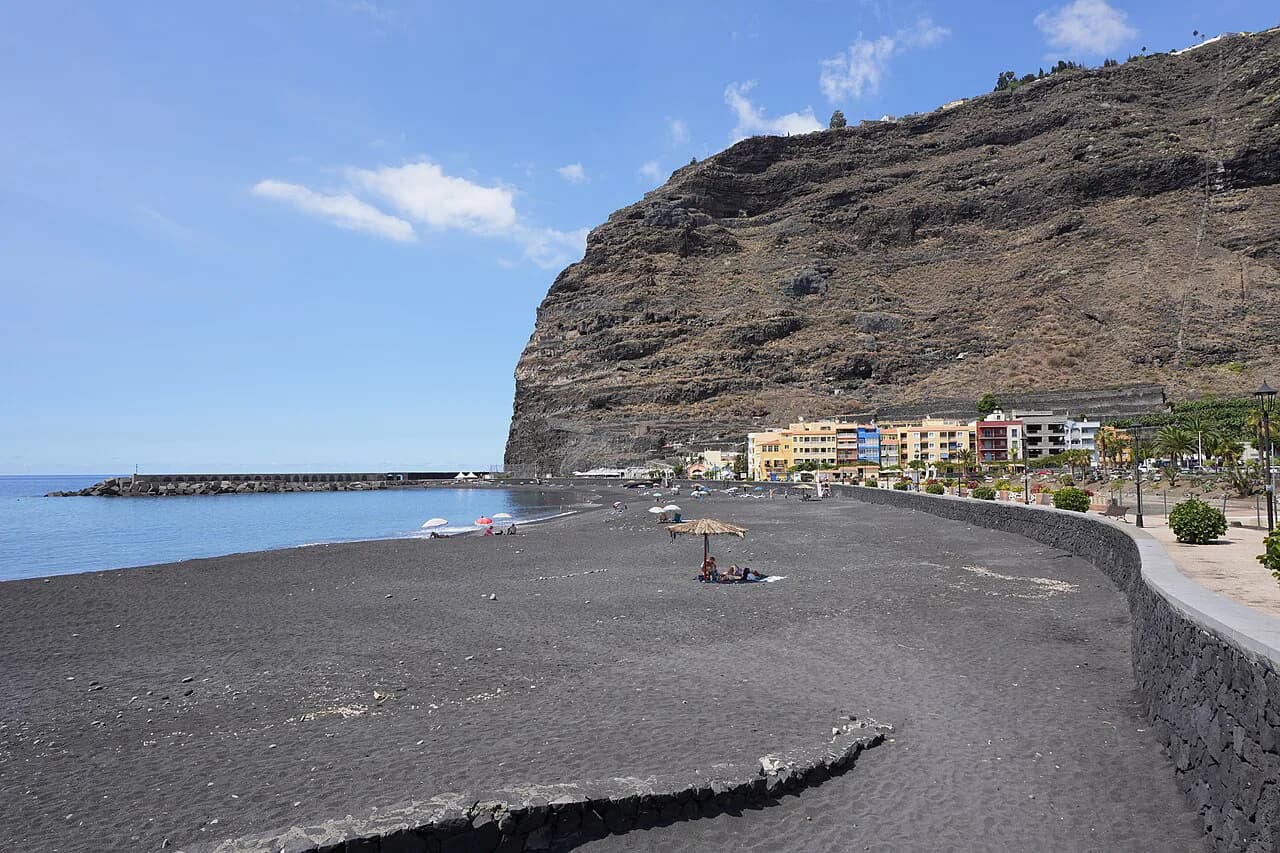
This is not a beach in the conventional sense. There is no long strand to walk, and the appeal lies in the rock basin itself, the surrounding cliffs and the ease of combining a swim with the laurel forests and villages just inland. If you are building a wider itinerary, see the full guide to La Palma beaches, which covers the island's sand beaches and their access in the same practical detail.
Why Charco Azul is worth the trip
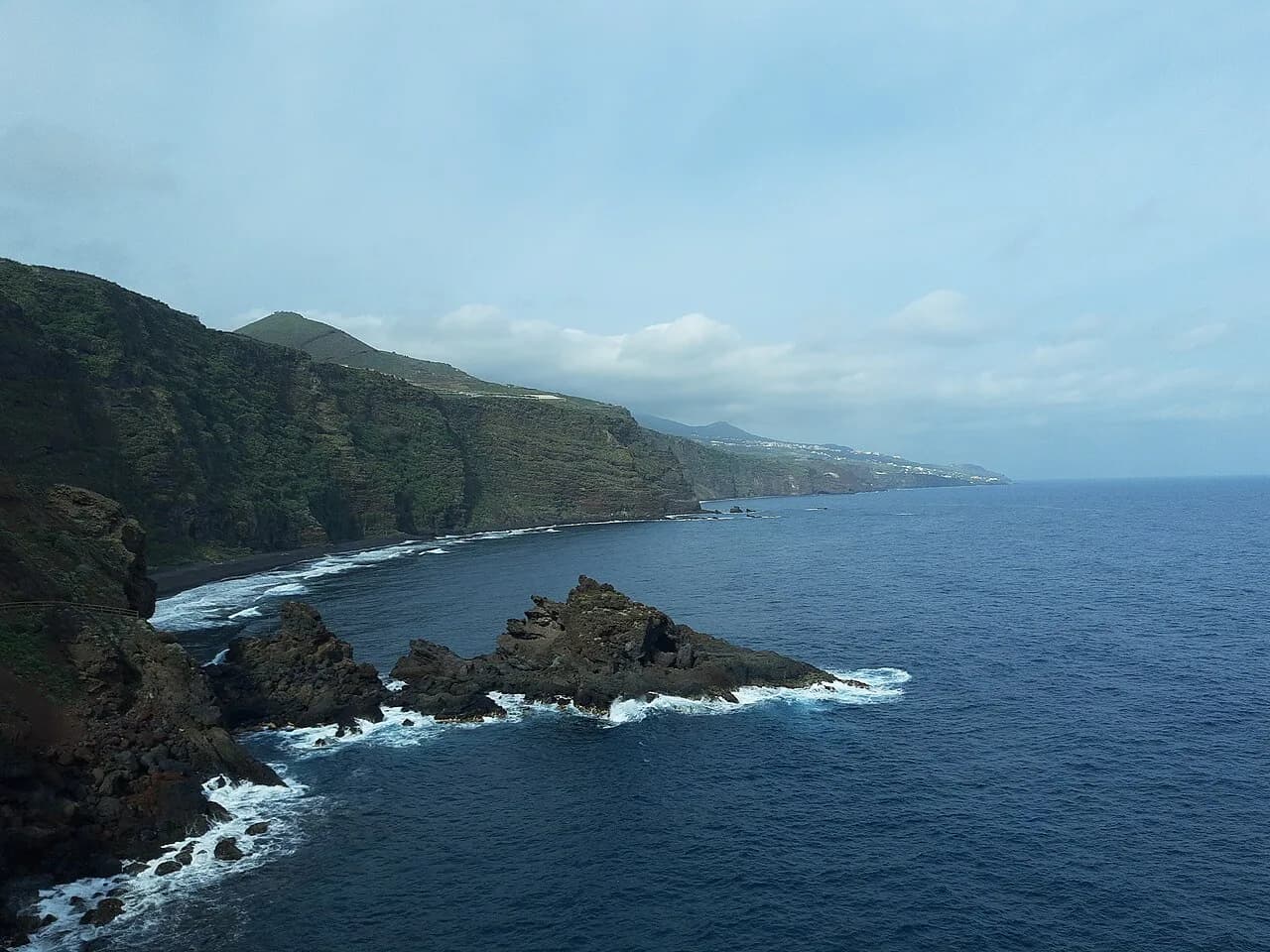
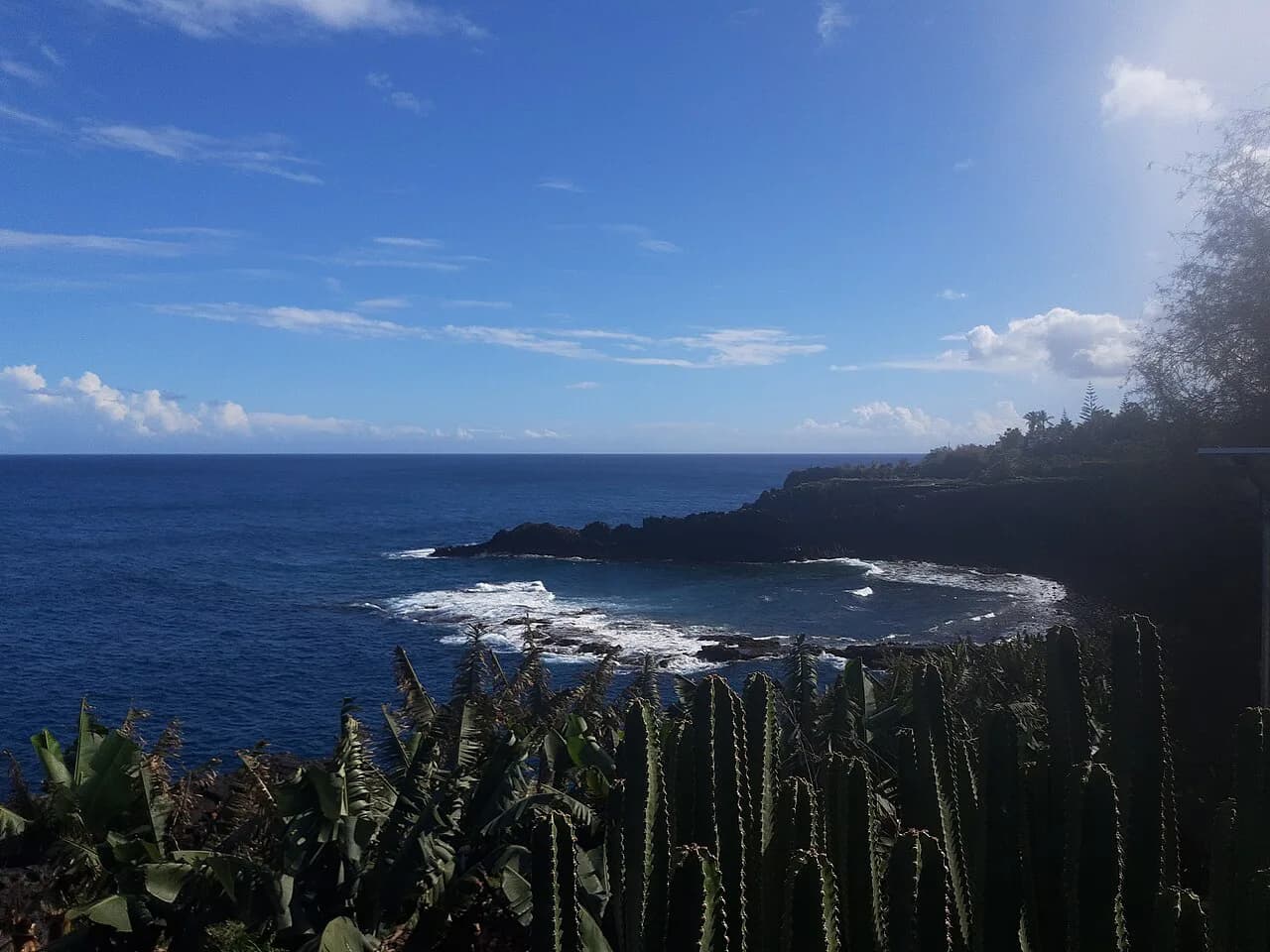
Charco Azul sits in the municipality of San Andrés y Sauces, one of the greenest and most dramatic corners of La Palma. Visit La Palma describes it as a natural pool and an ideal family outing in a setting defined by cliffs and lush vegetation. The combination of clear water, rock walls and easy village access is what makes it worth the drive from the island's capital or from the east-coast resorts.
It suits swimmers who are comfortable in deep water and families with older children who can handle rock edges and a short walk to the water. Snorkellers get the most from the pool's clear water and rocky margins. If you want sand between your toes, pair it with a beach day elsewhere on the island rather than expecting a strand here.
Where Charco Azul sits
The pool lies on La Palma's north-east coast, in the municipality of San Andrés y Sauces, roughly midway between Santa Cruz de La Palma and the north-coast village of Barlovento. The surrounding area is steep and forested, with the laurel forests of Los Tilos rising inland. That geography shapes the visit: you drive in on a winding coast road, and the pool sits at the foot of the cliffs rather than at the end of a long beach.
Because the pool is part of a working village and a protected coast, it is worth treating it as one stop on a broader north-east itinerary. The island's official tourism board, Visit La Palma, publishes the pool's location and practical details for visitors.
Getting there
The usual approach is by road: from Santa Cruz de La Palma, take the north-east coast road towards San Andrés y Sauces and follow signs for the pool. The drive is scenic but winding, so allow more time than a straight-line distance suggests. If you are relying on public transport, check the island bus operator's timetable for services along the north-east coast before you set out, as frequency is limited.
Parking beside the pool is the easiest part of the journey. Arrive earlier in the day in summer, when the small car park fills quickly. Bring everything you need for the swim, since the nearest shops are in the village rather than at the water's edge.
The pool and the water
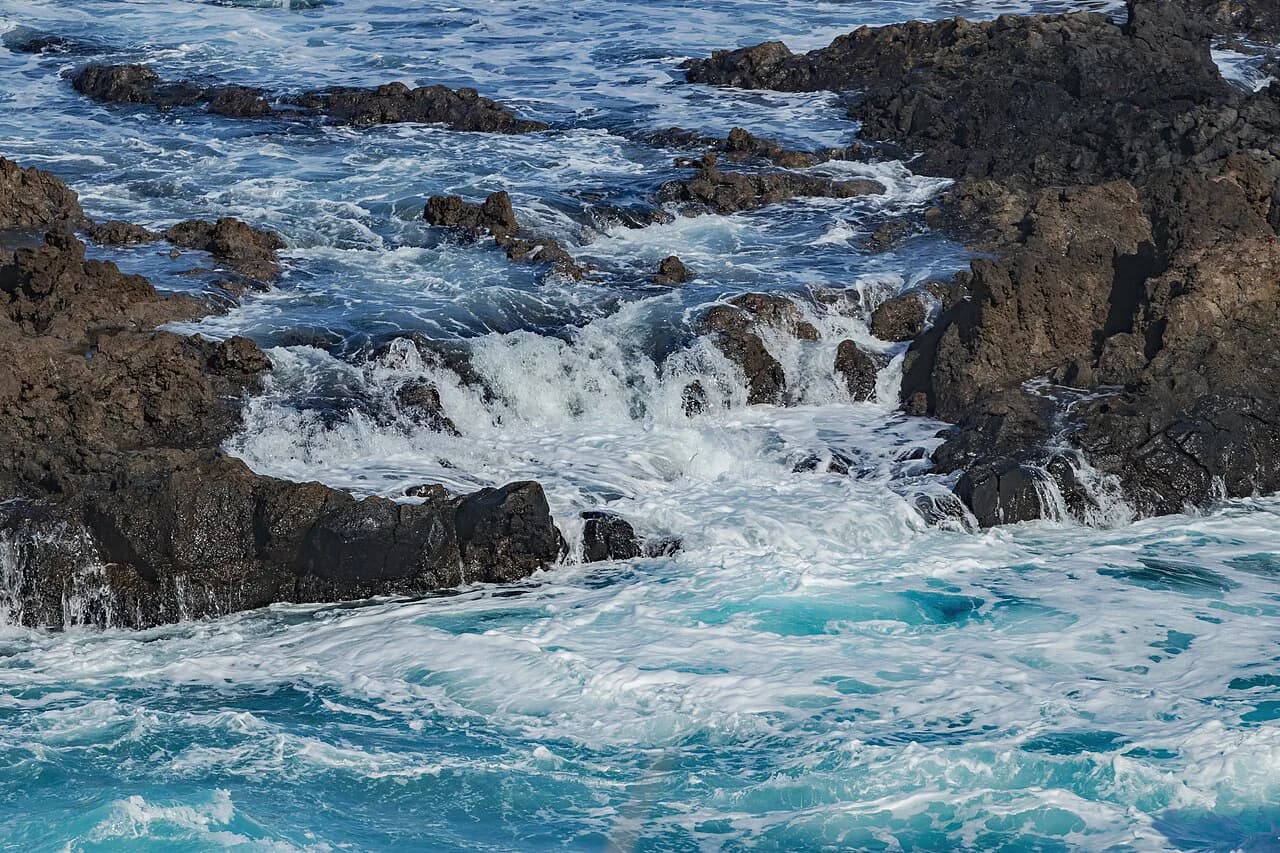
Charco Azul is a sea-fed rock basin, not a sandy cove. The water is clear and deepens quickly away from the entry points, which makes it a good swim for confident adults and older children but less forgiving for toddlers. Volcanic rock lines the pool, so water shoes or sandals make the entry and exit far more comfortable than bare feet.
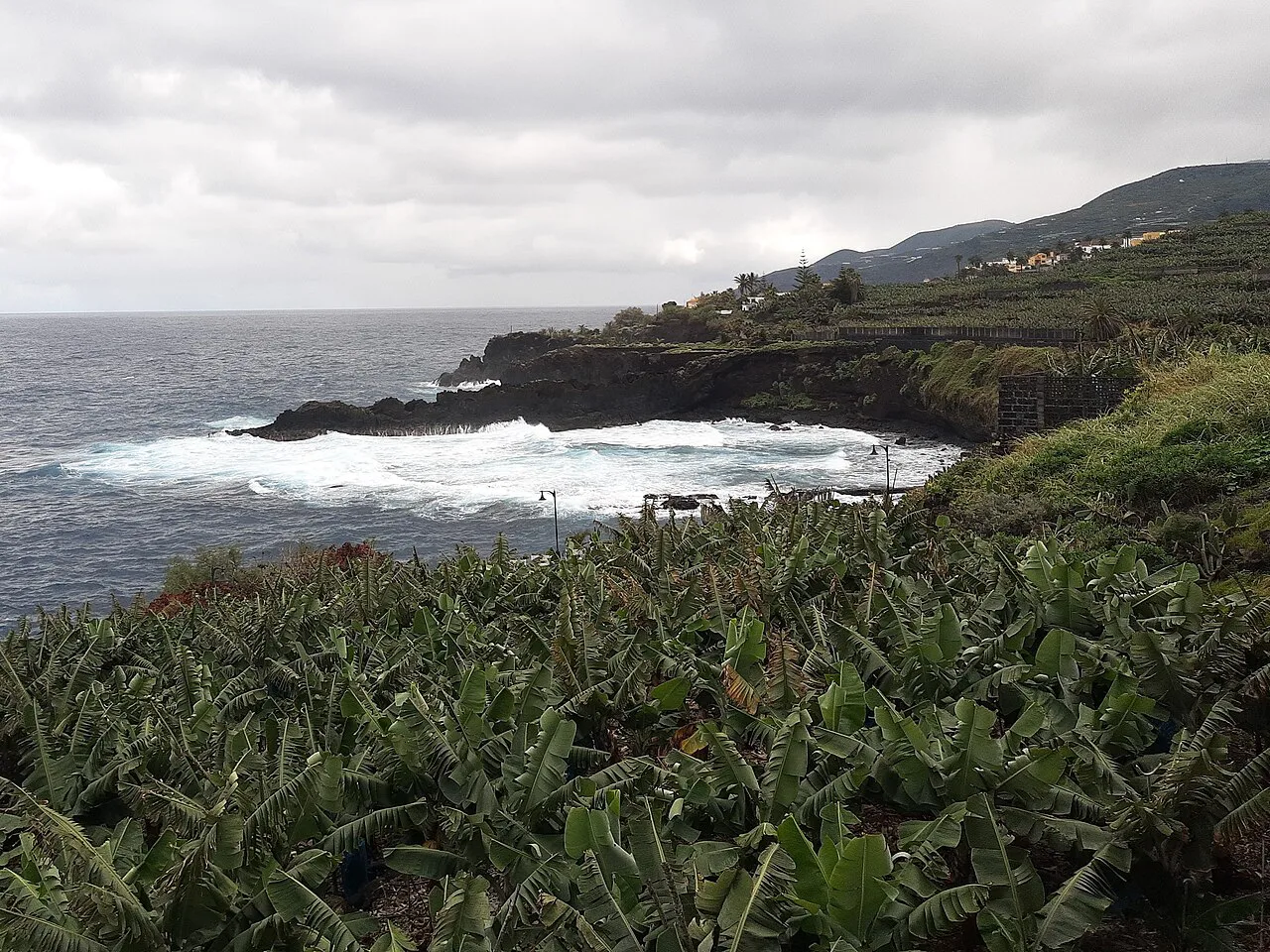
The pool is refreshed by the Atlantic, and the sea state changes with the swell. On calm days the water is glassy and inviting; when Atlantic swell arrives, the pool can become turbulent and unsafe. Watch the conditions on arrival, ask locally if you are unsure, and never assume the pool is calm because it looks sheltered from the road.
Shelter, sea conditions and swell
The north-east coast is exposed to Atlantic swell, and Charco Azul sits at the base of cliffs that funnel wind and spray. On days when the swell is up, the pool can be closed to swimming or simply unwise. Local advice and the visible sea state are the best indicators; if waves are breaking over the pool's outer edge, stay out.
Shelter from the sun is limited around the pool itself, so a hat and high-factor sunscreen are worth carrying even on cloudy days. The cliffs provide some shade at either end of the day, but the pool is best treated as an exposed spot.
Facilities
Facilities at Charco Azul are basic, and the pool is best visited with that in mind. Bring your own water, snacks and shade, and plan to change and dry off without relying on a lido. The village of San Andrés y Sauces has bars and shops where you can eat before or after the swim.
Visit La Palma presents the pool as a family-friendly natural spot, and the surrounding municipality has the services you would expect of a small Canary Island town. For current access arrangements, the official tourism board's page is the place to look.
How busy it gets and the best months for a warm sea
Charco Azul is a well-known local spot, and it fills on sunny weekends and in the summer holidays. Early mornings and weekdays outside August are quieter, and spring and autumn often bring good swimming conditions with fewer visitors. Sea temperatures are at their most comfortable from late spring through early autumn, though the Atlantic here is never bath-warm.
Winter can bring bigger swell and rain to the north-east, so check conditions before committing to the drive. If you are visiting in the cooler months, have a backup plan such as the sheltered beaches further south on the island.
Combining Charco Azul with the rest of the San Andrés y Sauces coast
The pool pairs naturally with the laurel forests of Los Tilos, just inland, and with the village of San Andrés itself. A half-day loop might combine a morning swim with a short forest walk and lunch in the village. Further afield, the beaches around Los Cancajos offer sand and family facilities if you want a full beach day to balance the rock pool, though the beaches in Gran Canaria are a stronger option if sand is the main goal of your trip.
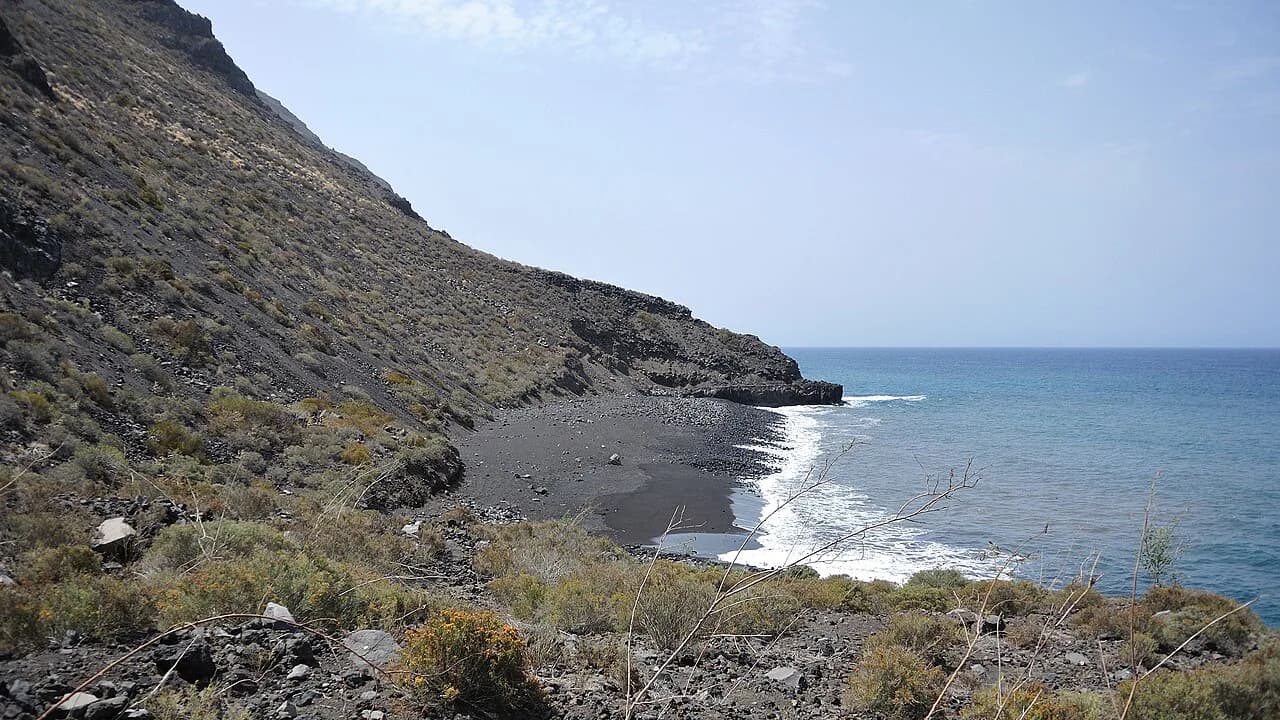
If you are touring the island's beaches, Playa de Nogales on the north coast is a wilder, more remote option, while Playa de Tazacorte on the west coast offers a different character and easier access to amenities. Pair the pool with whichever beach suits your day's mood.
Practical packing for a volcanic-rock pool day
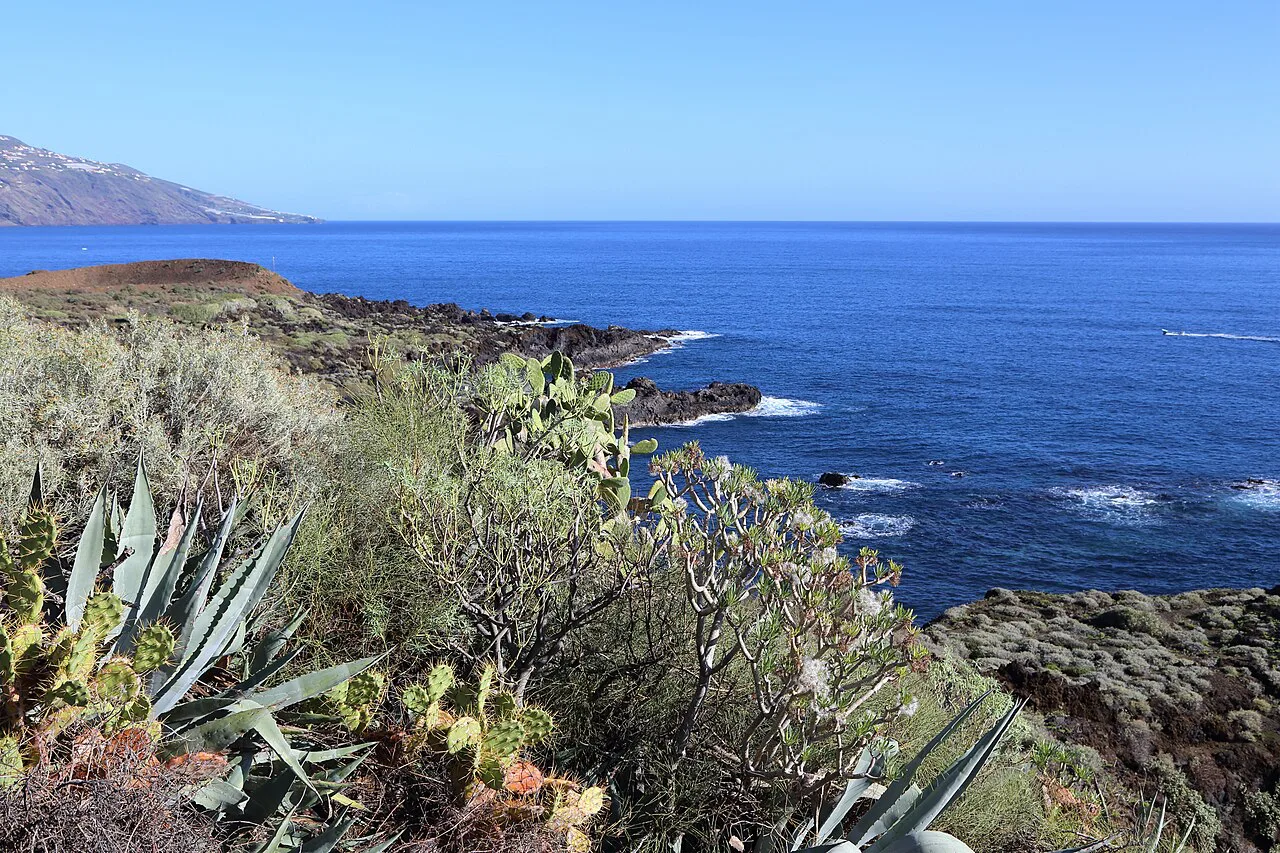
Pack water shoes or sandals for the rock edges, a mask and snorkel if you want to explore the pool's clear water, and a dry bag for anything that must stay dry. Bring drinking water, a hat, sunscreen and a towel, and leave valuables at home or in the car. A light windproof layer is useful on the north-east coast even in summer.
A small first-aid kit with plasters and antiseptic is worth carrying for scrapes on the volcanic rock. And bring a rubbish bag: the pool is a natural site, and keeping it clean is part of the deal.
Visiting Charco Azul with a dog
The published guide to Charco Azul on La Palma does not say whether dogs may enter the pool, the wooden sun decks or the surrounding bathing area, so anyone travelling with a dog should treat this as an open question rather than a settled permission. What the source material does establish is that Charco Azul lies in San Andrés y Sauces, one of the most beautiful municipalities on the island, and that it is presented as the ideal destination for an outing with the whole family to a place surrounded by nature. That framing is useful context, but it is not a pet rule, and no source here states a leash requirement, a restricted zone or an entry condition for animals.
The pool itself is described as a beautiful natural swimming pool with crystal clear water and incredible surroundings, with the bathing area featuring wooden sun decks and free outdoor parking. For a dog owner, those details describe the setting a dog would accompany you to, not a guarantee of access: decking and a pool edge are shared bathing spaces, and the sources consulted set out no arrangement for animals on the decks, in the water or in the parking area. Because the guide cannot confirm a dog-friendly rule from the available facts, the honest position is that a visit with a dog stays unconfirmed here.
What the sources do offer a dog-owning visitor is a sense of the walk and the day around the pool. Charco Azul is reached through the municipality of San Andrés y Sauces, and the approach to it on La Palma is described simply as an outing to a place surrounded by nature rather than a fenced urban facility, so the journey and the waiting time at the water are part of the trip. Nothing in the material states distances, shade, water points or terrain suited to dogs, so no route or timing can be given from these facts. The practical conclusion supported by the sources is narrow: the natural pool, its wooden decks and its free outdoor parking are what is documented, while any dog-specific arrangement remains outside what this guide can state.
Plan Your Visit
Charco Azul rewards swimmers who come prepared for a rock pool rather than a beach. Check the sea state on arrival, bring suitable footwear, and treat the Atlantic swell with respect. The official tourism board, Visit La Palma, publishes current access details for the pool.
For the rest of your beach planning on the island, compare the sand beaches in the La Palma beaches guide and decide whether to pair the pool with a day at Los Cancajos or a wilder northern strand. That way you get both the rock-pool swim and the beach day that La Palma does so well.
Frequently Asked Questions
Can you swim at Charco Azul in La Palma?
Swimming is the main reason to visit, but only when the sea is calm. The pool is sea-fed and exposed to Atlantic swell, so it can be unsafe or closed to swimming when the swell is up. Check the water on arrival and follow local advice.
Where is Charco Azul on La Palma?
It is on the north-east coast in the municipality of San Andrés y Sauces, roughly between Santa Cruz de La Palma and Barlovento. The drive is scenic and winding, so allow more time than the distance suggests.
How do you get to Charco Azul in San Andrés y Sauces?
Most visitors drive along the north-east coast road and park at the pool. Public transport along this coast is limited, so check the island bus operator's timetable before relying on it.
Is Charco Azul suitable for children?
It is best for older children and confident swimmers. The pool is deep and edged by volcanic rock, and there is no sandy entry, so toddlers and weak swimmers need close supervision.
Are there facilities at Charco Azul, La Palma?
Facilities are basic, so bring water, snacks and shade. The village of San Andrés y Sauces has bars and shops where you can eat before or after your swim.
When is the sea warmest at Charco Azul?
Sea temperatures are at their most comfortable from late spring through early autumn. Winter can bring bigger swell and rain, so check conditions before making the drive.
Sources
Beach notes for your next trip
Optional updates when we add or revise beach guides.
You might also like
Continue reading
More guides you'll find useful