La Zamora Beach, La Palma: Black Sand, Stairs and Sunsets
La Zamora beach in Fuencaliente, La Palma, pairs volcanic black sand with cliff shelter, snorkelling and sunsets. Here is how to reach it and when to go.
On this page
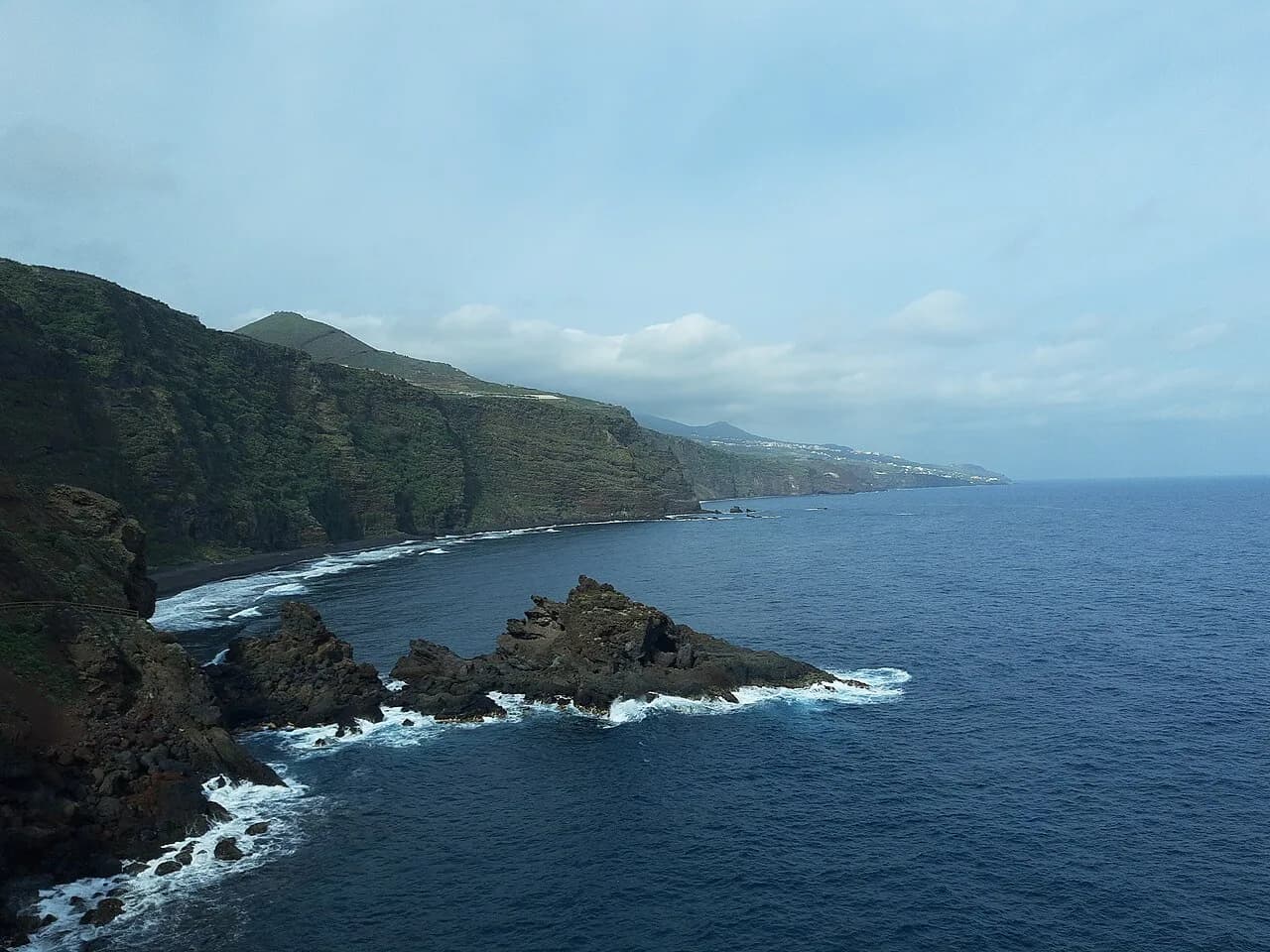
La Zamora beach is the kind of place you build an afternoon around rather than a full resort day: two small black-sand and gravel coves squeezed between banana plantations and volcanic cliffs in the municipality of Fuencaliente, on La Palma's south-west coast. It suits snorkellers, sunset-watchers and anyone who wants a quiet shore reached on foot, and it rewards bringing water shoes, a mask and an umbrella.
The trade-off is plain: you park in a small area near the Teneguía Princess Hotel, walk down a short trail and descend a stairway to reach the shore, which the island's tourism board notes is not suited to visitors with limited mobility. In exchange you get coves that stay moderate for much of the year, sheltered by surrounding rock, with a beach kiosk-restaurant looking out over the water.
Where La Zamora beach sits
The beach belongs to Fuencaliente, the southern municipality that also holds the Teneguía volcano and the salt pans at the island's tip. It lies on the south-west coast, below cliffs and beside banana plantations, and the nearest landmark used for directions is the Teneguía Princess Hotel. That southern setting makes it a natural pairing with the Fuencaliente coast rather than with the capital at Santa Cruz de la Palma.
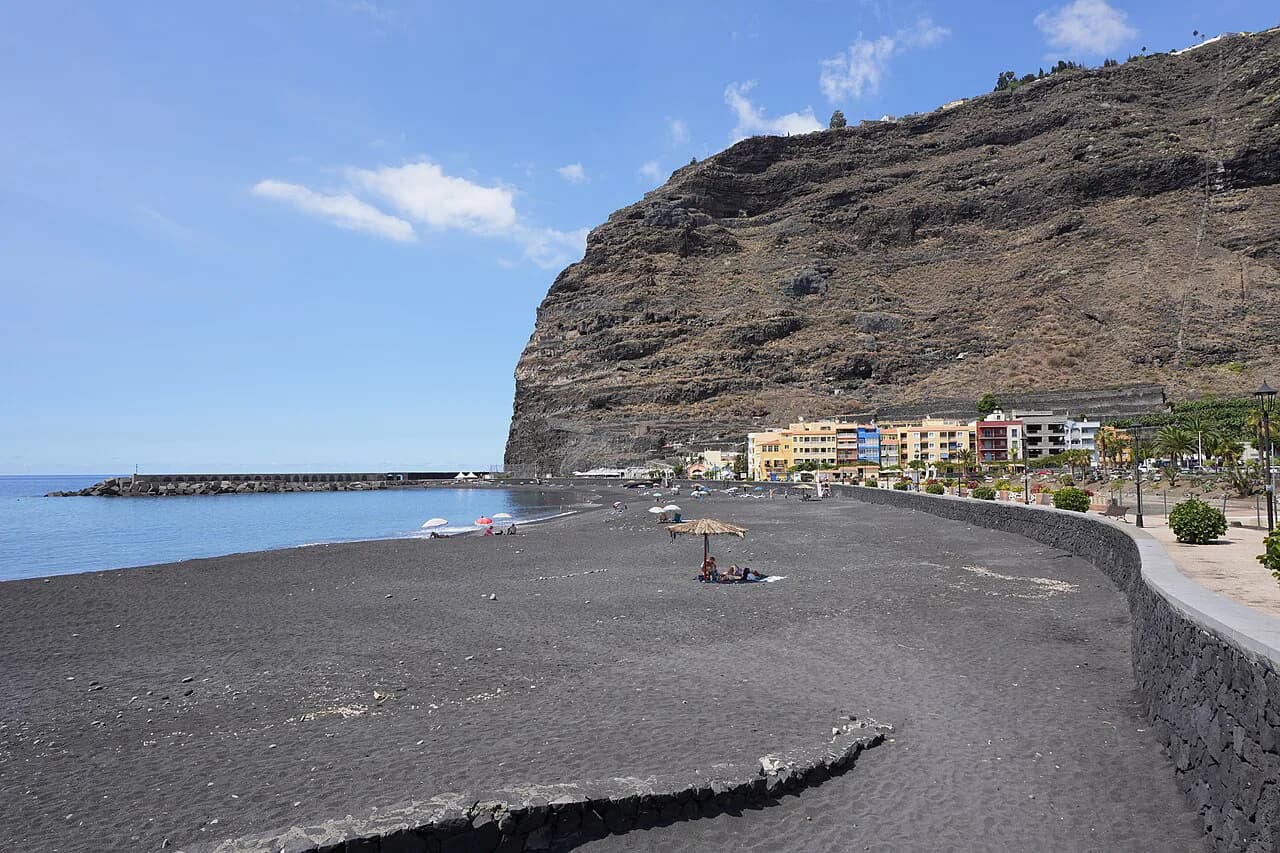
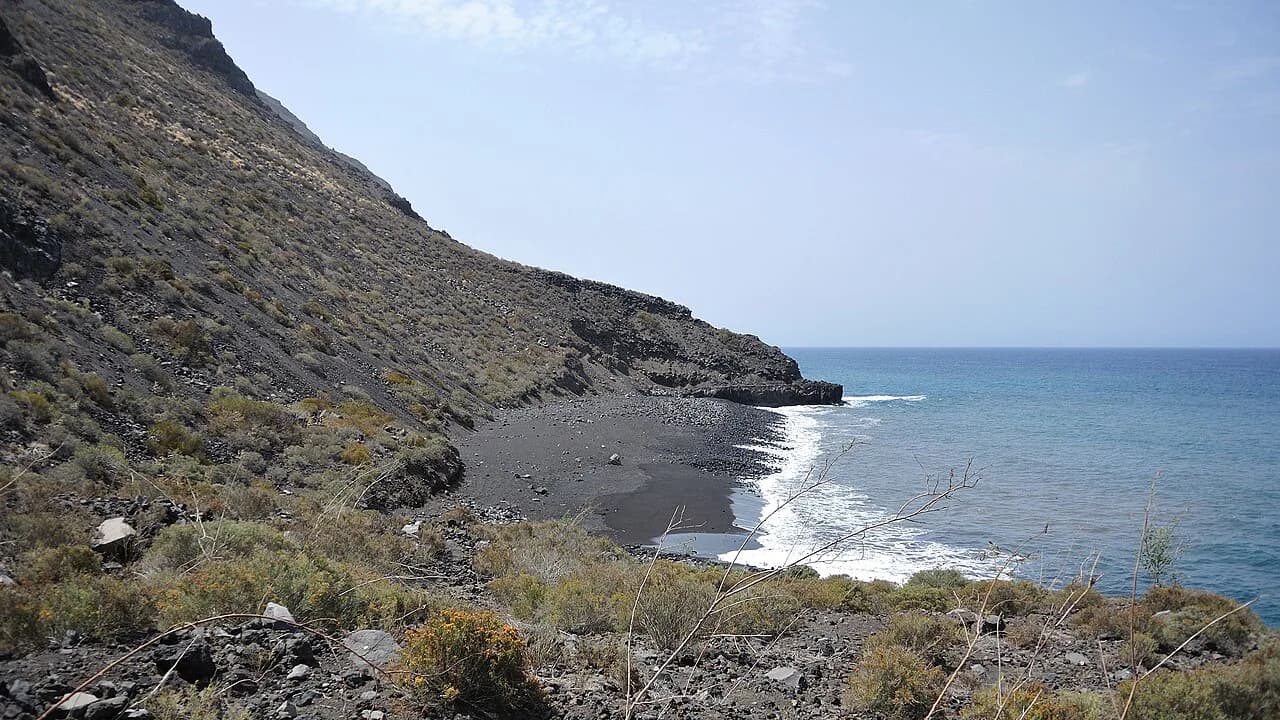
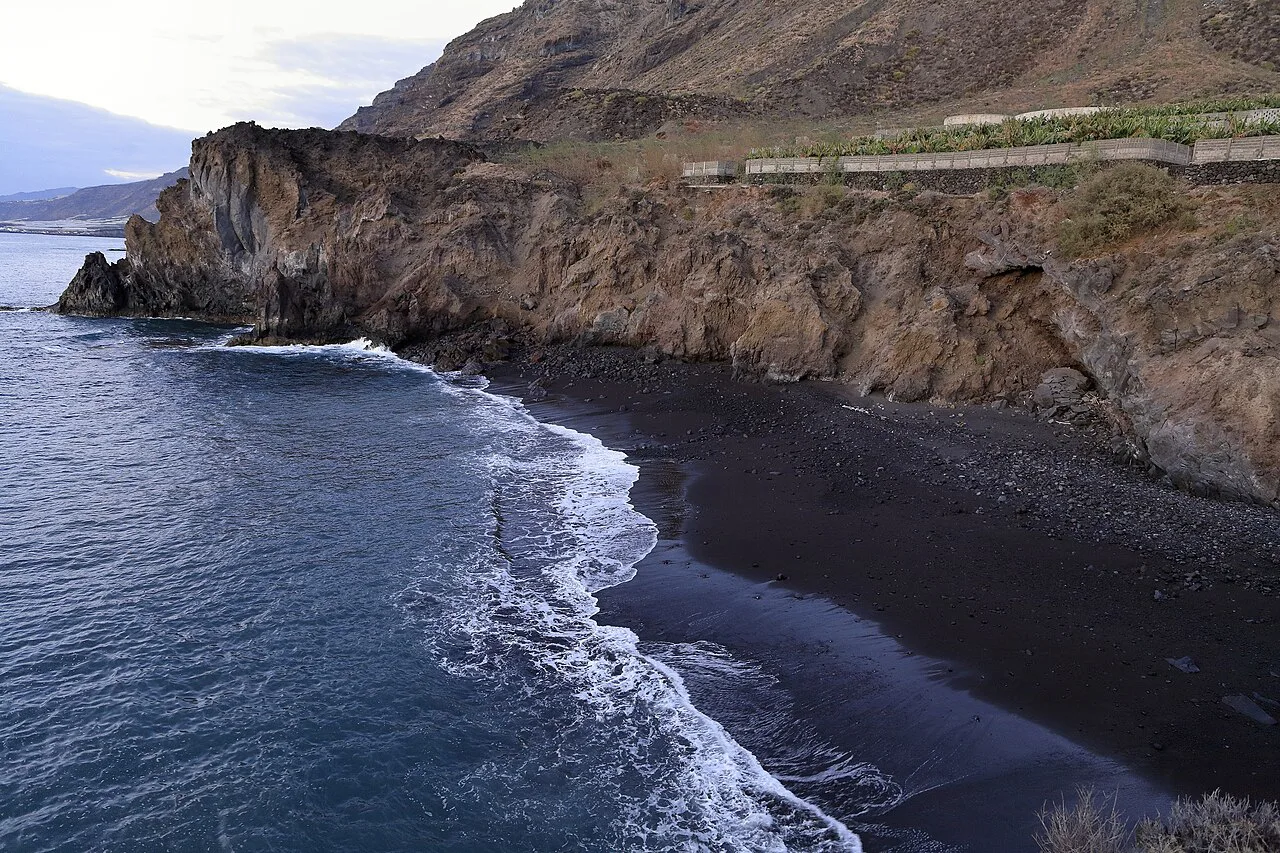
The official tourism listing puts the black sandy beach at about 150 metres long and 15 metres wide, tucked directly beneath a cliff. Those modest dimensions explain most of what follows: the beach feels intimate, it fills quickly, and the cliffs that shade it also shed small rocks now and then.
Getting there
Arrive by car and leave it in the small parking area, then continue on foot down a short trail to the top of the stairway. The tourism board describes the approach as a descent below the cliff rather than a level walk-in, so plan footwear for stairs and keep bags light for the climb back.
The southern location also means the drive from Santa Cruz de la Palma or the airport takes you across the island's spine or around the coast, so build the trip around one base for the day rather than hopping between distant shores. If you are working out how this cove fits a wider itinerary, the La Palma beaches overview sets out the island's main stretches of sand and where each sits.
The stairway down and the climb back
Access is via stairs, and the descent is the reason this beach stays as quiet as it does. Travellers with limited mobility, pushchairs or heavy coolers will find the final approach difficult, and there is no alternative level entrance to the shore. Treat the beach as a carry-in, carry-out stop with the bare essentials rather than a full beach-kit day.
The climb back up is best done in the cooler part of the afternoon, which happens to suit the beach's character: it is at its best late in the day, and the sunsets here are among the reasons people make the descent. Plan your energy and water around the walk out, not just the swim.
The sand and the water
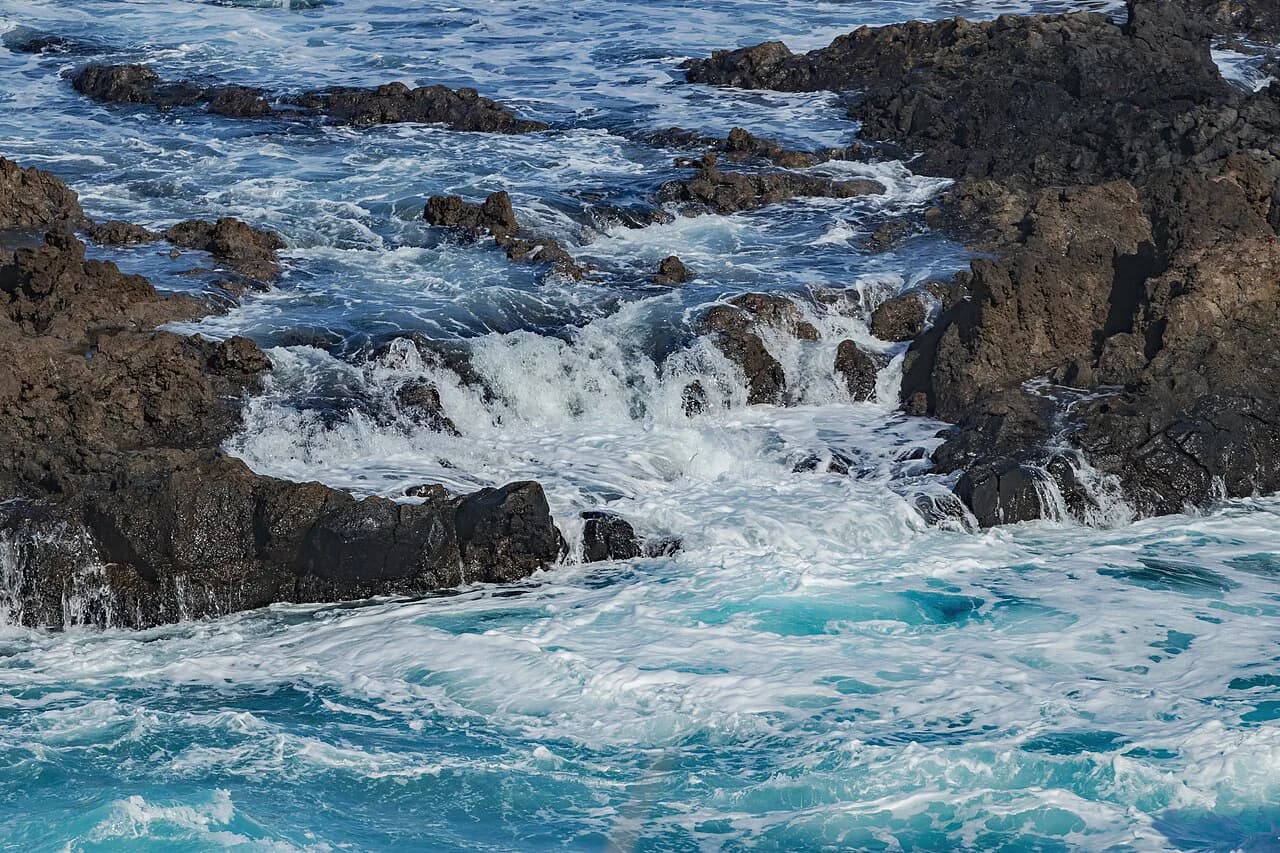
The sand is black and medium-grained, mixed with gravel, and the shoreline is rocky in places, with slippery rocks where the volcanic shelf meets the sea. The official listing recommends the area on the strength of the depth of the local water; visitor reports describe clear water over underwater rock, with strong surf at times. Water shoes make the difference between a confident entry and a cautious shuffle.
Do not read the sheltered look of the coves as a promise of gentle water. The surrounding rock keeps the waves moderate for most of the year, but the shoreline can carry real surf on the wrong day, and the underwater rock means the sea deepens in steps rather than gradually. Swimmers who like depth and a bit of swell will enjoy it; families with small children should pick their moment carefully and stay close to the shallows.
Zamora Grande and Zamora Chica
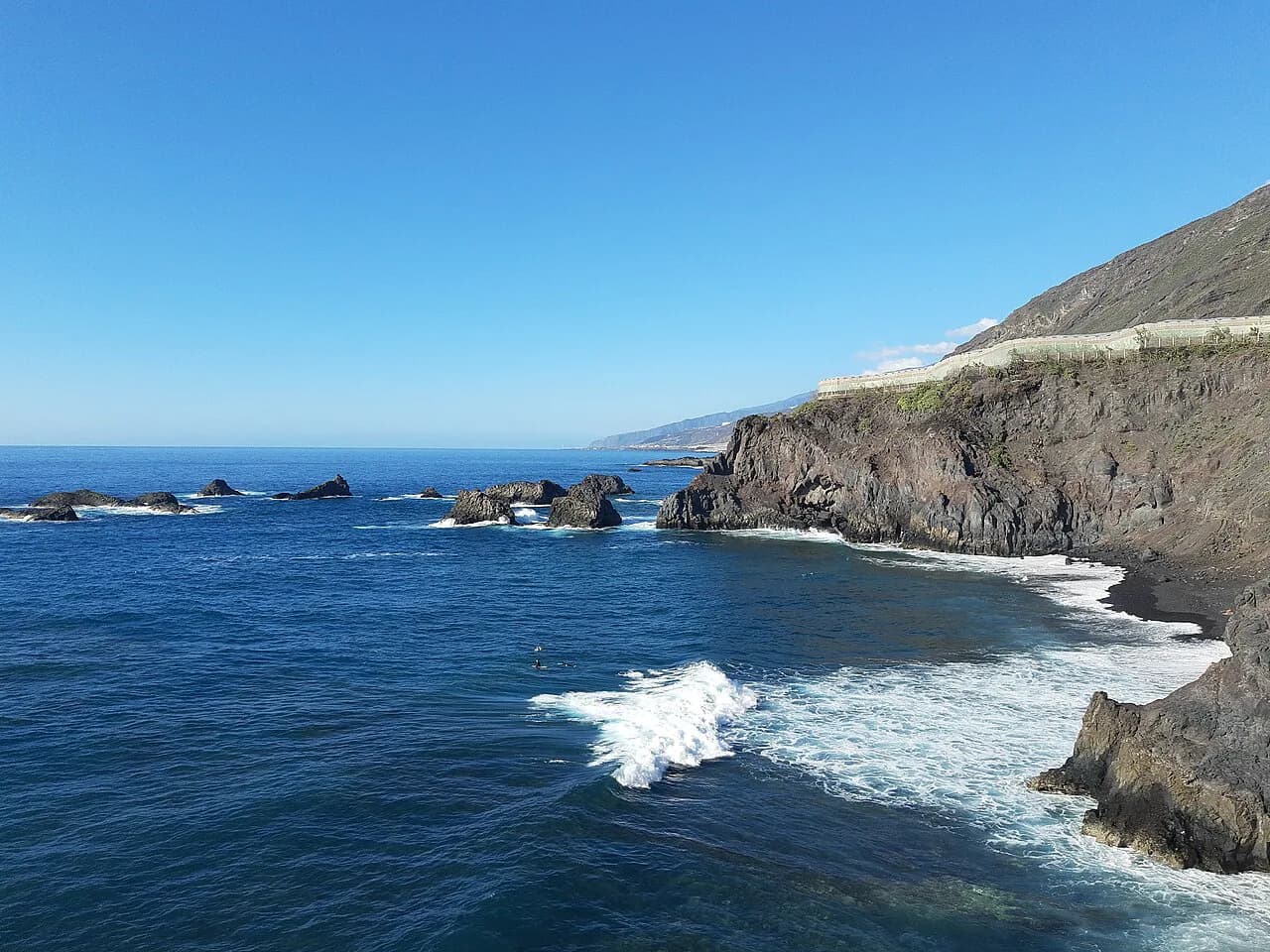
The beach is really two shores, Zamora Grande and Zamora Chica, separated by a large rock formation rising straight from the sea and lying about 200 metres apart. Each has its own stairway down, so you choose your cove and your access point before you start the descent rather than at the bottom. At low tide you can also walk along the shoreline between them, or swim gently across.
If you want the quieter of the two, head for whichever cove the crowd has not taken and settle away from the stairways, where through-traffic is lightest. The two coves share the same black sand, the same rocky seabed and the same sunsets, so there is no great loss in choosing by space rather than by name.
Shelter, wind and surf
Volcanic cliffs and the rocky islets do the sheltering here, and the surrounding rock structures keep the waves moderate for most of the year. On days with moderate waves the beach draws surfers, which tells you something useful about the water on those days. The flip side of a south-west cliff location is limited daylight in the afternoon as the sun drops towards the islets, so arrive early enough to swim before the light turns golden.
Snorkelling and diving
This is a snorkelling beach rather than a paddling beach. Clear water and rich underwater life along the southern coast, with rocky seabed and underwater rock to explore, make a mask and snorkel worth the space in your bag; the coves are a known favourite with snorkellers and divers. Enter carefully over the slippery rocks and keep an eye on the swell before committing to deeper water.
Facilities
The facility set is small and useful: a small free parking area, a picnic zone with natural shade, a beach kiosk-restaurant with views over the water, and a shower. Sunbeds and parasols are not part of the picture here, so bring your own umbrella and shade, and bring water and snacks if you plan to stay for several hours.
The picnic zone with natural shade is a real advantage on a beach with very little shade of its own, and it pairs well with a late lunch from the kiosk. If you want a more built-up, family-oriented beach day on the same island, Los Cancajos on the east coast is the calmer contrast, and the Gran Canaria beaches show how a bigger island handles the same choice between wild coves and groomed sands.
Cliff safety
Warning signs along the cliffs ask visitors to keep a safe distance, because small rocks can fall occasionally. Take the signs literally: pitch your umbrella and lay your towel away from the cliff base rather than tucked into the deepest shade, and keep children from scrambling on the rock. The shade is welcome, but not at the price of sitting under loose stone.
Crowds and timing
The beach is not large, so it feels crowded during peak times, especially summer afternoons and Sundays. Mornings and weekdays give you the better chance of space on the sand, while the afternoon brings the light that makes the cove worth the trip. Pick one: a quiet swim early, or the sunset shift with more company.
The sea here is at its most inviting in the warmer months, and winter afternoons bring bigger Atlantic waves and softer light rather than a beach-swimming season. The busiest stretch coincides with the school holidays, when the parking area and the stairways fill first.
Sunsets over the rocky islets
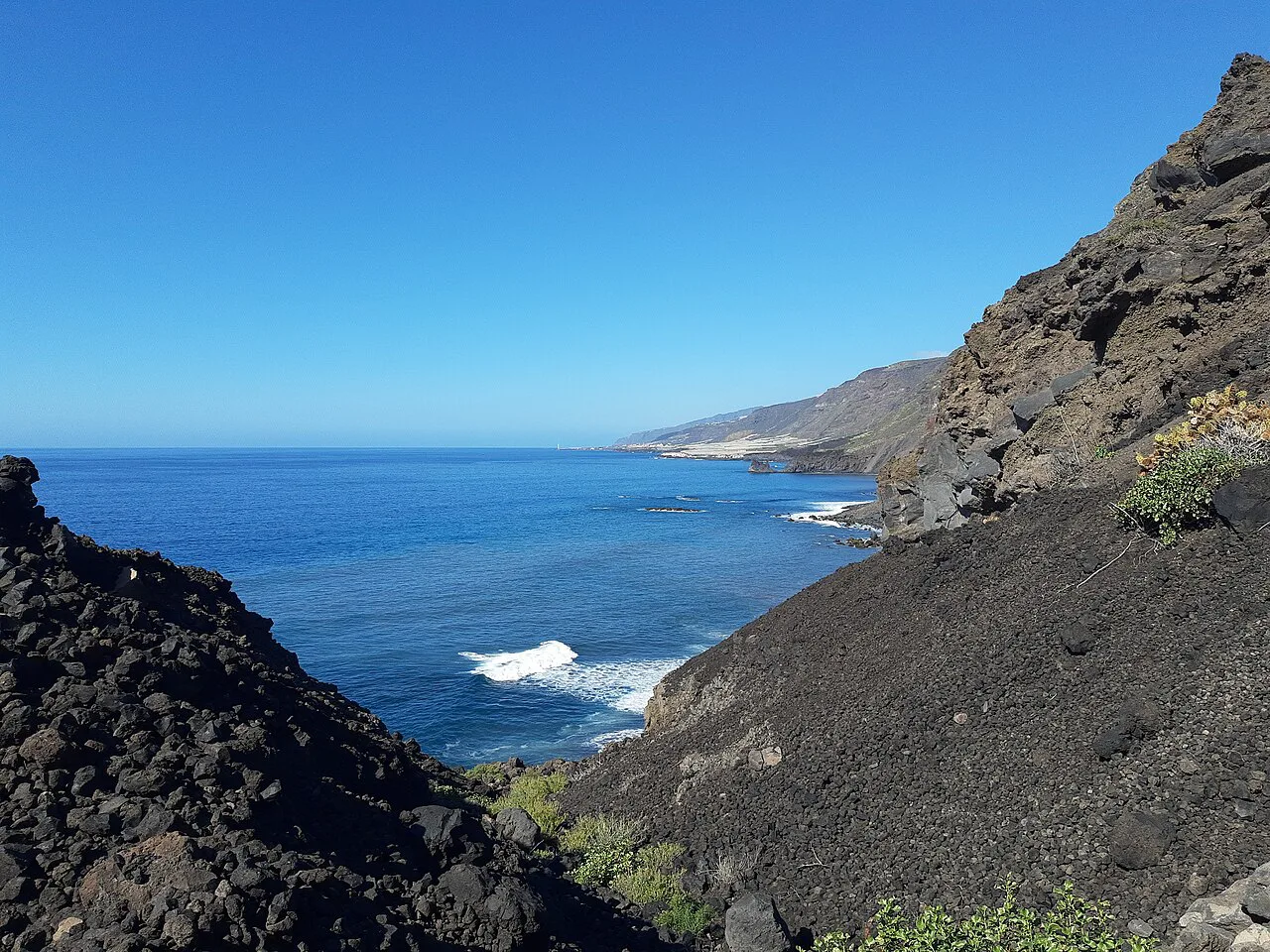
La Zamora is one of the top sunset spots on La Palma: the sun drops into the ocean behind the rocky islets and the black sand turns the whole cove into a silhouette. That makes it an afternoon-and-evening beach rather than an all-day lido. Bring a torch for the climb back up, and something warm for after the sun goes.
What to bring
Pack water shoes for the slippery shoreline rocks, a mask and snorkel for the seabed, an umbrella and sunscreen for the lack of natural shade on the sand, and water and snacks if you plan to stay for several hours. The picnic zone and kiosk cover food and shade, but the beach itself is a carry-in, carry-out affair.
Nearby beaches to combine
The Fuencaliente coast and the wider island offer easy pairings. Playa de Tazacorte, on the west coast, is the island's best-known beach for seafood and a port-side setting, while Playa de Nogales on the north coast is a wilder volcanic shore. Further afield, Charco Azul la Palma is a natural-pool contrast for a day when the Atlantic is too lively.
Group La Zamora with the salt pans and lighthouses at the southern tip for a full day out in Fuencaliente, or save it for a late-afternoon stop on the way back from the volcano country. Either way, keep the beach as the finale rather than the opening act.
Plan Your Visit
La Zamora beach rewards a bit of planning: a car, light bags, water shoes and enough daylight left for the stairway and the sunset. Check the weather and any local notices before you set out, particularly in winter when the Atlantic swell builds.
If you want more sand after this cove, Playa de los Cancajos on the east coast makes a gentler family day, and the broader guide to La Palma beaches helps you choose between the island's black-sand coves and its longer resort stretches.
Frequently Asked Questions
How do you get down to La Zamora beach?
You park in the small parking area near the Teneguía Princess Hotel in Fuencaliente, then walk a short trail to the top of a stairway and descend to the shore. The stairs are the only way in, and there are two separate stairways serving the two coves.
Is La Zamora beach good for snorkelling?
Yes. The clear water, rocky seabed and underwater rock along this stretch of the southern coast make it a favourite with snorkellers and divers. Wear water shoes for the slippery entry and watch the swell before heading out.
Are there sunbeds and toilets at La Zamora beach?
The beach has a small parking area, a picnic zone with natural shade, a beach kiosk-restaurant and a shower. Toilets are not part of the facility set, so plan accordingly.
Is La Zamora beach suitable for children?
Older children who are confident in the water and steady on stairs will cope well. The stairway access is not suited to pushchairs or visitors with limited mobility, and the shoreline has slippery rocks and can carry strong surf.
When is the best time to visit La Zamora beach?
Late afternoon is the classic slot, because the cove faces one of the island's best sunsets. Summer afternoons and Sundays are the busiest times on this small beach, so arrive earlier in the day for more space on the sand.
Which beaches are near La Zamora beach?
Playa de Tazacorte on the west coast and Playa de Nogales on the north coast are the most useful pairings on the island, and Charco Azul offers a natural-pool alternative when the Atlantic is rough. All are best reached by car.
Sources
Beach notes for your next trip
Optional updates when we add or revise beach guides.
You might also like
Continue reading
More guides you'll find useful