Nerja Sea Temperature: When to Swim, Month by Month
A month-by-month guide to sea temperatures near Nerja, using Malaga coastal records, with the best swimming months, wind patterns and what to wear.
On this page
Nerja pairs a long, accessible coastline with water that stays swimmable from late spring through October, making it a good base for travellers who want a Mediterranean dip without the intensity of high summer. Towns such as this on the Costa del Sol are well served for beach days, with coves and longer bays within a short bus ride, so the sea temperature shapes your plans rather than dictating them. The figures here come from Malaga's coastal records, roughly an hour west, and give a reliable picture of how the Alboran Sea changes through the year.
How sea temperature works on this coast
The Alboran Sea between Malaga and Nerja warms and cools gradually, so the sea lags behind air temperatures by roughly a month. August is typically the warmest month, with an average of 24°C, while February is the coolest at about 14.8°C. Seasonal averages give a clearer planning signal than any single day: summer sits around 22°C, autumn around 19.8°C, spring 16.3°C and winter 15.3°C.
Because Nerja faces south-east toward the Alboran Sea and sits slightly further east than Malaga, the two share broadly similar conditions, but local upwelling and wind can shift a given beach by a degree or two. The most reliable local signal is the pattern of warm summer and cool winter water, not a single reading. Use the Malaga sea temperature records as a planning baseline rather than a promise for any one cove near Nerja.
Month-by-month sea temperature
The figures below draw on Malaga's monthly averages and show how the water changes between January and December. They are averages across roughly ten years of records, so individual days can fall well outside the range. Treat them as a planning baseline, not a forecast.
January averages 15.2°C with a range from 13.7°C to 17°C; February is the coolest month at 14.8°C, and March sits at 15.2°C. April lifts to 16.1°C and May reaches 17.7°C, still cool for most swimmers without a layer. June climbs to 19.6°C, July to 22.3°C and August to 24°C, the warmest of the year. September remains warm at 22.2°C, October slips to 19.9°C, and November and December fall to 17.2°C and 15.9°C respectively.
These monthly averages help decide which weeks to book rather than which specific day to swim, because daily conditions swing widely. A late-June day can feel close to July water, and an early-October cold snap can pull temperatures down quickly. Planning a week rather than a single day gives you room to move around the weather.
When is the sea warm enough for comfortable swimming?
The swimming season in Malaga runs from June to October, when the water generally stays at or above 20°C on average. July, August and September are the months most swimmers find genuinely comfortable for long dips, with August averaging 24°C and September still around 22.2°C.
June and October are shoulder months: pleasant on a sunny afternoon but brisk for long sessions, and a wetsuit top or rash vest makes a real difference. April and May hover below 18°C on average, which most people find refreshing rather than comfortable for extended swims. In winter, water around 15°C is cold enough that only experienced cold-water swimmers should consider a dip, and even they should keep it short.
Late-spring swimmers in Nerja report cold but manageable conditions in May, which matches the broader Malaga pattern. The lesson is to plan around the pattern, not a single year, and to build in flexibility if the water isn't to your taste.
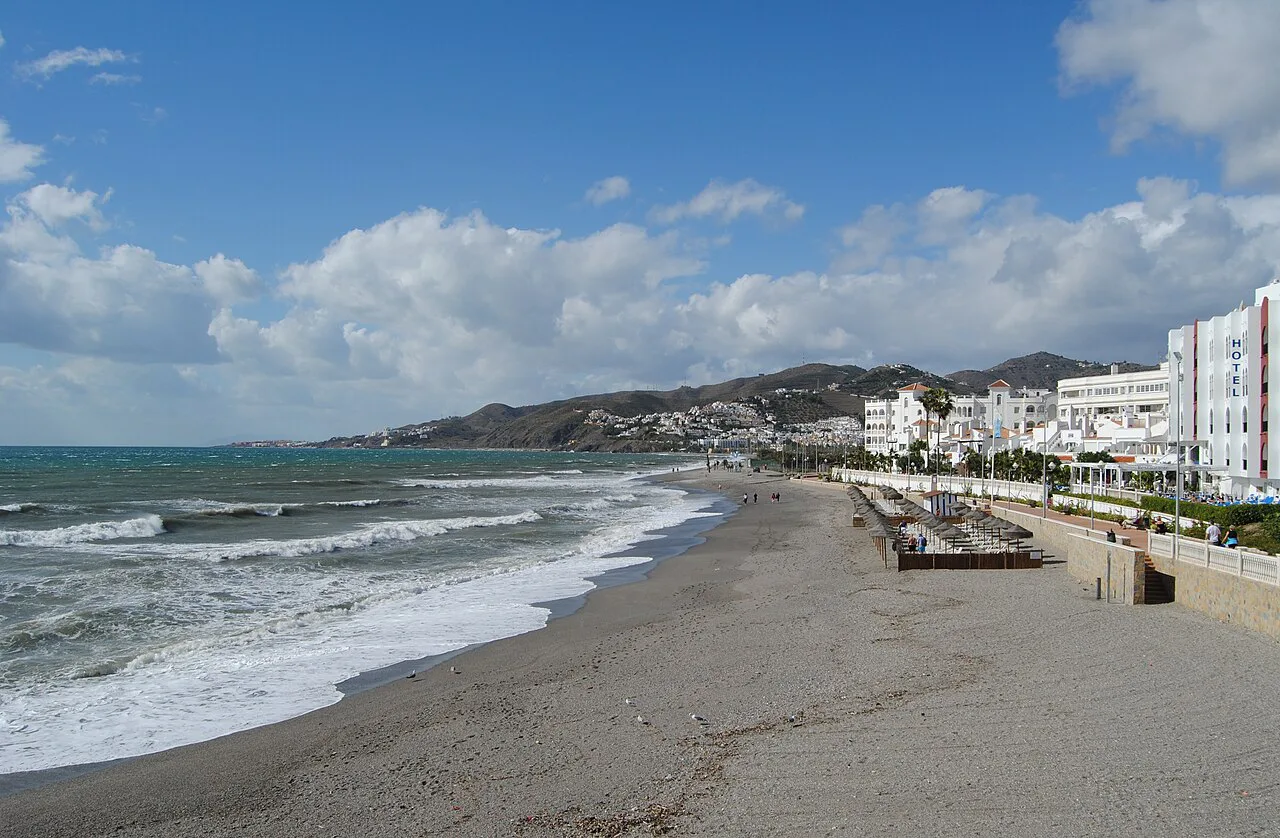
Wind, waves and currents at Nerja's beaches
Nerja's beaches behave differently according to which way the wind is blowing, and afternoons tend to change faster than mornings. Summer mornings often start calm, then pick up a chop or onshore breeze as the day goes on, so an early swim is usually the more sheltered choice.
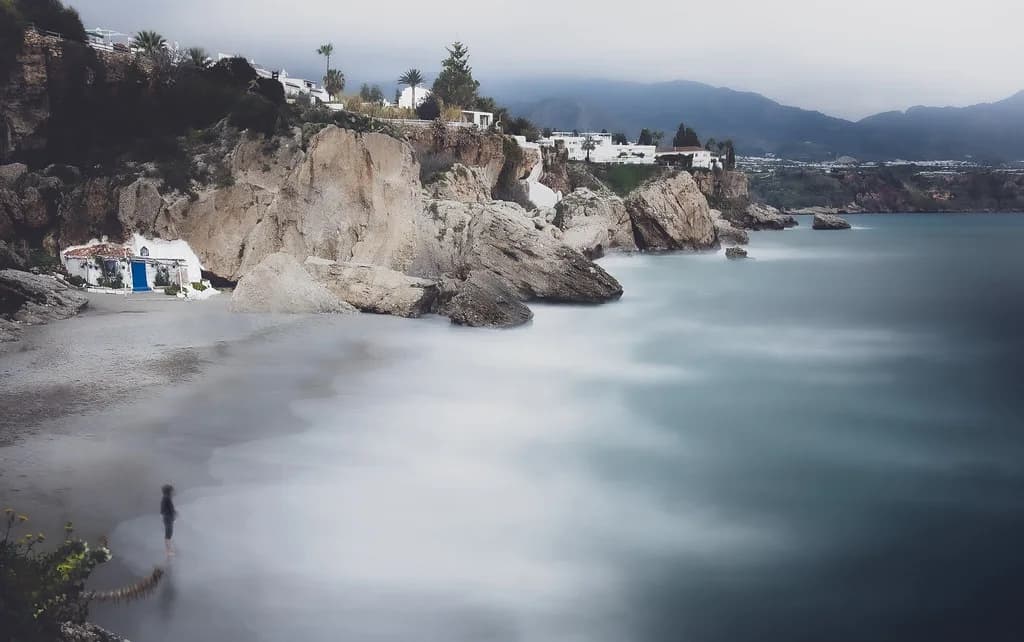
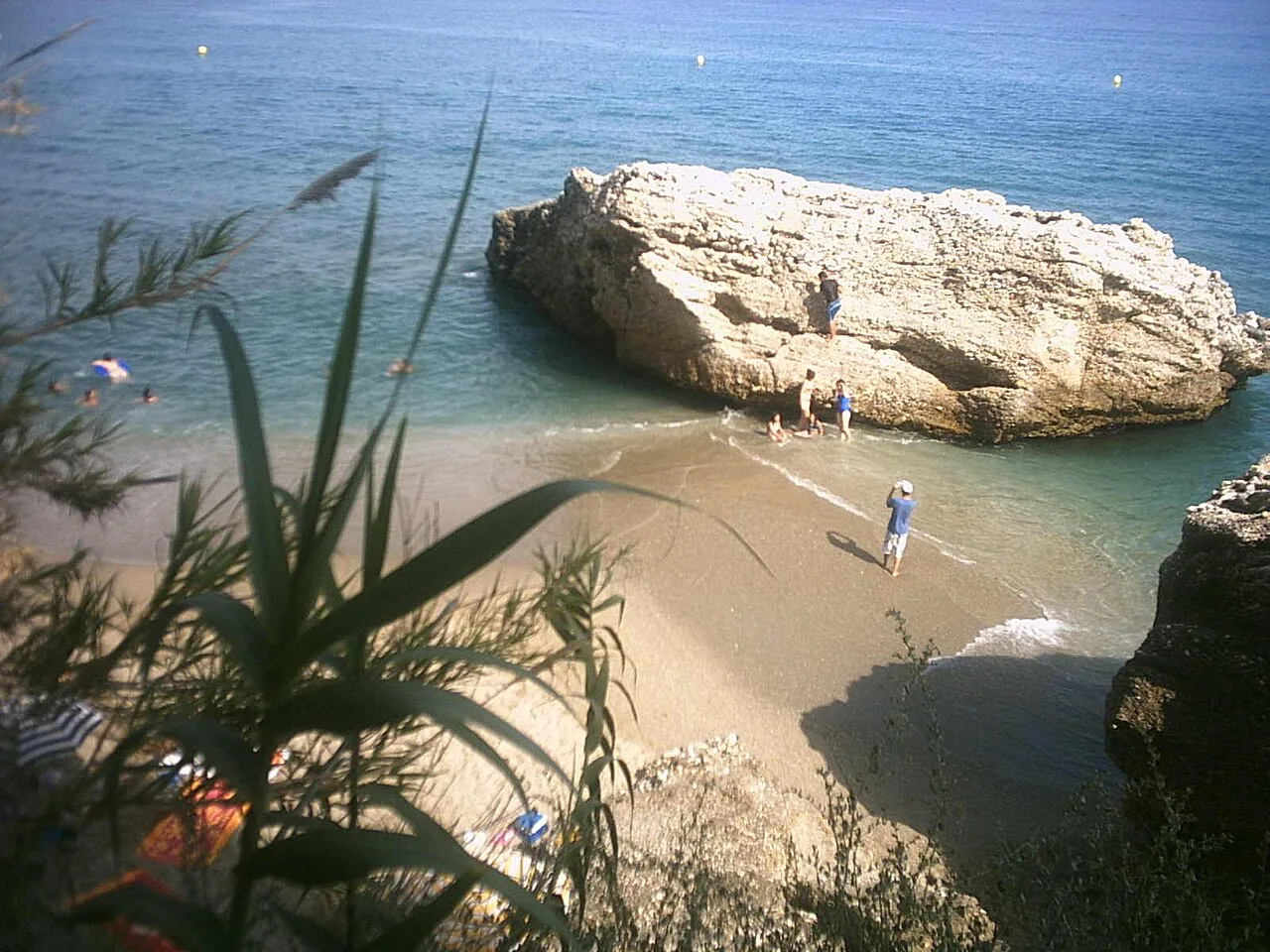
Coves such as Carabeillo, tucked below the Balcón de Europa and the Mirador del Bendito, offer more natural shelter than the longer open bays, but shelter varies with wind direction. Sea-state reporting for Malaga notes a rip-current risk in places, so read any flags posted at the beach and swim within your depth rather than treating any cove as reliably calm.
What to bring and what to wear
For June to September, a standard swimsuit or trunks, a towel and sun protection are enough; the water is comfortable for most swimmers and shade is the bigger concern on the beach. In May, late October and winter, bring a neoprene top or short wetsuit. A 2–3 mm top takes the edge off 17–19°C water without restricting your stroke, and reef shoes help on pebbly entries where the stones are hard underfoot.
Nerja's beaches range from sand to pebble, and the pebbly ones are easier with water shoes at the shoreline. If you plan to snorkel, bring a mask that fits well rather than renting on the day, because fit matters more than brand. A light windproof layer is useful for the walk back once the afternoon breeze arrives.
Nearby beaches and towns to compare
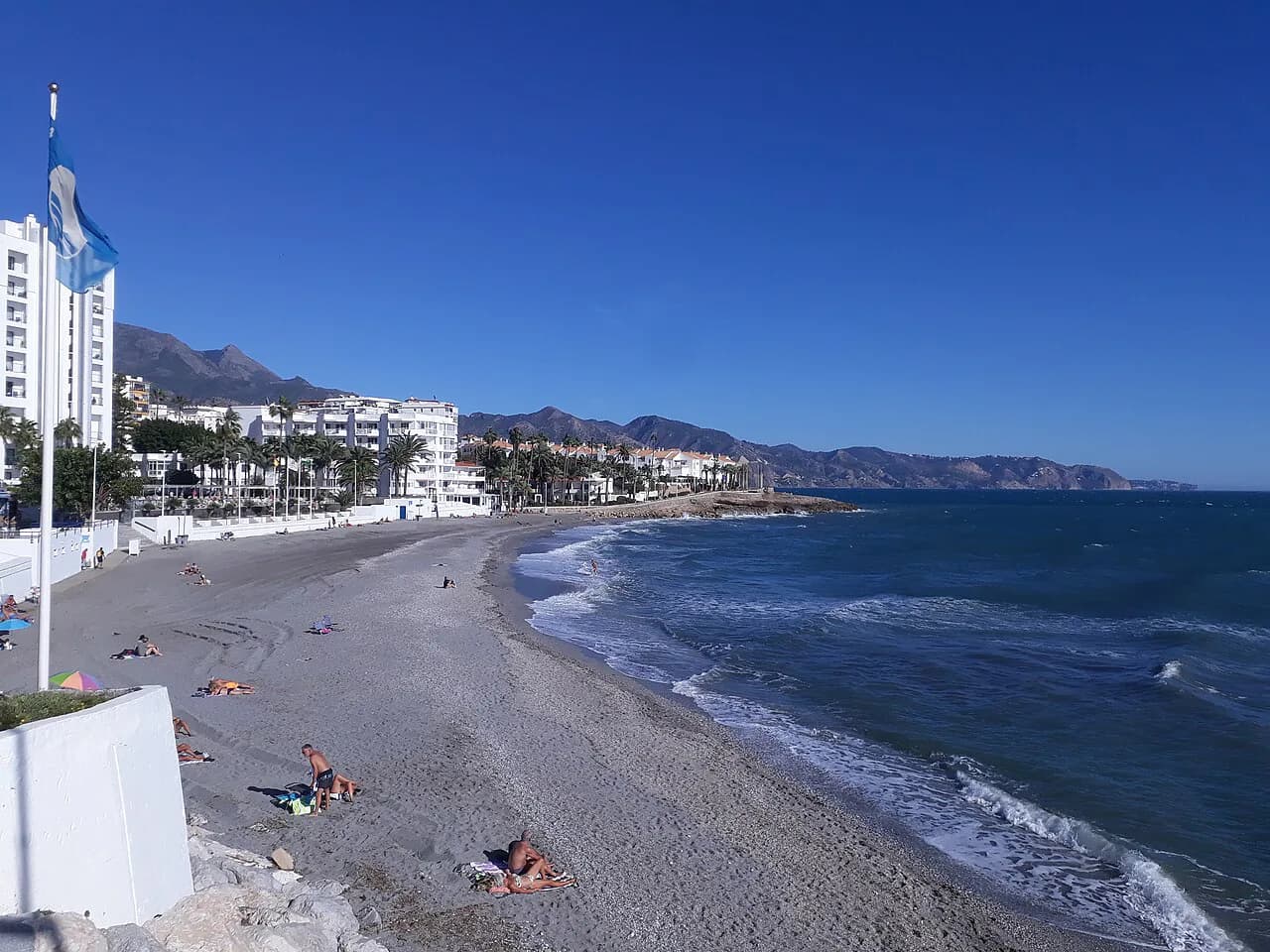
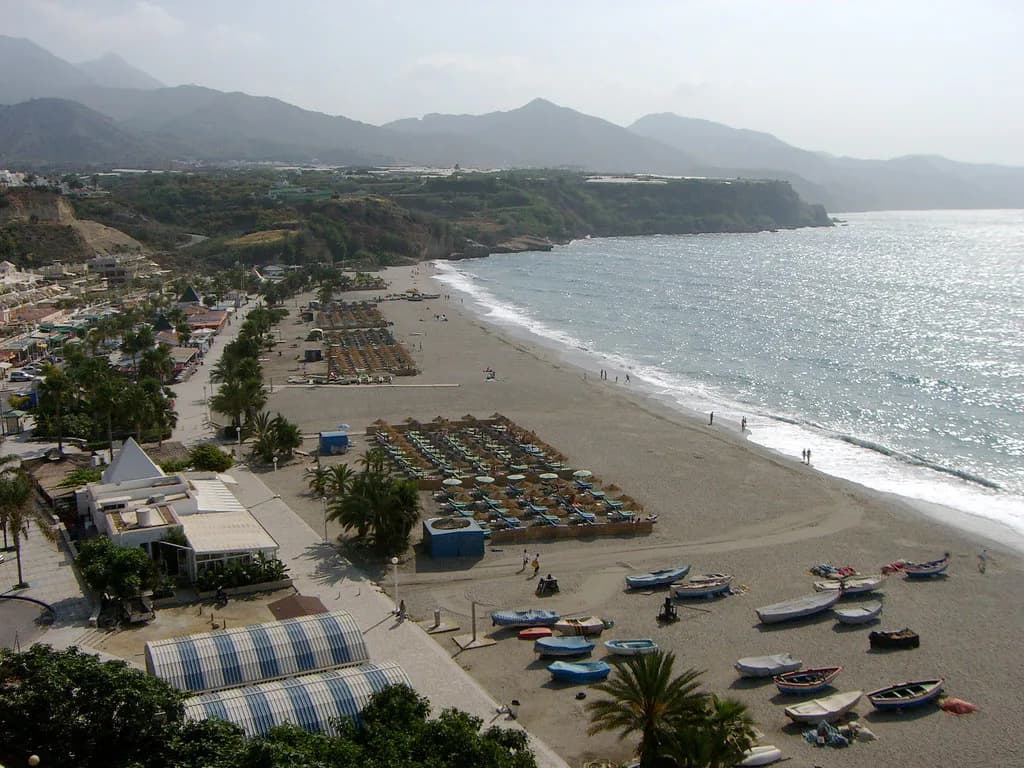
Burriana Beach, Nerja is the town's largest and most family-oriented stretch, with a broad curve of sand, a long line of beach bars and restaurants, and easy access from the centre. It suits families and groups who want facilities and space rather than seclusion, and the water here follows the same seasonal pattern as the rest of the coast.
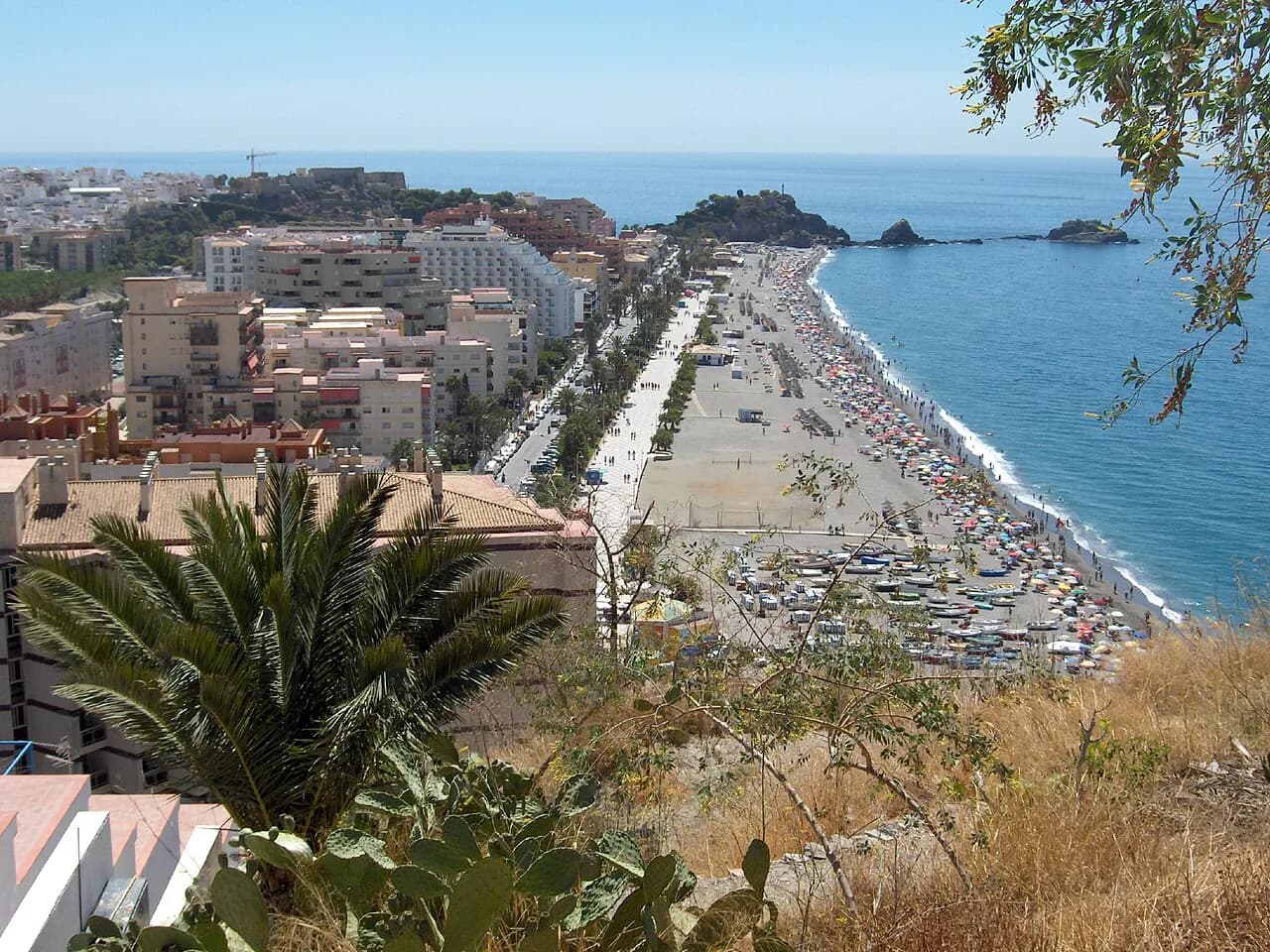
Playa de Maro, a short drive east toward the Sierra de Tejeda, is a smaller cove with clearer-looking water and a more natural setting, and it rewards an early arrival in summer. Further east, Almuñécar Beaches on the Costa Tropical offer a different base if you want to compare water and crowds across a wider stretch of coast.
Other things to know before you go
Nerja's sea is at its busiest in August, when Spanish holidaymakers arrive in force and the main beaches fill early. Late September and early October give you warm water with fewer crowds, and the light is better for photography along the cliffs. If you are travelling with small children, plan swims for the morning, when the sea is usually calmer and the beach less crowded.
Nerja's tourist office can point you to current beach access, bus routes and any local notices that change with the season. Sea temperatures are averages, not guarantees, so look at the day-before forecast if a specific swim matters to your trip.
Plan Your Swim
For the warmest, easiest swimming, aim for July through September, when Nerja's water is at its most comfortable and the days are long. If you prefer fewer crowds and can tolerate a brisker dip, late June and early October offer a good compromise. Winter swimmers should bring proper insulation and keep sessions short.
Use the month-by-month figures as a planning guide, then let the daily forecast decide your beach. Nerja's mix of sandy and pebbly beaches means you can usually find a sheltered spot on a windy day, and pairing a swim with a walk along the Balcón de Europa makes a full day out of it.
Frequently Asked Questions
What is the sea temperature in Nerja in May?
Malaga records put the May average at about 17.7°C, with a range from roughly 14.8°C to 21.4°C. Nerja sits on the same stretch of coast, so expect similar water: refreshing rather than comfortable for most swimmers, and better with a neoprene top for longer dips.
When is the sea warm enough to swim in Nerja?
The comfortable swimming season runs from June to October, when average water temperatures stay around 20°C or above. July, August and September are warmest, with August averaging about 24°C. June and October are pleasant shoulder months for shorter swims.
Is Nerja sea warmer than Malaga?
The two are broadly similar because they face the same Alboran Sea, but local wind and currents can shift a beach by a degree or two on any day. Malaga's published monthly averages are the best planning baseline for Nerja, with the caveat that individual coves can vary.
What is the ideal sea temperature for swimming?
Most recreational swimmers find 20°C and above comfortable for longer sessions, while 17–19°C feels brisk and suits short dips or swimmers wearing a thin wetsuit top. Below about 16°C, cold-water experience and proper insulation matter more than distance.
Sources
Beach notes for your next trip
Optional updates when we add or revise beach guides.
You might also like
Continue reading
More guides you'll find useful