Almuñécar Beaches: Which Costa Tropical Beach Suits Your Day
Plan a beach day in Almuñécar: dark sand and pebbles, sheltered coves, easy access and quieter stretches, plus how to choose the right beach for your trip.
On this page
Almuñécar rewards travellers who accept the Costa Tropical on its own terms: the beaches here are dark sand and pebble rather than the pale, floury stretches you find further west. That makes them good for a long, unhurried day, especially if you pack water shoes and treat the sea as somewhere to explore rather than paddle in flat, shallow water.
Your main decision is simple: a big central beach in town with everything within walking distance, a small pebble cove for a quieter few hours, or a fine-gravel bay beside a marina where rocks bring clear water and snorkelling. The three below cover each mood.
Where the Town Sits on the Costa Tropical
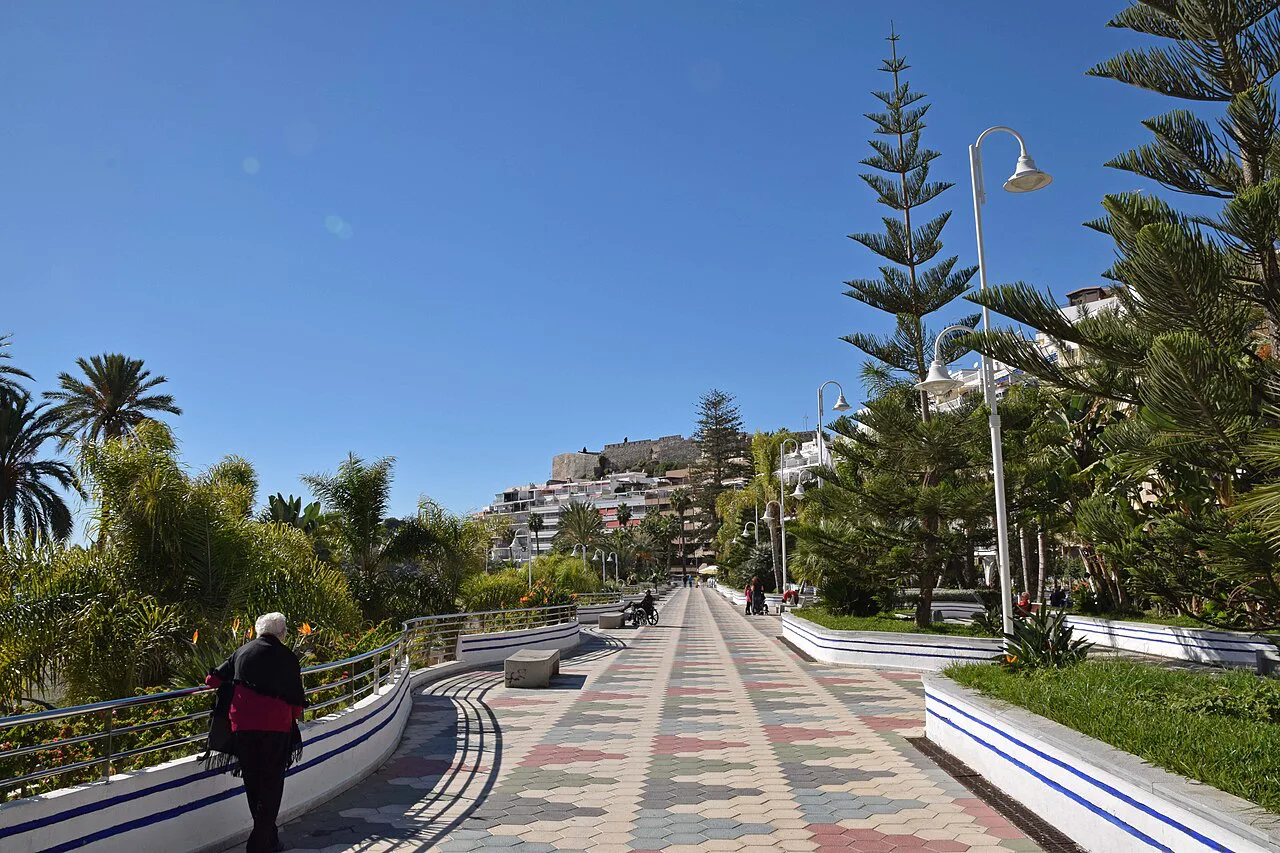
Almuñécar lies on the Granada coast between Málaga and Motril, close to the western edge of the Costa Tropical. The town fills a compact valley that opens onto the sea, so its beaches are strung along the waterfront rather than hidden up long coastal roads.
That layout is useful: you can move between the central beaches on foot or with a short taxi ride, and keep the car for the marina and for onward trips. If you are based further west around Nerja, the wider beaches of the Costa del Sol make an easy contrast to Almuñécar's darker, stonier shore.
Playa Puerta del Mar: The Central Beach for a Full Day
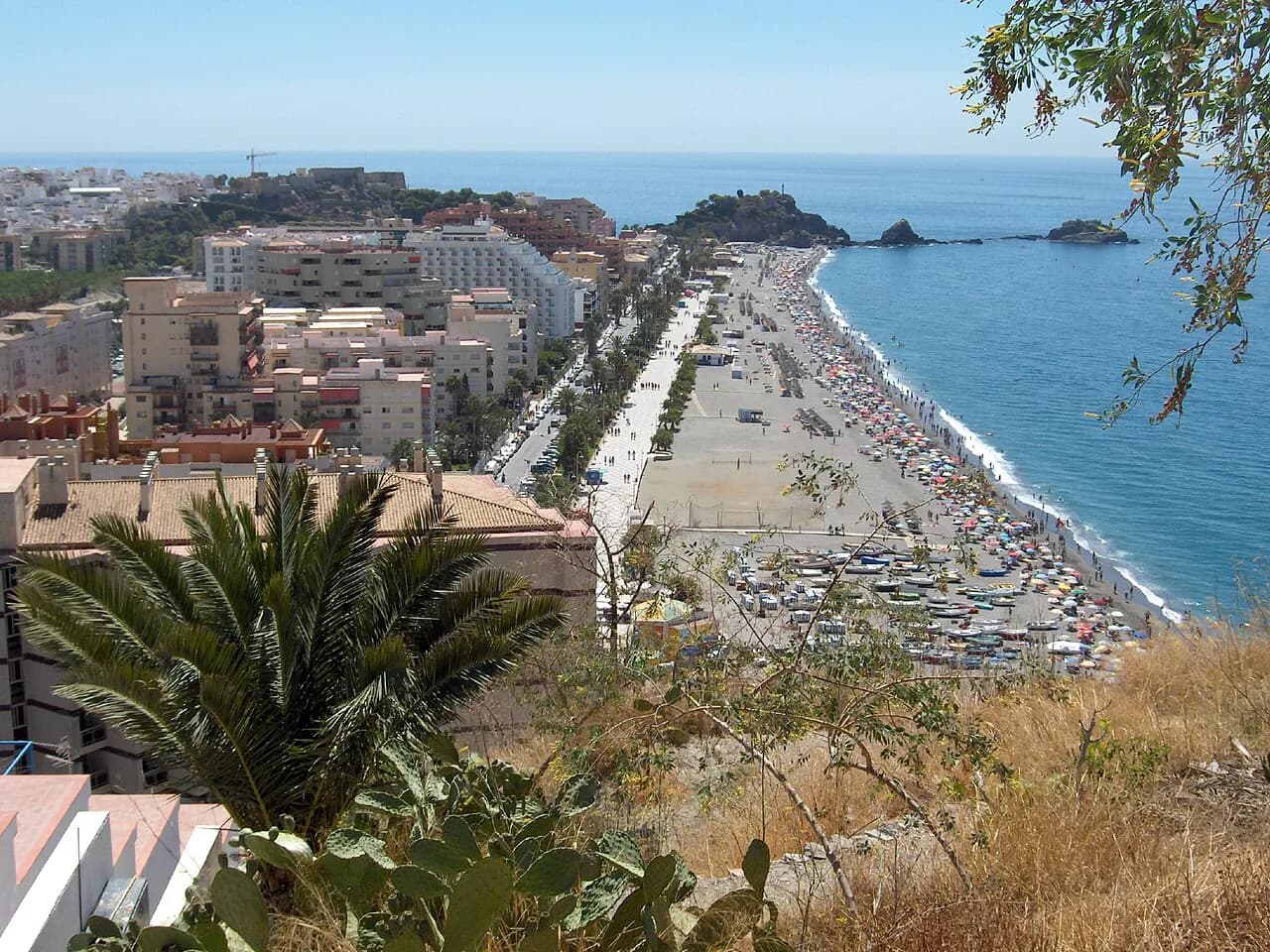
Puerta del Mar is one of the largest beaches in the municipality of Almuñécar, and it is the obvious choice for a first day because everything you need sits around it. It is a dark sand and pebble beach, so the water shelves away over stones rather than a soft sandy floor.
Because it is central, it is also the busiest and the easiest to reach without a car. Come early in high summer if you want space near the water, and expect the promenade behind it to be lively through the afternoon and evening.
Treat it as your base beach: buy lunch nearby, walk back to your accommodation, and save the quieter coves for a day when you want less company. Its size means you can usually find a less crowded patch by walking a few minutes away from the main access points.
Playa Enmedio: Small, Dark and Pebbly
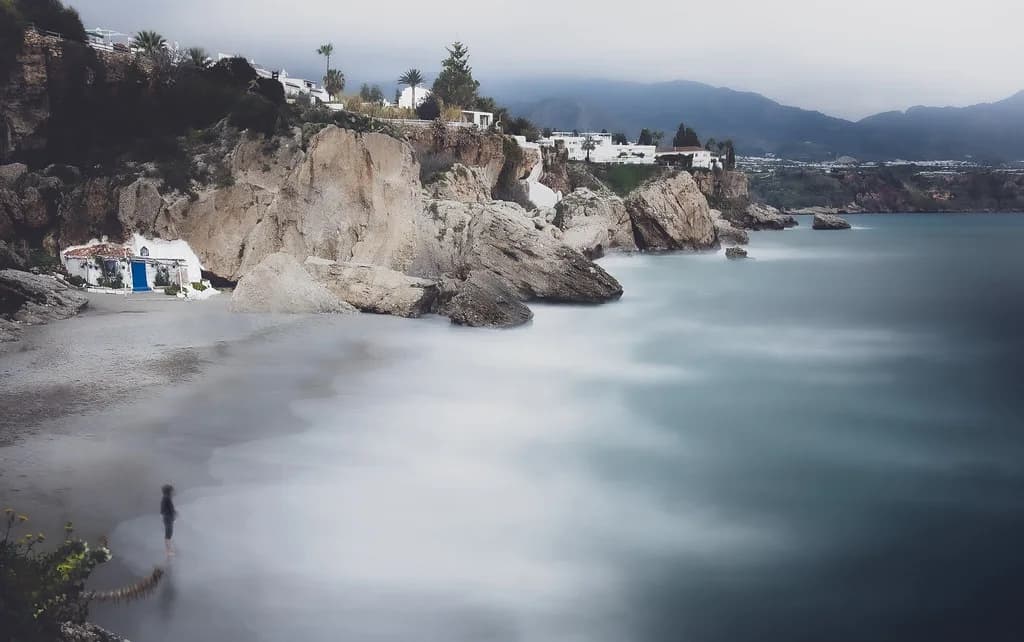
Enmedio is described as a small but pleasant beach of dark sand and pebbles, and its size is exactly what makes it worth choosing. It suits a short, focused visit, perhaps a morning swim followed by lunch, rather than a full day with a carload of kit.
Bring water shoes and a mat, since this compact beach offers less soft sand and less room to spread out than a wider one. Arrive with the shade and seating you need, as space is limited. The payoff is a calmer atmosphere than the central sweep, with the same dark water and stone shelf underfoot.
If you are travelling with small children, weigh the smaller space and stony entry against the quieter setting, and choose the central beach on days when easy access to food and toilets matters more.
Playa Marina del Este: Fine Gravel, Rocks and Clear Water
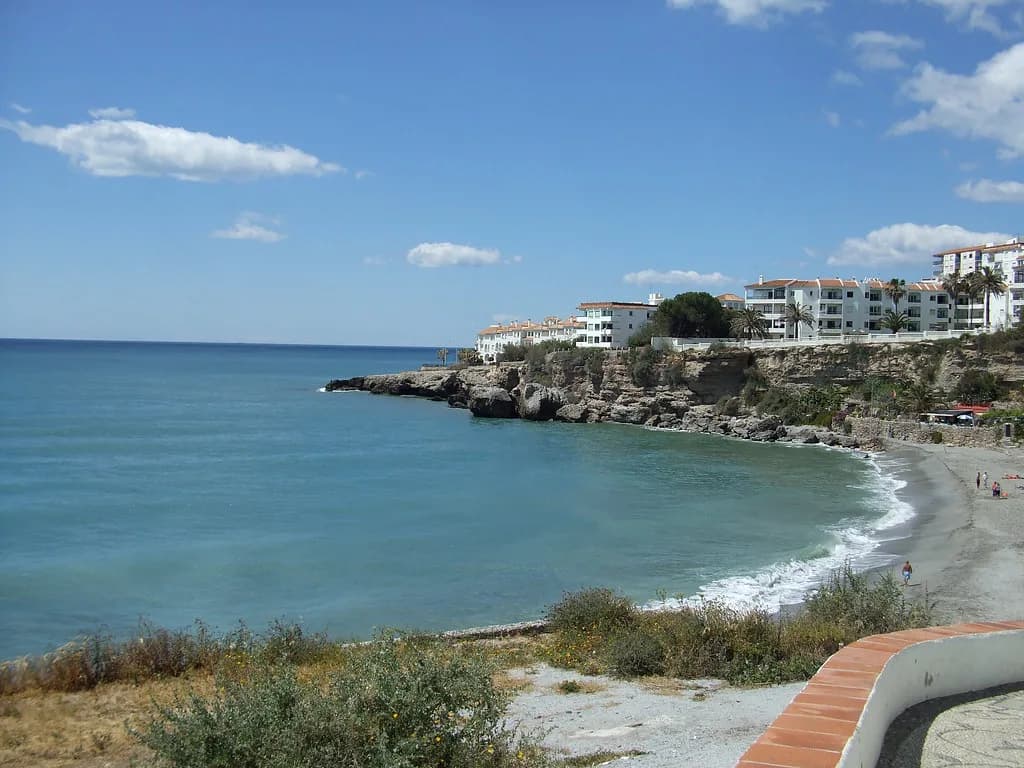
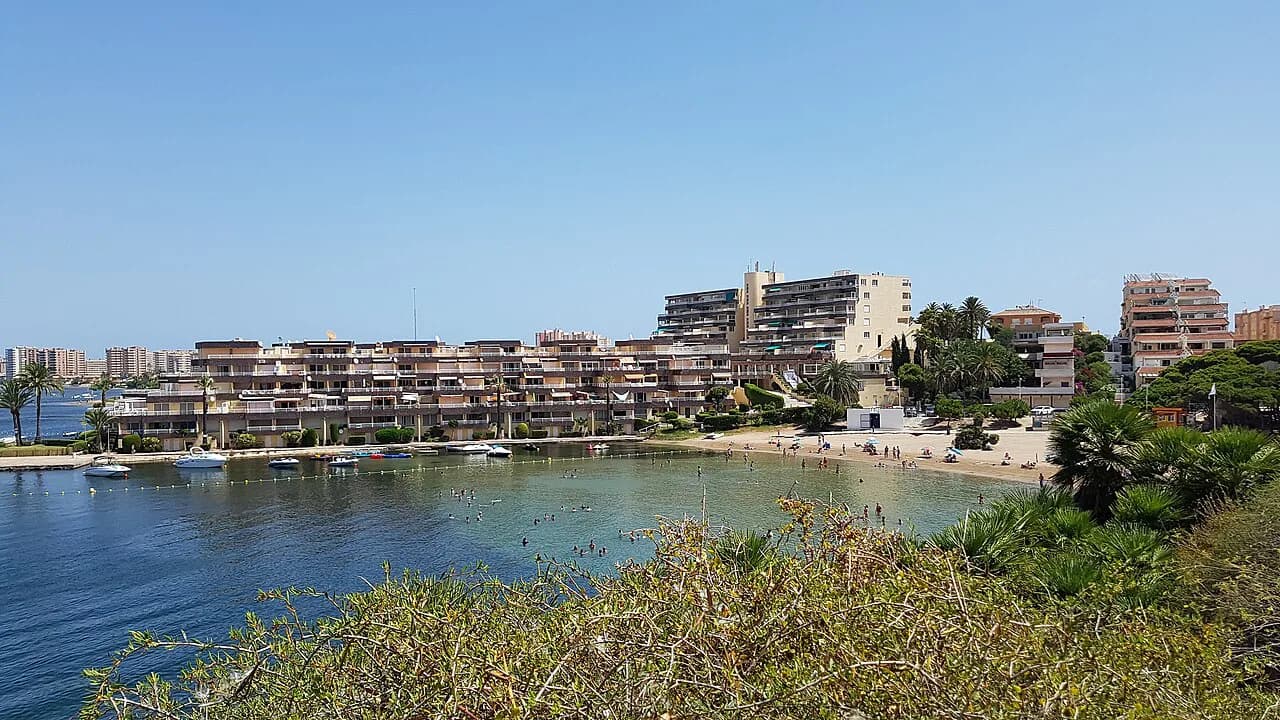
Marina del Este is a fine-gravel beach with rocks, around 150 metres long and 40 metres wide, with easy access and high occupancy. The gravel drains quickly and the surrounding rock makes it the most interesting of the three for anyone who likes to look under the surface.
Snorkellers and stronger swimmers should head here, bringing their own mask and fins and entering the water carefully over stones. Families can enjoy it too, but the gravel and rocks make it a less forgiving place for toddlers than a wide, gently used town beach.
Pair it with the marina for a drink or a late lunch, and go early if you want a spot near the water, since the beach sees plenty of visitors through the season. Pebble and gravel shores like this one appear all along the coast, and they reward a little preparation.
Getting There
The town beaches are the easy ones: stay anywhere central and walk to Puerta del Mar, then continue on foot or take a short taxi ride to Enmedio. This removes the parking question entirely and lets you swim without planning the drive home.
For Marina del Este, plan on a car or a taxi, or ask your accommodation or the Almuñécar tourist office about local buses serving the marina area. Fares and timetables change with the season, so check current times and prices before you set out.
If you are coming from Nerja or the Málaga side, allow extra time in July and August, when the coastal road carries holiday traffic. A day trip works well if you start early, take the marina beach in the morning and finish in town.
The Sand and the Water
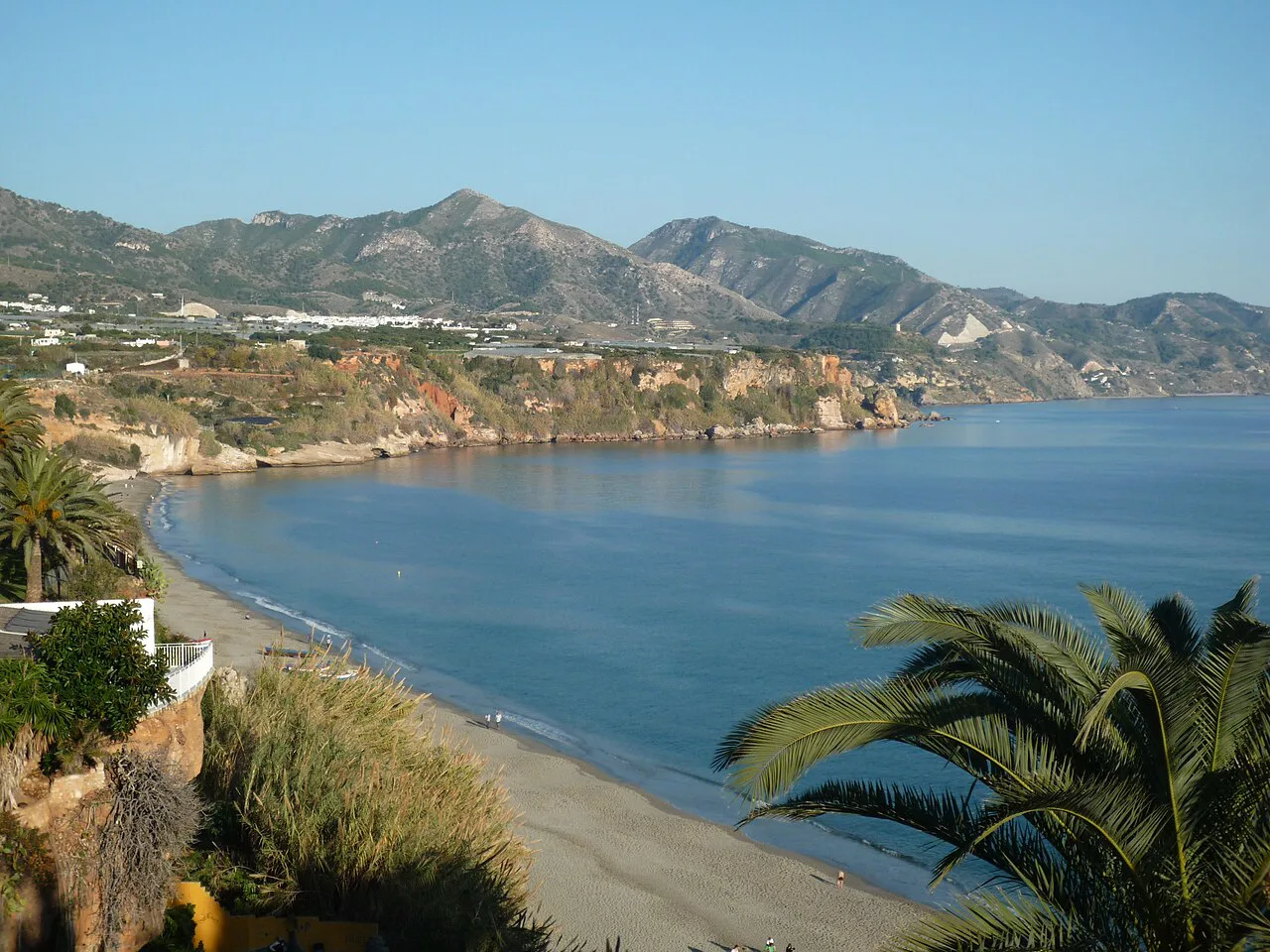
None of these beaches offers a long, shallow sandy shelf. Almuñécar mixes dark sand with pebbles and stones, and Marina del Este adds rock, so the water typically deepens soon after you enter.
Water shoes are the single most useful thing you can carry: they make the entry comfortable, protect your feet on gravel and let you walk out further before swimming. Add a light mat, because a towel over stones is a thin form of comfort.
Non-swimmers and young children should stay close to the edge and use flotation, and everyone should read the flags and any notices posted at the access point before entering. Conditions vary with the day, so judge the sea in front of you rather than the forecast alone.
Shelter, Shade and Wind
Almuñécar's coast bends east and west around the town, so the beach you pick changes how much wind you feel. On breezy days, a bay tucked behind a headland or the marina walls gives more shelter than an open central sweep.
Natural shade is limited on pebble beaches, so carry an umbrella or sun tent and set up early before the best spots near the back of the beach fill. On the smaller beaches there is less room to move when the sun gets fierce.
Facilities
Puerta del Mar is the practical choice when you want bars, restaurants and shops within a short walk, which is why it works well for families and mixed groups. The central location means you are never far from food, drink or a pharmacy.
Marina del Este has the marina on its doorstep, giving you a natural place to eat and drink after the beach. Its easy access makes it straightforward for most visitors, though the gravel surface is harder work with a pushchair or wheelchair than a promenade.
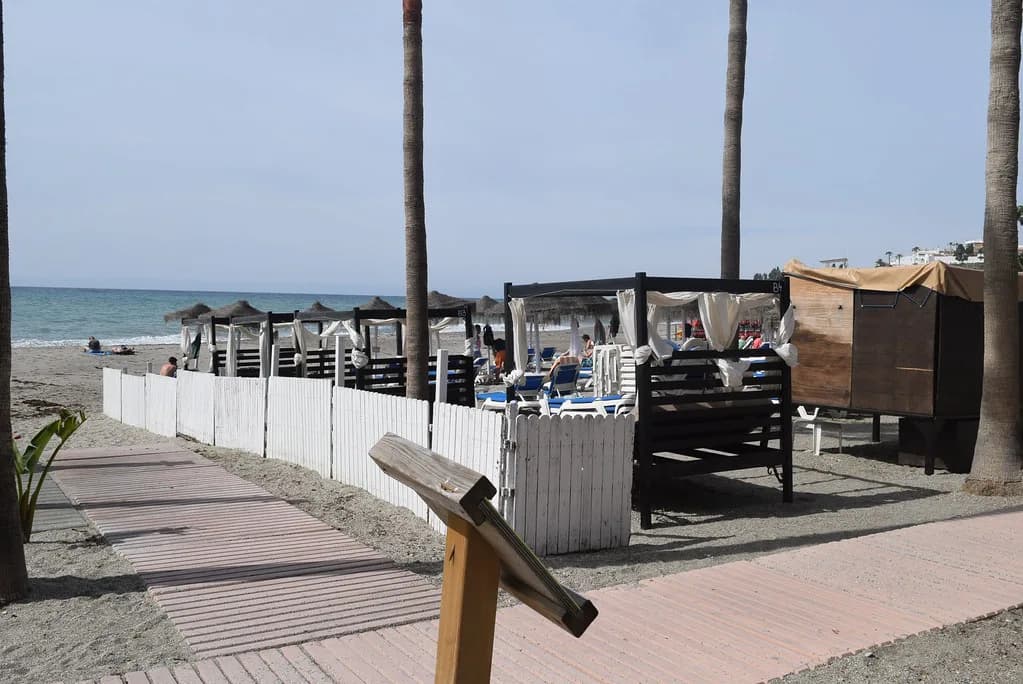
Facilities such as sunbed hire and seasonal services vary by beach and by year. Ask at the Almuñécar tourist office or your accommodation for what is operating during your stay, and plan to carry water, snacks and shade as a backup.
Best Time to Go
High summer brings the warmest sea and the biggest crowds, with August the busiest month on this coast. June and September usually give warm water with more breathing space, and they are the months to favour if you want a quieter day on Puerta del Mar or Enmedio.
The sea is at its most inviting from late June into September, while spring and autumn suit walkers and sightseers more than swimmers. Whatever the month, arrive before mid-morning to claim space and shade, and leave the central beach to the crowds in the afternoon.
Nearby Beaches to Combine
La Herradura sits just around the coast and makes a natural second stop, with its own bay and a change of scene from the town beaches. Combine it with a morning at Marina del Este for a full day on this stretch of coast.
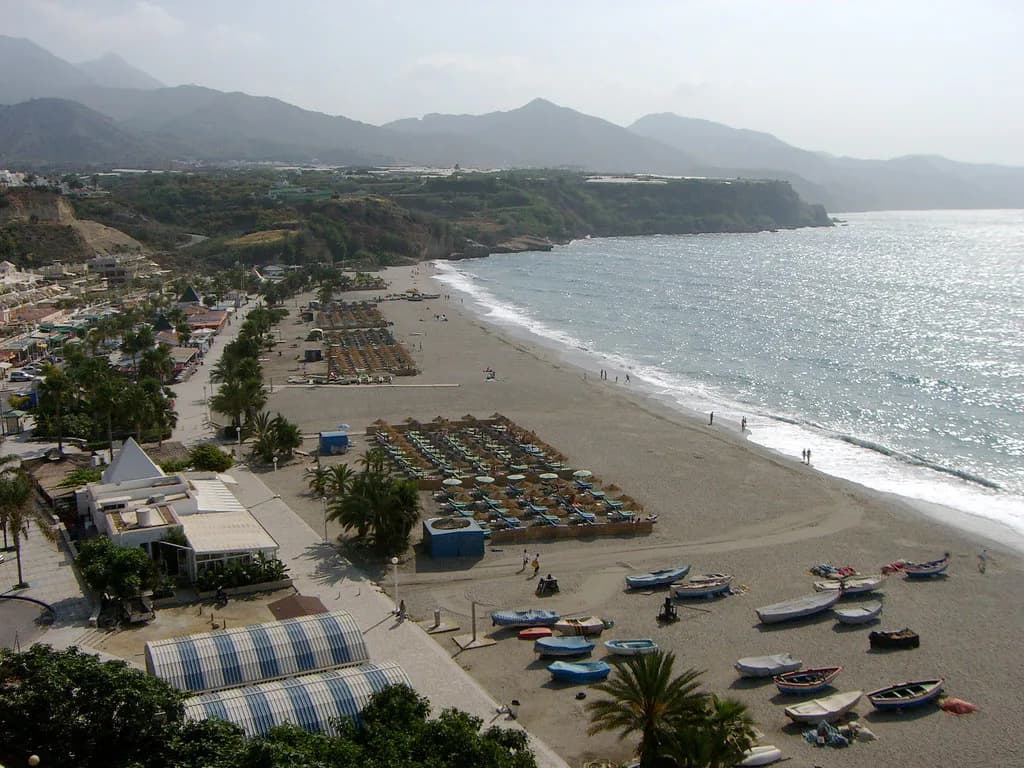
If you are based around Nerja, add a day at Burriana Beach, Nerja, a long, well-known stretch that pairs easily with the town's restaurants and shops. It is a different sort of beach day from Almuñécar's pebble coves, and the two work well in the same week.
For something more dramatic, Playa de Maro sits below the cliffs east of Nerja and rewards an early start. Check access and parking arrangements with the local tourist office before you go, as this coast gets busy in summer.
How to Choose
Families with small children should make Puerta del Mar their default: it is central, it is one of the largest beaches in the municipality, and it keeps food and facilities close at hand.
Swimmers and snorkellers should choose Marina del Este for its fine gravel, rocks and clear water, while quiet-seekers should try Enmedio for a smaller, darker, pebble beach with a calmer mood.
Plan Your Beach Day
Start with the beach that matches your group: Puerta del Mar for a full day with facilities, Enmedio for a short and quiet visit, Marina del Este for gravel, rocks and snorkelling. Pack water shoes, shade and water, and check flags and notices at the access point before you swim.
If you are building a longer trip along this coast, use the Nerja beaches guide to compare options west of Almuñécar and plan which days to spend where, and the guide to Almería beaches does the same for the coast to the east.
Frequently Asked Questions
Are Almuñécar beaches sand or pebbles?
They are a mix of dark sand and pebbles, with stones on many stretches. Marina del Este is fine gravel with rocks, while Puerta del Mar is a dark sand and pebble beach. Bring water shoes for comfort entering the water.
Which Almuñécar beach is best for families?
Puerta del Mar is the most practical choice for families because it is one of the largest beaches in the municipality and sits in the centre of town, close to food and shops. Enmedio is smaller and quieter but has less room to spread out.
Can you snorkel at Marina del Este?
Marina del Este is a fine-gravel beach with rocks and clear water, making it the best of the three for snorkelling. Bring your own mask and fins and enter carefully over the stones.
How do you get to the beaches in Almuñécar?
The town beaches are walkable if you stay centrally, with Puerta del Mar the easiest to reach on foot. For Marina del Este, plan on a car or taxi, or ask the local tourist office about buses and current timetables.
When is the best time to visit Almuñécar's beaches?
Late June to September gives the warmest sea, with August the busiest month. June and September offer warm water with fewer crowds, and arriving before mid-morning helps you find space and shade.
Sources
Beach notes for your next trip
Optional updates when we add or revise beach guides.
You might also like
Continue reading
More guides you'll find useful