Cala Blanca, Jávea: A Small Cove Guide for Beach Days
Cala Blanca in Jávea is a pair of small pebble coves with clear, shallow water that suits families and snorkellers. Here is how to plan a beach day there.
On this page
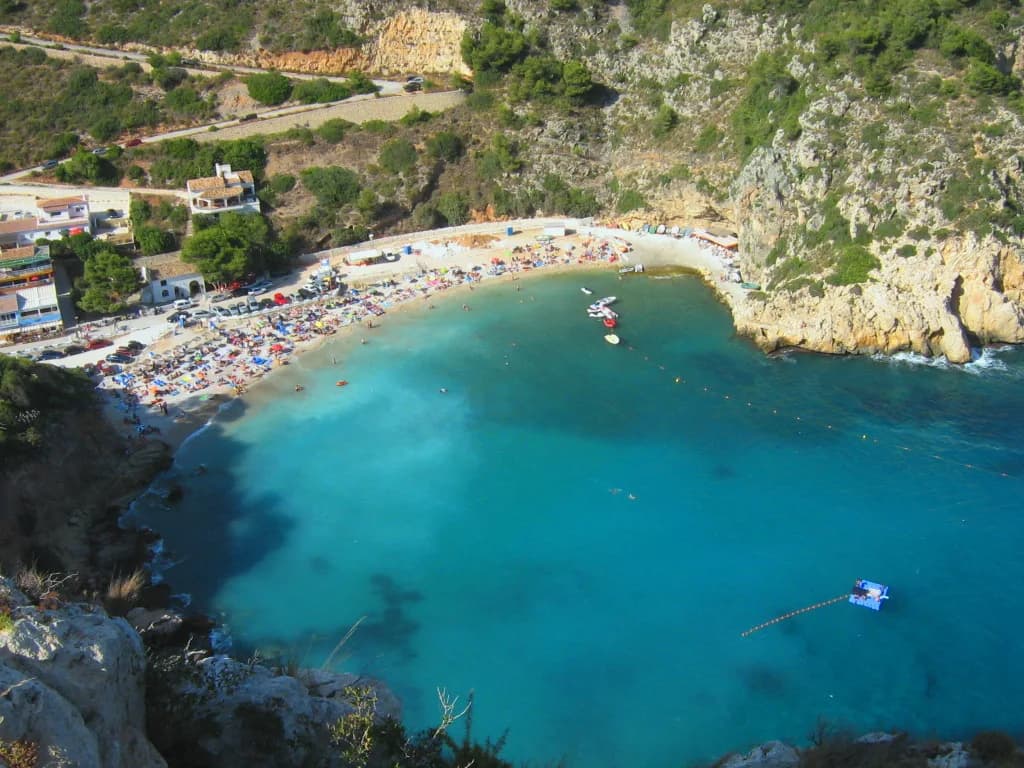
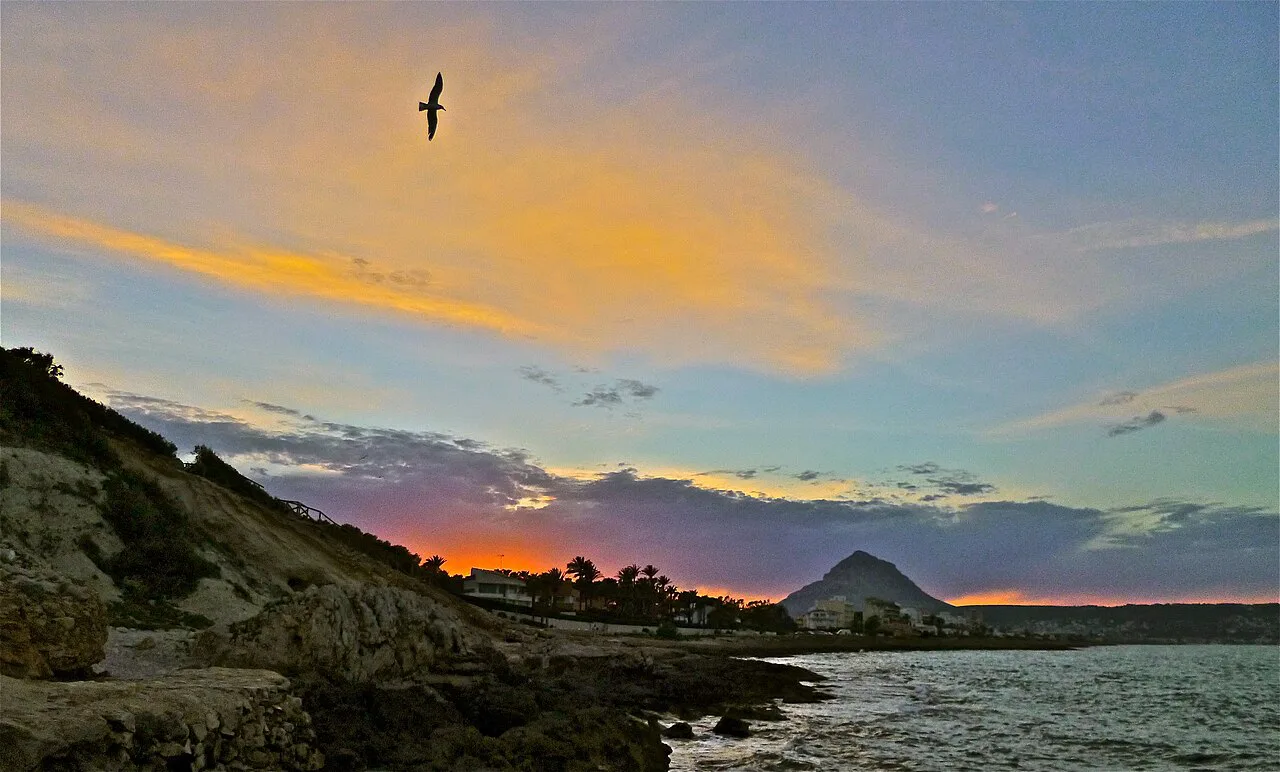
Cala Blanca earns its place on a Jávea beach day for one simple reason: two small coves of gravel and pebbles sit side by side above distinctive white rock, with shallow margins that let children paddle while adults snorkel a few strokes out. It is the opposite of a resort beach, so it rewards people who want clear water and a short, self-contained visit rather than a full day of sunbeds and promenade browsing.
Locals also call it La Caleta, which is worth knowing when you ask for directions or read signposts around the Primer Montañar. The cove is a natural half-day stop between the Arenal and the rocky Montañar shoreline, and it works best when combined with a swim and a meal rather than treated as a destination in its own right.
What Cala Blanca is and who it suits
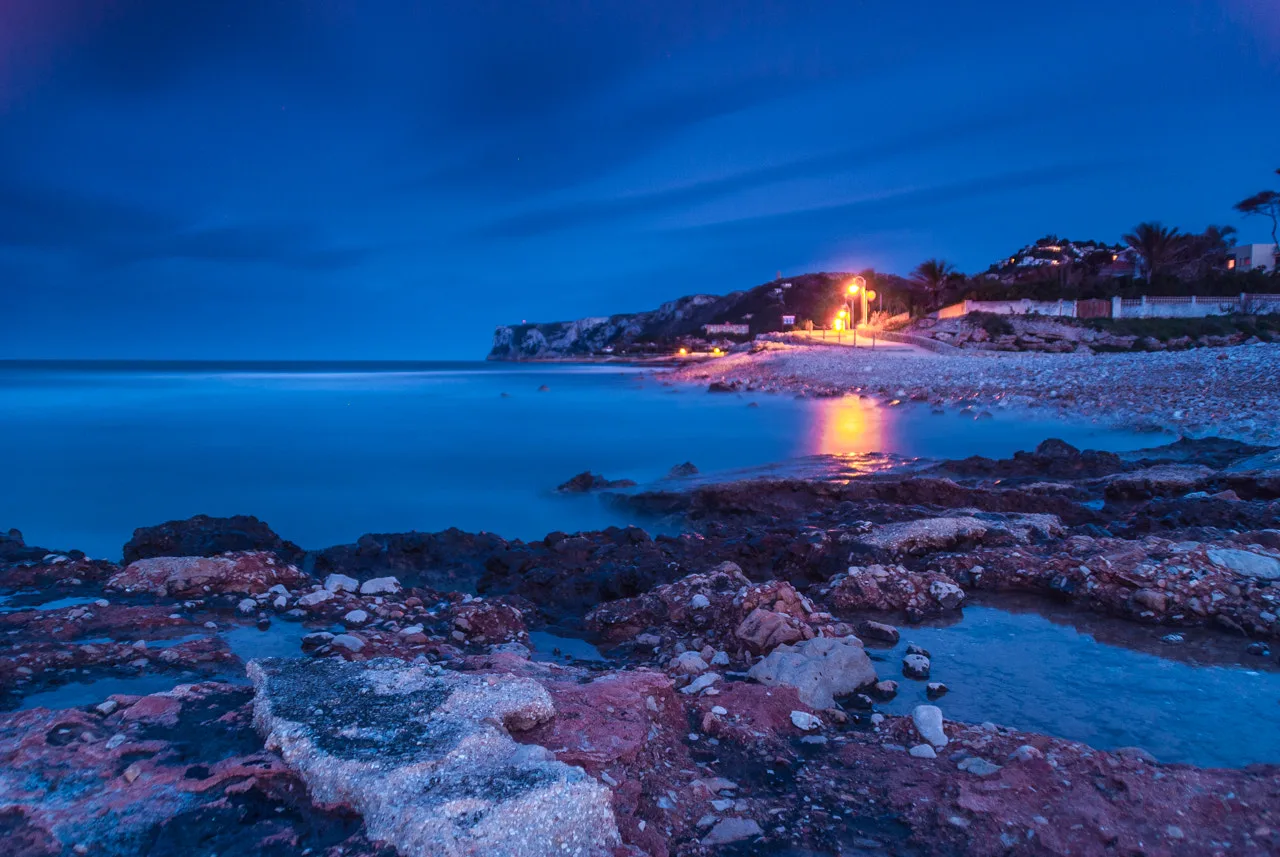
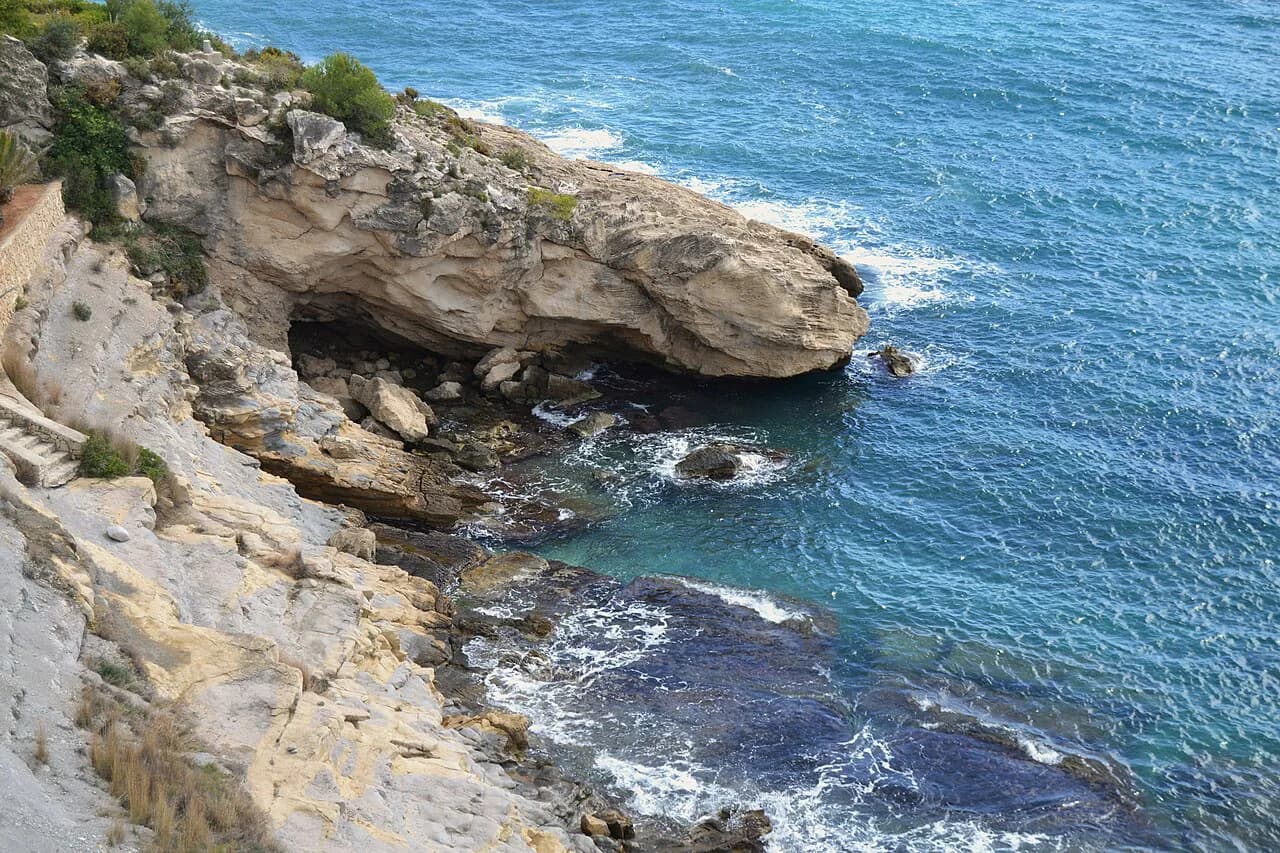
Cala Blanca is not one beach but two adjacent coves, both made up of gravel and pebbles rather than sand. The white rock that gives the cove its name frames clear water, and the shallows near the edge are the reason families with young children gravitate here. Anyone who needs a long flat stretch of sand to spread out on, or a promenade to push a pram along, will be happier at the Arenal.
Think of it as a swimming and snorkelling cove first and a lounging beach second. The pebble shelf is the trade-off: it keeps the water clear and gives children a gentle entry, but you will want mats or thick towels and shoes that stay on in the water. Quiet-seekers and couples get more from it than groups wanting beach bars and watersports on the doorstep.
Where Cala Blanca sits on the Jávea coast
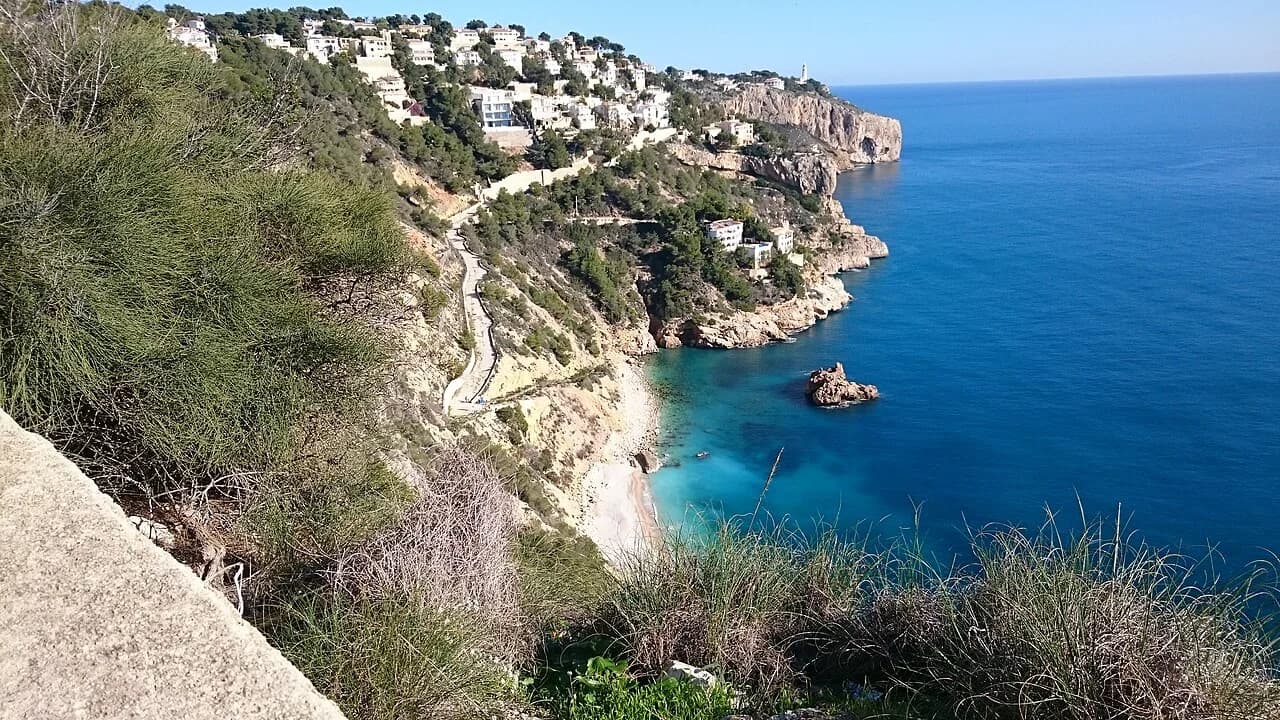
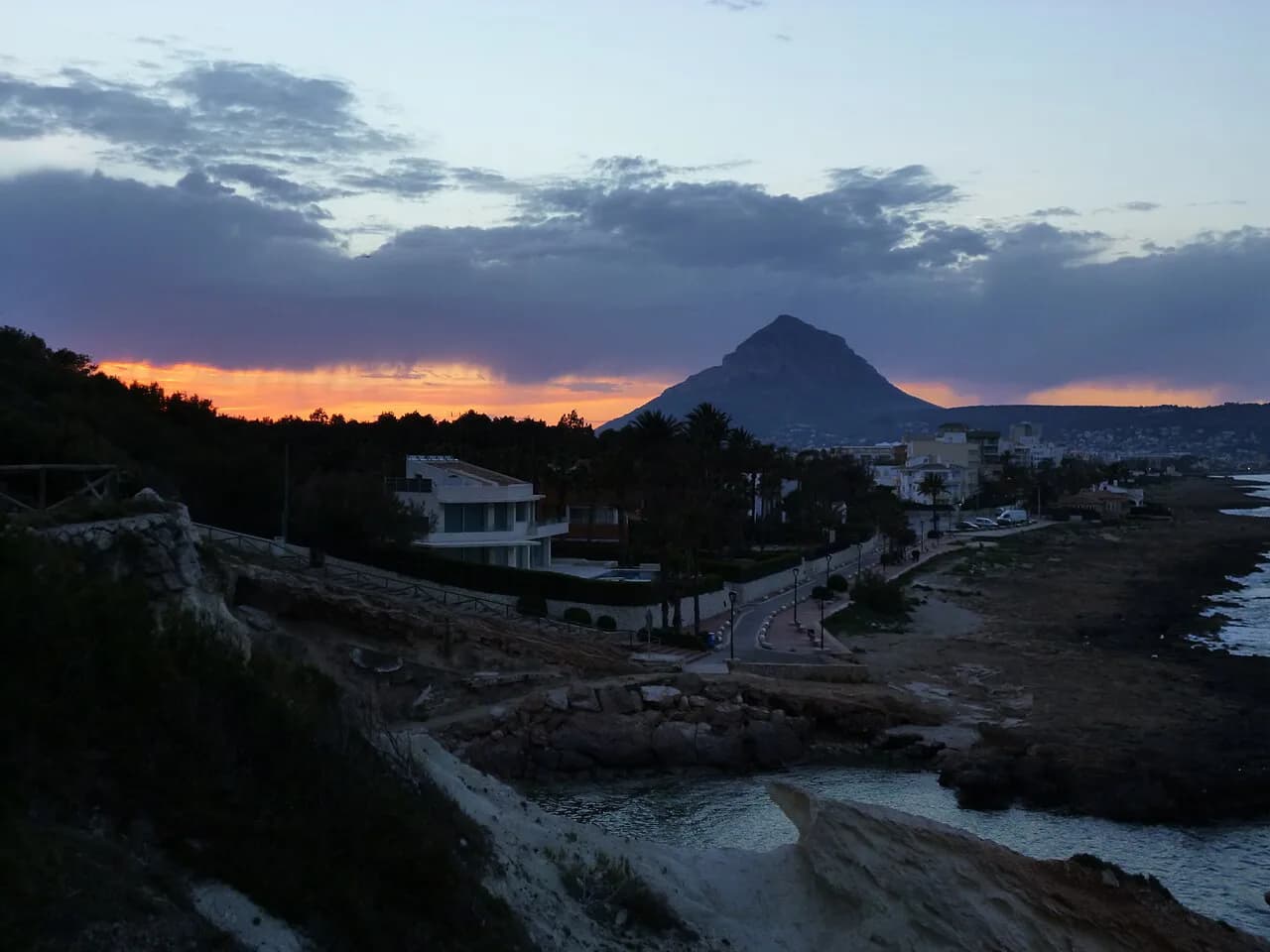
The cove lies on Jávea's eastern shore, set among the low rocky stretches of the Primer Montañar and close to Cala del Francés. That puts it within a short drive of the town centre and within walking distance of the larger Arenal beach to the south. Because it is tucked into the Montañar shoreline rather than sitting on an open bay, it feels more enclosed than the broad town beaches.
For orientation, Jávea's beaches run in a rough chain: the Arenal in the south, the Montañar rocks and coves in between, then La Grava and the port area, with the big southern coves of Granadella and Portitxol further along the coast. Cala Blanca slots into the middle of that chain, which makes it easy to pair with a swim at the Arenal or a look at the port. The wider Jávea Beaches picture helps you see how the pieces fit before you choose a base.
Getting there: car, parking and the walk in
Cala Blanca sits a few minutes by car from Jávea's urban centre, between the Primer Montañar and Cala del Francés, and it is most straightforward to reach by road. Roads through the Montañar are residential and narrow in places, so a small car makes the approach easier than a large one.
Arriving early is the practical lever here. In peak season the cove is small and the surrounding streets fill quickly, so a morning start gives you a better chance of parking nearby and a spot on the pebbles before the middle of the day. If you are staying in the Arenal, walking along the Montañar shoreline is a realistic alternative to driving for a short visit.
The coves, the pebbles and the water
The two coves share the same character: white rock, gravel and pebbles underfoot, and clear water that shows the bottom close to shore. The shallow areas are the reason families with children favour it, but the shelf drops away as you move out, so keep small children within the shallows. Bring reef shoes or old trainers for the entry, and a mat to sit on.
Wind direction changes the experience more than anything else at a small east-facing cove. When the breeze comes off the land the surface is glassy and the snorkelling is at its best; when it blows onshore, chop builds and the pebble entry becomes less comfortable. Check the forecast the evening before and pick your morning accordingly.
Snorkelling and swimming
This is a snorkelling cove rather than a sunbathing-only stop. The clear water and rocky edges around the white rock give snorkellers and divers something to look at close to shore, and the shallow start makes it accessible to beginners. A mask and a pair of fins are worth packing; a tow float adds visibility if you plan to head further along the rocks.
Swim within your comfort and watch the flags and any advisory notices posted at the cove. Rocky coves can have uneven entries and localised currents, so keep children close and avoid swimming alone along the outer rocks. If the water looks churned up after a windy night, plan your swim for later in the day or switch to a more sheltered bay.
Facilities and the promenade nearby
Cala Blanca is a natural cove, so treat it as a bring-your-own beach day: water, shade, mats and snacks. The nearest concentration of bars, restaurants and shops is along the Arenal promenade, a short drive or a walk south along the Montañar. That makes the cove a good morning swim followed by lunch at the Arenal rather than a place to settle for the whole day.
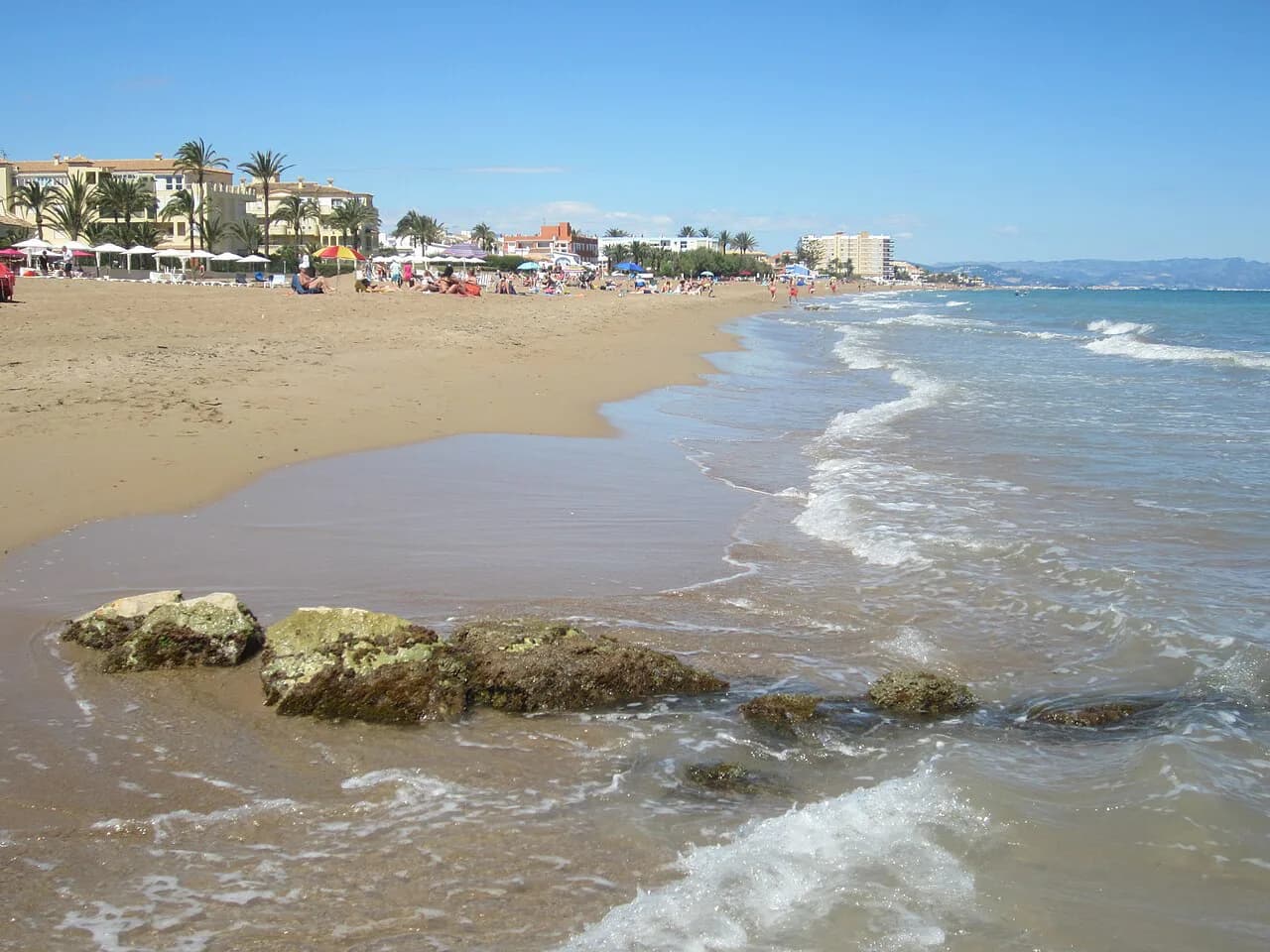
If you want a lido, lifeguards in season, toilets and a flat sandy beach with watersports on site, the Arenal is the better base. Cala Blanca suits people who are happy to carry what they need and move on afterwards.
When to go: seasons, crowds and timing
Late spring and early autumn give the best balance: warm sea, fewer people and easier parking around the Montañar. July and August are the busiest weeks, when the cove fills early and the surrounding streets are at their most congested. An early-morning swim in high summer is far more pleasant than an afternoon one.
Sea temperatures build through June and stay comfortable into October, which makes September a strong month for snorkelling without the August crush. Winter swimming is for the hardy; the cove is quiet then and the water is cold.
Nearby beaches to combine
Pair Cala Blanca with the Arenal for a sandy afternoon and a proper choice of restaurants, or head south to Granadella beach for a larger cove with its own dramatic setting. Granadella is the more famous of the two and gets busy in peak season, so arriving early matters there as well.
For a quieter alternative, Cala Sardinera is a small pebbly cove reached on foot via a steep trail from the Cruz de Portichol, and it rarely gets busy. Further round the headland, Cala de La Barraca, also known as Cala Portitxol, is a natural cove of gravel, pebbles and rocks between Cap Prim and Cap Negre with the island of Portitxol offshore. Both reward people willing to walk a little.
If you are widening the trip beyond Jávea, the coast towards Dénia offers longer sandy runs at Les Marines and rockier swimming at Les Rotes, which makes a sensible contrast to the small coves here. Heading south instead, the beaches in Alicante offer a comparable choice between sandy city strands and quieter coves.
Plan Your Visit
Treat Cala Blanca as a morning: arrive early, swim and snorkel the shallows, then move on to the Arenal for lunch and a sandy afternoon. Bring reef shoes, a mat and your own shade, and check the wind forecast the night before to pick the calmest hours.
For current access, parking and any seasonal restrictions around the Montañar, ask at the Jávea tourist office when you arrive; it is the quickest way to match your plans to local conditions on the day.
Frequently Asked Questions
Is Cala Blanca in Jávea nice?
It is a pair of small, natural coves of gravel and pebbles with distinctive white rock and clear water. It suits swimmers, snorkellers and families with young children who are happy with a short, bring-your-own beach day rather than a full resort setup. If you want sand, sunbeds and a promenade, the Arenal is the better choice.
How do you get to Cala Blanca in Jávea?
It is reached by road, a few minutes by car from Jávea's urban centre, between the Primer Montañar and Cala del Francés. The surrounding streets are residential and fill early in peak season, so arriving in the morning gives the best chance of parking close by. From the Arenal it is also realistic to walk along the Montañar shoreline.
Is Cala Blanca good for snorkelling?
Yes, it is one of the reasons to come. The clear water and rocky edges around the white rock give snorkellers and divers interest close to shore, and the shallow entry helps beginners. Bring a mask, fins and reef shoes, and watch the flags and any notices at the cove.
Is Cala Blanca sandy or pebbly?
It is pebbly. Both coves are made up of gravel and pebbles over white rock, with shallow water near the edge and a clearer, deeper bottom further out. Bring a mat or thick towel to sit on and shoes you can wear into the water.
Which Jávea beach is best for families with small children?
The Arenal is the easiest all-round choice for families, with a wide sandy beach, a promenade and watersports on site. Cala Blanca works well for a shorter visit because of its shallow margins, but the pebble entry and lack of facilities mean you carry more with you.
When is the best time to visit Cala Blanca?
Late spring and early autumn give warm sea, fewer people and easier parking. July and August are the busiest weeks, so aim for an early-morning swim. September is a strong month for snorkelling once the August crowds have gone.
Sources
Beach notes for your next trip
Optional updates when we add or revise beach guides.
You might also like
Continue reading
More guides you'll find useful