Cala Portitxol from Dénia: Cove, Parking & Swim Tips
Plan a day at Cala Portitxol near Xàbia from Dénia: the gravel cove, rocky snorkelling, the walk from the Cap de La Nau road and the viewpoints above it.
On this page
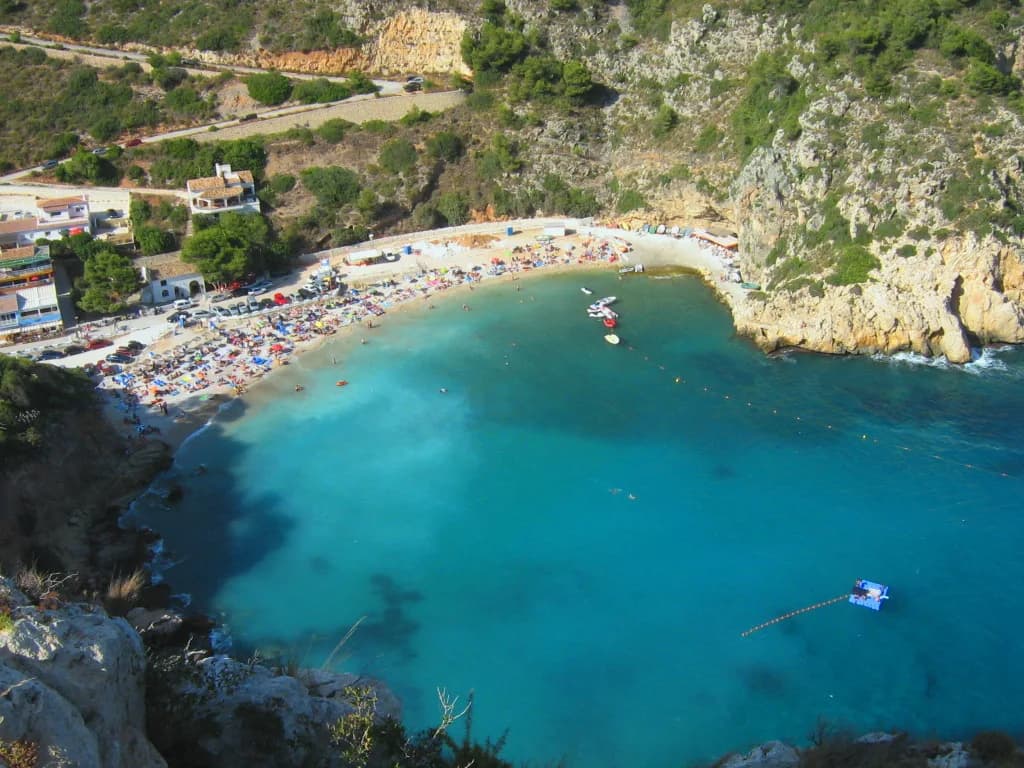
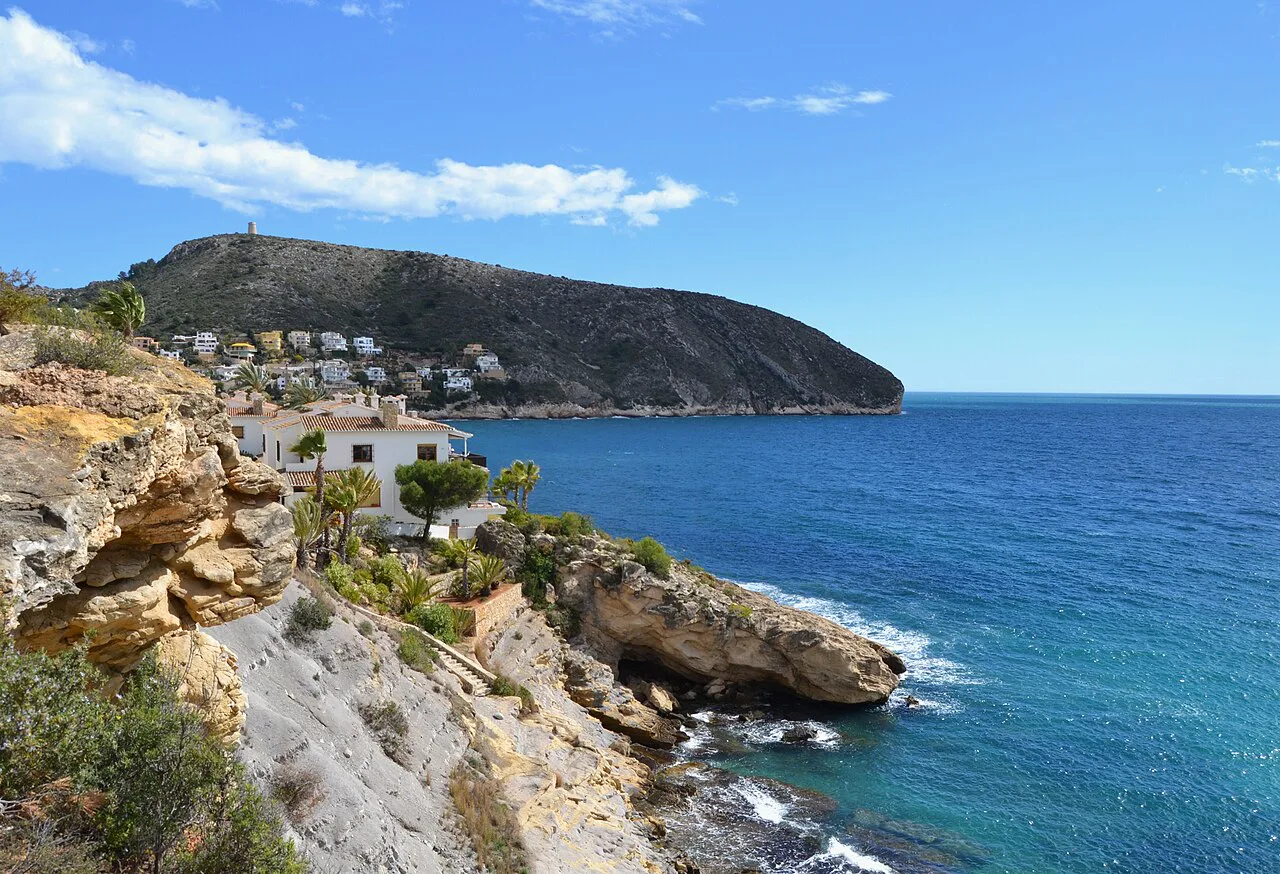
Cala Portitxol, also called Cala de La Barraca, is the kind of cove you plan a morning around rather than a whole day of sandcastles. It sits between Cap Prim and Cap Negre in the municipality of Xàbia, a short drive down the coast from Dénia, and its mix of gravel, rock and clear rocky seabed makes it a natural fit for snorkellers and coastal walkers.
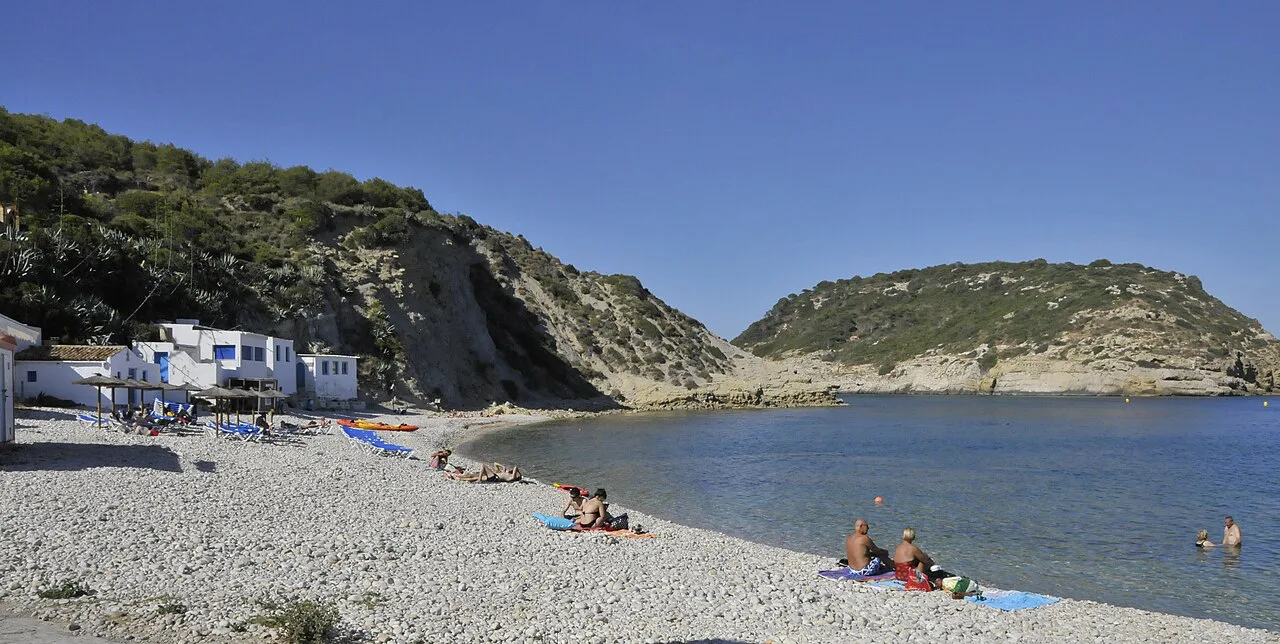
What you get is a slender strip of shore a few hundred metres long and roughly eight metres wide on average, backed by Mediterranean forest and overlooked by a cluster of viewpoints. Come expecting to swim off stones rather than to stretch out on a wide sandy beach, and the cove delivers handsomely; come expecting easy sand for toddlers and you will be in the wrong place.
Where Cala Portitxol sits
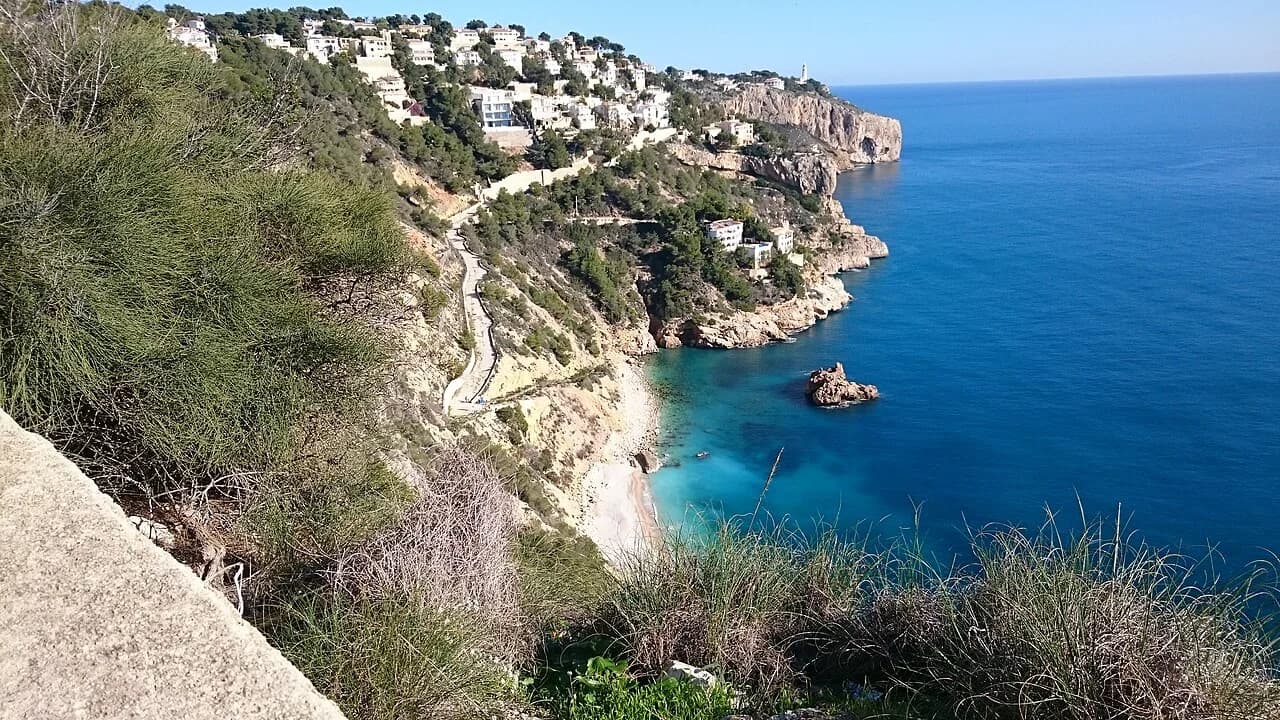
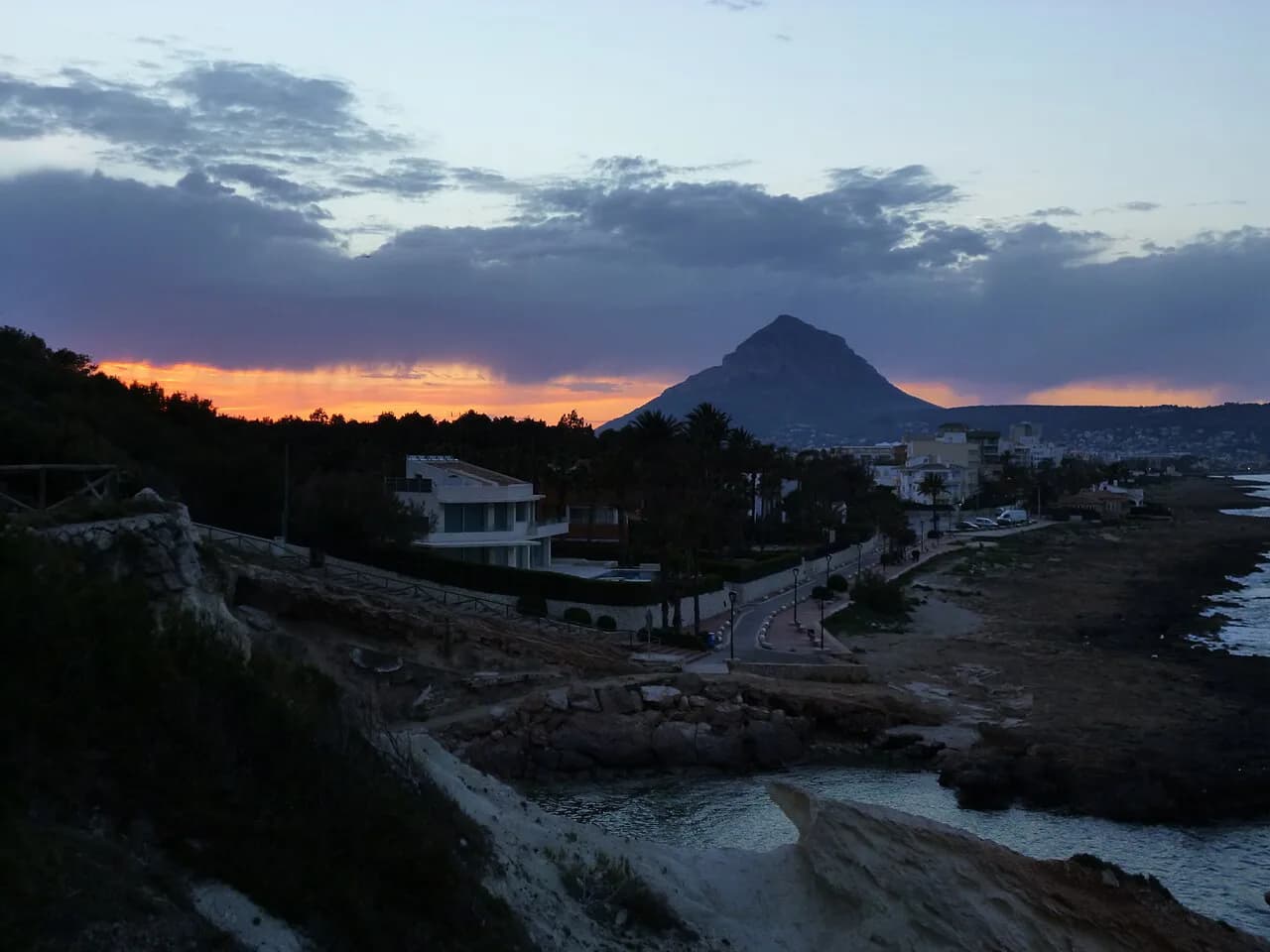
The cove belongs to Xàbia and occupies a gap in the coastline between Cap Prim and Cap Negre, on the Cap de La Nau headland at the northern end of the Costa Blanca. It lies within the Marina Alta comarca, a stretch of coast where rocky headlands alternate with smaller bays.
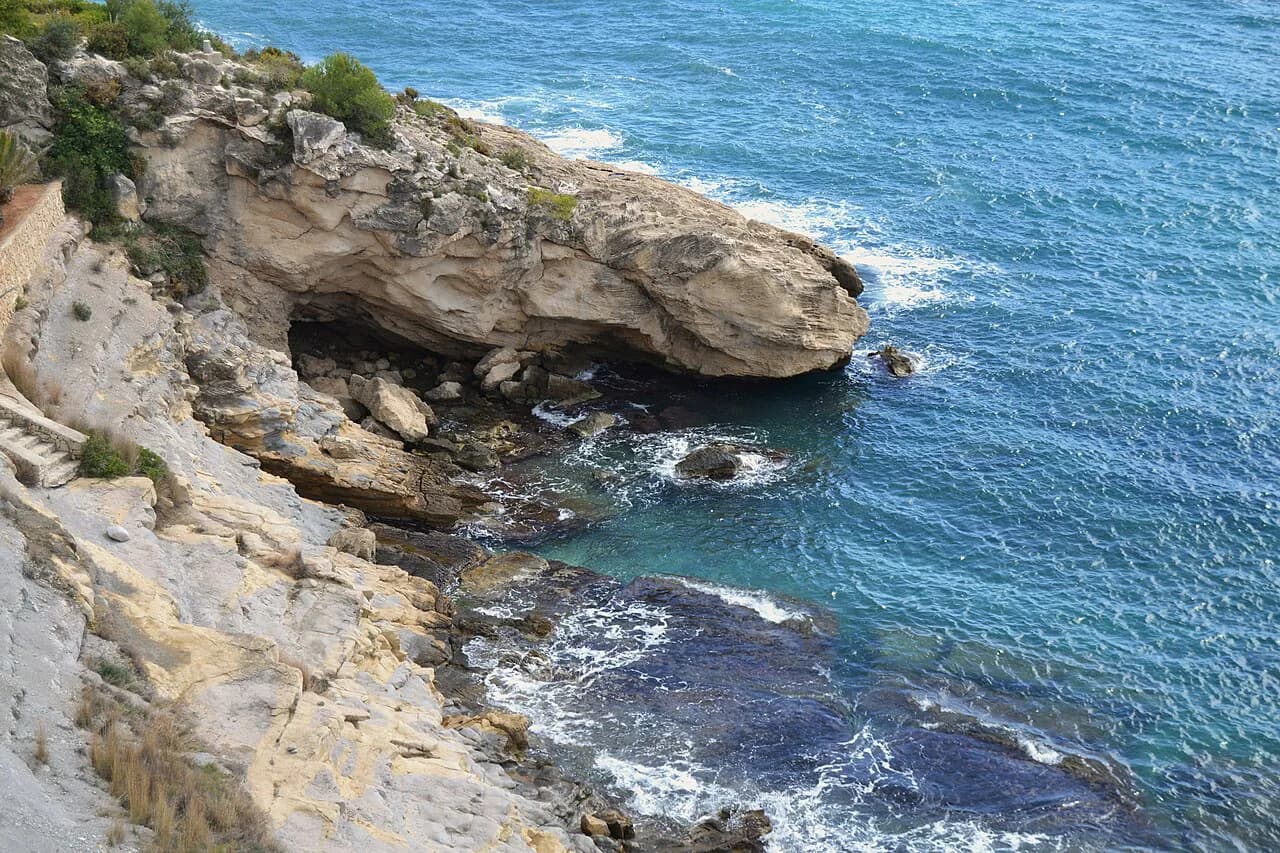
Because the shoreline is gravel and rock rather than imported sand, and the bay's seabed is rocky with Posidonia seagrass meadows, the setting suits people who want to look underwater rather than build. Snorkellers and divers prize the bay for its marine life and plant interest, which is also why the surrounding forest and bay hold protected plant microreserves.
Getting there from Dénia
By car, allow for a coastal drive south from Dénia along the Cap de La Nau road. The approach is to follow the Cap de La Nau road for about eight kilometres until a turnoff that leads to a small parking area serving the cove.
The parking area is small, so arriving earlier in the day is the practical choice if you are driving, especially in high summer. Once parked, the final stretch is on foot, and the cove itself has a narrow shoreline, so travel light rather than hauling a full beach encampment down the slope.
Arriving on foot from the viewpoint
Walkers can reach the cove from the Creu del Portitxol viewpoint, descending on foot to the shore. The route is also waymarked as the SL CV 97 Cala Barraca short trail, which is the path to follow if you are combining the walk with a swim.
This is a walk with a descent and, inevitably, a climb back up, so footwear matters more than it would for a flat beach promenade. If you are carrying snorkelling gear, water and a picnic, the on-foot approach is best treated as a half-day outing rather than a quick dip.
The sand and the water
There is no broad sand here: the beach is composed of gravel and rocks, with an average width of only about eight metres and a length of a few hundred metres. That narrow profile means the water is close at hand wherever you settle, but it also means there is little room for a large group to spread out.
Offshore, the Illa del Portitxol dominates the view from almost any point in the bay, and the rocky seabed beneath the cove is what draws divers. Expect to wade in over stones rather than glide off soft sand, and bring reef shoes if you have sensitive feet.
Snorkelling and swimming
The rocky bottom and Posidonia meadows are the reason the bay is sought after by diving enthusiasts, with an interesting variety of marine fauna among the rocks. For snorkellers, that translates into plenty to look at close to shore, though the seagrass and rock mean you should watch your depth and your fins rather than assume a clear sandy floor.
Swimmers who prefer a straightforward out-and-back will find the cove small and enclosed, which keeps the swim contained. The bay is not guaranteed calm: conditions shift with the wind and swell, so read the water and the flags on the day and stay within your comfort zone.
Shelter and conditions
The cove sits between two headlands, Cap Prim and Cap Negre, which shape how the water arrives inside the bay. That position gives the cove a sense of enclosure, but headlands also funnel and deflect swell, so the surface can differ markedly from what you see from the road above.
On breezy days, judge conditions from the viewpoint before committing to the descent, and pick your spot on the shore according to where the water looks least disturbed. Because the beach is narrow, there is limited room to retreat from a choppy edge, so an early decision beats a late one.
Facilities
This is an undeveloped cove backed by Mediterranean forest rather than a resort beach, so plan as if you are carrying in everything you need. Bring drinking water, shade, reef shoes, a snorkel and mask, and something to sit on that copes with stones rather than sand.
For current details on beach services, access and any seasonal arrangements in Xàbia, the municipal tourist office is the place to ask before you set out. That is also the right contact for anything that changes from season to season, such as parking arrangements or access restrictions.
Crowds and timing
The cove's small parking area and narrow shoreline naturally limit how many people can settle at once, so it fills quickly on warm weekends and in the peak summer weeks. Aim for a morning arrival, when the light is good for snorkelling and the shore is quieter.
Sea temperatures on this coast are at their most comfortable from late June through September, with July and August the busiest months for both the beach and the road down from Dénia. May, June and September give you warm water with noticeably less pressure on the parking and the path.
The viewpoints above the cove
Four viewpoints ring the cove: Creu del Portitxol, Illa, Falzia and Cap Negre, connected by a hiking trail that is easy to follow. Walking the circuit first, then descending to the beach for a swim, makes a satisfying half-day plan.
The island of Illa del Portitxol is visible from almost every point in the bay and dominates the landscape, set against the Cap de La Nau headland. Photographers will get the best of the cove and island from the trail above rather than from the shoreline itself.
Nearby beaches to combine
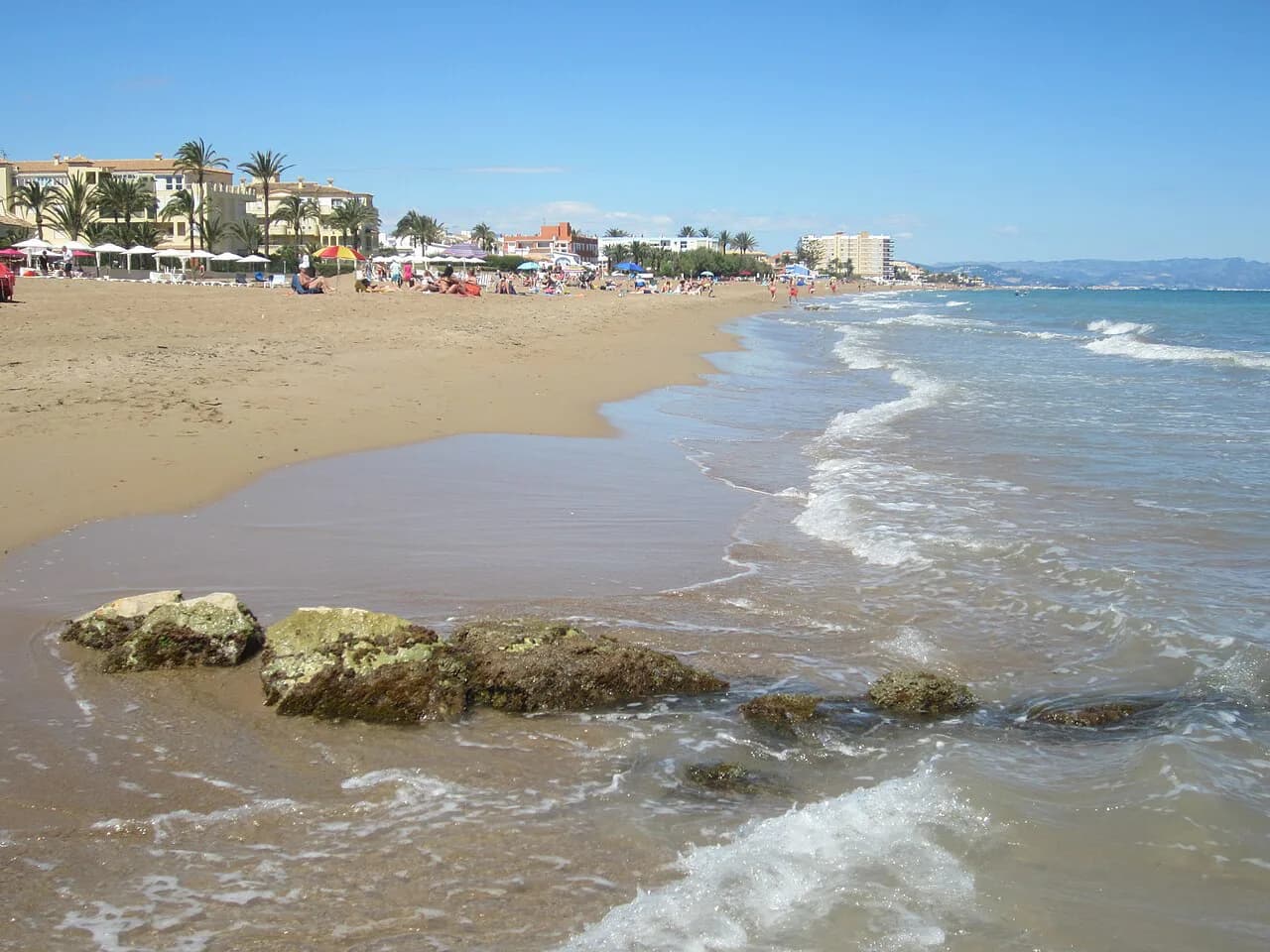
A Portitxol day pairs neatly with the sandier beaches of Xàbia and the longer stretches around Dénia. If you want soft sand and easy family swimming after a morning on the gravel, Arenal beach Javea is the natural contrast, with a broad bay and a resort feel. For a similar sand-versus-cove choice further south, compare the beaches in Murcia along the Costa Cálida and Mar Menor.
For a second rocky cove, Granadella beach sits further along the same coast and offers another enclosed bay with clear water, while Cala Blanca Javea gives a smaller, quieter alternative. Use the drive between them to build a two-beach day rather than trying to do everything from one car park.
Who it suits
Cala Portitxol is at its best for snorkellers, confident swimmers, photographers and walkers who enjoy a viewpoint circuit with a swim at the end. It also suits travellers based in Dénia or Xàbia who want a cove with character rather than a resort beach.
Families with small children are better served by the sand at Arenal Beach, Javea, where there is room to play and easy access from the town. At Portitxol, the gravel entry and narrow shore make it a harder day out for toddlers and pushchairs.
Practical kit for a gravel cove
Pack reef shoes or sturdy sandals for the stones, a snorkel and mask for the rocky seabed, and a dry bag for anything that must stay dry on the descent. Bring more water than you would for a sand beach, plus a sunshade and something padded to sit on.
Leave room for the walk back up to the viewpoint or car park, and keep valuables light. A small cool bag and a rubbish bag are worth the space, since this is a forest-backed cove rather than a serviced beach.
Dogs on the Portitxol approach
If you are travelling from Dénia with a dog, the practical question is less about the cove itself than about the eight kilometres of the Cap de La Nau road and the short turnoff that leads to the small parking area above Cala del Portitxol, since that is where a dog would spend most of the outing. The sources describe the cove as gravel and rocks rather than a classic sweep of fine sand, with an average width of only eight metres and a length of a few hundred metres, so a dog would be sharing a narrow strip with bathers and snorkellers rather than ranging across open beach. None of the material consulted sets out rules for animals on the cove or on the trail, so the guidance available is limited to the shape of the place itself.
The more rewarding option for a dog is the walking side of the visit. The cove is also accessible on foot from the Creu del Portitxol viewpoint, and a hiking trail connects the four viewpoints around the bay — Creu del Portitxol, Illa, Falzia and Cap Negre — in a route described as easily traversed, with the chance to descend to the beach afterwards. That gives you a way to enjoy the bay without committing to the crowded gravel, and the surrounding Mediterranean forest typical of the area provides the setting for the approach.
Two other details matter when planning a dog-friendly day here. The waters are sought after by diving enthusiasts because of the rocky seabed, rich in Posidonia seagrass meadows and an interesting variety of marine fauna, and the bay holds two plant microreserves — both reasons to keep a dog close and out of the water and the vegetation. For a different kind of outing, a private boat trip from Dénia along the Costa Blanca is listed among the activities available in the Cala de Portixol area, running three to eight hours with drinks available and starting from 450 €.
Plan Your Day at Cala Portitxol
Treat Cala Portitxol as a half-day of walking, viewpoints and a rocky swim rather than a full day on the sand. Drive or walk in early, bring reef shoes and water, and pair it with a sandier beach such as Arenal or a second cove at Granadella if you want variety.
Check the day's conditions from the viewpoint before descending, and contact the Xàbia tourist office if you need current access or service information. With the right expectations, this gravel cove between two headlands is one of the most rewarding swims on this stretch of coast.
Frequently Asked Questions
How do you get to Cala Portitxol from Dénia?
Drive south from Dénia along the Cap de La Nau road for roughly eight kilometres until the turnoff for the cove, which leads to a small parking area. From there the final approach is on foot down to the shore.
Is Cala Portitxol sandy or pebbly?
It is a gravel and rock cove rather than a sand beach. The shoreline averages about eight metres in width and runs a few hundred metres in length, so reef shoes make the day far more comfortable.
Is Cala Portitxol good for snorkelling?
Yes. The bay's rocky seabed and Posidonia seagrass meadows are why divers and snorkellers seek it out, with a variety of marine life among the rocks. Enter over the stones carefully and watch your depth around the seagrass.
Can you walk to Cala Portitxol from the viewpoint?
You can descend to the cove on foot from the Creu del Portitxol viewpoint, and the route is waymarked as the SL CV 97 Cala Barraca short trail. Expect a climb back up on the return.
What are the viewpoints above Cala Portitxol?
Four viewpoints ring the cove: Creu del Portitxol, Illa, Falzia and Cap Negre. A connecting trail links them and is easy to follow, making a good circuit before or after a swim.
Which beaches are near Cala Portitxol?
Arenal beach in Xàbia offers broad sand and easy family swimming, while Granadella and Cala Blanca give two more coves to combine with a Portitxol day. The drive between them makes a varied two-beach itinerary.
Sources
Beach notes for your next trip
Optional updates when we add or revise beach guides.
You might also like
Continue reading
More guides you'll find useful