Castiglioncello Beaches: Which Livorno Coast Spot to Pick
Castiglioncello's beaches mix rocky platforms, pebbly coves and an easy sandy bay, all within reach of the station. Here's how to choose between them.
On this page
Castiglioncello rewards travellers who want variety within a short walk: a proper sandy bay in the centre, reef platforms where you lay your towel on rock, and pebbly coves around the headland. The town sits on a wooded hillside south of Livorno, and because it has its own station on the Pisa–Grosseto line, you can reach the water without a car.
The coast here is not one long strand. Between Antignano and Rosignano the waterfront is largely reef, with the towns strung along a boardwalk of bars, gelato shops and restaurants behind it. That shape dictates how you plan the day: choose sand for small children, rock for snorkelling, and expect to walk uphill at some point.
Why Castiglioncello suits a beach day
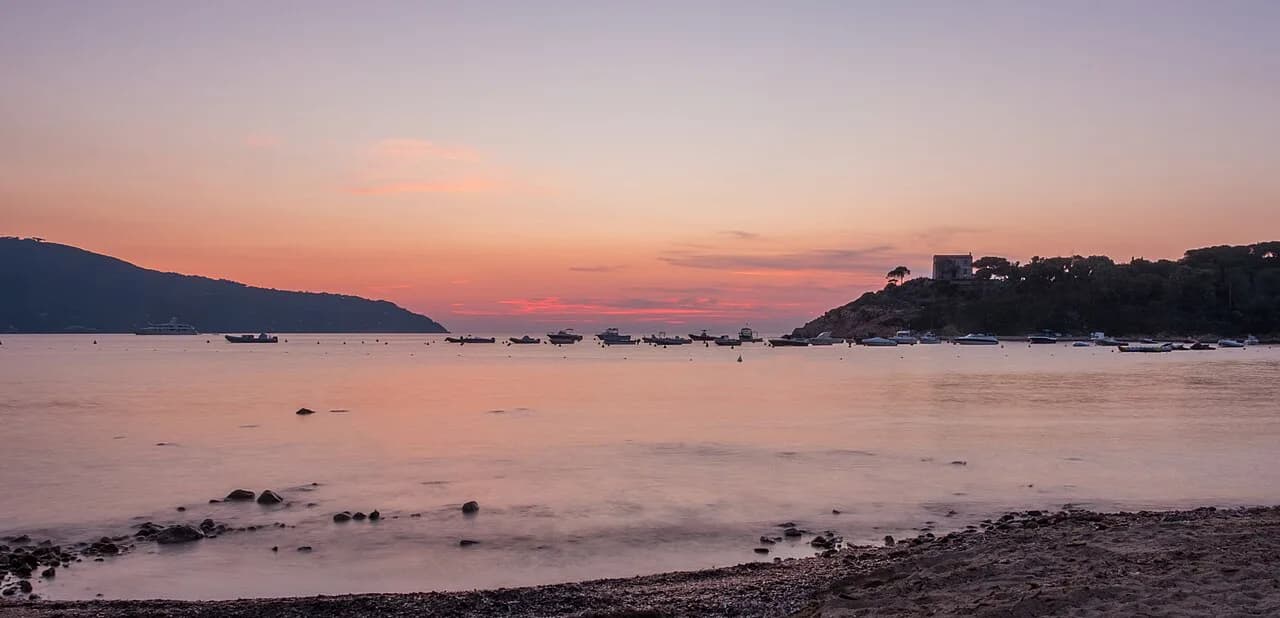
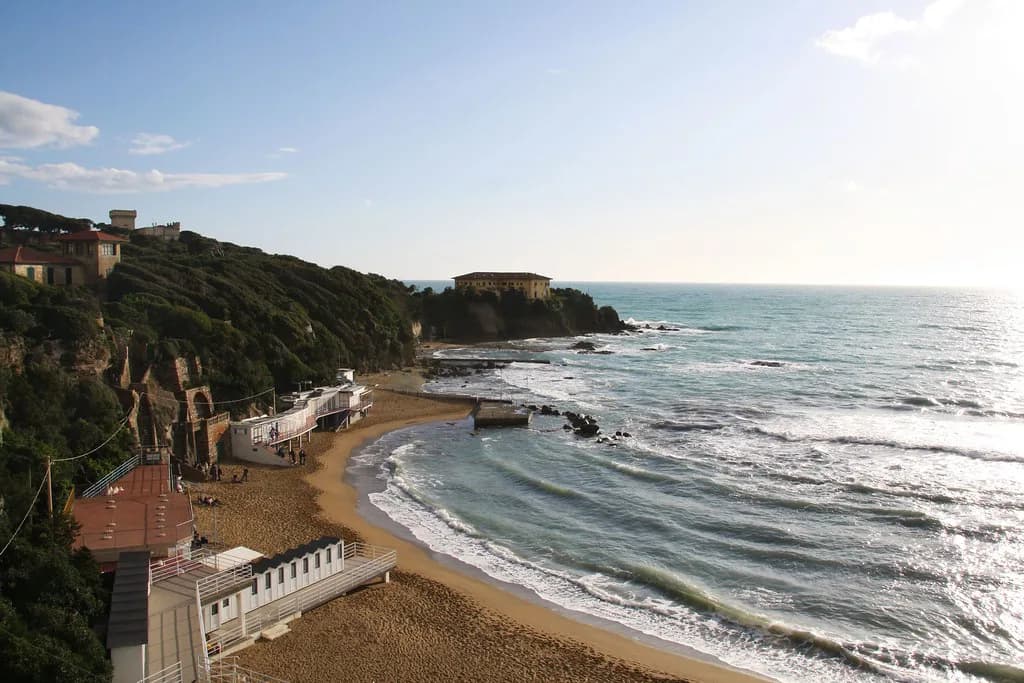
Castiglioncello spreads across a headland crowned with pine woods and villas, with small beaches tucked into the bays below the streets. You get a sandy central bay, established bathing establishments and rock platforms within the same town, so a single day can mix a swim, a snorkel and a long lunch.
The town is also genuinely practical: it has a train station, a seafront promenade and local grocers if you are self-catering. For a stretch of Tuscan coast that mixes easy access with rock-and-cove scenery, it is one of the most straightforward bases.
Where Castiglioncello is and how the coast is arranged
The town belongs to the municipality of Rosignano Marittimo, on the Tyrrhenian coast south of Livorno. Its station sits on the Pisa–Grosseto railway line, and the centre, the promenade and the main beaches are close enough to the platform to walk, though the streets climb.
The coastline around the town runs from rocky reef at Castiglioncello down towards Vada and Cecina, where the beach turns to small pebbles and coarse sand. North of the town, towards Quercianella and Antignano, the shore is rockier still. That means your choice of beach is really a choice of surface.
Getting there
Arriving by train is the simplest option: Castiglioncello station puts you within walking distance of the seafront, and the line connects with Pisa and Livorno. Train travel is the recommended way to reach the town and move around without a car.
By road, the Aurelia runs along this coast and the town is signed from it, with hotels along the Via Aurelia on the approach. Allow for hillside streets and limited parking near the centre in high season, and plan to leave the car once you are in town.
For a wider look at how this stretch fits with the rest of the region, from the northern resort beaches down to the Maremma, the broader picture helps you choose a base.
Quercetano Bay: the sandy day
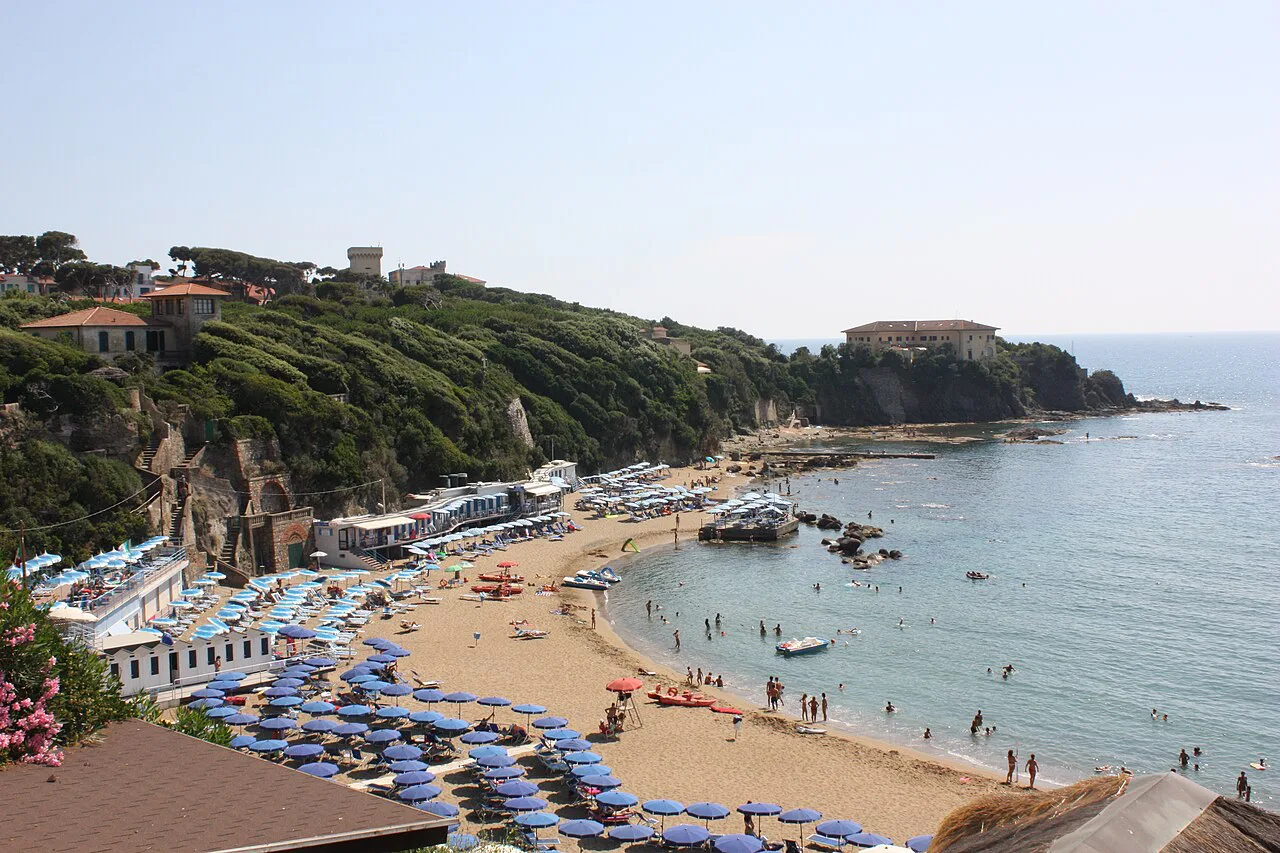
Quercetano Bay is the beach most visitors mean when they picture Castiglioncello: a sandy bay with the town rising behind it. It is the natural choice for a conventional beach day with towels on sand rather than rock, and it appears among the town's headline attractions.
Because the bay curves into the town, you can combine sand with the promenade, bars and restaurants a few minutes away. Families with small children tend to prefer this side of Castiglioncello, while anyone hunting rock pools should look further round the headland.
Castiglioncello Beach and the Lungomare Alberto Sordi
Castiglioncello Beach is the central, easiest option if you have only a few hours, sitting close to the Lungomare Alberto Sordi. The promenade makes a good base for a short visit: swim, walk, eat, and catch the train back without needing to move the car.
The promenade itself is one of the town's named places of interest, with the seafront walk running behind the beach. Treat the central stretch as the convenient option rather than the wildest one, and head elsewhere for a quieter swim.
Bagni Lido and the established bathing establishments
Bagni Lido is the best-known of Castiglioncello's organised bathing establishments and is listed among the town's things to do. A lido day here means turning up and using the set-up on the sand rather than carrying your own umbrella, which suits anyone travelling light by train.
Along this coast, much of the frontage is taken by bathing establishments that provide deckchairs, umbrellas, changing rooms, showers and bars. Entry and sunbed charges are set by each operator, so ask at the entrance or book through the lido before you commit to a particular stretch.
The rocky platforms and small coves
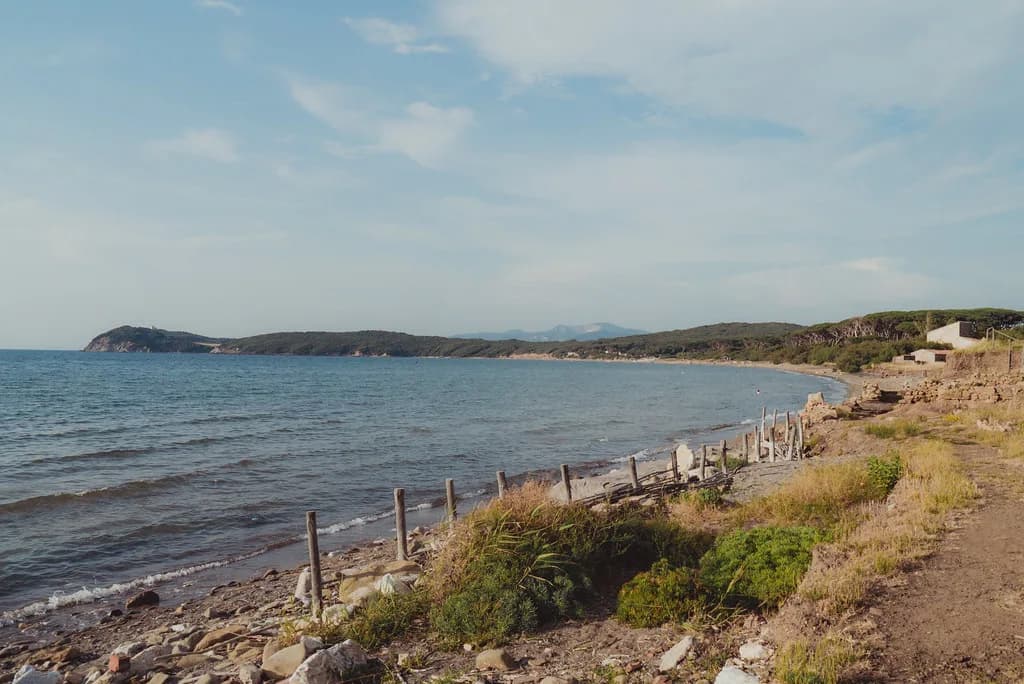
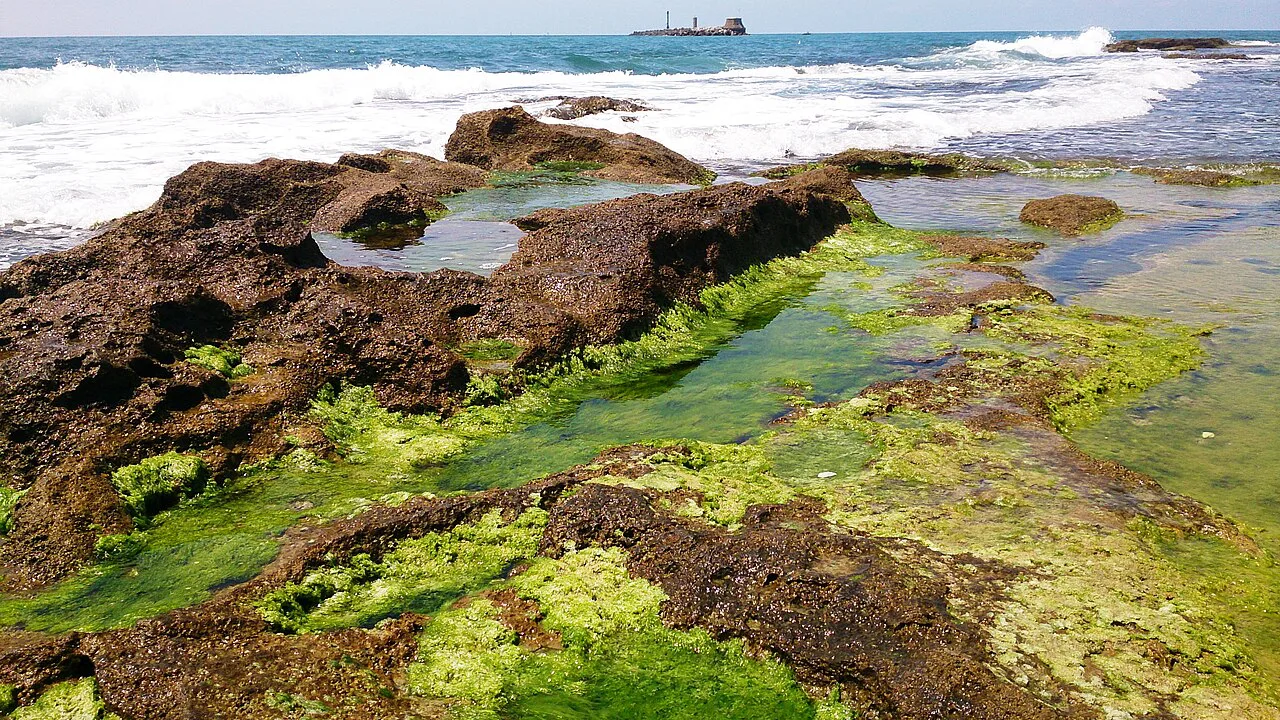
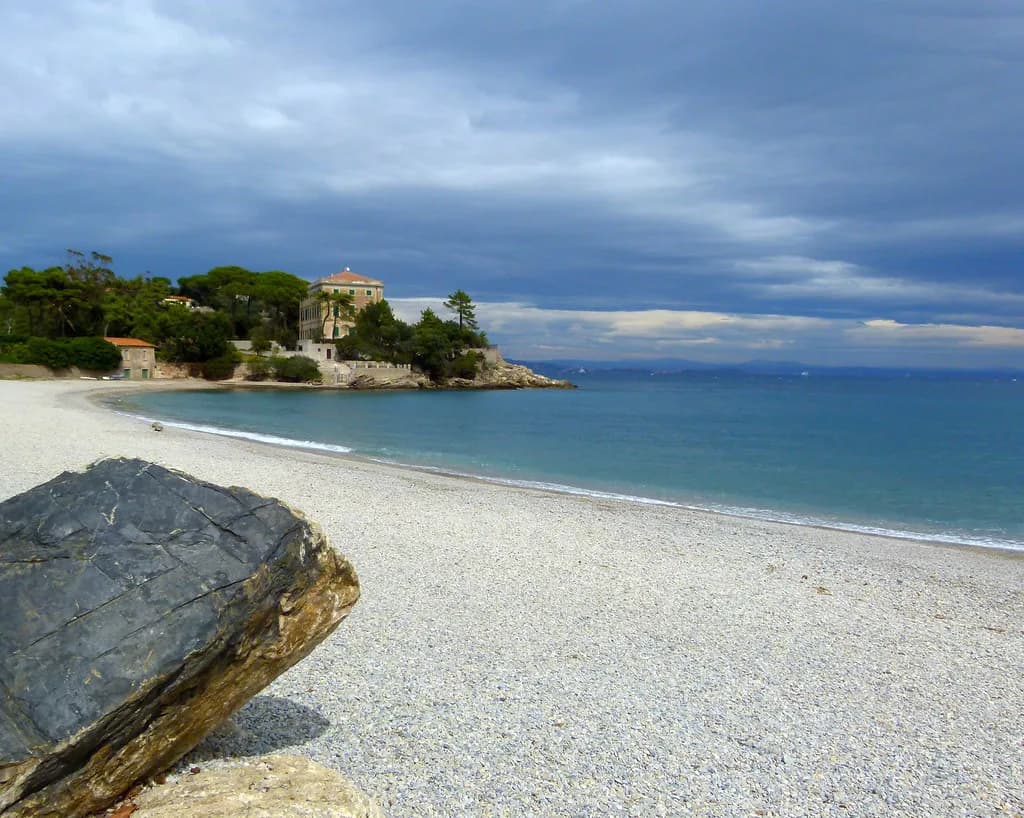
Between Antignano and Rosignano the shore is largely reef, and at Castiglioncello people climb onto the flat rock, lay out towels and swim from the edges. Pebbly beaches also appear around the town, so footwear matters more here than on sand. If you want to compare how other Italian stretches balance sand and rock, the beaches in Ancona follow a similar pattern.
Water shoes are the single most useful item to pack: vendors along the front sell them, but sizes run out in August. Bring something with grip for the rock, a dry bag for your phone, and a mat if you plan to sit on stone rather than rent a lounger.
Snorkelling and rock pools
The reef between Antignano and Rosignano is made for snorkelling: swim out from the rock ledges and explore the gullies and pools where the stone breaks the surface. Older children who like climbing and poking about in pools will get more from this than from a flat sandy bay.
Bear in mind that the Tyrrhenian coast generally has a short shelf, so the water can deepen abruptly close to shore. Keep an eye on how far you have swum out, watch children on the rock, and treat the sea as the open coast it is rather than a sheltered pool.
Cala del Leone and the surrounding coves
Cala del Leone is one of the coves named around Castiglioncello, and it appeals to swimmers who want a smaller, rockier setting than the central bay. It is the kind of spot to pair with a walk along the headland rather than a full day of facilities.
Nearby Bagni Caletta and Bagno Roma also appear among local beach listings, giving you options on the same stretch of coast. Use them as a shortlist and pick by which direction you fancy walking from the station or your hotel.
Spiagge Bianche and Vada: the white-pebble alternative
A short hop south of Castiglioncello, Spiagge Bianche near Vada is famous for its pale pebbles and shallow-looking white shore. Vada itself is an easy add-on by train or car if you want a second beach in the same trip.
From Rosignano down to Riotorto the beach becomes small pebbles or coarse sand, with short stretches before rock barriers reach the sea. Water here tends to be calmer than on the open reef, and these beaches generally need a car.
Facilities as published
Castiglioncello's seafront is well served: the towns along this coast offer boardwalks with bars, gelato shops and restaurants, plus shops selling beach gear you forgot. That makes it a comfortable base for a family day without hauling everything from home.
The named hotels and restaurants in town include beachfront places such as Hotel Ristorante Baia del Sorriso on the Via Aurelia, useful if you want to stay steps from the water. For a lido day, check what the individual establishment offers before you go, since facilities vary between operators.
Accessibility and steps
Castiglioncello is built on a hillside, so even the short walk from the station to the beach involves some climbing or steps. If anyone in your group finds heat and stairs difficult, base yourself near the seafront and use the promenade rather than the town-centre streets.
Rocky platforms are uneven underfoot, so sandals with grip are better than flip-flops for getting in and out of the water. For anyone with limited mobility, the organised lidos on the sand are the more practical choice than the reef.
Best time to go
June through August brings the warmest, sunniest weather and the biggest crowds, and it is the period most visitors target. For quieter swimming and milder temperatures, October through December is the calmer alternative, though not every bathing establishment stays open.
Late September is a good compromise for swimmers who want warm water without August density, and along this coast many bathing establishments wind down at the end of September. Outside the peak, it is worth ringing the lido you plan to use to ask about opening days before travelling.
Who each beach suits
Families with small children should head for Quercetano Bay and the central sand, where the beach backs onto the town and a lido day is easy to arrange. Confident swimmers and snorkellers will get more from the reef platforms and coves around Cala del Leone.
Quiet-seekers should look south towards Vada and the pebbly stretches, accepting that a car helps. Anyone arriving by train is best off staying in town and treating the central beaches as the base.
What to take
Pack water shoes, a mat or towel for rock, high-factor sun protection and a hat, since the reef offers little natural shade. A dry bag, snorkel and mask, and cash for lidos and bars cover most eventualities.
If you are travelling by train, keep your load light: a compact umbrella and a folding mat are easier than a full beach kit on the hillside streets. Leave room for a bottle of local wine from a grocer on the way back.
Nearby beaches to combine
Cala Violina, reached by a short woodland walk south of Castiglione della Pescaia, is one of Tuscany's loveliest coves and worth a day of its own. Further south, the bays around Monte Argentario and the long sandy beach at Marina di Alberese make a natural extension.
For a longer trip, Elba is a ferry ride from Piombino and offers everything from sandy family beaches such as Marina di Campo to pebbly coves. On Elba, check the wind and choose a sheltered bay if you have small children.
Closer to Livorno, Tirrenia beach and the coast around Marina di Pisa make an easy half-day add-on if you are driving up the coast.
Getting around without a car
Castiglioncello station makes the town genuinely car-free friendly: you can walk to the seafront and the central beaches, and use the Pisa–Grosseto line for Vada and Cecina. The trade-off is that the smaller coves and pebbly stretches further south are harder to reach without your own transport.
If you do hire a car, the Aurelia is the spine of the coast and opens up Cala Violina, the Etruscan Coast bays and the Maremma. Parking near the popular beaches fills early in August, so start your day early.
Where to stay for beach access
Staying near the Lungomare Alberto Sordi puts you within a short walk of the central beaches and restaurants, which is ideal for a short train-based trip. Hotels along the Via Aurelia are convenient by car but involve more walking to reach the sand.
Self-catering apartments and farm stays inland around Rosignano Marittimo suit families and longer stays, provided you have a car. Two to three days is enough to cover the town's beaches and the castle; four to five lets you add the wider coast.
Plan Your Visit
Castiglioncello works because it gives you a choice: sand and lidos in the centre, reef and coves around the headland, and a station that makes the whole thing doable without a car. Pick your surface first, then plan the day around it.
Bring water shoes and sun protection, keep expectations of shade low on the rock, and use the promenade for the easy option. For a wider sweep of the coast, compare with the other Tuscan stretches, since prices and dates change from season to season.
Frequently Asked Questions
Are the beaches in Castiglioncello sandy or rocky?
Both. Quercetano Bay and the central Castiglioncello Beach are sandy, while much of the coast between Antignano and Rosignano is reef, with pebbly stretches around the town. Water shoes help on the rock.
Which Castiglioncello beach is best for families?
Quercetano Bay and the central beach suit families with small children because they are sandy and close to the promenade, bars and restaurants. Older children often prefer the rock pools and reef for snorkelling.
Do you need a car to reach the beaches around Castiglioncello?
Not for the town's main beaches: Castiglioncello has its own station on the Pisa–Grosseto line and the seafront is walkable from it. A car helps for smaller coves and the pebbly stretches further south towards Vada and Cecina.
What should I bring to the beach in Castiglioncello?
Water shoes with grip, a mat for rock, high-factor sun protection and a hat, plus snorkelling gear if you plan to explore the reef. Cash is useful for lidos and bars.
Is Castiglioncello worth visiting for its beaches?
Yes, if you want variety in a compact place: a sandy bay, reef platforms for snorkelling and pebbly coves within walking distance. It is less suited to anyone expecting one long sandy strand.
Sources
Beach notes for your next trip
Optional updates when we add or revise beach guides.
You might also like
Continue reading
More guides you'll find useful