Caldura Beach, Cefalù: A Practical Guide to the Rocky Cove
Caldura beach sits just beyond Cefalù's old town, with rocky coves and clear water for swimmers and snorkellers. Here is how to reach it and when to go.
On this page
Caldura beach is the reward for walking past the end of Cefalù's seafront rather than stopping at the first stretch of sand. The coast here turns rocky, with small coves and clear water where swimmers and snorkellers get far more interest per square metre than on a flat beach. It suits people who have already spent a morning in the old town and want a swim with a bit of scenery attached.
The trade-off is simple: you give up level sand and easy sunbathing space for rock formations, deeper water and a wilder feel beneath the Rocca. Couples, confident swimmers and anyone travelling with a mask and snorkel will get the most from it. Families with toddlers and anyone who wants a lido with every comfort should plan their day around Cefalù's main beach instead.
Where Caldura beach sits relative to Cefalù and the Rocca
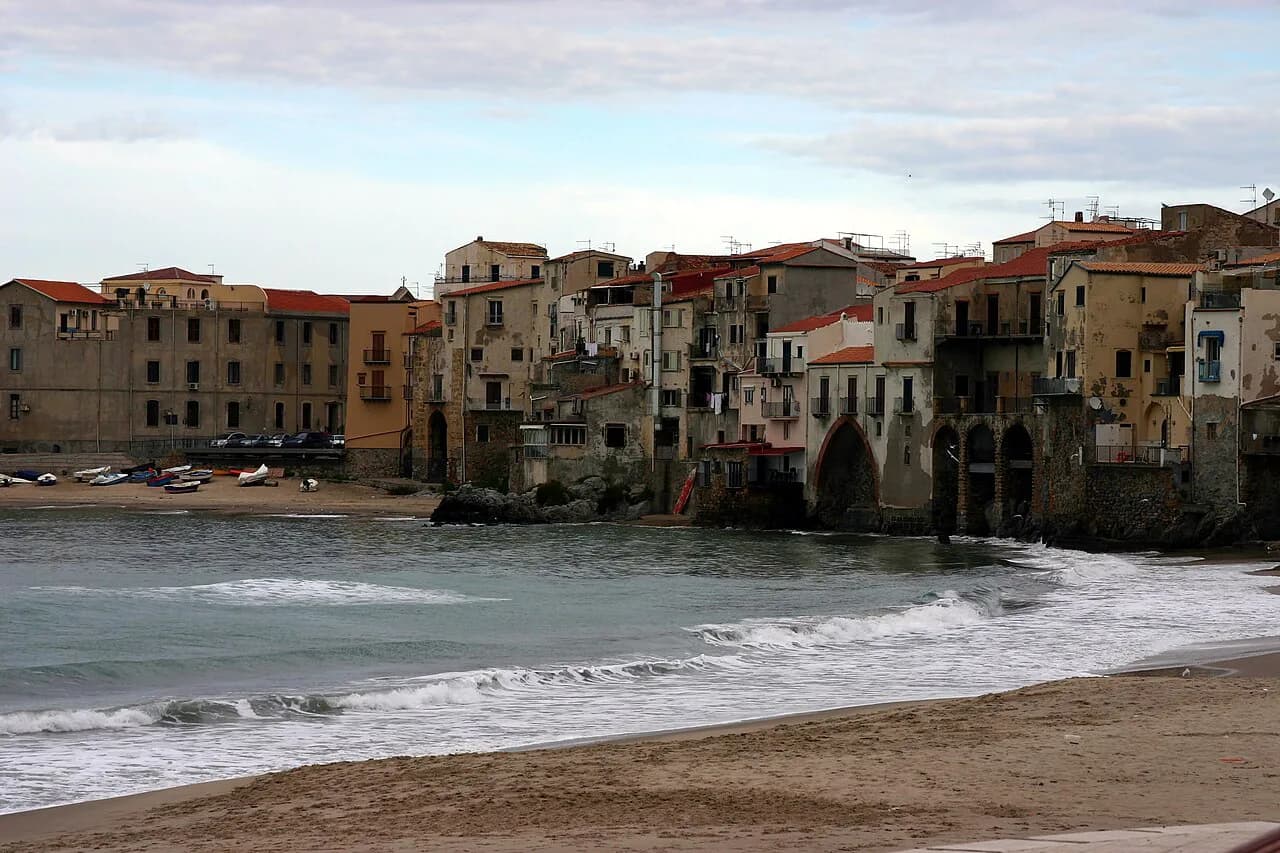
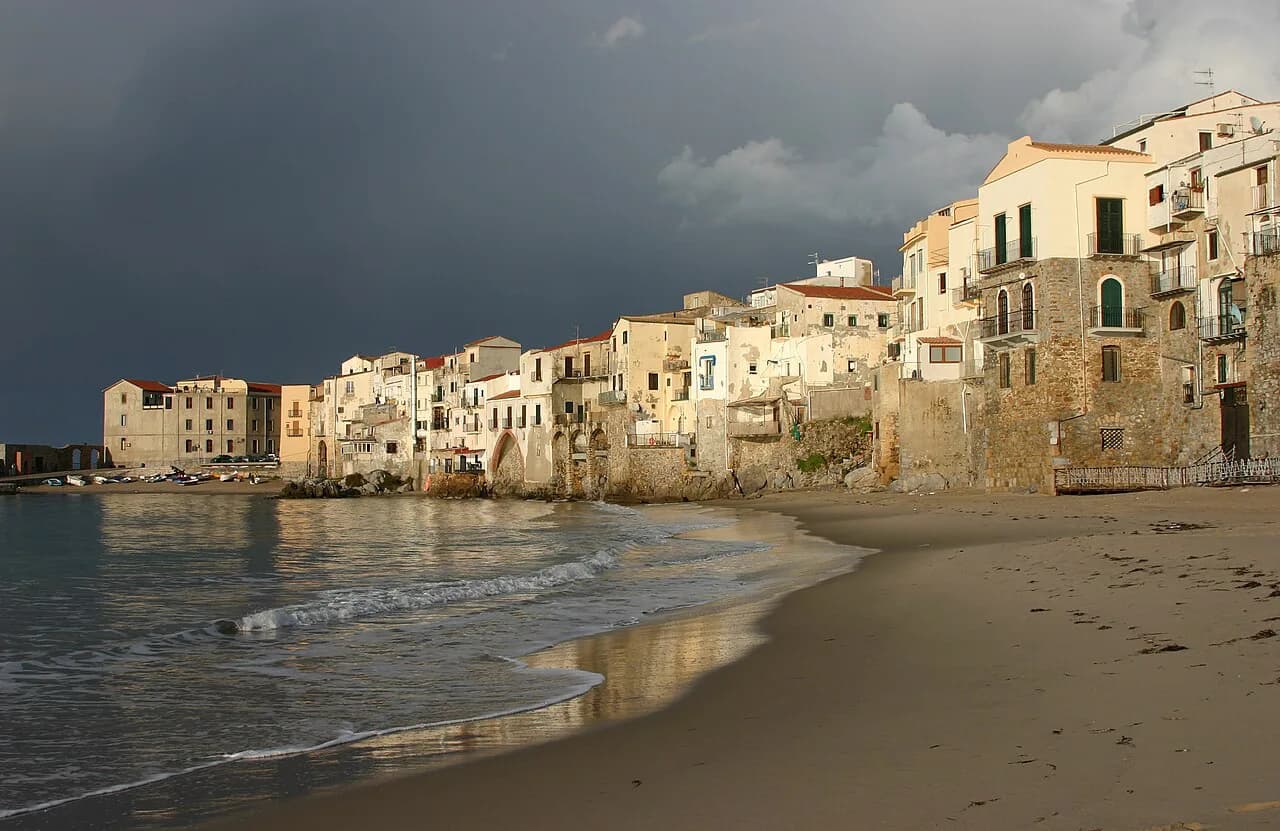
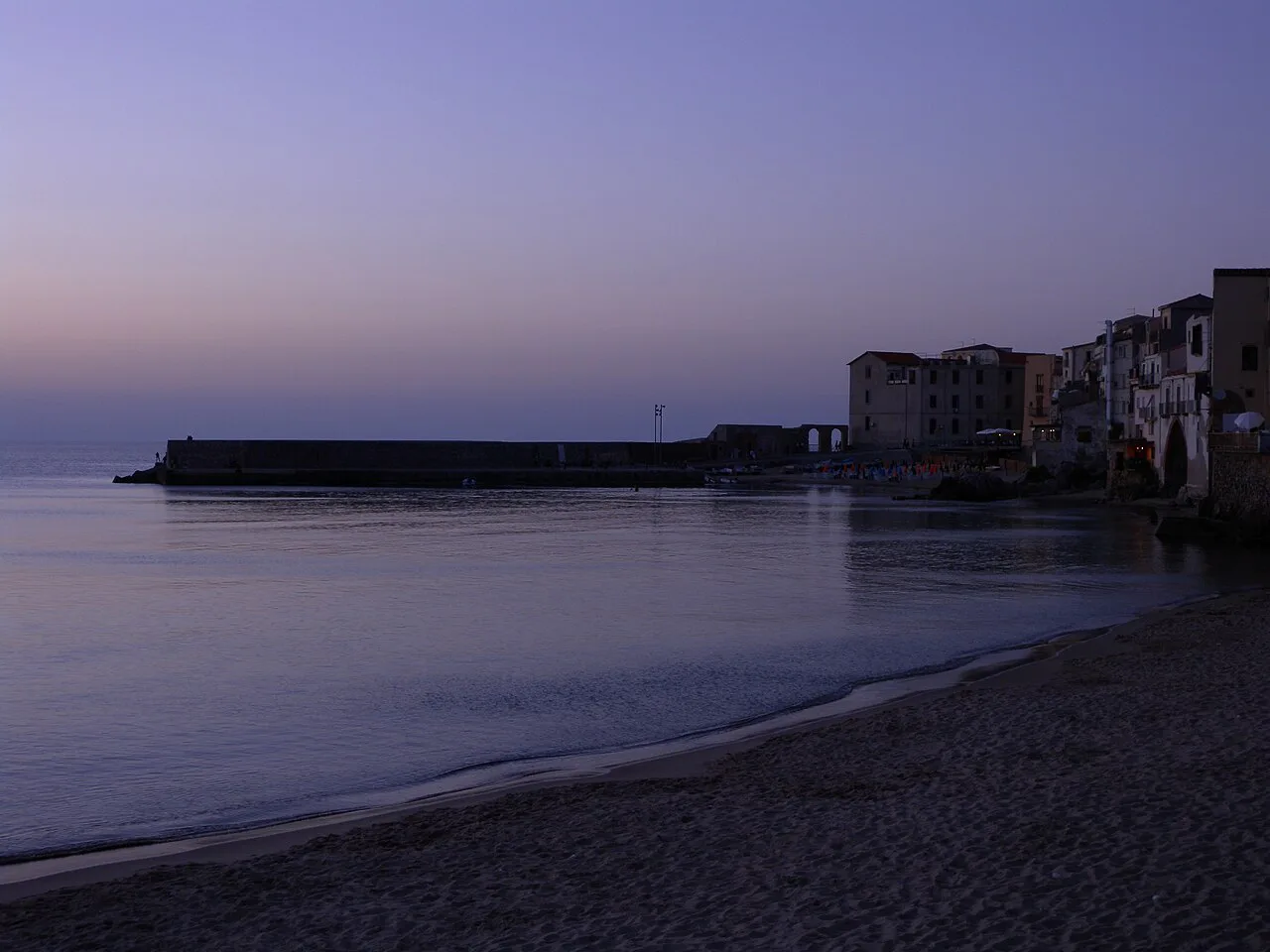
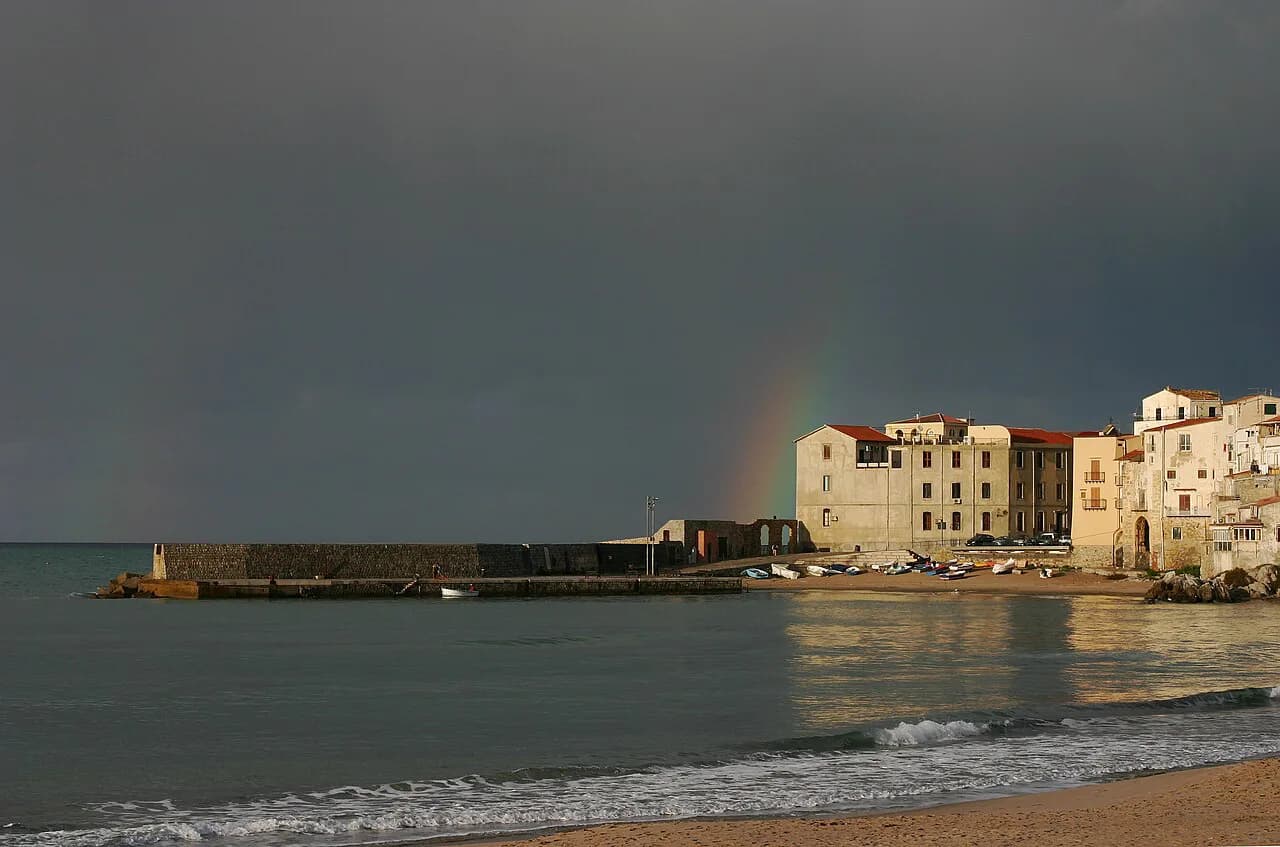
Caldura sits on the eastern edge of Cefalù, beyond the old town and beneath the great limestone headland of the Rocca. Approaching from the centre, the seafront buildings give way to rock, and the beach reads as a series of small inlets rather than one long strand. That position is what makes it work as an extension of a town day: you can wander the cathedral and the lanes, then keep walking east until the sand runs out.
The beach sits among the landmarks that define this stretch of the Cefalù coast, with the Rocca of Cefalù, Cefalu Cathedral and Caldura Beach all listed as places of interest in the area around the town. It is not a separate excursion requiring a bus or boat, which is the main reason it stays quieter than the central sands. Treat it as the second half of a Cefalù afternoon rather than a destination in its own right.
Getting there: walking from the centre
The most sensible approach is on foot from the old town. Follow the coastline east past the harbour area, and where the promenade ends the rock begins; the coves of Caldura come into view below the road. Wear shoes with grip rather than flip-flops for the last stretch, and carry your things in a backpack so both hands are free on the rock.
If you arrive by car, park in Cefalù and walk east rather than hunting for a space at the beach itself. The town is the base for the day, and the walk along the shore is part of the appeal. Drivers coming from Palermo should aim to arrive in the morning, when the town's parking areas are least contested.
The rock and the water
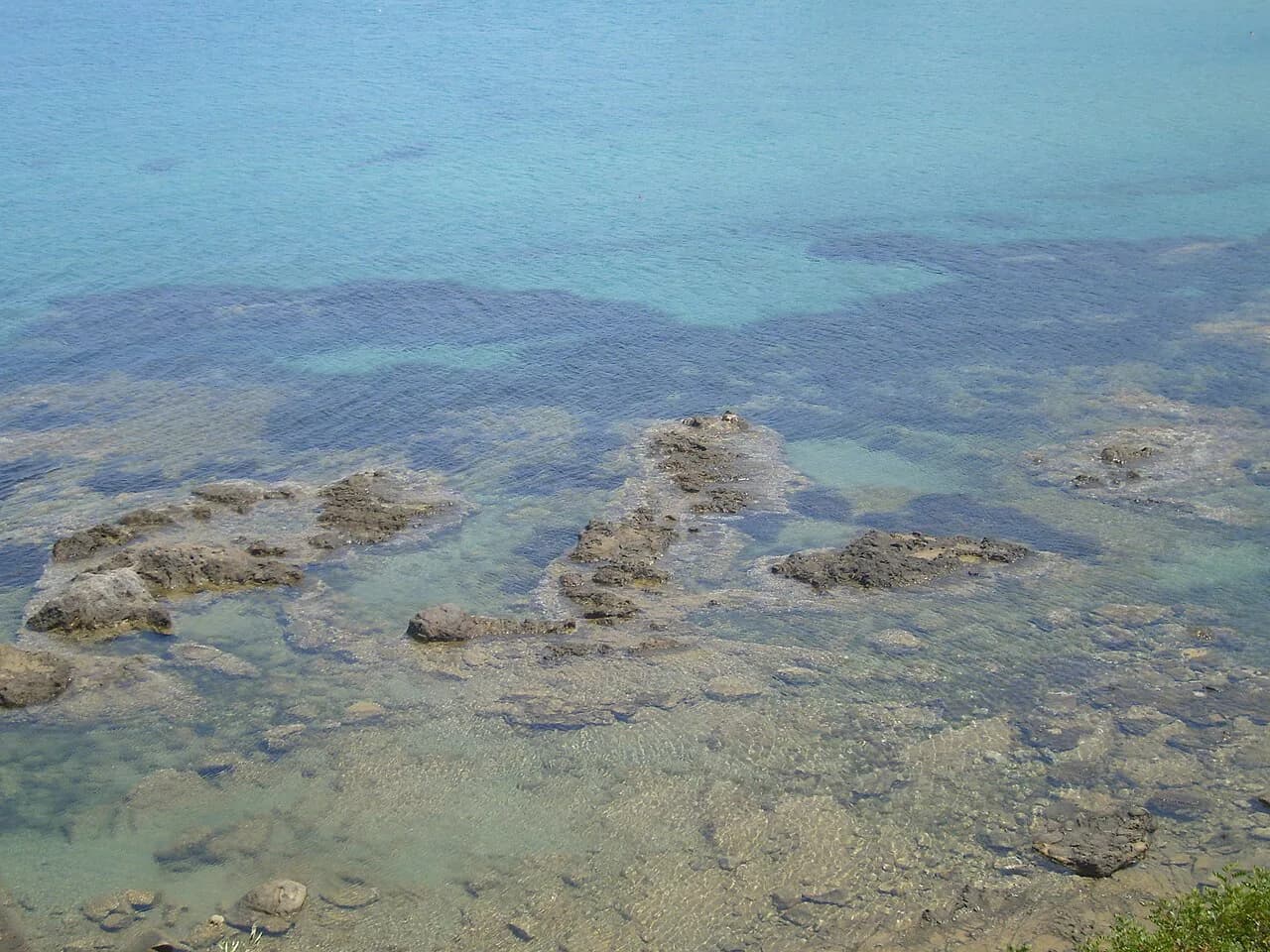
Caldura is a rock beach in the truest sense: flat limestone shelves and boulders form natural platforms for towels and bags, with the sea filling the gaps between them. The water is clear, and the bottom drops away more steeply than on a sand beach, so you are swimming rather than paddling within a few steps of the edge. Small coves between the rocks give shelter and a sense of privacy.
The rock formations are the draw as much as the swimming. Swimmers can head out towards the bizarre shapes that give the cove its character, and the clear water makes it easy to see where you are putting your feet. Watch where the shelf is wet and slippery near the waterline, and keep an eye on waves breaking against exposed rock when the sea is running.
Snorkelling over the rock formations
This is one of the best spots around Cefalù for a mask and snorkel. The rocky bottom, boulders and crevices close to shore give snorkellers something to explore without a long swim, and the clear water means good visibility in calm conditions. Enter from a shelving section of rock rather than jumping, and give yourself room to turn around in the swell.
Bring your own kit; the town is where you would equip yourself before walking out to the cove. Reef shoes or old trainers make the entry and exit much easier on the feet. Snorkel in pairs and stay close to the rock edge, away from the points where waves hit exposed stone.
Shelter and conditions
The Rocca and the headland above the beach give Caldura a degree of shelter from the open sea, and the rock platforms create pockets that stay out of the wind. Conditions change with the weather, and the cove faces the open water of the Tyrrhenian Sea, so swell can reach the rocks when it is running. Check how the water is behaving before you settle, and choose a cove that is protected from the day's wind.
There are no flags or supervised zones recorded for this cove, so you are responsible for your own judgement. If waves are breaking over the outer rocks, swim inside the coves or save the swimming for another day. The same rock that gives you a suntrap can make the exit tricky when the sea picks up.
Who Caldura suits
Confident swimmers and snorkellers get the most from Caldura. The entry is over rock, the water deepens quickly and there is no long shallow shelf for weaker swimmers to fall back on. Couples and small groups who want a quiet few hours with clear water, a rock to sit on and the Rocca above them will find it hard to beat in Cefalù.
Sunbathers who want to lie flat need to pick their platform carefully, since the limestone is uneven and unforgiving. A thin mat or a folded towel makes a real difference. Anyone with limited mobility, or carrying a cool box and a full beach set-up, will find the main town beach far easier.
Who should head to Cefalù's main sandy beach instead
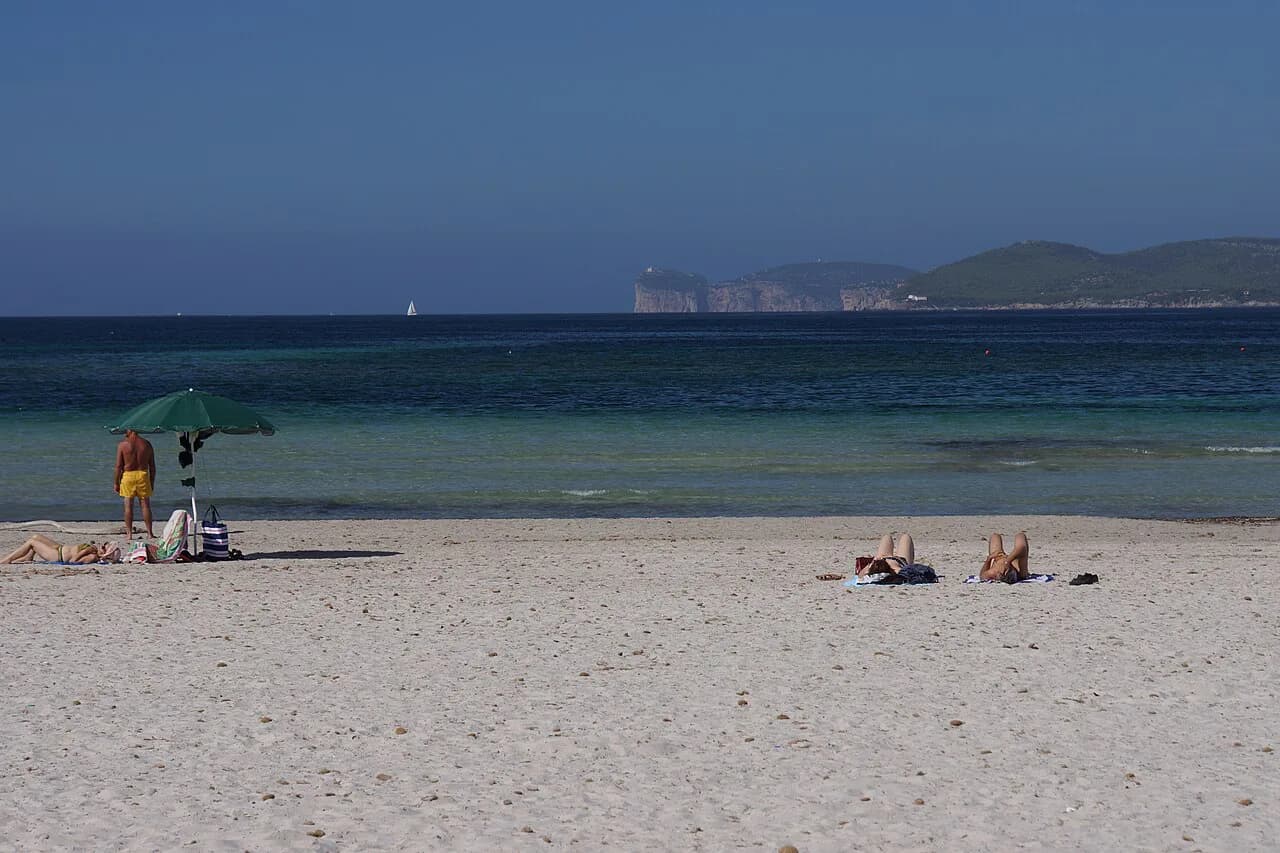
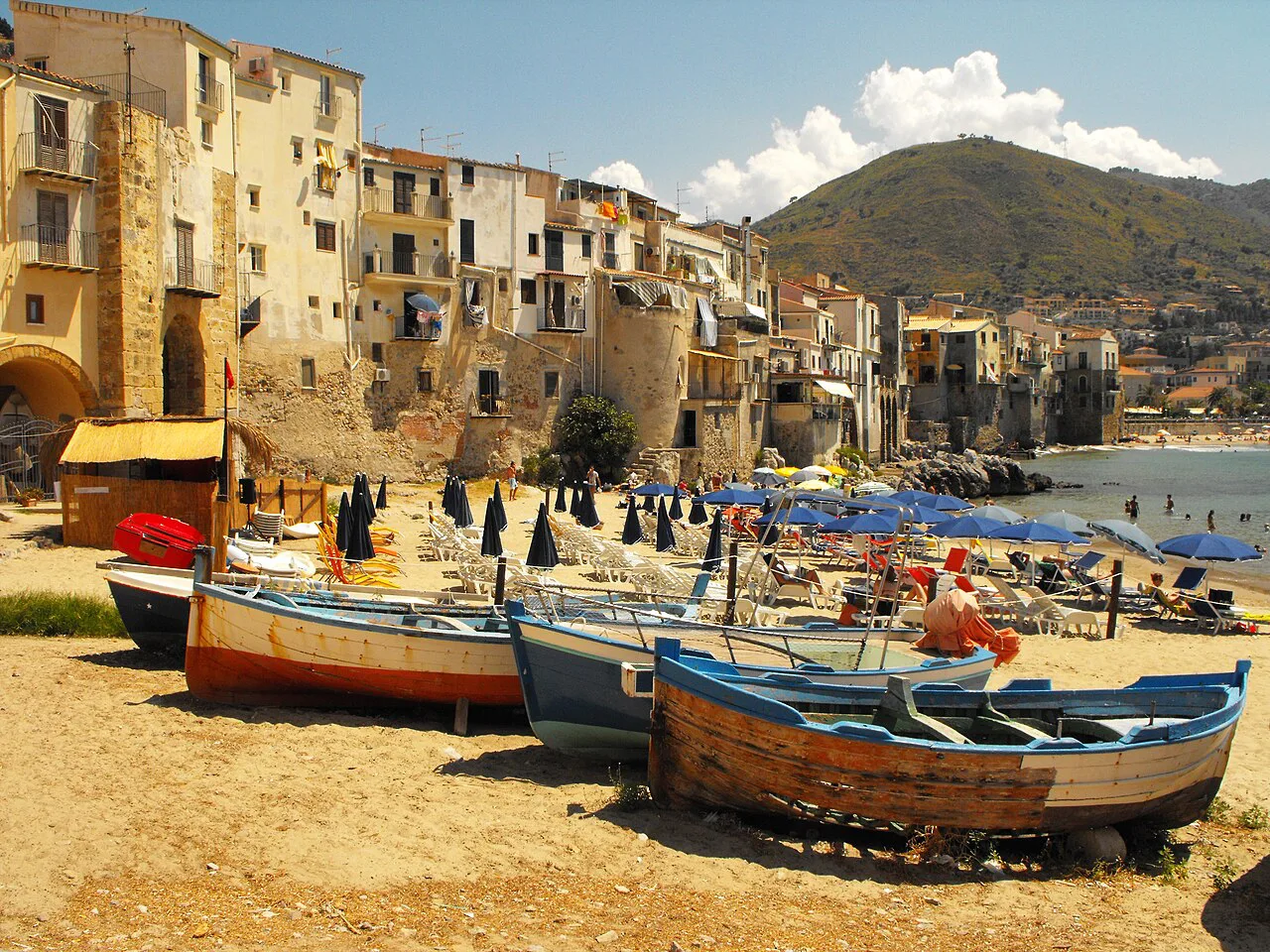
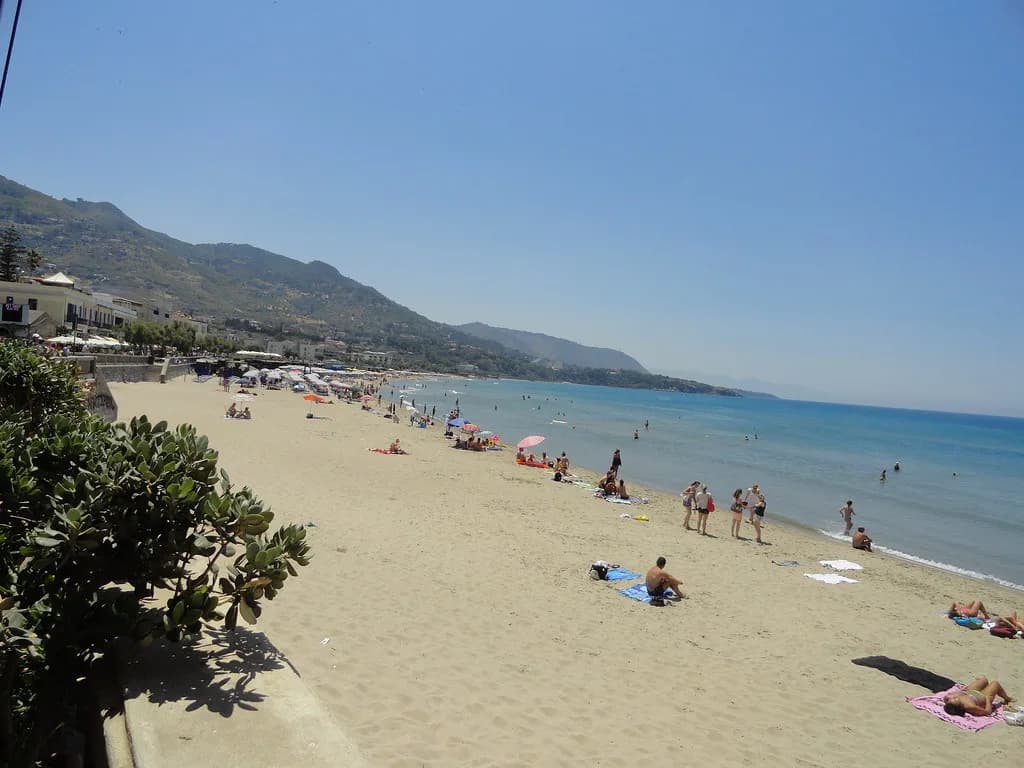
Families with small children should use Cefalu Beach, the long sandy stretch in front of the town, where the water shelves gently and there is room to dig and run about. Caldura's rock entry and quick drop-off make it a poor match for toddlers and for anyone who wants to stand waist-deep without watching their footing.
If your ideal day involves a lido, a sunbed and a bar within a few steps, the town beach and its clubs meet that need more directly than the rocky coves. The guide to Cefalu beach clubs explains how those operations work. Compare the two, and the split is obvious: sand and convenience in town, rock and clear water at Caldura.
Facilities and what to bring
Plan Caldura as a self-sufficient beach day. There is no recorded lido, sunbed operation or bar on the rocks themselves, so bring water, shade in the form of an umbrella or a hat, and something to sit on. The town is close enough to return to for lunch, which is often the better plan.
Pack reef shoes or trainers for the rock, a snorkel and mask, and a dry bag for anything that should not get wet. Carry out everything you bring, since the limestone shelves have no bins or services. A small first-aid kit for cuts and grazes is worth the space.
Best time to go
The Sicilian swim season runs from late spring into early autumn, with the sea at its warmest in late summer. July and August bring the biggest crowds to Cefalù and the busiest stretch of coastline, so arrive early in the morning to claim a platform. June and September offer warm water with far more breathing room.
Out of season, the rocks and coves remain walkable, and a sunny winter day can be lovely for sitting out even if the sea is too cold for most swimmers. The town is quieter and the light on the Rocca is at its best. Bring a windproof layer, as exposed rock feels the breeze more than the sheltered streets.
Nearby beaches to combine with Caldura
Kalura beach, in the next cove along the coast, is a natural companion for a second swim and offers a different setting within the same stretch of shoreline. Linking the two makes a good half-day of coast walking with two very different dips. The guide to Kalura Beach, Cefalù covers its access and character.
Further afield, Mazzaforno beach to the west of town is another option for a day when you want a change of scene from the rock. For a full survey of the coastline, work through the Cefalu beaches guide and pick a base for the week. The Best Beaches Near Cefalù, Sicily collection is useful for planning onward stops in the Province of Palermo. If you are weighing a longer trip down the south-east coast, the guide to the best beaches in Ragusa makes a useful comparison for rocky coves and clear water.
Practical notes for the day
Start in the old town in the morning, walk east to Caldura for a swim before the afternoon heat, then return for a late lunch. Carry cash for the town, as small bars and cafés are easier that way, and keep valuables to a minimum on the rocks. A dry bag and a light backpack make the walk and the scramble far more comfortable.
Allow more time than you think for the rock sections, especially if you are carrying a cool box or an umbrella. If the sea looks rough on the outer rocks, enjoy the coves and the view instead. The cove is best treated as a flexible stop that fits around the weather rather than a fixed appointment.
Plan Your Visit
Caldura is the beach to choose in Cefalù when you want clear water, rock formations and a short walk from the old town, and you are happy to swim from stone rather than sand. Bring reef shoes, a snorkel and your own shade, and arrive early in high summer. Families with small children and anyone wanting a lido should make the town beach their base.
Frequently Asked Questions
Is Caldura beach sandy or rocky?
It is a rocky beach. Flat limestone shelves and boulders form natural platforms, with small coves of clear water between them. The bottom drops away more quickly than on sand, so it suits swimmers rather than paddlers.
Can you snorkel at Caldura beach?
Yes. The rocky bottom, boulders and crevices close to shore make it one of the better snorkelling spots around Cefalù, with clear water in calm conditions. Bring your own mask and snorkel, enter from a shelving section of rock, and snorkel in pairs.
How do you get to Caldura beach from Cefalù?
Walk east from the old town along the seafront until the promenade ends and the rock begins. Drivers should park in Cefalù and walk rather than look for space at the cove. Wear shoes with grip for the final stretch over the rock.
Is Caldura beach good for families with small children?
It is not the best choice for toddlers. The entry is over rock and the water deepens quickly, with no long shallow shelf. Families with small children are better off on Cefalu Beach in town, where the sand shelves gently.
When is the best time to visit Caldura beach?
Late spring to early autumn is the swim season, with the warmest sea in late summer. July and August are the busiest weeks in Cefalù, so arrive in the morning. June and September give warm water with more space on the rocks.
Which beaches near Cefalù are worth combining with Caldura?
Kalura beach in the next cove along is an easy pairing for a second swim, and Mazzaforno beach to the west makes a good change of scene. Both fit into a day or two based in Cefalù without much travelling.
Are there sunbeds or a bar at Caldura beach?
No lido, sunbed operation or bar is recorded on the rocks at Caldura. Plan a self-sufficient day with water, shade and something to sit on, or walk back into town for lunch. Carry out everything you bring.
Sources
Beach notes for your next trip
Optional updates when we add or revise beach guides.
You might also like
Continue reading
More guides you'll find useful