Alghero Beaches: Which Sands and Coves to Choose
Plan beach days in Alghero, Sardinia, from the town Lido and pine-backed Maria Pia to lively Le Bombarde, sheltered Mugoni and wild Porto Ferro.
On this page
Alghero earns its place as a beach base because the coastline changes character every few kilometres. You can swim off the town Lido before dinner, spend the afternoon under pines at Maria Pia or Mugoni, or drive out to the open dunes at Porto Ferro when the wind is up. That variety means you choose a beach by conditions rather than by a ranked list.
Families with small children, swimmers who like a lively backdrop and quiet-seekers willing to walk a dirt path all find something here. The town beaches suit anyone without a car, the Porto Conte bay beaches reward a short drive with shelter, and the wild north-west corners ask for more effort and a little planning.
Why Alghero works as a beach base
The beaches fall into three practical groups. The town and its immediate edge give you the Lido, San Giovanni, Maria Pia and Fertilia; the sheltered bay inside Porto Conte holds Mugoni and Lazzaretto; and the exposed west and north-west coast brings Porto Ferro, Porticciolo, Cala Gigliuppi, Cala Bramassa and Poglina. Grouping them this way tells you what each one does well on a given day.
Renting a car is the straightforward way to reach the outer beaches, while the town Lido needs nothing more than your feet. On windy days the protected bay at Mugoni is the obvious fallback, whereas Porto Ferro is where you head when surf and open sky are the point of the trip.
Lido di Alghero and San Giovanni: the walkable town beach
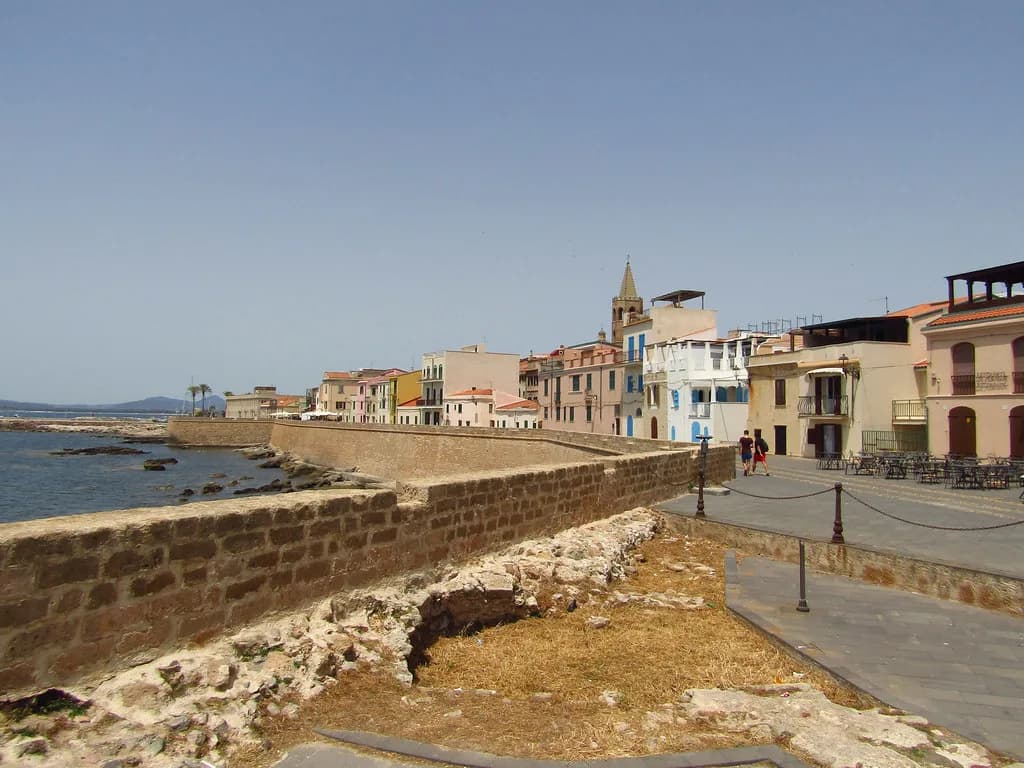
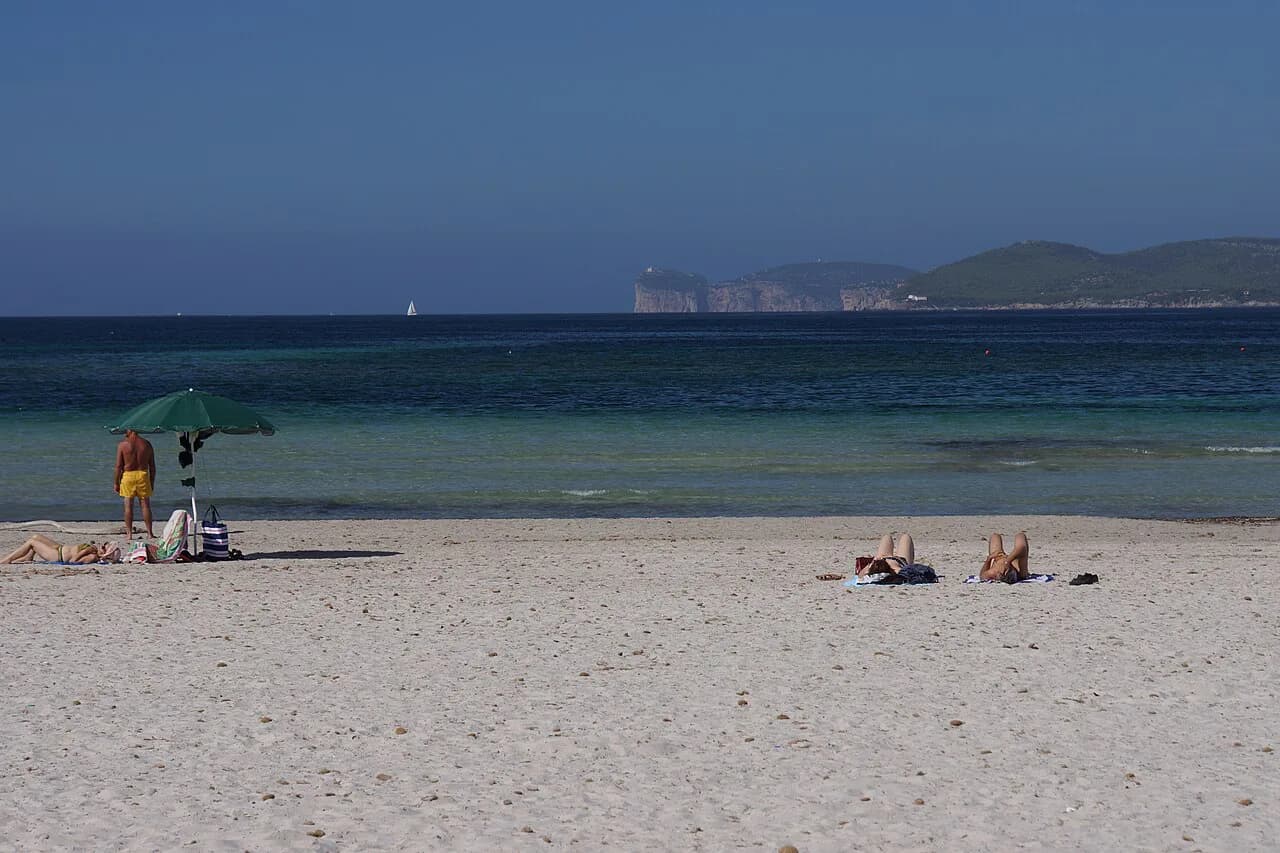
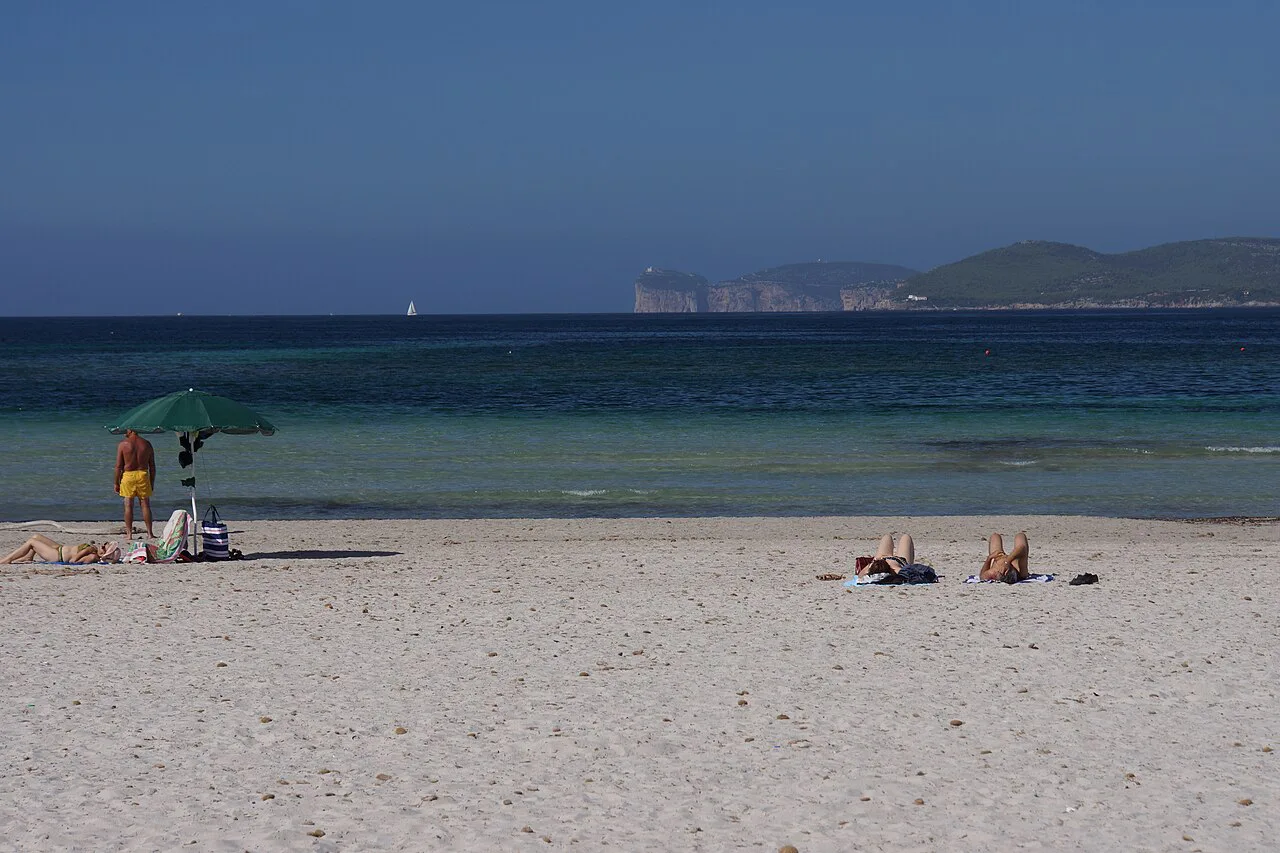
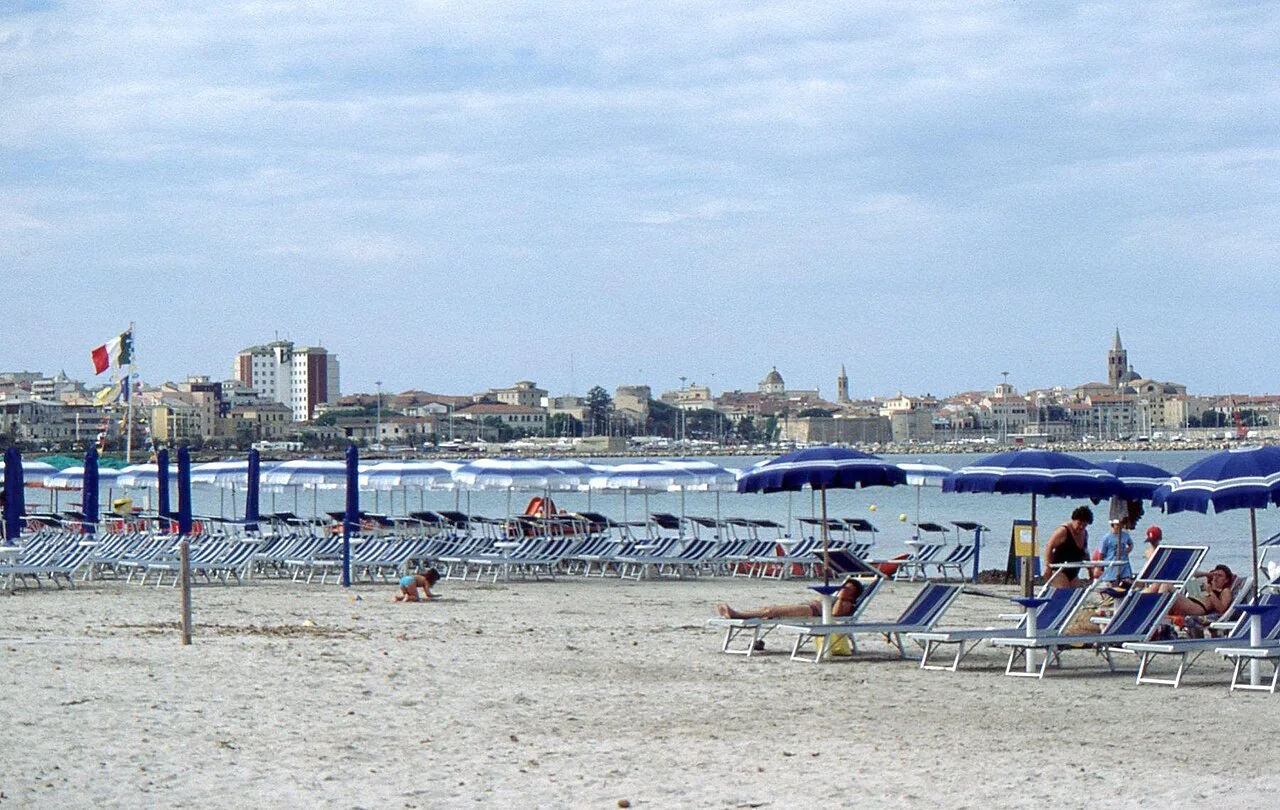
Lido di Alghero runs for about 1.5 kilometres a few hundred metres north of the town, mostly facing south-west, with the Marina di Sant'Elmo harbour to the south and the small Isola della Maddalenetta offshore. Because it begins right at the edge of the old town, you can walk or cycle along Via Lido from your accommodation and be on the sand within minutes, which makes it the easiest option for a spontaneous swim.
Along the Lido you will find beach chairs, umbrellas, a bar and a restaurant according to the beach listing, so you can settle in with shade and lunch without carrying everything yourself. The description also marks it as suitable for families with children, and its length means you can walk away from the busiest stretch if you want more room.
San Giovanni continues north from the Lido and is described as a gravel beach with a bar, becoming popular during July and August. That makes it a good second walk when the Lido feels crowded, but bring footwear you do not mind getting gritty.
Maria Pia and Fertilia: pine shade and the lagoon edge
Just beyond town, Maria Pia is framed by a fragrant pine forest that gives natural shade, and it is a calmer counterpart to the Lido. The pine belt is the reason to choose it on a hot afternoon: you get a beach day with genuine shade within a short hop of the old town, and it works well for couples as well as families.
Fertilia sits about four kilometres north-west of Alghero, between Maria Pia and the small village of Fertilia, backed by a pond and facing south along roughly a kilometre of sand. The beach listing marks it as an equipped beach, so it pairs well with the village for a half-day outing when you want facilities nearby.
Le Bombarde: turquoise water and beach-club energy
Le Bombarde is the social beach of the group, known for striking turquoise water and lively beach clubs that draw a cosmopolitan crowd. Choose it when you want a long, sun-filled day with atmosphere and a bar within reach rather than solitude; the same qualities make it the liveliest, and busiest, of the near-town beaches.
It also works as a walking base for quieter neighbours. Cala Gigliuppi is reached on foot from the Bombarde car park along a dirt road, and can also be reached by boat, so you can split the day between the buzz of Le Bombarde and a secluded cove.
Lazzaretto: small coves below the road
Lazzaretto is often described as one of the most beautiful beaches near Alghero, and it takes the form of a series of small coves framed by smooth rocks and Mediterranean greenery. That structure gives you a bit of privacy between rock walls, but it also means the beach is a collection of pockets rather than one long sweep, so arrive with a flexible plan.
The beach is listed as sandy with a bar, which makes it a comfortable stop for swimmers who want scenery and a drink without the crowd of Le Bombarde. It sits naturally between the town beaches and the Porto Conte bay, so it slots neatly into a day that starts at Maria Pia and ends at Mugoni.
Mugoni Bay: the sheltered option inside Porto Conte
Mugoni lies inside a sheltered bay within the Porto Conte Regional Natural Park, with calm water and a lush pine forest around it. The bay's orientation is what makes it the go-to choice when the mistral is blowing, because the surrounding headlands and pines take the edge off the wind that hits the open west coast. If you are weighing up which Italian coast fits your trip, the Bari beaches offer a very different, city-backed contrast. Closer in spirit to Alghero's mix of town sands and quiet coves, the Livorno beaches offer another coastal spot to choose between.
It is a slow-day beach rather than an action beach: families and anyone looking to unwind will get more from it than surfers. The listing also flags it as a camper-friendly, family beach, and its position in the natural park makes it a sensible base for combining with nearby Porto Conte coves.
Porto Ferro: orange dunes, surf and sunsets
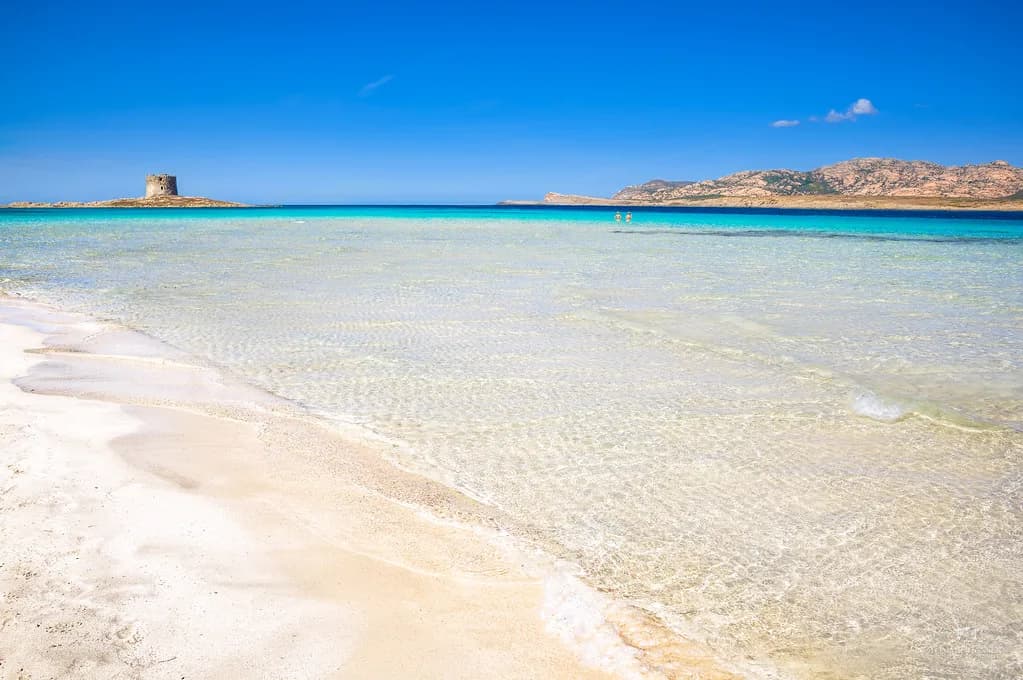
Porto Ferro is the wild card, with golden-orange sand dunes and an open, windswept landscape that reveals Sardinia's rawer side. The beach is listed with a naturist association alongside sand and park facilities, so treat the designated area neutrally and respect other bathers; the wind that shapes the dunes is also what draws surfers.
Nearby you have the hamlet of Villa Assunta and Lago Baratz, the only natural lake in Sardinia, which makes Porto Ferro a natural half-day or full-day trip rather than a quick dip. Because it faces the open coast, save it for a day when you want surf and big skies rather than shelter.
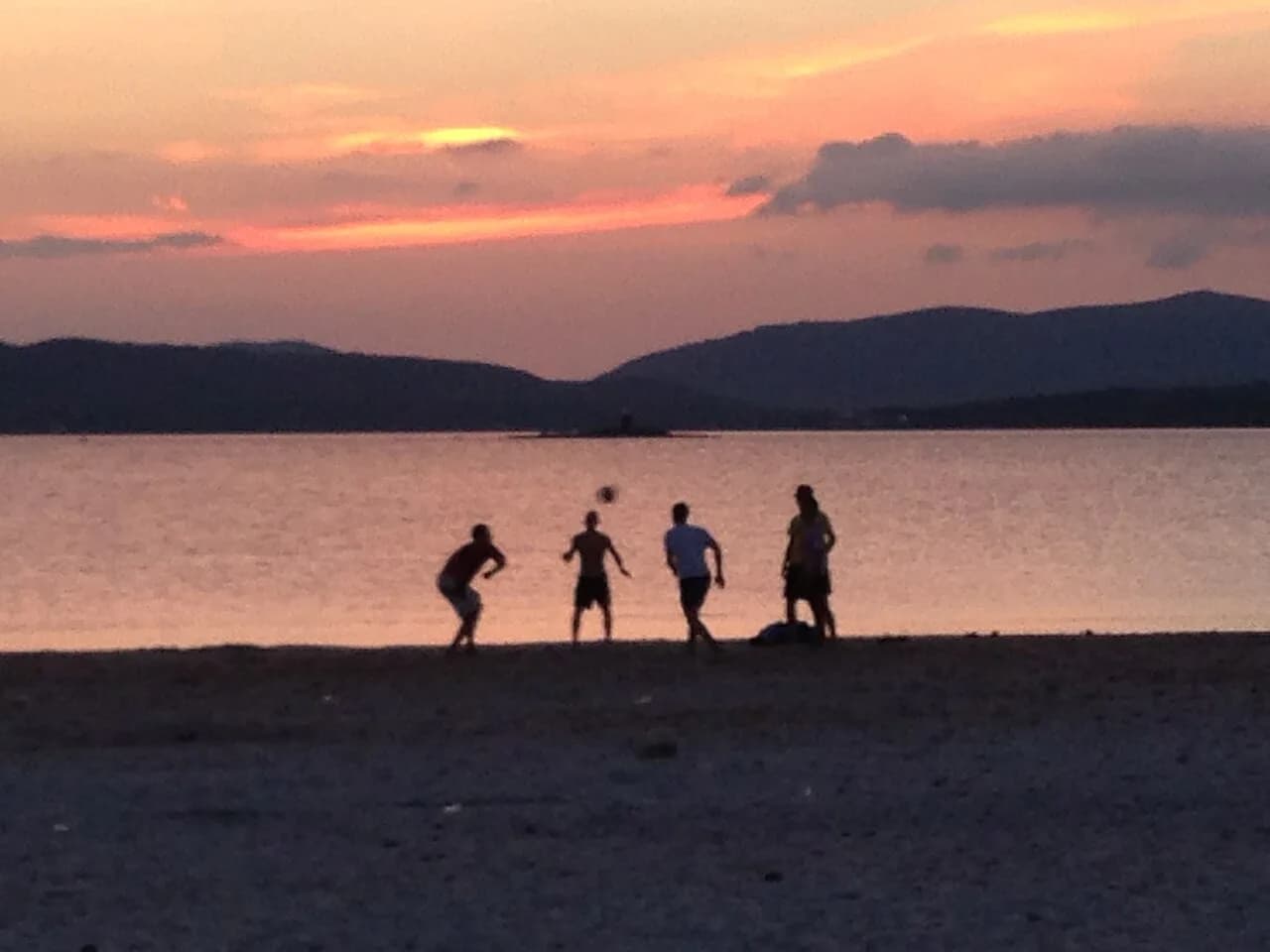
Its west-facing aspect makes it one of the best sunset spots in the area, so plan to stay late if the sky is clear. Take water and supplies, since the appeal here is the open landscape rather than a built-up promenade.
Porticciolo, Cala Gigliuppi and Cala Bramassa: the wild north-west corners
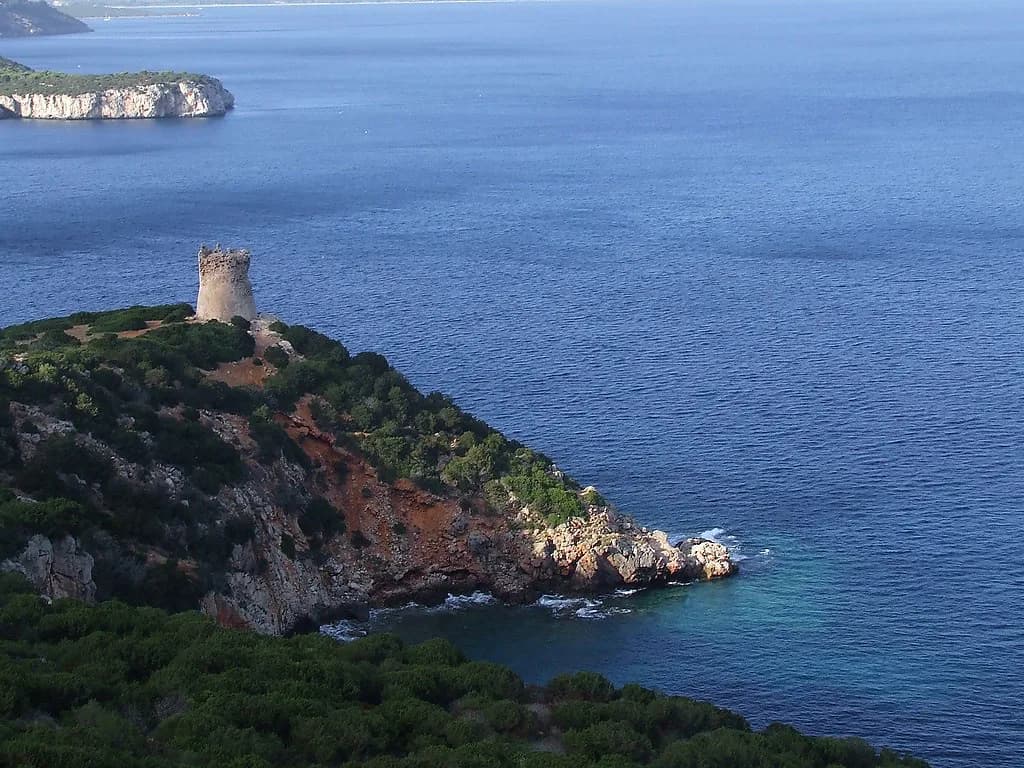
Porticciolo is a small bay beneath dramatic cliffs near Capo Caccia, with turquoise water and the Torre del Porticciolo, known as La Torre del Portitxol, on the headland above. The listing describes it as a mixed beach that stays surprisingly peaceful despite its looks, which makes it a strong choice for photographers and swimmers who want a cove rather than a long shore.
Cala Bramassa sits within the Porto Conte Natural Park and is reached either on a dirt path or by boat. That access is the trade-off: you exchange convenience for quiet, wild scenery and a beach that feels removed from the busier shores.
Cala Gigliuppi is the easiest of this trio to work into a day, since you park at the Bombarde lot and walk in along a dirt road or arrive by boat. Combine it with Le Bombarde for a morning in the water and an afternoon in a cove.
Poglina (Spiaggia della Speranza): local life, wind and surf
South of Alghero near Villanova Monteleone, Poglina, also called Spiaggia della Speranza, is loved by locals and surfers and feels less polished than the resort beaches. It is sandy and listed as camper-friendly and fashionable, which tells you it draws a crowd in the know rather than a tour-group crowd.
Pick it when you want a beach with real character and are happy to trade manicured facilities for local atmosphere. Its exposure means the wind and swell can shape the day, so check conditions before committing to the drive.
Getting around: on foot, by bicycle, by car and the dirt tracks
The town Lido is the only beach you can genuinely reach without transport: follow the signs for the Lido and take the Passeggiata Busquet to reach the waterfront between Via Garibaldi and Via Lido, just north of the old town. Cycling along Via Lido works equally well and keeps you flexible for an evening swim.
For Maria Pia, Fertilia, Le Bombarde, Lazzaretto and the Porto Conte beaches, a car gives you the most control over timing, and the local guidance recommends renting one if you want to explore freely. The outer beaches such as Cala Gigliuppi and Cala Bramassa add dirt tracks or boat access to the equation, so leave extra time and wear proper shoes.
The sand and the water
The beaches here vary more than the postcards suggest. Lido and Maria Pia are sandy, San Giovanni is gravel with a bar, Porticciolo is mixed, and Lazzaretto breaks into small sandy coves framed by rock. That mix lets you match the beach to your footwear and to whether you want to snorkel over rocks or stretch out on sand.
For families with small children, the pine-backed, sheltered bay at Mugoni and the family-marked Lido are the two most obvious choices, and both are described in terms of calm or shallow conditions rather than promises. Swimmers who want deeper water and rock scenery should look at Porticciolo and Lazzaretto instead.
Facilities: lidos, sunbeds, bars and restaurants
Facilities cluster on the town and near-town beaches. Lido has beach chairs, umbrellas, a bar and a restaurant; Le Bombarde is known for its beach clubs; Maria Pia's pines offer natural shade; San Giovanni and Lazzaretto each have a bar. If you want a day with minimal carrying, base yourself on the Lido or Le Bombarde.
Sunbed and umbrella prices are set by individual operators, so ask at the lido you plan to use if a fixed budget matters. The same applies to parking at the Bombarde lot if you plan to walk to Cala Gigliuppi.
When to go: swimming and how busy it gets
July and August are when San Giovanni fills up, and the same months bring the biggest crowds to the Lido, Le Bombarde and Maria Pia. Early mornings and late afternoons are the calmest windows, and they also give you the best light for the west-coast sunsets.
Shoulder months are better for anyone who wants space on the sand and easier parking near the trailheads for Cala Gigliuppi and Cala Bramassa. The sea is at its warmest in late summer, so travellers who prioritise water temperature should aim for the tail end of the season rather than the start.
Wind days: which beaches to pick when the mistral blows
When the mistral picks up, head for Mugoni inside Porto Conte, where the bay and pine forest give shelter from the wind and the water stays manageable. Lazzaretto and the coves near Porticciolo also offer some protection from the cliffs and rocks around them.
Save Porto Ferro, Poglina and the open west-facing stretches for days when you actually want wind and surf. On those days the town Lido can be uncomfortable too, since it faces south-west and takes the breeze straight on.
Beaches to combine in a single day
A sensible pairing is Maria Pia in the morning for pine shade, then Le Bombarde for a swim and lunch in the turquoise water. If you have a car, add Cala Gigliuppi on foot from the Bombarde car park for a quieter end to the afternoon.
Another good loop is Mugoni in the morning, when the bay is calm, followed by Porto Ferro for sunset and a dose of the open coast. For a longer day trip north, the white sands of La Pelosa beach at Stintino pair well with a slow drive up the coast; the same stretch of Sardinian shoreline is covered in the Stintino beaches guide if you want to extend the trip.
What to bring and how to leave the coast as you found it
For the town beaches, a towel and water are enough, because the Lido and Le Bombarde have bars and restaurants. For Cala Bramassa, Cala Gigliuppi and Porto Ferro, bring water, food and footwear for dirt paths, since the appeal of these places is that they are not built up.
Take all rubbish with you and keep to the paths in the Porto Conte park, where the pine forest and dunes are the reason the coast looks the way it does. A refillable bottle and a bag for waste make that easy on every beach along this coast.
Plan Your Alghero Beach Days
Decide by wind and by travel time: town Lido or Maria Pia when you want no car, Mugoni or Lazzaretto when the mistral is up, and Porto Ferro or Poglina when surf and big skies are the draw. Book a car for the outer beaches and give yourself an early or late slot to dodge the busiest hours.
Ask your accommodation about parking at the Bombarde lot if you plan to walk to Cala Gigliuppi. The rest of the plan is simple: bring water, wear shoes for dirt paths and carry your rubbish home.
Explore more Alghero beaches
Frequently Asked Questions
Can you walk to the beach from Alghero old town?
Yes. The Lido begins a few hundred metres north of the old town and you can reach it on foot or by bicycle along Via Lido, following the signs for the Lido and the Passeggiata Busquet. San Giovanni continues north from there as a gravel beach with a bar, so you can extend the walk if the Lido is busy.
Which Alghero beaches suit families with young children?
The Lido is described as suitable for families with children and comes with beach chairs, umbrellas, a bar and a restaurant. Mugoni, inside Porto Conte, sits in a sheltered bay backed by pine forest and is described as calm, which makes it the usual choice when the mistral is blowing on the open coast.
Where do you go in Alghero when it is windy?
Head for Mugoni inside the Porto Conte bay, where the headlands and pine forest break the wind, or try Lazzaretto, whose small coves sit between smooth rocks. Porto Ferro, Poglina and the town Lido all face the open water and take the breeze straight on, so save them for days when wind and surf are what you want.
Do you need a car to reach the beaches around Alghero?
Not for the town beaches: the Lido, San Giovanni and Maria Pia are close enough to reach without one. For Le Bombarde, Lazzaretto, Mugoni and the outer coast at Porto Ferro, Porticciolo and Poglina, a car gives you control over timing, and the dirt-road approaches to Cala Gigliuppi and Cala Bramassa take longer on foot.
Sources
Beach notes for your next trip
Optional updates when we add or revise beach guides.
You might also like
Continue reading
More guides you'll find useful