Kalura Beach, Cefalù: A Rocky Cove Guide for Swimmers
Kalura beach is a small pebble-and-sand cove in Caldura Bay outside Cefalù, reached by steep steps. What to expect, how to get there and when to go.
On this page
Kalura beach is the kind of cove you plan a morning around rather than a whole day: a small pocket of pebbles and sand squeezed between rock formations in Caldura Bay, just outside Cefalù. It suits swimmers, snorkellers and anyone who wants clear water and a rocky shoreline instead of a long, loud lido.
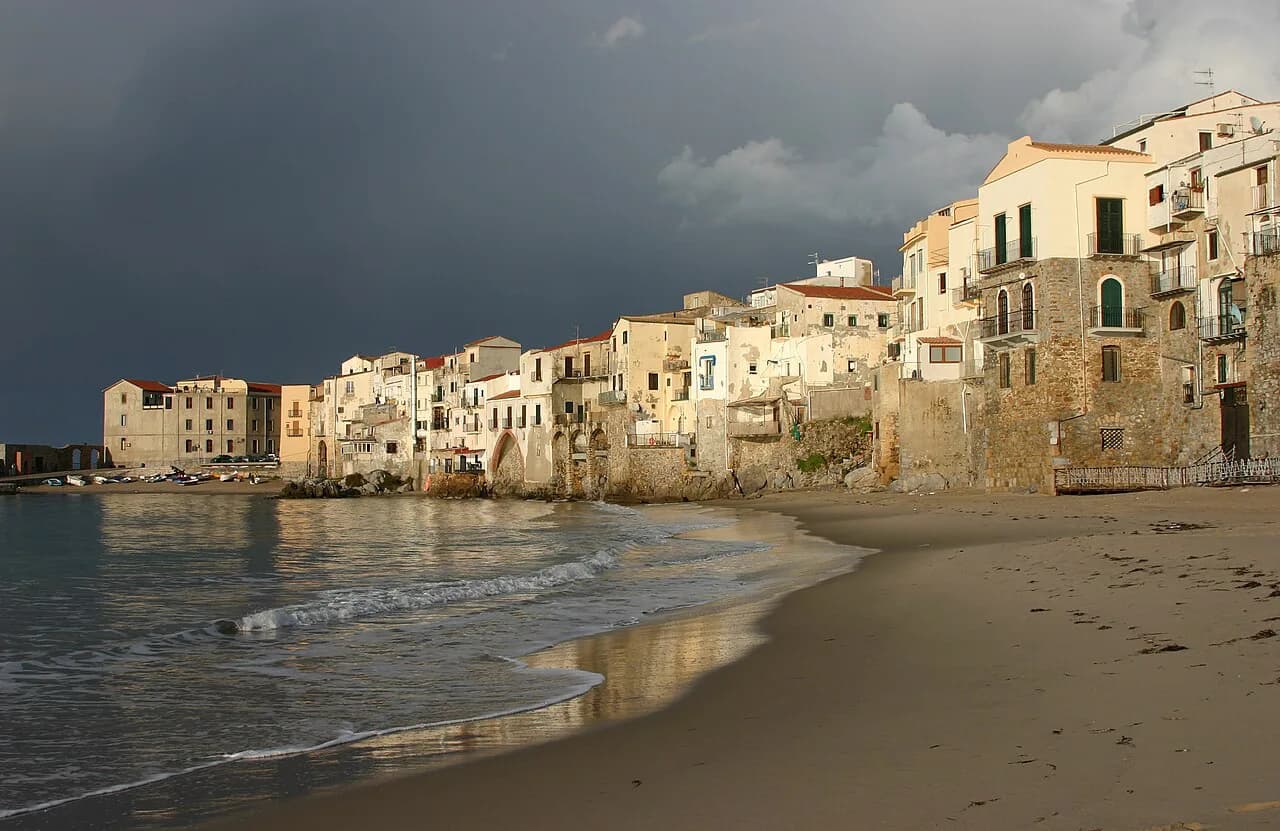
The setting is what sells it. Prickly pear, pine and other Mediterranean scrub cover the slope above the shore, the rocks run right down to the waterline, and on clear days the Aeolian Islands show on the horizon. The trade-off is access: you arrive on foot down a very steep staircase, so everything you carry comes back up with you.
Where Kalura beach is
Kalura beach, also written Spiaggia Caldura, lies in the zone called Caldura on the edge of Cefalù in the Province of Palermo, on Sicily's Tyrrhenian coast. The cove sits below a rocky promontory, with the headland and its sixteenth-century Saracen tower adjoining the beach.
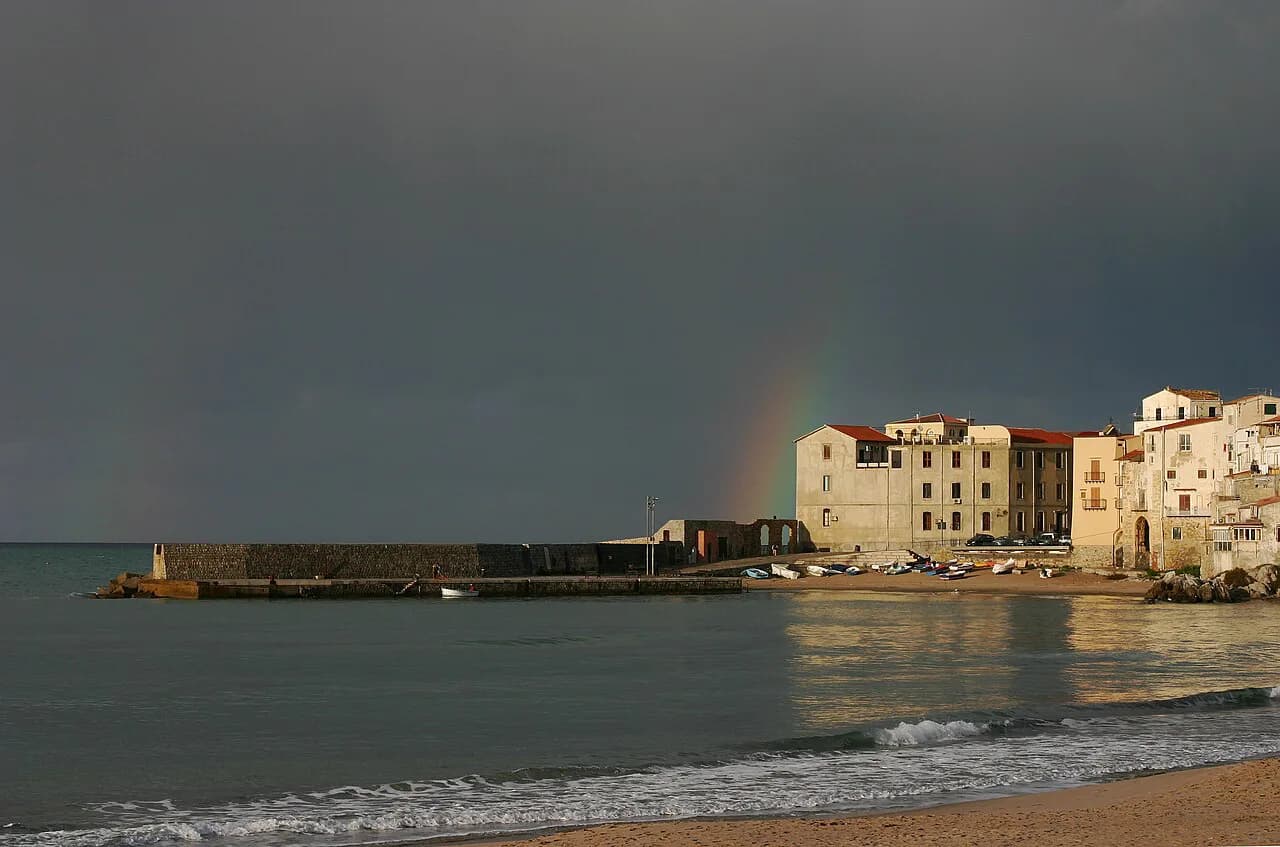
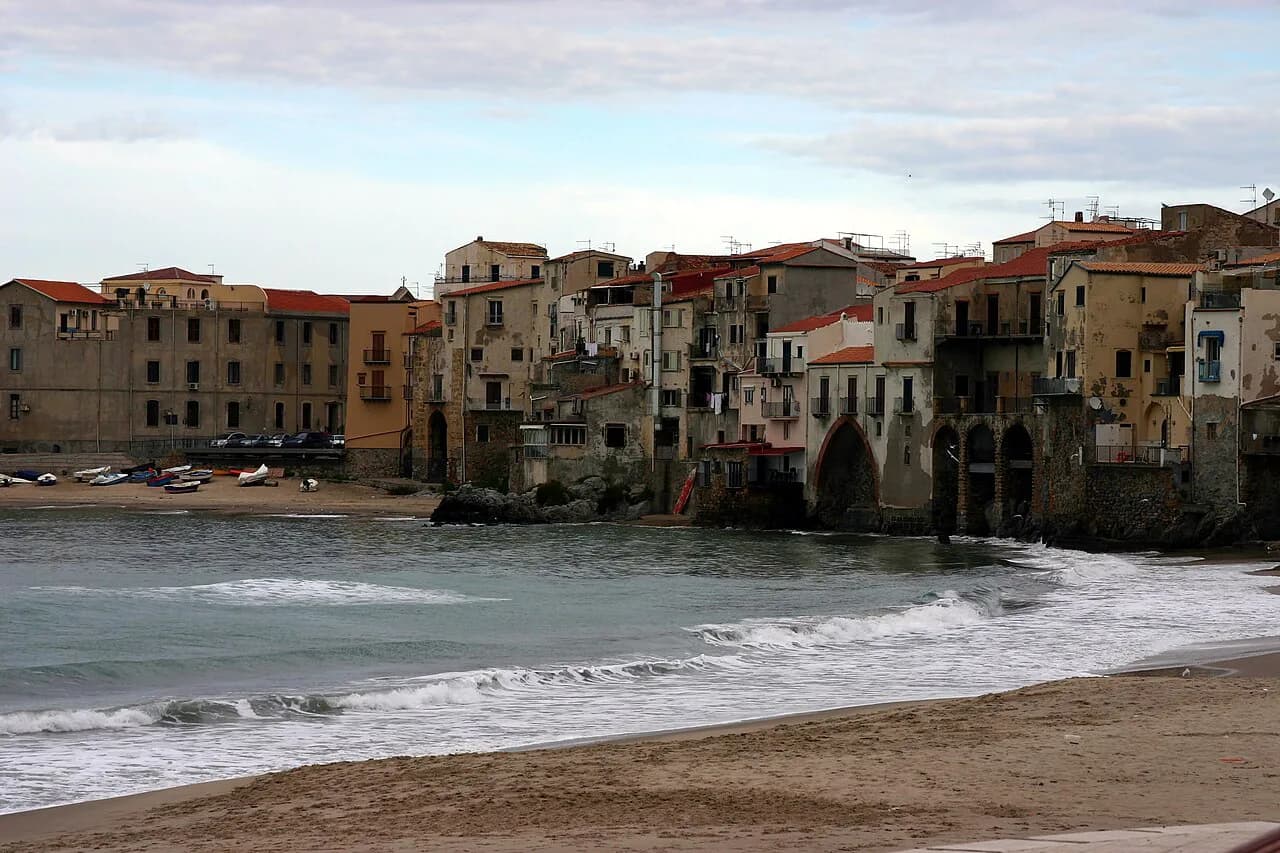
Because it sits outside the town rather than on the long town beach, Kalura feels removed from the busiest stretch of Cefalù's shoreline. That makes it a natural second stop if you are working through the Cefalù Beaches on foot, by bus or by boat.
Getting there
On foot, the approach runs through Mediterranean vegetation of desert plants, prickly pear and pine, then down a very steep staircase to the shore. Wear shoes with grip rather than flip-flops, and keep your bag light: the climb back up is the harder half.
By boat, you can reach the cove from the water, respecting the distance limit marked by red buoys in summer. Dinghy and tender users should approach slowly and keep clear of swimmers, who share the same water.
Parking and access practicalities
Time the descent so you are not carrying more than you need. A towel, water, snorkelling gear and sun protection cover a morning here; folding chairs and cool boxes become a burden on the staircase. If you are driving, ask your accommodation or the local tourist office in Cefalù where to leave the car and how the access road works before setting out.
The cove faces east, so it loses direct sun from the middle of the afternoon onwards. Arriving early gives you the best light, the calmest water and a better chance of space on the rocks.
The sand and the water
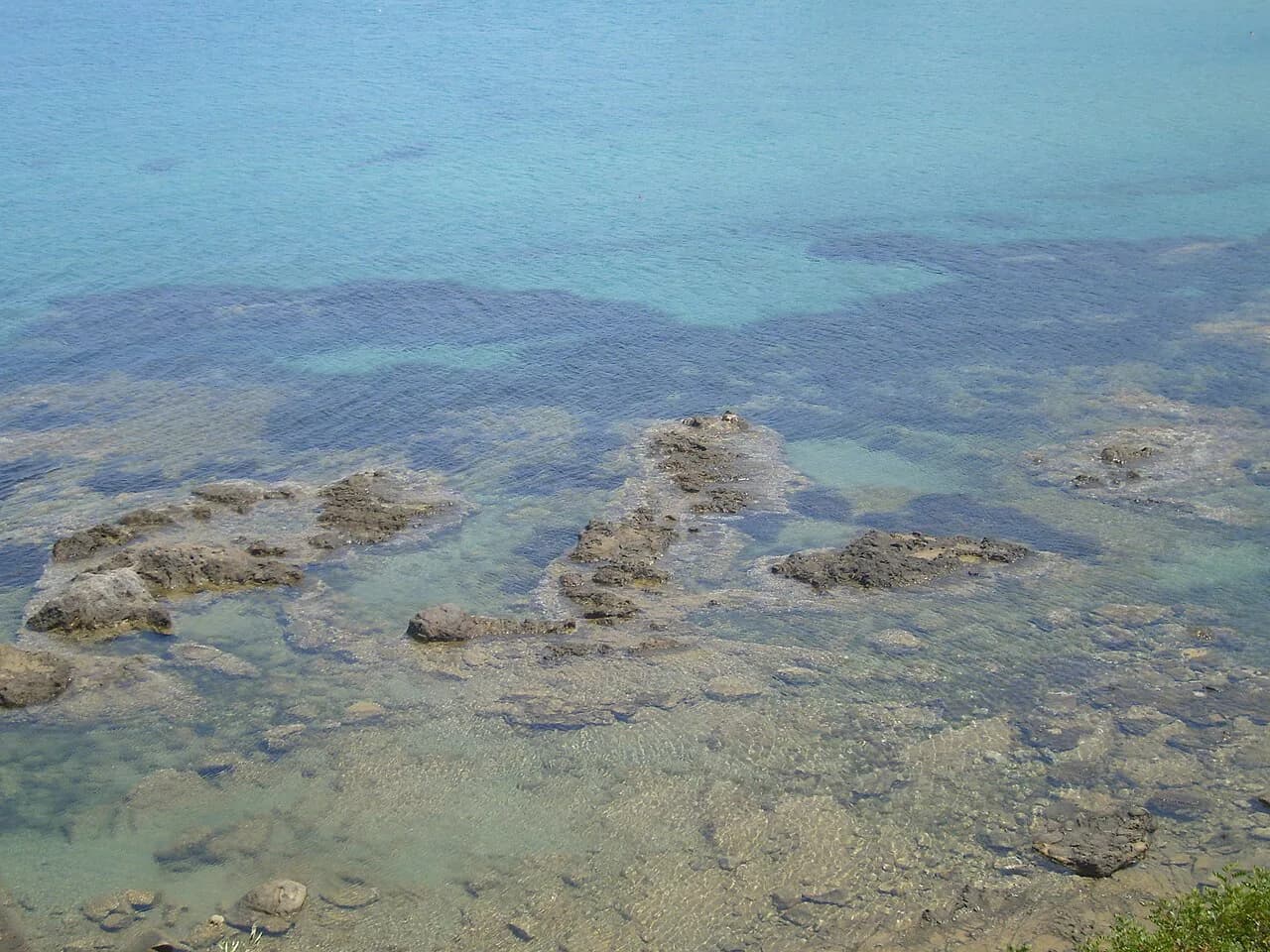
The beach is made of pebbles mixed with a small section of sand, with suggestive rock shapes and colours close to the shoreline. In summer the water stays very clear, and on good-visibility days you can see the sandy bottom at depth.
The bay itself is a mix of rocks and reefs, inlets and hidden caves, with an ancient Roman archway in the rock that is accessible from the water. None of that is a paddling pool: children need close supervision, and weaker swimmers should stay near the shoreline where they can stand.
Swimming and snorkelling
The rocky shoreline and clear summer water make this one of the better snorkelling spots around Cefalù, and it is also used for canoeing and diving. Bring your own mask and fins if you want to explore properly; the appeal is the reef and rock rather than a wide sandy floor.
A swim out towards the Saracen tower on the adjoining headland gives the day a destination worth the effort. Go with someone, keep inside the marked swimming area and stay clear of the red-buoy line that separates bathers from boat traffic.
Shelter and sun
When the wind blows from the north-east, the cove offers useful shelter, which makes it a sensible pick on days when the town beach feels exposed. On other wind directions the rocks give less protection, so check the forecast before you set out and match your beach to the conditions.
Sun is the other variable. The east-facing aspect limits direct sun from around the middle of the afternoon, so a morning visit delivers the warmth and the light. Plan a late lunch back in Cefalù rather than expecting to bake here all afternoon.
Facilities
Hotel Kalura describes a private bathing platform and small cove reached by stone steps from its sea-view terrace, used for relaxation, swimming and sub-aqua activities. Treat that as the hotel's own guest facility rather than a public lido, and do not assume access on the same terms as a municipal beach.
Outside the hotel's setup, Kalura is a natural shore: rock, pebble and a strip of sand. The wider Cefalù coastline has the equipped beaches and beach clubs, so if you want sunbeds, showers and a bar beside your lounger, plan those days separately and keep Kalura for a quieter swim. For a different equipped-beach scene on Sicily's west coast, the Trapani beaches offer their own mix of sands and coves to compare.
How busy it gets
In May and September the beach is undeveloped and works well for anyone seeking tranquillity and relaxation. High summer brings the hotel's bathing platform into full use and more boat traffic offshore, so the cove reads very differently in August than in late spring.
If solitude matters more than warm water, aim for the shoulder months and go early in the day. If you want the warmest sea, accept company and arrive before the morning rush builds.
Best time to go
Sea temperatures run warmest from July into September, while May and late September give clear water with fewer people on the rocks. The east-facing aspect means mornings are consistently better than afternoons, whichever month you choose.
Whatever the season, check the marine forecast for the Cefalù coast the evening before. A north-easterly wind day favours the cove's shelter; a strong onshore wind elsewhere on the coast may push you towards a more enclosed beach.
Nearby beaches
Mazzaforno beach is the obvious second stop on the same stretch of coast, with a longer shoreline than Kalura's rocky cove. Pairing the two gives you a snorkelling morning and a more relaxed afternoon.
For a wider choice of sand, lidos and family-friendly water, the Best Beaches Near Cefalù round-up covers the rest of the coastline within easy reach of town. Use it to build a week that mixes rocky coves with easier swimming days.
Plan Your Visit
Kalura rewards a specific kind of beach day: an early start, light luggage, good shoes for the staircase and snorkelling gear for the rocks. Swimmers and quiet-seekers get the most from it; families wanting shallow sand and easy access are better served elsewhere on the Cefalù coast.
Check conditions and the boat-exclusion arrangements with the Cefalù tourist office or your hotel before you go, then build the rest of your day around a late lunch in town.
Frequently Asked Questions
Is Kalura beach sandy or pebbly?
It is a mix of pebbles and a small section of sand, framed by rock formations close to the shoreline. Wear shoes that grip and bring a mat rather than expecting soft sand.
How do you get down to Kalura beach?
On foot via a very steep staircase that descends through Mediterranean vegetation to the shore. Take your time and carry only what you need, because the climb back up is harder than the descent.
Is Kalura beach good for snorkelling?
Yes. The rocky shoreline, reefs and clear summer water make it one of the better snorkelling spots around Cefalù, and it is also used for canoeing and diving. Bring your own mask and fins.
When is Kalura beach quietest?
May and September, when the beach is undeveloped and suits anyone seeking tranquillity. High summer brings the hotel's bathing platform into use and more boats offshore.
Can you reach Kalura beach by boat?
Yes, and in summer you must respect the distance limit marked by red buoys. Approach slowly and keep clear of swimmers.
What is the best time of day for Kalura beach?
Morning. The east-facing cove loses direct sun from roughly the middle of the afternoon, so an early visit gives the best light and the calmest water.
Is Kalura beach suitable for small children?
It is better for confident swimmers than for toddlers, given the pebbles, rocks and steep access. Families wanting shallow, easy sand are better served by the wider Cefalù coastline.
Sources
Beach notes for your next trip
Optional updates when we add or revise beach guides.
You might also like
Continue reading
More guides you'll find useful