Cefalù Beach Clubs: Lidos, Sunbeds and Where to Swim
Compare Cefalù beach clubs and lidos, how a sunbed and umbrella day works, where the free sand runs out and which coves suit swimmers and families.
On this page
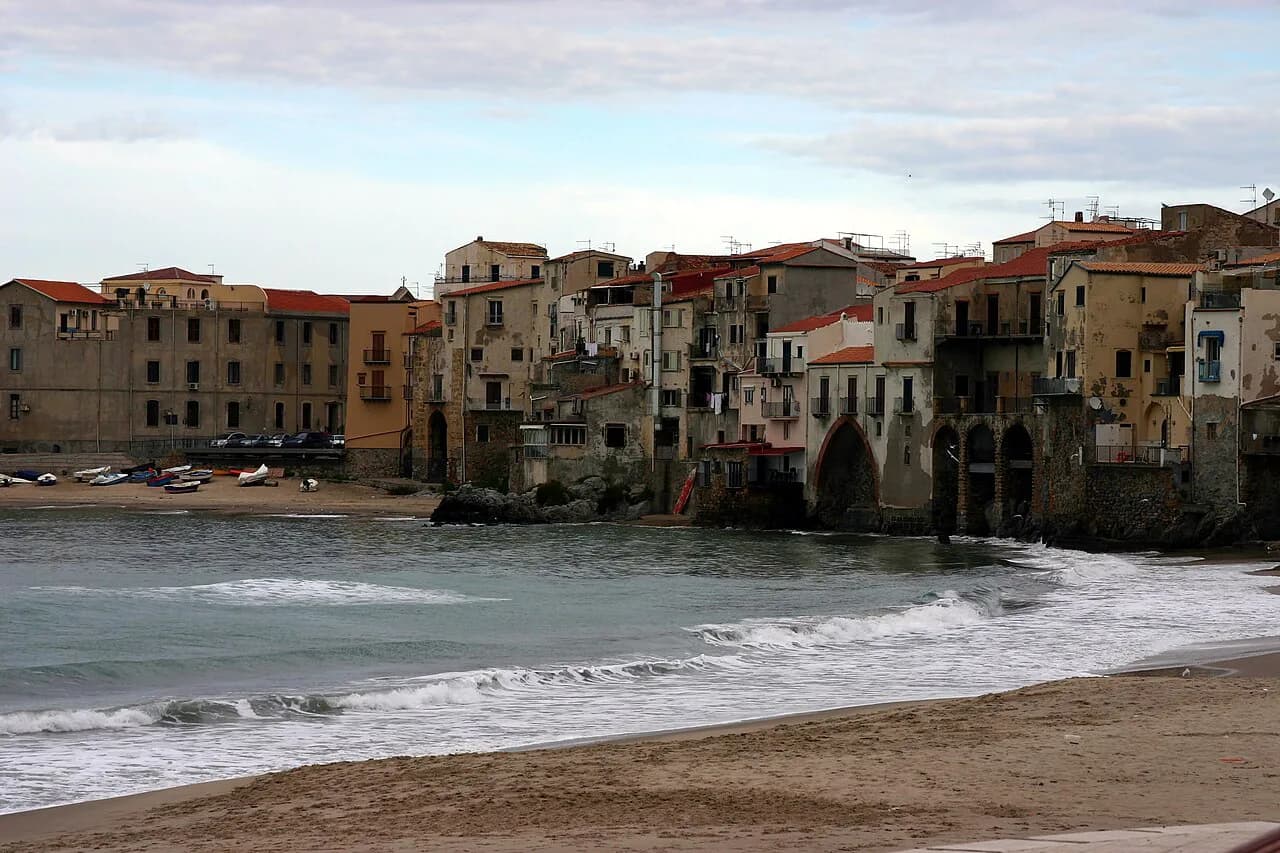
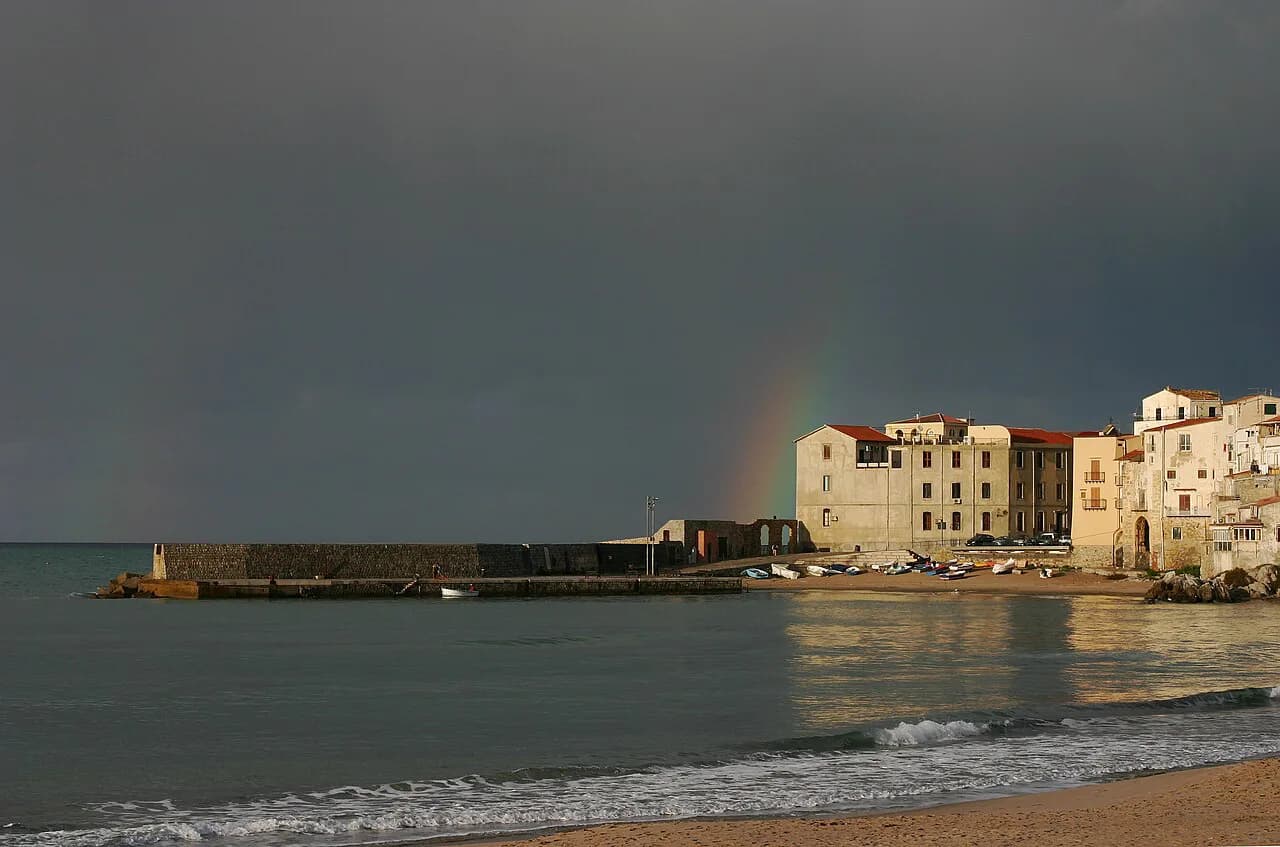
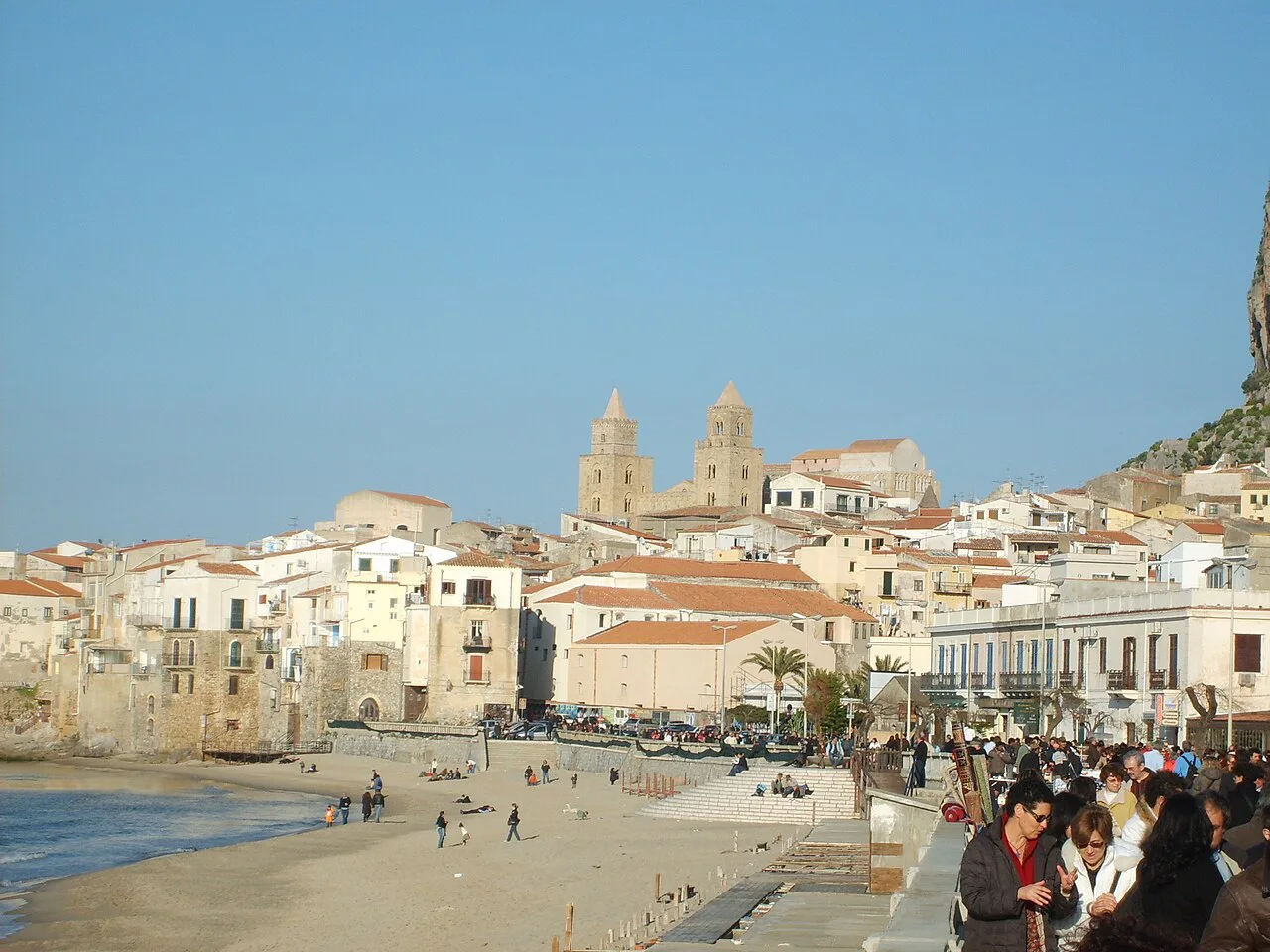
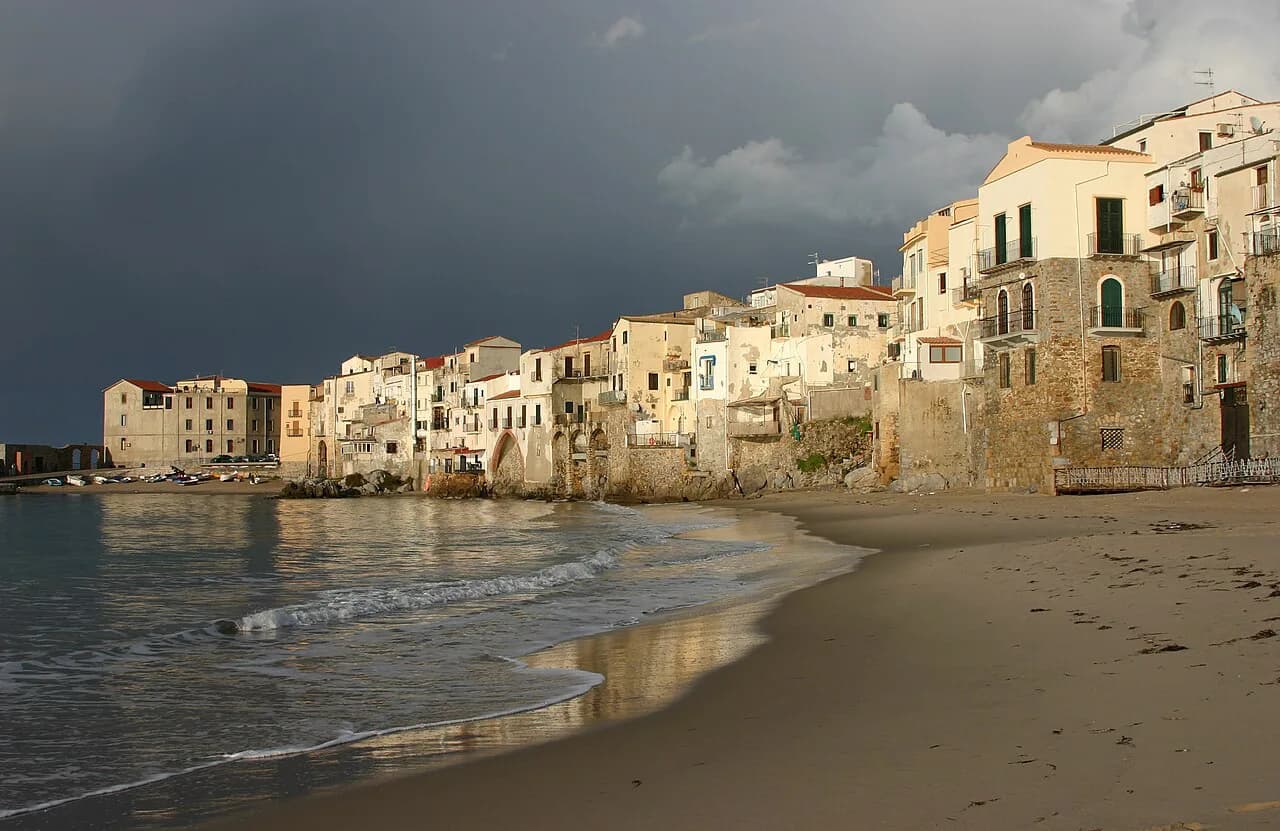
Cefalù earns its beach day: a crescent of biscuit-coloured sand sits directly beneath La Rocca, with the old town's dusty brown houses and the Duomo rising just behind the umbrellas. That combination of genuine sand and a historic backdrop is unusual on this coast, and it is why the town fills with Italian holidaymakers each summer. Choose the town crescent for convenience and easy swimming, or head west to the rocky coves if you want fewer people and clearer water over stones.
Orientation: the old-town beach and the long Cefalù beach
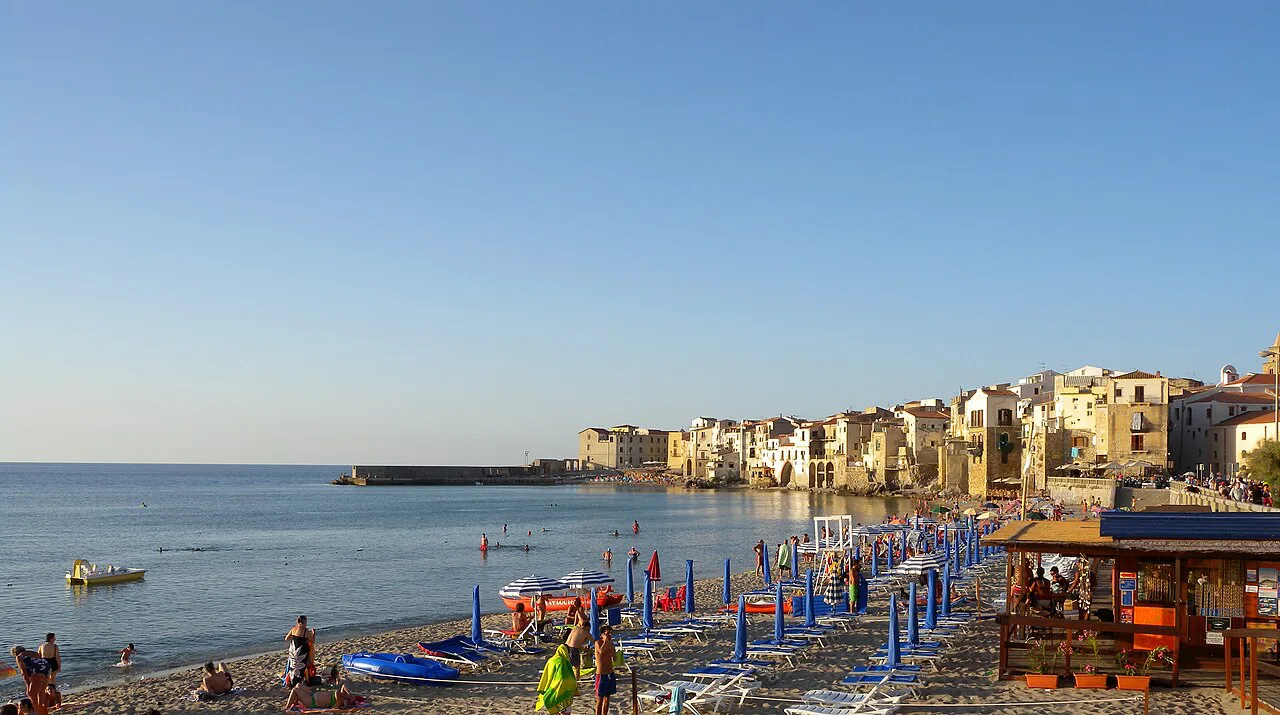
The two beaches are the same sweep of sand seen from different angles. Spiaggia del Porto Vecchio is the small beach in front of the old town, home to the blue and white striped umbrellas that appear on every Cefalù postcard, and it is the closest sand to the historic centre. Spiaggia di Cefalù is the longer stretch running away from the old town, where you get the full view back towards the waterfront and La Rocca.
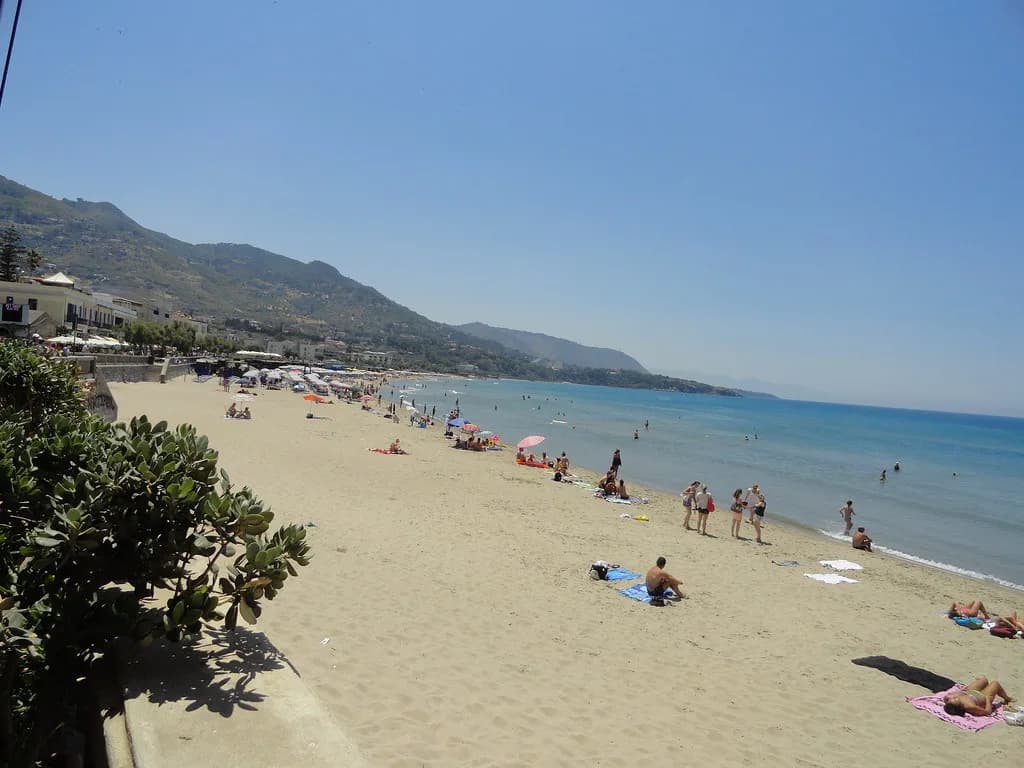
Pick the old-town end if you want to step off the sand into a bar or gelateria within a minute or two, and the longer beach if you would rather have space to lay a towel and a view back at the town. Both are sandy rather than the smooth rock slabs common elsewhere in Sicily, which makes them the easier choice for paddling children and anyone who dislikes negotiating stones barefoot.
Getting there
Cefalù is just over an hour by train from Palermo, which makes the beach viable as a day trip without a car, and the station sits about a 10-minute walk from the centre. Trains run along the Tyrrhenian coast, so you arrive on foot with your towel and skip the parking problem entirely.
Drivers should aim for the paid car parks at the edge of the historic centre rather than trying to creep into the old town, where only local vehicles are allowed through the barrier. A workable routine is to drop passengers and luggage at the barrier, park, then walk back in; most apartments in the centre are then around ten minutes on foot. If you are driving in from Palermo airport, allow up to two hours in heavy traffic for the 98-kilometre run.
The sand and the water
The beach is a crescent of golden sand that meets the water gradually, backed by the town and dominated by the rock of La Rocca at one end. Sicily's north coast often serves up pebbles and rock platforms, so the sand here is the draw; the trade-off is that it is a town beach and fills quickly once the summer crowds arrive.
Swimming continues comfortably into late October in some years, and the water is generally described as calm and largely wave-free through the warm months, though that is a seasonal pattern rather than a promise. Bathers should still read the conditions on the day and follow whatever flags or local advice are in place.
Lidos and beach clubs
The usual unit at a Cefalù lido is two sun loungers and an umbrella for the day, sold at a fixed rate that climbs with the season. Expect to pay up to about €35 per day in high season for that set-up, with lower rates earlier and later in the year; individual clubs set their own prices, so ask at the desk before you commit. If you want to compare how these lidos and sunbed rates work elsewhere in Italy, see our guide to Sorrento beach clubs.
A lido day buys you shade, a base and a short walk to the water rather than a private beach; the sand in front of the clubs is the same sand everyone else uses. Arrive in the morning if you want a good pick of sunbeds and umbrella positions, particularly at the old-town end where front-row spots go first.
In the peak weeks, booking ahead is the sensible move for groups and for weekends, when the good restaurants and the better-positioned loungers fill at the same time. Call the club directly or ask your accommodation to reserve, and check the day rate when you book, since the high-season figure may not apply outside July and August.
Le Calette Reef Club on the Presidiana side
Le Calette Reef Club sits on the Presidiana side of town, away from the old-town crescent, and publishes a full-day rate of €80 for access to the reef between 9am and 6pm. That is a considerably bigger outlay than a standard two-lounger set-up, so treat it as a deliberate splurge day rather than the default choice. The club's own channels are the place to confirm what the rate includes and whether booking is required.
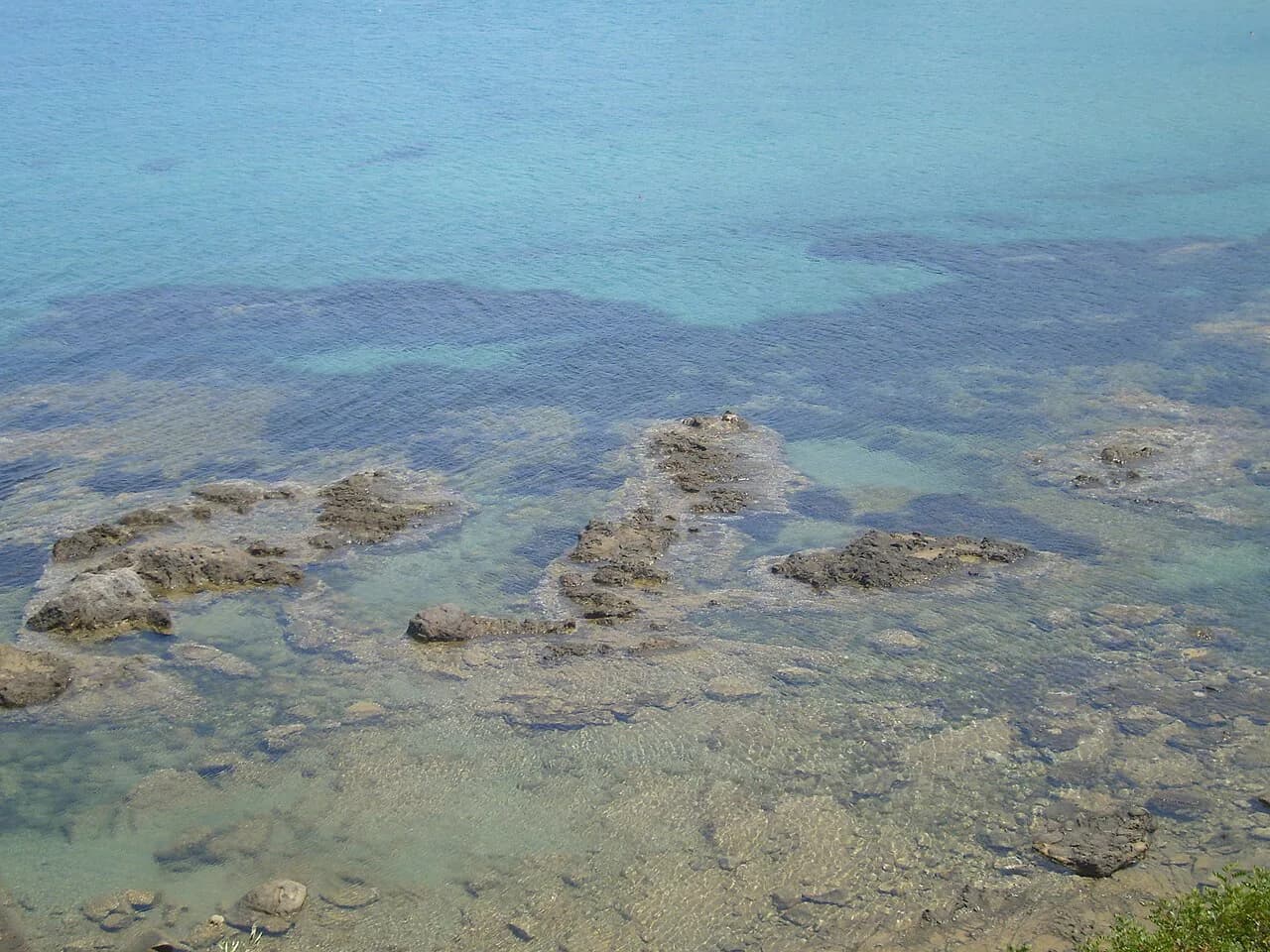
The appeal is the setting: a rocky reef rather than the sandy town beach, which suits snorkellers and swimmers who prefer deep, clear water over stones. Bring sea shoes if you plan to clamber in and out, and check sea conditions before committing to a full day on an exposed reef.
Free beach versus paying
A decent stretch of free beach runs alongside the lidos, and it is where local families and younger swimmers set up. Space is at a premium in July and August, so if you are more than two people or you want room for a windbreak and a cool box, get there early in the morning.
The calculation is simple: pay for shade and a guaranteed spot, or arrive early and carry your own umbrella. If you are staying in the old town for a week, a mix works well, paying for a lido on the busiest weekend day and using the free sand on quieter mornings.
Kalura cove: the pebbly alternative
On the far side of La Rocca, about a five-minute drive from the old town, Kalura beach is a small pebble cove reached by a steep stone staircase beside the Hotel Kalura. Sea shoes make a real difference here, and the climb back up is not one to attempt with heavy bags in the midday heat.
Two loungers and a parasol at the cove are quoted at €20, with parking at the hotel costing €10 a day. That combination of a small fee and a short walk from the car makes it a practical half-day option for couples and confident swimmers, though the stones and the staircase rule it out for pushchairs and anyone unsteady on their feet.
Swim spots without a lido
Bastione di Capo Marchiafava, on the rocky edge of the old town, has a viewing platform and access to a couple of natural swimming holes that stay remarkably quiet even in high season. Local bathers use them for a quick cool-off; bring shoes for the rock and go in via the marked access rather than scrambling down anywhere that looks convenient.
The old harbour is the other no-lido option: a concrete walkway and an outcrop opposite the small harbour beach, busy from late afternoon with fishermen and children using the platform as a diving board. It is atmospheric rather than restful, and a poor choice for young children given the hard edges and deep water.
Facilities
The lido strip brings bars and showers directly onto the beach, with private clubs and free areas alternating along the sand. Behind the beach, the old town supplies everything else: gelaterias within a few minutes of the sand, seafood restaurants on Via Carlo Ortolani di Bordonaro, and cafes on Piazza del Duomo.
Sicilian lunch hours are strict, and many kitchens close by around 2pm and reopen at 7.30pm, so plan a late breakfast or an early dinner rather than expecting an all-afternoon food stop. Carry water for the walk back up from the coves, where there is nothing once you leave the beach.
Best time to go
September is the sweet spot: warm sea, thinner crowds and a town that has not yet emptied. April, May and October are pleasant shoulder months but the weather can be mixed, while June to August brings the best beach conditions, the longest days and the highest prices.
Across Sicily the sea is warm enough for swimming from late May to early October, which matches Cefalù's own longer season into the autumn. If your priority is a sunbed with space around it, aim for the first half of June or the second half of September and set up before mid-morning.
Nearby beaches to combine
Mazzaforno, a few kilometres west of town, is a smaller, quieter stretch of pale sand with clear water, reached by a long staircase near the Sporting Club. It rewards people who want space and a bit of snorkelling over arranged lidos, and it works well as an afternoon change from the town beach.
Caletta Sant'Elia is a pebble beach at the end of a rocky inlet, backed by a tiny village and reached on foot, with a serenity that the main beach cannot match in August. Further afield, the coves near Scopello and the Zingaro reserve make a full day out if you have a car.
Plan Your Beach Day
Decide first whether you want the convenience of the town crescent or the quieter water at Kalura and Mazzaforno, then decide whether to pay for shade. A lido set-up gives you a fixed base and no early alarm; the free sand costs nothing but rewards an 8am start in high summer.
Bring sea shoes for the pebble coves, cash or a card for parking and loungers, and enough water for the climb back up. For a broader picture of the coast, use the Cefalù Beaches guide and the Caldura Beach, Cefalù page before you commit your days.
Frequently Asked Questions
How much does a beach club day cost in Cefalù?
A standard lido set-up of two loungers and an umbrella is typically sold by the day, and rates rise through the season to their highest in July and August. Published club prices vary by operator, so ask the individual club for its current day rate when you book, or check the official price list on its site.
Do you need to book sunbeds in Cefalù in summer?
In July and August, and at weekends, booking ahead is sensible, especially for groups or if you want a front-row position. Many clubs take reservations by phone or through your accommodation, and you should confirm the day rate at the same time.
Is there free beach in Cefalù?
Yes. A free stretch runs alongside the lidos on the main beach, and it is popular with local families. Space is tight in high season, so arrive in the morning if you are a group or want room to spread out.
Which Cefalù beach is best for families with small children?
The sandy town beach is the easier option: the sand meets the water gradually and there are bars, showers and gelaterias within a few minutes. Kalura is pebbly and reached by a steep staircase, which is hard work with a pushchair.
How do you get to Kalura beach from Cefalù old town?
Kalura is about a five-minute drive around La Rocca, with parking at the Hotel Kalura charged by the day. From the car you descend a steep stone staircase to the cove, so travel light and wear shoes with grip. Ask the hotel desk for the current parking and sunbed rates before you go.
When is the sea warm enough to swim in Cefalù?
Swimming is comfortable from late May, and in some years bathers stay in until late October or even early November. September combines warm water with smaller crowds, while July and August are the busiest and most expensive weeks.
Sources
Beach notes for your next trip
Optional updates when we add or revise beach guides.
You might also like
Continue reading
More guides you'll find useful