Tuscany Beaches: 10 Best Stretches of the Tuscan Coast
Pick the right Tuscan beach: sandy family bays at Viareggio and Lacona, singing sand at Cala Violina, wild Maremma dunes and boat-only coves on Giannutri.
On this page
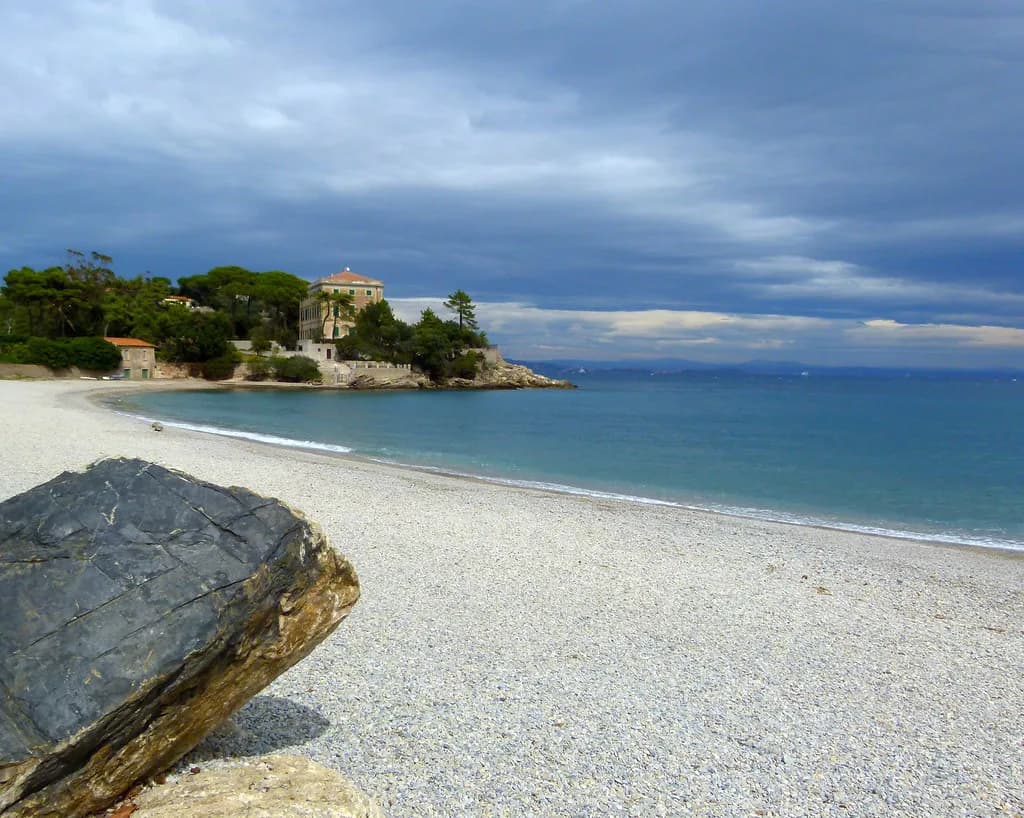
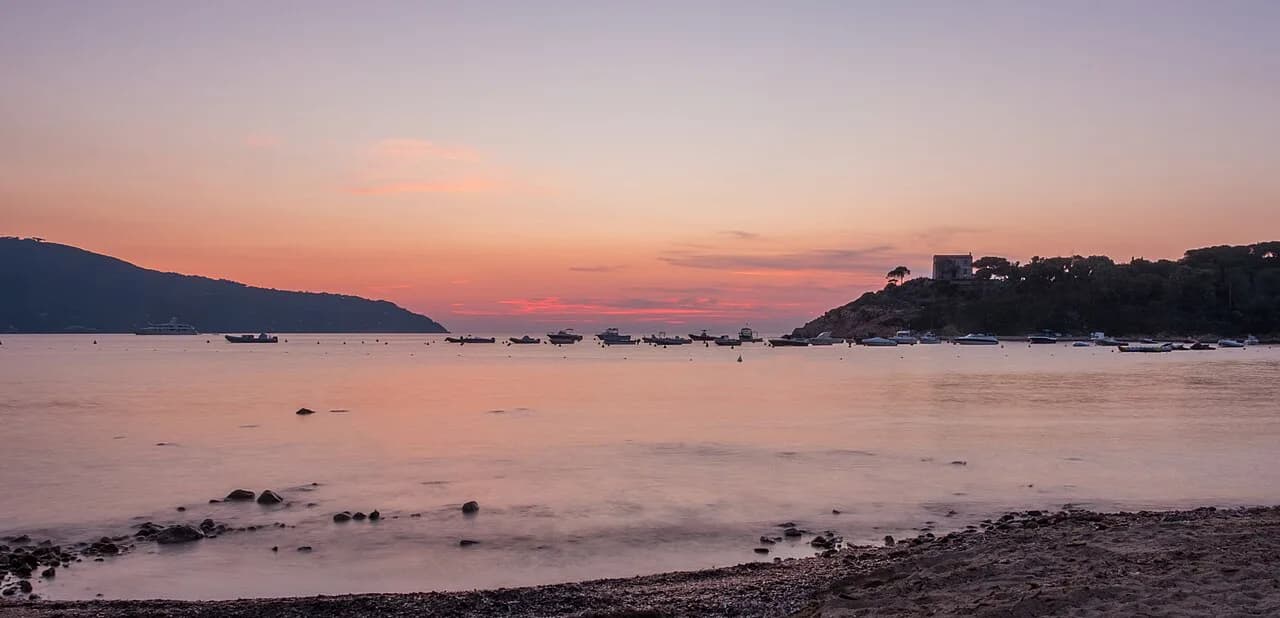
Tuscany packs an unusual range of beaches into roughly 400 kilometres of coast, from the elegant sands of Versilia in the north to the wilder Maremma in the south. The northern resorts come with promenades, beach clubs and easy access, while the south trades polish for pine forest, dunes and coves reached on foot. Deciding which stretch suits your day is the single most useful planning decision you can make.
North to south: how the Tuscan coast changes
The Versilia coast around Forte dei Marmi and Viareggio is the accessible, built-up end, with wide sand, promenades and organised beach clubs. Heading south, the Maremma around Orbetello, Porto Ercole and Talamone is quieter and more protected, with nature reserves, long dune beaches and walking trails behind the sand. That split matters: if you want facilities and short transfers, base yourself in the north; if you want space and pine shade, the south rewards the extra drive.
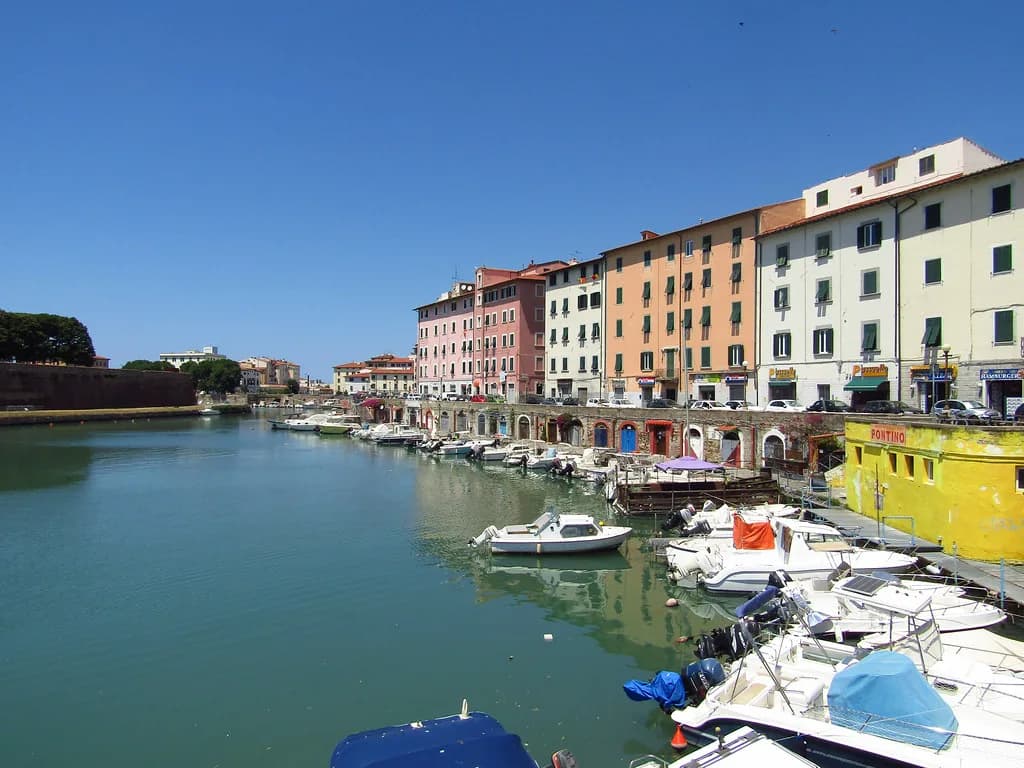
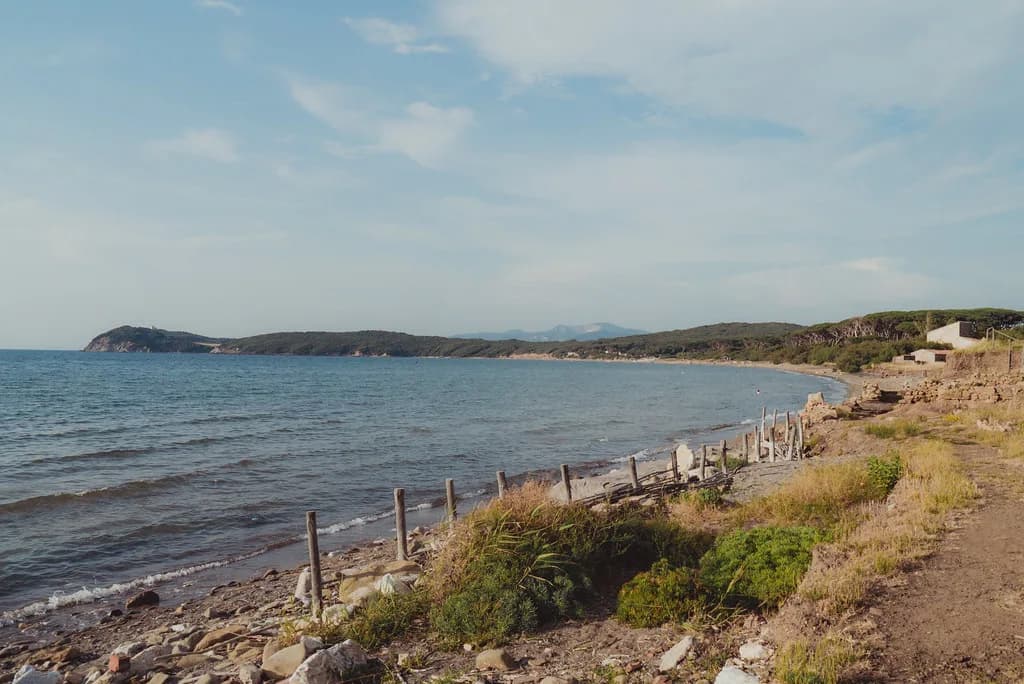
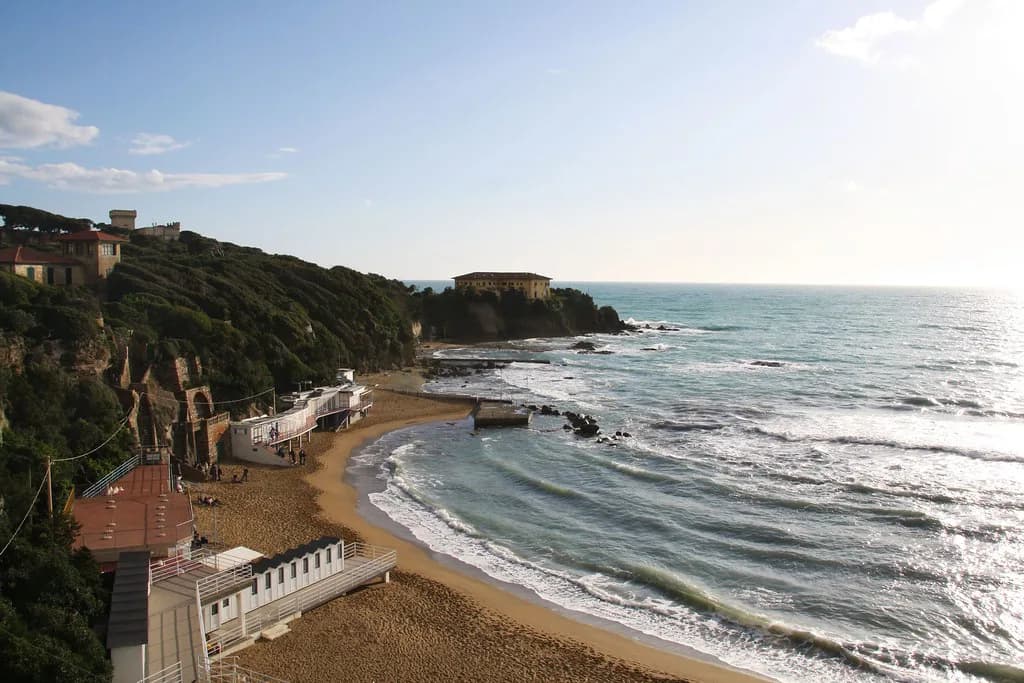
South of Livorno, the coast between Castiglioncello and the Gulf of Baratti offers a middle option, with coves and pine-backed bays that sit between the two extremes. Days here work well as a break in a drive south, or as a base if you want quieter water without committing to remote Maremma.
Forte dei Marmi
Forte dei Marmi is the polished face of Versilia: very fine sand, transparent water and a string of chic beach clubs, with tree-lined avenues made for cycling and the pier for an evening drink. It suits couples and families who want a classic resort day where everything is close at hand. It is the least wild beach on this list, and that is the point.
The town's Wednesday market draws locals and visitors looking for clothing, leather and household goods, and makes a useful wet-weather or afternoon-change plan. Come early in the day for the widest choice, and treat the beach as the second half of the outing.
Viareggio
Viareggio is a long, expansive stretch of sand that combines a proper seaside resort with the energy of a working town. The water stays shallow a good way out, which is why the beach is repeatedly recommended for families with young children, and the pine forest behind the promenade gives shade when the midday sun is at its strongest.
The seafront architecture is the other draw: the Art Nouveau facades along the promenade give the evening passeggiata a period backdrop. Arrive late afternoon to walk the promenade, then eat near the beach rather than driving back inland.
Feniglia, Porto Ercole
Feniglia is a golden sand spit that links Monte Argentario to the mainland, with open sea on one side and a lagoon on the other. Cars stay out, so the visit is about walking and swimming in a nature reserve rather than loading up at a lido. It suits quiet-seekers, walkers and anyone who wants a long beach day without traffic noise.
The pine forest behind the sand provides natural shade, and the reserve setting keeps the atmosphere calm even in high season. Bring water and food, plan the walk back before the heat peaks, and combine the beach with Porto Ercole and Orbetello, which make convenient bases for the southern coast.
Cala Violina
Cala Violina is the most photographed beach in Maremma, and the approach is part of the visit: a woodland path through fragrant forest leads to a white-sand bay ringed by a natural amphitheatre of hills. The sand is said to squeak underfoot, and the water shifts colour with the light through the day. It suits walkers and photographers more than anyone seeking a doorstep lido.
Treat the walk as part of the day and pack light: sturdy shoes, water and shade for the trail, and a mat rather than a heavy chair. The bay is small, so it fills quickly in peak season, and arriving earlier in the morning gives you the better chance of space.
Talamone
Talamone puts a beach directly beneath a medieval village and its fortress, so you can swim with a view of the promontory and walk up for lunch afterwards. The clear water and rich seabeds make it a good pick for snorkelling over rocks and weed, and the position gives front-row seats for the sunset over the Tyrrhenian.
It works well for mixed groups: swimmers get clear water, non-swimmers get a village to explore, and families get a shorter carry from the car than at the reserve beaches. The trade-off is popularity, so plan an early start or a late-afternoon swim.
Giannella
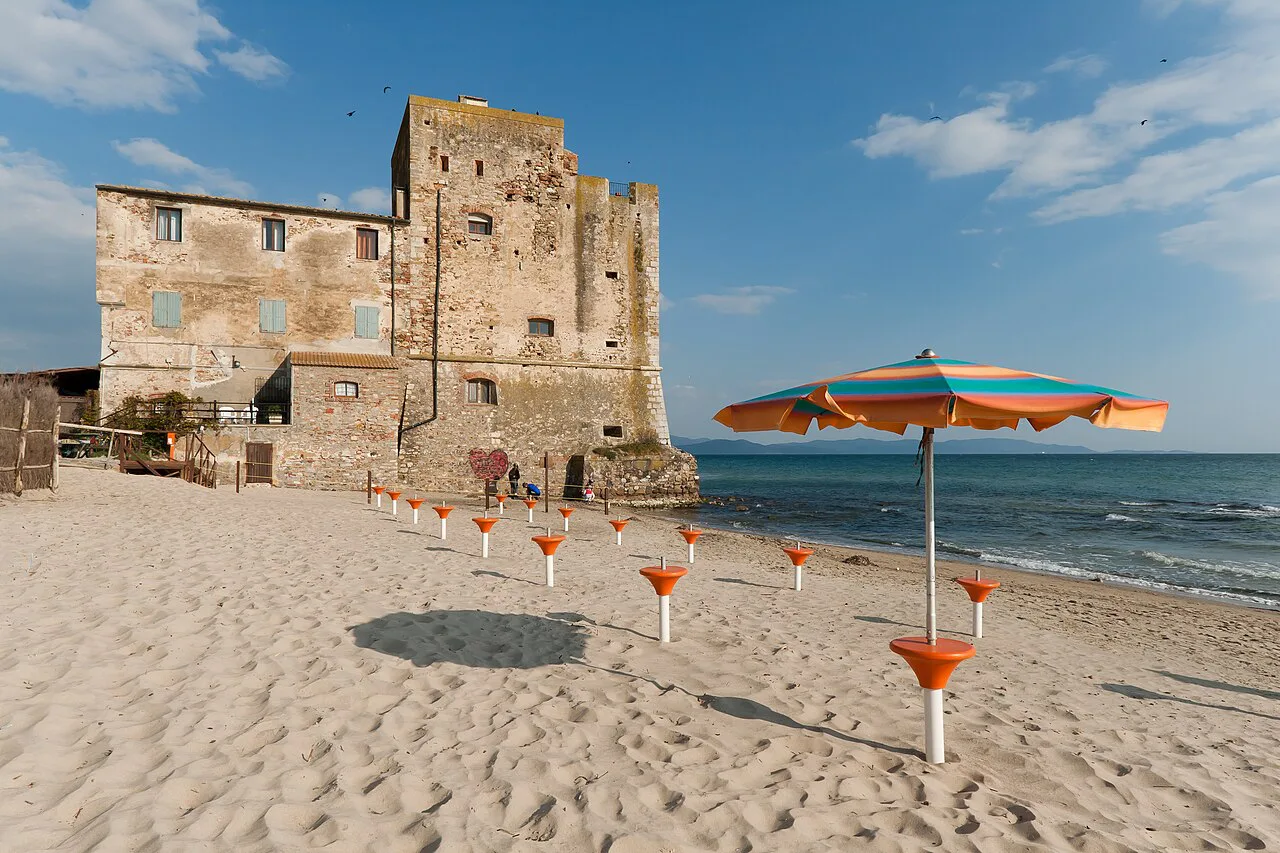
Giannella runs for kilometres along the northern side of Argentario with fine sand and calm water, and it splits between equipped stretches and wilder corners. Its sheltered position makes it the beach to choose when the wind picks up elsewhere on the coast.
Because you can choose your section, it suits both families who want a lido and walkers who want space. Bring shade if you head for the wilder end, and keep an eye on the flags wherever you swim.
Lacona, Elba
Lacona is one of the few genuinely wide sandy beaches on Elba, a bright bay where the water shifts from emerald to deep blue. Dunes and a pine forest give shade and quiet even in the hot hours, and the shallow sandy seabed makes it the obvious family pick on the island. Compare it with the pebble and rock coves covered in the wider Elba beaches guide before you commit to a base.
The bay is long enough to absorb a busy August day, but it is still the most popular sandy option on the island, so arriving before mid-morning makes a difference to parking and space. Pair it with a day exploring the rest of Elba's coves, which are mostly pebble or rock rather than sand.
Cala del Gesso, Elba
Cala del Gesso sits on the eastern side of Elba, a small cove framed by granite where the water reflects the rock's colours as the light changes. It suits snorkellers and anyone who wants a quiet swim away from the island's main sandy bay.
The trade-off is comfort: this is a cove for a short visit with minimal kit, not an all-day lido. Combine it with a morning at Lacona and an afternoon exploring the east coast.
Cannelle, Giglio
Cannelle is the classic beach on Giglio: fine sand, transparent water and seabeds that reward snorkelling, with granite rocks framing the bay. Those rocks act as natural diving boards, which makes it a favourite with confident swimmers and older children.
It is easy to reach yet keeps an intimate feel, so it works for travellers who want island atmosphere without a long hike. Ferries from the mainland run to Giglio, and the crossing is part of the day out.
Cala Martina, Giannutri
Cala Martina on Giannutri is a small inlet of emerald water surrounded by limestone rocks that form natural pools. It is accessible only by sea, which keeps it quiet and gives it an almost private feel.
Plan the day around the boat: check the crossing and return times with the boat company before you set out, and take everything you need, since this is not a beach with a row of bars behind it. It suits strong swimmers and travellers who value solitude over convenience.
How to choose by trip type
For small children, Viareggio and Lacona offer the gentlest entry, with shallow water and shade close at hand. For snorkellers, Talamone, Cannelle and Cala del Gesso give rocks and seabeds worth exploring, while Cala Martina adds the boat-trip appeal.
Quiet-seekers should head south: Feniglia, Cala Violina and Giannella all trade facilities for space and natural setting. If you are based further north and want a shorter trip, the coves around Livorno and the coast south of the city make a practical alternative to a full day in Maremma. The same north-versus-south trade-off shapes the beaches in Ancona, where the Conero coves sit within a short drive of the city.
Best time to go
The Tuscan sea warms through late spring and stays comfortable into early autumn, with July and August the busiest and hottest stretch. June and September give warm water with noticeably more room on the sand, which matters most at small bays such as Cala Violina.
In high summer, plan beach days around an early swim and a shaded lunch, and use the middle of the day for villages, markets or the pine forest walks. On Elba and Giglio, book ferry crossings ahead for August.
Nearby beaches to combine
From Porto Ercole and Orbetello, Feniglia, Giannella and Talamone sit within easy reach of one another, so you can pair a reserve walk with an afternoon swim beneath the fortress. Ansedonia and Talamone make good bases for the southern stretch, with the Uccellina park adding a walking day to the itinerary.
On Elba, Lacona and Cala del Gesso combine naturally into one day if you have a car or use the island buses. For a northern base, Forte dei Marmi and Viareggio are close enough to visit on consecutive days, with the Versilia pine forest between them.
Facilities and lidos
Equipped stretches with lidos and beach clubs dominate Versilia and parts of Giannella, where you can rent sunbeds and eat at the beach. The Maremma reserves, by contrast, are largely about walking in and carrying what you need. Choose your beach by which of those two days you actually want.
Check sunbed and lido prices directly with the individual lido before booking, since they vary by season and by establishment. For families, the equipped stretches usually mean toilets and showers close to the sand, but arriving early still gives the better choice of position.
Plan Your Tuscan Beach Day
Build your Tuscan beach days around a base rather than a list: Versilia for facilities and short transfers, Porto Ercole, Orbetello or Talamone for the wilder south, and Elba for the island's rare sandy bay. Match the beach to the day you want, whether that is shallow water for paddling or granite rocks for snorkelling.
Pack for the walk at Cala Violina and Feniglia, book boats for Giannutri with time to spare, and start early in July and August. Confirm current ferry times and lido prices with the ferry companies or the local tourist office before you travel.
Frequently Asked Questions
What are the nicest beaches in Tuscany?
Cala Violina and Feniglia in Maremma are the standout natural beaches, while Viareggio and Forte dei Marmi offer classic resort days with beach clubs. On the islands, Lacona on Elba is the wide sandy bay, and Cannelle on Giglio combines fine sand with granite rocks.
Which Tuscan beaches are best for families with young children?
Viareggio has shallow water and a long promenade, and Lacona on Elba has a shallow sandy seabed with pine shade behind it. Both work for a full day with children, and Giannella offers a mix of equipped stretches and quieter corners.
Is Cala Violina worth the walk?
The woodland approach is part of the appeal: the path through fragrant forest leads to a white-sand bay in a natural amphitheatre. Pack light, wear sturdy shoes and arrive early in high season, when the small bay fills quickly.
Where can you find sandy beaches on Elba?
Lacona is the island's rare wide sandy beach, with dunes and a pine forest behind it. Most other Elba coves such as Cala del Gesso are rocky or pebbly, so plan around Lacona if sand matters to your group.
Which Tuscan beaches are quietest in summer?
Feniglia, Cala Violina and Giannella in southern Maremma are the calmest choices, with reserve settings and no through traffic at Feniglia. Going in June or September gives you warm water with far more space than August.
Do you need a boat to reach Cala Martina on Giannutri?
Yes, Cala Martina is accessible only by sea. Book the crossing with a boat operator and check return times before you set out, and take food and water with you for the day.
Sources
Beach notes for your next trip
Optional updates when we add or revise beach guides.
You might also like
Continue reading
More guides you'll find useful