Vada Beach, Tuscany: White Sand, Access and Nearby Beaches
Plan a day at Vada beach on Tuscany's Etruscan Coast, with white sand, clear water, how to arrive by train, when it gets busy and beaches to pair with it.
On this page
Vada beach is the rare Tuscan stretch where you can step off a train and be on pale, near-white sand within minutes, which makes it a strong choice for travellers touring without a car. It suits families who want a long shallow-looking shoreline, swimmers who prefer sand to rock, and anyone based in Livorno or Rosignano Marittimo looking for an easy day out.
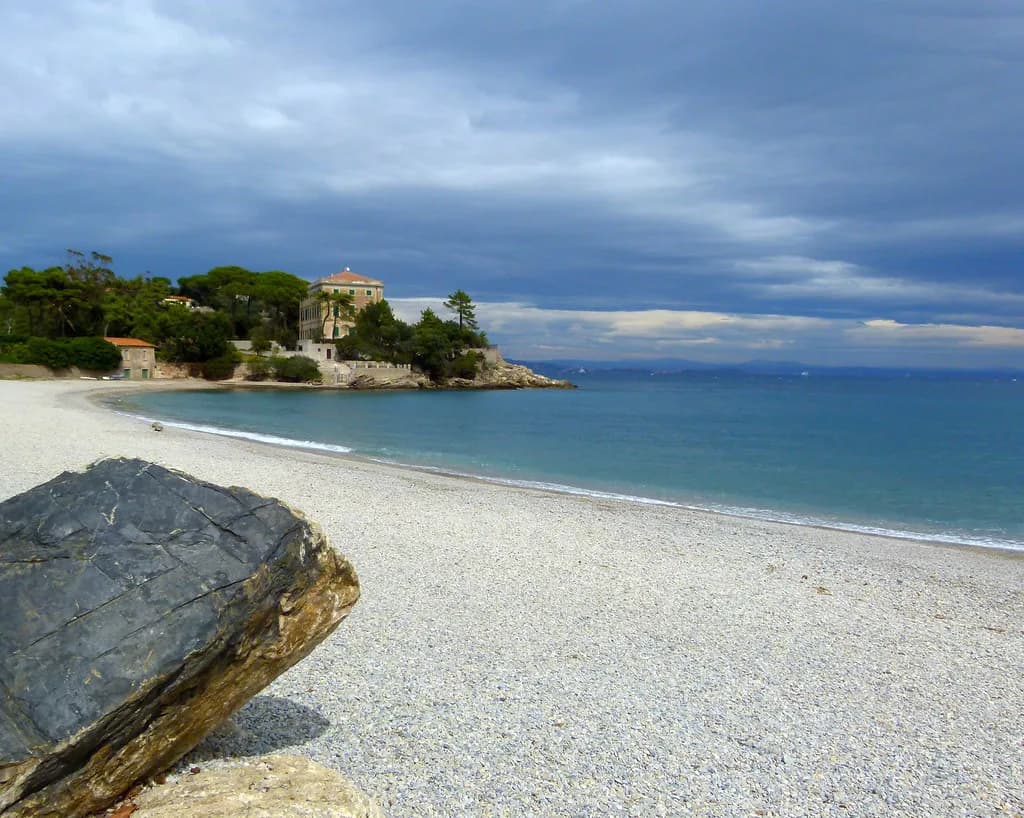
The appeal is straightforward: several kilometres of light sand, clear water and a seafront that stays walkable rather than resort-styled. It is a sand beach on a coast where much of the shoreline a few kilometres north is reef and pebble, so the contrast is part of the reason to come.
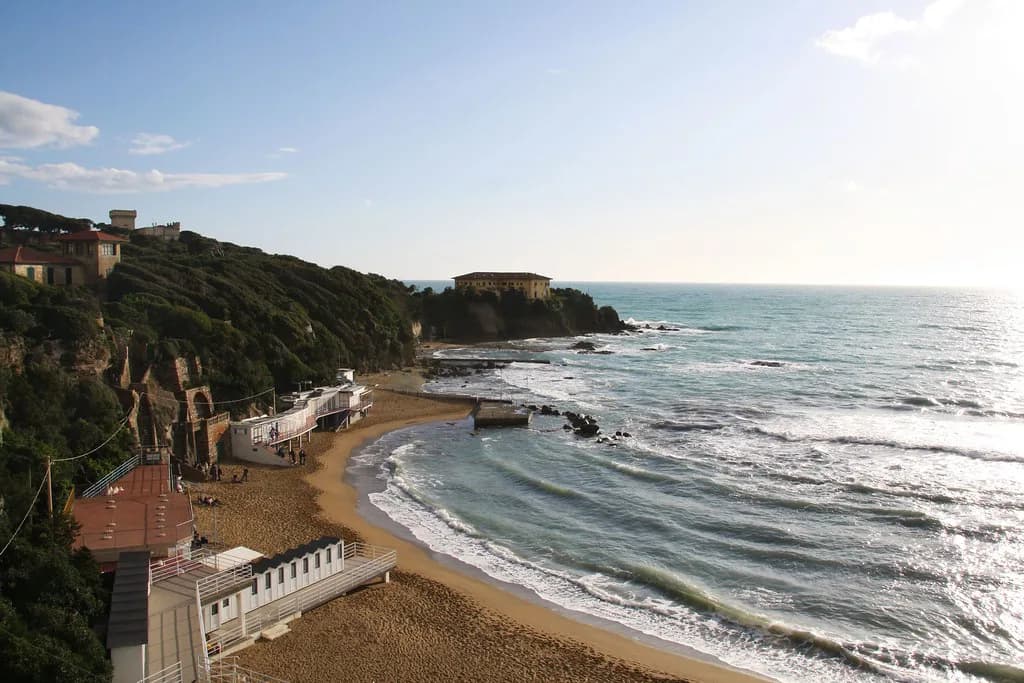
Vada beach on the Etruscan Coast
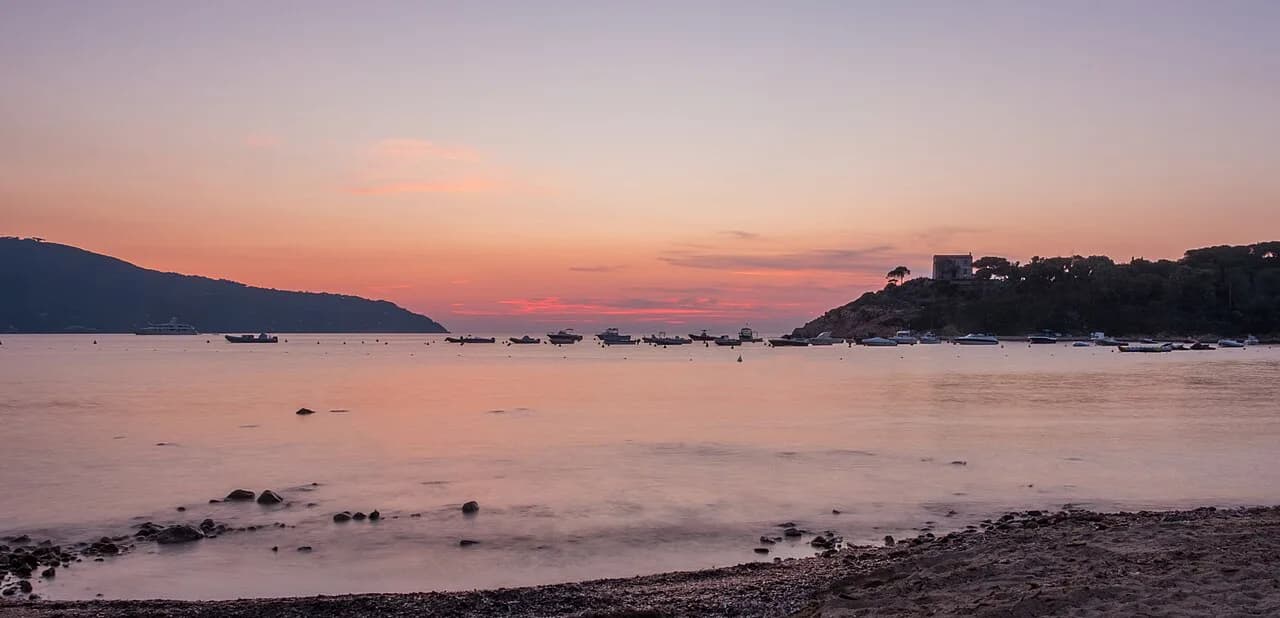
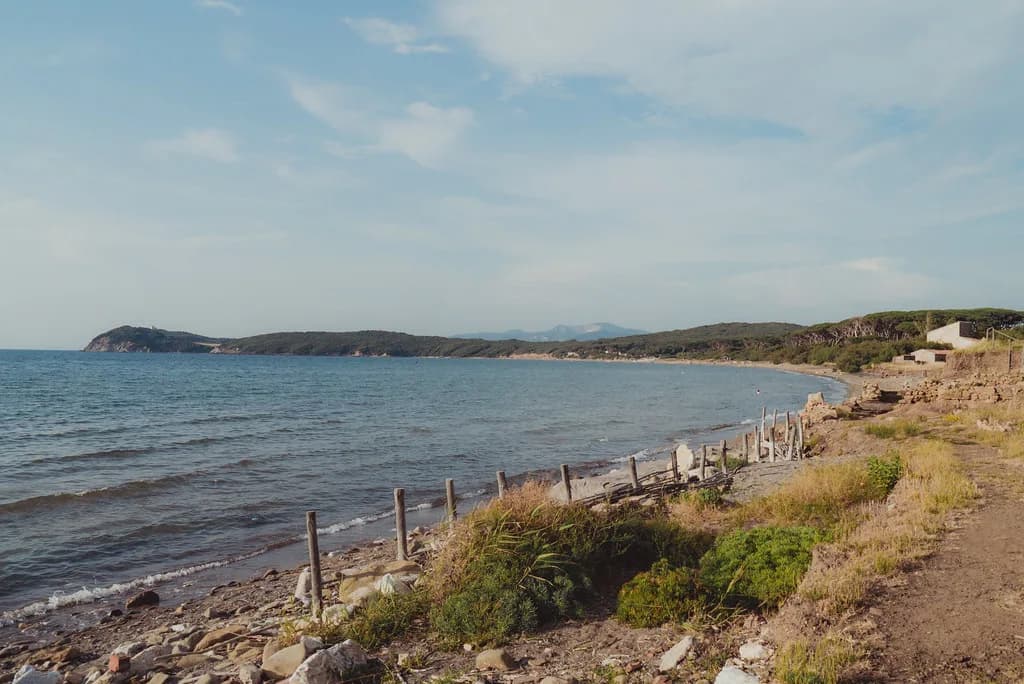
Vada sits in the comune of Rosignano Marittimo, on the Etruscan Coast south of Livorno and north of Cecina. The beach runs for roughly four kilometres of white sand, with clear water along its length, which is why it draws both locals and visitors through the summer.
The wider stretch around the town is described as five kilometres of sandy beach with clear sea, so you can walk well beyond the busiest central access points without leaving the sand. Treat the town as your landmark and the shoreline as the destination.
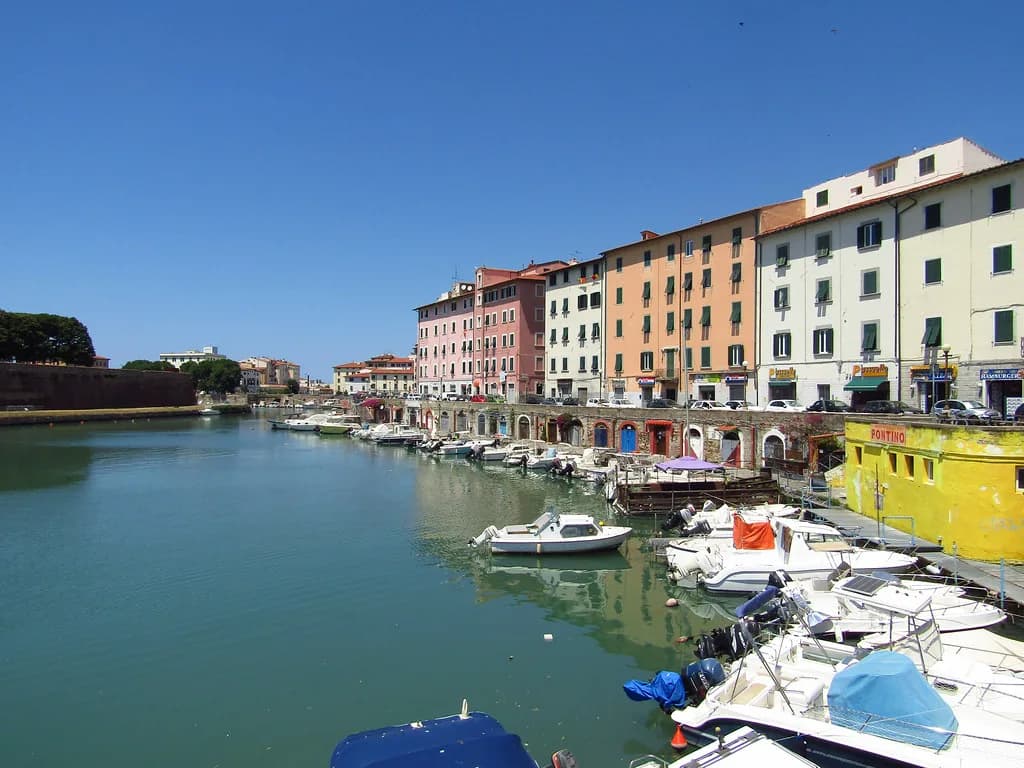
For orientation, Vada is one of the Livorno coast's most accessible beach towns, and it works well as a half-day stop between Livorno and the Cecina valley. If you are building a longer coastal itinerary, the wider collection of Livorno beaches gives you the full picture of what sits north and south of here. If you are weighing up other stops on the same kind of trip, the beaches in Alghero offer a useful comparison for a similar sand-and-town setup.
Getting there by train, bus and car
The train is the practical differentiator. Vada, Castiglioncello and Cecina are among the easiest Tuscan beach towns to reach by public transport, because the towns and their stations sit on or close to the Pisa–Grosseto line. That makes a car-free beach day realistic rather than a compromise.
If you arrive by rail, plan around the station-to-beach walk rather than a shuttle, and travel light: a folding shade, towels and water are easier on foot than a full car load. Local bus services along this stretch vary by season, so the regional operator's own timetable is the place to match a connection.
By car, the Aurelia runs behind the coast and gives straightforward access to Vada from Livorno or Cecina. Parking closest to the central seafront fills first in July and August, so arriving before mid-morning, or parking a few streets back and walking in, is the sensible trade-off.
The sand and the water
Vada's sand is fine and pale, running into clear water, which makes it a comfortable beach for walking barefoot and for children building at the waterline. It stands out on a coast where pebble and reef beaches are common, including at Castiglioncello just to the north.
The Tyrrhenian shelf along the Tuscan coast is short, so the water generally deepens closer to shore than on the Adriatic side. On a sand beach like Vada that means paddling space for small children is there, but it is measured in a few metres rather than tens of metres, so keep within arm's reach of non-swimmers.
For snorkelling, the rock and reef stretches north of here give you far more to look at than flat sand, so a mask is better saved for an afternoon at Quercetano Bay or the Castiglioncello shoreline. On the sand itself, bring water shoes if you plan to explore the shallows at either end of the day.
Shelter and wind
This stretch of coast faces west into the Tyrrhenian, so onshore breezes build through the afternoon and the sea is usually at its calmest in the morning. If you want flat water for young children, swim before lunch and keep the afternoon for sandcastles and shade.
Wind direction shapes the day more than anything else on the Etruscan Coast, and a long open beach like Vada offers little natural shelter once a breeze sets in. A windbreak or a low umbrella anchored properly is worth carrying, and the bars and seafront buildings behind the sand give a retreat when the wind picks up.
South of Rosignano the beaches turn to small pebbles or coarse sand and the water tends to be calmer, so if the wind is bothering you at Vada, driving a little further south is a reasonable plan B. Further north, the bays around the Gulf of Baratti are similarly more enclosed on a breezy day.
Facilities and the seafront
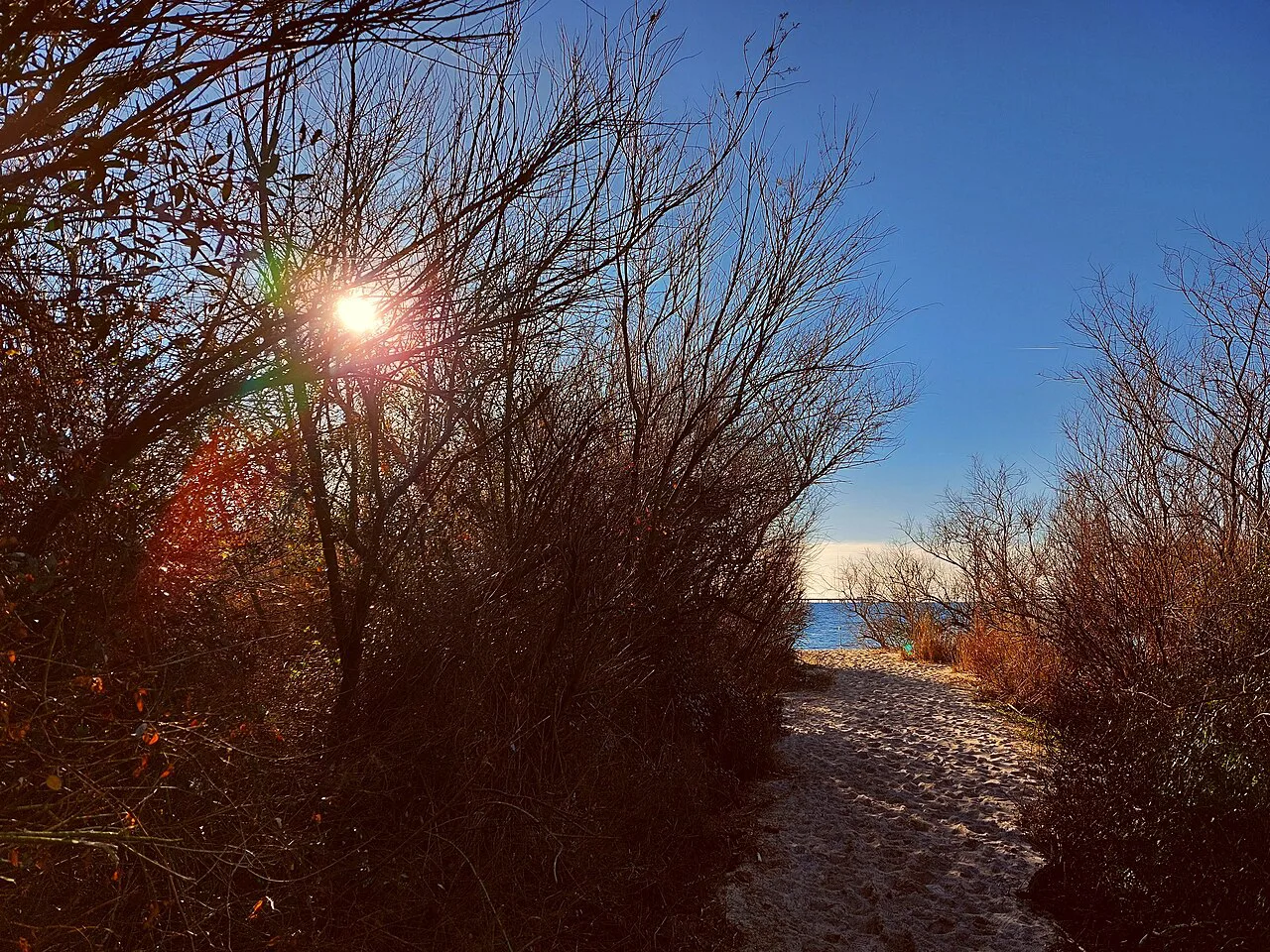
Vada's beach is a mix of organised stretches with umbrellas and sunbeds and free sand where you lay your own towel. The town behind the beach has bars, gelato shops and restaurants, so lunch and shade are a short walk from the water rather than a drive.
Several beach establishments operate along the Vada shoreline, so you can compare a serviced day against a free one depending on your group. Rental rates and opening dates vary between establishments and change seasonally, so ask at the bagno you like before you settle on a spot rather than assuming a price.
Because the town sits directly behind the sand, Vada is easy to combine with a normal seaside day: coffee, a swim, a walk along the front and lunch without repacking the car. That convenience is the main reason it works well for families and for anyone staying in Rosignano Marittimo.
How busy it gets
June and September are the sweet spot: warm enough for long beach days, with the seafront relaxed and parking easier. July and August bring the Italian holiday season, when the central access points and the organised stretches fill early and the free sand near the main entrances goes first.
In peak August, the trick is to walk. The beach is long enough that a ten-minute walk from the busiest entry point usually finds space, and the northern and southern ends are quieter than the middle. Arriving before mid-morning also gives you the pick of both parking and towel space.
Best time to go
The swim season runs from roughly June to September, with the sea at its most comfortable in July and August and still pleasant in early September. Late spring and early autumn give you warm sand and far fewer people, though you should expect cooler water and shorter beach days.
For a beach day, aim for a morning swim followed by lunch in town, which avoids the afternoon breeze and the hottest hours. If your trip is built around the Tuscan coast generally, the wider guide to Tuscany beaches covers how the season plays out from Versilia down to Monte Argentario.
Nearby beaches to combine
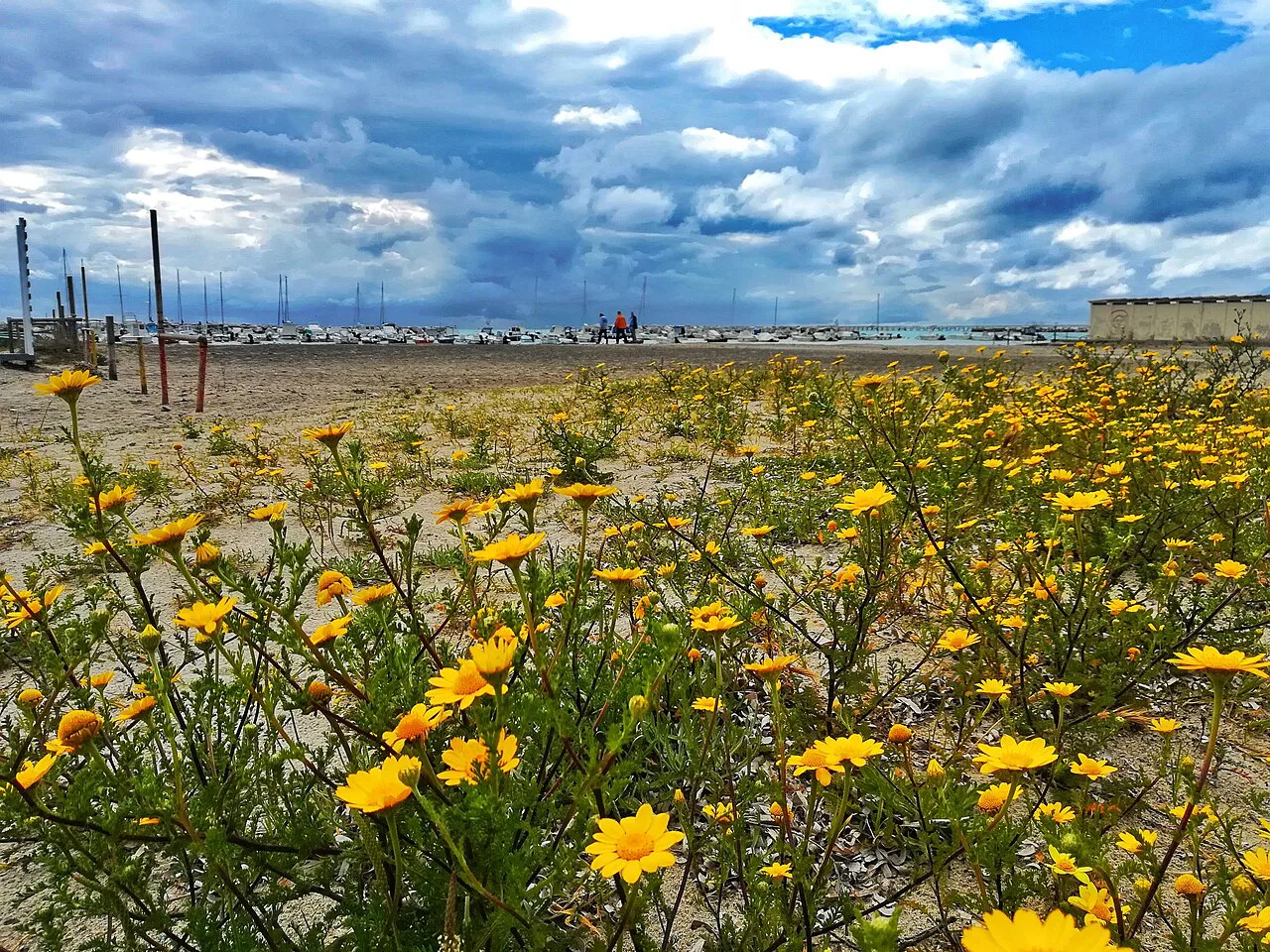
Castiglioncello, a few kilometres north, is the natural pairing: its waterfront is reef and pebble rather than sand, so it is ideal for an afternoon of snorkelling after a morning on Vada's sand. Bring water shoes, since you will be walking on rock rather than lying on sand.
Quercetano Bay, below Castiglioncello, gives you a sheltered cove for a second swim, and both are within easy reach of the same railway line. Used together, Vada and Castiglioncello cover both halves of the Etruscan Coast experience in a single day.
South of Vada, Cecina and Marina di Cecina offer longer, coarser beaches and a bigger town for supplies. Further north towards Pisa, Tirrenia beach and Marina di Pisa suit anyone extending the trip up the coast.
Practical kit for a sand-and-rock coast
Pack for two kinds of beach. Water shoes cover the rocky stretches at Castiglioncello, a refillable bottle and a sun hat handle the open sand at Vada, and a windbreak earns its place on an afternoon when the onshore breeze arrives.
Bring shade if you plan to sit on the free sand rather than rent an umbrella, and carry small change for parking and beach bars. A light towel and a dry bag make the train option workable, since you will be walking from the station to the sand.
Plan Your Visit
Vada beach is the Etruscan Coast's easy sand day: pale sand, clear water, a town behind you and a railway station within walking distance. Base yourself in Livorno or Rosignano Marittimo, swim in the morning, and use the afternoon for the rocks at Castiglioncello.
Check the establishment you plan to use for sunbed rates and opening dates, and the regional rail operator for the current Pisa–Grosseto timetable before you travel. With those two details settled, the rest of the day looks after itself.
Frequently Asked Questions
Is Vada beach sandy or pebbly?
Vada is a sand beach, with pale, fine sand running for several kilometres along the Etruscan Coast south of Livorno. It contrasts with the reef and pebble shoreline at Castiglioncello a few kilometres north, which is better suited to snorkelling than to lying flat on a towel.
How do you get to Vada beach without a car?
Vada sits on or close to the Pisa–Grosseto railway line, so train travel is a realistic option for a beach day, with the station a short walk from the seafront. Local bus connections along the coast vary by season, so match your onward leg to the regional operator's current timetable.
When is the best time to visit Vada beach?
June and September give warm beach weather with a quieter seafront and easier parking, while July and August bring the Italian holiday crowds. The sea is at its most comfortable in mid-summer, and early September still works well for swimming.
Which beaches are near Vada beach?
Castiglioncello and Quercetano Bay lie a few kilometres north and offer rock and pebble swimming, while Cecina and Marina di Cecina stretch south with longer beaches. Tirrenia beach and Marina di Pisa sit further north if you are extending the trip towards Pisa.
Is Vada beach good for families with young children?
The sand and clear water suit families, but the Tyrrhenian shelf along the Tuscan coast is short, so the water deepens closer to shore than on the Adriatic side. Keep non-swimmers within arm's reach, and plan your swim for the morning when the sea is typically calmer.
Sources
Beach notes for your next trip
Optional updates when we add or revise beach guides.
You might also like
Continue reading
More guides you'll find useful