Playa de San Juan, Alicante: Beach Guide for UK Travellers
Plan a day on Playa de San Juan in Alicante: how the tram and car parks work, the golden sand, summer facilities, beach bars and the quieter El Campello end.
On this page
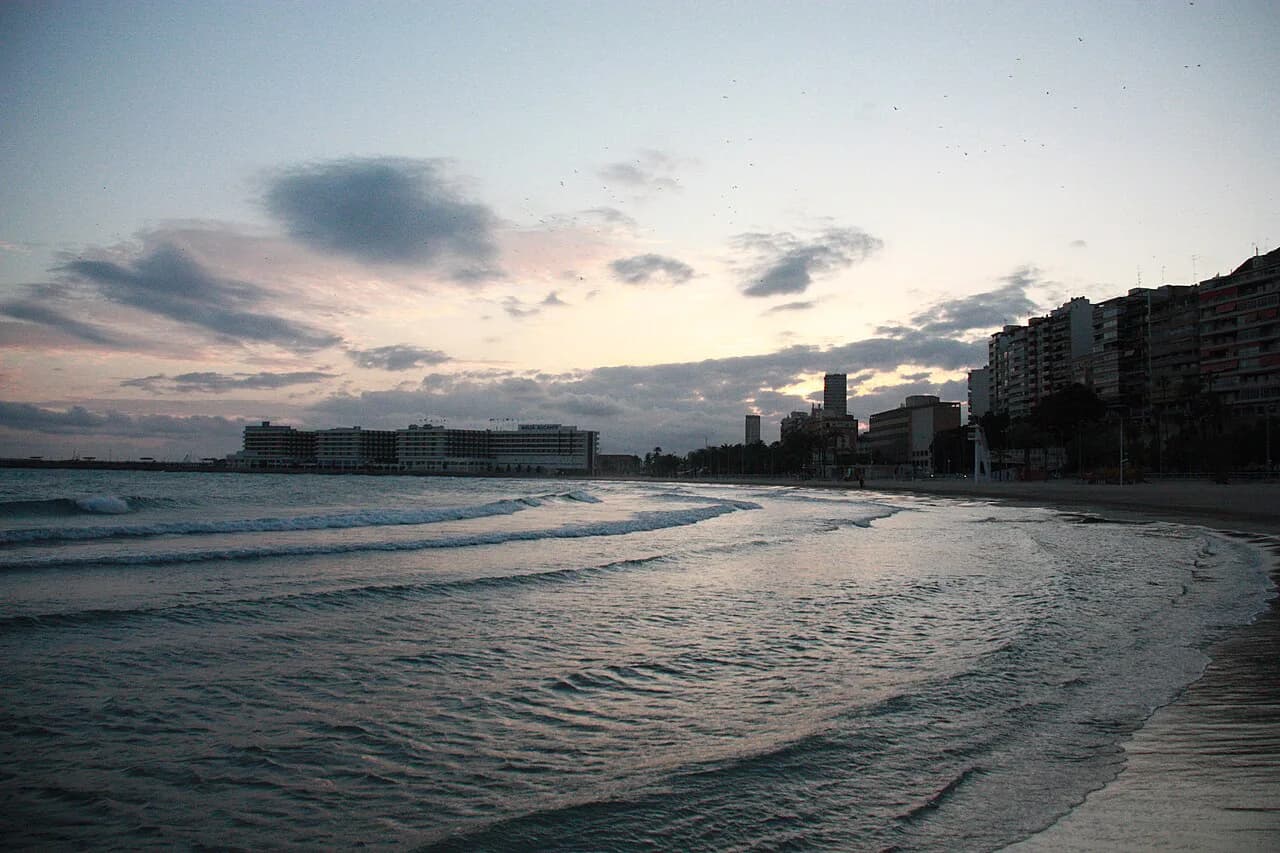
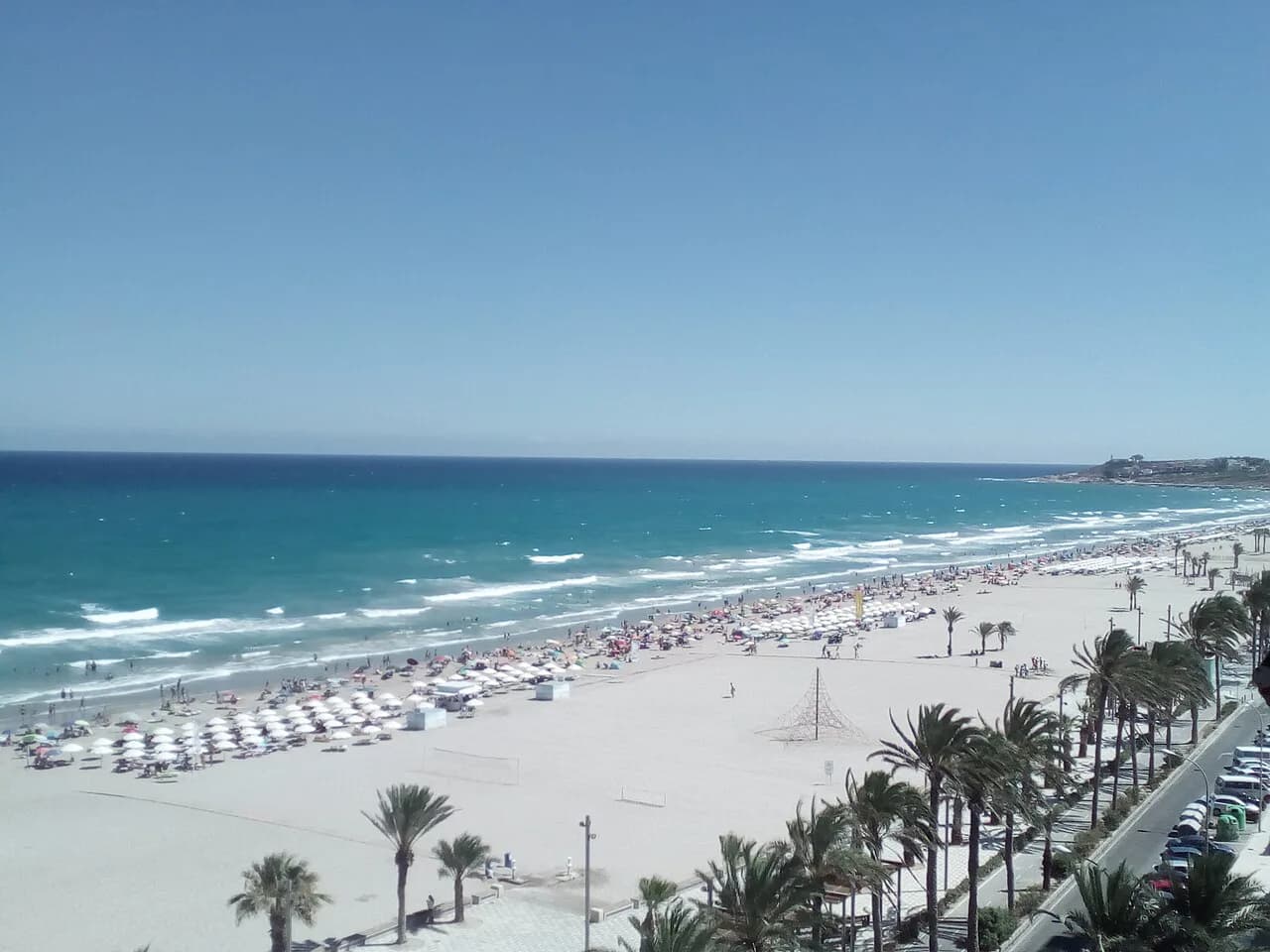
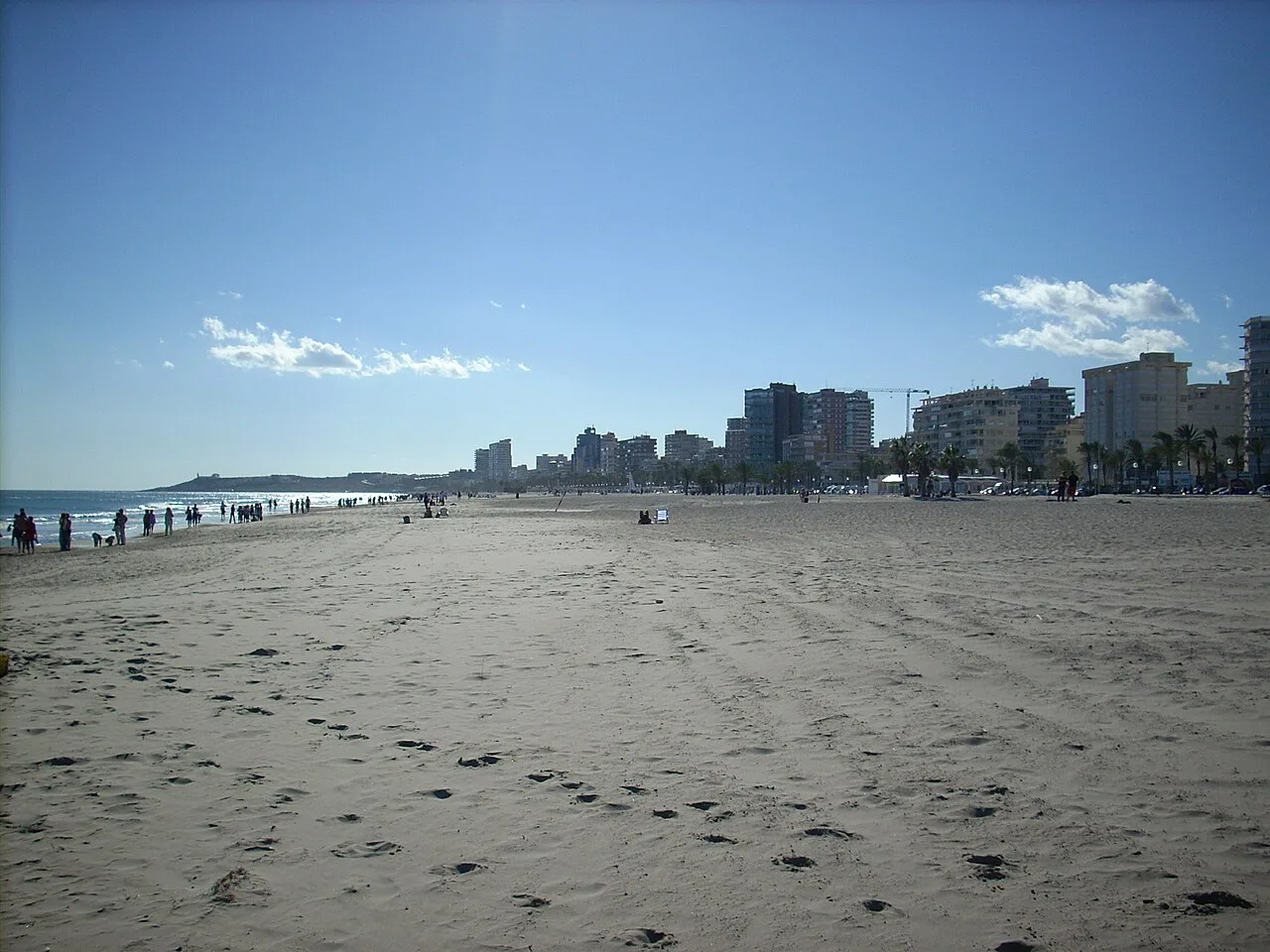
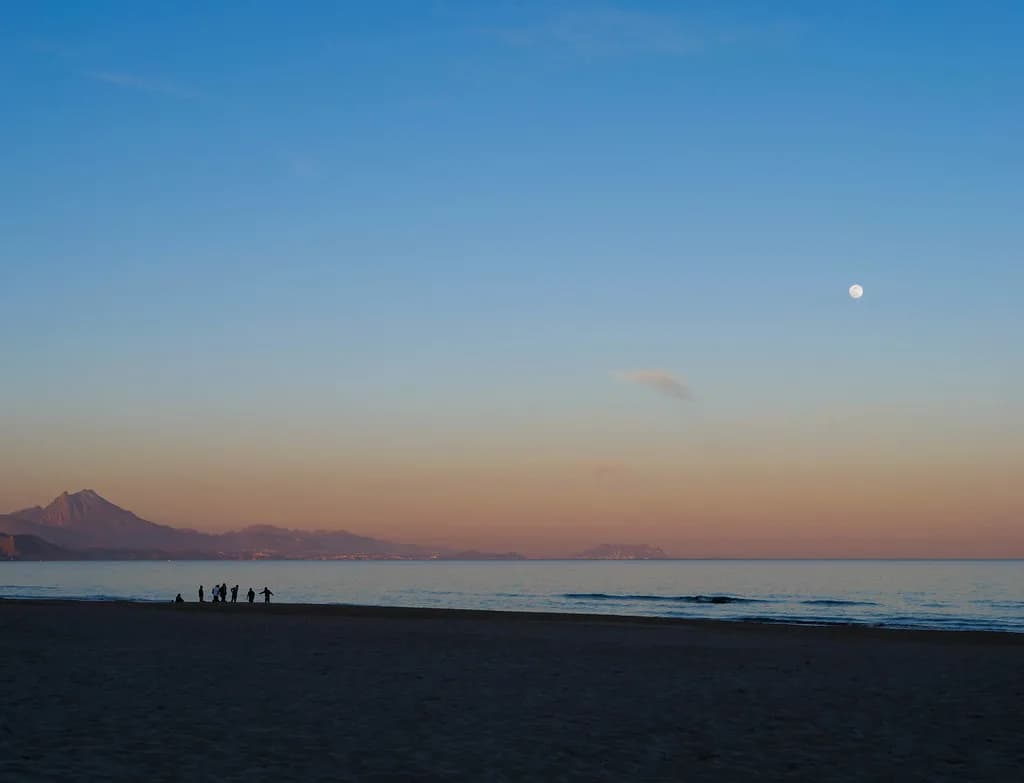
Playa de San Juan is the long, open sweep of golden sand that Alicante residents treat as their second home, and its scale is the appeal: six unbroken kilometres facing the Mediterranean, backed by a promenade of restaurants and beach bars. It suits travellers who want a proper beach day rather than a small cove, whether that means volleyball and pedalos in the busy southern stretch or a quieter towel towards El Campello.
The beach begins at the Alicante neighbourhood of Cabo de las Huertas and runs north-east to El Campello, roughly 8 km from Alicante city centre, with the TRAM Metropolitano de Alicante running along the coast and large public car parks serving the sand. That combination of tram and parking makes it one of the easiest big beaches on the Costa Blanca to reach without committing to a taxi.
Why Playa de San Juan Earns a Full Day
Six kilometres of sand is not a beach you cross in ten minutes; it is a beach you choose a section of and settle into. The southern end carries most of the facilities, the sports courts and the promenade restaurants, while the northern kilometres thin out towards El Campello and feel more residential. Decide before you leave whether you want activity at your elbow or space around your towel.
What sets it apart from a resort strip is the everyday life along the promenade: long-standing Valencian rice restaurants, ice cream parlours and beach bars that locals use year-round rather than only in August. It is a working city beach with a holiday mood, which means good food within walking distance of the sand.
Where the Beach Starts and Ends
The beach has two names because it crosses a municipal boundary. The three most southerly kilometres belong to Alicante and are officially Playa de San Juan; the three kilometres to the north belong to El Campello and appear on maps as Muchavista beach. Both halves are the same continuous strand of sand, so you can walk from one to the other without leaving the beach.
For a first visit, the Alicante half puts you closest to the city, the widest choice of restaurants and the busiest facilities. The Muchavista half suits anyone staying in El Campello or wanting a calmer base with the same sand and water.
Getting There
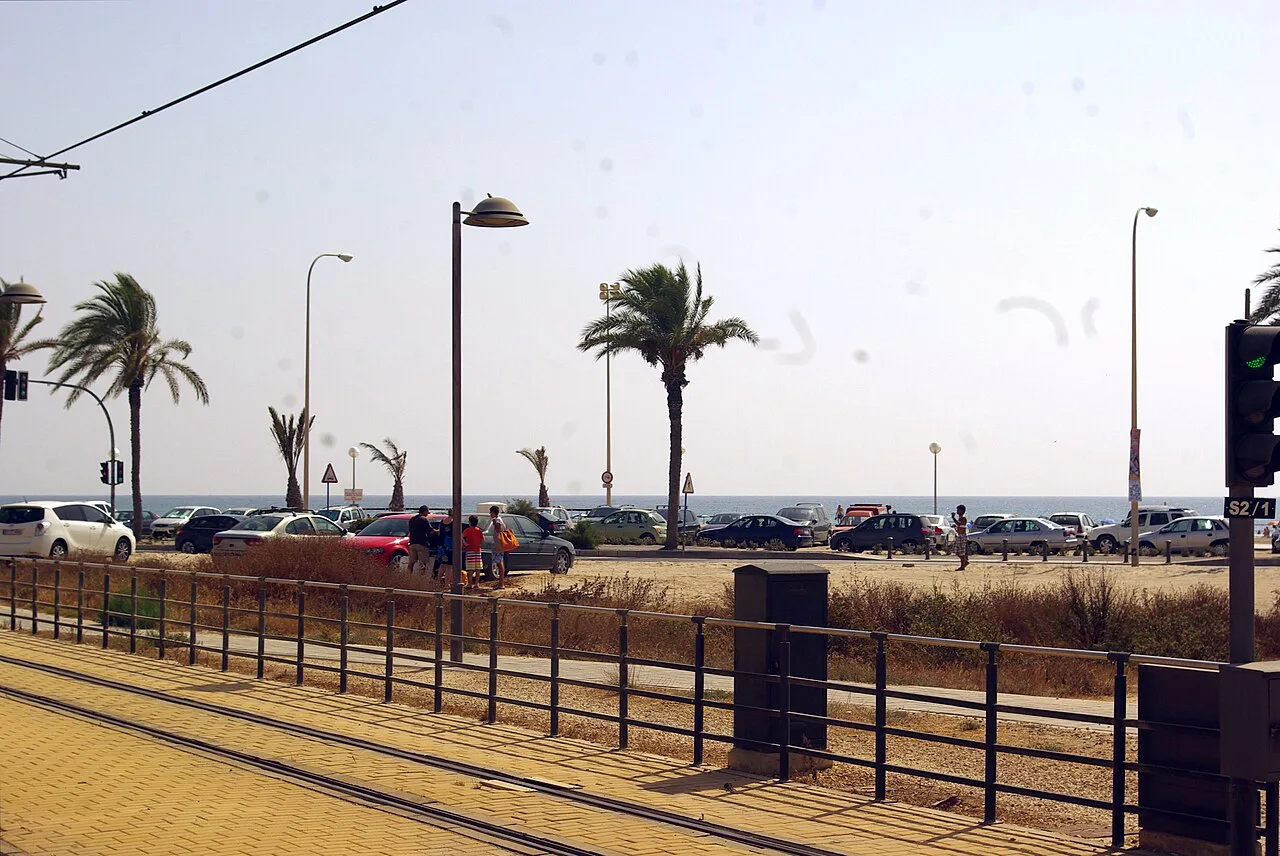
The tram is the backbone of a car-free day. TRAM Metropolitano de Alicante runs along the whole Alicante coast with stops serving the beach, so you can travel from the city and step off within a short walk of the sand. Buy your ticket at the stop and allow time for the walk to the water at the busier southern end.
Drivers have the easier job here than at most Costa Blanca beaches: San Juan beach is served by large public car parks rather than a single cramped seafront strip. Arrive earlier on peak summer weekends, when the promenade traffic and the search for a space both slow down.
If you are basing yourself in the city and weighing up which Alicante beaches to prioritise, San Juan rewards the extra distance with space and facilities that the central city beach cannot match. The Alicante beaches guide sets out the alternatives if you want a shorter hop from the centre. If you are comparing stretches of coast further afield, the best beaches in Dénia offer another Costa Blanca benchmark for sand and space.
The Sand and the Water
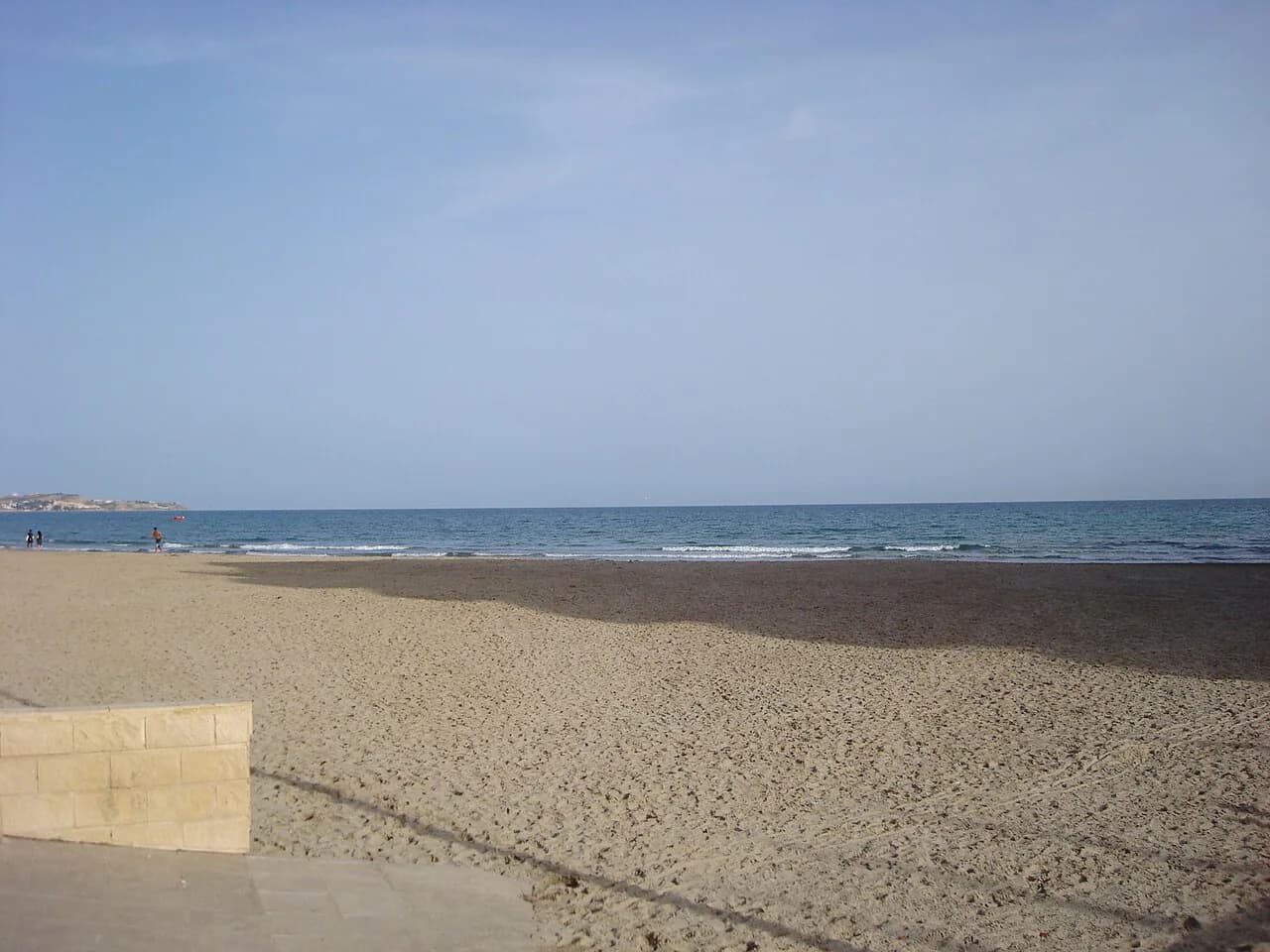
The sand is golden and the water unusually clear for a beach this size and this close to a city. It is an exposed, open shoreline rather than a sheltered cove, so the sea state changes with the wind and swell; treat any particular day's conditions as something you read on arrival rather than assume.
Because the strand runs for six kilometres, crowding is uneven. The stretches nearest the main tram stops and the promenade restaurants fill first, while a ten-minute walk north usually buys noticeably more room. Families with small children often prefer to stay near the busiest sections, where facilities and other people are close at hand.
Wind and Shelter Along the Length
An open beach of this length offers little natural shelter, so the direction of the wind decides your day. When the breeze comes off the land the water flattens and the sand stays comfortable; when it blows onshore, expect chop and stinging sand along the exposed middle.
Your practical lever is position rather than structure: the promenade buildings and beach bars at the southern end give some windbreak, and the northern Muchavista stretch is more open. Bring a proper windbreak or parasol if the forecast is breezy, and set up with the wind at your side rather than in your face.
Facilities
San Juan beach has the full set of typical Spanish beach facilities: public toilets, showers, sunbeds and lifeguards on duty. The concentration is highest in the Alicante half near the main access points, so if easy facilities matter more than solitude, choose your spot accordingly.
The beach holds Blue Flag status, the international award given to beaches that meet environmental, safety and access criteria; Spain has hundreds of Blue Flag beaches and San Juan is among them. Sunbed and parasol hire is available along the sand.
Food and Drink
The beachfront promenade is where San Juan beats most Spanish city beaches on food. Historic restaurants such as Casa Domingo and Casa Julio specialise in Valencian-style rice dishes, the paellas and arroces that the region does properly, and you can eat them looking at the sea you have just swum in.
For something lighter, ice cream parlours including La Ibense and El Cantonet de Jijona serve ice cream alongside leche merengada and orxata, the cold tiger-nut drink worth trying at least once. Beach bars sit along the sand for drinks and snacks without changing out of your swimwear.
Vegetarian and vegan eaters are not an afterthought here: Kult Bar serves plant-based dishes within reach of the sand. Booking ahead helps at the rice restaurants in high summer, when the promenade tables fill with both locals and visitors.
Sports and Equipment
This is an active beach by Spanish standards. Around 20 volleyball courts and outdoor fitness zones run along the sand, alongside playgrounds with swings, mini football goals and rope net pyramids, so a day here can be spent moving rather than lying still.
Water sports companies operate from the beach, hiring out pedalos, surfboards and windsurf boards and running classes for beginners. Energy Active Club is one operator offering lessons and equipment hire; book directly with whichever operator you choose and confirm what is included before you pay.
Families
Families get a lot for their effort at San Juan: playgrounds with swings, goals and climbing nets sit on the sand, and the volleyball and fitness areas give older children somewhere to burn energy.
The main family trade-off is walking distance. The beach is wide and long, so pick an access point near a tram stop or car park rather than the first sand you see, and set up close to the toilets and lifeguard posts if you have small children.
Best Time to Go
Summer is the obvious season, when the full set of facilities is running and the promenade is at its liveliest; June and September give you warm sea and a less frantic beach. Spring and autumn are pleasant for walking the length of the strand and eating on the promenade, though the beach bars and sunbed service wind down outside the main season.
One date changes everything: every 24 June, the eve of San Juan, the sand fills with bonfires for the festival of Saint John the Baptist, a night of fire and celebration that draws crowds from across the region. It is spectacular to witness and hopeless for a quiet swim, so plan around it rather than stumble into it.
Nearby Beaches and Villages to Combine
Alicante Golf, designed by Severiano Ballesteros, sits next to Cabo de las Huertas less than a 15-minute walk from the shore, with a restaurant that serves the Tabarca-style caldero stew. It makes an easy non-beach half-day for a mixed group.
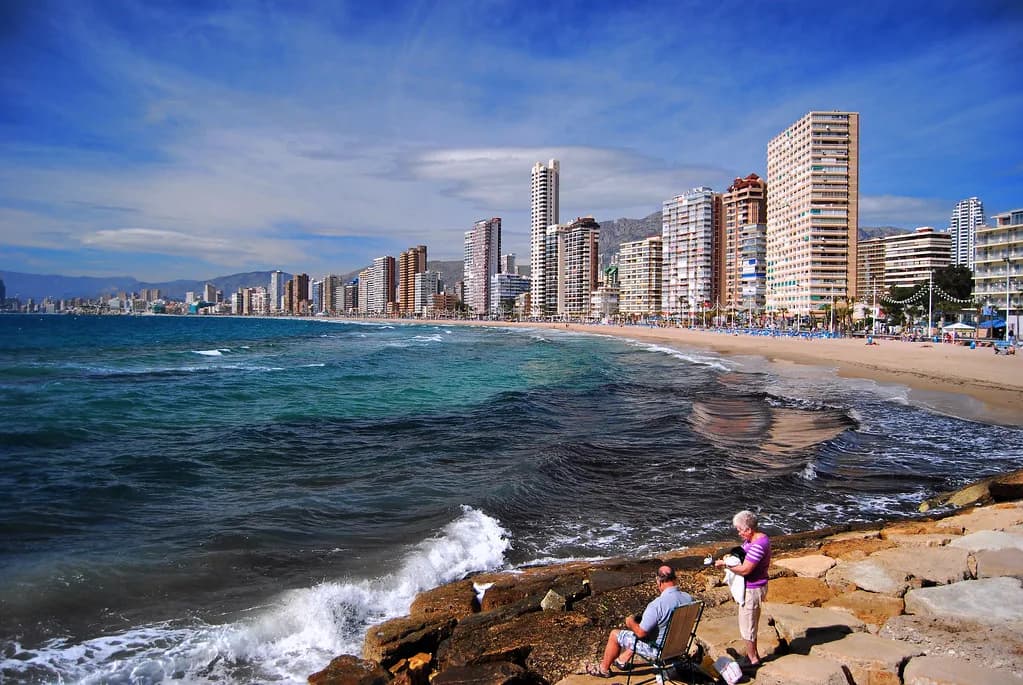
Further along the coast, Villajoyosa has a well-preserved old town with colourful hanging houses, and beyond it lies Benidorm, whose skyscraper seafront and long beaches pull huge British crowds each summer. If you want the contrasting resort experience, the Levante Beach, Benidorm guide covers the main strip, and Benidorm beaches compares the two bays.
In the other direction, Alicante's own city beach, Postiguet Beach, Alicante, sits right under Santa Bárbara castle and suits a shorter swim before an evening in the old town. For a full day out on the water, the Tabarca island boat trips from the coast make a fine alternative to a second beach day.
Practical Kit and Habits for a Long, Exposed Beach Day
Six kilometres of open sand means sun and wind with little shade unless you bring your own. Pack a parasol or windbreak, high-factor sun cream, plenty of water and footwear for the hot sand; the walk back to the tram can be longer than you expect if you have drifted north.
Cash and a card both help: beach bars and sunbed operators vary in what they accept, and the promenade restaurants are a step up from snack kiosks. Keep valuables minimal and use the facilities near the busiest access points if you are on your own.
Plan Your Visit
Treat Playa de San Juan as a full day with a chosen base: the busy Alicante end for facilities, food and sport, or the Muchavista stretch towards El Campello for more room. Arrive by tram if you can, park early if you drive, and walk ten minutes to escape the crowds near the main stops.
Look up the day's tram times with TRAM Metropolitano de Alicante before you set out, and read the sea and flags on arrival before deciding how far you swim. Build the 24 June bonfires into your plans as either a spectacle or a date to avoid.
Frequently Asked Questions
How far is Playa de San Juan from Alicante city centre?
The beach starts at the Cabo de las Huertas neighbourhood on the edge of Alicante and runs about 8 km north-east to El Campello. From the city centre, the tram along the coast is the simplest way to cover that distance, and the walk from the stop to the sand is short at the southern end.
Can you reach Playa de San Juan by tram?
Yes. The TRAM Metropolitano de Alicante runs along the whole Alicante coast with stops serving the beach, so you can travel car-free from the city and reach the sand within a short walk. Buy your ticket at the stop and allow a few extra minutes to walk to the water in the busiest southern section.
Is Playa de San Juan good for families?
It is well set up for families: playgrounds with swings, mini football goals and climbing nets sit on the sand, and public toilets, showers and lifeguards are part of the beach's standard facilities. Choose an access point close to a tram stop or car park, and settle near the toilets and lifeguard posts if you have small children.
Is Playa de San Juan the same as Muchavista beach?
They are two names for one continuous stretch of sand split by a municipal border. The three southern kilometres belong to Alicante and are officially Playa de San Juan, while the three northern kilometres belong to El Campello and appear on maps as Muchavista beach. You can walk between them without leaving the sand.
When is the San Juan festival celebrated on the beach?
The bonfires are lit on the eve of San Juan, every 24 June, when the sand fills with fires for the festival of Saint John the Baptist and crowds gather from across the region. It is a spectacle worth planning around, but a poor evening for a quiet swim.
What should you bring for a day on Playa de San Juan?
Bring your own shade and wind protection, because the open six-kilometre strand offers little natural shelter. A parasol or windbreak, high-factor sun cream, plenty of water and footwear for hot sand cover the essentials, and a card plus some cash helps at beach bars and sunbed operators.
Sources
Beach notes for your next trip
Optional updates when we add or revise beach guides.
You might also like
Continue reading
More guides you'll find useful