Vilanova i la Geltrú Beaches: A Practical Guide to the Garraf Coast
Plan a beach day at Vilanova i la Geltrú on the Garraf coast: wide sandy stretches, shallow water, the promenade from La Rambla, and the tiny Colls cove.
On this page
Vilanova i la Geltrú earns its place as a beach base on the strength of one simple thing: a long run of wide sandy beach that begins where the town begins, so you can walk out of the streets and onto the sand within minutes. The promenade carries you past the sand from La Rambla Principal, with the seafront walk lined with amenities and a park at Ribes Roges. It suits families with young children, casual swimmers and anyone who wants a beach day without a car.
The trade-off is character. Vilanova gives you space, shallow water and an easy stroll back to the station rather than the compact golden-sand bays that draw crowds to neighbouring Sitges. If you want a cove with rocks and clear water for snorkelling, the small Beach dels Colls at the edge of the municipality offers a different kind of day entirely.
Why Vilanova i la Geltrú Works as a Beach Base on the Garraf Coast
The town sits between the Garraf massif and the Penedès plain, a position that gives it both a working seafront and hills behind it. Its beaches are wide and sandy, with shallow water that makes them comfortable for swimming and sunbathing, and the promenade runs directly from La Rambla Principal along the shore. That layout means a beach day here needs no bus, no taxi and no planning beyond packing a bag.
Culture sits close to the sand. Torre Blava – Espai Guinovart, a former Carlist fort on Ribes Roges beach, now houses an art space devoted to the Mediterranean and its maritime heritage, and Parc de Ribes Roges gives children a green playground a short walk from the water. You can combine a swim with a museum or a picnic without moving the car.
Where the Beaches Sit Relative to the Town and La Rambla
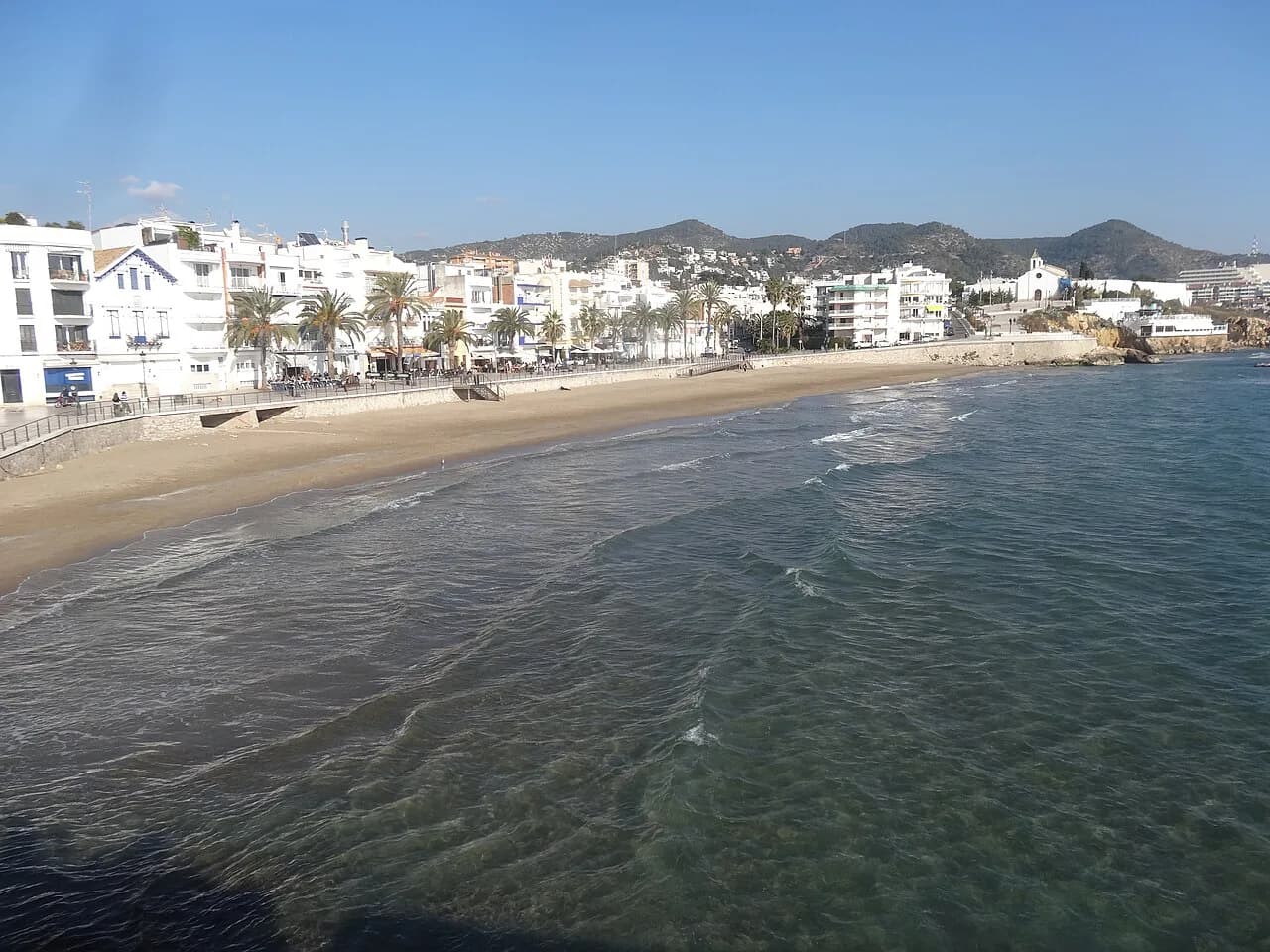
La Rambla Principal is the spine of a Vilanova beach day. Walk down it towards the sea and you meet the promenade, which continues along the sand past the port area towards Ribes Roges. The beach and the town are continuous, so a hotel or flat anywhere near the centre puts you within walking distance of the water.
At the eastern end, the seafront reaches Ribes Roges and the Torre Blava, with the park behind it. Further along the municipality's coast, away from the main promenade, the small Beach dels Colls sits as a distinctly separate, rocky spot. Treat the promenade beaches and the Colls cove as two different trips rather than one continuous walk.
Ribes Roges and the Long Town Beaches
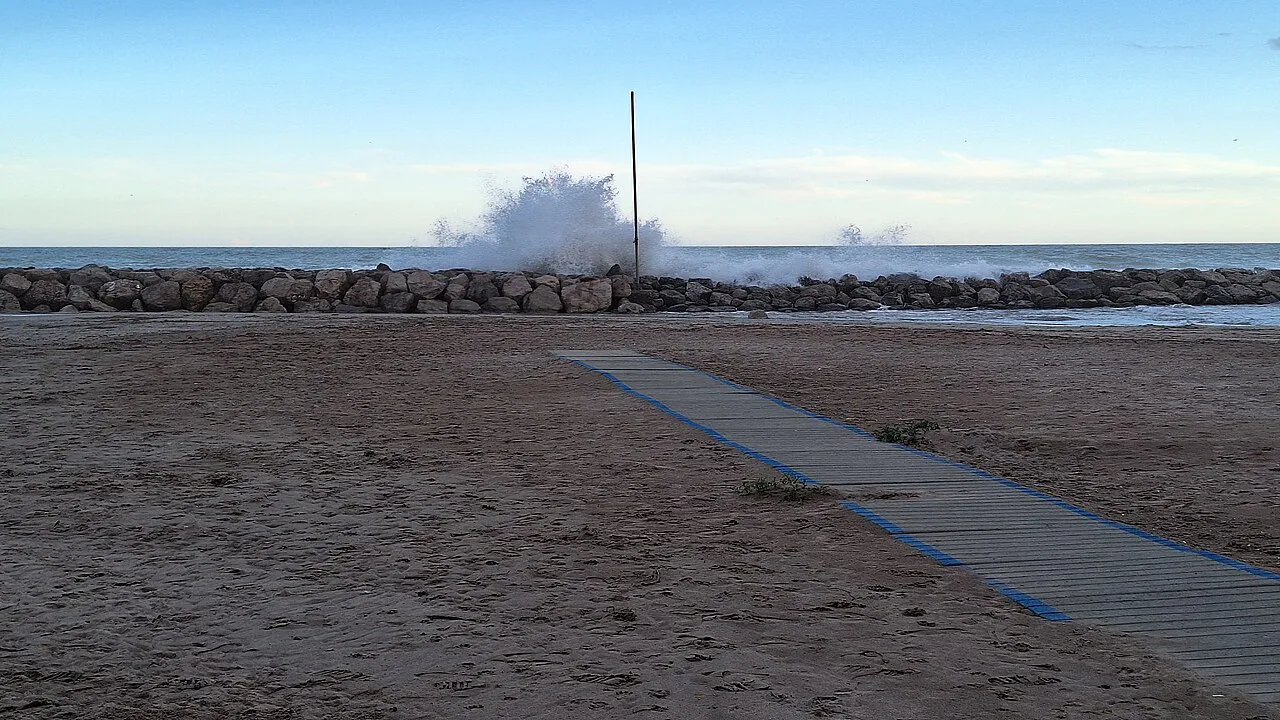
The town beaches are wide, sandy and gently shelved, with shallow water near the shore that suits paddling children and less confident swimmers. The stretch is long enough that even in high season you can walk a few minutes from the busiest access points and find space. Shelter comes largely from the town itself and the low coastline rather than from headlands.
Ribes Roges is the family end: the park, the playground and the Torre Blava art space sit just behind the sand, and the promenade is flat and easy for pushchairs and wheelchairs. If you want a base for a whole day with children, aim here rather than the central accesses.
For swimmers who like a longer stroke, the central town beaches give the most room and the easiest exit back onto the promenade. The water deepens gradually, so you need to wade out some distance before it is deep enough for proper swimming.
Beach dels Colls: The Small Gravel-and-Rock Cove
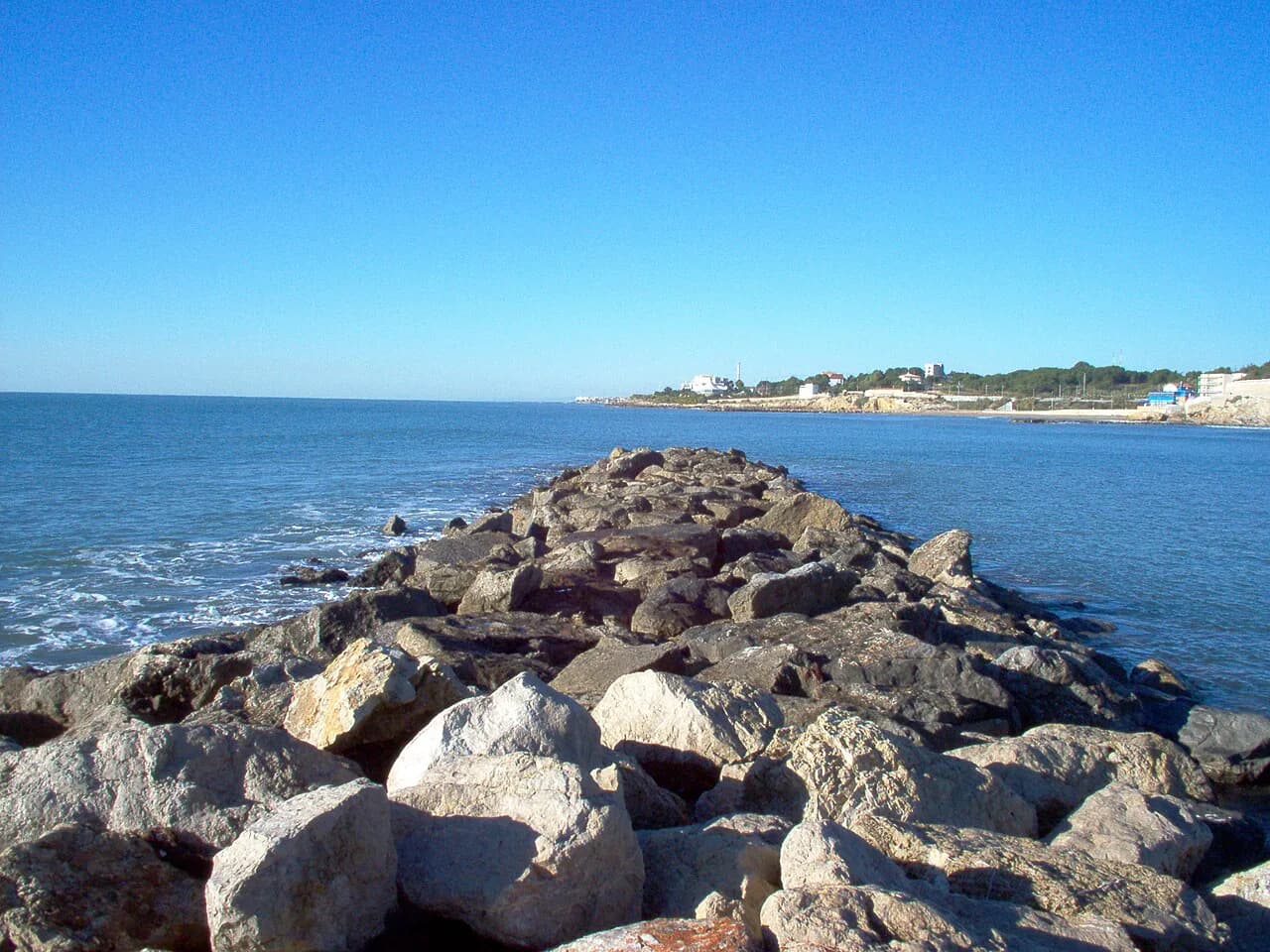
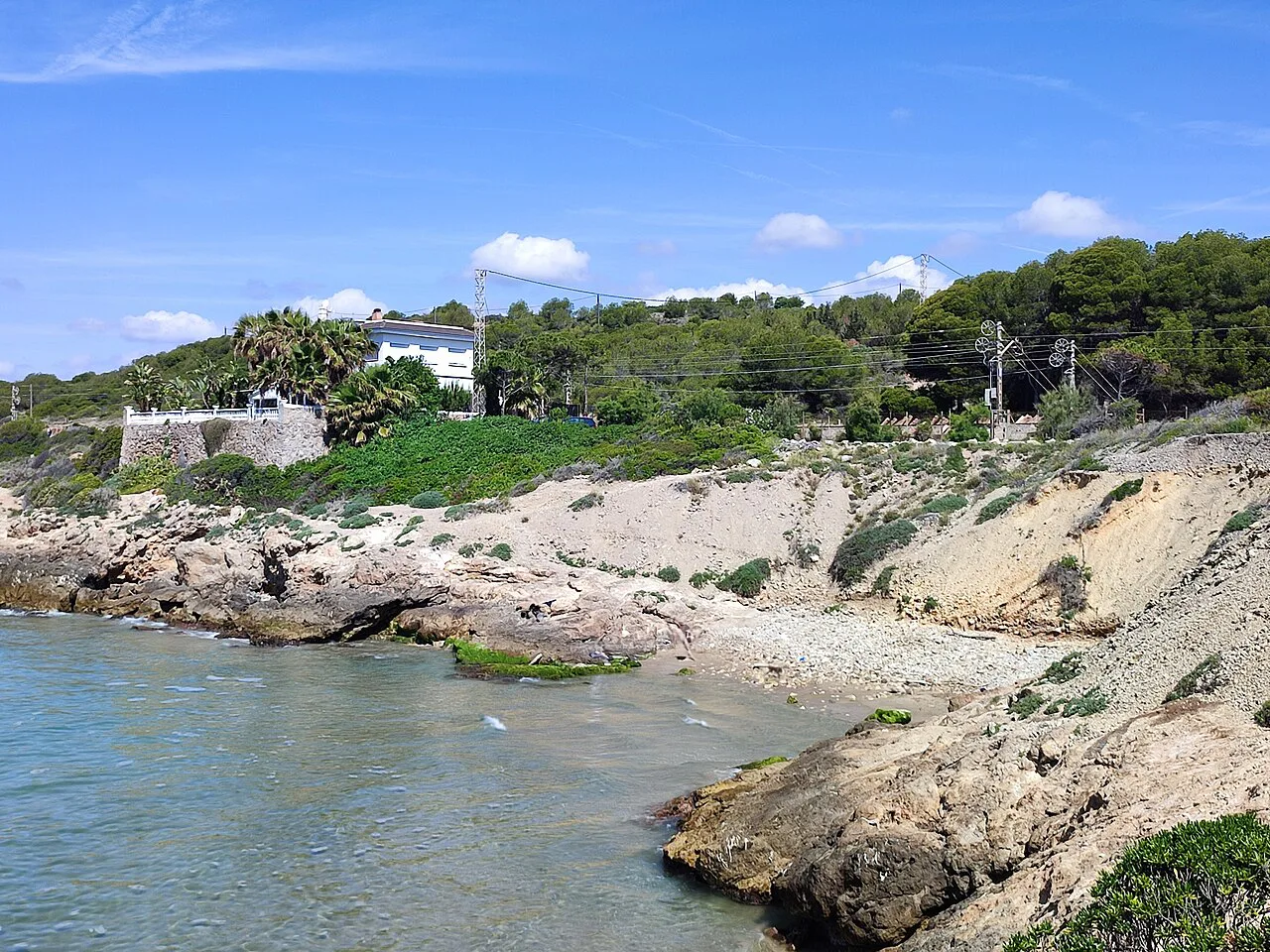
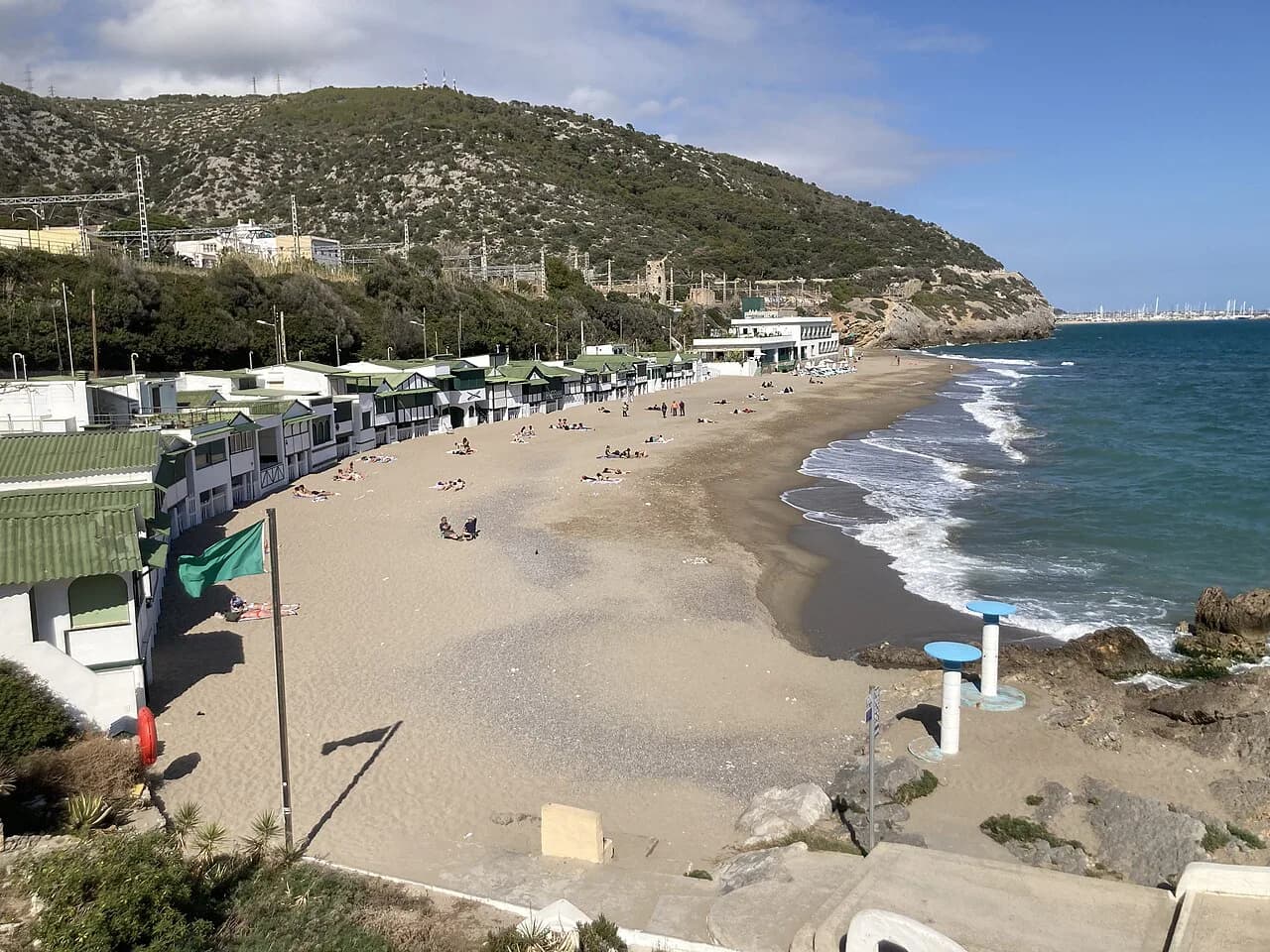
Beach dels Colls is a pocket-sized cove of fine gravel and rocks, roughly 20 m long and 10 m wide, with a normal slope and a swimming point about 5 m out. Access is rated easy and occupancy is described as middle, so it is a modest, uncrowded alternative to the long town sands rather than a destination beach in its own right.
Because the surface is gravel and rock rather than sand, it rewards different kit: reef shoes or old trainers, a mat rather than a towel alone, and snorkelling gear if you like peering into rocky shallows. It is a poor choice for toddlers and sandcastle builders, and a good one for a short, quiet dip away from the promenade crowds.
Getting There: Train, Bus and Parking Around the Seafront
Vilanova i la Geltrú sits on the coastal rail line that links Barcelona with Sitges and the Garraf coast, so arriving by train puts you in the town centre with the promenade a short walk downhill. From the station, follow signs for the sea and La Rambla Principal rather than aiming for a specific beach.
Driving gives more flexibility for reaching the Colls cove and for carrying beach kit, but parking along a busy seafront in high summer is the weak point of a car-based day. Arrive earlier in the morning, or park in the town and walk down, which also keeps you near the bars and the station for the return.
Facilities Along the Promenade
The promenade is the practical centre of a Vilanova beach day: it is lined with amenities, runs from La Rambla Principal and connects the beaches with the town's bars, cafés and shops. That means you can alternate swimming with lunch and coffee without carrying everything onto the sand. Picnic supplies are easy to pick up in the centre, including at the Mercat del Centre.
The Ribes Roges end adds green space and a playground behind the beach, which makes it the easiest stretch for families who want shade, toilets and food within a short walk. Bring your own shade and water for the wider town sands, and plan your day around the promenade rather than a single fixed spot.
Who Each Stretch Suits
Families with small children should head for Ribes Roges and the shallow town beaches, where the gradual shelving, the flat promenade and the nearby park do most of the work. Swimmers who want distance and an easy exit will prefer the central town sands. Quiet-seekers and snorkellers should make the short trip to Beach dels Colls for gravel, rock and a smaller crowd.
Walkers get an underrated option: the seafront promenade makes a level stroll with sea views, and the Ronda dels Colls path offers scenic views of the seafront if you want to add a loop. Inland, the Garraf massif and Foix Natural Park provide hill walking if the sea breeze drops.
Swim Season and When the Beaches Are Busiest
The Garraf coast swims comfortably from late spring through early autumn, with high summer the warmest and by far the busiest period. Vilanova's town beaches absorb crowds better than small coves because of their length, but the promenade, car parks and central accesses fill up on hot weekends and during the August Festa Major.
For the Colls cove, middle occupancy is the published norm, so it stays comparatively calm; go early if you want the pick of the rocks. Outside high summer, the town beaches are quiet enough for a brisk walk and a short dip, and the promenade is at its best without the crowds.
Vilanova i la Geltrú or Sitges: Choosing Between the Two
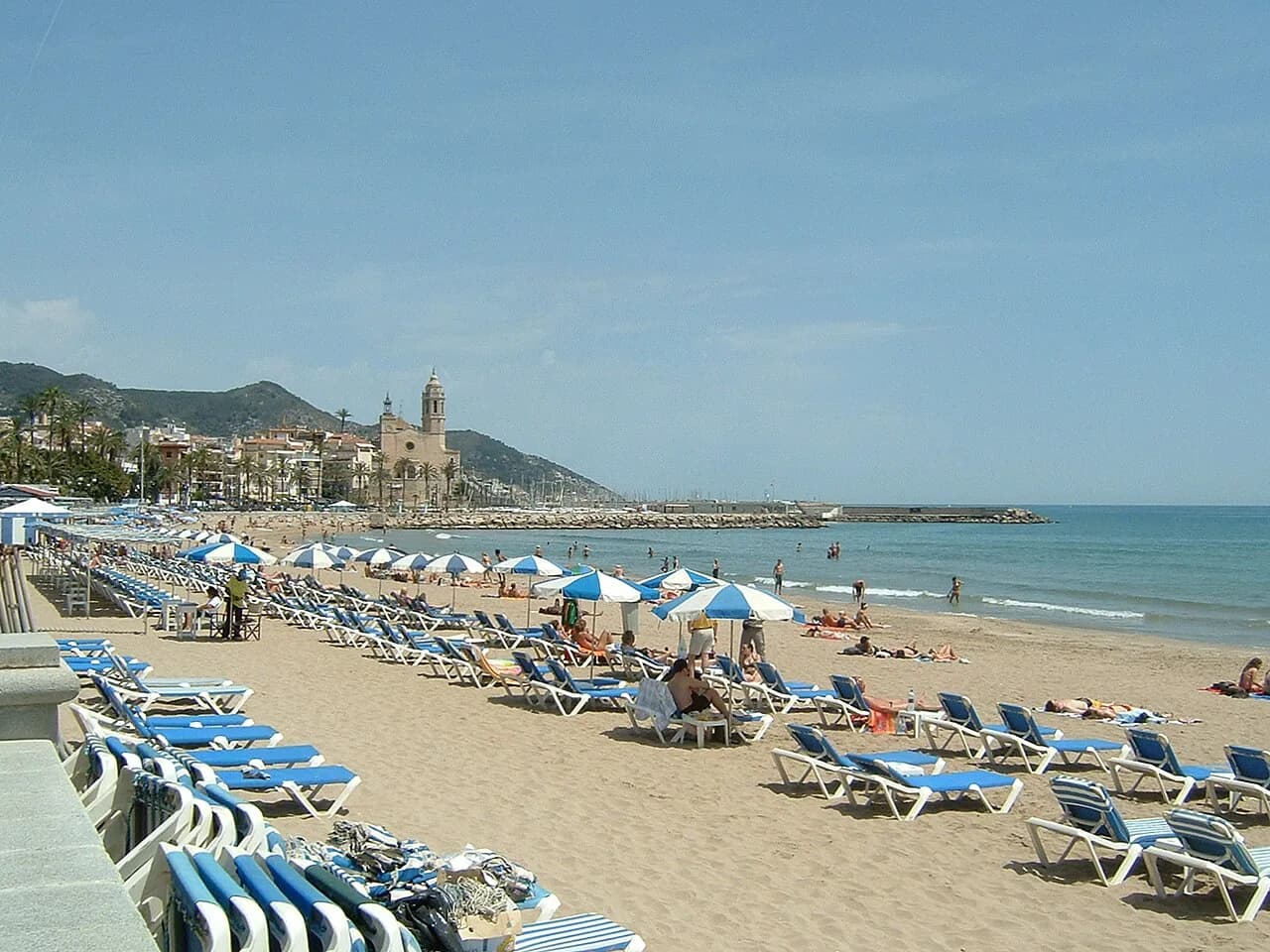
Sitges is famous for its golden-sand beaches and its cultural heritage, and it has kept a low-rise seafront with hardly any high-rise buildings by the sea. That gives it a compact, postcard quality that Vilanova's long working-town sands do not try to match. If your beach day is about a photogenic bay and a stroll through a historic centre, Sitges wins.
Vilanova wins on space, shallow water and convenience: wide sand, a promenade straight from La Rambla and a town-centre station. Choose it for families, for a car-free day, or when Sitges is packed. For a quieter swim with a bit of character, the small rocky cove at Colls is the local alternative, and for comparison further up the coast, these Girona beaches offer coves of a similar rocky, characterful sort.
Nearby Beaches and Coves to Combine with a Vilanova Day
Sitges is the obvious partner, with its golden sands and compact old town a short hop along the coast, and its own beaches reward a full day in their own right. In Sitges, Platja de Sant Sebastià is the town beach that pairs best with a wander through the streets, and the resort also has a well-known gay beach scene around its quieter sands.
Further east towards Barcelona, Castelldefels beach offers another long sandy option, while the tiny Garraf beach and the village above it give a cove-and-cliff contrast to Vilanova's wide sands. Combine one of these with a Vilanova morning for variety.
Practical Kit and Etiquette for a Garraf Beach Day
Pack for a long, shallow, sandy beach: shade, drinking water, reef shoes for the rocky Colls cove, and a mat if you plan to sit on gravel. A light layer helps on breezy afternoons, and a dry bag keeps valuables safe when you swim.
Follow the flags and any local notices on the day, and keep to the promenade where the sand gives way to the port area. Catalan is the local language, Spanish is widely spoken, and the town's Xató salad is the regional dish to try after a swim.
Plan Your Vilanova Beach Day
Vilanova i la Geltrú is the practical Garraf choice: wide sandy town beaches with shallow water, a promenade from La Rambla Principal, and Ribes Roges for families with its park and art space. For a quieter, rockier dip, the tiny Beach dels Colls is worth the short trip.
If you want compact golden-sand bays and a historic centre, add a day in Sitges; if you want space and a car-free stroll, stay in Vilanova. Either way, arrive by train or park in town and walk down to the sea.
Frequently Asked Questions
What are the beaches like in Vilanova i la Geltrú?
The town beaches are wide and sandy, with shallow water and a promenade running from La Rambla Principal along the seafront. Ribes Roges adds a park and playground behind the sand. At the edge of the municipality, Beach dels Colls is a small cove of fine gravel and rocks, roughly 20 m long and 10 m wide, with easy access and middle occupancy.
Is Vilanova i la Geltrú or Sitges better for beaches?
Sitges has compact golden-sand beaches and a low-rise historic seafront, which suits a photogenic day out. Vilanova offers longer, wider sandy beaches with shallow water and a promenade straight from the town centre, which suits families and car-free days. Choose Sitges for character and Vilanova for space.
Are the beaches at Vilanova i la Geltrú good for families with small children?
Yes. The town beaches are wide and gently shelved, with shallow water near the shore, and the flat promenade is easy with a pushchair. Ribes Roges is the best family base because the park and playground sit just behind the sand. Beach dels Colls is gravel and rock, so it suits older children and snorkellers better than toddlers.
How do you get to the beaches at Vilanova i la Geltrú?
The town sits on the coastal rail line linking Barcelona with Sitges and the Garraf coast, so arriving by train leaves a short walk to the seafront. By car, park in the town and walk down to the promenade, especially in high summer when seafront parking fills quickly.
When is the best time to swim at Vilanova i la Geltrú?
The sea is comfortable from late spring through early autumn, with high summer the warmest and busiest period. For fewer crowds, aim for early morning or the shoulder months. The promenade and central accesses are busiest at weekends and during the August Festa Major.
Sources
Beach notes for your next trip
Optional updates when we add or revise beach guides.
You might also like
Continue reading
More guides you'll find useful