San Agustin Beach, Gran Canaria: Sand, Access and When to Go
San Agustin beach on Gran Canaria suits families and quiet-seekers, with 600 metres of light sand and a long seafront promenade towards Maspalomas.
On this page
San Agustin is the south-coast resort for people who want a proper beach day without the noise of a big party strip. Its main beach runs for around 600 metres of light sand, with a shallow entry and calm water in the bay, and it sits directly next to Playa del Inglés yet keeps a noticeably relaxed atmosphere. Families with small children, swimmers and couples after a quiet base all fit here.
What San Agustin beach is like
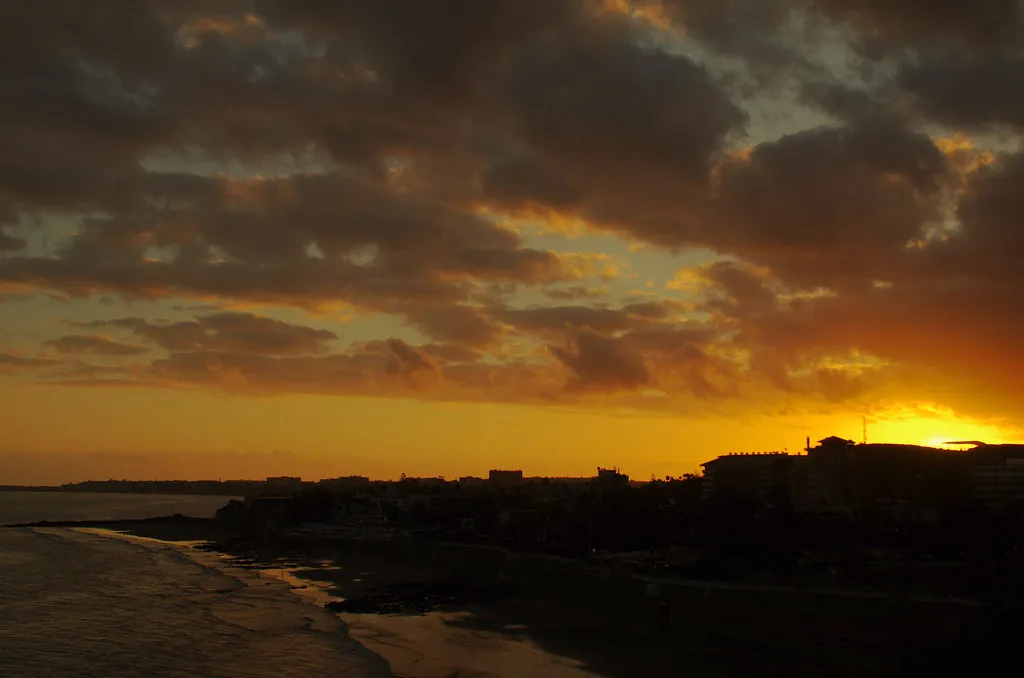
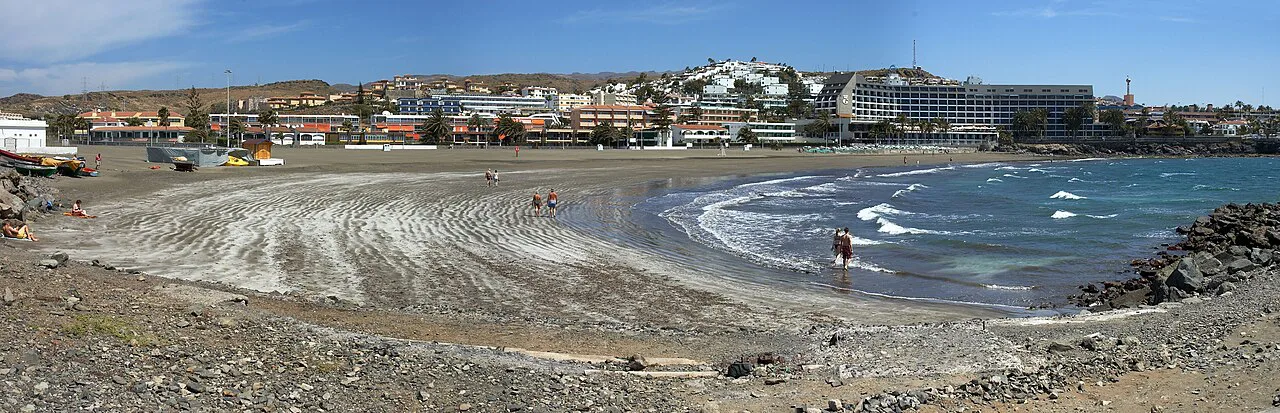
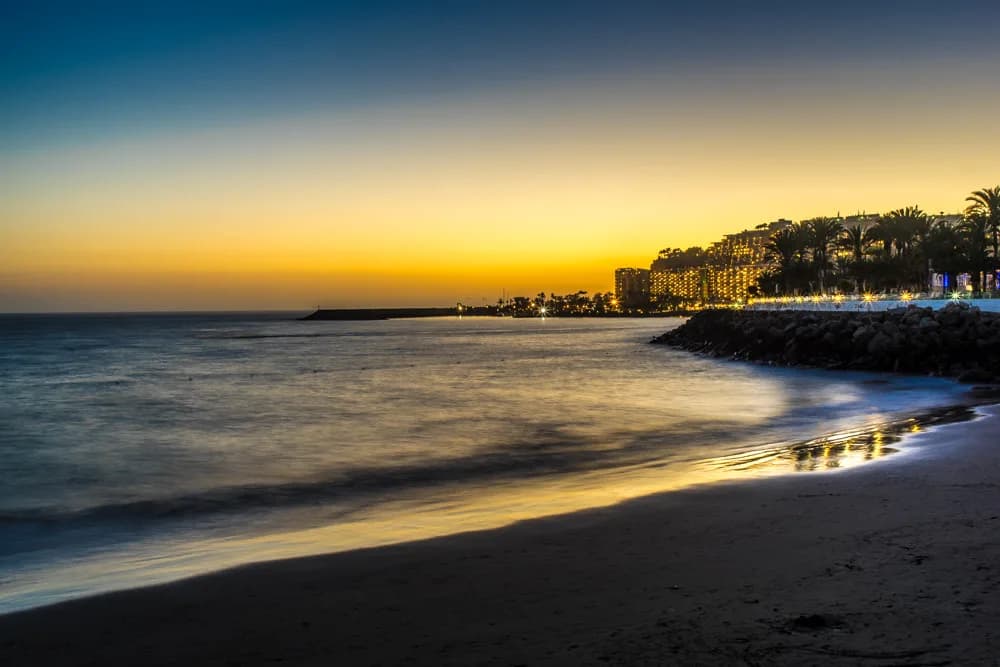
The beach is a broad curve of pale sand with hotel buildings rising on the hillside behind it and open Atlantic water in front. At roughly 600 metres long it has room to spread out, and the resort's own character means it does not draw the same crowds as its famous neighbour. Sunrise over the water is one of the reasons to be here early.
If you want a low-key day with a book and a swim, this is the beach for it; if you want constant activity, the neighbouring resorts deliver that instead. The resort sits within the municipality of San Bartolomé de Tirajana on Gran Canaria's southern coast.
Where the beach sits on Gran Canaria's south coast
San Agustin lies on Gran Canaria's sunny southern shore, immediately west of Playa del Inglés and roughly 27km, or about 20 minutes by road, from Gran Canaria International Airport. That short transfer makes it practical for a first or last day of a holiday.
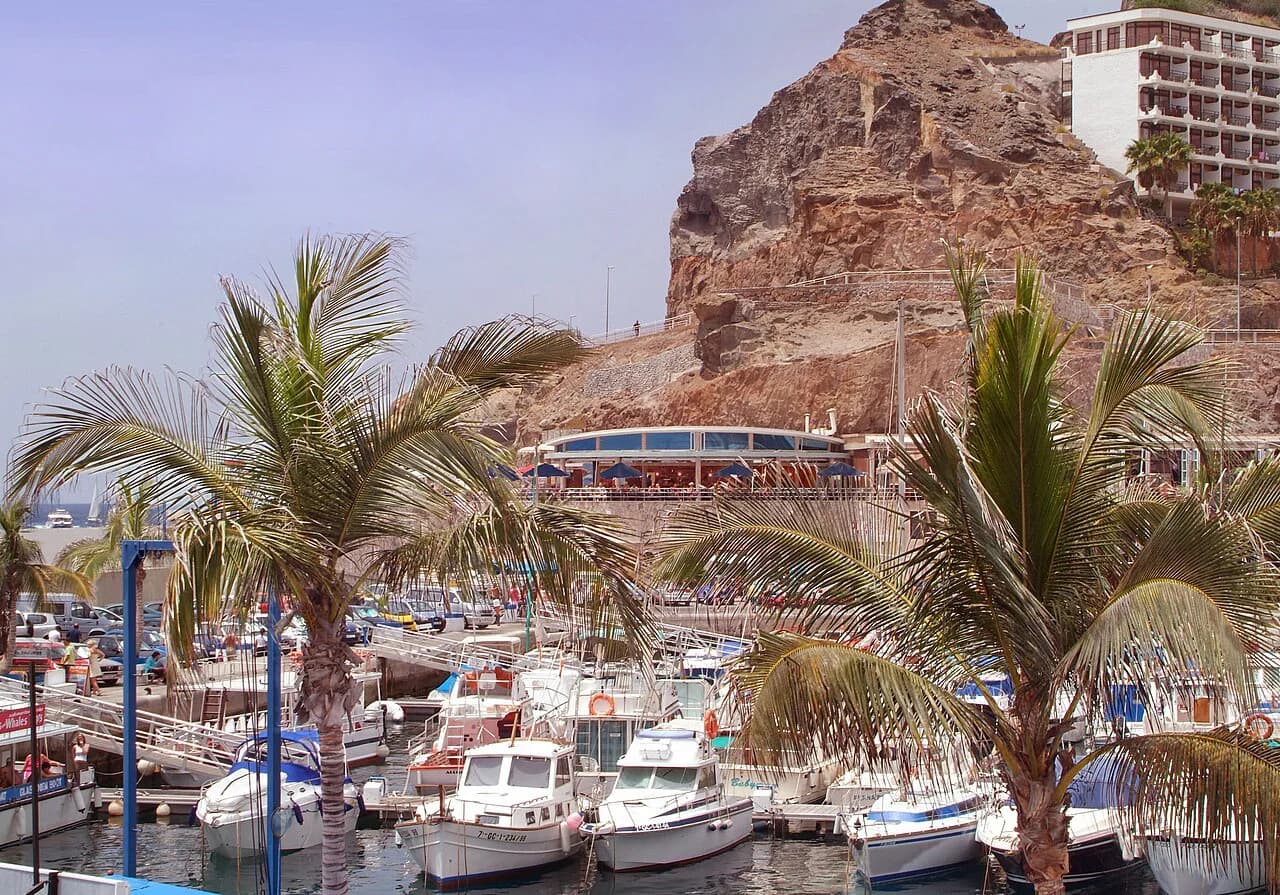
The resort is a compact, low-rise sort of place, with a promenade, a shopping centre and a seafront strip of restaurants. It works as a base for exploring the south of the island or as a calmer place to sleep while using the bigger resorts for nights out. For the wider picture of the island's beaches, the Gran Canaria beaches guide sets out the options by coast.
Getting there: buses, taxis and driving from the airport
Public buses connect San Agustin with Las Palmas, Maspalomas and Playa del Inglés, so a hire car is not essential for a beach-focused trip. Timetables and fares change, so confirm the current service before you set out. Taxis cover the resort and the wider island; agree the fare before you set off.
Driving from the airport is straightforward on the southern motorway, and hire firms operate at the airport. If you are staying in the resort itself, the beach is walkable from most of the accommodation along the seafront. For a beach day only, bus or taxi keeps things simple.
Parking near the beach
Parking is available near Playa de San Agustin, which makes driving in for the day a realistic option if you have a car. Spaces near a popular seafront fill quickly in high season, so arriving in the morning gives you the best choice.
If the beachfront spaces are taken, the resort's grid of streets behind the promenade is the sensible fallback, and everything is within a short walk of the sand. Leave the car once and you will not be crossing town to reach the water.
The sand and the water
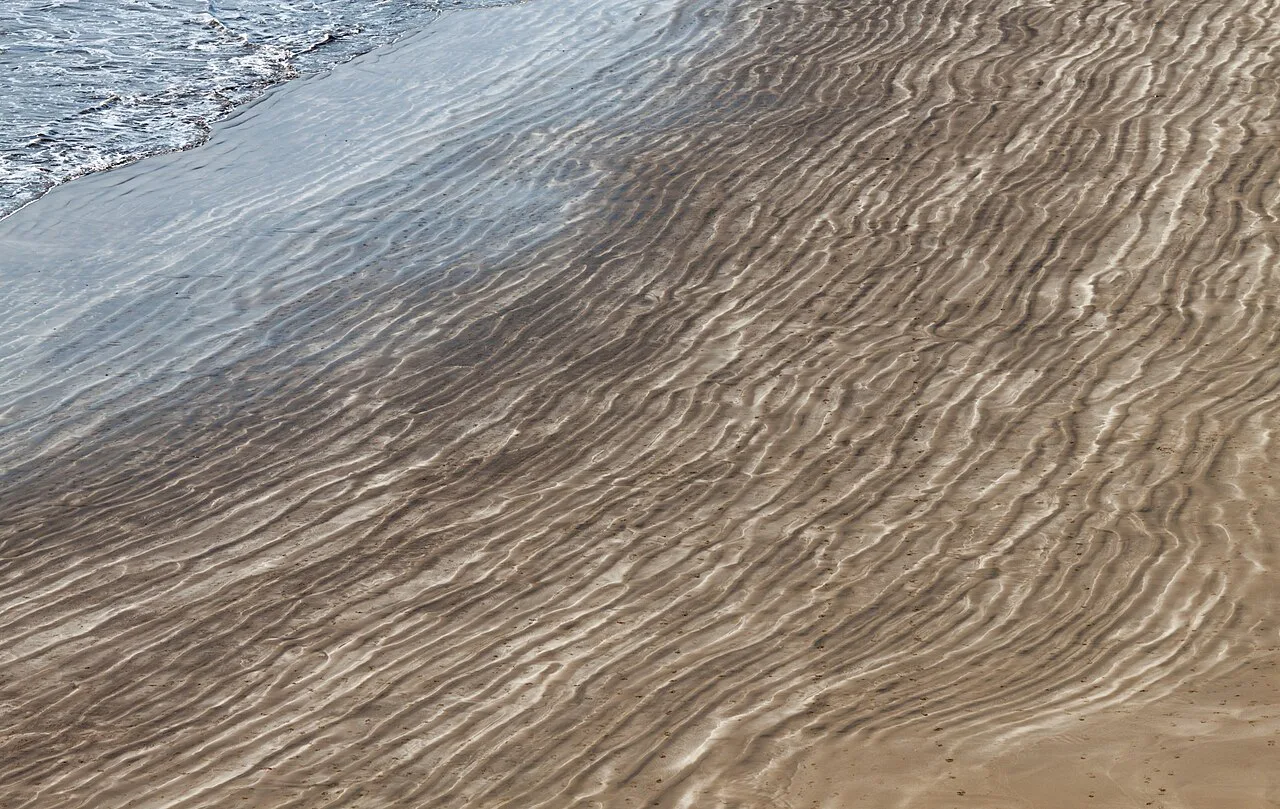
The beach is made of light sand and the water is clear, with a shallow, gently shelving entrance that lets children paddle well out before it deepens. The bay is sheltered enough that the sea here carries little swell, and the resort reports few waves and hardly any currents. Swimming is supervised by the sea rescue service.
Conditions vary with the day and the season, so read the flags on arrival and swim where the rescue service is watching. The shallow entry is the main reason families choose this beach over the steeper alternatives nearby. Bring reef-safe sun cream and plenty of water, as shade on the open sand is limited to what you hire or carry.
Facilities on the beach
Sunbeds and umbrellas are available for hire on the sand, and showers are provided for rinsing off at the end of the day. The beach is kept clean and tidy through the busy months.
Restaurants and bars line the promenade behind the beach, so lunch and a cold drink are a short walk from your towel. The resort's shopping centre adds supermarkets if you prefer to assemble your own picnic. Rental charges for sunbeds change from season to season, so ask at the beach kiosk on the day rather than relying on last year's figure.
Swimming and watersports
Snorkelling and diving are the popular activities here, with a watersports school on site for lessons and equipment. Surfing is harder work because the swell in the bay is moderate, so boarders tend to head for the neighbouring beach where the waves are more dependable.
Jet skiing and other motorised sports can be arranged locally. For a gentler session, swim along the beach rather than out towards the headlands, and keep an eye on the rescue service's flags throughout the day.
Best time to go
The beach weather holds from around May to October, when temperatures sit between about 18 and 24 degrees Celsius and rain is rare. Winter and early spring remain pleasantly warm, which suits sightseeing and walking as much as sunbathing.
School holidays and the island's carnival period bring the biggest crowds, so book accommodation early if you are travelling then. Mornings are the quietest hours on the sand and the best time for a long swim before the sun gets strong.
Nearby beaches: Playa de las Burras and the Maspalomas dunes
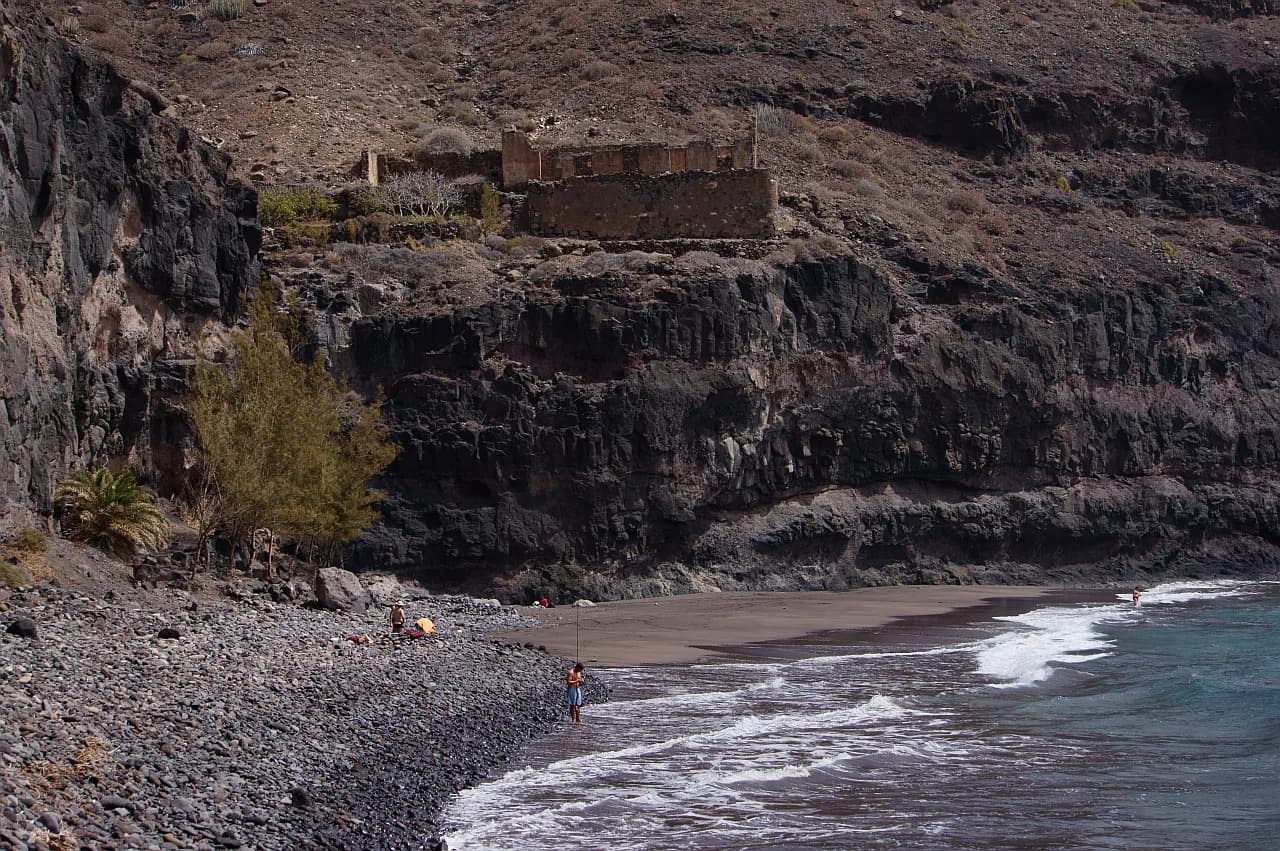
Playa de las Burras is the second beach in San Agustin, set in a small bay with darker sand and its own sunbeds and umbrellas. It is cleaned daily and stays quiet because fewer people swim there, which makes it a good alternative when the main beach feels busy.
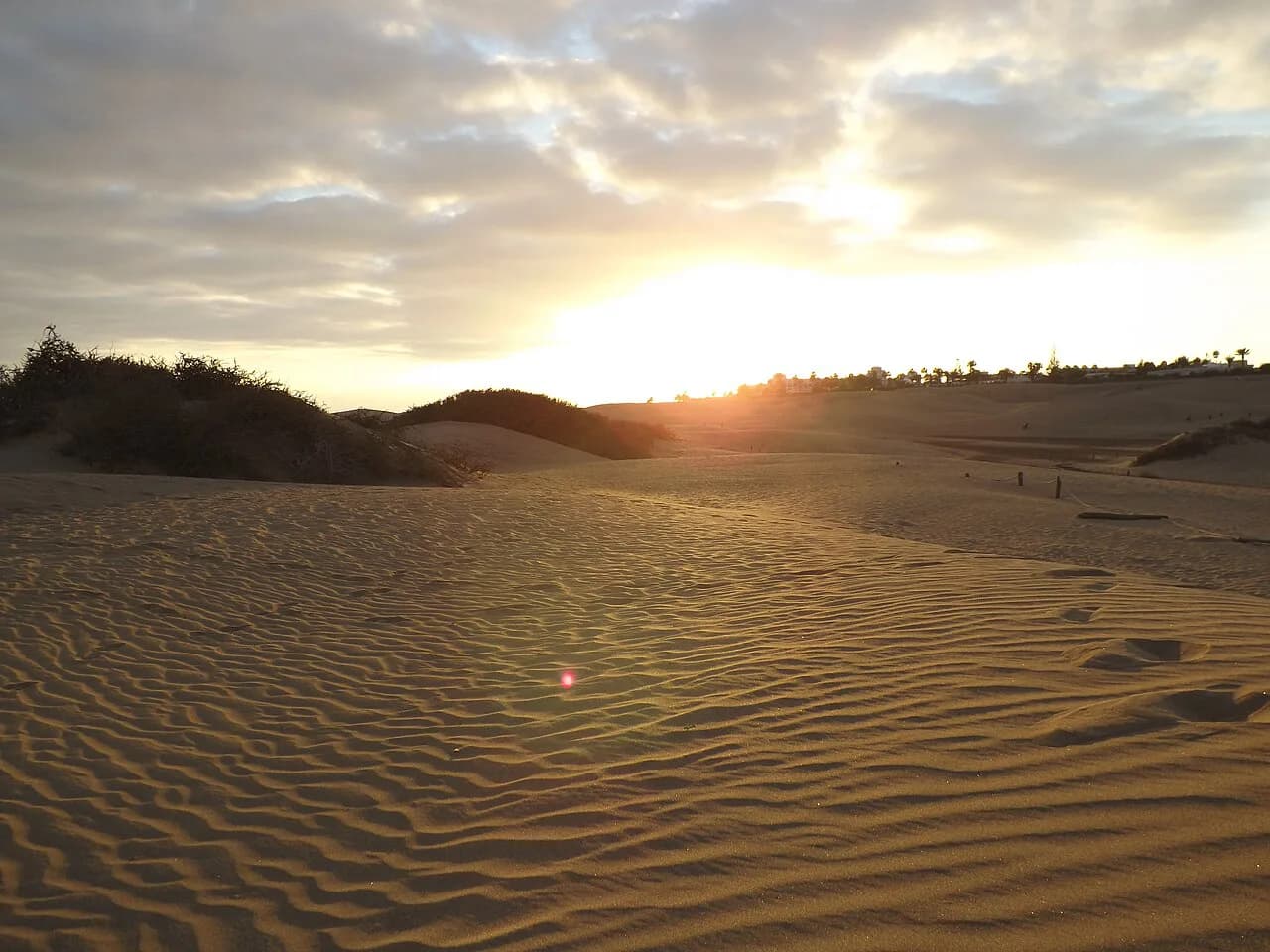
Playa del Inglés, Gran Canaria's best-known beach, is the immediate neighbour and within walking distance along the seafront. If you want a bigger, busier scene with more watersports, it is the obvious change of pace. The Maspalomas dunes and its lagoon and palm grove lie further along the same coast and make an easy half-day extension. Travellers weighing up other island beach bases will find the black-sand options in the guide to the best beaches in La Palma a useful contrast to Gran Canaria's light sand.
Walking the Paseo Costa Canaria
The resort's own promenade runs for about 2.5km and links into the Paseo Costa Canaria, a coastal path of roughly 6.5km that leads from San Agustin to the Maspalomas dunes. It is flat, paved and lined with flowers and benches, which makes it an easy walk for most ages.
Restaurants and cafés sit along the route, so you can break the walk for lunch or a coffee. Walk it early or late in the day for cooler air, and carry water, as the path is exposed for long stretches. The dunes themselves are the reward at the far end, with their lagoon and palm grove.
Plan Your Visit
San Agustin beach is the easy choice on Gran Canaria's south coast when you want light sand, shallow water and a promenade to stroll rather than a party strip on your doorstep. Base yourself in the resort for a quiet stay, or drop in by bus or car for a day and combine it with Playa del Inglés and the dunes.
Pack sun protection and water, arrive in the morning for the best parking and the quietest sand, and leave the afternoon for a walk along the Paseo Costa Canaria. The tourist office can fill in any current details on buses and beach services.
Frequently Asked Questions
What is San Agustin beach like?
It is a broad curve of light sand around 600 metres long, with clear water and a shallow, gently shelving entrance that lets children paddle well out before it deepens. The bay is sheltered and the resort reports little swell, and the sea rescue service supervises swimming. Hotel buildings rise on the hillside behind, and a promenade of restaurants and bars runs along the seafront.
Can you walk from San Agustin to Playa del Inglés?
Yes. Playa del Inglés is the immediate neighbour, and the seafront promenade links the two resorts on foot, with the resort's own walk of about 2.5km feeding into the longer Paseo Costa Canaria. The path is flat and paved, so it suits most ages. Carry water, as long stretches are exposed to the sun.
Is San Agustin Gran Canaria lively?
It is the laid-back alternative to Playa del Inglés, so the atmosphere stays quiet even though the bigger resorts are within walking reach. You get a promenade, a shopping centre and a seafront strip of restaurants rather than a party strip. For nightlife, Playa del Inglés and Maspalomas are close by.
When is the best time to visit San Agustin beach?
Beach weather runs from around May to October, when temperatures sit in the high teens to mid twenties Celsius and rain is rare, while winter and early spring stay pleasantly warm for walking. School holidays and the island's carnival period are the busiest stretches. Mornings are the quietest hours on the sand.
How do you get to San Agustin from Gran Canaria airport?
The resort is roughly 27km, or about 20 minutes by road, from Gran Canaria International Airport, where hire cars are available. Public buses connect San Agustin with Las Palmas, Maspalomas and Playa del Inglés, so a car is not essential. Agree taxi fares before setting off; check current bus timetables locally.
Sources
Beach notes for your next trip
Optional updates when we add or revise beach guides.
You might also like
Continue reading
More guides you'll find useful