Pyrgaki Beach, Naxos: Sand Dunes, Access and Nearby Beaches
Pyrgaki beach on south-west Naxos is a long, unorganised sweep of fine sand backed by cedar dunes. Here is how to get there, what to expect and where to swim.
On this page
Pyrgaki is the beach you choose on Naxos when space matters more than service: a broad, fine-sand sweep on the south-west coast, backed by dunes and a stand of cedar trees rather than a wall of sunbeds. It suits families with young children, swimmers who like a gently shelving seabed and quiet-seekers prepared to carry their own shade and water.
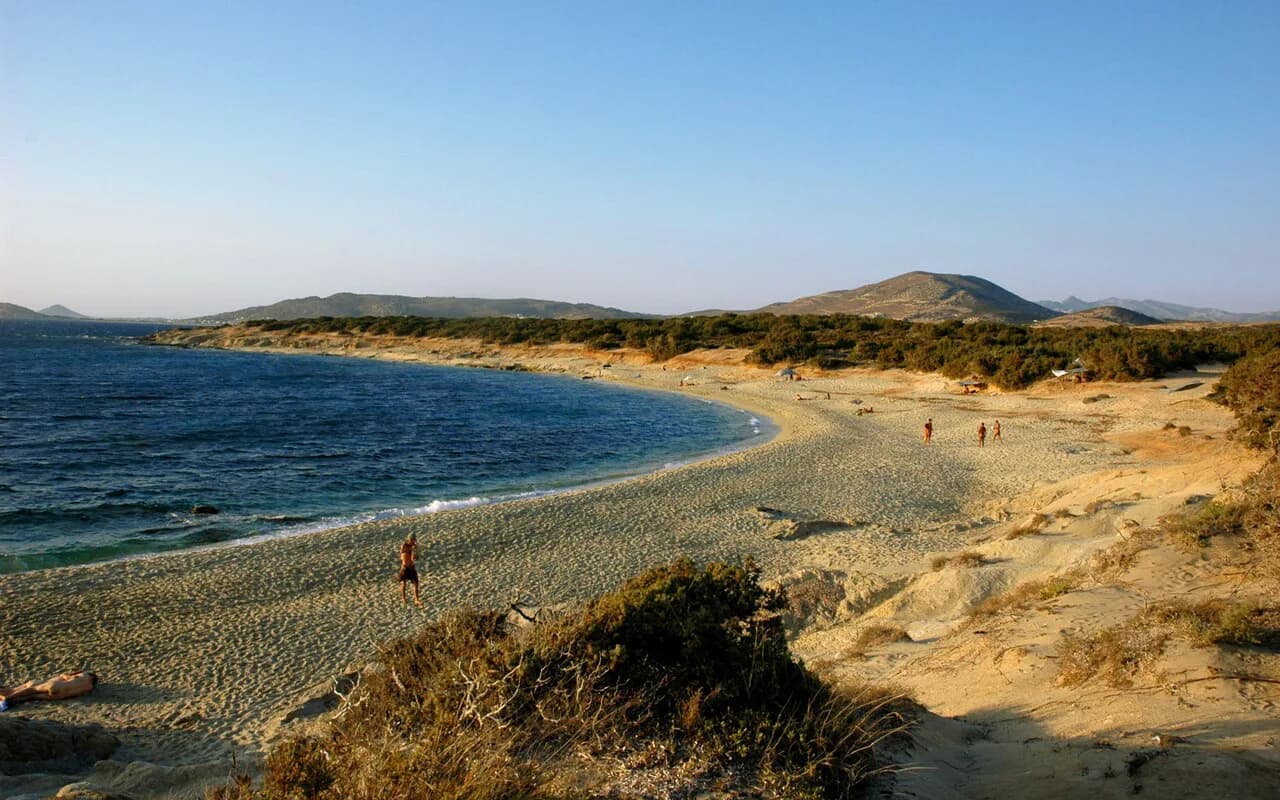
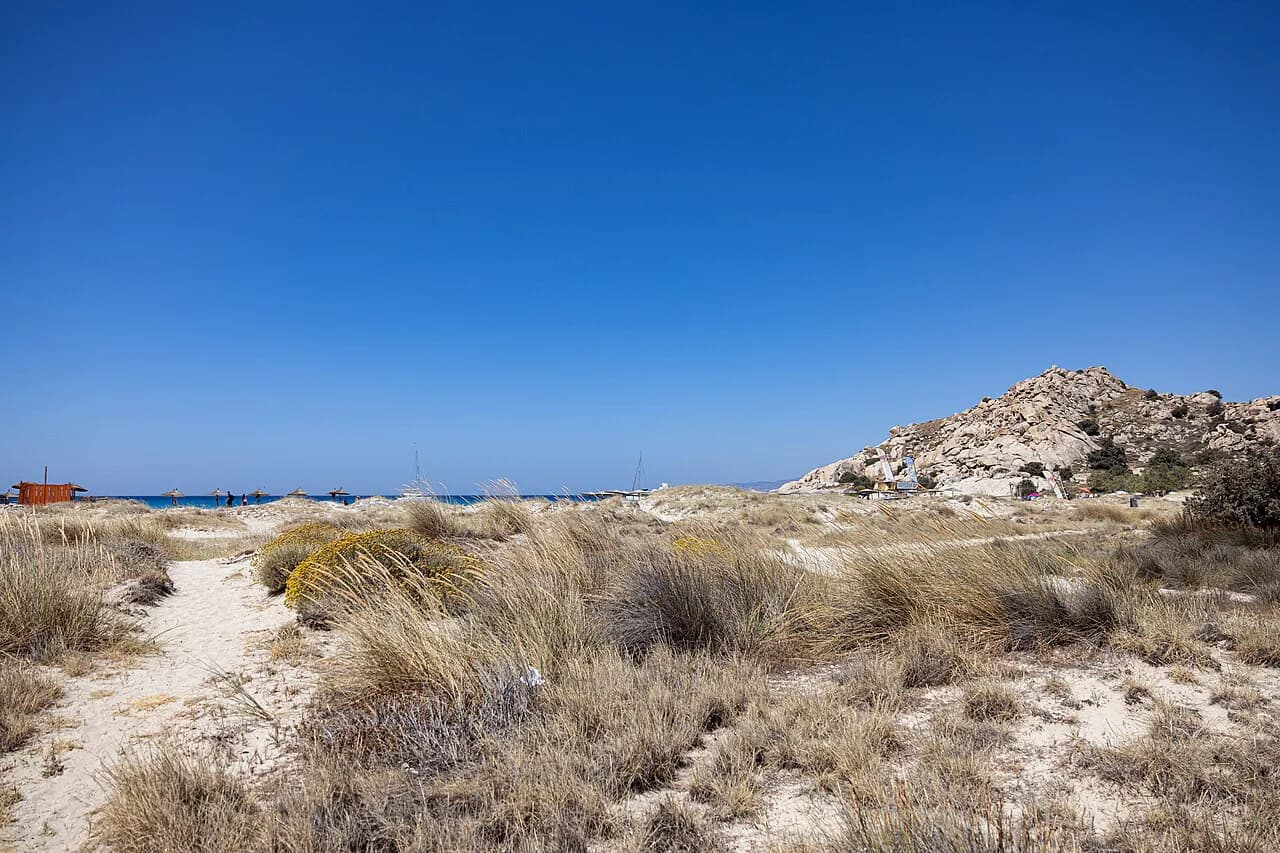
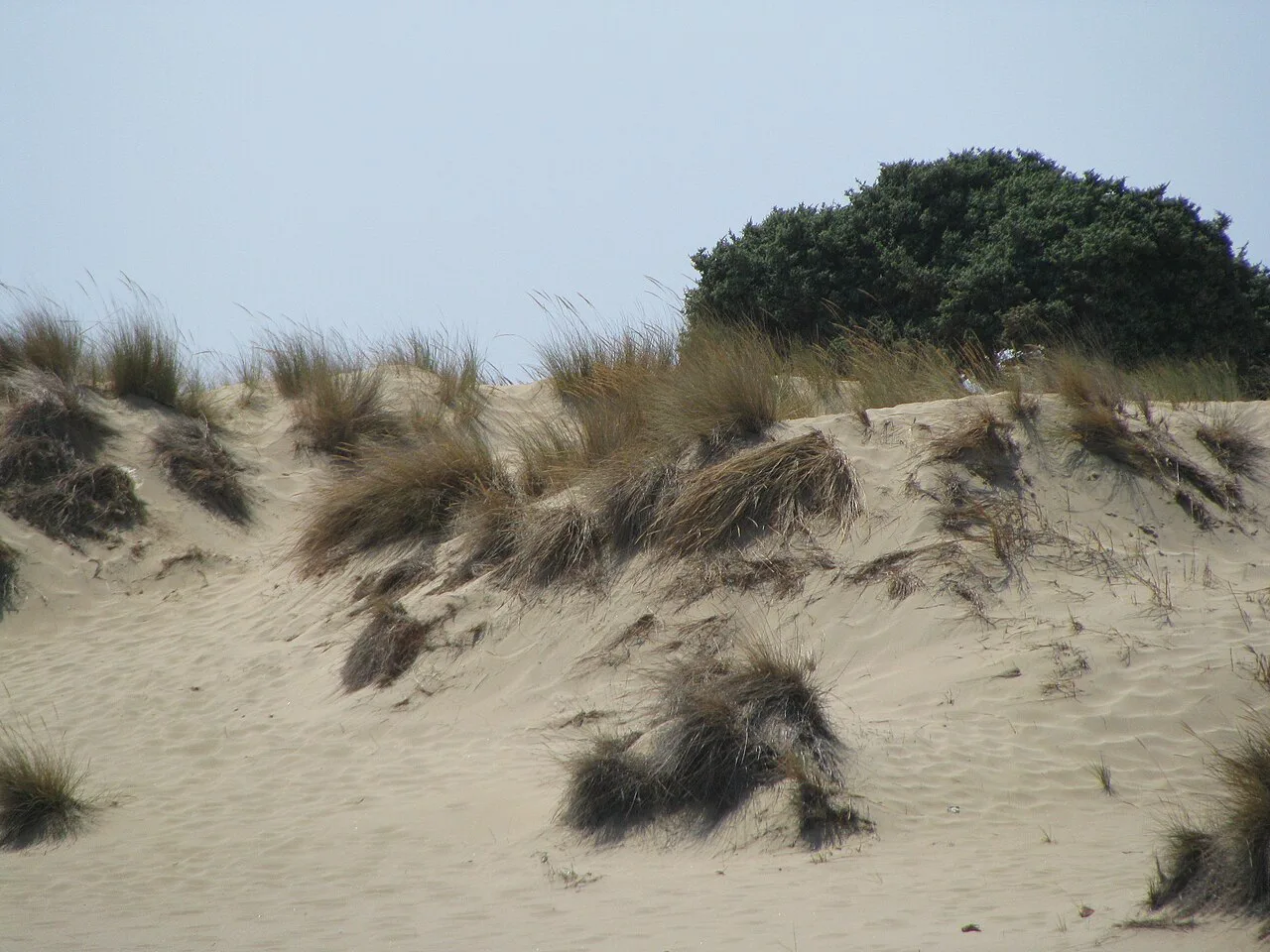
The setting feels more North African than typical Aegean, with sand dunes running back from the shoreline and trees forming a small wooded strip along the front. Because the beach sits inside a cove, it is sheltered from the northern winds, which makes it a sensible option when the meltemi is blowing elsewhere on the island.
Where Pyrgaki sits
Pyrgaki lies on the south-western coast of Naxos, directly after Alyko beach as you follow the coast south. Published distances from Naxos Town are about 18.2 km via Galanado and Glinado, or 18.4 km via Agios Arsenios and Vivlos, so the two routes are near enough the same length and the choice comes down to which side of the island you are starting from.
One listing puts the beach about 19 km south of Chora, which is consistent with the driving figures. Treat the village names as your navigation markers rather than the kilometre count: signposting through the inland villages matters more than the last decimal on the odometer.
Getting there by car or motorbike
Driving is the straightforward way to reach Pyrgaki. The route is asphalt almost all the way to Alyko; from there you turn left and cover the final kilometre on a dirt road that is easy to navigate by car or motorbike, with signs along the way. That last stretch is the only part that asks anything of the driver, and a standard hire car handles it.
Public parking is available in the area, and vehicle hire is the recommended approach for this coast. Arrive earlier in the day if you want the pick of the space near the cedar grove, and bring a little patience for the single dirt-road stretch when traffic builds in high summer.
Getting there without a car
Car-free access is limited. An infrequent bus service runs from the beach to Naxos Town during the summer, and taxis are the other realistic option; neither gives you the flexibility to combine Pyrgaki with neighbouring beaches on the same day. If you are staying in Chora without a vehicle, plan Pyrgaki as a dedicated day rather than a stop on a wider loop.
For a car-free beach day with more frequent transport, the organised beaches closer to Naxos Town are the easier choice; the wider guide to Naxos beaches sets out which stretches of the coast suit which kind of traveller. Hiring a car for a day or two also lets you reach Alyko and Agiassos on the same south-west run.
The sand and the water
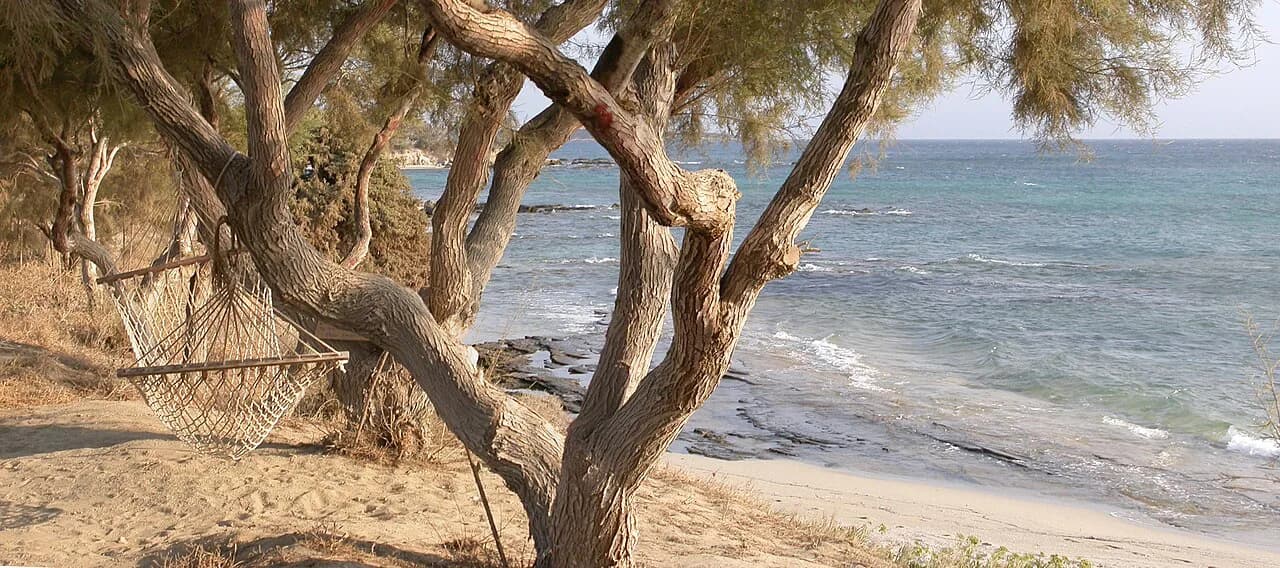
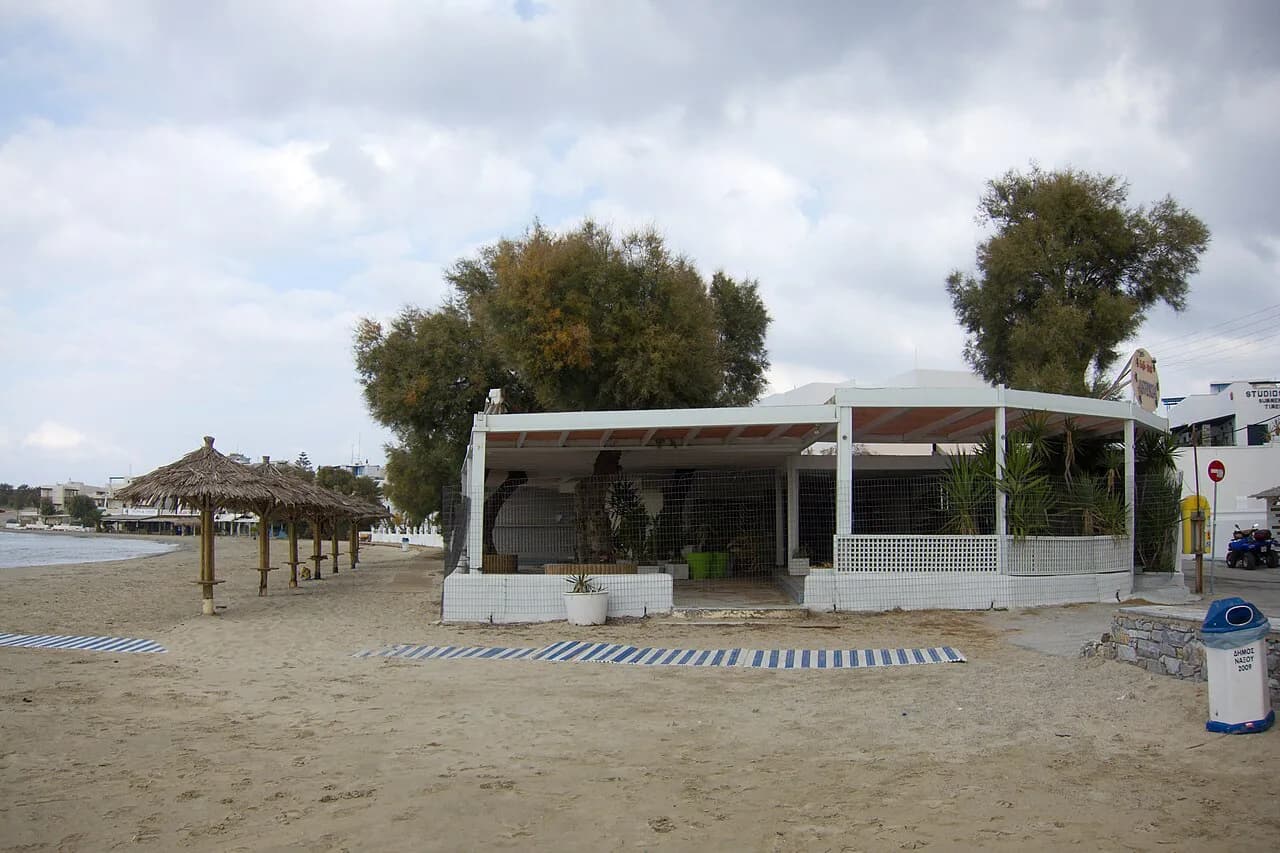
The beach is fine-grain golden sand, long and wide, with dunes behind it and cedar trees forming a shaded strip along the seafront. The water is described as shallow close to the shore, which is what makes the beach work so well for children: they can paddle well out before it deepens.
Because the cove is protected from the northern winds, Pyrgaki holds up on days when exposed shores are uncomfortable, and the trees along the front give natural shade at the back of the sand. The trade-off for that shelter and space is a beach with no organised cover, so bring your own umbrella, windbreak and water.
Swimmers report a shallow, gently shelving seabed that families find easy, and the length of the beach means you can walk away from the busiest patches. Nobody has published lifeguard or first-aid cover here, so treat it as a self-reliant beach and keep an eye on the flags and conditions on the day.
Facilities
Pyrgaki is unorganised: no umbrellas or sunbeds are available to rent, and no lifeguard or first-aid service is listed for the beach. It is also described as inaccessible for people with mobility challenges, so plan around sand and the dirt-road approach rather than expecting a paved promenade.
What the area does have is a handful of tavernas and rooms and studios to rent, many with views over the beach, plus the larger resorts and Chora within driving reach for supplies. Bring a cooler with water, lunch and shade; the appeal of Pyrgaki is precisely the absence of a lido setup.
Best time to go
Pyrgaki stays quiet through most of the summer and is rarely crowded, which makes it unusual among Naxos beaches that are within easy reach of the main resorts. The sea warms through mid-summer, and the shoulder months of June and September bring comfortable swimming with fewer people on the sand.
The south-west shore catches the afternoon sun, so shade at the back of the beach matters on hot days; the cedar strip helps, but bring an umbrella if you plan to stay through the middle of the day. On windy days, the cove's shelter from the north is the reason to choose Pyrgaki over the beaches further up the west coast.
Nearby beaches
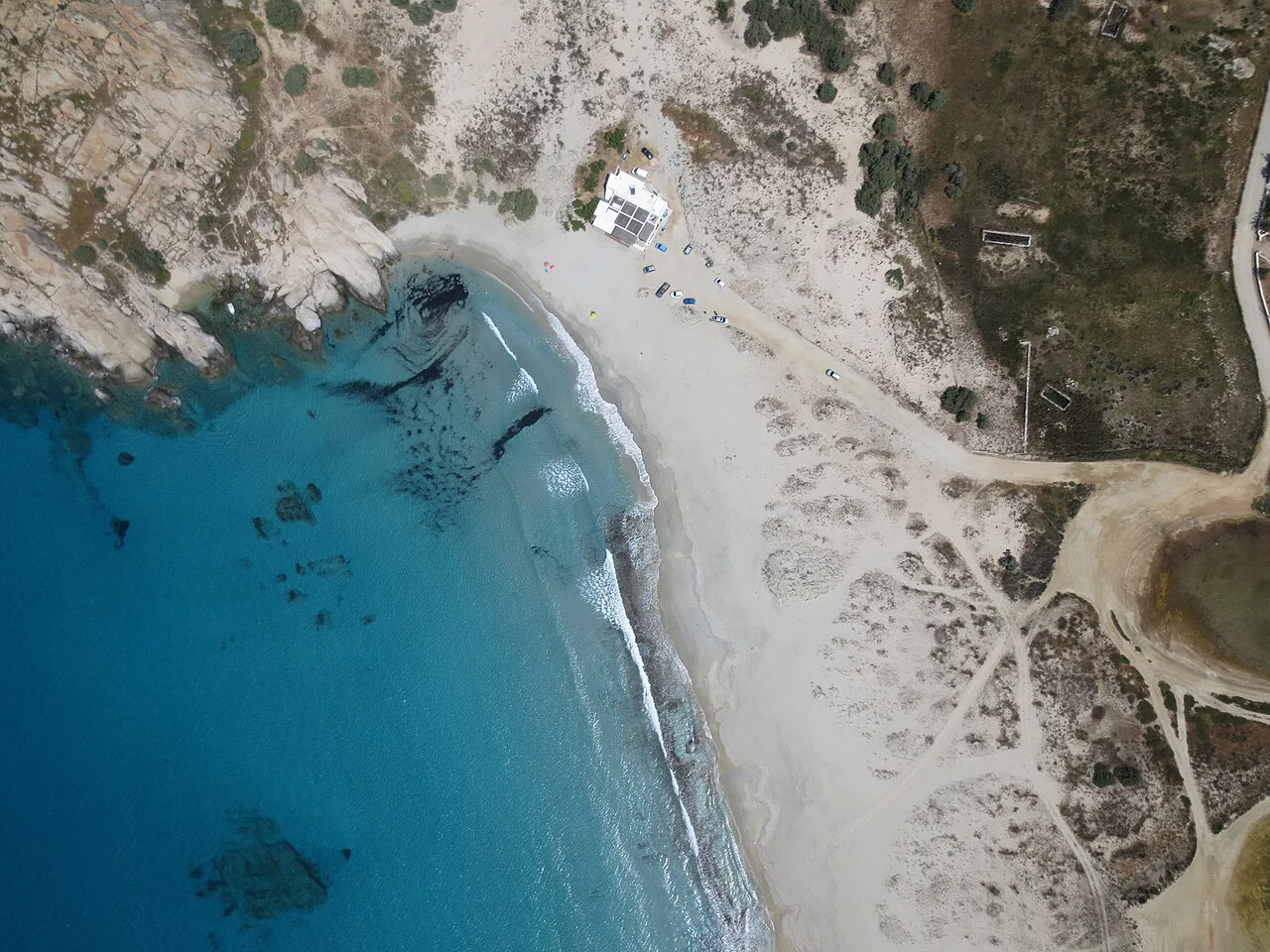
Alyko is the immediate neighbour, one kilometre before Pyrgaki on the same coast, and Agiassos lies further along the south-west shore, making a natural three-beach loop for anyone with a car. Alyko is worth an hour for its own dunes and the cedar grove behind the sand.
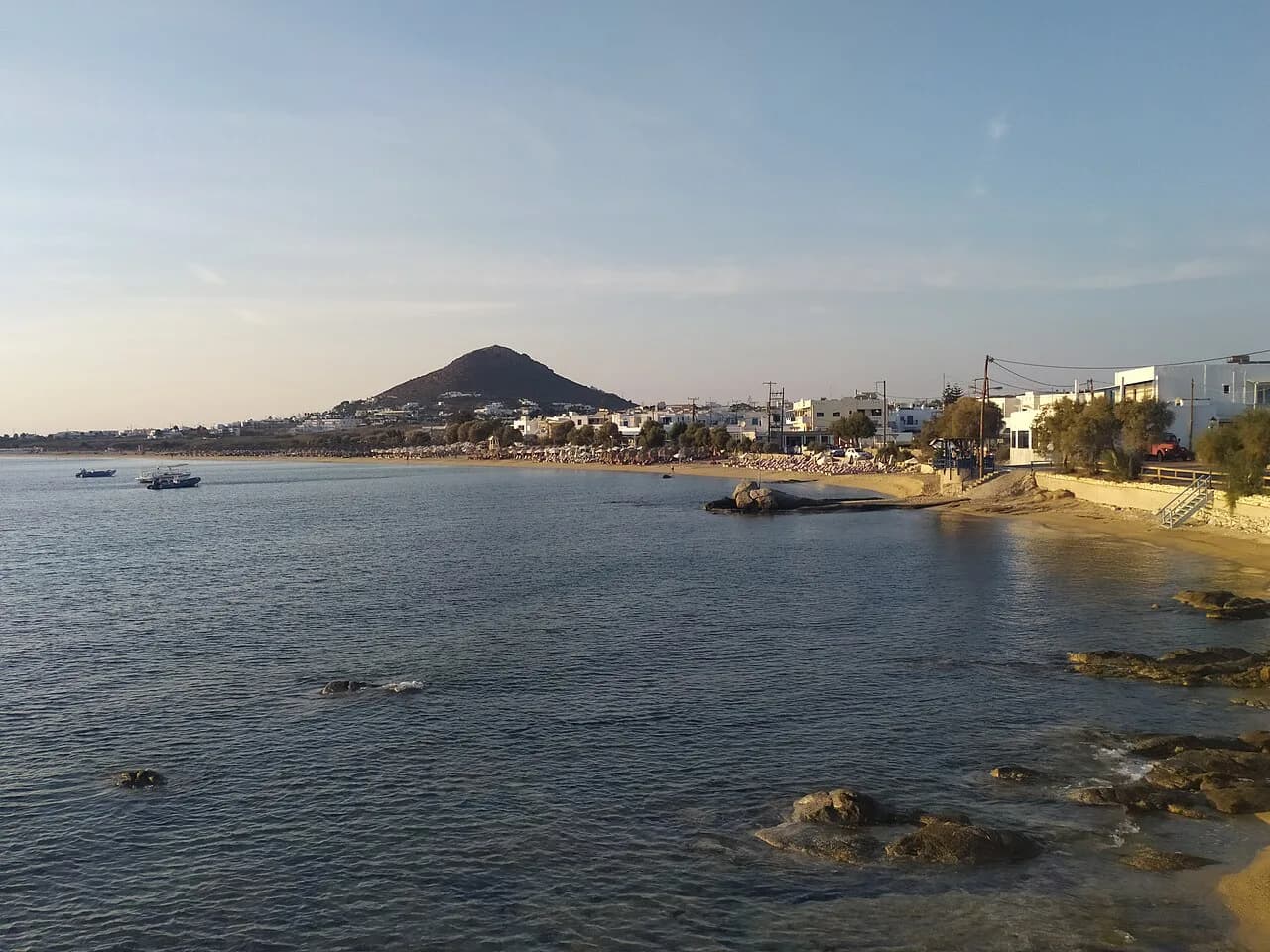
Towards Naxos Town, the south-west coast becomes more organised: Agios Prokopios beach and Plaka beach Naxos both offer sunbeds, beach bars and easier access from Chora, and work well as a contrast day when you want service rather than solitude. The calm, shallow water at Agios Prokopios Beach, Naxos makes it a strong choice for families who prefer a lido on the sand. If you are weighing up other islands for the same organised-versus-wild decision, the guide to Rhodes beaches runs through the coast by coast.
For travellers staying near Mikri Vigla, Orkos beach is another unorganised alternative on the same island, and Agia Anna beach Naxos sits between the organised and quiet ends of the scale. Picking one organised beach and one wild one gives you a better sense of the island than chasing a single 'best' stretch.
Plan Your Visit
Pyrgaki rewards the drive with space, dunes and a sheltered cove, but it asks you to bring your own shade, water and lunch. Go early, take the inland route via Galanado and Glinado or Agios Arsenios and Vivlos, and allow for the dirt-road final kilometre past Alyko.
Pair it with Alyko and Agiassos for a full south-west day, and keep the organised beaches near Chora for the days when you want a sunbed and a bar within reach. If you are relying on the summer bus, check the day's return time with the local bus service before you set out.
Frequently Asked Questions
How far is Pyrgaki beach from Naxos Town?
It is roughly 18 to 19 km from Naxos Town, depending on the route. Published figures give about 18.2 km via Galanado and Glinado and about 18.4 km via Agios Arsenios and Vivlos, with a separate listing placing the beach around 19 km south of Chora. Either inland route brings you out on the coast directly after Alyko beach.
Can you get to Pyrgaki beach by bus?
A bus does reach the area, but the service between the beach and Naxos Town runs infrequently and only in summer, so it is not a practical way to combine several beaches in one day. Taxis are the other option without your own vehicle. Ask the driver for the day's return time before you set out, since a missed bus leaves few alternatives.
Is Pyrgaki beach organised with sunbeds?
No. Pyrgaki has no umbrellas or sunbeds for rent and no lifeguard or first-aid service, so it works as a bring-your-own beach. Pack an umbrella or windbreak, plenty of water and lunch, and use the cedar trees along the seafront for natural shade at the back of the sand.
Is Pyrgaki beach good for children?
Yes, provided you accept the lack of facilities. The seabed is described as shallow and gently shelving, which lets young children paddle well out before the water deepens, and the beach is long enough to find a quiet patch. There is no lifeguard cover published, so an adult should stay in the water with them.
Which beaches are near Pyrgaki on Naxos?
Alyko sits one kilometre before Pyrgaki on the same coast, and Agiassos lies further along the south-west shore, so the three make a natural driving loop. Heading back towards Naxos Town, the organised beaches such as Agios Prokopios and Plaka offer sunbeds and beach bars for a contrast day.
When is the best time to visit Pyrgaki beach?
Pyrgaki stays quiet through most of the summer, so crowds are rarely the issue. The sea warms through mid-summer, and June and September give comfortable swimming with fewer people on the sand. The cove's shelter from the northern winds makes it a useful choice when the meltemi is blowing on exposed shores.
Sources
Beach notes for your next trip
Optional updates when we add or revise beach guides.
You might also like
Continue reading
More guides you'll find useful