Mikri Vigla, Naxos: Two Bays, Winds & How to Get There
Mikri Vigla's two sandy bays give you calm water for swimming on one side and steady Meltemi wind for kitesurfing on the other. Here's how to plan a day.
On this page
Mikri Vigla is the Naxos beach that makes you choose before you unpack your towel. A low headland divides it into two sandy bays, and the two behave so differently in summer that they amount to two separate beach days. Swimmers and families head for one side, wind-sports riders for the other.
The beach sits on the southwest coast of Naxos, roughly a 20-minute drive from Naxos Town along the road that runs south past Agia Anna and Plaka. That puts it within easy reach of Chora for a day trip, but far enough down the coast to feel noticeably quieter than the beaches immediately outside town.
Where Mikri Vigla sits on Naxos
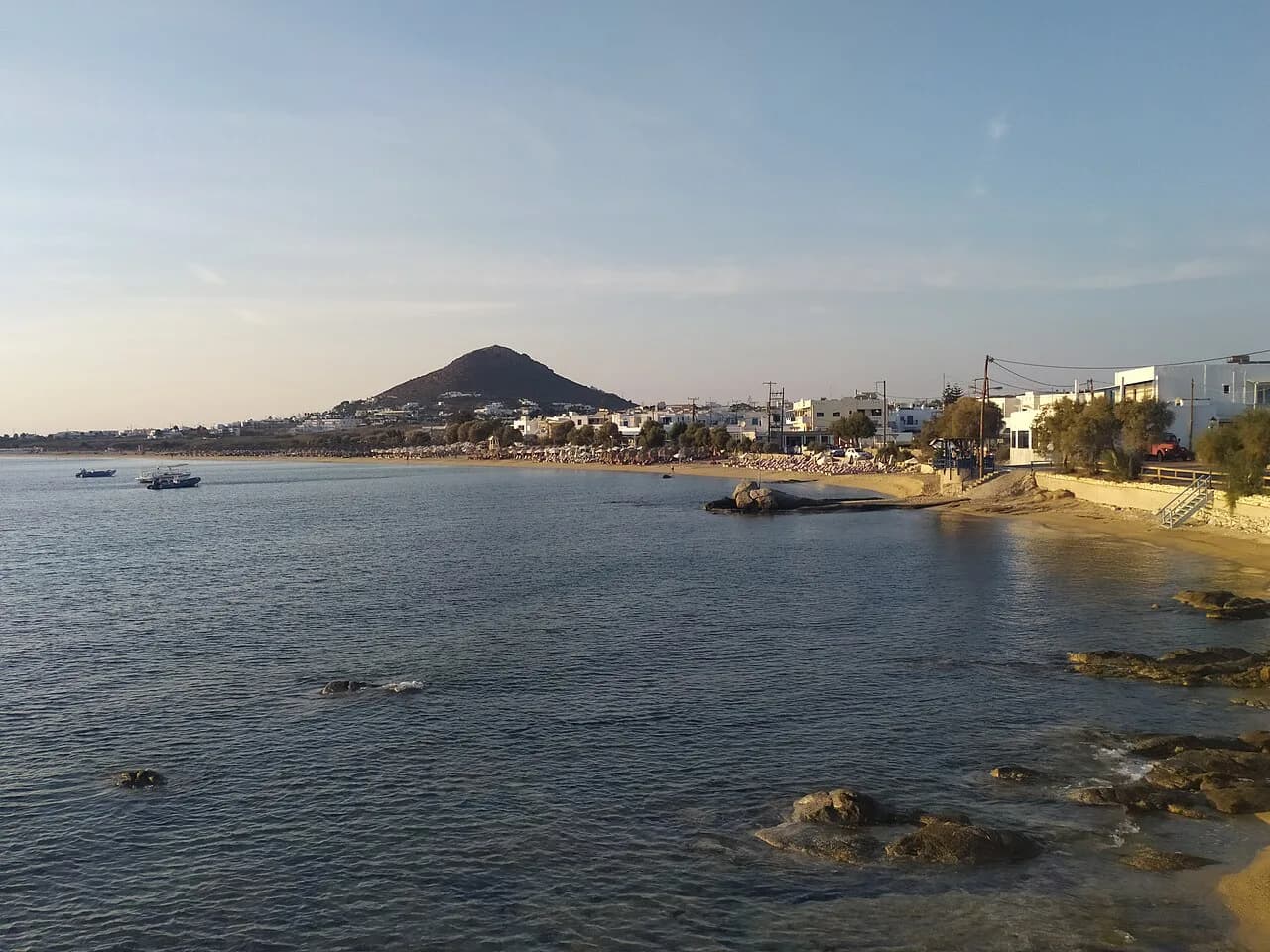
Mikri Vigla lies on the island's southwest coast, about a 20-minute drive from Naxos Town. The approach runs south past Agia Anna and Plaka, so the beach fits neatly into a coastal day rather than requiring a separate expedition across the island.
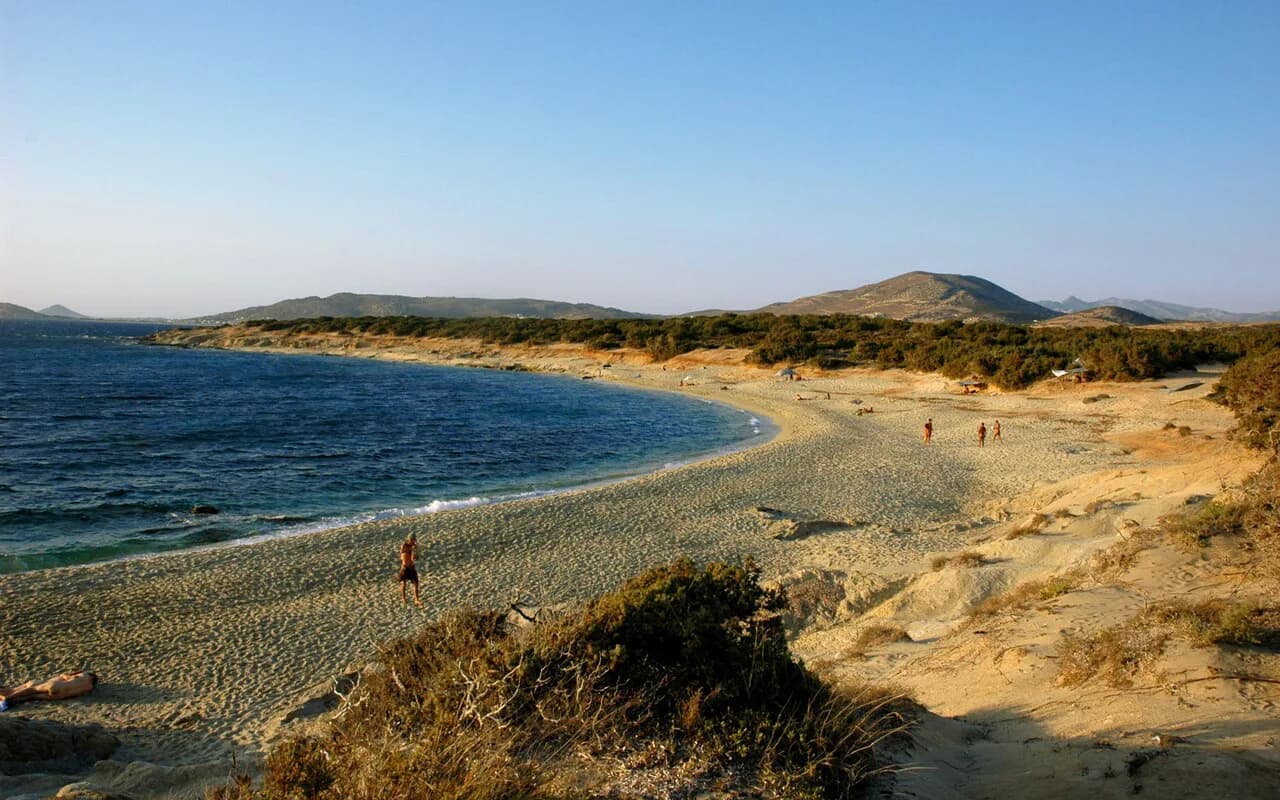
The layout is the thing to get straight before you arrive: two sandy bays separated by a low headland, one facing roughly south and the other north. Because the headland sits between them, the wind and the water state on each side can differ sharply on the same afternoon.
Getting there
Driving from Naxos Town is the straightforward option: follow the coast road south through Agia Anna and Plaka, and allow around 20 minutes. Having a car also lets you move between the two bays, hop to Kastraki or continue to the wilder beaches further south without waiting for anything.
Parking is informal, spread along the tracks behind the beach and around the tavernas rather than concentrated in one signed car park. Arrive earlier in July and August if you want a space close to the sand, and expect to walk a few minutes with your kit if you arrive after midday.
If you are staying locally, the beach is the reason you booked: the accommodation here sits within an easy walk of the shore, which makes an early swim or a late-afternoon session on the water simple. Elsewhere on the island, plan the day around a vehicle.
The southern bay: the swimming side
The southern bay is the one to choose if you want to swim. It is protected from the northerly Meltemi winds in summer, which leaves calmer, clearer water and gentler conditions at the shoreline than the exposed side of the headland.
The reef just to the west of this bay is the snorkelling draw, giving you rocks and marine life within easy reach of the sand rather than a long swim out. Bring your own mask and fins, since the beach is not set up as a dive centre.
Families with young children should base themselves here rather than on the northern side. The combination of shelter from the prevailing summer wind and shallower, less chopped water makes for a more relaxed day with small swimmers, though the sea is still open water and conditions change with the weather.
The northern bay: Parthena and the wind
The northern bay, often called Parthena, is the exposed side, and that exposure is precisely the point. The strong Meltemi winds funnel across it in summer, which is why Mikri Vigla has become an internationally known spot for kitesurfing and windsurfing.
If you ride, this is where you rig up; if you do not, treat it as a spectator beach rather than a sunbathing one. Wind-blown sand and choppy water are part of the deal on this side in high summer, so a towel-and-book day belongs on the southern bay instead.
Beginners can learn here, but pick your days: the Meltemi is at its most consistent in high summer, which is good for progress and less forgiving for a first lesson. Book instruction through the wind-sports operators based around the beach rather than turning up expecting rental kit on the sand.
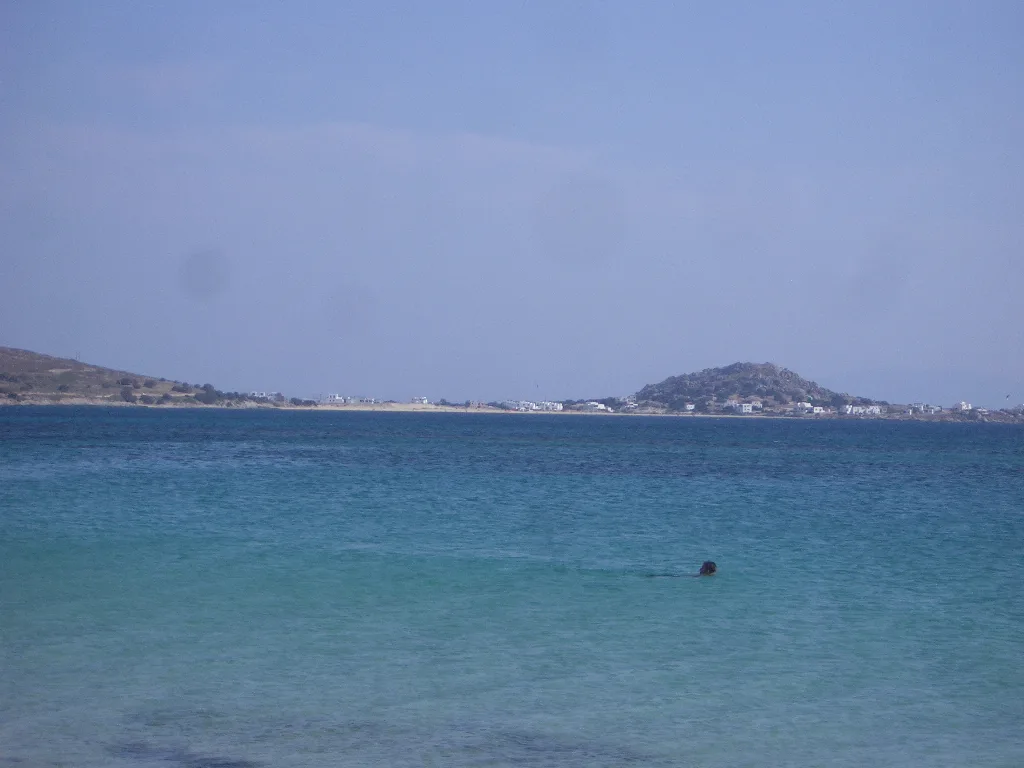
The sand and the water
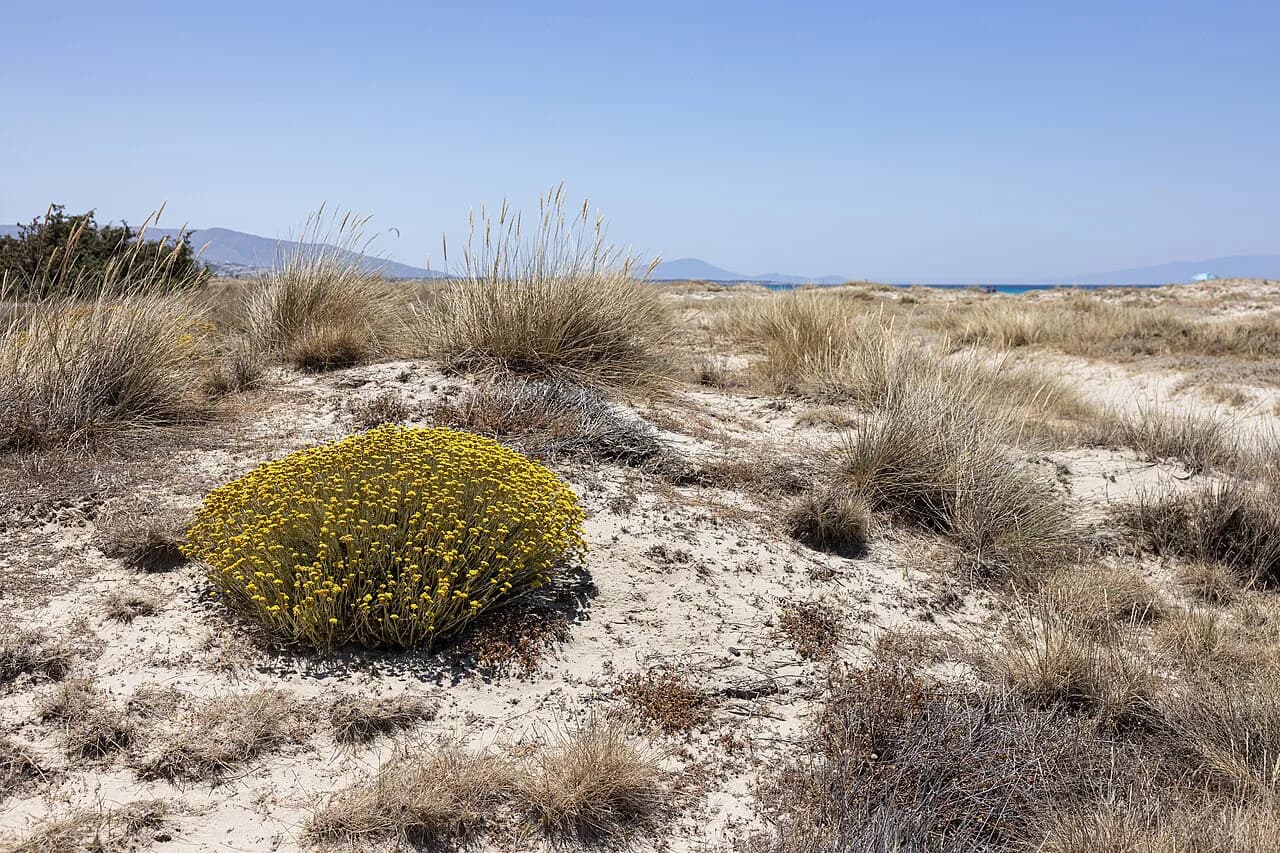
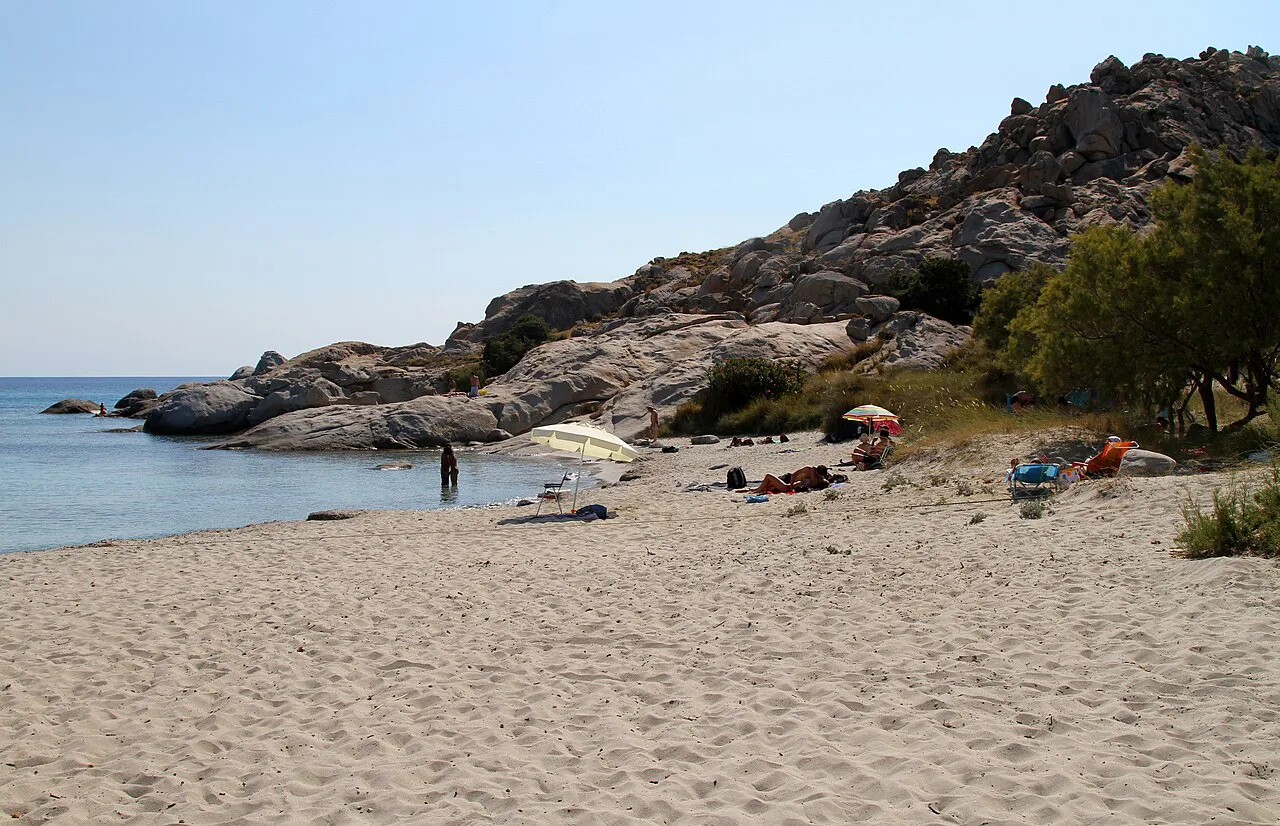
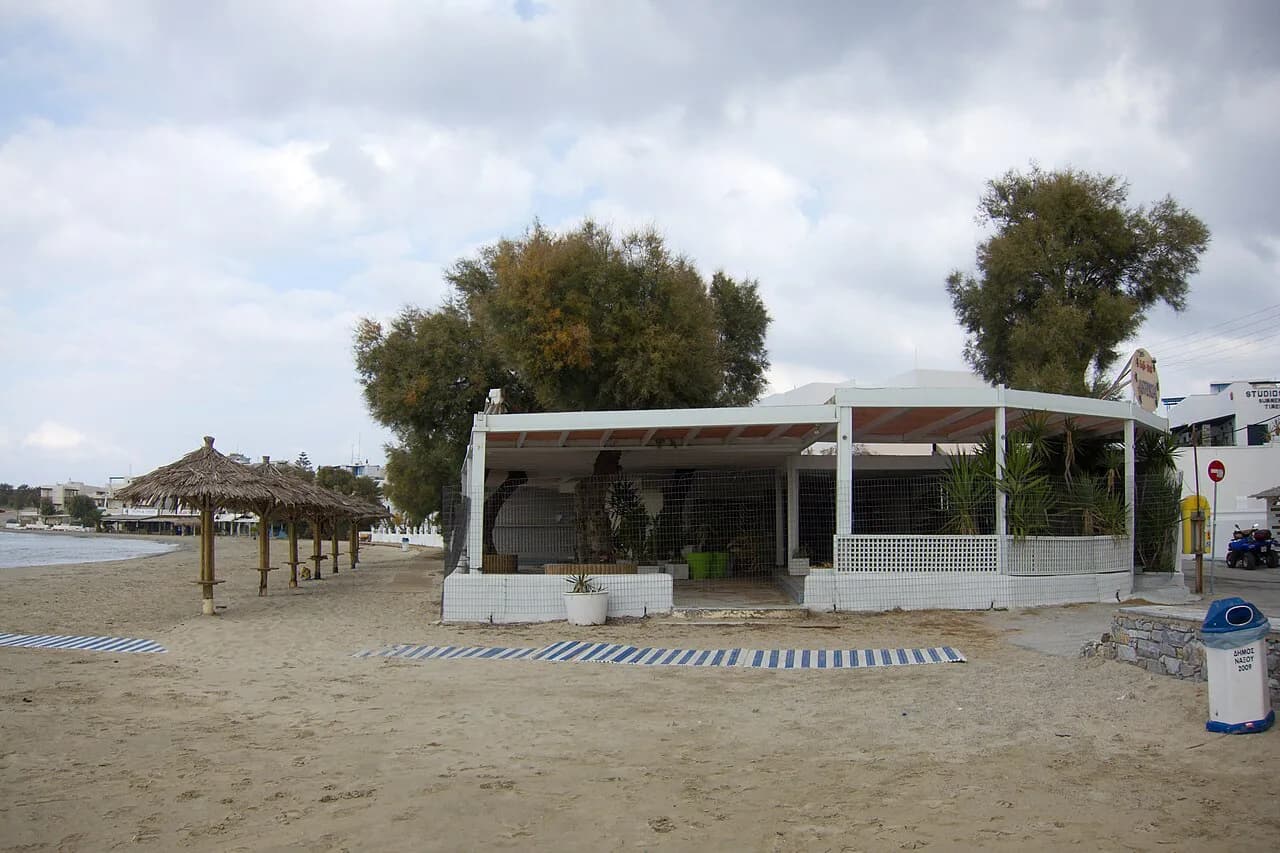
Both bays are wide, sandy and generous enough that even a busy August day leaves room to spread out. The sand runs back to low dunes and scrub rather than a built-up promenade, so the beach reads as open and natural rather than groomed.
The water differs by side more than by distance along the shore. The southern bay gives you a gentler entry and clearer shallows over sand and reef; the northern bay gives you chop, push and the kind of surface that wind-sports riders want and swimmers usually do not.
No source here reports lifeguard cover, flagged swimming zones or Blue Flag status for Mikri Vigla, so plan on swimming with your own judgement and watch how the locals read the water on the day. On a strong Meltemi day, the southern bay is the sensible choice.
Facilities and food
This is a taverna-led beach, not a lido-led one. There are no beach clubs at Mikri Vigla, but a handful of tavernas and beach bars sit along the shore, which is enough for lunch, a coffee and a cold drink without turning the bay into a resort strip.
Sunbeds and umbrellas are limited compared with the organised beaches nearer Chora, so bring a mat and your own shade if you plan to settle for the whole day. Cash is useful for the smaller places, and self-caterers should stock up in Chora or Agia Anna before heading down the coast.
That low-key setup is the trade-off for the setting: you give up the choice of a dozen beach bars and a guaranteed front-row lounger, and you get space, dunes and a shoreline that has not been rebuilt around sunbeds.
Where to stay
Accommodation around Mikri Vigla is primarily villas and apartment rentals rather than sprawling resorts, with a few small hotels positioned close to the sand. That shapes the beach day: you are more likely to walk down with your own umbrella than to book a cabana.
Staying here suits travellers who want the wind and the water on the doorstep and are happy to drive for a wider choice of restaurants. If you would rather have tavernas, bars and a bus stop within a couple of minutes, base yourself at Agia Anna or Plaka and visit Mikri Vigla for the day.
Wind and season
The Meltemi blows hardest through high summer, so late July and August bring the strongest wind-sports conditions and the biggest crowds. The same months give the warmest sea and the most reliable beach weather, which is the trade-off you are making at this latitude.
June and September are the sweet spot for swimmers and quiet-seekers: warm enough for long days in the water, with the wind less relentless and the beach noticeably calmer. Early autumn often delivers the best combination of warm sea and comfortable conditions.
Naxos's nightlife calendar runs through the summer, with beach bars around Agia Anna and Plaka busy from July into mid-September, so staying in the area puts evening options within a short drive without giving up the quiet mornings.
Nearby beaches to combine
Kastraki lies just south of Mikri Vigla and is the natural next stop: a long sandy beach that works for snorkelling on calm days and for kitesurfing when the wind is up, with a few eateries and boutique hotels at its northern end.
Further south, Hawaii Beach and Pyrgaki Beach deliver the wild, cedar-backed version of the Naxos coast, with no amenities at Hawaii and only a few tavernas and some sunbeds at Pyrgaki. Bring shade, water and food if you make the run down.
Heading back towards Chora, Plaka and Agia Anna give you the organised alternative, with beach clubs, cabanas and a wide choice of restaurants, so you can pair a quiet morning at Mikri Vigla with a livelier late afternoon further north.
Practical kit
Pack for wind on one side and sun on the other: a proper shade umbrella or beach tent, a windproof layer for the northern bay, and reef-safe sunscreen for both. Footwear that works on hot sand and wet rocks makes snorkelling off the southern reef easier.
Bring your own mask, fins and water shoes if you plan to snorkel, and a board or kite only if you have arranged rental and instruction in advance. For a pure swimming day, a mat, a flask of water and lunch supplies cover you comfortably.
Plan Your Visit
Decide which side of the headland you want before you leave: shelter and clearer swimming on the south, wind and kite lines on the north. That single choice determines where you park, what you pack and how the day unfolds.
For a broader comparison across the island, our guide to Naxos beaches sets Mikri Vigla alongside Plaka, Agia Anna and Agios Georgios so you can build a coastal itinerary. If you are weighing a second island, our guide to the beaches in Rhodes covers the same swim-versus-wind decision coast by coast.
Check with the Mikri Vigla Hotel or the Naxos tourist office for current local conditions and events before you set off.
Frequently Asked Questions
Which side of Mikri Vigla is better for swimming?
The southern bay. It is protected from the northerly Meltemi winds in summer, which leaves calmer, clearer water and a gentler entry than the exposed northern side. Snorkellers also have the reef just to the west of this bay within easy reach of the sand.
Is Mikri Vigla good for kitesurfing and windsurfing?
Yes. The northern bay, often called Parthena, takes the full force of the summer Meltemi, and Mikri Vigla has become an internationally known spot for both sports. Arrange rental and instruction with the wind-sports operators based around the beach before you travel, and treat the southern bay as the swimming side.
How do you get to Mikri Vigla from Naxos Town?
Drive south from Chora along the coast road past Agia Anna and Plaka, allowing around 20 minutes. Parking is informal along the tracks behind the beach and around the tavernas, and it fills earlier in July and August. Having a car also makes it easy to move between the two bays or continue to Kastraki.
Are there tavernas and sunbeds at Mikri Vigla?
A handful of tavernas and beach bars sit along the shore, so lunch and drinks are covered. Sunbeds and umbrellas are limited compared with the organised beaches nearer Chora, so bring a mat and your own shade if you plan to stay for the whole day. There are no beach clubs here.
When is the best time to visit Mikri Vigla?
June and September suit swimmers and quiet-seekers, with warm sea and less relentless wind. Late July and August bring the strongest Meltemi and the biggest crowds, which is the better window for wind-sports riders. Early autumn often combines warm water with comfortable conditions.
Where should you stay near Mikri Vigla?
Accommodation around the beach is mainly villas and apartment rentals with a few small hotels close to the sand, which suits travellers who want the water on the doorstep. If you prefer tavernas, bars and transport within a couple of minutes, base yourself at Agia Anna or Plaka and visit for the day.
Sources
Beach notes for your next trip
Optional updates when we add or revise beach guides.
You might also like
Continue reading
More guides you'll find useful