Alyko Beach, Naxos: Cedar Dunes, Sand and How to Get There
Alyko Beach on Naxos pairs pale sand and cedar-backed dunes with a wild, undeveloped setting. Here's how to reach it, what to expect and when to go.
On this page
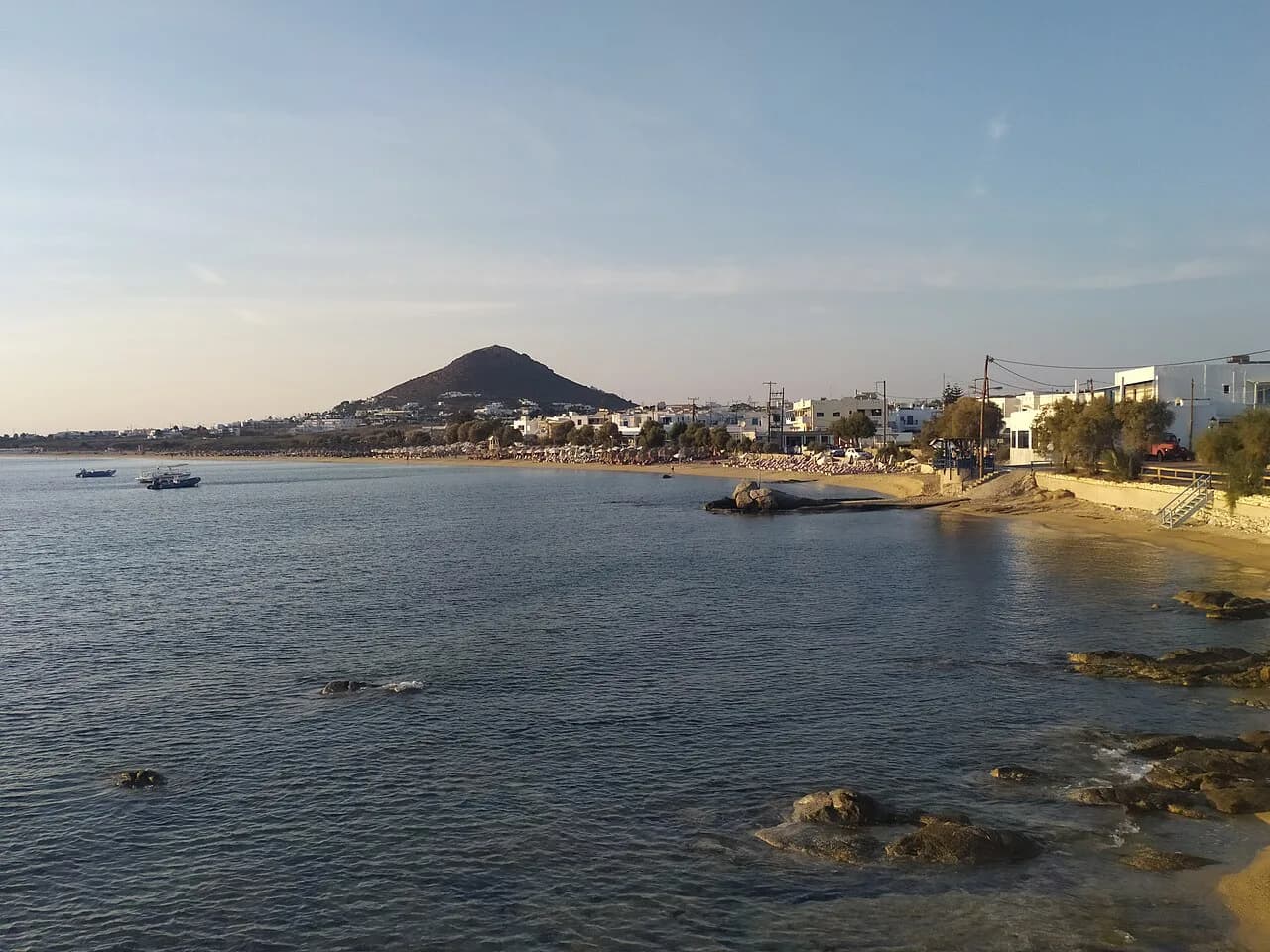
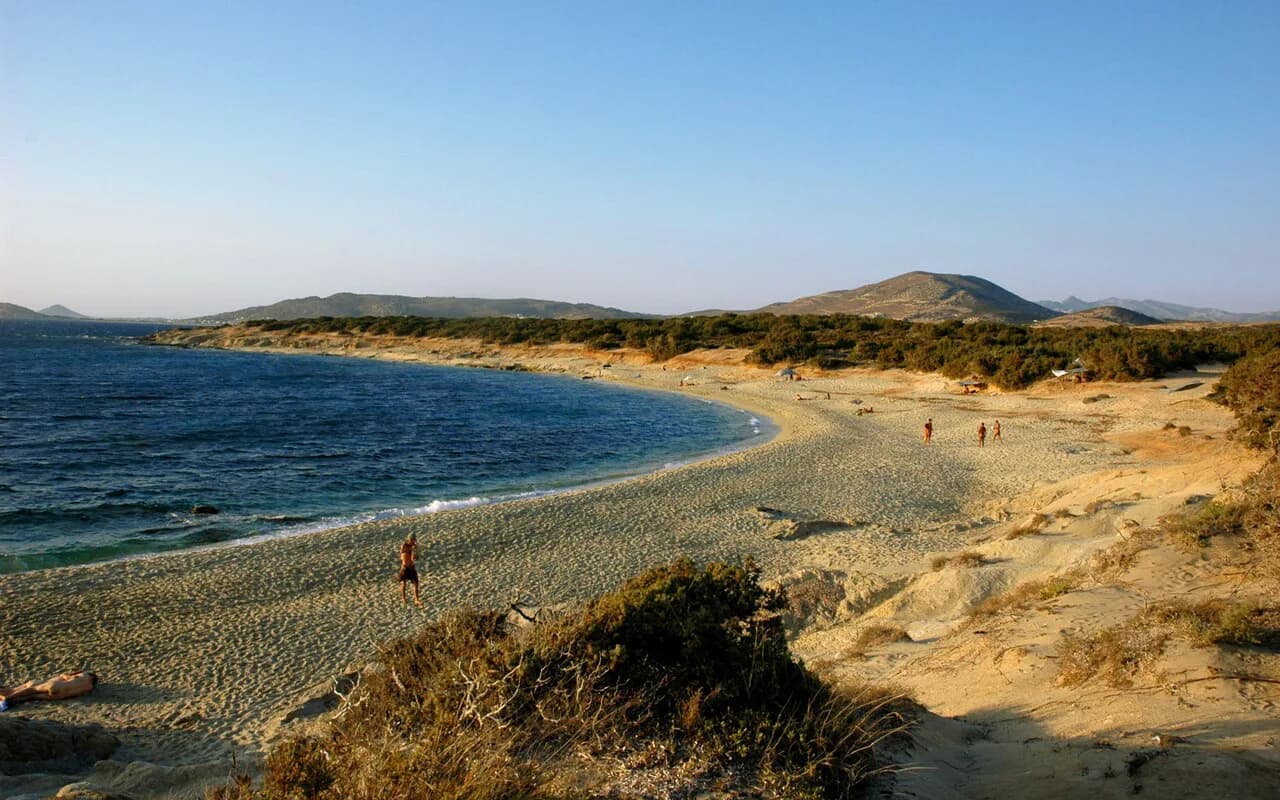
Alyko Beach is the south-west coast of Naxos at its most unhurried: a long run of pale sand backed by dunes and a low cedar forest rather than a resort strip. It earns the trip because the setting itself is the attraction, with trees giving natural shade and a wide sweep of sand big enough to absorb a summer afternoon. This is a day for travellers with wheels, families who want space to dig and paddle, and anyone who would rather hear wind in the cedars than a beach bar playlist.
The beach sits on a small peninsula on the island's south-west corner, close to the better-known sands of Hawaii, Pyrgaki and Kastraki. Most visitors reach it by car, and the drive from Naxos Town is the practical decision point: commit to a full day, pack shade and water, and combine Alyko with one or two neighbouring beaches on the way back. The sections below cover the approach, the sand and water, the cedar forest, what is on site and when the coast is at its best.
Where Alyko Beach sits on Naxos
Alyko occupies a small peninsula on the south-west coast of Naxos, some way south of Naxos Town and beyond the main resort chain that runs through Agios Prokopios, Agia Anna and Plaka. That position explains its character: it is a nature reserve of sand dunes and cedars rather than a village with a seafront promenade. Treat Naxos Town as your supply base and the south-west coast as the day's route.
For orientation, the island's organised beaches sit in a line down the western shore, and Alyko is the wilder card at the southern end of that run. If you want a serviced day with sunbeds and a bar lunch, the beaches further north are the easier choice; if you want the dunes and the trees, plan the drive south. The wider guide to Naxos beaches sets out how the main stretches compare before you commit.
Getting to Alyko by car
The straightforward approach is to drive south-west from Naxos Town, following the coastal road past the main beach villages and then turning toward the Alyko peninsula. Beyond the resort strip the roads thin out and the landscape turns rural, with dunes and cedar scrub taking over from tavernas and car parks. Allow more time than the map suggests, because the final stretch is slow, narrow in places and easy to overshoot if you are watching the sea rather than the road.
Parking is informal, in the sandy clearing where the tracks meet the beach. Arrive earlier in the day in July and August, when the most accessible spots fill first, and avoid driving onto soft dune sand whatever your vehicle. There is no town at Alyko to fall back on for fuel, cash or supplies, so fill up and stock up before you leave the main road.
The sand and the water
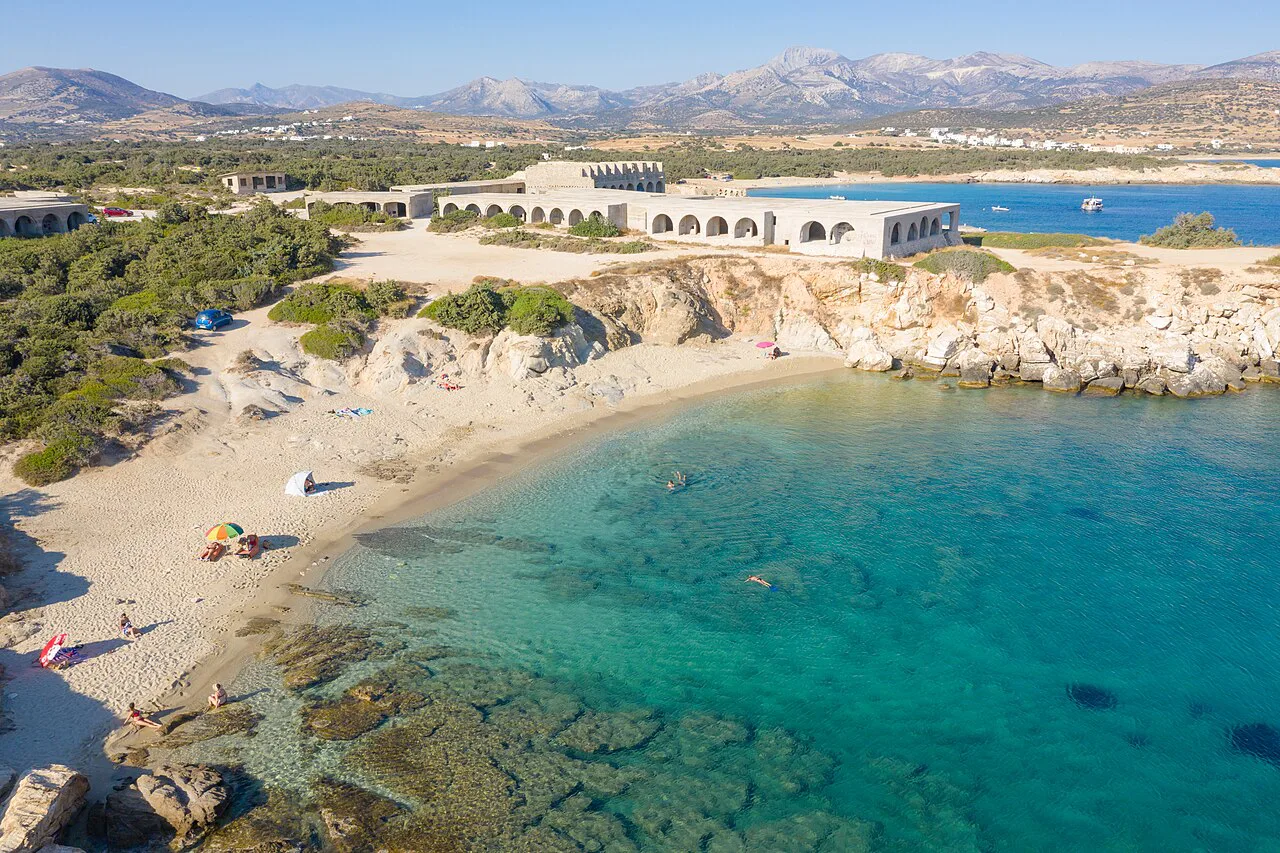
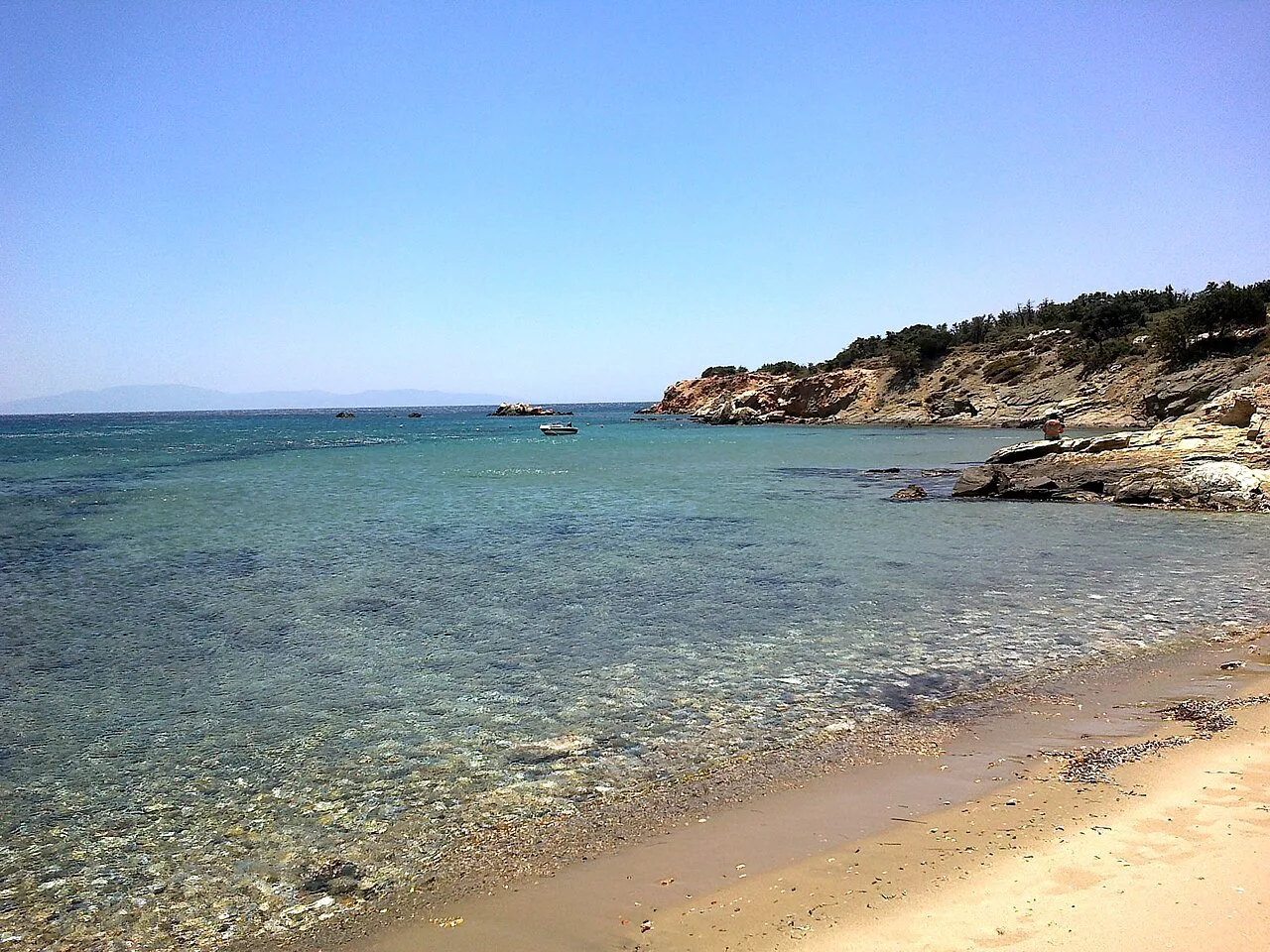
Alyko's beach is a wide band of pale, golden sand, fronted by water that shifts between deep blue and bright turquoise as the light changes. The shoreline is backed by dunes and cedar rather than a built seafront, with palms fringing the bay. On a calm day the water is swimmable and popular for floating, snorkelling and paddleboarding; on a windy one the open bay takes the swell and the appeal shifts to walking and sheltering in the trees.
Which part of the beach you choose matters. The sand nearest the informal parking and the few places serving food is the busiest, while the further stretches give you space and quiet at the cost of carrying everything with you. Bring your own shade, water and food if you plan to settle away from the serviced end, and keep an eye on children near the edges of the dunes.
The cedar forest and dunes
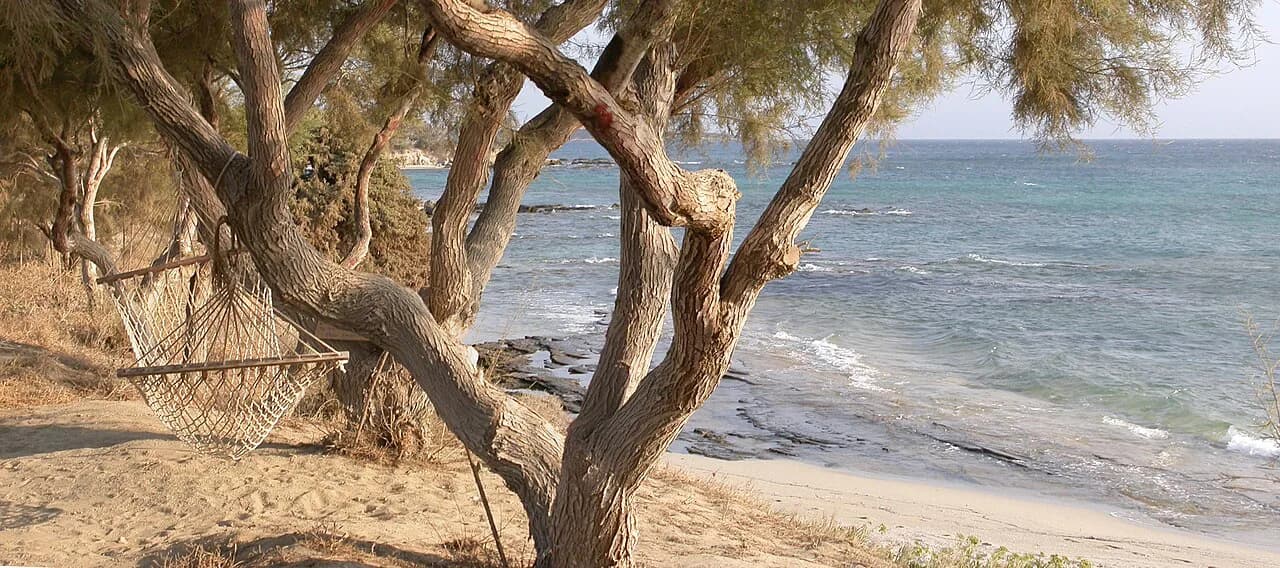
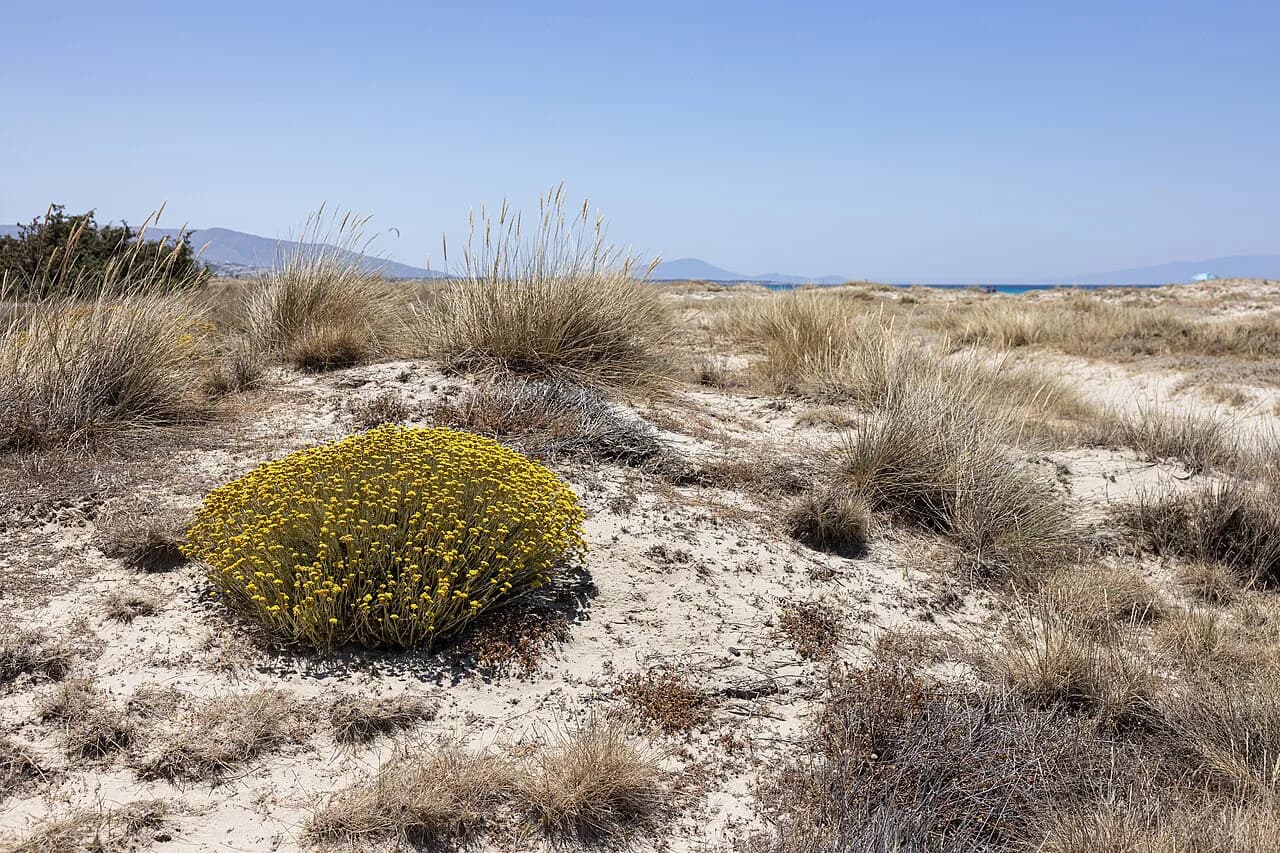
The juniper and cedar woodland behind the sand is the reason Alyko feels different from the rest of the coast. The trees are low and wind-shaped, giving pockets of genuine shade in the middle of the day and a natural boundary between beach and dunes. Shade is uneven and sought after, so claim a spot under the trees early if you plan to spend the afternoon there, and treat the dunes as fragile ground to cross rather than a playground.
The ruins of the old Alyko hotel stand at the back of the beach and have become a canvas for street artists, turning the decaying buildings into an open-air gallery. They are an odd, photogenic landmark rather than a place to explore inside: floors, stairwells and glass are unsafe, so look from the sand and keep children clear of the structures.
Facilities at Alyko
Facilities are limited to a handful of places at the developed stretch, where you can find food and drink and some umbrellas and loungers for rent. Elsewhere the beach is unserviced sand with no shade but the cedars. Come with water, a sun shelter, cash for a taverna lunch and everything you need for the hours in between.
Because Alyko works best as a self-sufficient day, think of the beach bar as a bonus rather than a plan. Families with small children should base themselves near the serviced stretch and the easiest access to the sand, while quiet-seekers can walk a few minutes along the shore and leave the umbrellas behind.
Who Alyko suits
Alyko rewards swimmers who are comfortable reading conditions, snorkellers drawn to clear water near the rocks, walkers who want dunes and cedar scrub, and anyone who finds the organised beaches too crowded. It is also a good family beach in the sense of space and shade, provided you bring your own setup and keep an eye on the water when the wind picks up. Travellers without a car will find it harder to reach than Agios Prokopios beach, which has regular bus links from Chora.
Best time to go
The Cycladic swim season runs from late spring into early autumn, with the sea at its most inviting through the summer months and the beach at its busiest in July and August. The meltemi, the summer wind that funnels through the Cyclades, shapes a day at Alyko more than the calendar does: it can blow sand across the open beach and chop up the bay, so plan around the forecast. When the wind is up, the trees and the sheltered corners near the cedar line are where you want to be.
Spring and early autumn give you the same sand with fewer cars in the clearing and more room under the trees, and they suit walkers and photographers better than the height of summer. However you time it, check the wind and sea state before driving out, since Alyko has none of the town-centre fallbacks of the northern resorts if conditions turn.
Nearby beaches to combine
Alyko sits within a short drive of several south-west beaches, making it easy to build a chain of stops in one day. Hawaii Beach, across from Koufonisi, is known for its cedar-backed sand and coloured cliffs, while Pyrgaki, just south, pairs cobalt water with dunes and a handful of tavernas. Kastraki, a little further north, offers nearly two miles of sand for long walks, and the windsurfing and kitesurfing scene at Mikri Vigla rounds out the options. If you are weighing Naxos against a longer island-hop, the beaches in Rhodes offer a similar decision at a much bigger scale.
If you prefer a livelier base, the organised beaches around Agia Anna come with tavernas, bars and boat trips, while the long sweep of Plaka beach Naxos makes a fine alternative when Alyko is too windswept for a comfortable day. Moving between them by car is quick once you are on the south-west road, so you can pick your beach by the morning's conditions rather than the other way round.
Practical kit for Alyko
Pack for a beach with trees instead of sunbeds: a light sun shelter or umbrella, plenty of water, food if you are staying away from the bar, reef-safe sun cream and shoes for the dunes and rough tracks. A dry bag is useful for the paddleboard rental and the swim out to the rocks, and cash covers a taverna stop or a drink at the beach bar. Leave the dunes as you found them, and give the old hotel ruins a wide berth.
Bringing a dog to Alyko and the beaches nearby
Readers travelling with a dog often ask whether the south-western beaches around Alyko can be enjoyed with an animal in tow, and the honest answer from what is documented is that the stretch suits dogs best as a sandy, open place reached by car rather than as a serviced beach. Alyko sits on the southwestern coast and is reached by road, and it is described as a nature reserve of sand dunes and cedar trees rather than a developed, serviced beach. If your day depends on umbrellas, loungers, beach bars and sea-view restaurants, those belong to the organised beaches closer to Naxos Town, such as Agios Georgios, which the beach guides describe as having umbrellas and loungers, lifeguards, beach bars and beachfront hotels.
The character of Alyko is what makes it workable: it is presented as a quiet, secluded span among the island's named beaches, and the nearby coast combines sand with the cedar forest and dunes. For a dog, that means open ground and shade trees rather than a crowded strip of rented beds. Agios Prokopios, three miles south of Naxos Town, is the closest long sandy beach to the capital and the busiest of the southern beaches, with five or more beach bars at its southern end; if you want to avoid crowds and the scene that comes with them, time your visits outside July and August, when the island's beaches are at their busiest.
Getting to Alyko with a dog is simplest by car, since the beach is reached by road rather than by the coastal walking paths that connect Agios Prokopios, Agia Anna and Plaka. Parking near the salt flats between the beach and the road serves Agios Prokopios if you combine the two, but it fills fast in peak season, so arriving early helps. Plan any washing or waste disposal around your accommodation, and carry your own drinking water for the drive out.
Where Dogs Fit Into a Naxos Beach Day
For readers planning their days around a dog, the picture that emerges from beach guides is one of organised sand rather than open coastline. CalmBeach lists eight organised beaches in Naxos, among them Agios Prokopios, Plaka, Agia Anna, Pyrgaki, Mikri Vigla, Agios Georgios and Kastraki, and the facilities that make them organised are sunbeds, umbrellas and a beach bar nearby. Naxos.net notes that Pyrgaki is not organised, with no umbrellas or sun beds available for rent and no lifeguard or first aid, which leaves the sand as the only surface to settle on, so a towel and a bowl brought from home are what a dog needs at beaches of this kind.
The wind matters as much as the sand. Agios Prokopios divides naturally into two experiences: the southern end has five or more beach bars with sunbeds, food and cocktails, while the north-western end is mostly public, quieter and better suited to families or those who want the sand without the scene. On meltemi days the northern end of Agios Prokopios can be uncomfortable, with blowing sand and choppy water, and the western public stretch is more sheltered. Getting there with a dog is straightforward if you avoid the car: KTEL Line 1 runs regularly from Chora, costs €2.10 and takes around 15 minutes, with the bus stop close to the beach.
Timing changes the experience. May and September are the best time to visit Agios Prokopios, when it is considerably quieter than peak season and noticeably cheaper across accommodation, sunbeds and food; July and August are when it is at its busiest and most expensive. The south-western coast beaches along this stretch include Alyko, Glyfada, Kastraki, Mikri Vigla, Plaka, Agia Anna and Agios Prokopios, so a dog day can be built from short hops between them rather than one long stay. At Pyrgaki the beach is not organised and in general is hardly ever crowded, which suits a companion who prefers space, and it lies directly after Alyko.
Plan Your Alyko Day
Alyko Beach is a south-west Naxos day for travellers who want sand, cedar shade and a wild setting over a resort strip. Drive out from Naxos Town, arrive earlier in peak season, park in the clearing and set up under the trees with your own supplies, keeping the old hotel ruins at a distance. Use the serviced stretch for a drink or a paddleboard and the quieter sand for everything else.
Build the day around the wind, not the clock: when the meltemi blows, take the sheltered side of the cedar line and treat the bay as a walking rather than swimming day. Combine Alyko with Pyrgaki, Hawaii or Kastraki on the drive back, and check the forecast through your accommodation or the local tourist office before you leave.
Frequently Asked Questions
How do you get to Alyko Beach on Naxos?
Alyko is on the south-west coast and is normally reached by car from Naxos Town, following the coastal road past the main beach villages and then turning toward the peninsula. Parking is informal in the sandy clearing where the tracks meet the beach, and it fills earlier in July and August. Travellers without a car should plan around a hire car or taxi for the day.
Is Alyko Beach good for swimming?
The bay is swimmable on calm days and is used for floating, snorkelling and paddleboarding, but it faces open water and the meltemi can chop it up. Check the wind and sea state before you go, and treat a windy day as a walking and shade day rather than a swim.
Are there restaurants at Alyko Beach?
Facilities are limited to a couple of places at the developed stretch, including a beach bar serving drinks and light bites and a base for renting paddleboards. Most of the beach is unserviced sand, so bring water, food and shade if you plan to settle away from that end.
What is the abandoned hotel near Alyko Beach?
The ruins of the old Alyko hotel stand behind the beach and have been covered in street art, turning the decaying buildings into an open-air gallery. They are not safe to enter or climb, so view them from the sand and keep children clear of the structures.
Which beaches are near Alyko Beach?
Hawaii Beach, Pyrgaki, Kastraki and Mikri Vigla all sit within a short drive on the south-west coast, each with a different character. Pyrgaki and Hawaii are the quietest, Kastraki offers long walks, and Mikri Vigla is the windsurfing and kitesurfing hub.
When is the best time to visit Alyko Beach?
Late spring and early autumn give you the same sand with fewer cars and more room under the cedars, while July and August are busiest and most exposed to the meltemi. Whatever the month, plan around the wind forecast rather than the calendar.
Sources
Beach notes for your next trip
Optional updates when we add or revise beach guides.
You might also like
Continue reading
More guides you'll find useful