Kastraki Beach, Naxos: A Long, Quiet South-Coast Beach Guide
Kastraki Beach on Naxos is a long, roomy sweep of sand backed by dunes and cedar trees. Here is how to reach it, where to swim and when to go.
On this page
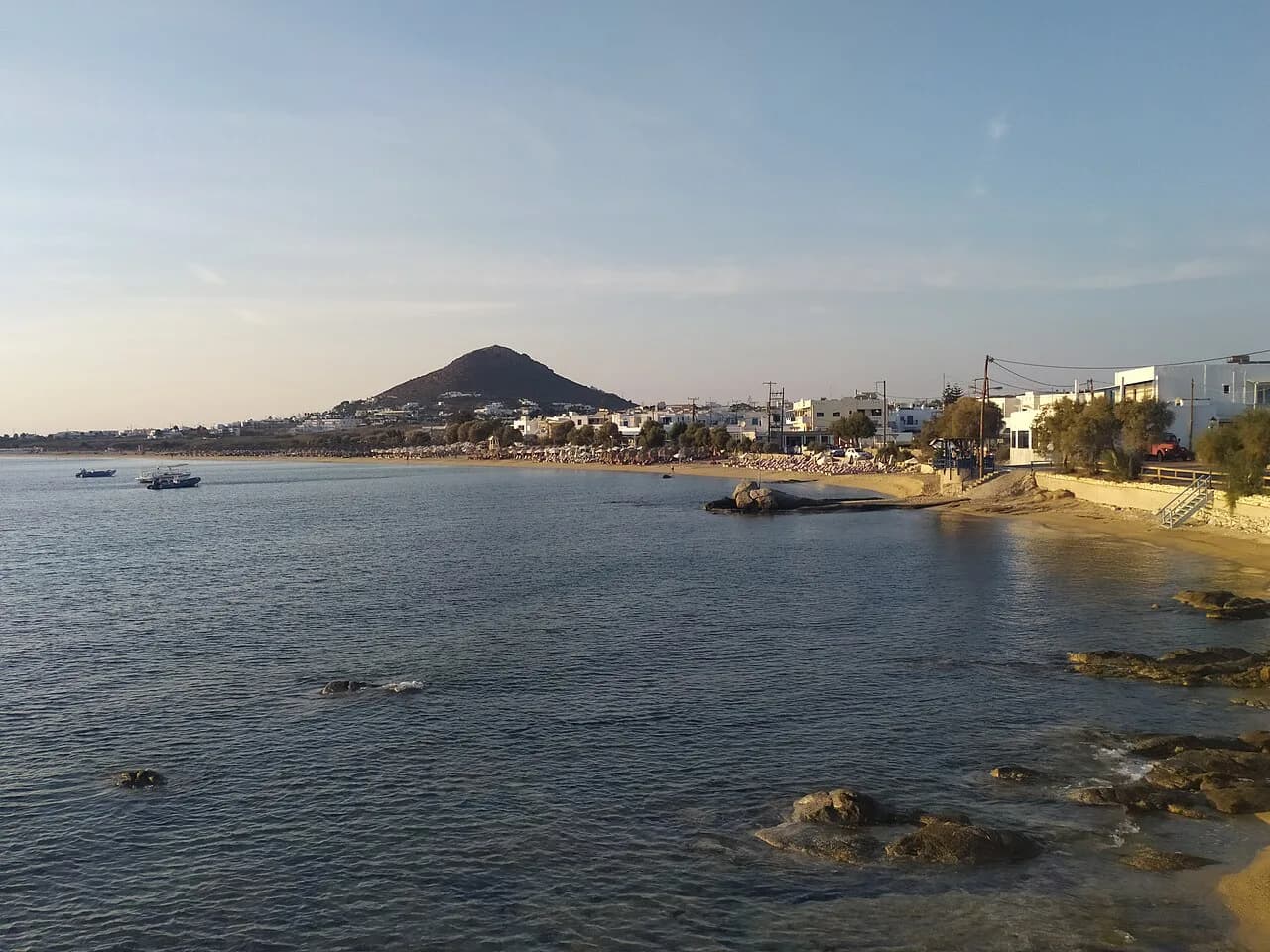
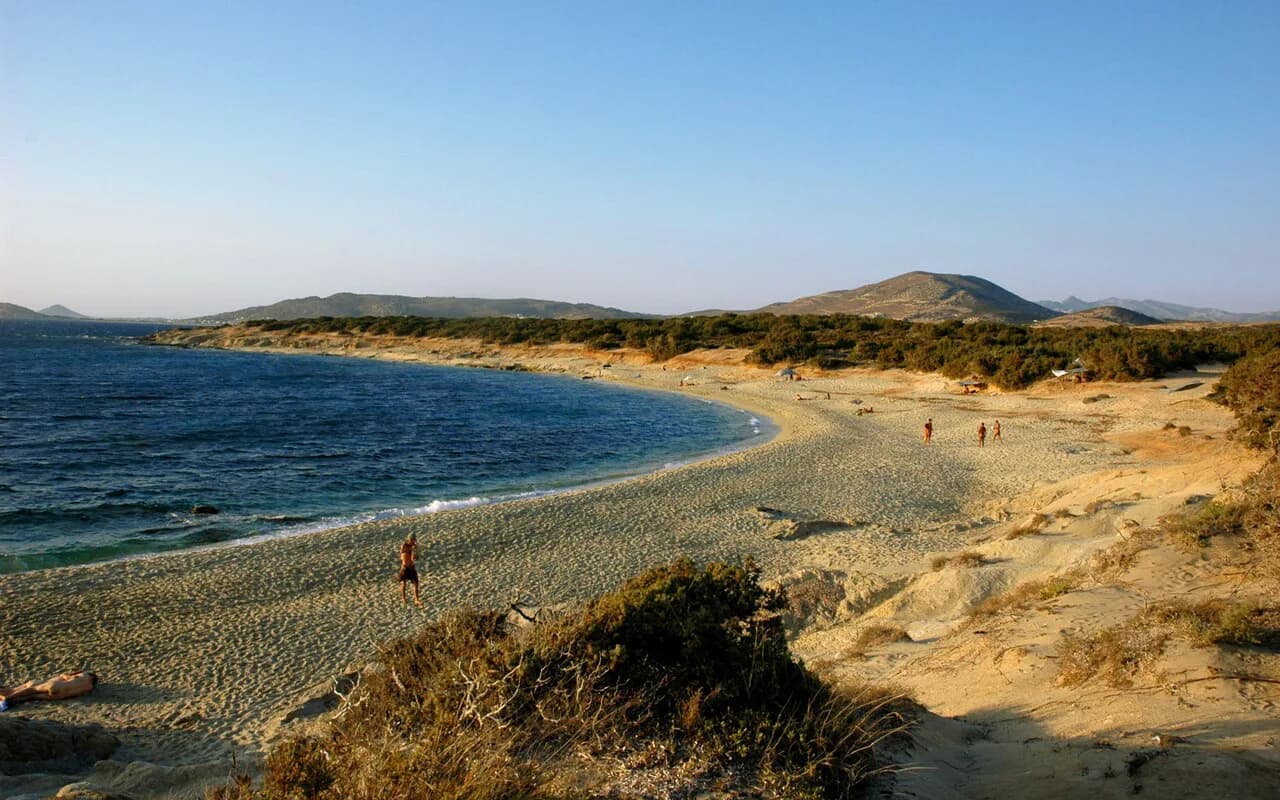
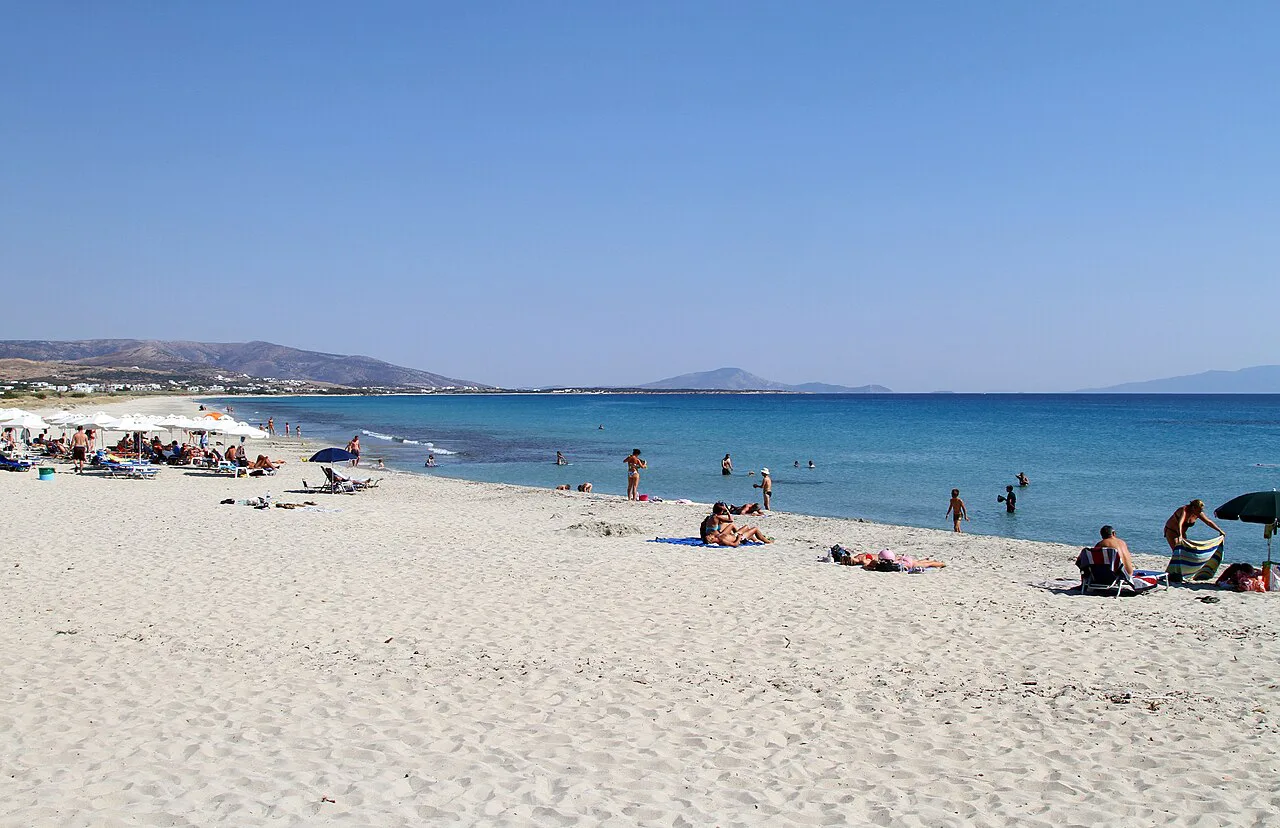
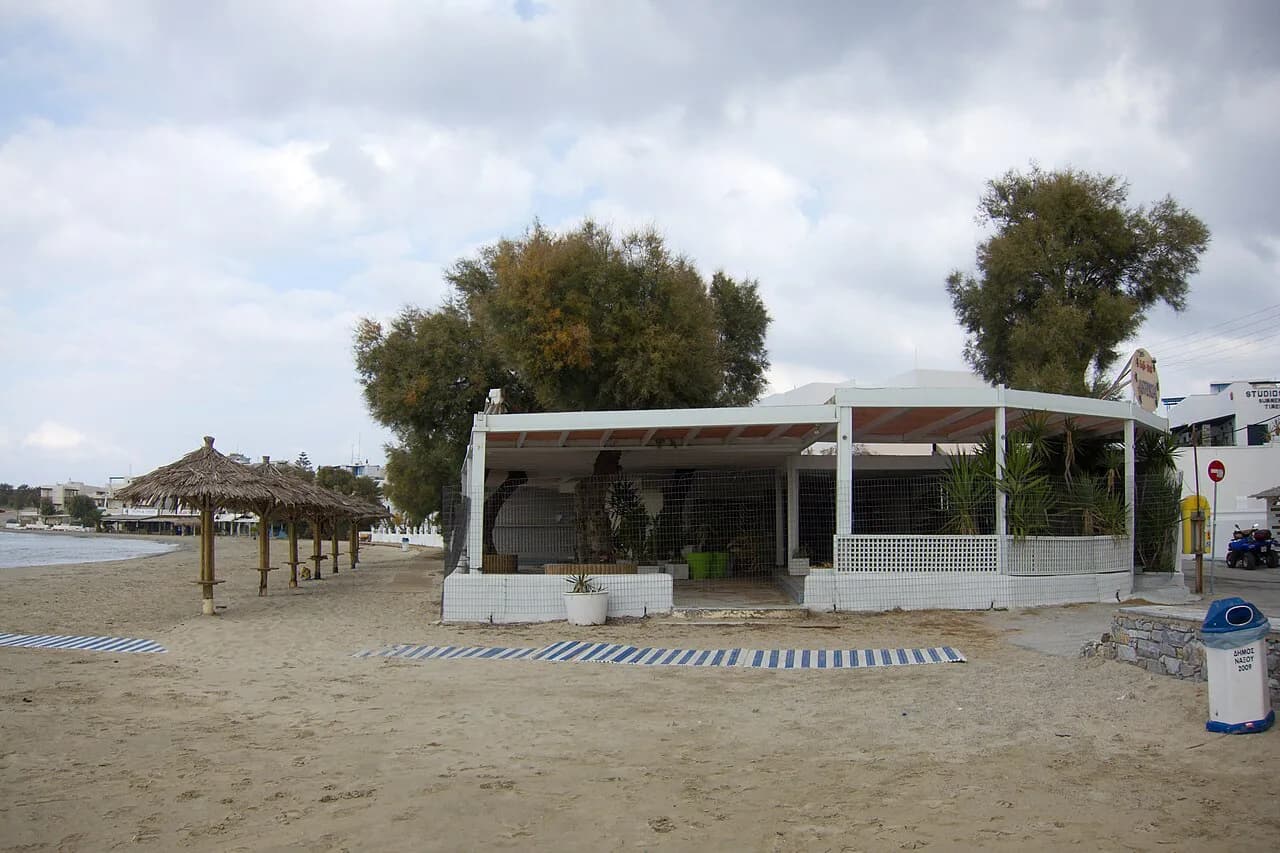
Kastraki Beach earns its place on a Naxos itinerary through sheer space: a sweep of pale sand that runs for close to two miles, with a developed north end and a southern half left to dunes, cedar and juniper. It suits travellers who want the south-coast beach scene without spending the day shoulder to shoulder with sunbeds, and families who value shallow entry over beach-club polish.
It sits in the chain of beaches running south from Naxos Town, beyond Agia Anna and Plaka, so it works as a destination in its own right or as the quiet final stop on a day of coast-hopping. The sections below split the beach by end, explain how the wind decides where you settle, and set out what to bring.
Where Kastraki sits on Naxos
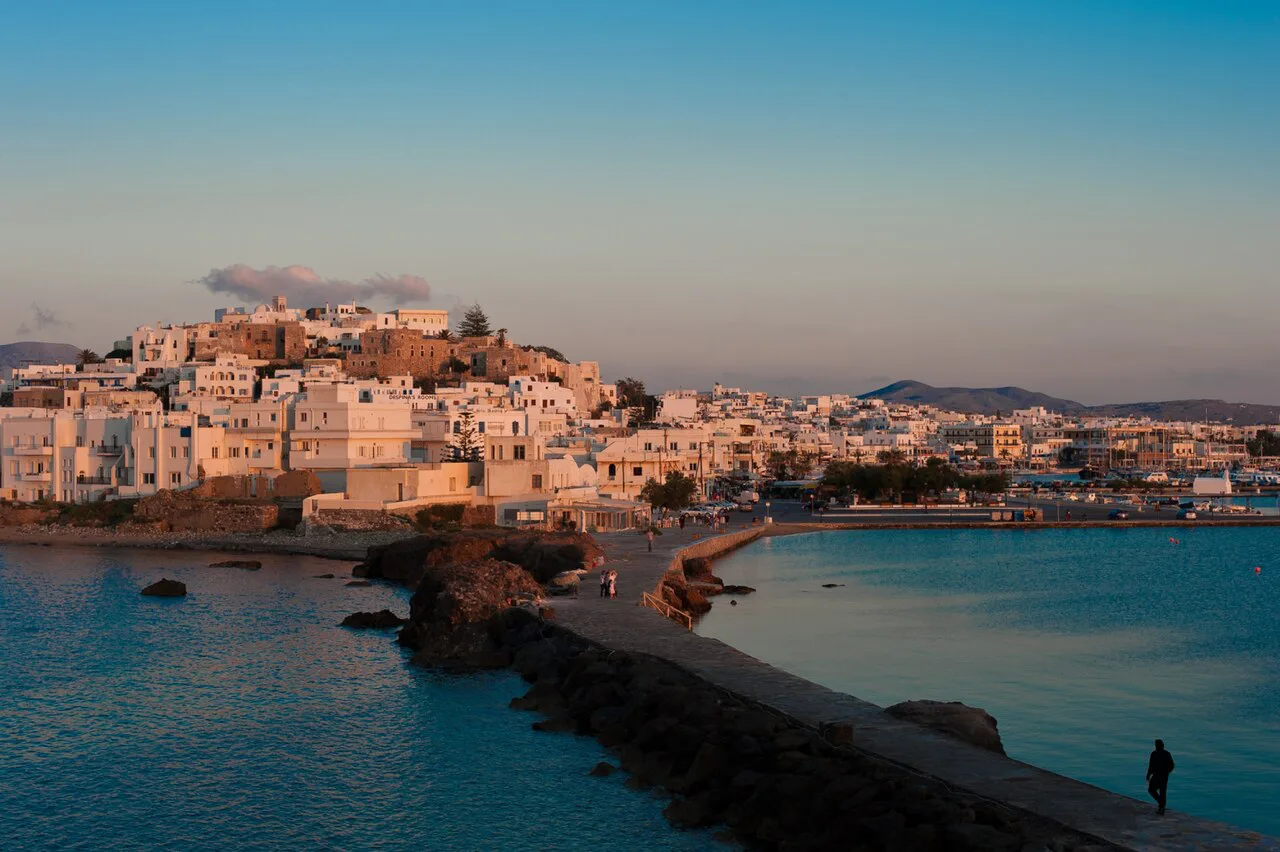
Kastraki lies on the southwestern coast of Naxos, south of Mikri Vigla and a short hop north of Pyrgaki and Hawaii Beach. It is the long, low, dune-backed stretch that follows Plaka and Mikri Vigla as the coast road runs south, which makes it easy to fold into a day that starts closer to town.
Think of it as the roomier alternative in that chain rather than a rival to the busier beaches. Plaka has the beach clubs and cabanas, Agios Prokopios has the bars and sunbed rows, and Kastraki has the space and the quieter edges. If you are still weighing up the island's shoreline, our guide to Naxos beaches maps the whole south coast, and the same long-sand-versus-developed-strip decision plays out among the beaches in Rhodes if you are comparing islands.
Getting there
The usual approach is by road: follow the coast south from Naxos Town through Agia Anna and Plaka, then continue past Mikri Vigla. A car gives you the most flexibility, because the beach is long and the two ends are far enough apart that walking between them eats into your day. For comparison, Mikri Vigla sits about a 20-minute drive from Naxos Town, which gives a rough sense of the scale of this stretch of coast.
Parking is informal, with room to pull off near the tavernas at the northern end and rougher ground further south; arriving before mid-morning in July and August gives you the pick of the shaded spots. Bus services along this coast are run by KTEL Naxos, and the municipal operator publishes current lines and timetables, so check those before relying on a bus for the return leg.
If you are staying in Naxos Town without a car, a taxi for the day or a scooter is a practical compromise, and it lets you break the journey at Plaka or Mikri Vigla. Agios Prokopios beach, closer to town, is the easier car-free day if you would rather not drive at all.
The sand and the water
The beach is sandy along its whole length, and the sea floor is sandy too, which is the detail that makes Kastraki so comfortable for paddling and floating. The water is often calm and clear, shifting through deep sapphire, turquoise and emerald as the light changes, and the shallow shelf means you can wade a long way out before it deepens.
For snorkelling, head for the stretches where rock and reef break the sand; the water is frequently clear enough to see well without going far from shore. Sea temperature varies with the season and the wind; Meduseo publishes sea temperatures for this beach alongside real-time jellyfish reports.
Bring reef-safe shoes if you plan to explore the rockier margins, and keep an eye on the wind direction before committing to a spot. On a calm day the whole beach is swimmable; on a windy one, the sea state changes quickly at the exposed end.
Wind and shelter: choosing your end
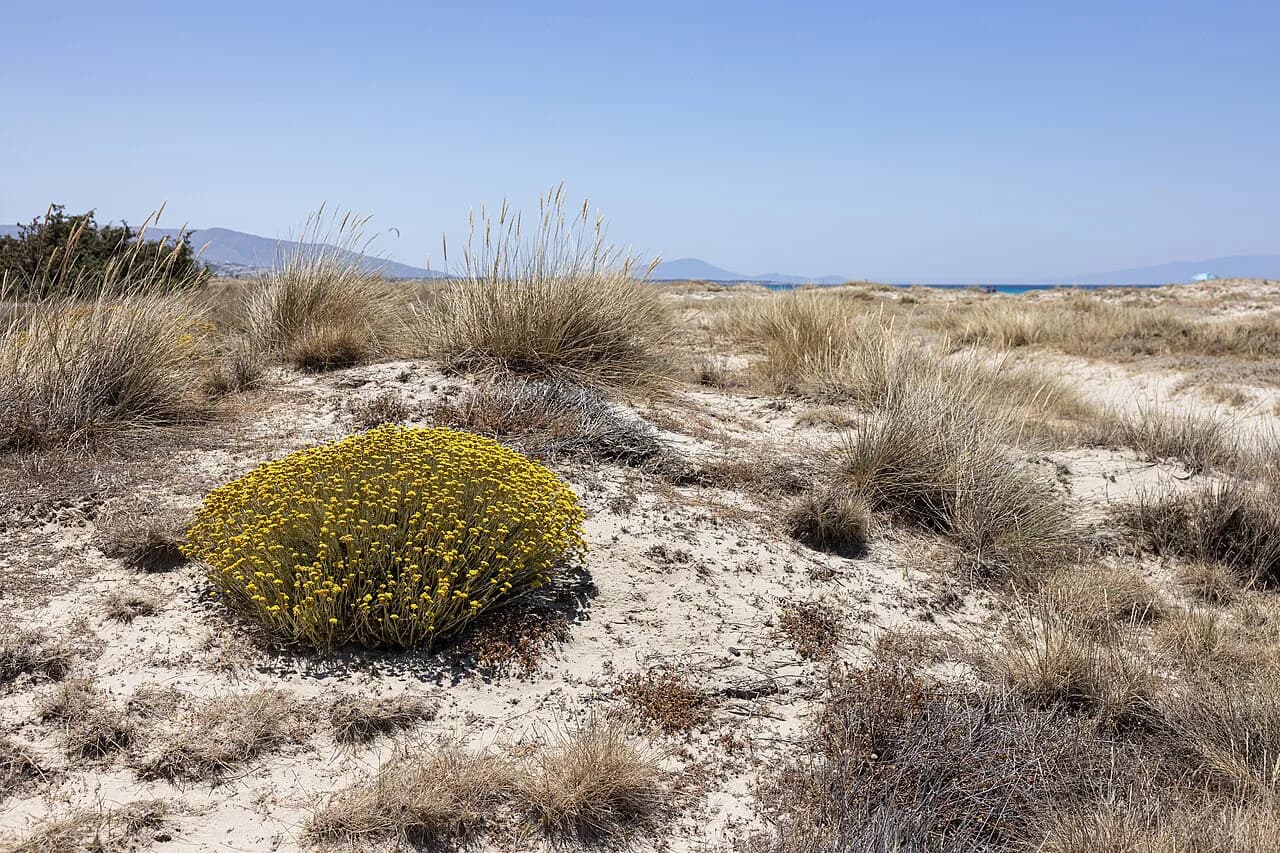
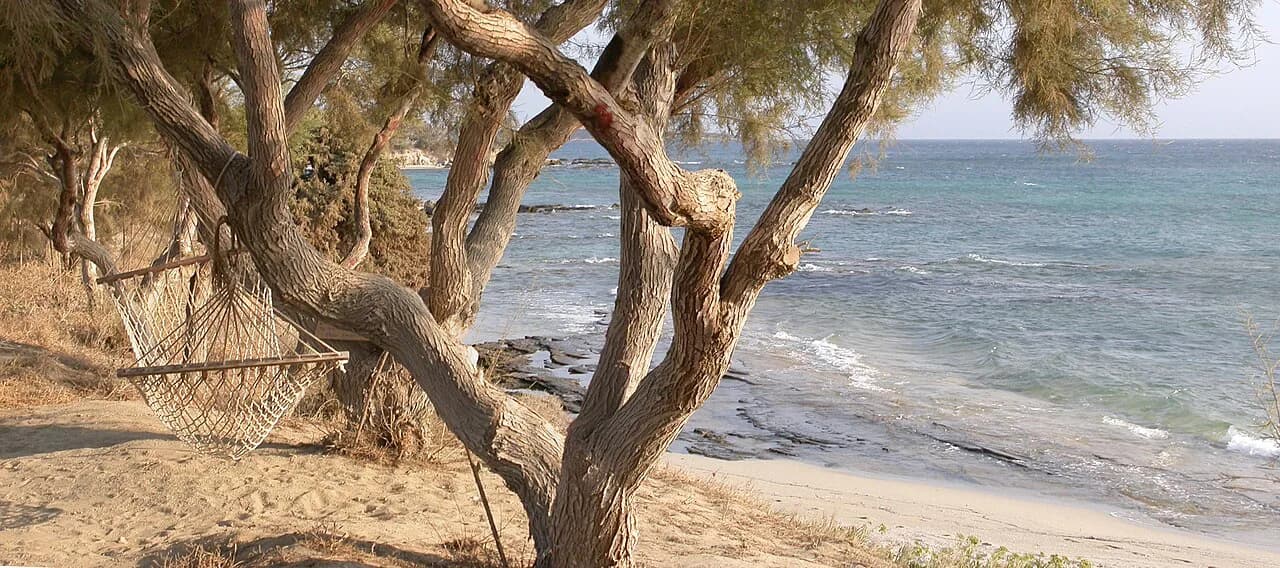
The meltemi is the deciding factor on this coast, and Kastraki gives you a genuine choice. The northern section is the developed one, with a handful of eateries and boutique hotels close to the sand, and it is the easiest place to settle with children or a cool bag. The southern stretch is nearly unspoiled, with substantial dunes and stands of cedar and juniper, and it feels like a different beach entirely.
On a strong meltemi day, the dunes and trees at the southern end provide the most natural cover, while the open middle of the beach takes the full force of the wind. If you want a beach-club day with a guaranteed lounger, this is not that beach; for that, look at Agios Prokopios Beach, Naxos instead.
Facilities along the beach
Facilities are concentrated at the northern end, where tavernas serve traditional Greek cooking and a few boutique hotels sit just behind the sand. Some umbrellas and loungers are available along this stretch, and the tavernas are the natural base for lunch, a cold drink and a break from the sun.
The local guidance on Kastraki describes both the beach and the sea as sandy and pitches it as a popular swimming spot for families, groups of friends and couples. Carry cash for tavernas and any sunbed hire, since card machines can be unreliable on this part of the coast.
South of the developed strip, expect no facilities at all: bring your own shade, water and food, and take everything away with you. That absence is the point of the southern half, so plan the day around it rather than hoping to find a bar around the next dune.
Crowds and how busy it gets
Kastraki is the rare Naxos beach where the crowds are not the main story. Even in high season the sand is long enough that you can walk a few minutes from the northern tavernas and find space, and in the shoulder months the southern end can feel almost empty. The trade-off is that the north end concentrates the people, the cars and the noise.
July and August bring the fullest tavernas and the busiest parking, so arrive early and plan a late lunch. The island's nightlife winds up from July into mid-September, and beach bars at Agia Anna and Plaka run sunset sessions and DJ sets for those who want the energy Kastraki lacks.
Best time to go
May and September are the sweet spot on this coast: warm enough for a full beach day, quieter on the road and noticeably cheaper for accommodation and food than the peak weeks. The meltemi tends to build through late July and August, bringing blowing sand and choppier water on exposed stretches, though a sheltered position turns a windy day into a pleasant one.
For the warmest sea, aim for late summer, when the Aegean has had months to heat up; Meduseo publishes current sea temperatures for the beach if you want a recent reading before you go. If you want the beach largely to yourself, the weeks either side of the school holidays are the safest bet.
Jellyfish turn up on this coast in some seasons, and Meduseo publishes real-time jellyfish reports for the beach. A single day's report is not a guarantee, so check the latest update before planning a long swim.
Nearby beaches to combine
Mikri Vigla, immediately to the north, splits into a sheltered southern section good for swimming and a northern bay that is a magnet for windsurfers and kitesurfers when the meltemi blows. It makes a logical first stop before you continue south to Kastraki for the afternoon.
Further south, Hawaii Beach is tucked among cedar trees below tangerine-streaked cliffs, and Pyrgaki is a wide, golden stretch sheltered by dunes and ancient cedars. Both are quiet, thinly served and worth combining with Kastraki if you have a car and a full day.
Closer to town, Agia Anna beach Naxos continues the sand northwards, with a shallow cove and rocky outcrop that snorkellers enjoy, while Plaka beach Naxos offers the longest uninterrupted sand on the island. Either works as a morning stop on the way down.
What to bring
Pack more shade than you think you need: the southern half has trees and dunes but no umbrellas, and the middle of the beach is exposed for most of the day. A beach tent or a sturdy parasol, plenty of water and a cool bag make the difference between a long, lazy afternoon and an early retreat.
Footwear matters on the dunes and the rough ground behind the sand, so bring sandals you can walk in rather than flip-flops alone. Add snorkelling gear, cash for the tavernas and a windproof layer for the late-afternoon breeze.
Bringing a dog to Kastraki and the south-coast beaches
The sources here describe the beaches of Naxos in terms of sand, water, facilities and crowds, and none of them sets out a formal leash rule or a written beach policy for dogs, so treat what follows as the lay of the land rather than a rulebook. What they do make clear is the contrast in atmosphere that matters most for a dog. Plaka is the island's longest uninterrupted beach, a 2.5-mile stretch of soft, powdery sand where most of the beach clubs, restaurants and hotels sit at the north end, with the south offering more empty, long expanses of sand; even in July and August it stays quieter than the beaches closer to Naxos Town. Further south still, the quieter, secluded spans are described as places where you can toss down a towel and enjoy the tranquility — the kind of space where a dog can move about without a row of sunbeds and cocktail service in the way.
The wind is the other thing to plan around. The meltemi winds at Agios Prokopios can make the northern end of the beach uncomfortable in peak season, with blowing sand and choppy water the main issues, and that beach's western public stretch is more sheltered on bad wind days. Blowing sand is unpleasant for anyone; for a dog it means stinging eyes and grit in the coat, so on a meltemi day you are better off on a stretch that is sheltered rather than exposed. The organised southern end of Agios Prokopios, with five or more beach bars offering sunbeds, food and cocktails, is a more European-style beach experience — busy, furnished and not the easiest place to settle with an animal.
Practical logistics decide most of a dog day on this coast. There are no public toilets or showers on the beach at Agios Prokopios, so you will need to use facilities at a beach bar or head back to your accommodation — worth knowing if you are carrying water for an animal and need a tap. If you are relying on the bus, KTEL Line 1 from Chora runs regularly to Agios Prokopios, costs €2.10 and takes around 15 minutes, with the stop close to the beach and no long walk required, so a dog that travels on public transport in Greece can reach the sand without a car. Drivers have the large open parking area near the salt flats between the beach and the road, which fills fast in peak season; arriving early or parking at the quieter western end avoids leaving an animal in a hot car while you circle. The coastal path linking Agios Prokopios with Agia Anna and Plaka is a pleasant 20-30 minute walk south along the beach if you are staying nearby.
Plan Your Day at Kastraki
Kastraki rewards a little planning: choose the northern end for tavernas and easy access, or the southern dunes for space and quiet, and let the wind decide which. It is a beach for long, unhurried days rather than a quick dip between other stops.
If you want the island's full picture before you commit, start with the Naxos beaches hub and work south from there, lining up Mikri Vigla, Kastraki and Pyrgaki for one memorable coast day. Check KTEL Naxos timetables once for the bus, and the rest is simply a matter of arriving early and staying late.
Frequently Asked Questions
Is Kastraki Beach good for families?
Yes. The sea floor is sandy and shallow for a long way out, so children can paddle safely in the shallows, and the northern end puts tavernas and some sunbeds within easy reach. The southern end is quieter but has no facilities, so families usually settle at the north.
How do you get to Kastraki Beach from Naxos Town?
Drive south on the coast road through Agia Anna and Plaka, past Mikri Vigla, and continue to Kastraki. A car is the most flexible option. KTEL Naxos runs the local bus network and publishes current lines and timetables, so check those before planning a bus day.
Which end of Kastraki Beach is calmer?
The southern end, where dunes and cedar trees break the meltemi, is the more sheltered and quieter half. The northern end is developed and busier, with tavernas and sunbeds, and the open middle of the beach takes the wind most directly.
Are there tavernas at Kastraki Beach?
There are tavernas and a few boutique hotels at the northern end of the beach, along with some umbrellas and loungers. South of that strip there are no facilities, so bring shade, water and food if you plan to spend the day on the dunes.
When is the best time to visit Kastraki Beach?
May and September offer warm beach days with fewer people and cheaper accommodation. July and August are busiest and windiest, while late summer brings the warmest sea. Meduseo logs dated water temperatures and jellyfish reports for the beach if you want recent readings.
Which beaches are near Kastraki Beach?
Mikri Vigla sits just to the north, with a sheltered southern section for swimming and a northern bay for windsurfing. Hawaii Beach and Pyrgaki lie to the south, and Agia Anna and Plaka are on the route back towards Naxos Town.
Sources
Beach notes for your next trip
Optional updates when we add or revise beach guides.
You might also like
Continue reading
More guides you'll find useful