Puerto Pollensa Beach: Sand, Shade and Getting There
Plan a beach day at Puerto Pollensa in northern Mallorca, from the Llenaire and Els Tamarells stretches to promenade facilities and the bus from Alcúdia.
On this page
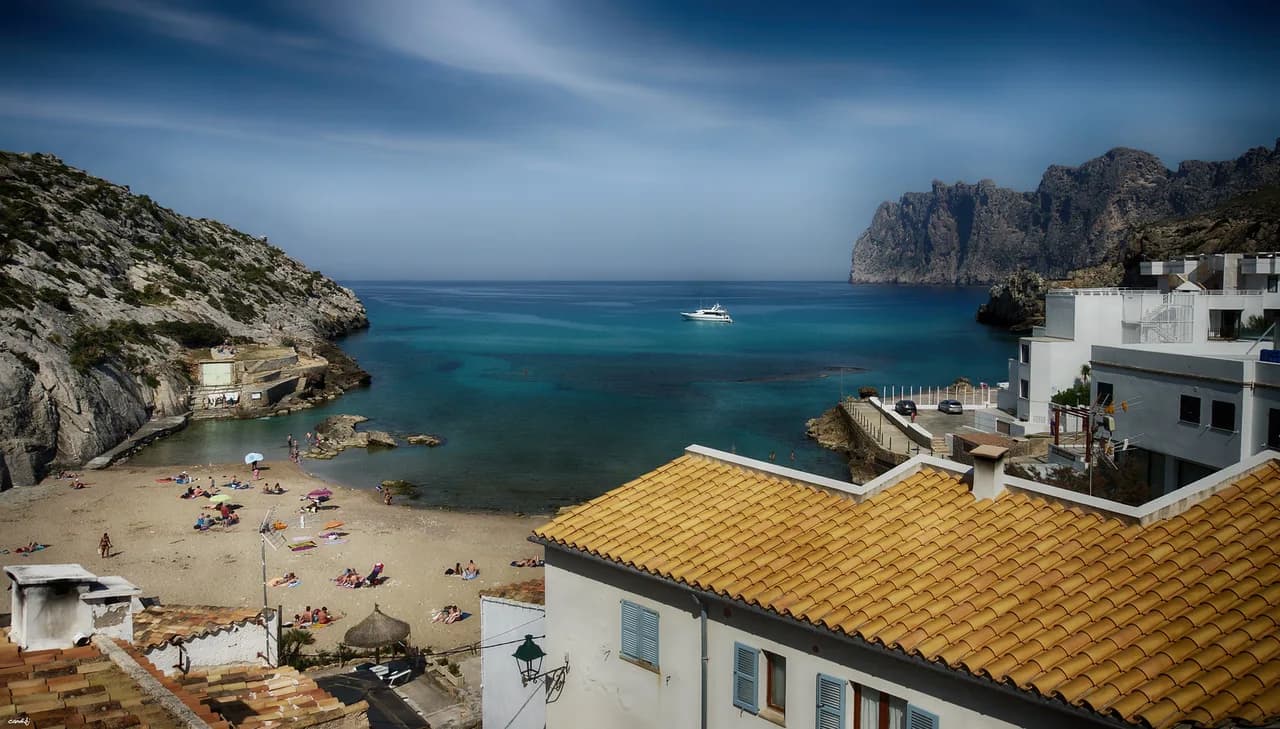
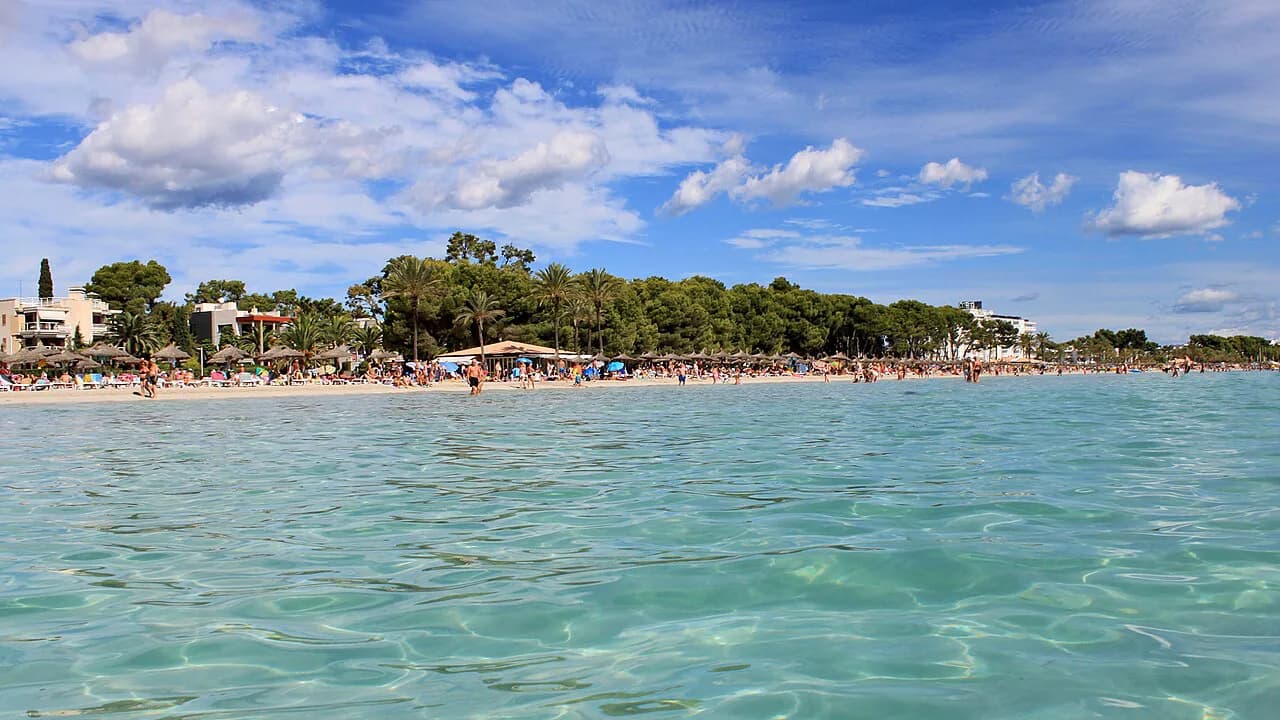
Puerto Pollensa beach is the easy, serviced beach day of northern Mallorca: a long sandy bay with a promenade behind it, pines for shade and the Serra de Tramuntana framing the view. It suits families with small children, swimmers who like a gentle entry and anyone who wants lunch, a shower and a short walk back to a hotel or bus stop rather than a hike. The trade-off is that you share it with a resort, so the middle of August looks very different from late May.
Where the beach sits
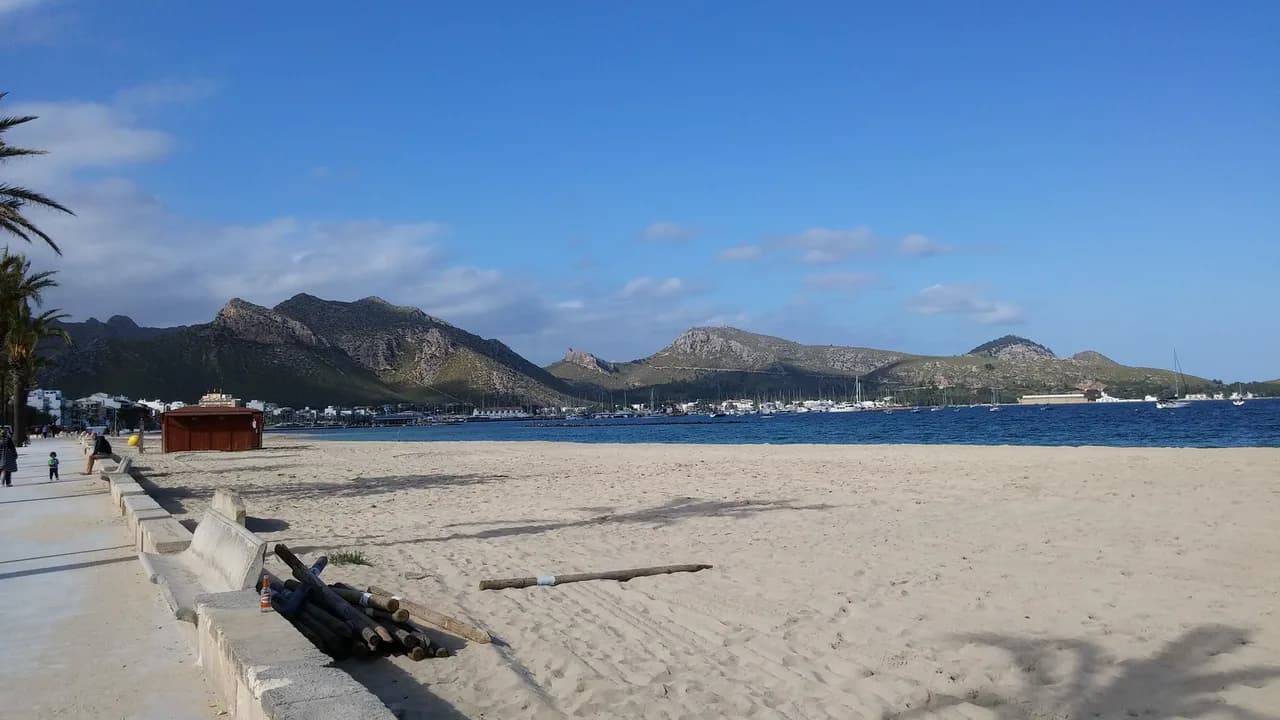
The beach curves around the Badia de Pollença between Port de Pollença and the Llenaire end, running for almost 1.5 km according to the Balearic Islands tourism office. That length matters: it means you can pick a stretch to suit your group rather than accepting whatever is nearest the car park. The Llenaire and Els Tamarells sections sit within that run, with the promenade linking them to the resort centre.
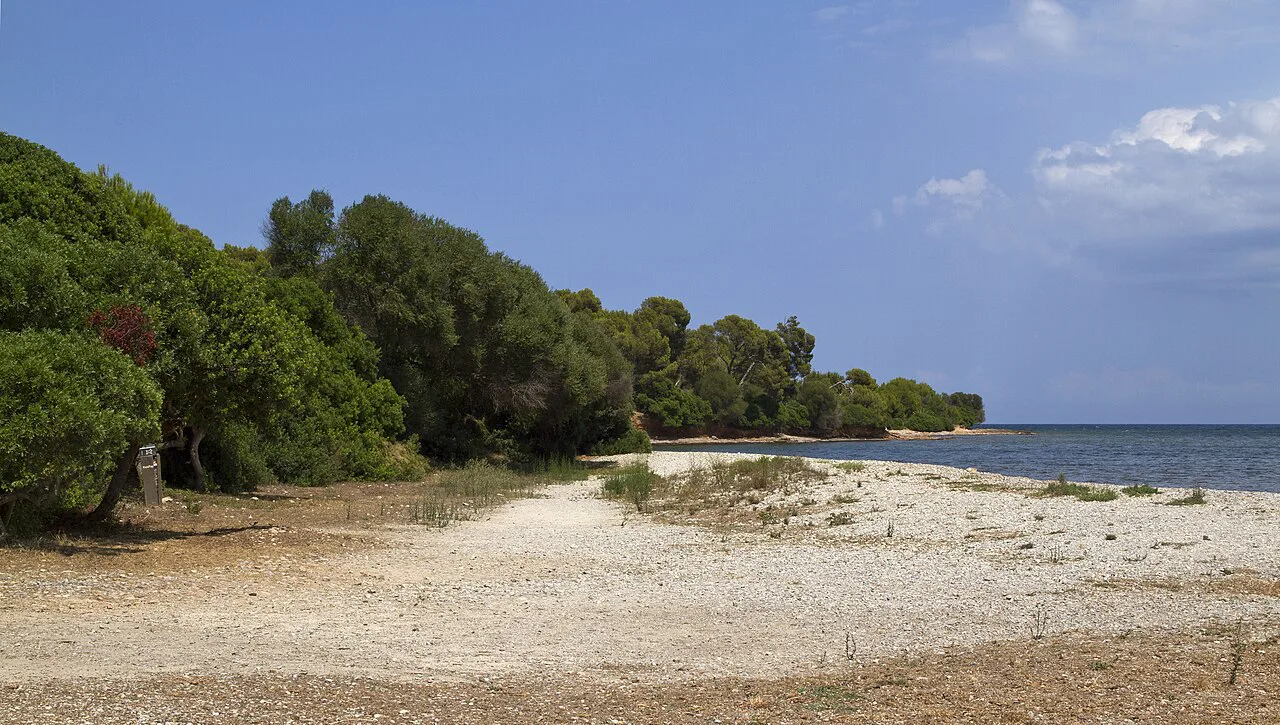
Llenaire sits at the northern, quieter end of the bay, described as white sand backed by pines between Puerto Pollensa and Alcúdia. On hot days the pine scent carries over the sand, which is one of the reasons this end feels more like a coastal path stop than a resort strip. The central promenade stretch, by contrast, puts you within a couple of minutes of cafés and shops.
Getting there
From Alcúdia, the simplest approach without a car is the bus along the coast road into Port de Pollença, with the beach a short walk from the resort centre. The TIB 334 service is the one to know for a two-beach day: it runs from Alcúdia via Port de Pollença and stops at Formentor beach as well as other points on the peninsula. That single route lets you do Puerto Pollensa in the morning and Formentor in the afternoon without moving the car.
Driving in, parking around the resort is the limiting factor rather than the road itself. Aim for the Llenaire end if you want the shorter walk from a parked car to the sand, and treat the promenade car parks as a fallback for a late-morning arrival. Parking charges are posted on site rather than online, so budget for a paid bay and keep change or a card handy.
If you are staying in Alcúdia and thinking of making a full day of it, the Alcudia beaches guide sets out how the resort beaches and the Port d'Alcúdia waterfront compare. Puerto Pollensa is the more shaded and more mountain-framed of the two, while Alcúdia's own sands are broader and flatter. If you would rather weigh up a different island altogether, the Menorca beaches guide makes the same north-versus-south-coast decision for a quieter Balearic trip.
The sand and the water
The bay is golden sand with clear, blue water and mountains on both sides, and the sea stays moderate in depth for a good distance out, which is why it works for families. The curve of the bay means you can usually find a spot where the water is calmer if the wind picks up on one side. Swimming straight out from the central stretch is straightforward; the Llenaire end gives you a longer, quieter walk into the water with fewer people around you.
For a change of scene, Cala Es Caló nearby is a small pebble beach of about 55 metres by 20 metres with a rocky, vegetated seabed that appeals to snorkellers and divers. It is a different day out from the soft sand of the main bay, so pack reef shoes if you plan to combine the two.
Shelter and sea conditions
The bay's orientation gives Puerto Pollensa more shelter than the open north-coast beaches, and the pines behind the Llenaire end provide genuine shade in the middle of the day. Treat that as a reason to arrive early rather than a guarantee: an onshore breeze can still push chop across the bay, and conditions can change quickly on an open coast.
When the wind is up, the practical move is to walk the promenade and pick the stretch where the water looks calmest, then set up there rather than staying loyal to your first spot. Families with small children should stay between the flags where a lifeguard is on duty, and check the local forecast before setting out from Alcúdia.
Choosing your section
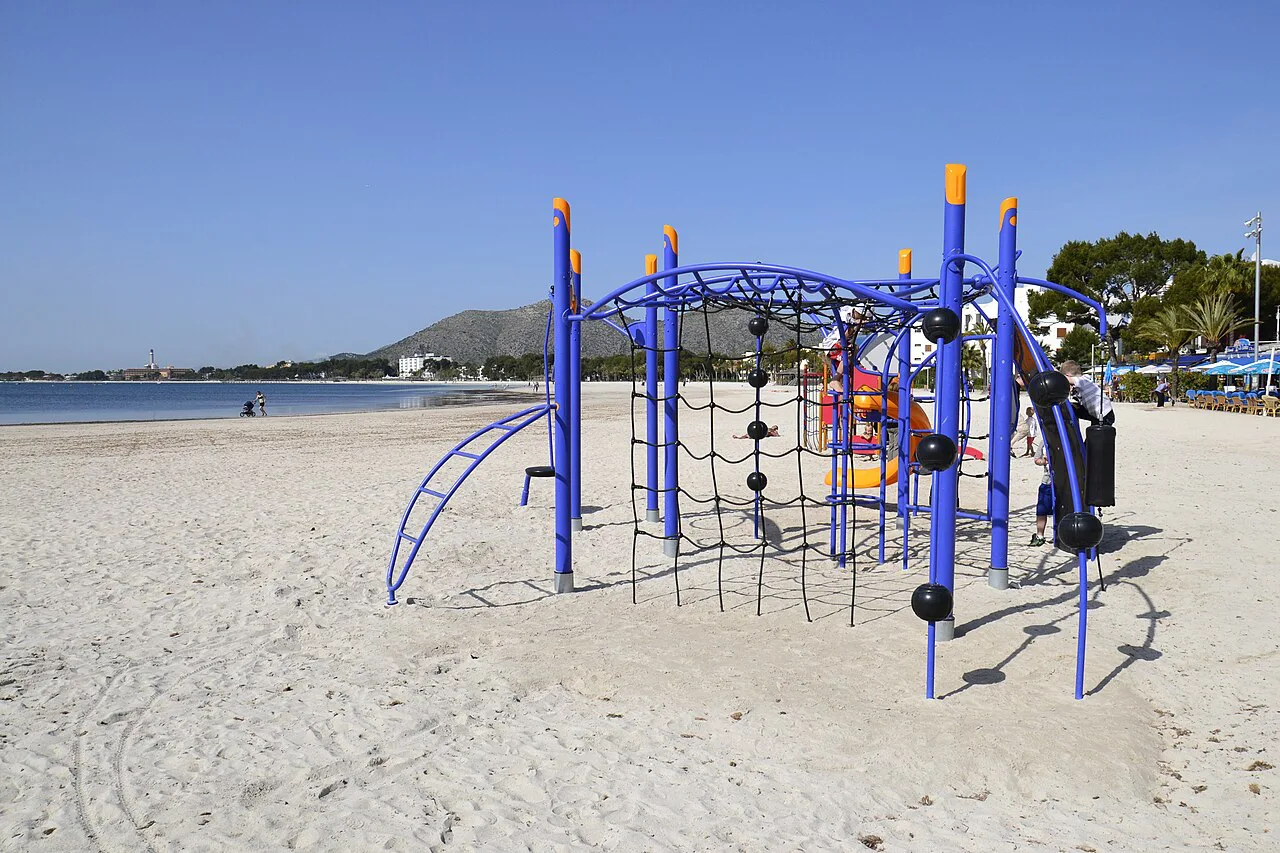
Three stretches do different jobs. The central promenade gives you the shortest walk to lunch, ice cream and water-sports operators. Els Tamarells, named alongside Llenaire in the tourism office description, sits within the serviced run and works well for a mixed group that wants facilities close by. The Llenaire end is the quieter, pine-backed choice, with a longer walk to the busiest cafés but more space on the sand.
A sensible half-day plan: arrive mid-morning at Llenaire, swim and shade-bathe under the pines, then walk the promenade into the centre for a late lunch and a final swim before the afternoon breeze builds. If you have very young children or reduced mobility, reverse it and base yourself centrally where the walk from the car or bus is shortest.
Facilities
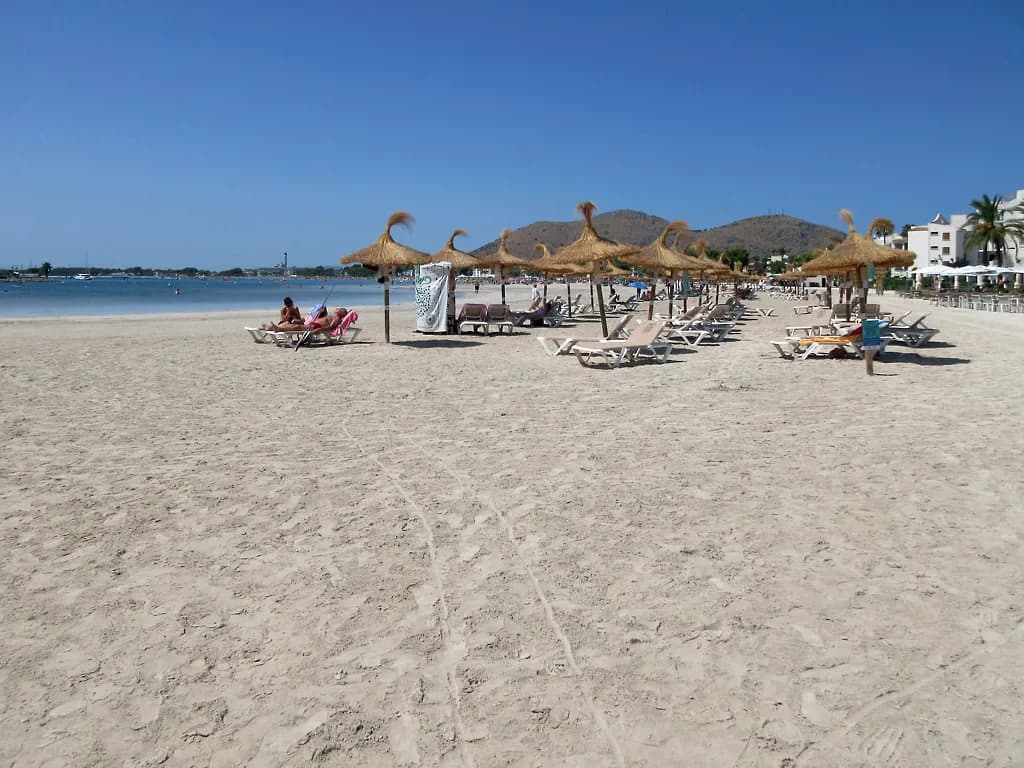
The south beach has toilets and shower facilities, and the sand is served by sunbeds and shades, according to a recent visitor report. Beach bars and restaurants line the promenade behind the central stretch, and the resort's water-sports operators work from the same frontage. Sunbed and shade prices are set by the concession operators and displayed at the lidos rather than published online, so read the board before you settle.
Blue Flag status and lifeguard hours for the current season are listed by the beach operator and the local tourist office, so look for the flag boards at the beach entrances rather than relying on last year's list. Bring your own water and sun protection for the quieter Llenaire stretch, where the nearest bar is a longer walk.
Who it suits
Families with small children get the best of it: golden sand, moderate depth, toilets and showers at the south beach and a promenade for buggies. Swimmers who like a long, straight course will find the bay generous, and shade-seekers can claim the pines at Llenaire. Watersports enthusiasts are best based centrally, where the rental outfits and the busiest frontage are.
Quiet-seekers should look elsewhere for a true escape. For that, Cala Boquer is an unspoilt, uncrowded cove that shelters boats from wind and currents, reached on foot rather than by car. Treat it as a short hike with a swim and take more water than you think you need.
Best time to go
The sea is comfortably warm from June through September, with July and August the busiest months on the sand and along the promenade. Late May, June and September give you warm water with noticeably more space, and the pines at Llenaire still offer shade at midday. Outside the main season, not every beach service operates, so plan around a swim and a walk rather than a full lido day.
For pairing a beach day with a boat or a ferry, look up the ferry company's timetable before you travel, as services change with the season. On windy days, use the morning for the beach and keep the afternoon for the old town or a coastal walk.
Nearby beaches
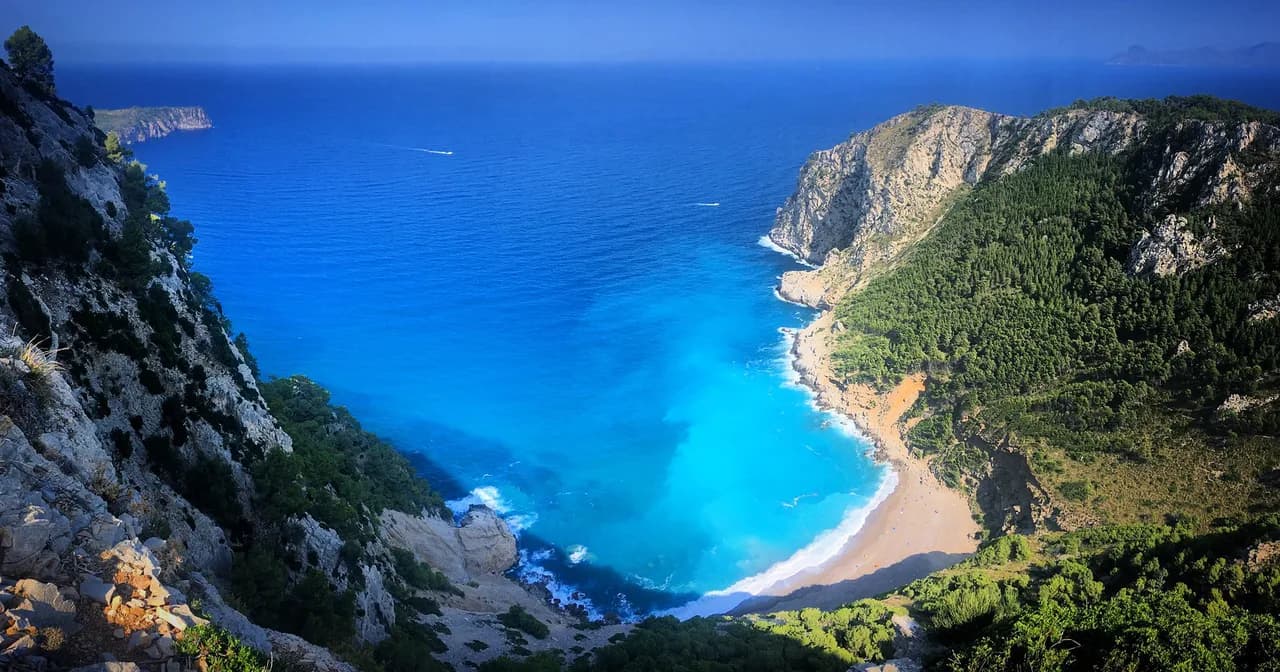
Formentor is the obvious second act: a sandy beach among pines on the peninsula beyond Port de Pollença, memorable for its setting. For the 2026 season the DGT states that Formentor access restrictions apply from 15 May to 18 October, 10:00 to 22:00, and private vehicles may reach the beach car park only while there is capacity, with the restricted access closing once it is full. Outside those months the peninsula is generally easier to reach by car.
Platja de Muro stretches 5.2 km and is split into four sectors: Sector I, Sector II, Es Comú and Es Capellans, with clear water, golden sand and moderate depth according to official tourism guidance. Es Comú is a protected natural area with no beach development, while the other sectors have hotels, restaurants and services close by. Pick a serviced sector for an easy family day, or Es Comú if you want a more natural setting and are happy to be self-sufficient.
Cala Sant Vicenç, a short drive round the headland, consists of four beaches and coves: Cala Barques, Cala Clara, Cala Molins and Cala Carbó. The setting below the Serra de Tramuntana suits walkers and cyclists as much as swimmers, and the coves make a good half-day contrast to the long sweep of Puerto Pollensa.
Practicalities
Bring reef shoes if you plan to snorkel the rocky coves, a refillable bottle for the walk to Llenaire's quieter stretches, and cash or a card for the paid parking bays. A light towel and a sun hat are enough for the promenade day; add walking shoes if Cala Boquer or the Formentor peninsula is on your list.
Walking distances are short by resort standards: the promenade links the central stretch to Llenaire in a single stroll, so you can park once and cover the bay on foot. Allow a full morning for the beach and a late lunch before heading back to Alcúdia, and leave time for the return journey if you are using the bus.
Plan Your Visit
Puerto Pollensa beach earns its place as the practical base for a northern Mallorca beach day: almost 1.5 km of golden sand, pine shade at Llenaire, toilets and showers at the south beach and a promenade that keeps lunch and the bus stop within walking distance. Choose your stretch by mood, not by habit, and the bay rewards you.
If you want the wider picture of the coast, the Mallorca beaches guide is the place to compare the island's main stretches before you commit. Confirm current access rules and beach services with the tourist office and the TIB before you travel, especially for Formentor.
Frequently Asked Questions
Is Puerto Pollensa beach sandy?
Yes. The bay is golden sand with clear blue water, and the seabed stays moderate in depth for a good distance out. Cala Es Caló nearby is a pebble beach with a rocky seabed, which suits snorkellers rather than sandcastle builders.
How long is the beach at Port de Pollença?
The Balearic Islands tourism office describes the beach around Llenaire and Els Tamarells as almost 1.5 km long. That length covers the central promenade stretch and the quieter Llenaire end, so you can walk between them in a single stroll.
How do you get to Puerto Pollensa beach from Alcúdia?
The bus along the coast road is the simplest car-free option, dropping you a short walk from the sand. The TIB 334 runs from Alcúdia via Port de Pollença and continues to Formentor beach, so you can combine both in one day. Driving is straightforward, but parking fills up late in the morning.
Are there sunbeds and toilets on Puerto Pollensa beach?
The south beach has toilets and shower facilities, and the sand is served by sunbeds and shades according to a recent visitor report. Prices are displayed at the lidos, so check the board before you settle.
When is the best time to visit Puerto Pollensa beach?
June through September gives you warm sea, with July and August the busiest months. Late May, June and September offer warm water with more space and shade still available under the pines at Llenaire.
Which nearby beaches can you combine with Puerto Pollensa?
Formentor is the classic pairing, reached by the TIB 334 or by car within the DGT access window from 15 May to 18 October, 10:00 to 22:00. Platja de Muro, with its four sectors and the protected Es Comú area, and the four coves of Cala Sant Vicenç are also easy add-ons.
Sources
Beach notes for your next trip
Optional updates when we add or revise beach guides.
You might also like
Continue reading
More guides you'll find useful