Cala Sant Vicenç, Mallorca: A Guide to the Four Coves
Plan a beach day at Cala Sant Vicenç in northern Mallorca, from sandy Cala Barques to snorkelling at Cala Molins and the quiet coves beyond.
On this page
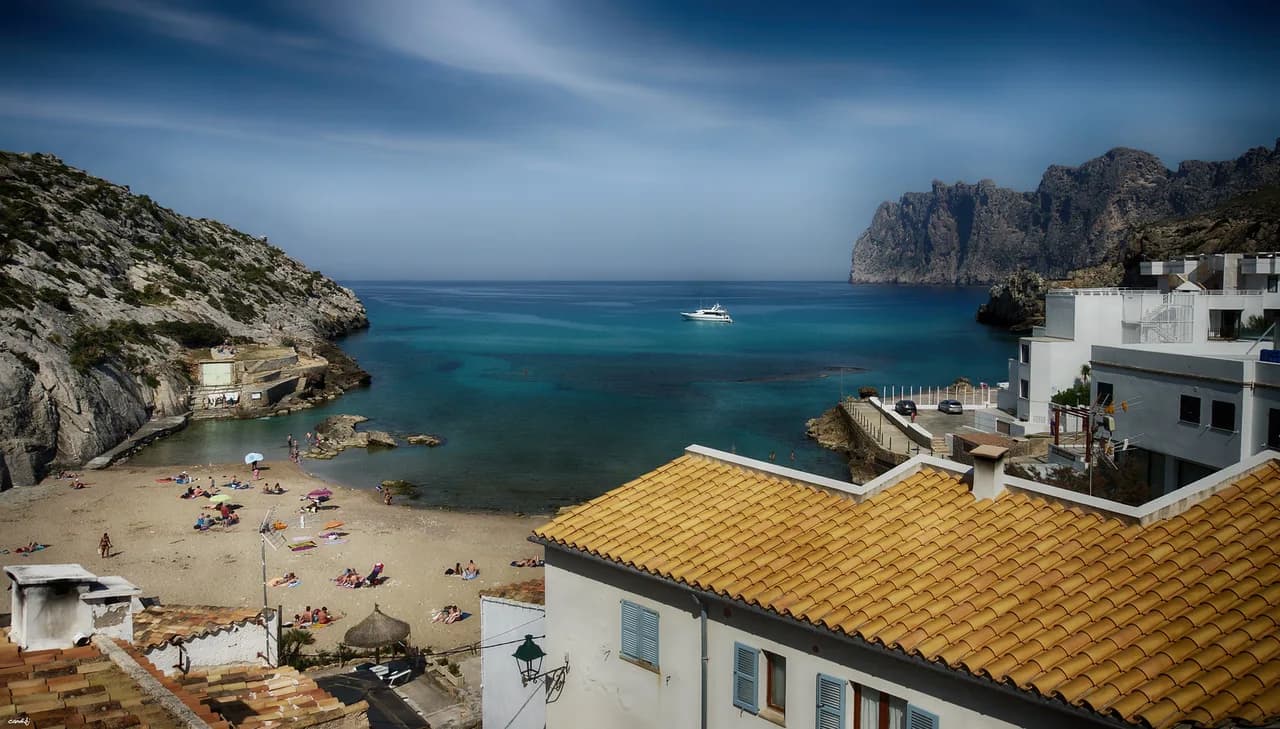
Cala Sant Vicenç packs four separate coves into one small village on Mallorca's north coast, which makes it unusually easy to try two beaches in a single day. The largest, Cala Barques, carries the sand and the beachfront restaurants; Cala Molins draws snorkellers; Cala Clara is the quiet one; and Cala Carbó is a pebble cove you reach on foot. Families with small children, couples after a lazy lunch and walkers who want cliffs with their swim all find a cove here that fits.
Where Cala Sant Vicenç is and how the village works
The village sits on Mallorca's north coast, between the Serra de Tramuntana and the sea, and it is small enough to cross on foot. The coves are strung along the same short stretch of coastline, so you park once and walk between them rather than driving from beach to beach. It is a resort village rather than a town, with beachfront restaurants and villas filling the slopes above the water.
Getting there
Cala Sant Vicenç is reached by road from Pollença and, more directly, from Puerto de Pollença on the coast, and most visitors arrive by car or taxi. Boat trips along this coastline leave from Puerto de Pollença rather than from the village itself, so a day on the water means driving over to the port first. For the wider choice of sands around the bay, the Alcudia beaches guide covers the long sweeps south of here.
Once in the village, the coves are linked on foot, which is the simplest way to combine Cala Barques with Cala Molins or Cala Clara. Cala Carbó is the exception: it is a secluded pebble beach accessible by foot, so treat it as a short walk rather than a stop you can drive to. If you are basing yourself further south, Playa de Muro and Can Picafort lie along the same coast and make an easy alternative day out.
Cala Barques: the main beach
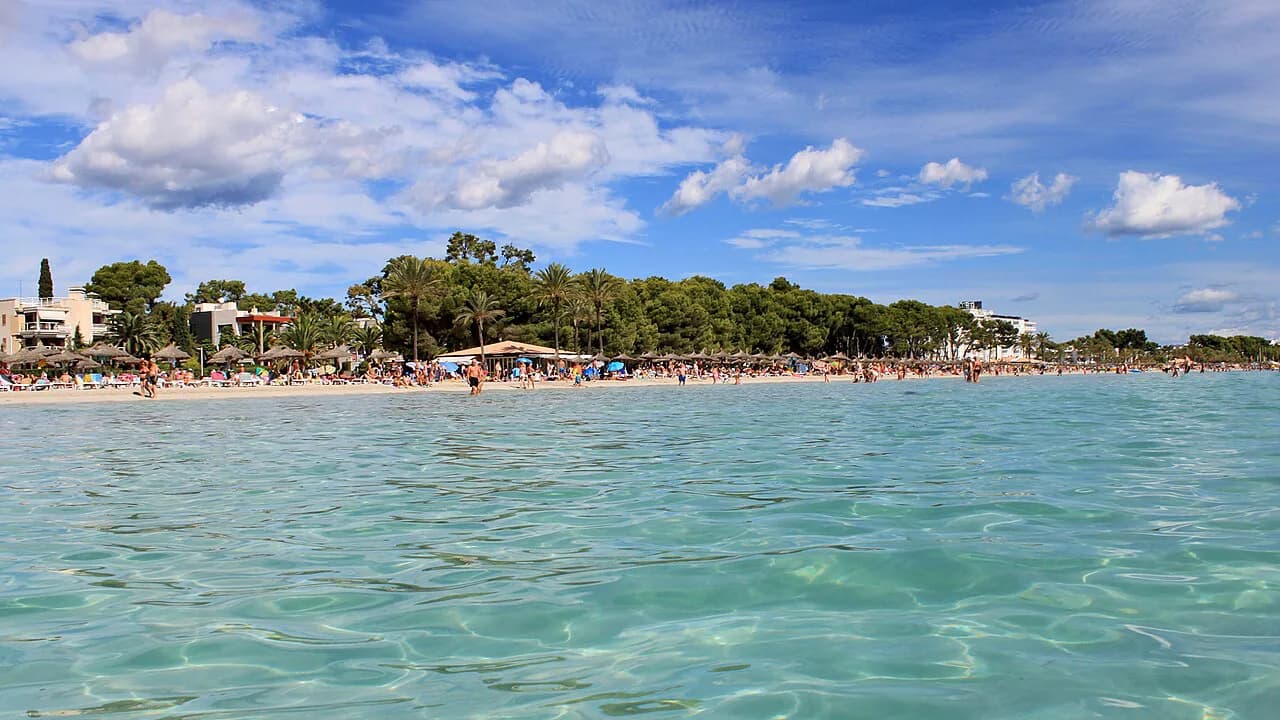
Cala Barques is the largest of the four and the best equipped, according to TUI's guide to the resort, so it is the natural first stop if you want sand, clear water and lunch within a few steps. Its fine white sand and clear water make it the most straightforward choice for families and for anyone who wants a full beach day without walking far from the car. Being the biggest and most convenient, it is also where the village's beachfront dining clusters.
Cala Molins: snorkelling and a busier feel
Cala Molins is the cove locals and visitors head to for snorkelling, with rocky edges and marine life that reward a mask and fins. That reputation makes it busier than its neighbours in high season, so arrive early in the morning if you want space on the sand. Swimmers who prefer deep water to a shallow paddle will get more out of this cove than at Cala Barques.
Cala Clara: the quiet cove
Cala Clara is the quietest of the group, and it suits anyone who wants a relaxed few hours away from the main beach crowd. It keeps the calm of a smaller cove, which makes it a good second stop after lunch or a hideout on a busy August afternoon. Bring what you need with you, because the village's restaurants sit closer to the main beach.
Cala Carbó: the pebble cove on foot
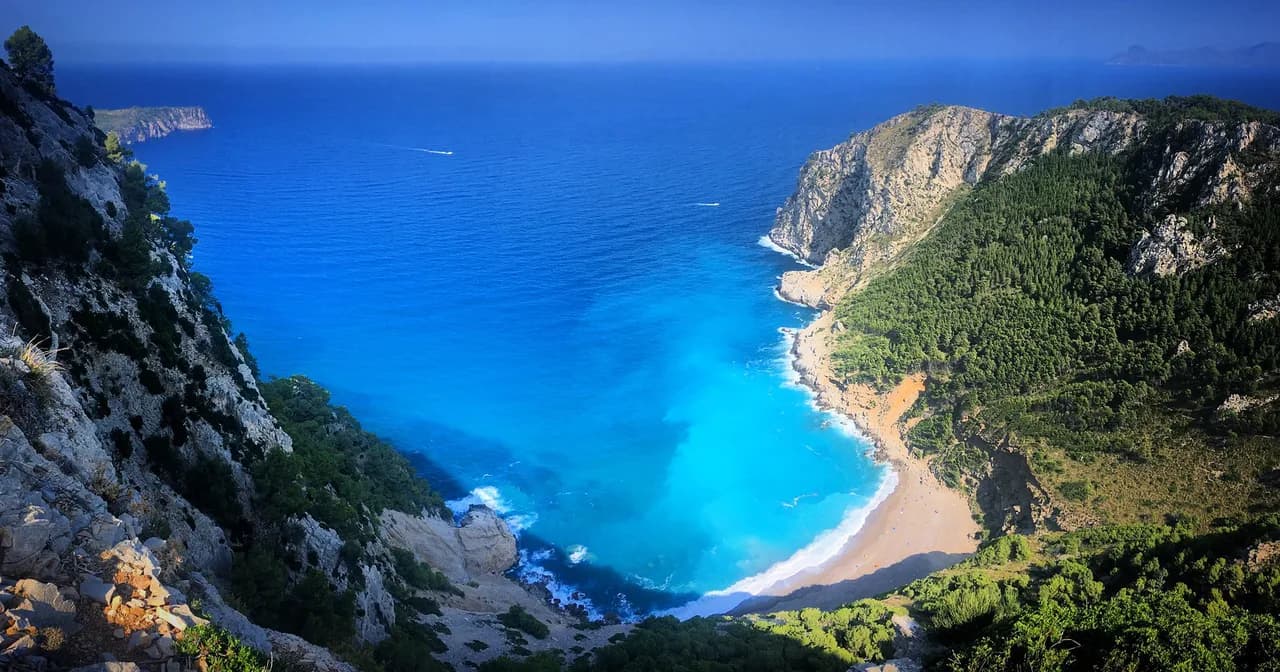
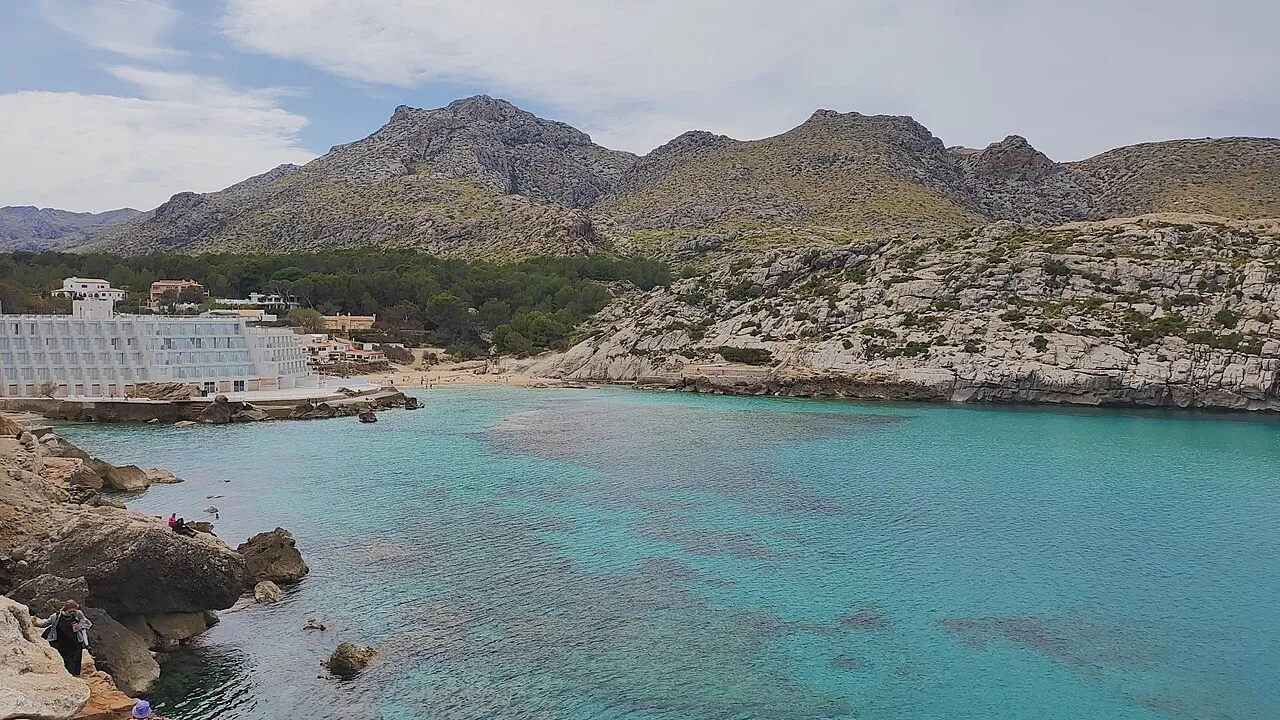
Cala Carbó is a secluded pebble beach reached on foot, with crystal-clear water and a wilder feel than the sandy coves. The walk keeps the crowds down, so it rewards anyone willing to carry a towel and water rather than a full beach set-up. Pebbles mean shoes are worth the extra weight, and the lack of sand makes it a poorer fit for toddlers than Cala Barques.
Boat trips and kayaking from Puerto de Pollença
Boat excursions along this coast leave from Puerto de Pollença and take in hidden coves, cliffs, kayaking and snorkelling stops. Departure times, fares and booking arrangements are set by whichever boat company you sail with, so check those directly with the company when you book rather than turning up at the harbour and hoping. Pair a morning on the water with an afternoon at one of the village coves.
The Coves Blanques trail and clifftop views
The Coves Blanques trail climbs out of the village and opens up panoramic views towards Punta Galera, Castell del Rei and Cala Estremer. It is the reason to bring walking shoes as well as a swimsuit: you can walk the cliffs in the morning and be back on the sand by the afternoon. The path is exposed, so start early in summer and carry more water than you think you need.
Cuevas de l'Alzinaret and the talayot
At the entrance to the village stands a talayot with prehistoric caves known as l'Alzineret, which can be visited on foot. The site is a Bronze Age hypogeum, and it gives a beach day a short cultural detour without a long drive. It suits anyone who wants an hour away from the sun in the middle of the day.
Facilities around the beaches
Beachfront restaurants serve Mediterranean dishes, fresh seafood and traditional Mallorcan cooking, with the main concentration around Cala Barques. The village itself covers the rest of what you need for a beach day, so you can eat, swim and move between coves without returning to the car. If you want a broader choice of resort facilities and a longer beach, head for the Platja d'Alcúdia on the same coast.
Best time to go
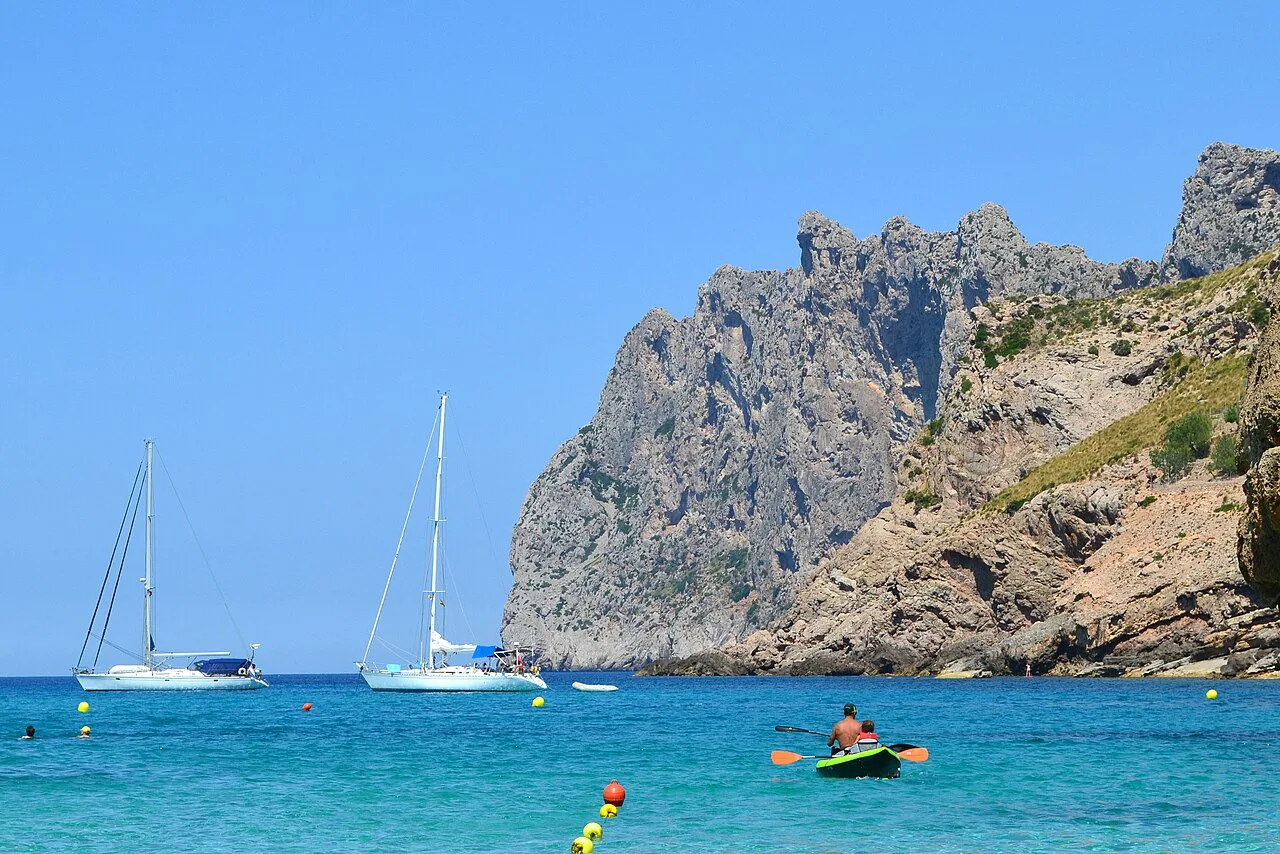
High summer brings the busiest weeks at Cala Molins and Cala Barques, while the quieter coves stay calmer simply because there is less room to spread out. Early mornings are the reliable way to get space on the sand in July and August, and the walk to Cala Carbó is easiest before the heat builds. Out of season the village slows down and the cliffs and caves become the main draw rather than the water, though if you are chasing warm water late or early in the year, the Menorca beaches guide shows how the neighbouring island's coves compare.
Nearby beaches and bases
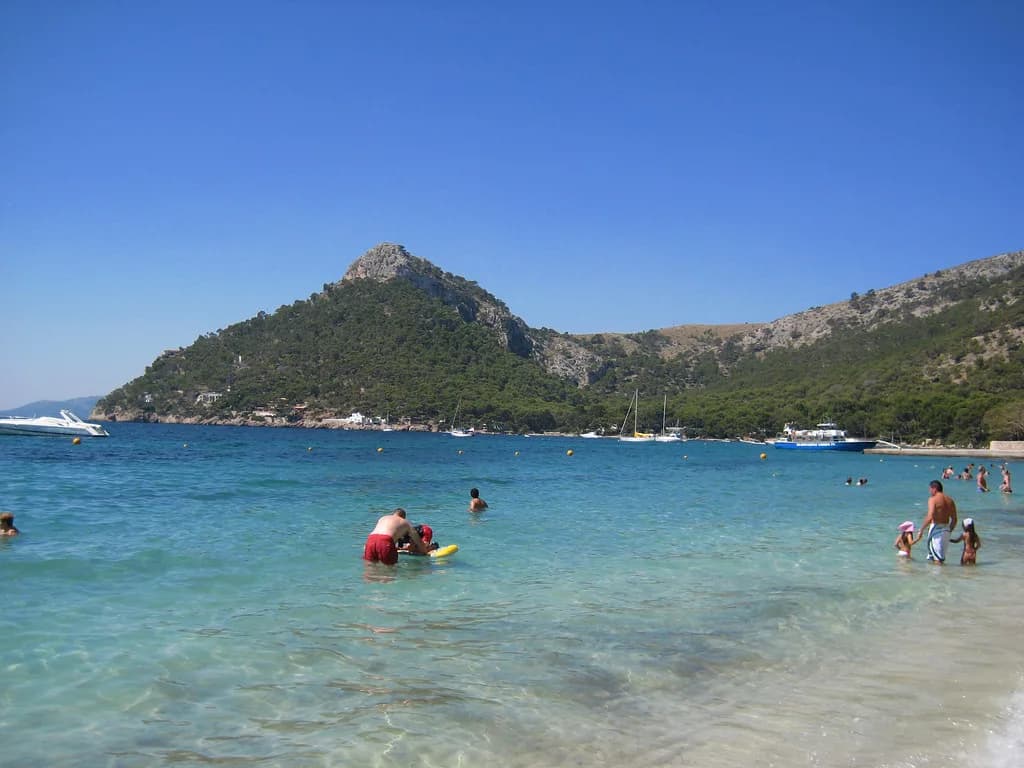
Puerto de Pollença and Pollença are the nearest bases for the village, and both give you a harbour town or a hill town to return to in the evening. For a change of scene, Formentor beach and the Formentor peninsula lie further round the north coast, with a wilder setting and a tougher drive. South along the bay, Port d'Alcúdia and Can Picafort offer long sands and more facilities if the village feels too small for a full week.
If you want a beach that runs for kilometres rather than a cove, Playa de Muro, Mallorca, is the obvious contrast to Cala Sant Vicenç's small bays. The Mallorca beaches index is the place to compare the north coast's different characters before you commit to a base.
Choosing between the four coves
Pick Cala Barques for sand, easy access and lunch on the doorstep, and Cala Molins for snorkelling and a livelier atmosphere. Cala Clara rewards anyone who wants quiet, and Cala Carbó is for walkers who do not mind pebbles in exchange for clear water and fewer people. Bring water shoes, a mask, sun protection and cash for the beachfront restaurants, and plan your day around one sandy cove and one quieter one rather than trying to tick off all four.
Plan Your Day
Cala Sant Vicenç works best as a day built around one main beach and one contrast: sand at Cala Barques, then snorkelling at Cala Molins or the walk to Cala Carbó. Park once in the village, walk between the coves, and add the Coves Blanques trail or the caves if you want more than a swim. Book boat trips from Puerto de Pollença before you travel, and keep the day flexible enough to move between coves as the crowds shift.
Frequently Asked Questions
Is Cala Sant Vicenç worth visiting?
Yes, if you want several small coves within walking distance of one village rather than a single long beach. It suits travellers who like variety: sand and restaurants at Cala Barques, snorkelling at Cala Molins, quiet at Cala Clara and a pebble cove at Cala Carbó.
Which Cala Sant Vicenç beach is best for families?
Cala Barques is the largest and best equipped of the coves, with fine sand and clear water, which makes it the simplest choice for families with small children. Cala Carbó's pebbles and walk-in access make it a better fit for older children and adults.
Can you walk between the coves at Cala Sant Vicenç?
Yes. The village is small and the coves are linked on foot, so parking once and walking is the easiest way to combine two beaches. Cala Carbó is reached by a footpath, which is part of why it feels quieter.
Where do boat trips to the coves leave from?
Boat excursions along this coastline depart from Puerto de Pollença, not from Cala Sant Vicenç itself. Times, fares and booking arrangements come from the boat company, so arrange the trip with them before your beach day.
Is Cala Molins good for snorkelling?
Cala Molins is the cove known for snorkelling and its marine life, with rocky edges that reward a mask and fins. It gets busy in high season, so go early if you want space.
When is the sea warmest at Cala Sant Vicenç?
The warmest swimming comes in high summer, which is also when Cala Molins and Cala Barques are busiest. Early mornings give you the best chance of space on the sand in July and August.
What is there to do besides the beach?
Walk the Coves Blanques trail for clifftop views towards Punta Galera, Castell del Rei and Cala Estremer. At the village entrance, the talayot and prehistoric caves at l'Alzineret can be visited on foot.
Sources
Beach notes for your next trip
Optional updates when we add or revise beach guides.
You might also like
Continue reading
More guides you'll find useful