Sirolo Beaches Guide: Which Ancona Beach to Choose
Plan a beach day in Sirolo, from serviced San Michele to wild Sassi Neri and boat-only Due Sorelle, with access routes, terrain and swim season.
On this page
Sirolo earns its reputation because the beaches change character within a couple of kilometres: white sand and gravel at San Michele, darker pebbles at Sassi Neri, a sheltered pine-backed curve at Urbani and a strand you can only reach by boat at Due Sorelle. The village sits on the southern spur of Mount Conero, so every descent comes with a wooded slope above and clear water below. Choose by terrain and access rather than by ranking: steep paths lead to the wildest strands, shade and easy shape favour families, and boats open up the coves.
Why Sirolo's beaches sit apart
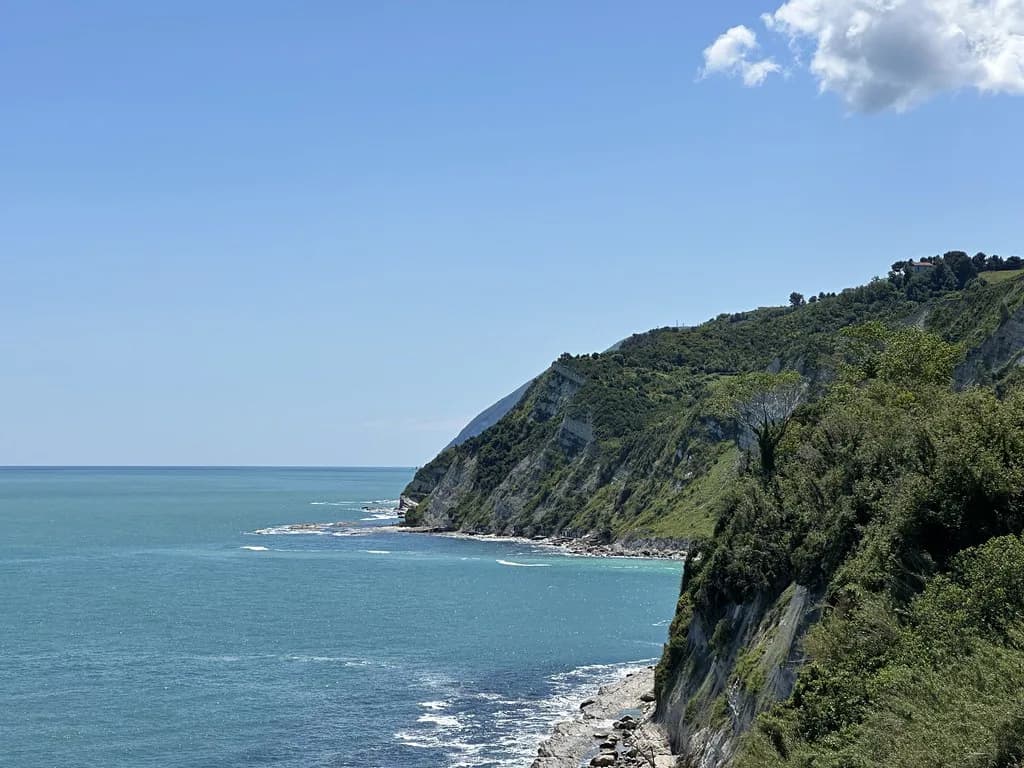
Mount Conero drops sharply into the Adriatic here, so the beaches are short, framed by green forest and often reached on foot rather than by car. That geography is what separates Sirolo from the long, flat, lido-lined sands further up the coast. Pebbled beaches and warm weather draw visitors from mid May until late September, which is the frame for planning any trip.
Each beach answers a different brief. San Michele mixes free public stretches with serviced ones, Sassi Neri is wild and unserviced, Urbani is a half-moon bay backed by pine wood, and Due Sorelle is reachable only by boat. Read the sections below as a set of trade-offs: the wilder the strand, the more effort the descent demands.
San Michele: sand, gravel and serviced stretches
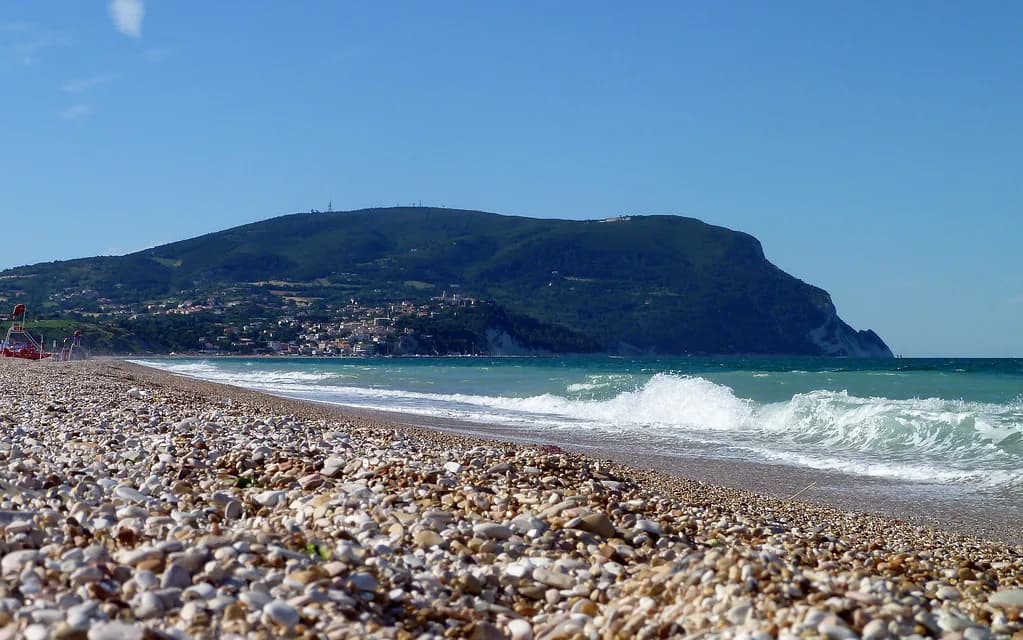
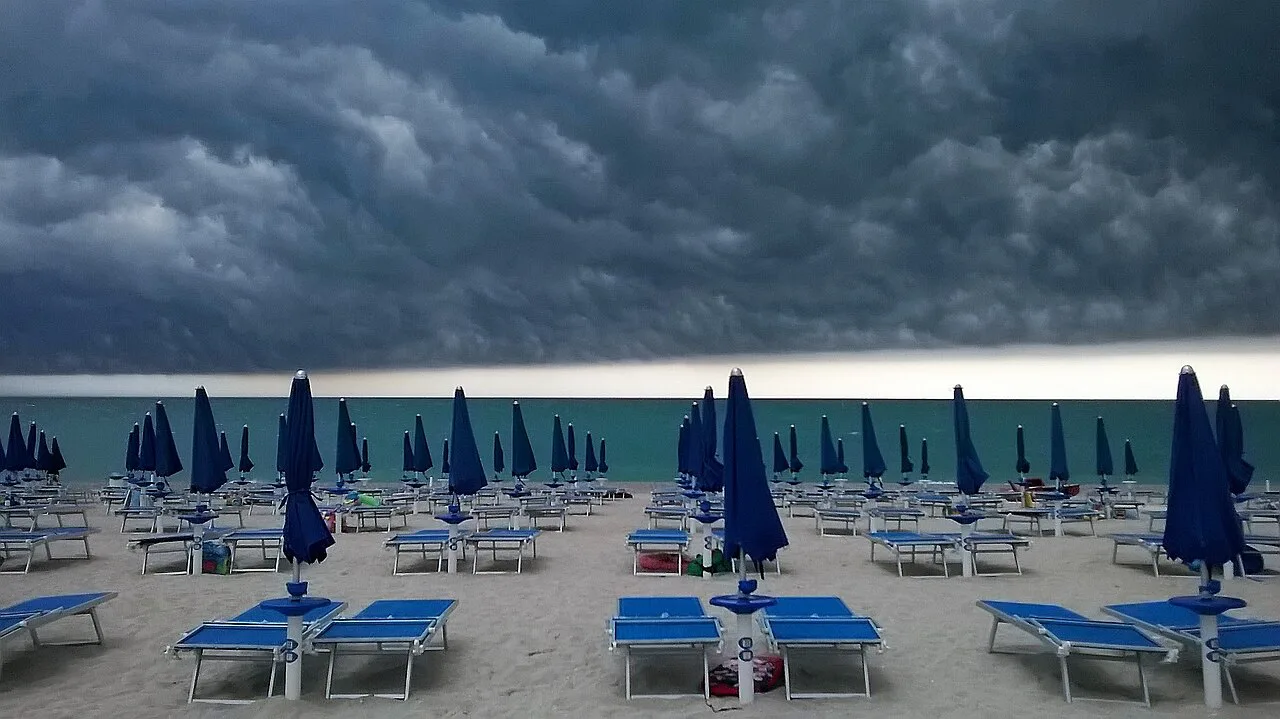
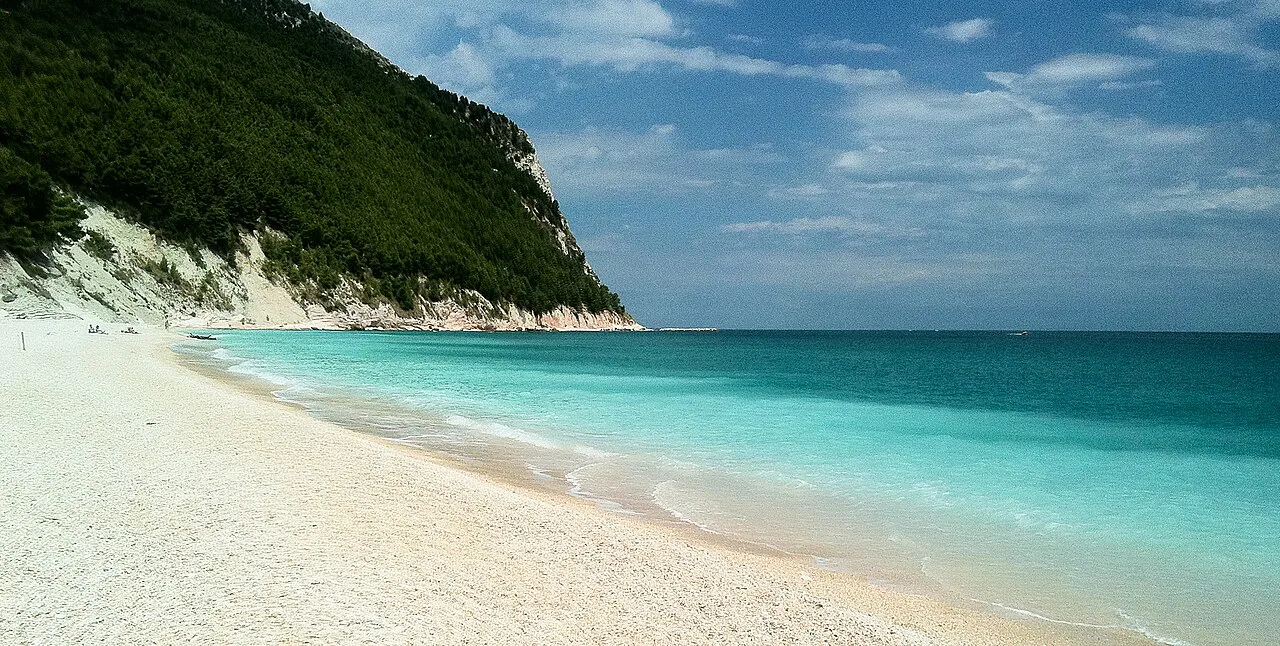
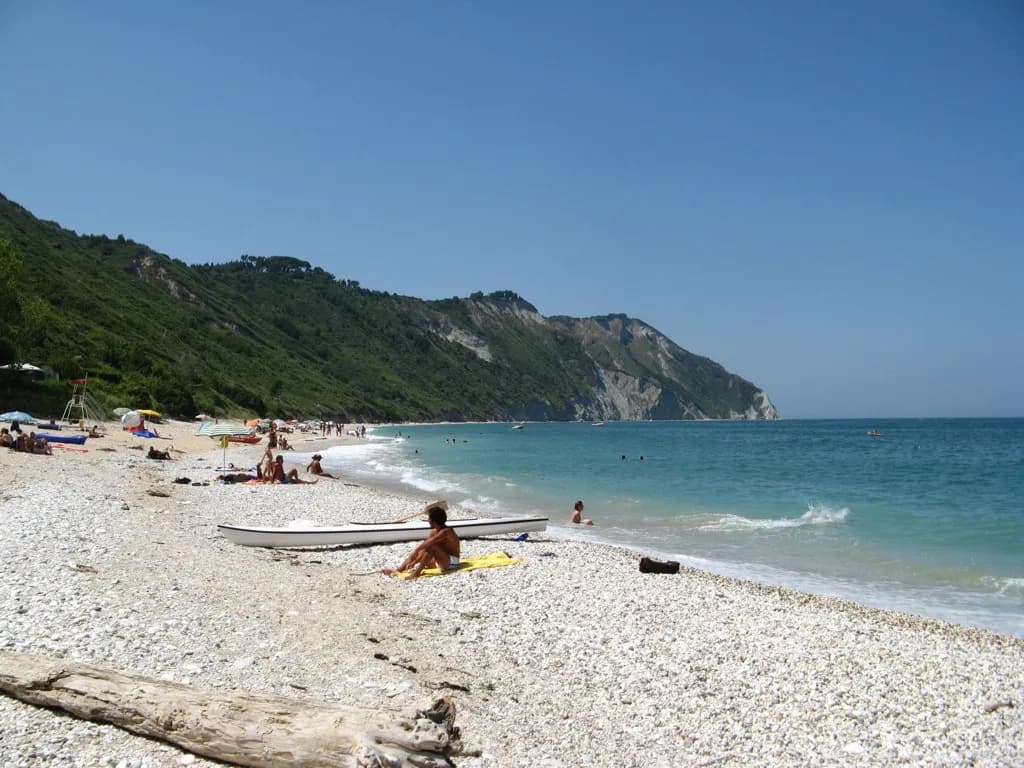
San Michele is a bay of white sand and gravel at the foot of Mount Conero, with free public areas alternating with serviced sections. In high season the strip is lined with umbrellas and deckchairs, which suits anyone who wants shade and a base without carrying everything down. The sea shows deep blue against the green forest above, and the view opens up suddenly as you come down the path.
Because the bay holds both free and serviced ground, you can pick your spot according to budget and kit: bring your own umbrella for the public stretches, or settle into the equipped area if you would rather travel light. Rental rates for sunbeds and umbrellas are set by the individual operators, so ask at the lido you choose on arrival rather than budgeting from a guide.
Getting down to San Michele
Two steep paths descend from Sirolo's centre to the beach, one starting from Via Giulietti and the other from Parco della Repubblica. Both are walking routes with a real gradient, so carry only what you can manage back up at the end of the day; the climb is the price of the setting.
In summer a bus line runs daily from Sirolo Town Hall to the beach, but the timetable may have a gap between noon and 3pm, so plan the middle of the day around it rather than counting on a shuttle whenever you want one. Check running times with the Sirolo Tourist Information Office before you commit to a late return.
Sassi Neri: the wild northern strand
The northern side of the same bay changes name to Sassi Neri, or black stones, after the darker fine gravel on the shoreline. It is wild and untouched, without any type of service, which makes it the choice for nature lovers who prefer to carry in what they need. It is also a surfing spot and a meeting point for scuba divers.
Because Sassi Neri continues San Michele bay to the north, walkers can combine both in a single descent: serviced shade on one side, bare gravel on the other. Bring water, sun cover and footwear that copes with pebbles, since the unserviced character means no lido to fall back on. The same steep approach applies, so the walk back up decides how long you stay.
Urbani: the pine-backed half-moon
Urbani sits in a half-moon curve on the bay of Sirolo with a green pine wood as its backdrop, which makes it the most naturally sheltered of the village beaches. The trees give shade for families who want a break from the sun without leaving the sand, and the compact shape keeps children within easy reach.
It pairs well with a morning in the village: you can walk down, swim, and return for the medieval alleys and the balcony piazza above the sea. If you are touring the whole coastline, our guide to the beaches around Ancona sets Urbani alongside the wider Conero options, and the Trieste beaches guide offers a northern Adriatic contrast if you are heading up that coast.
Due Sorelle: boat access only
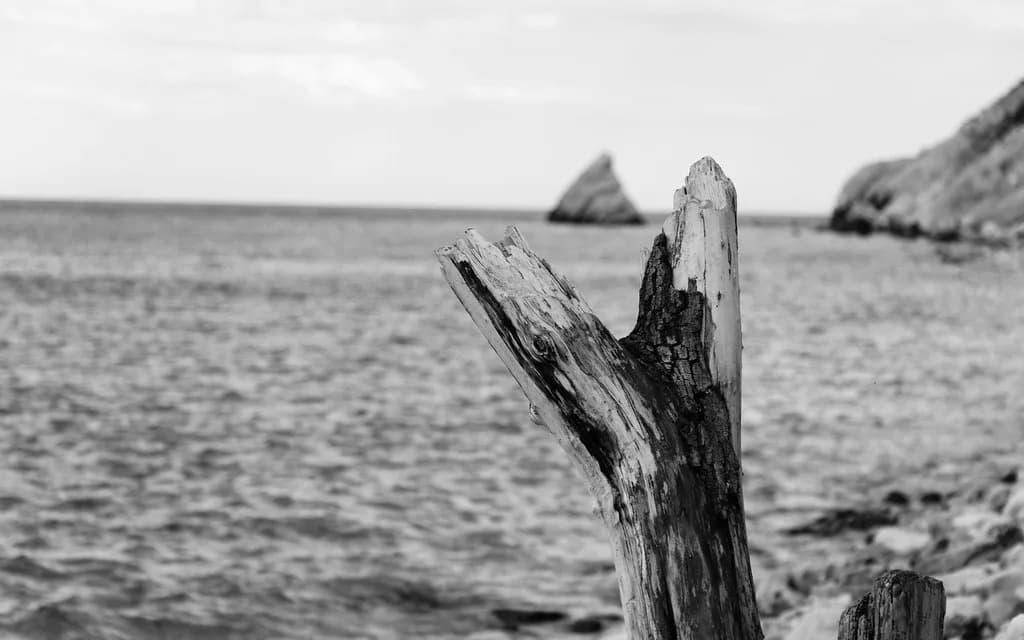
Due Sorelle, the Two Sisters, takes its name from two huge twin rocks rising from transparent water, and the beach itself can be reached only by boat. That single fact shapes the day: you go as part of a boat trip along the riviera rather than as a walk-down beach stop.
Treat it as one stop in a coastal boat itinerary that also passes the other coves under Mount Conero, and pack as you would for a day on the water: dry bag, sun protection and shoes that work on a landing. Boat operators along the riviera publish their routes and departure points locally, and the Sirolo tourist office can point you to the current sailings.
Matching the beach to the day
Swimmers and strong walkers should head for San Michele and Sassi Neri, where the gravel shelves sit below the wooded slope and the descent filters out the crowds. Snorkellers and divers gravitate to Sassi Neri, which the local page describes as a diving meeting point with rocks and darker gravel underfoot. Quiet-seekers get the most from the unserviced northern end, accepting that everything comes down the path with them.
Families with small children are better served by Urbani's sheltered half-moon and pine shade, or by the serviced section of San Michele where umbrellas and deckchairs are already in place. Save Due Sorelle for a boat day when everyone is comfortable on the water. If you want to extend the trip south, the beaches around Numana make an easy companion to a Sirolo stay.
Best time to go
Warm weather brings visitors from mid May until late September, with high season transforming San Michele into a lined strip of umbrellas and deckchairs. Late May, June and September give you the same water with more space on the gravel, while July and August are when the serviced sections fill first.
The village season runs alongside the beach one: a guided tour of the medieval centre, including the alleys, the balcony piazza and the old defensive tower, runs every Tuesday from mid June to mid September, starting at 6pm from Vittorio Veneto Square in front of the tourist office. It lasts about 90 minutes, is rated easy, costs five euros per person and is free for children up to 10, with a minimum of five people.
Nearby beaches to combine
South of Sirolo, Numana splits into two useful additions: Numana Alta on the cliff above and Numana Bassa down by the water, both within a short drive of the village. Further along, the Marcelli seafront offers a longer, flatter stretch that contrasts with Sirolo's steep coves. Our guide to the beaches near Ancona maps these against the rest of the coast.
North of Sirolo, Portonovo sits under the same Mount Conero massif and works well as a second beach day within the Conero Riviera Natural Park. Combining Sirolo's village beaches with Portonovo gives you both the steep gravel bays and a broader sweep of coast without relocating your base.
Sirolo village itself
The village above the beaches is worth an afternoon in its own right: narrow, colourful alleys, a tree-lined piazza that seems to balance above the sea, and the Cortesi theatre at the gates of the old town. The medieval defensive tower, now the bell tower, is open on the guided tour.
Plan the day around the descent and the climb: swim in the morning while the paths are cool, then spend the late afternoon in the village. The tourist office in Sirolo keeps the current bus times and tour bookings, and the local experiences page lists what else is running during your stay.
Plan Your Visit
Pick one beach per day rather than trying to tick off all four: San Michele for a serviced base, Sassi Neri for wild gravel, Urbani for pine shade, Due Sorelle for a boat trip. Check the summer bus times and tour places with the Sirolo Tourist Information Office, and carry water and footwear suited to pebbles on every descent.
Frequently Asked Questions
What is the difference between San Michele and Sassi Neri?
They are two halves of the same bay. San Michele has white sand and gravel with free public stretches alongside serviced ones, while Sassi Neri, on the northern side, is darker fine gravel, wild and without services. Sassi Neri is also used by surfers and scuba divers.
How do you get down to San Michele beach in Sirolo?
Two steep paths lead down from the centre, one from Via Giulietti and one from Parco della Repubblica. In summer a bus also runs daily from Sirolo Town Hall to the beach, though the timetable may have a gap between noon and 3pm, so check times with the tourist office.
Can you reach Due Sorelle beach without a boat?
No. Due Sorelle, named for the twin rocks rising from the water, is reachable by boat, so it forms part of a coastal boat trip along the riviera rather than a walk-down beach day.
Which Sirolo beach is best for families?
Urbani suits families best, with its half-moon curve backed by pine wood for shade and a compact shape that keeps children close. The serviced section of San Michele also works well when you want umbrellas and deckchairs already in place.
When is the sea warm enough to swim at Sirolo?
Warm weather draws visitors from mid May until late September, and that is the window for swimming. Late May, June and September are quieter on the gravel, while July and August fill the serviced sections first.
Sources
Beach notes for your next trip
Optional updates when we add or revise beach guides.
You might also like
Continue reading
More guides you'll find useful