Senigallia Beach Guide: The Velvet Beach of the Marche
Plan a day on Senigallia beach: 13 km of fine golden sand, shallow water, Blue Flag status, park-and-ride parking and bike lanes along the seafront.
On this page
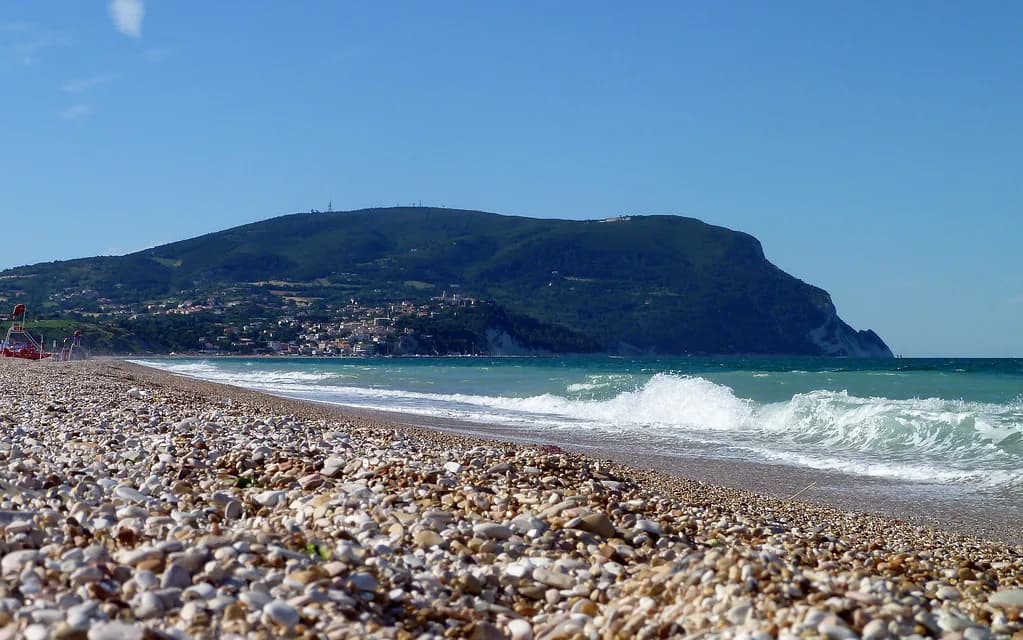
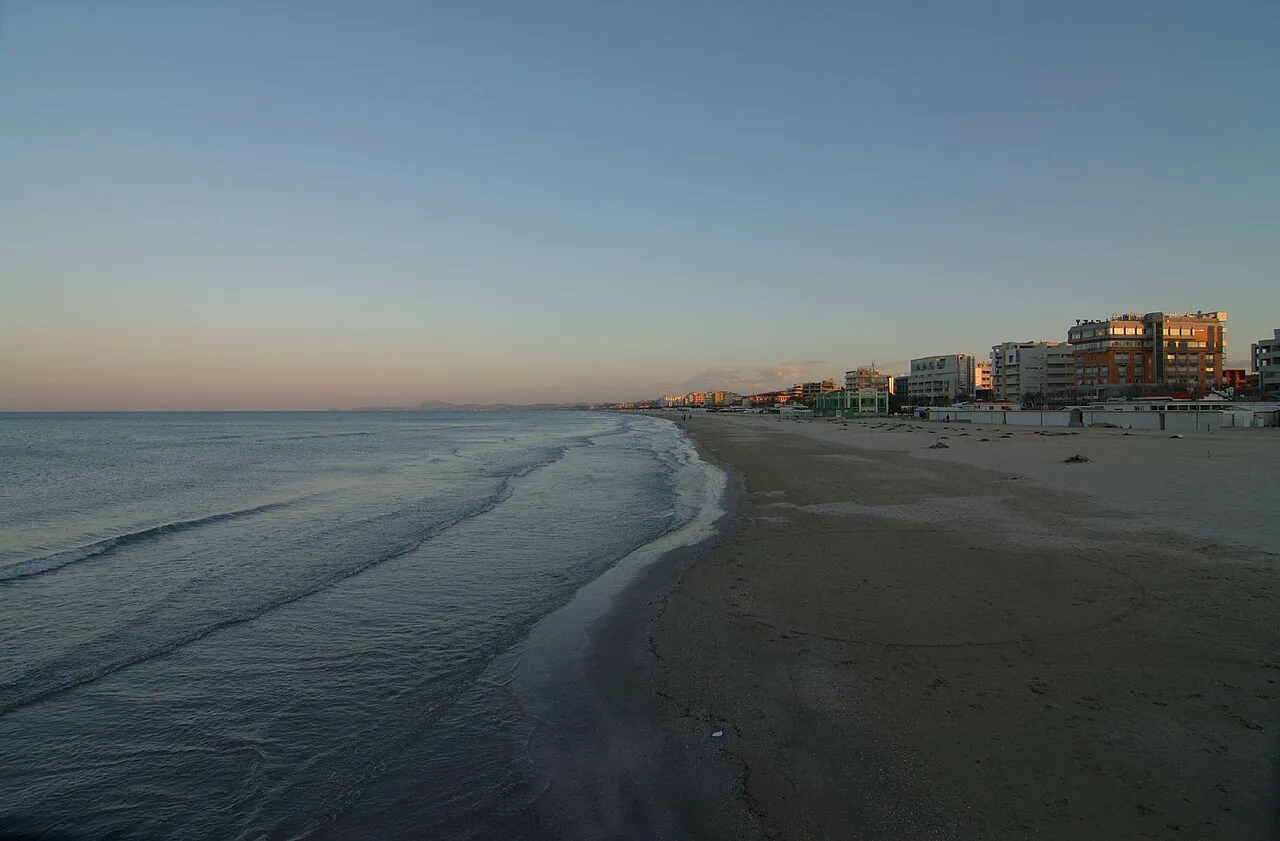
Senigallia's beach earns its nickname: 13 km of very fine, pale golden sand that feels soft underfoot and slopes into shallow water at the shoreline. That combination makes it one of the easiest beach days on the Adriatic for families with small children, and just as good for swimmers who want a long, straight swim rather than a cove.
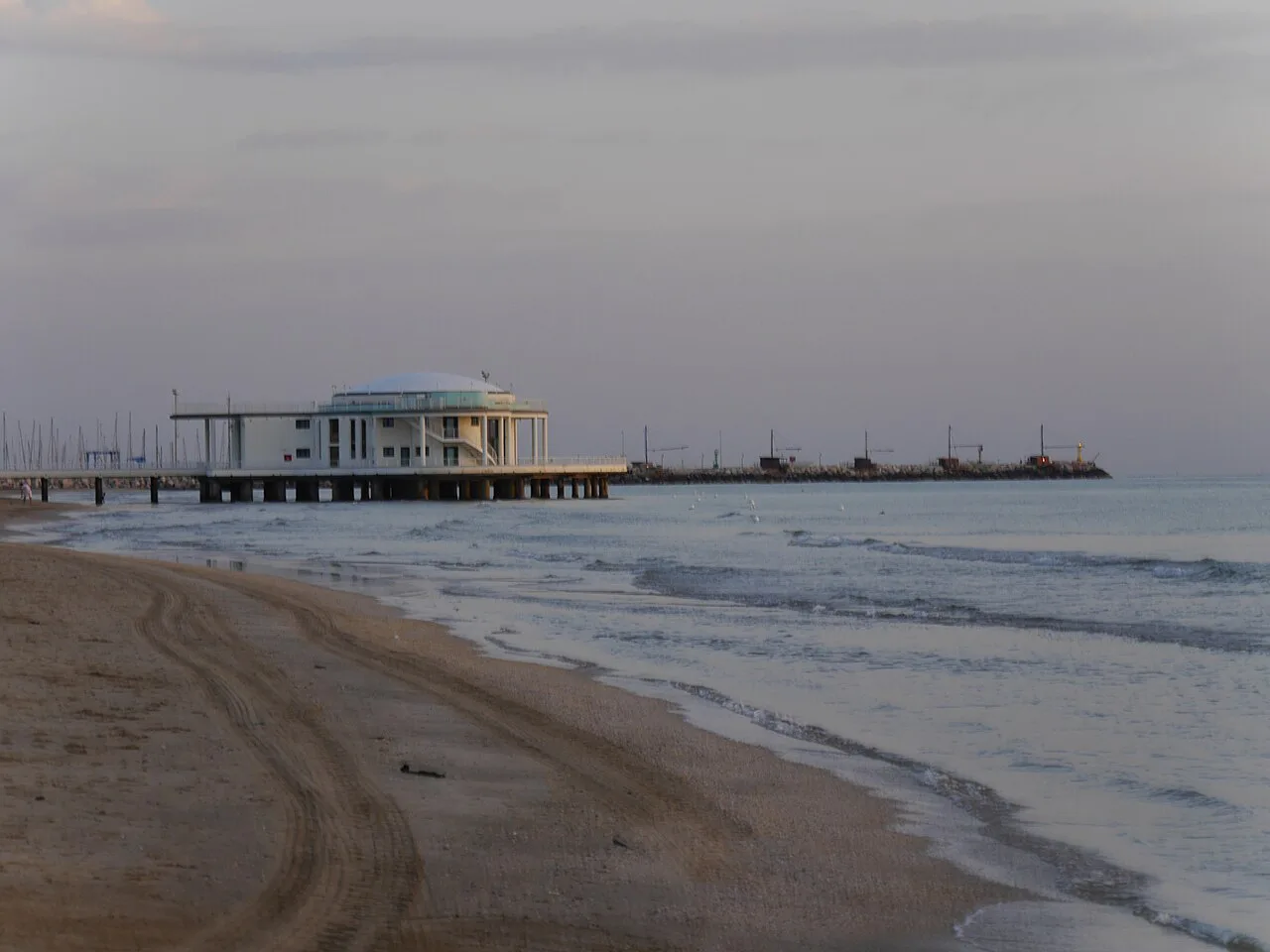
The town sits on the Marche coast between Ancona and Fano, with the old centre, the harbour and the Rotonda a Mare strung along a seafront that splits into two named fronts: Ponente to the west and Levante to the east. Knowing which front you are heading for decides almost everything about your day, from parking to how busy the sand gets.
Where the beach sits
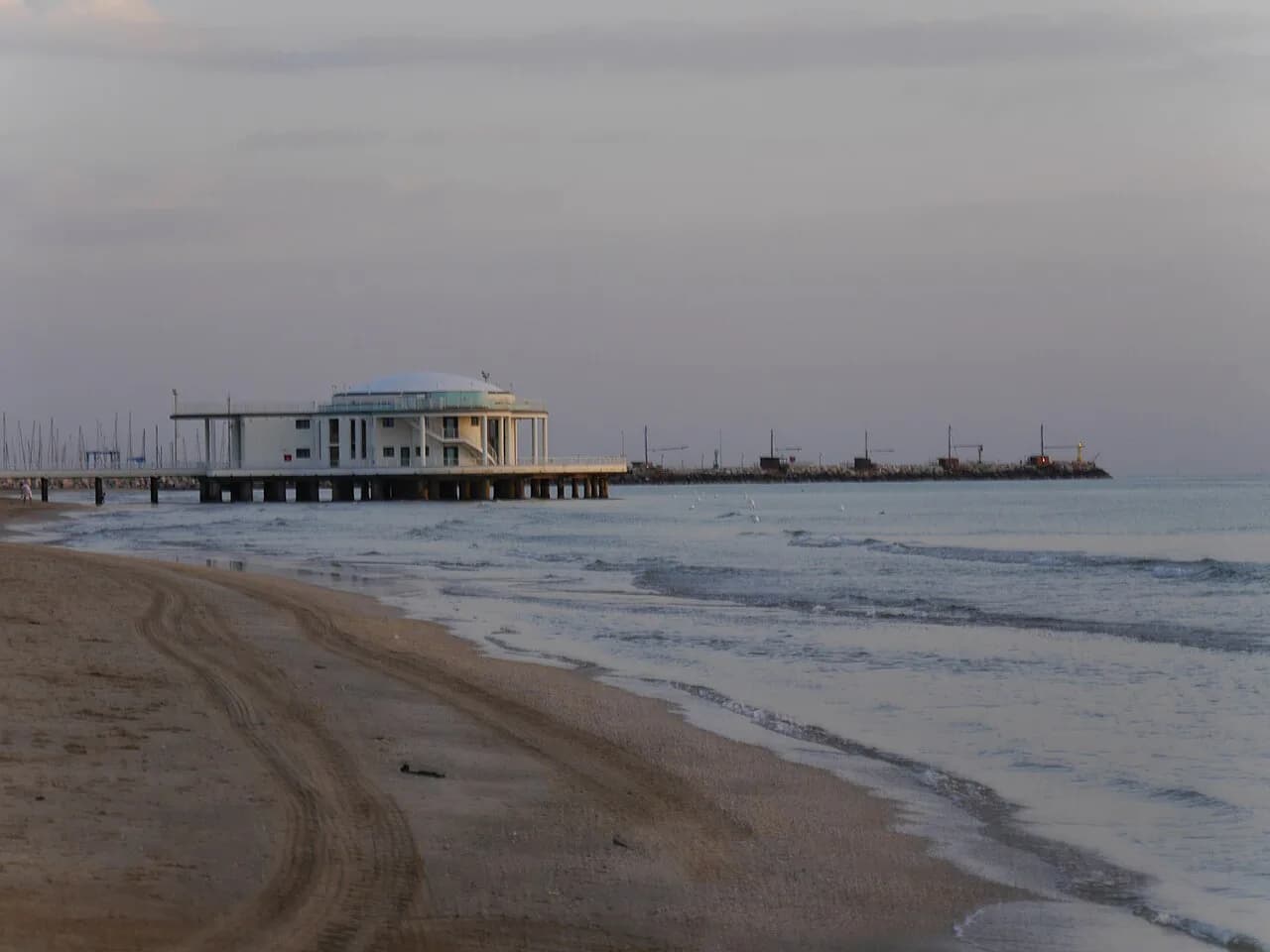
The 13 km of sand runs either side of the harbour and the Rotonda a Mare, the domed pier building that marks the centre of the seafront. West of the port is Ponente, east is Levante, and both fronts mix equipped lidi with free public stretches.
To the north, the beach runs towards Cesano; to the south, it reaches Marzocca after passing Ciarnin. South of the port the sand has no breakwaters, while north of it the breakwaters structure the water; the shoreline itself is much the same sand along the whole length.
Because the beach is so long and linear, the practical choice is not which beach but which kilometre. Pick a front close to your parking or your hotel and walk, cycle or take the bus along the lungomare rather than trying to see all of it on foot.
Getting there
Trains run to Senigallia station on the Adriatic line, with Ancona airport the nearest for flights; from the station the seafront is a straightforward walk or short ride east through town.
The nicest approach is by bike. A signed cycle lane runs from the historic centre along the Misa to the harbour, then continues along the coast for 13 km, so you can ride from your hotel to the sand and pick a quiet stretch well away from the busiest lidi.
Public transport within Senigallia runs more frequently in summer, which makes it realistic to leave the car at the hotel and reach the beach by bus. Bring a light lock if you are cycling and plan to stop for lunch in the centre.
Parking and park-and-ride
Drivers can use park-and-ride car parks close to the beach: around 400 spaces at the ex-Sacelit harbour area, 380 at Villa Torlonia to the north, 250 at Saline-Pattinodromo in the central-south and 200 at the ex Ciriachi area to the south.
From 1 June to 15 September these park-and-ride sites cost €3 per day, operating from 9 a.m. to 8 p.m. Outside that window, rates and hours are set by the individual car park management, so read the signs or the parking app before you leave the car.
There is more on-street and local parking in the outer districts, including Cesano on via Strada Settima and via Perugia, Ciarnin near the church, and several underpass sites along the seafront. Payment works by meter or through the MyCicero app, which lets you pay only for the time you use.
The sand and the water
The sand is famously fine and pale, the reason for the Velvet Beach name, and it is cleaned daily along the seafront. Walking barefoot is comfortable, but fine sand sticks to everything, so a beach mat and a rinse at the showers afterwards make a difference.
Water quality is monitored every fortnight by Arpam, the regional environmental agency, and Senigallia has held the European Blue Flag since 1997 for bathing water, environmental management, services and safety.
The shoreline shelves gently, which is why the beach is popular with families, and the sand continues well out from the water's edge. For stronger swimmers the length of the beach is the attraction: a straight, unbroken line of sand for a long out-and-back swim, with the breakwaters north of the port giving some structure to the water.
Facilities
In summer the 13 km of beach is covered by a lifeguard and rescue service with more than sixty stations in constant contact with emergency services, and there are two medical centres on the seafront. Showers and drinking water fountains are spaced at regular intervals along the front.
Equipped lidi line much of the beach, with umbrellas, sunbeds, bars and changing cabins; prices and opening dates are set by each operator, so ask at the lido you like the look of or book through your hotel. The free public stretches sit between them on both Ponente and Levante.
A fitness path called Gym on the Beach adds five exercise stations: three on the western harbour dock and two along lungomare Alighieri, one in front of La Bussola and one near the UISP sun treatment centre.
Free public beaches and accessibility
The free beaches are equipped with wooden structures covering 637 m² where you can leave umbrellas, chairs and tables between visits instead of carrying them back and forth each day. That makes the free stretches a realistic option for a week-long stay, not just a single afternoon.
There are 380 m² of walkways designed to bring wheelchairs and special scooters to the water's edge on the free beaches, with entrances marked by signs reading Accesso alla spiaggia libera per diversamente abili. Two are on lungomare Mameli at Cesanella, one on lungomare Da Vinci by the CO.GE.S.CO. centre, and three on lungomare Italia at Marzocca.
Blue Flag and Green Flag
The Blue Flag covers bathing water quality, environmental management, services and safety, and information for visitors; Senigallia has held it continuously since 1997. In practice that means certified water sampling, daily cleaning, rescue equipment and lifeguards on both lidi and free beaches, and accessible services.
The Green Flag is a separate award from a jury of Italian paediatricians, given for shallow clean water near the shore, clean sand, family facilities, playgrounds, rescue services and organised activities for children. If you are travelling with a toddler or a nervous swimmer, the Green Flag is the more relevant badge of the two.
Dogs on the beach
Dogs are allowed on the sand only at specifically equipped beach facilities: Scooby Doo Beach at Ciarnin in the south and Il blasco 119, plus Baia Canaria at Cesano in the north. Each has dedicated areas with beach chairs, fenced spaces away from other lidi, and water in front of the facility for dog swimming.
Services at the pet-friendly lidi include playgrounds, agility routes, showers, dryers, and dog sitters or vets on request, so a dog can be left briefly while you swim. Book ahead in peak weeks and ask each facility about its own rules on leads and vaccination before you travel.
Best time to go
The beach season is busiest from June to mid-September, when the park-and-ride runs and the lifeguard stations are staffed. Late June and early September tend to give warm sea with smaller crowds than August, when Italian families take their holidays.
The sea is at its warmest in July and August; for a quieter swim with comfortable water, aim for the first half of September. The Summer Jamboree in late summer pulls big crowds to the seafront around the Rotonda a Mare, which is fun but worth planning around if you want a quiet patch of sand.
The dune end and the Kentish plover
The embryo dunes on the free beach are fenced to protect nesting Kentish plover, and nests are protected from March to July. The birds choose the dune strip on the quieter public stretches, so keep to the walkways and paths near the dunes in spring and early summer rather than cutting across the sand.
For quiet-seekers, this dune end of the free beach is the most rewarding stretch: fewer umbrellas, more space, and a genuine natural shoreline, at the cost of walking a little further for a bar.
Nearby beaches to combine
Marzocca lies to the south-east along the same sand, effectively a continuation of Senigallia's beach and reachable on the coastal bike lane. To the north-west, Marotta sits about 8 km away and makes an easy alternative day.
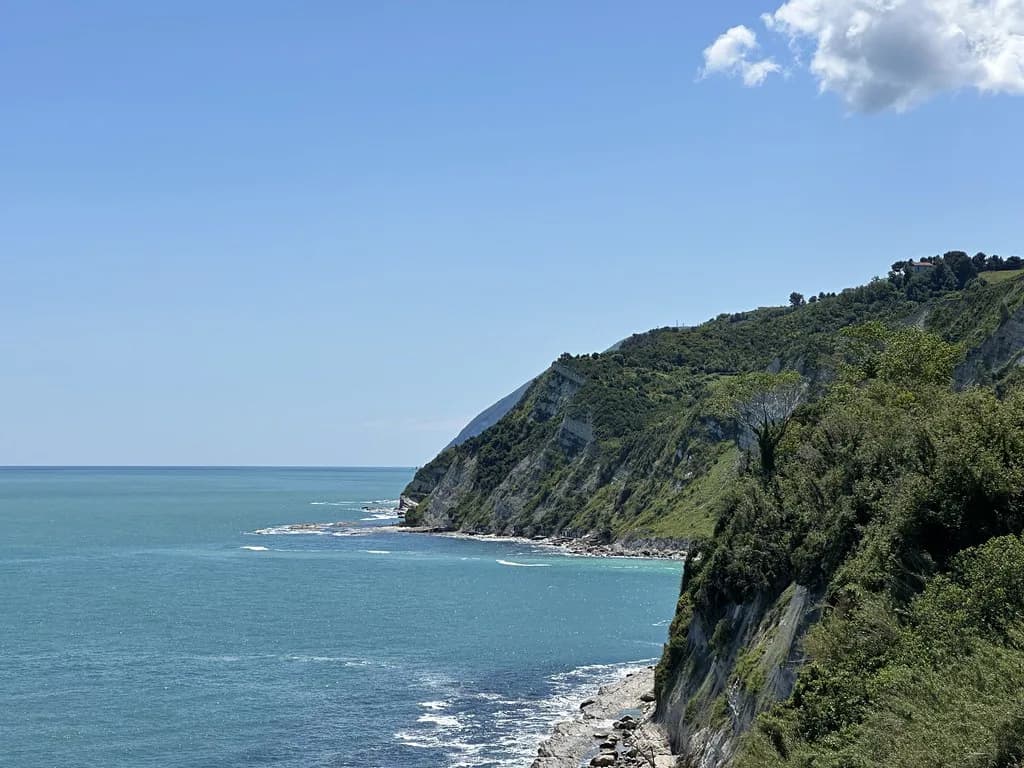
If you want a contrast to Senigallia's long, soft sand, head south to the Ancona beaches, where the coastline turns rocky and the water deepens sharply under the cliffs. The Conero Riviera Natural Park shelters small pebble and rock beaches such as Mezzavalle beach, reached on foot or by boat rather than by car. Further north along the same Adriatic coast, the Trieste beaches offer a different mix of sand and rock at the other end of the sea's Italian shore.
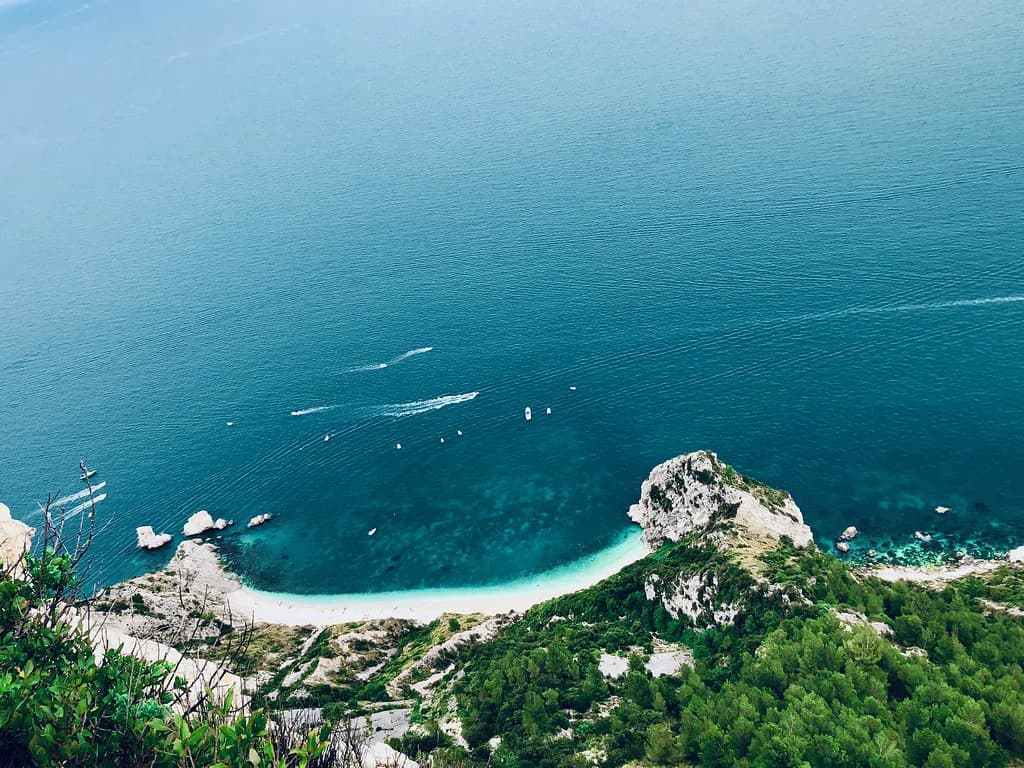
Further along the Conero coast, Portonovo beach has a sheltered bay and a hinterland of pine woods, while Due Sorelle beach is the boat-access option for a dramatic swim. Numana beaches split between the low waterfront at Numana Bassa and the cliff steps of Numana Alta, with more pebbles and clearer water than Senigallia.
Plan Your Visit
Senigallia works best as a beach day you don't have to over-plan: choose Ponente or Levante by your parking or hotel, ride the seafront bike lane if you can, and pick a lido or a free stretch based on whether you want an umbrella and a bar or space and dunes. Summer park-and-ride parking keeps driving in simple, and the long, shallow shoreline keeps families and swimmers happy on the same beach.
The Senigallia tourist office publishes the current summer parking hours and rates, and the pet-friendly facilities can confirm their own booking arrangements, so a quick call before you set out settles both. Build in a morning or afternoon on the Conero coast for a contrast of rock and deep water.
Frequently Asked Questions
Is Senigallia worth visiting for a beach holiday?
Yes, if you want a long, easy sandy beach with shallow water, good facilities and a town behind it. The 13 km of fine golden sand, Blue Flag status since 1997 and Green Flag for families make it one of the most practical beach bases in the Marche, and the seafront bike lane makes it easy to move between stretches.
Is Senigallia beach sandy?
It is very fine, pale golden sand along the whole 13 km, which is why it is called the Velvet Beach. The sand continues well out from the shoreline, so the water stays shallow for a good distance out, ideal for children.
How do you get to Senigallia beach from the town centre?
Walk or cycle east from the centre: a signed bike lane follows the Misa to the harbour, then continues for 13 km along the coast. Trains arrive at Senigallia station on the Adriatic line, and buses run more frequently in summer.
Where do you park at Senigallia beach?
Use the park-and-ride sites at the ex-Sacelit harbour area, Villa Torlonia, Saline-Pattinodromo and the ex Ciriachi area, or the local car parks in Cesano, Ciarnin and along the seafront. The Senigallia tourist office publishes the current summer daily rate and operating hours for the park-and-ride sites, and payment is by meter or the MyCicero app.
Does Senigallia beach have free public areas?
Yes, free public stretches sit between the equipped lidi on both the Ponente and Levante fronts. They include wooden storage structures for beach gear and walkways for wheelchair users, with entrances marked for disabled access.
Which end of Senigallia beach is quieter?
The dune end of the free beach tends to be the quietest, with fewer umbrellas and more natural shoreline. The busy stretches cluster around the Rotonda a Mare and the central lidi, especially in August and during the Summer Jamboree.
Can you take dogs on Senigallia beach?
Dogs are allowed only at three equipped facilities: Scooby Doo Beach at Ciarnin, Il blasco 119, and Baia Canaria at Cesano. They offer dedicated areas, fenced spaces, dog showers and access to the water in front of the facility.
When is the best time to swim at Senigallia?
July and August give the warmest sea, while late June and early September offer comfortable water with fewer crowds. The beach is busiest from June to mid-September, so book lidi and pet-friendly facilities ahead in August.
Sources
Beach notes for your next trip
Optional updates when we add or revise beach guides.
You might also like
Continue reading
More guides you'll find useful