Best Beaches Near Alghero: A Practical Guide for Sardinia
Plan a beach day near Alghero with the sandy bays at Mugoni, La Speranza and Maria Pia, plus the rocky north coast at Porticciolo and how to reach each one.
On this page
Alghero rewards beach-goers who are willing to drive a short way out of town: within roughly ten kilometres you can choose between pine-backed sand, a shallow bay on the Bosa road and rocky coves set in Mediterranean scrub. The right pick depends less on reputation than on whether you want a walkable city beach, a calm sandy bay for children, or a wilder north-coast swim.
The town sits in the north-west of Sardinia on the Riviera di Corallo, close to Fertilia airport and within easy reach of both the Capo Caccia road and the coast road towards Bosa. That geography explains why the beaches here feel so different from one another, and why planning by route rather than by name makes for a better day out.
Which Alghero beach suits your day
Think in three groups. The sandy family bays sit on the Capo Caccia road and the Bosa road, the walkable city beach sits just outside the old town, and the rockier coves lie to the north towards Fertilia and Santa Maria La Palma. Deciding between those three shapes of beach day is more useful than ranking them against each other.
For the fullest picture of the coastline around town, from the city sand to the outlying bays, the main guide to Alghero beaches covers each stretch in more detail. It works well as a starting point before you commit to a route for the day.
Families with small children should lean towards Mugoni or La Speranza, where the seabed shelves gently. Swimmers and snorkellers who prefer rocks and clear, deep water will get more from Porticciolo and the coves around the maquis. Anyone staying in the old town without a car should start with the city beach and treat everything else as a short taxi or hire-car trip.
Maria Pia: the walkable city beach
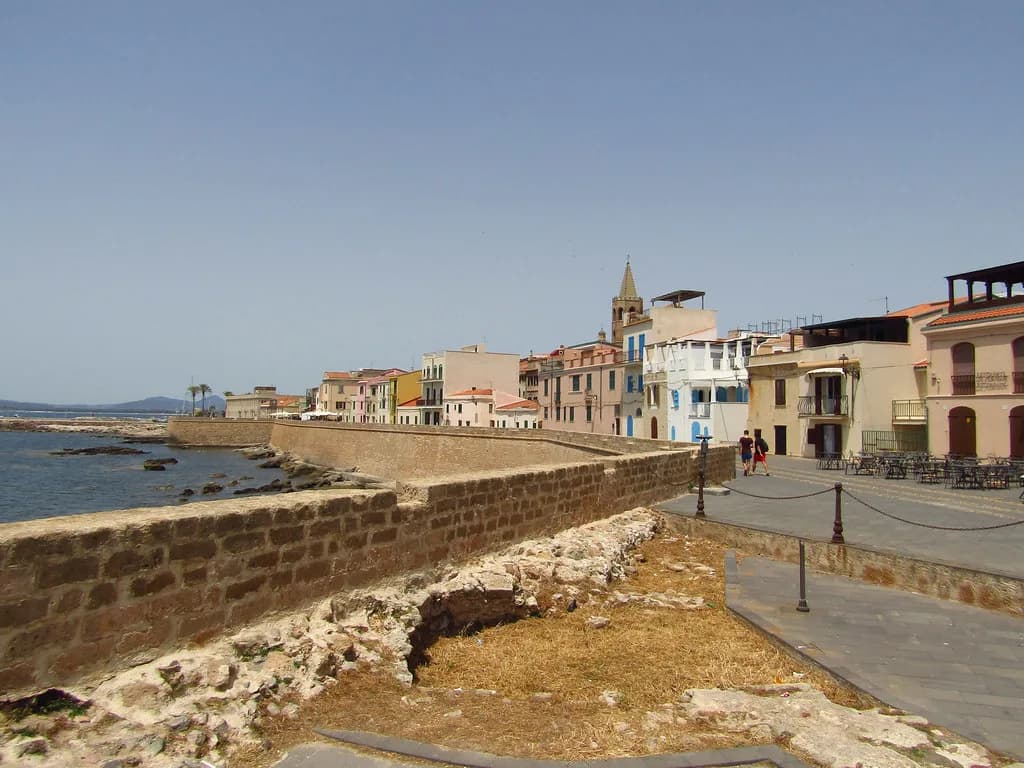
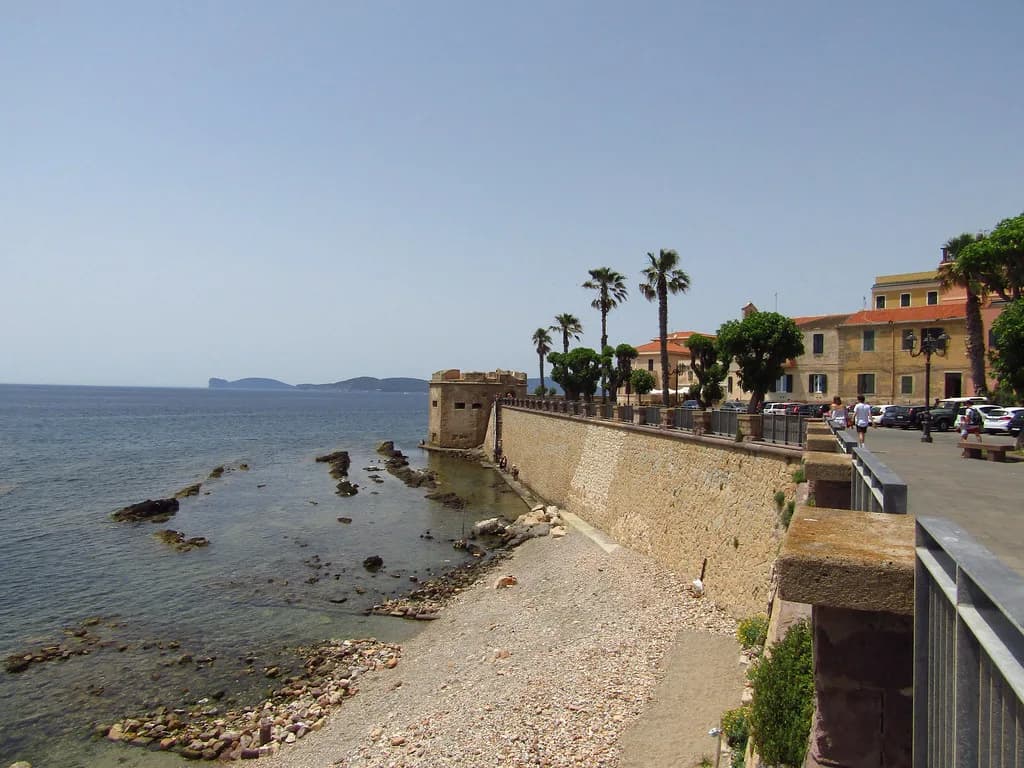
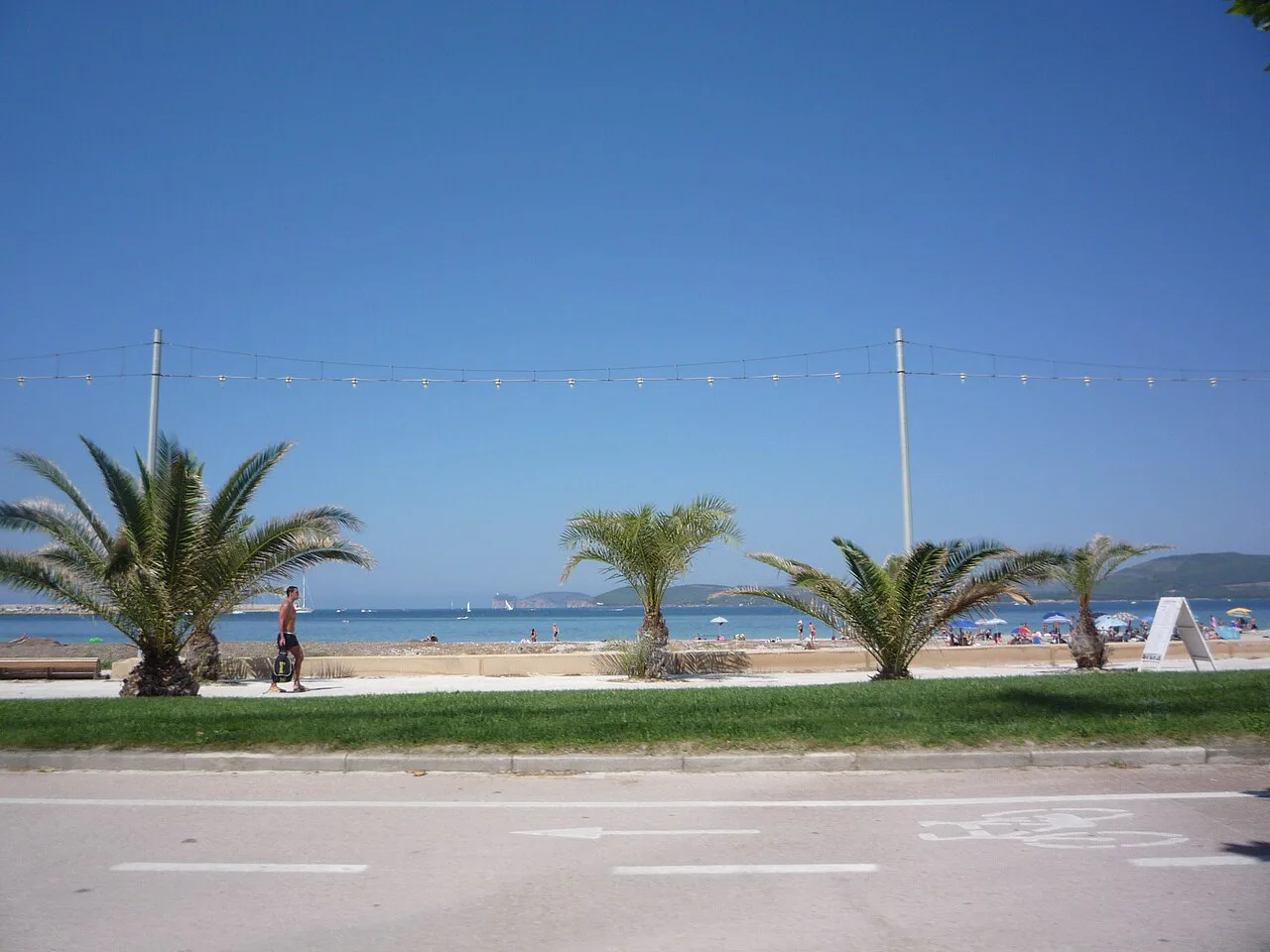
The beach at Maria Pia is the practical choice if you are staying in Alghero's historic centre and want to swim without arranging transport. Visitors describe it as a city beach of pale sand and turquoise water, close to everything in town, which makes it the natural first stop on a short break.
Because it sits against the town rather than out in the countryside, it suits a morning swim, a late-afternoon dip or a beach day with lunch back in the centre. It is also the easiest option for anyone relying on their feet. For a fuller breakdown of this stretch, the dedicated Maria Pia beach page is worth a look before you go.
Treat Maria Pia as the beach for days when you do not want to drive. The outlying bays repay the journey with quieter sand and better shelter, but they cost you a car or a taxi each way, and that trade-off is the main decision on any Alghero beach day.
Mugoni and La Stalla: pine-backed sand on the Capo Caccia road
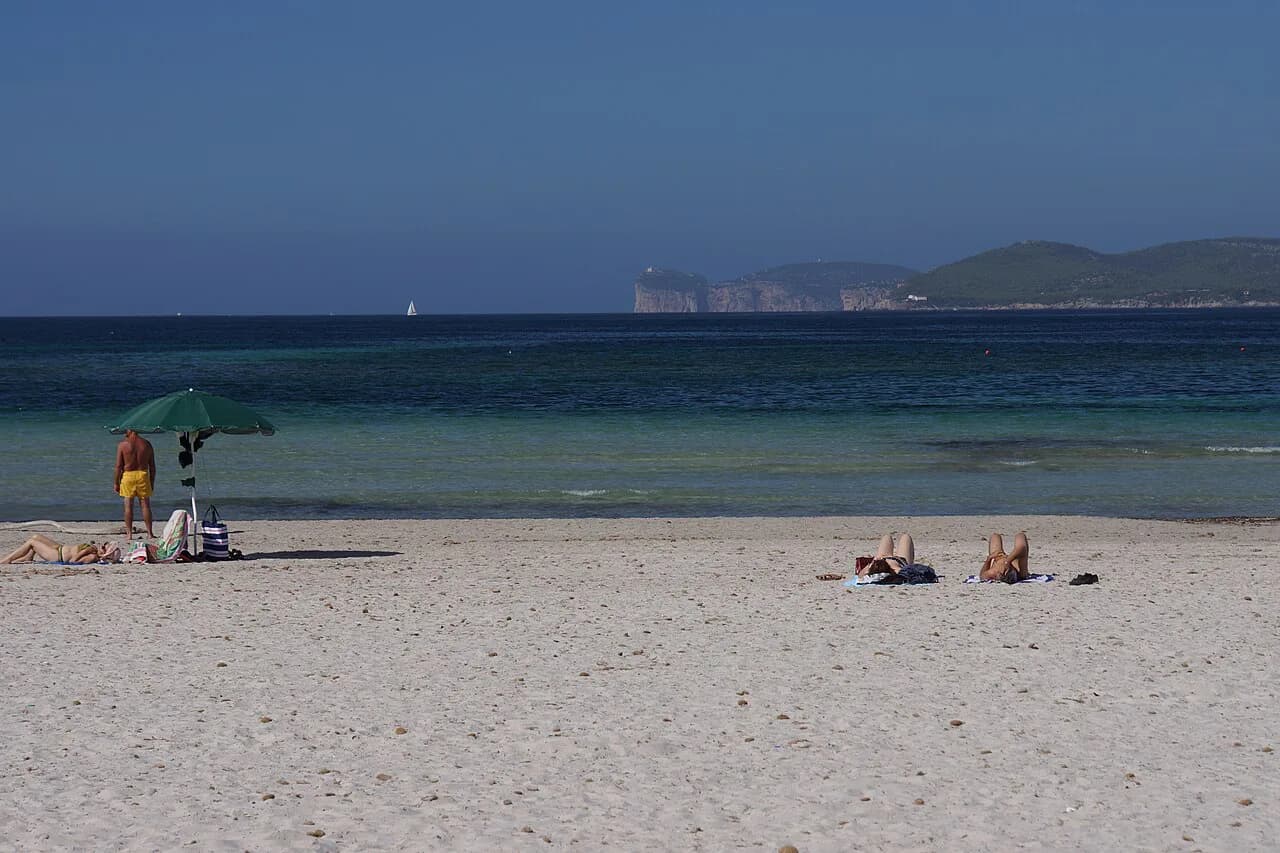
Mugoni is the headline sandy bay west of town: a long beach of fine sand with a sandy seabed and a thick wood behind it, which keeps the water fresh even in summer. A paved path leads on to a second beach, La Stalla, so you can combine both in one outing.
The drive is straightforward. Leave Alghero towards Capo Caccia, pass Fertilia and continue for about ten kilometres to a roundabout, turn right towards Capo Caccia, and after roughly two kilometres turn left for Mugoni. A large car park sits at the end, and the source notes it is free until the end of June.
This is the beach to choose for a long, lazy day with children who want to paddle and build sandcastles, or for anyone who values shade and a wooded backdrop. In high summer the car park fills, so arriving earlier in the day makes a difference.
La Speranza (Porto Pollina): low, clear water on the Bosa road
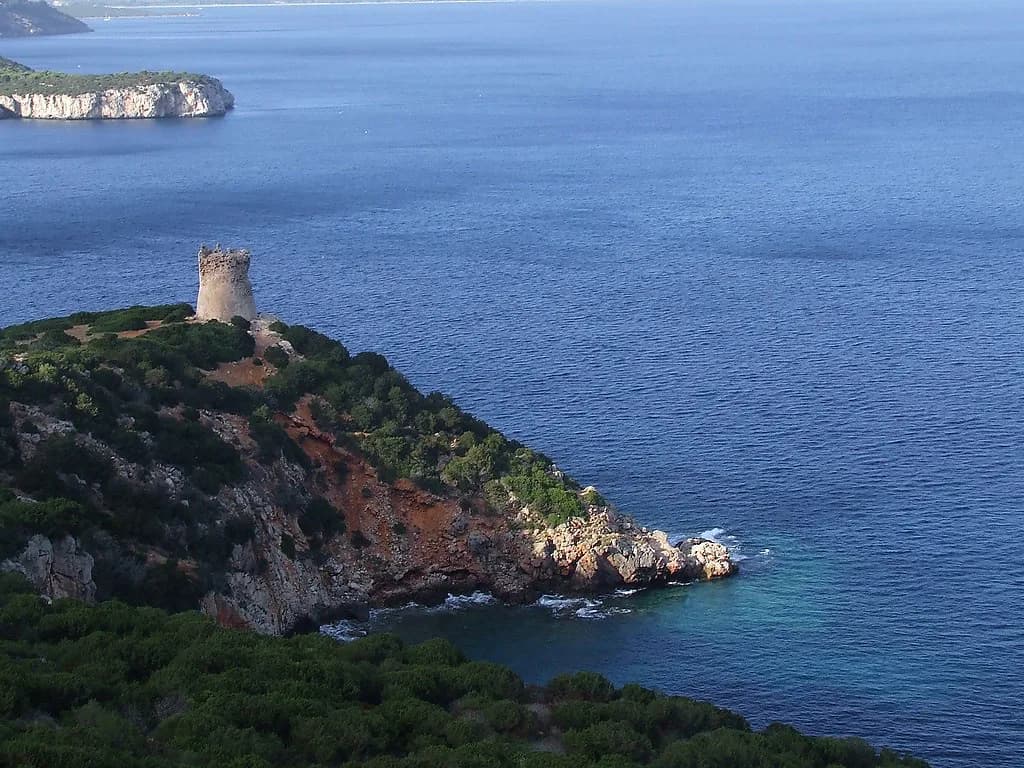
La Speranza takes its formal name, Porto Pollina, from the old Aragonese watchtower on this stretch of coast, and its common name from a small church nearby. The sand is pale and fine, the seabed is low and the water clear, which makes it the other strong contender for families.
It lies about eight kilometres from Alghero along the SP105 towards Bosa, so it pairs naturally with a drive down that coast. If you want to extend the day, the sandy sweep at Bosa Marina is a sensible second stop on the same road.
Choose between La Speranza and Mugoni on character rather than convenience: La Speranza is the simpler, more open bay, while Mugoni brings the pine wood, the second beach and the bigger car park. Both give you shallow entry, which matters more than either beach's reputation.
Porticciolo: yellow sand, maquis and bays on the Capo Caccia side
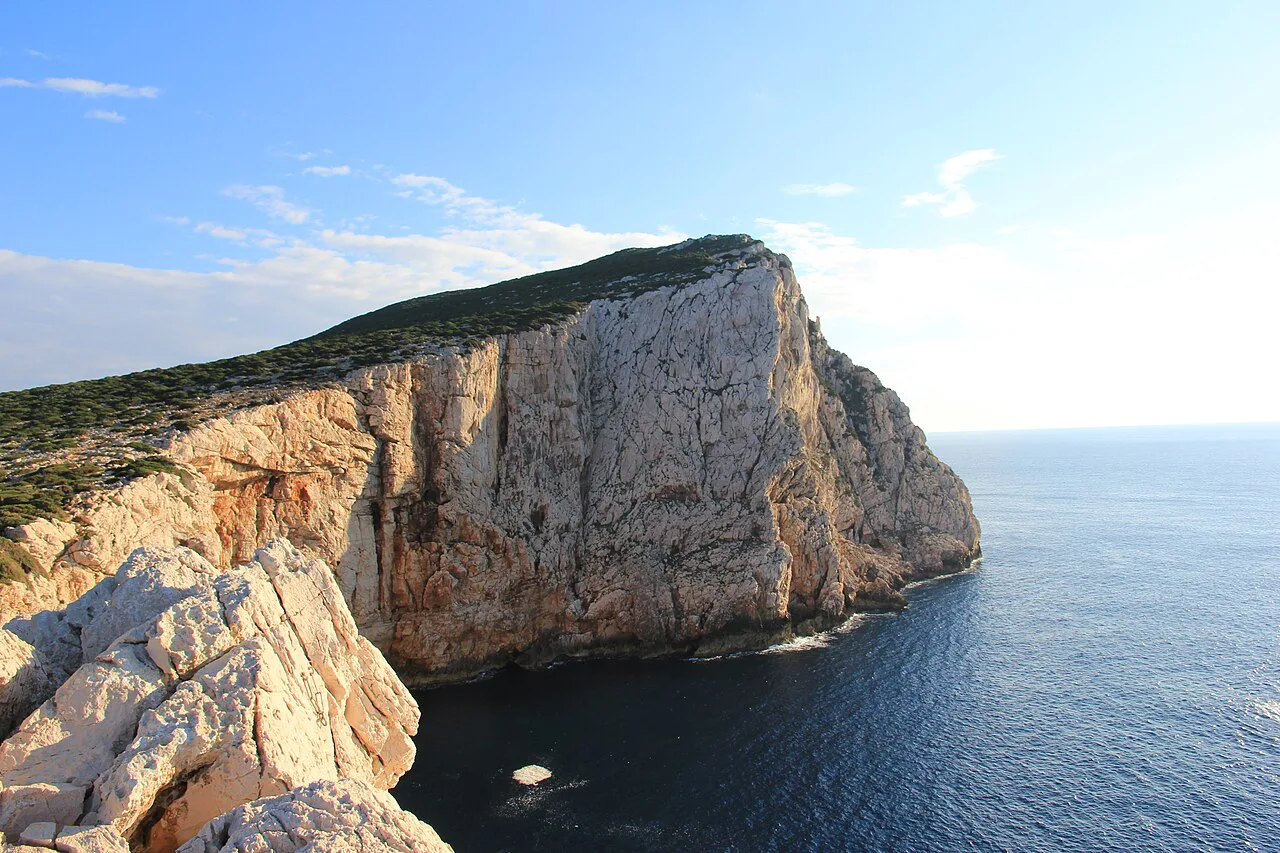
Porticciolo, north of Alghero, is really a cluster of small beaches and bays set in Mediterranean scrub, with slightly yellow sand and striking sea colours. It rewards anyone who wants a rockier, more textured coastline than the big sandy bays offer.
To get there, drive from Alghero towards Fertilia, turn for Santa Maria La Palma, then take the left turn towards Capo Caccia at the junction. After about two kilometres a sign directs you to Porticciolo. The sequence of turns matters more than the distance, so note it before you set off.
Snorkellers and confident swimmers tend to prefer this side of town, where the coves and rocks give the day more variety than a single long beach. Walkers can move between bays along the maquis, which makes it a good choice when you want to explore rather than settle in one spot.
Le Bombarde and Lazzaretto: the famous names today
Le Bombarde and Lazzaretto are the two names most often repeated in older guides, and they are still worth knowing about. One local blog reports that both have become stony and much smaller than in previous years, with the sand shifted by currents and tides, so they now hold fewer people comfortably.
That does not rule them out. The same account praises the clarity of the water and the colour of the sea along this coast, so if you come for swimming and scenery rather than a long stretch of sand to lie on, they still deliver. Bring something soft to sit on if you plan to stay a while.
Choose them for a shorter swim stop on a day that also takes in Mugoni or Porticciolo, rather than as the main event with small children and a full beach kit. Conditions on shingle beaches shift from season to season, so treat any account of them, including this one, as a snapshot.
Getting there without a car
Only Maria Pia works comfortably on foot from the centre. Mugoni, La Speranza and Porticciolo all sit several kilometres out of town along the Capo Caccia and Bosa roads, and the routes involve roundabouts and signed turns that reward having your own vehicle.
If you are not hiring a car, plan around the city beach and use taxis for one outlying trip rather than trying to string several together. Hiring a car for a single day is the alternative, and it lets you pair Mugoni with La Stalla and still drive the Capo Caccia road in the evening.
For a longer stay, the wider selection of beaches further along the coast is easier to reach with a car, including the pale sand and shallow water at Stintino beaches on the north-west tip of the island. That peninsula makes a full day out rather than an afternoon.
The sand and the water
Depth is the clearest dividing line. Mugoni and La Speranza both have sandy, gently shelving seabeds that suit paddling and weak swimmers, while Porticciolo's coves and rocks promise more interesting water for those who swim well.
Water temperature follows the usual Sardinian pattern, warmest at the end of summer after months of sun. The shallow bays at Mugoni and La Speranza heat up faster than the deeper coves, which makes them the better bet for a long, comfortable swim early and late in the season.
Shelter, wind and summer crowds
Mugoni's wood gives it a sense of enclosure and shelter that the open sands at La Speranza lack, and the trees also provide shade away from the water. Porticciolo's bays and scrub break the wind in patches, so you can usually find a more protected corner along that stretch.
In high summer, Mugoni's car park fills and the beach gets busy, so start early if you want space near the path to La Stalla. Midweek days outside August are calmer everywhere, and the city beach at Maria Pia absorbs crowds better than the small coves.
Facilities and what to bring
Facilities vary along this coast and are not guaranteed at the outlying bays, so carry water, shade and cash for a beach bar as a matter of course. The car park at Mugoni is the main fixed point on the Capo Caccia road, and beyond that you should plan to be self-sufficient for the day.
Bring reef-safe sun cream, a parasol or tent for the open sands at La Speranza, and shoes you can wear into the water at Porticciolo and the shingle beaches. A cool bag earns its place on any of these trips, since the nearest shop may be back in Alghero or Fertilia.
Best time to go
Late spring and early autumn give you warm, swimmable water with far fewer people on the sand, and the shallow bays at Mugoni and La Speranza stay comfortable for families outside the peak weeks. High summer brings the busiest car parks and the warmest sea, so weigh crowds against water temperature when you pick your dates.
Whatever month you choose, beach services and car park arrangements around Alghero can change with the season. The Alghero tourist office is the right place to ask about current arrangements before a long drive out to the coast.
Nearby beaches and coves to combine
Pair Mugoni with La Stalla via the paved path for two beaches in one stop, or drive the Capo Caccia road onwards for the coves and cliffs that give this coast its character. On the Bosa road, La Speranza sits naturally alongside a stop at Bosa Marina further south.
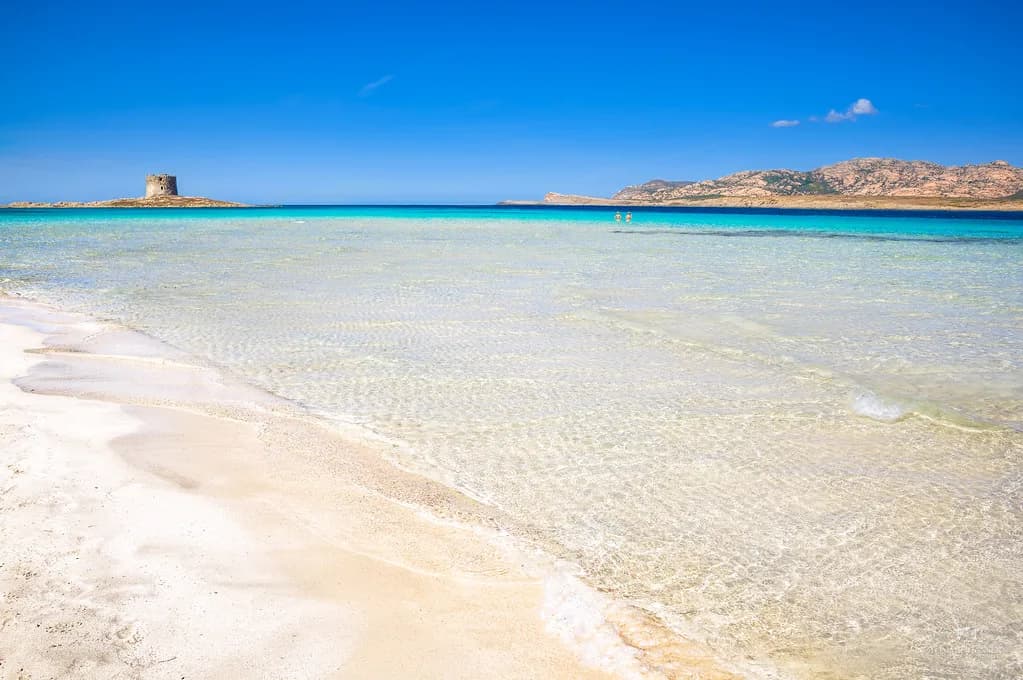
If you are chasing the region's most celebrated sand, the shallow water and dune-backed sweep of La Pelosa beach near Stintino makes a rewarding day trip from Alghero, though it draws a crowd in season. The dedicated La Pelosa Beach, Sardinia guide explains how visits are organised before you commit to the drive.
Plan Your Beach Day
Base your choice on the shape of the day you want: Maria Pia for a car-free swim, Mugoni for a sheltered sandy day with shade and a second beach next door, La Speranza for a simple shallow bay on the Bosa road, and Porticciolo for rocks, coves and a walk through the maquis.
If you are comparing this coastline with beaches elsewhere in Italy, the best beaches near Bari guide shows how a different region organises its city sands and lidos. Closer to hand, the Alghero tourist office can confirm current car park and access arrangements before you set out.
Frequently Asked Questions
Which beach near Alghero is best for families with small children?
Mugoni and La Speranza both have fine sand and a low, gently shelving seabed that suits paddling. Mugoni adds a pine wood for shade and a paved path to the second beach at La Stalla, which makes it the easier choice for a long day with children.
Can you walk to a beach from Alghero town?
Yes. Maria Pia is the city beach, close to the centre and described by visitors as pale sand with turquoise water. The other beaches in this guide sit several kilometres out on the Capo Caccia and Bosa roads and need a car, taxi or a hired driver for the day.
How do you get to Mugoni beach from Alghero?
Drive towards Capo Caccia, pass Fertilia and continue for about ten kilometres to a roundabout, then turn right towards Capo Caccia and left after roughly two kilometres for Mugoni. A large car park sits at the end of the approach road.
Are Le Bombarde and Lazzaretto still sandy?
A local blog reports that both beaches have become stony and noticeably smaller than in past years, with sand moved by currents and tides. They remain worth a swim stop for the clear water, but bring something comfortable to sit on.
When is the sea warm enough to swim near Alghero?
Water is at its warmest at the end of summer, after months of sun, and the shallow bays at Mugoni and La Speranza heat up faster than the deeper coves. Late spring and early autumn give swimmable water with fewer people on the sand.
Which Alghero beach is best for snorkelling?
Porticciolo, north of Alghero, offers a mix of small bays and rocky stretches set in Mediterranean scrub, which gives snorkellers more to explore than the long sandy bays. The shingle beaches at Le Bombarde and Lazzaretto also appeal for clear water.
Sources
Beach notes for your next trip
Optional updates when we add or revise beach guides.
You might also like
Continue reading
More guides you'll find useful